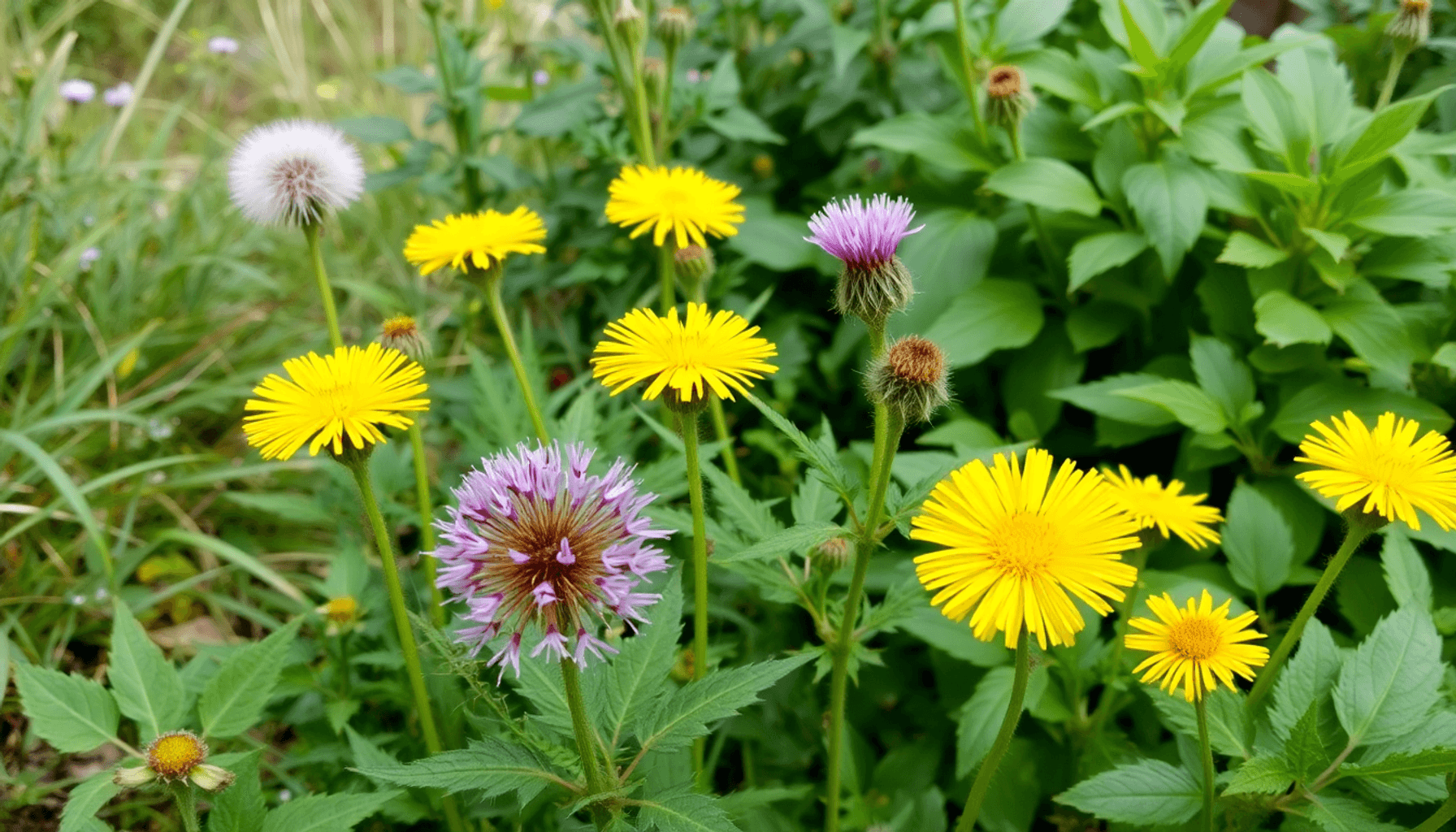

Weeds are a persistent challenge for gardeners across the UK. Identifying and controlling these unwanted plants is crucial to maintaining a healthy garden environment. Without proper management, common UK garden weeds can quickly take over planting beds, lawns, and cultivated areas, competing with desirable plants for nutrients, water, and sunlight.
Garden weed identification plays a vital role in effective control. Different weed species exhibit unique growth habits, flowering patterns, and root systems. Understanding these characteristics allows you to choose the most appropriate removal or treatment methods, reducing the chance of regrowth and spread.
UK gardeners frequently encounter issues such as:
- Perennial weeds that regenerate from roots or rhizomes year after year
- Fast-spreading annuals that produce large quantities of seed
- Invasive species capable of disrupting native ecosystems and garden layouts
This guide serves as a comprehensive resource for recognising common UK garden weeds and offers practical advice on their control. You will find detailed descriptions of typical weeds found in various garden environments alongside tailored strategies for managing them effectively. Whether you are dealing with creeping thistle in your vegetable patch or battling Japanese knotweed near your boundary fence, this guide aims to equip you with the knowledge needed to regain control of your garden space.
Understanding Garden Weeds in the UK
Garden weeds are plants growing where they are not wanted, competing with cultivated species for nutrients, water, and light. Their presence can reduce garden productivity, spoil aesthetics, and sometimes introduce pests or diseases. Recognising garden weeds and understanding their behaviour is crucial for effective control.
What Are Garden Weeds?
- Plants that thrive aggressively in garden environments without intentional planting.
- Often fast-growing with robust reproductive strategies.
- Can suppress growth of desired plants by outcompeting them.
- Some weeds also alter soil chemistry or harbour harmful insects.
Perennial Weeds UK vs Annual Weeds UK
Perennial Weeds
These weeds live for multiple years, often regenerating from roots or underground stems such as rhizomes or tubers. They establish persistent colonies that can be hard to eradicate once mature. Examples include creeping thistle and ground elder.
- Survive winters underground.
- Re-grow each season from established root systems.
- Spread mainly through root fragments and seeds.
- Require more persistent management due to longevity.
Annual Weeds
Complete their life cycle within one growing season—germinating, flowering, seeding, then dying back entirely. Cow parsley and cleavers are common annual weeds in UK gardens.
- Depend heavily on seed production for survival year to year.
- Germinate rapidly when conditions are favourable.
- Can form dense populations quickly.
- Easier to control if caught before seed set.
Common Growth Environments and Spreading Methods
Weeds adapt to a variety of garden settings:
- Disturbed soils: Areas recently dug or tilled often invite weed colonisation due to exposed seed banks.
- Lawns and turf: Low mown grass areas offer niches for low-growing weeds like daisies or chickweed.
- Borders and cultivated beds: Competition with ornamentals encourages aggressive species such as bindweed.
- Waste areas and hedgerows: Provide refuge for many perennials and biennials thriving in less managed spots.
Spreading occurs through several mechanisms:
- Seed dispersal: Wind, water, animals, and human activity carry seeds over distances.
- Vegetative spread: Rhizomes, stolons, tubers allow some perennials to expand locally underground or along surfaces.
- Climbing habits: Bindweeds use tendrils or twining stems to overgrow other plants, smothering them.
Understanding these weed growth habits supports choosing the right control method tailored to the species’ biology and preferred environment. Identifying whether a troublesome plant is a perennial weed UK gardeners face annually or an annual weed helps target interventions efficiently. This knowledge forms the foundation before moving into specific identification of common UK garden weeds.
Identification of Common UK Garden Weeds
Identifying common garden weeds in the UK requires attention to specific features such as leaf shapes, flower characteristics, and growth habits. Accurate weed identification UK helps you target control methods effectively and maintain garden health.
Perennial Weeds
Perennial weeds live for several years, regenerating from root systems or rhizomes each season. Their persistence makes them challenging to control without understanding their biology.
1. Creeping thistle
- Leaves: Spiny, deeply lobed with a tough texture.
- Flowers: Lilac to purple flower heads appearing from summer to autumn.
- Growth habit: Upright stems that can reach up to 1.5 meters tall.
- Habitats: Commonly found in fields, waste places, road verges, and grasslands where soil disturbance occurs.
- Identification tip: Look for spiny leaves combined with clusters of fluffy seeds attached to flowers when mature.
2. Ground elder
- Leaf characteristics: Dark green, broad leaves with three pointed lobes forming a distinct shape resembling a maple leaf but softer edged.
- Growth habit: Spreads aggressively through underground rhizomes, allowing it to colonize cultivated land and neglected waste areas efficiently.
- Appearance: Forms dense patches with hollow stems and white umbrella-shaped flower clusters in late spring.
- Identification tip: The plant’s ability to quickly form large colonies via underground runners is a key sign.
3. Dandelion
- Taproot: Thick and stout deep taproot that makes removal difficult if not uprooted completely.
- Leaves: Deeply toothed or jagged edges arranged in a basal rosette close to the ground.
- Flowers: Bright yellow composite flower heads blooming from early spring into autumn.
- Soil preference: Thrives particularly well on chalky or loamy soils typical across many UK gardens and grasslands.
- Identification tip: The combination of a basal rosette with bright yellow flowers and the puffball seed head is unmistakable.
These perennial species represent some of the most persistent challenges in garden weed control due to their robust root systems and prolific spreading strategies. To further assist in identifying these and other common UK garden weeds, it's beneficial to familiarize oneself with their unique characteristics.
Annual and Biennial Weeds
Accurate weed identification UK is essential for effective control. Annual and biennial weeds complete their life cycles in one or two years, making their management distinct from perennials. Recognizing key leaf shapes and flower characteristics helps you target these weeds precisely.
Cow Parsley
- Commonly found in hedgerows, grassy places, and roadside verges.
- Features tall, hollow stems that can reach up to 1.5 meters.
- Leaves are finely divided and fern-like, with a lacy appearance.
- Clusters of small white flowers form umbrella-shaped heads (umbels).
- Life cycle: typically an annual or short-lived biennial; seeds in late summer disperse quickly.
- Thrives in nutrient-rich soils with good moisture.
Cow parsley's rapid growth and dense foliage allow it to outcompete smaller plants if left unchecked. Its identification is straightforward due to the delicate leaf patterns combined with the characteristic umbels.
Cleavers (Galium aparine)
- Exhibits a sprawling annual growth habit, often forming tangled mats.
- Stems and leaves are covered with tiny hooked hairs giving them a sticky texture.
- Leaves arranged in whorls of six to eight narrow leaflets around the stem.
- Small white or greenish flowers appear from spring to early autumn.
- Seeds possess hooks aiding in spread by animals or clothing.
Cleavers’ sticky stems are a clear identifying feature, making it easy to distinguish from other common weeds. Its sprawling nature allows rapid colonization of disturbed garden areas, hedgerows, and cultivated land.
Bittercress (Cardamine hirsuta)
- Small herbaceous annual or biennial weed commonly found in lawns, flower beds, and moist soil areas.
- Leaves consist of rounded leaflets forming rosettes close to the ground.
- Produces tiny white flowers with four petals on slender stalks during spring.
- Seed pods burst open when mature, scattering seeds around to ensure wide distribution.
Bittercress thrives in compacted or poorly drained soils where competition is low. Its compact size requires careful observation for early detection before seeds disperse widely.
Identifying these annual and biennial weeds by their distinctive features such as cow parsley identification, cleavers characteristics, and bittercress features supports tailored control strategies. Paying attention to specific leaf shapes and flower characteristics ensures you differentiate them from other garden plants accurately. This precision is crucial for managing infestations effectively without harming desirable vegetation.
Other Notable Weeds in UK Gardens
Accurate weed identification UK is crucial for effective control. Recognising distinct leaf shapes and flower characteristics helps distinguish common garden invaders such as creeping buttercup, field bindweed, hedge bindweed, and Japanese knotweed.
1. Creeping Buttercup (Ranunculus repens)
Easily spotted by its bright yellow, glossy flowers, creeping buttercup prefers damp meadows and water-retentive soils often found in poorly drained garden areas. Its leaves are deeply lobed with a shiny surface, and the plant spreads via creeping stolons that root at nodes. This growth habit allows it to form dense mats that outcompete lawn grasses and other desirable plants. Understanding creeping buttercup ID enables gardeners to target it early before it establishes extensive underground networks.
2. Field Bindweed (Convolvulus arvensis) & Hedge Bindweed (Calystegia sepium)
Both are perennial climbers known for their vigorous twining stems and trumpet-shaped flowers. Field bindweed produces smaller white or pinkish blooms and tends to invade cultivated land, damaging crops by competing for nutrients and light. Hedge bindweed has larger flowers — usually pure white — and predominantly climbs hedges, fences, and shrubs. Their twining nature can smother host plants, making physical removal challenging without disturbing surrounding vegetation. Recognising field bindweed description includes noting arrow-shaped leaves and persistent root systems that regenerate from fragments.
3. Japanese Knotweed (Fallopia japonica)
One of the most invasive species in UK gardens, Japanese knotweed grows tall bamboo-like stems reaching up to 3 meters during summer. Its hollow stems have distinctive purple speckles, while leaves are broad, heart or spade-shaped with pointed tips. This weed spreads aggressively through underground rhizomes which can extend several meters horizontally. Early Japanese knotweed recognition is vital since it can cause structural damage to buildings and is subject to strict legal controls regarding its management and disposal.
Identifying these weeds correctly using their unique features—such as flower colour, leaf shape, growth habit, and preferred habitats—is essential when following the Common UK Garden Weeds: Identification and Control Guide. Proper recognition directly influences the choice of control methods tailored to each species’ biology and spreading mechanisms.
Effective Control Methods for UK Garden Weeds
Effective weed control in UK gardens depends heavily on accurate weed identification UK . Recognizing specific leaf shapes, flower characteristics, and growth habits—such as those used in creeping thistle identification , ground elder characteristics , and dandelion features —enables targeted approaches that reduce the need for broad-spectrum measures.
Gardeners face different challenges depending on whether weeds are perennial or annual, invasive or localized. Adapting your strategy to the biology of each species enhances success rates. Common techniques in weed control methods UK include:
1. Manual Weed Removal**
Physical removal remains a cornerstone method when dealing with many garden weeds. Successful manual removal requires uprooting entire plants, especially taproots seen in dandelions or rhizomes characteristic of ground elder. Failure to remove root systems often leads to rapid regrowth. Tools like hand forks, weed pullers, and hoes improve effectiveness while protecting surrounding plants.
2. Herbicides for Garden Weeds
Chemical control can be effective but demands precise application based on weed type and growth stage. Selective herbicides target broadleaf weeds without harming grasses, suitable for lawns infested with creeping thistle or ground elder. Non-selective herbicides serve better for paved areas or bare soil where total vegetation control is desired. Applying herbicides during active growth phases maximizes uptake and control efficacy.
3. Cultural Practices to Reduce Weed Establishment
Maintaining vigorous garden plants through proper watering, fertilization, and aeration limits weed encroachment by outcompeting them for resources. Mulching suppresses seed germination by blocking light and physical space. Choosing dense ground covers or companion planting can also shade out emerging weeds, establishing a natural barrier.
4. Early Detection and Seed Spread Prevention
Regular inspection of garden beds allows prompt identification of new weed seedlings before they become established. Removing flower heads and seed pods early interrupts reproductive cycles, restricting future infestations. This practice is crucial for prolific seeders such as creeping buttercup or cow parsley.
Accurate identification using features like leaf shapes and flower characteristics ensures that you select the most appropriate control method. The Common UK Garden Weeds: Identification and Control Guide emphasizes this approach to help gardeners tailor interventions effectively instead of resorting to guesswork or unnecessary treatments. This precision ultimately preserves garden health while minimizing environmental impact.
Manual Removal Techniques
Manual removal remains one of the most reliable methods for controlling garden weeds in the UK, especially when dealing with persistent species. Its success depends heavily on accurate weed identification UK — knowing exactly what you are removing is crucial. Recognizing key features such as leaf shapes, flower characteristics, and growth habits helps you target the right plants effectively.
Targeting Taproots
Many common weeds, including dandelions, possess a strong, stout taproot. Merely cutting or breaking off the above-ground parts will not suffice; failure to remove this root can lead to rapid regrowth. Use a hand fork or dandelion weeder to dig deep and extract the entire root system.
Dandelion features: bright yellow flowers atop hollow stems and deeply toothed leaves aid precise identification before removal.
Dealing with Rhizomatous Weeds
Weeds like ground elder spread via underground rhizomes that generate new shoots some distance from the main plant. When uprooting, take care to remove as much of this root network as possible. Leaving fragments behind can cause re-establishment.
Ground elder characteristics: compound leaves with three broad leaflets and clusters of small white flowers provide clear visual cues.
Handling Creeping Thistle
The spiny leaves and lilac flower heads make creeping thistle easy to identify. Because it spreads through an extensive root system, you need to loosen soil carefully around the plant and pull upward steadily to avoid breaking roots underground.
Creeping thistle identification often guides gardeners in avoiding damage to surrounding plants during extraction.
Best Practices for Hand Weeding in UK Gardens
- Weed when soil is moist to ease root removal without excessive disturbance.
- Use appropriate tools such as hand forks, hoes, or weed pullers designed for different weed types.
- Remove weeds before they flower or set seed to prevent spreading.
- Dispose of removed material responsibly to avoid accidental spread via seeds or root fragments.
Understanding these manual techniques within the context of Common UK Garden Weeds: Identification and Control Guide empowers gardeners to act decisively. Focused physical removal combined with precise knowledge of each weed’s biology limits regrowth effectively and supports longer-term garden health.
Root removal importance cannot be overstated — without extracting roots completely, many perennial weeds will return even stronger after attempted clearance. You gain better results by pairing good hand weeding habits with ongoing monitoring based on accurate identification skills discussed earlier in this guide.
Chemical Control Options
Accurate weed identification is crucial before applying any chemical treatments. Knowing specific features such as leaf shapes, flower characteristics, or details from creeping thistle identification, ground elder characteristics, and dandelion features ensures you select the right herbicide for effective control. The Common UK Garden Weeds: Identification and Control Guide emphasizes that misidentification can lead to ineffective or harmful applications.
Choosing the Right Herbicides
- Selective weedkillers: These products target specific weed species while leaving desirable plants unharmed. For example, selective herbicides designed for broadleaf weeds are effective against creeping thistle, ground elder, and dandelions without damaging lawns or ornamental plants.
- Non-selective herbicides: Used mainly for hard surfaces, paths, or removing large infestations where no other plants need protection. Glyphosate-based products fall into this category but must be applied carefully to avoid drift onto garden plants.
Herbicides for Creeping Thistle
Creeping thistle demands persistent treatment due to its extensive root system. Systemic herbicides containing active ingredients like fluroxypyr penetrate deep into the roots, killing the plant effectively. Application during active growth phases—typically late spring to early summer—maximizes uptake. Repeated treatments over several seasons may be necessary because of its rhizomatous nature.
Safety Considerations
- Always read herbicide labels thoroughly to understand application rates and safety precautions.
- Wear protective clothing such as gloves and masks to minimize exposure.
- Keep children and pets away from treated areas until it is safe according to product guidelines.
- Avoid spraying on windy days to prevent drift onto non-target plants or neighboring properties.
Timing for Application
- Apply herbicides when weeds are actively growing but before flowering or seed production to reduce spread.
- For perennial weeds like ground elder and dandelion, late summer or early autumn treatments can weaken root reserves ahead of winter dormancy.
- Annual weeds such as cleavers and bittercress respond best to early season applications when young seedlings are vulnerable.
Chemical control forms a key part of integrated weed management strategies in UK gardens. Combining precise weed identification with targeted herbicide use improves success rates while minimizing environmental impact.
Cultural Practices to Prevent Weed Establishment
Preventing weeds from taking hold in your garden starts with healthy garden maintenance UK practices. A vigorous garden environment outcompetes weeds, reducing their chance to establish and spread. Key strategies focus on soil health, mulching, watering, and lawn care techniques.
Maintaining Healthy Soil and Plants
- Soil fertility: Well-nourished soil supports robust plant growth. Regularly test soil pH and nutrient levels to adjust fertilization accordingly.
- Organic matter: Incorporate compost or well-rotted manure to improve soil structure and microbial activity.
- Plant density: Dense planting shades the ground, limiting space for weeds such as creeping thistle and ground elder to root.
- Crop rotation: In vegetable gardens, rotating crops disrupts weed life cycles by altering growing conditions.
Healthy plants compete effectively against weeds displaying distinctive leaf shapes and flower characteristics that identify them as nuisances rather than companions.
Mulching Benefits for Weed Control
Applying mulch offers multiple advantages in preventing weed establishment:
- Light exclusion: Blocks sunlight necessary for weed seed germination.
- Moisture retention: Conserves soil moisture for desirable plants while creating less favorable conditions for some weeds.
- Temperature moderation: Reduces temperature fluctuations that encourage weed growth spurts.
Organic mulches like bark chips or straw break down over time, enriching the soil without encouraging invasive species like dandelion features known for their persistent taproots.
Proper Watering Techniques*
Watering practices influence weed dynamics:
- Targeted watering: Focus water on desired plants’ root zones rather than the entire soil surface where weed seeds lie dormant.
- Avoid overwatering: Excess moisture encourages fast-growing annuals such as cleavers.
- Timing: Early morning watering reduces fungal diseases while discouraging weeds that thrive in damp conditions.
Lawn Care Practices*
Lawns require tailored management to prevent common UK garden weeds from establishing:
- Regular mowing: Keeps grasses dense and prevents seed heads of invasive species like creeping buttercup from developing.
- Aeration: Improves soil oxygenation and root penetration, enhancing grass competitiveness.
- Overseeding: Fills gaps to deny space for weeds to settle.
Accurate weed identification UK through observing leaf shapes and flower characteristics remains crucial. Understanding creeping thistle identification or ground elder characteristics enables targeted cultural interventions before chemical or manual controls become necessary.
Cultural methods form an essential part of the Common UK Garden Weeds: Identification and Control Guide, empowering gardeners with sustainable tools to maintain thriving gardens free from troublesome invaders.
Early Detection and Seed Spread Prevention
Regular garden inspections are critical for effective weed management in UK gardens. Early weed detection ensures that you can identify invasive plants before they establish deep roots or spread seeds widely. Familiarity with weed identification involves recognizing key features such as leaf shapes, flower characteristics, and specific markers like creeping thistle, ground elder, and dandelion traits. These details help you spot weeds quickly, allowing prompt action.
Effective early detection includes:
- Frequent visual checks: Walk your garden weekly during the growing season to spot new weed growth promptly.
- Focus on vulnerable areas: Pay extra attention to borders, pathways, and disturbed soil where weeds often first appear.
- Use tools for inspection: Employ hand lenses or magnifiers to observe small leaflets and flower parts that distinguish one weed from another.
Preventing seed dispersal is a crucial step in controlling weed populations. Many common UK garden weeds reproduce by producing abundant seeds that spread through wind, water, animals, or human activity. Removing flower heads before seed set interrupts their reproductive cycle and stops the spread of seeds within and beyond your garden.
Key practices to stop weed seed dispersal:
- Deadhead flowering weeds: Cut off flower heads of species like dandelions and creeping buttercup before seeds mature.
- Dispose of weed material carefully: Avoid composting invasive weeds that can regrow from fragments or viable seeds; instead, bag and discard them responsibly.
- Mulch application: Mulching not only suppresses new seedlings but also reduces the chance of seeds reaching soil to germinate.
- Clean gardening tools: Prevent unintentional seed transfer by cleaning tools after working in infested areas.
Accurate identification is the foundation of all control efforts described in this guide. Knowing exactly which weed you face—whether it’s a creeping thistle with its distinctive lilac flowers or ground elder spreading via rhizomes—guides you toward the most effective removal techniques. Early intervention through inspection and seed head removal reduces future labor and protects your garden’s health.
“Common UK Garden Weeds: Identification and Control Guide” empowers you with knowledge on identifying problematic species and taking swift action. Regular vigilance combined with targeted removal practices keeps your garden thriving free from unwanted weeds.
FAQs (Frequently Asked Questions)
What are the most common garden weeds found in UK gardens?
Common UK garden weeds include perennial species such as creeping thistle, ground elder, and dandelion, as well as annual and biennial weeds like cow parsley, cleavers, and bittercress. Other notable weeds include creeping buttercup, field bindweed, hedge bindweed, and the invasive Japanese knotweed.
How can I identify different types of garden weeds in the UK?
Identification involves observing leaf shapes, flower characteristics, growth habits, and typical habitats. For example, creeping thistle has spiny leaves and lilac flowers; ground elder shows rhizomatous growth; dandelions have stout taproots with yellow flowers. Accurate identification is crucial for effective control.
What is the difference between perennial and annual weeds in UK gardens?
Perennial weeds live for multiple years and often spread via roots or rhizomes, making them harder to eradicate (e.g., creeping thistle). Annual weeds complete their life cycle in one year and usually spread by seeds (e.g., cleavers). Biennial weeds take two years to complete their cycle.
What are the most effective methods to control garden weeds in the UK?
Effective control methods include manual removal techniques such as hand weeding with root extraction to prevent regrowth; chemical options like selective herbicides tailored to specific weed species applied safely at appropriate times; and cultural practices that prevent weed establishment through good garden maintenance.
Why is accurate weed identification important for controlling garden weeds in the UK?
Accurate identification ensures that gardeners select the most appropriate control strategies for each weed species. Different weeds require different approaches—manual removal might work for some, while others need specific herbicides or cultural controls. Misidentification can lead to ineffective treatment and persistent weed problems.
How can cultural practices help prevent weed establishment in UK gardens?
Cultural practices such as maintaining healthy soil, proper mulching, regular lawn mowing, and planting competitive ground covers reduce opportunities for weed seeds to germinate and establish. These practices create an environment less conducive to weed growth, thereby minimizing infestations over time.