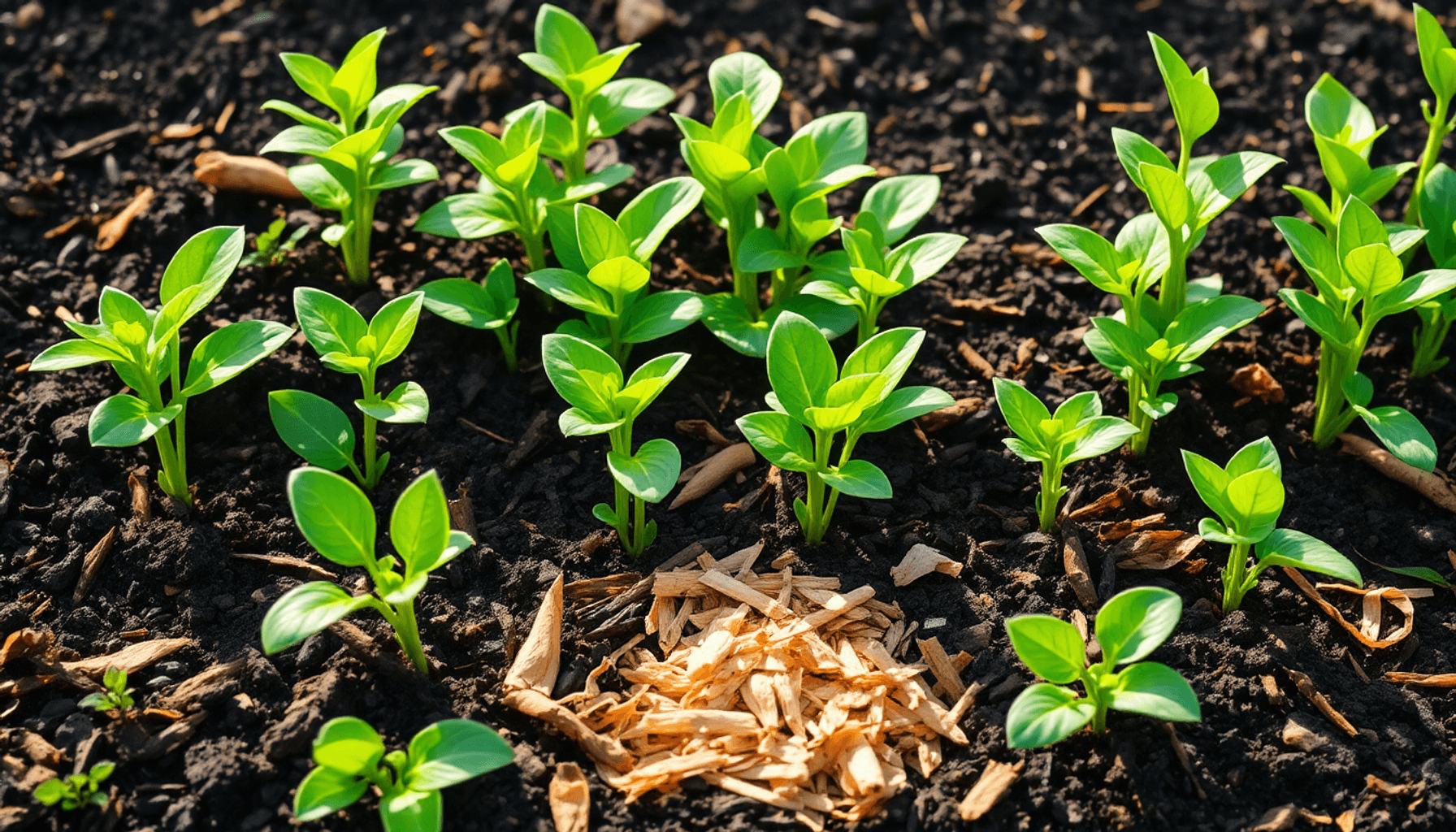

Traditional peat-based compost has long been a staple in UK gardening due to its excellent water retention and nutrient-holding properties. However, the environmental impact of peat extraction is significant. Peatlands, which cover only a small fraction of the UK's land area, act as vital carbon sinks and support unique biodiversity. Extracting peat releases stored carbon dioxide, contributing to climate change, while also damaging rare habitats.
The push for peat-free compost alternatives UK reflects growing awareness of these issues. Sustainable growing media are essential to reduce ecological damage, preserve fragile peatlands, and promote responsible gardening practices across the country.
This article covers key aspects of peat-free compost in the UK:
- Common organic and inorganic ingredients used in peat-free composts
- Leading brands offering peat-free compost products
- Benefits these alternatives provide for both gardeners and the environment
- Current government policies and retailer initiatives driving the shift away from peat
Understanding these elements equips you to make informed choices about peat-free compost UK options that align with sustainability goals while maintaining garden productivity.
The Environmental Impact of Peat Extraction in the UK
Peat extraction involves removing layers of partially decomposed organic matter from peatlands, primarily for use as a growing medium in horticulture. This process disrupts delicate ecosystems and alters natural water retention functions. Extracted peatlands can take thousands of years to regenerate, making this resource effectively non-renewable on human timescales.
Key environmental concerns linked to peat extraction damage include:
- Destruction of UK peatlands: Over 94% of the UK's lowland peat bogs have been damaged or destroyed due to extraction and drainage activities. These bogs once covered extensive areas but now exist only in fragmented patches. This loss represents one of the most severe habitat degradations in the country.
- Wildlife and biodiversity loss: Peat bogs support unique plant species, such as sphagnum mosses, cotton grass, and specialised orchids. They also provide habitat for rare animals including dragonflies, amphibians, and ground-nesting birds. Peatland degradation leads to habitat fragmentation and declines in these populations, disrupting ecological networks.
- Carbon emissions from peatland destruction: Intact peatlands act as carbon sinks, storing vast amounts of carbon accumulated over millennia. When peat is extracted or drained, stored carbon oxidises and releases into the atmosphere as carbon dioxide (CO2), a major greenhouse gas driving climate change. Studies estimate that UK peatland degradation contributes millions of tonnes of CO2 emissions annually.
- Additional environmental impacts: Peat extraction can cause soil erosion, water pollution through sediment runoff, and altered hydrology that affects surrounding landscapes.
The scale of damage from peat extraction underlines the urgency of finding sustainable alternatives to traditional peat composts. Protecting remaining peatlands is critical for preserving biodiversity and mitigating climate change impacts linked to carbon emissions peatland destruction causes.
What Are Peat-Free Compost Alternatives?
Peat-free compost alternatives are types of growing media that are designed to replace traditional peat-based composts with environmentally friendly options. These alternatives do not use peat, which is often taken from delicate bogs, causing harm to ecosystems and adding to carbon emissions. Instead, they use materials that are renewable or recycled and can effectively promote plant growth while also preserving natural habitats.
Purpose of Peat-Free Compost Alternatives
The main goals of peat-free compost alternatives are:
- To provide gardeners and growers with a sustainable option that reduces reliance on limited peat resources.
- To maintain or improve the physical and chemical properties necessary for healthy plant development.
- To support environmental objectives such as reducing carbon footprint and preserving biodiversity.
Common Components in Alternative Growing Media UK
Peat-free composts combine organic and inorganic ingredients carefully selected to mimic or improve upon peat’s qualities:
Organic Ingredients
- Bark and wood fibre/chips: Offer structure and aeration, slow decomposition rates preserve soil texture.
- Coir (coconut husk fiber): Holds moisture well but contains fewer nutrients than peat.
- Bracken: Adds bulk and structure.
- Waste sheep’s wool: Acts as a natural source of nitrogen, retaining moisture.
- Green waste compost: Provides organic matter rich in nutrients and beneficial microorganisms.
- Agricultural by-products such as straw waste contribute to sustainability by repurposing local materials.
Inorganic Ingredients
- Grit, sharp sand, perlite, rock wool: Improve drainage and aeration, preventing waterlogging common in some organic-only mixes.
How Peat-Free Mixtures Replicate or Improve Traditional Peat Compost Qualities
Traditional peat compost excels due to its:
Water retention capacity — keeps plants hydrated without becoming soggy. Aeration — prevents root rot by promoting airflow. Nutrient-holding ability — supplies essential minerals over time.
Peat-free alternatives replicate these traits by blending materials that balance moisture retention with drainage. For example:
Coir's excellent water retention compensates for the absence of peat's sponge-like quality. Bark and wood fibres maintain air pockets around roots for oxygen supply. The addition of inorganic components ensures excess water drains away efficiently.
Some mixtures surpass peat by incorporating nutrient-rich green waste or sheep’s wool, reducing the need for synthetic fertilizers. Sustainable compost ingredients also contribute to soil health by encouraging microbial activity unavailable in inert peat substrates.
Choosing the right combination depends on your plants’ specific needs, whether you require fast-draining mixes for succulents or moisture-retentive options for vegetables.
This adaptability makes peat-free compost an effective alternative growing media UK gardeners can trust while supporting ecological responsibility.
Common Ingredients in Peat-Free Composts in the UK
Peat-free compost alternatives in the UK rely on a variety of organic and inorganic ingredients to deliver effective growing media. These components mimic or improve upon the water retention, aeration, and nutrient qualities traditionally provided by peat.
Organic Components
1. Bark and Wood Fibre/Chips
Treated bark and wood fibres form a stable, porous base. Their natural structure enhances drainage and air circulation within the compost. Wood fibre compost varies depending on the source and treatment methods but commonly offers long-lasting structure that resists compaction.
2. Coir (Coconut Husk Fiber)
Coir is widely used as a sustainable substitute for peat due to its excellent water retention properties. It holds moisture well but tends to be lower in nutrients, requiring supplementation. Coir compost UK suppliers often provide compressed bricks that expand with water, making it convenient for gardeners.
3. Bracken
Bracken adds fibrous bulk and improves aeration while being locally sourced from UK moorlands. Its use supports sustainability by utilizing a fast-growing plant that is otherwise considered invasive.
4. Waste Sheep’s Wool
Wool contributes nitrogen naturally and retains moisture effectively. Incorporating wool waste into compost blends supports circular economy principles by recycling agricultural by-products.
5. Green Waste Compost
Derived from garden and food waste, green waste compost enriches growing media with nutrients and beneficial microbes. It promotes soil health while reducing landfill contributions.
6. Sustainable Sphagnum Moss UK
Certain peat-free mixes include sustainably harvested sphagnum moss as a niche ingredient. This moss retains moisture superbly but must be sourced responsibly to avoid environmental harm, aligning with peat-free principles.
Inorganic Components
1. Grit and Sharp Sand
These materials improve drainage and prevent compaction. They provide weight and texture ensuring roots receive adequate oxygen.
2. Perlite
A lightweight volcanic glass, perlite enhances aeration while retaining some moisture. It helps maintain an open structure within peat-free composts.
3. Rock Wool
Used occasionally for its excellent water-holding capacity combined with good aeration, rock wool assists certain specialist growing conditions.
Locally Sourced Agricultural By-Products
Utilization of local resources such as straw waste or additional wool waste reduces carbon footprint linked to transport and processing. These materials support sustainability goals embedded within Peat-Free Compost Alternatives UK initiatives.
Incorporating these ingredients creates balanced compost blends tailored for various plants and gardening needs without relying on environmentally damaging peat extraction practices. The combination of organic richness with inorganic structure delivers versatile growing media suitable for diverse UK garden conditions.
Popular Peat-Free Compost Brands Available in the UK Market
Several well-known brands offer reliable multi-purpose peat-free composts, catering to gardeners seeking sustainable alternatives without sacrificing quality.
1. Levington Peat-Free Compost
Levington is one of the leading names in the UK gardening market. Their peat-free range is formulated with a blend of sustainable organic materials and inorganic components to support healthy plant growth. Levington peat-free compost is praised for its balanced moisture retention and aeration, making it suitable for a wide variety of plants. Pricing typically falls in the mid-range category, offering good value for both amateur and experienced gardeners. Widely available at major garden centres such as B&Q and independent retailers.
2. New Horizon Compost UK
New Horizon focuses exclusively on peat-free growing media, positioning itself as an eco-conscious brand. Their compost products often include locally sourced agricultural by-products, enhancing sustainability credentials. New Horizon compost UK blends are recognized for their consistent texture and nutrient availability, supporting vigorous plant development. Prices can be slightly higher due to premium ingredient sourcing but remain competitive within the market. You will find New Horizon products through specialist garden centres and online platforms.
3. Miracle Gro Peat-Free Options
Miracle Gro has expanded its portfolio to include peat-free composts alongside traditional ranges. Known for its brand recognition and widespread distribution, Miracle Gro peat-free compost offers convenience combined with quality assurance. These products tend to feature coir-based mixes enriched with slow-release fertilizers to aid seedling establishment and mature plant care. Pricing is accessible for most budgets, typically positioned as an entry-to-mid-level option. Stocked extensively by large retailers such as Homebase and Asda.
4. Clover Compost Review
Clover is a trusted UK brand that produces several peat-free compost variants aimed at different gardening needs – from seed sowing to multi-purpose use. The company emphasizes the use of recycled materials like green waste and wood fibre in its formulations, aligning with circular economy principles. Reviews of Clover compost highlight its good drainage properties and suitability for container gardening. Price points are generally affordable, appealing to cost-conscious gardeners seeking sustainable choices. Available widely across garden centres including Dobbies and Blue Diamond.
Comparing Price Ranges and Quality Ratings
Price Spectrum | Brands |
Budget-friendly | Clover, Miracle Gro |
Mid-range | Levington |
Premium | New Horizon |
All four brands receive positive feedback on physical structure and nutrient balance.
New Horizon scores highly for sustainable sourcing.
Levington noted for reliable moisture control.
Miracle Gro favored by beginners due to fertilizer inclusion.
Clover praised for versatility in different garden settings.
Availability in Major Retailers
These brands are broadly accessible throughout the UK:
- B&Q: Stocks Levington extensively; has introduced more peat-free lines from various brands following retailer initiatives.
- Dobbies & Blue Diamond: Focus on stocking Clover alongside other environmentally friendly options.
- Asda & Homebase: Carry Miracle Gro peat-free compost varieties tailored toward casual gardeners.
- Specialist outlets & online shops: Often best place to find New Horizon products alongside detailed product information.
Gardeners benefit from this breadth of choice when selecting peat-free composts tailored to their specific needs—whether prioritizing price, sustainability credentials, or particular plant requirements.
DIY Peat-Free Compost Mixes for Gardeners
Creating your own peat-free compost offers a hands-on approach to sustainable gardening. It allows you to tailor the growing media to your plants’ specific needs while avoiding the environmental costs associated with peat extraction.
Basic Homemade Growing Media Recipe
A straightforward recipe uses coco coir bricks as the organic base. These bricks expand when soaked in water, producing a fibrous, moisture-retentive material that substitutes peat effectively. To improve drainage and aeration, mix in perlite at roughly 20-30% by volume. This combination mimics the lightness and moisture-holding capacity of traditional compost but without peat.
- Soak one brick of coco coir in about 5 liters of water until fully expanded.
- Blend thoroughly with perlite to maintain air pockets essential for root health.
- Adjust ratios depending on plant type; more perlite for succulents, less for moisture-loving species.
Boosting Nutrient Content
Coco coir is low in nutrients, so adding fertility is crucial. Incorporate:
- Farmyard manure: Well-rotted manure adds organic nutrients and beneficial microbes.
- Slow-release fertilizers: These provide a steady nutrient supply over weeks or months, reducing the risk of nutrient burn.
- Composted green waste: If available locally, it enhances nutrient diversity and soil biology.
Mix these amendments evenly into your base coir-perlite blend. Test small batches first to observe how plants respond before scaling up.
Benefits of DIY Peat-Free Compost
- Cost-effectiveness: Bulk ingredients like coco coir and perlite can be cheaper than branded pre-mixed composts.
- Customization: You control the texture, drainage, and nutrient levels tailored to your plants’ requirements.
- Sustainability: Use locally sourced materials such as farmyard manure or green waste to reduce carbon footprint.
Challenges to Consider
- Ingredient sourcing: Quality varies between suppliers; some coco coir may contain high salt levels requiring washing before use.
- Time investment: Mixing and preparing homemade compost takes more effort than buying ready-made products.
- Nutrient management: Balancing fertilizers correctly demands experience; too little slows growth, too much harms plants.
- Consistency issues: Home mixes may vary batch-to-batch, affecting repeatability of results compared to commercial blends.
Making your own mix encourages experimentation and learning about soil science. It fits well for gardeners who value sustainability and adaptability but requires attention to detail for best outcomes.
Government Policies and Retailer Initiatives on Peat-Free Compost in the UK
The UK peat ban 2024 marks a significant policy milestone aimed at curbing environmental damage caused by peat extraction. From 2024 onwards, the sale of peat as a growing medium will be prohibited for amateur gardeners. This regulation applies across England, Wales, and Northern Ireland, reflecting growing recognition of peatlands’ critical role in carbon storage and biodiversity preservation.
Retailer Initiatives on Peat-Free Compost
Retailers have responded proactively to these sustainable gardening regulations UK with a variety of retailer peat-free initiatives UK:
- B&Q has expanded its range of peat-free composts and prominently labels products to help consumers identify sustainable choices.
- Dobbies Garden Centres offers dedicated displays for peat-free alternatives, often partnering with suppliers that emphasize organic and locally sourced ingredients.
- Blue Diamond Garden Centres promotes educational campaigns encouraging gardeners to switch to peat-free options while providing expert advice on product selection.
- Hillier Nurseries commits to selling plants grown in peat-free media where feasible and stocks multiple brands of peat-free compost.
- Asda Garden Centre integrates peat-free products within mainstream gardening ranges, boosting accessibility for everyday shoppers.
These retailer efforts increase visibility and availability of peat-free compost alternatives UK-wide. The policy shift compels manufacturers to innovate formulations, improving quality and widening the spectrum of growing media suited for different plants and conditions.
Evolving Consumer Behavior
Consumer behavior is evolving alongside these changes. Many gardeners now actively seek out peat-free products due to heightened awareness about climate impact and habitat loss linked to traditional peat extraction. This demand encourages retailers to stock a broader assortment, including specialist mixes and bulk options.
Market Availability and Competition
Market availability reflects this transition with greater competition among brands, driving prices down in some cases while maintaining performance standards. The ban ensures that by removing conventional peat-based composts from shelves, gardeners must experiment with sustainable media blends that support healthy plant growth without compromising environmental ethics.
Retailers' Role in Transitioning Away from Peat
Retailers also contribute by providing guidance on adapting watering regimes or fertiliser use when switching away from peat substrates. These initiatives help overcome initial challenges users might face when adopting new compost types.
The combined effect of government regulation and retailer commitment creates a robust framework supporting sustainable gardening practices across the UK. This framework not only reduces direct harm to fragile peat bogs but also stimulates a circular economy where recycled agricultural by-products find valuable use in horticulture.
Peat-free compost alternatives UK are set to become the norm rather than the exception in garden centres, reflecting a wider shift toward environmentally responsible gardening habits encouraged at both policy and retail levels.
Expert Recommendations and Performance Insights from RHS Trials
The Royal Horticultural Society (RHS) strongly supports the use of peat-free compost alternatives as part of sustainable gardening practices. Their advocacy is based on extensive research and practical trials that evaluate how peat-free mixes perform compared to traditional peat-based compost.
RHS Support for Peat-Free Compost
The RHS emphasizes reducing dependence on peat to protect delicate peatland ecosystems.
They recommend using well-rotted animal manures, composted plant materials, and other organic amendments alongside peat-free mixes to improve soil health.
The society encourages gardeners to adopt peat-free products without compromising plant growth or garden productivity.
Performance Comparison: Peat vs. Peat-Free
RHS trials have tested a variety of peat-free compost blends for growing ornamentals and vegetables. Results show:
- Comparable growth rates and flowering performance in many common garden plants when grown in peat-free media.
- Similar water retention and aeration characteristics achieved through balanced mixtures of organic fibers and inorganic drainage components.
- Vegetable crops such as tomatoes, lettuces, and herbs thriving equally well in peat-free composts alongside those planted in traditional peat-based ones.
These findings demonstrate that gardeners can confidently switch to peat-free compost without sacrificing quality or yield.
Exceptions and Special Cases
Some plants have specific requirements where peat or related materials still play a role:
- Carnivorous plants like sundews, pitcher plants, and Venus flytraps require acidic, low-nutrient substrates often provided by sustainably harvested sphagnum moss.
- For these sensitive species, the RHS advises sourcing sphagnum moss responsibly rather than relying on general peat compost alternatives.
This nuanced approach helps balance environmental concerns with the horticultural needs of specialized plants.
“Peat-free growing media now offers gardeners effective alternatives that align with conservation goals without compromising plant health.” — RHS Expert Commentary
Gardeners looking to transition should consider RHS-endorsed products validated through trials. This ensures reliable performance while contributing to the preservation of the UK’s vulnerable peatlands.
Benefits of Using Peat-Free Compost Alternatives
Choosing peat-free compost in the UK offers significant advantages that align with soil health and sustainable gardening UK practices. These benefits extend across environmental, horticultural, and economic aspects.
Environmental Benefits
1. Preservation of Fragile Peatlands
Peatlands are unique ecosystems that take thousands of years to form. Using peat-free compost helps protect these habitats from further degradation and destruction. Avoiding peat extraction prevents irreversible damage to these landscapes, safeguarding biodiversity.
2. Reduction in Carbon Emissions
Peat bogs act as vital carbon sinks, storing large amounts of carbon dioxide. When peat is extracted, this stored carbon is released into the atmosphere, contributing to climate change. Peat-free alternatives reduce this release, supporting efforts to lower greenhouse gas emissions.
Advantages for Gardeners
1. Improved Soil Structure
Peat-free composts combine diverse organic and inorganic materials like coir, bark, wood fibre, grit, and perlite. This variety enhances drainage and aeration compared to traditional peat-based compost. Better soil structure promotes root health and microbial activity, essential for vigorous plant growth.
2. Balanced Water Retention
Ingredients such as coir retain moisture effectively while components like sand and grit prevent waterlogging. This balance reduces risks of overwatering or drought stress in plants, making garden maintenance easier and more efficient.
3. Nutrient-Rich Growing Medium
Many peat-free blends incorporate recycled agricultural by-products such as green waste compost or sheep’s wool. These provide natural nutrients that support healthy plant development without relying heavily on synthetic fertilizers.
Contribution to Circular Economy
1. Use of Recycled Agricultural By-Products
Employing materials like straw waste or wool waste in compost production turns what would be discarded into valuable resources. This recycling reduces landfill use and supports local farming communities by creating new markets for their by-products.
2. Lower Environmental Footprint in Production
Sourcing ingredients locally decreases transport emissions associated with importing peat or other materials. Production processes for peat-free composts often consume less energy, further shrinking the environmental footprint.
Peat-free compost alternatives present a strong choice for gardeners aiming to enhance soil health while embracing sustainable gardening UK principles. The combined environmental protection and practical gardening benefits make these options increasingly attractive across the country’s horticultural landscape.
Challenges and Considerations When Switching to Peat-Free Compost
Switching to peat-free compost alternatives in the UK presents specific challenges that gardeners need to address for successful plant growth. Recognising these issues helps you adapt your gardening practices effectively.
Nutrient Differences: Peat vs. Alternatives
Peat-based composts naturally contain a balance of moisture and nutrients that many plants respond well to. Peat-free alternatives often rely on varied organic and inorganic components, which can cause differences such as:
- Lower inherent nutrient levels: Ingredients like coir or wood fibre may hold less nitrogen, phosphorus, and potassium compared to peat.
- Variable nutrient release rates: Some organic matter in peat-free mixes decomposes slower or faster, affecting how nutrients become available over time.
- Potential need for supplementation: You might need to add slow-release fertilizers or organic amendments such as farmyard manure to maintain adequate nutrition.
Understanding these nutrient profiles is crucial because it influences plant health and yield. Monitoring soil fertility more closely becomes important when using peat-free options.
Water Retention and Drainage Variability
Peat is known for its excellent water retention while maintaining good aeration. Peat-free composts can behave differently due to their mixed ingredients:
- Some mixes retain less water, especially those heavy in bark or wood chips.
- Others may hold too much moisture, particularly those with high coir content.
- Drainage properties vary widely, influenced by inorganic additives like perlite or grit.
Adjusting watering routines is necessary. Overwatering can lead to root rot if drainage is poor; underwatering may stress plants if the mix dries out quickly. Careful observation of soil moisture levels will guide watering frequency and volume.
Adapting Gardening Practices
You will benefit from tailoring your approach when using peat-free compost:
- Water management: Check moisture regularly; use mulch or irrigation systems suited to the new substrate's needs.
- Fertilization schedules: Supplement with appropriate nutrients, considering slower nutrient release rates in some blends.
- Plant-specific choices: Certain plants have particular preferences for moisture, pH, and nutrient availability. Select peat-free mixes designed for ornamentals, vegetables, or acid-loving species accordingly.
Selecting Appropriate Peat-Free Mixes
Not all peat-free composts are created equal. Choosing the right product depends on:
- Plant type and growth stage
- Local climate conditions
- Desired soil structure characteristics
For example, a seed-starting mix should be fine-textured with good moisture retention but excellent drainage, while container plants may prefer heavier blends rich in organic matter.
Retailers often label their products with intended uses, but you should review ingredient lists and customer feedback to match your requirements best.
Acknowledging these challenges associated with challenges peat-free compost adoption UK helps you make informed decisions about Peat-Free Compost Alternatives UK. Adjustments in watering and feeding routines combined with selecting suitable mixes ensure your transition away from traditional peat-based growing media supports healthy plants without compromising sustainability goals.
Conclusion
Gardening in the UK is entering a new era focused on sustainability and environmental responsibility. Choosing peat-free compost alternatives today is a practical step every gardener can take to protect fragile peatlands and reduce carbon emissions. These alternatives deliver effective growing conditions while supporting biodiversity preservation.
Key points to remember when adopting peat-free practices:
- Peat-free composts are widely available, with options suited for various plant types and garden needs.
- Government policies, including the 2024 ban on peat sales as a growing medium, reinforce the shift toward sustainable growing media.
- Major retailers actively promote peat-free products, making it easier to transition without compromising quality or convenience.
- Continued innovation in compost blends ensures improved performance and greater accessibility for gardeners at all levels.
The future of gardening UK sustainability depends on collective action by gardeners, suppliers, and policymakers. Embracing peat-free choices not only safeguards natural habitats but also nurtures healthier soils and plants. Your decision today contributes to a greener, more resilient garden ecosystem tomorrow.
Take confidence in the knowledge that effective peat-free options exist now. By integrating these alternatives into your gardening routine, you become part of a broader movement advancing sustainable gardening practices in the UK. This momentum will shape how we grow plants responsibly for generations to come.
FAQs (Frequently Asked Questions)
What is peat-free compost and why is it important in the UK?
Peat-free compost refers to growing media alternatives that do not contain traditional peat, which is harvested from peatlands. In the UK, finding sustainable peat-free options is crucial due to the significant environmental damage caused by peat extraction, including habitat destruction and carbon emissions contributing to climate change.
What are the common ingredients used in peat-free compost alternatives available in the UK?
Common ingredients in UK peat-free composts include organic materials like coir (coconut husk fiber), wood fibre, bark, bracken, waste sheep’s wool, and green waste compost. Inorganic components such as grit, sharp sand, perlite, and rock wool are also used to enhance drainage and aeration. Many mixes incorporate locally sourced agricultural by-products for sustainability.
Which popular brands offer peat-free compost products in the UK market?
Key brands supplying multi-purpose peat-free composts in the UK include Levington, New Horizon, Miracle-Gro, and Clover. These brands vary in price and quality but are widely available through major retailers and garden centres such as B&Q, Dobbies, Blue Diamond garden centres, Hillier, and Asda.
How can gardeners make their own DIY peat-free compost mix at home?
Gardeners can create DIY peat-free compost by hydrating coco coir bricks mixed with perlite to improve drainage. Adding farmyard manure or slow-release fertilizers boosts nutrient content. While homemade mixes offer customization benefits, they may present challenges compared to pre-made products regarding consistency and nutrient balance.
What government policies affect the use of peat-free compost in the UK?
The UK has implemented a planned ban on selling peat as a growing medium starting in 2024. This policy encourages retailers to promote peat-free products and supports sustainable gardening practices. Major garden retailers have initiatives aligned with this ban to increase availability of peat-free compost alternatives.
What are the key benefits and challenges of switching to peat-free compost alternatives?
Benefits include preserving fragile UK peatlands, reducing carbon emissions, improving soil structure with diverse organic/inorganic blends, and supporting a circular economy through recycled agricultural by-products. Challenges involve adapting to potential nutrient differences or water retention variations compared to traditional peat-based composts and selecting suitable mixes based on specific plant needs.