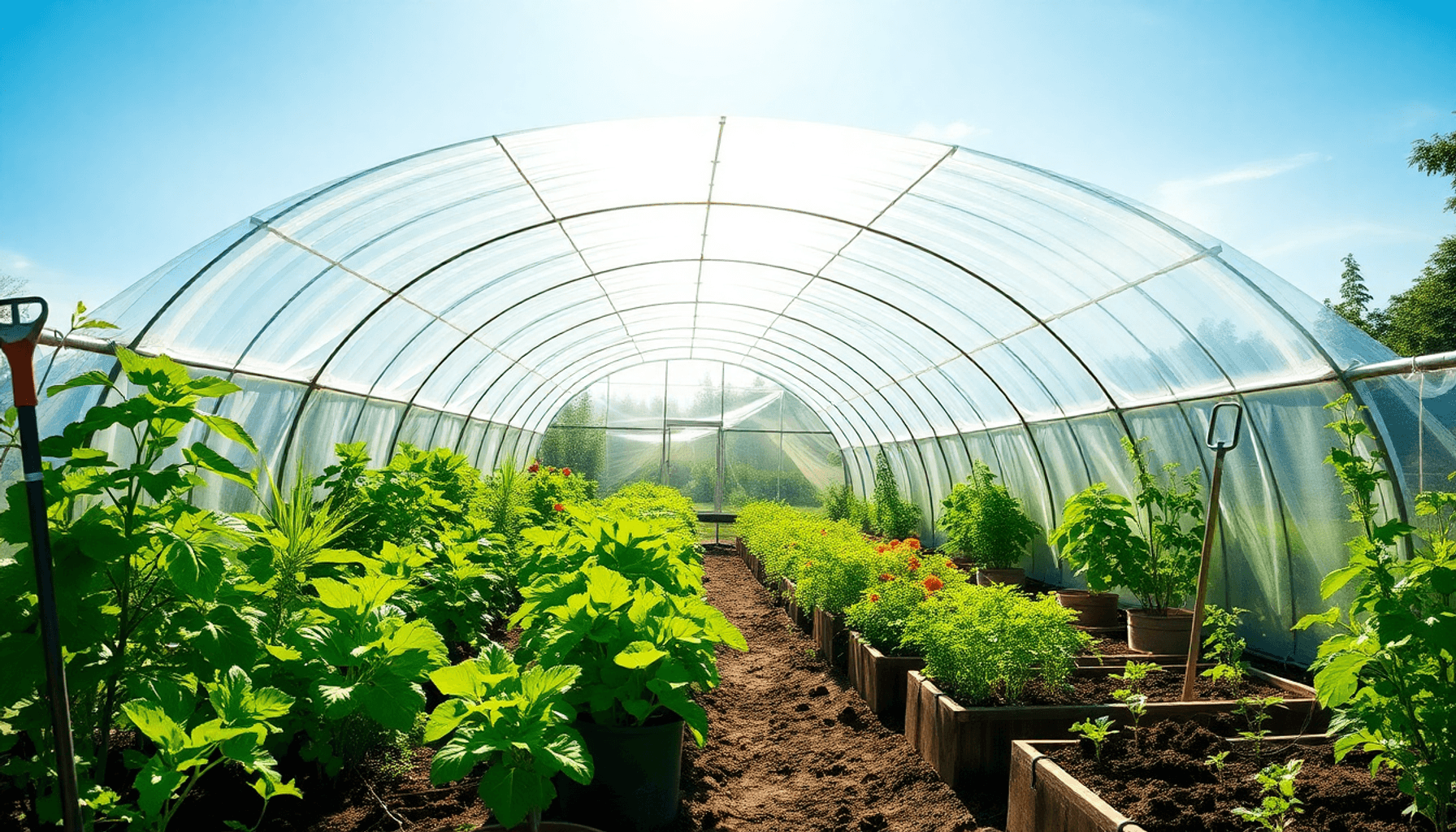

A polytunnel is a simple yet effective structure designed to create a controlled environment for growing plants. It consists of a steel frame covered with a horticultural-grade polythene sheet, providing protection from harsh weather while allowing sunlight to nurture your crops. The basic purpose of a polytunnel is to extend the growing season and improve plant growth by offering shelter and warmth.
This article answers the question "What is a Polytunnel? How It Works and Whether It's Worth It." You will learn about the construction and function of polytunnels, their benefits, challenges, and factors to consider before investing in one. Whether you are a home gardener or commercial grower, understanding these aspects helps you decide if a polytunnel suits your needs.
Knowing this polytunnel overview sets the stage for exploring how these structures work and what advantages they offer gardeners seeking reliable crop protection and improved yields.
Understanding Polytunnels
What is a Polytunnel?
A polytunnel is a structure used in gardening and agriculture to create a controlled environment for growing plants. It consists of a framework made of steel or other durable materials, covered with a transparent plastic film called horticultural polythene.
How Does a Polytunnel Work?
The design of a polytunnel allows it to trap heat and moisture while still letting sunlight in. This creates an ideal climate for plants, protecting them from harsh weather conditions and extending the growing season.
Key Features of Polytunnels
- Steel Frame: The framework is typically made up of curved steel hoops that are securely anchored to the ground. This gives the structure strength and flexibility, making it resistant to wind.
- Horticultural Polythene Cover: The covering material used is specially designed for agricultural purposes. It contains additives like UV stabilizers to prevent deterioration from sunlight exposure, ensuring long-lasting durability.
- Heat and Moisture Retention: The combination of the frame and cover creates an environment that traps warmth and humidity, which are essential for plant growth.
Common Uses of Polytunnels
Polytunnels have various applications in both home gardening and commercial farming:
- Vegetable Production: They are commonly used to grow crops such as tomatoes, cucumbers, peppers, and salad greens. The controlled environment inside the tunnel promotes faster growth and higher yields.
- Fruit Cultivation: Berries like strawberries and raspberries benefit from being protected against pests and extreme weather conditions when grown inside polytunnels.
- Flower Growing: Cut flowers or ornamental plants can have their blooming seasons extended by providing shelter from frost or strong winds using these structures.
In residential settings, gardeners appreciate polytunnels for their relatively easy assembly process and ability to create specific microclimates suited for particular plants. Community gardens and educational initiatives also utilize them as tools to showcase sustainable growing practices.
Commercial growers require larger tunnels with optimized layouts focusing on workflow efficiency, integration of irrigation systems, and management of ventilation to scale production without compromising quality.
Advantages of Using Polytunnels
Polytunnels offer several benefits over traditional open-field cultivation:
- Climate Control: With the ability to regulate temperature and humidity levels, crops can be grown year-round regardless of external weather conditions.
- Pest Management: The enclosed space makes it easier to implement pest control measures while minimizing damage caused by insects or birds.
- Water Conservation: By reducing evaporation rates through covered irrigation methods, water usage can be optimized leading to more sustainable practices.
Understanding how polytunnels function is crucial before exploring their practical applications in various agricultural settings.
How Polytunnels Work
Polytunnels are designed to create an environment that optimizes plant growth by carefully balancing sunlight transmission, heat retention, and ventilation.
Sunlight Transmission in Polytunnels
The polythene cover used in polytunnels plays a critical role in maximizing the amount of sunlight that reaches plants. This material allows a high percentage of natural light to pass through, but unlike glass, it diffuses the light. Diffused light spreads evenly throughout the interior, reducing harsh shadows and preventing plants from getting scorched by direct sunlight. This even distribution encourages:
- More uniform photosynthesis across all plants
- Healthier, stronger plant development
- Reduced stress caused by intense sun exposure
Because polythene is lightweight and flexible, polytunnels can be constructed in curved shapes that further enhance light penetration at various angles during the day.
Heat Retention in Polytunnels
Heat retention is another key function of polytunnels. The enclosed steel frame and polythene skin trap solar energy, warming the air inside much like a greenhouse effect. This helps maintain a stable temperature favorable for plant growth, especially during cooler months or at night. Features that improve heat retention include:
- Tight sealing around edges to minimize drafts and heat loss
- Use of horticultural-grade polythene with UV stabilizers to prolong durability and thermal efficiency
- Soil warmed by sunlight acting as a heat reservoir, releasing warmth after sunset
This controlled warmth extends growing seasons by protecting crops from frost and cold snaps, enabling earlier planting dates and later harvests.
Ventilation in Polytunnels
Proper ventilation is essential to regulate temperature and humidity inside the tunnel, preventing overheating and damp conditions that can lead to diseases such as mildew or fungal infections. Good airflow also supplies fresh carbon dioxide necessary for photosynthesis. Ventilation strategies often involve:
- Roll-up sides or doors positioned at ends or along the length for adjustable air exchange
- Ridge vents or roof openings on larger commercial tunnels for hot air escape
- Manual or automated systems to open vents based on temperature or humidity sensors
Effective ventilation ensures you avoid temperature spikes on sunny days while maintaining humidity at levels ideal for your specific crops.
Managing sunlight transmission, heat retention, and ventilation effectively allows polytunnels to create an optimized microclimate tailored to plant needs. This balance leads directly into the advantages growers experience when using these structures.
Benefits of Using Polytunnels
Polytunnels offer several advantages that make them an attractive choice for gardeners and commercial growers alike. Among these, the cost-effectiveness of polytunnels stands out compared to traditional greenhouse structures.
Cost-Effectiveness
- Lower initial investment: Polytunnels require less capital to build because they use a steel frame and polythene cover instead of glass, which is more expensive and fragile.
- Reduced construction time: The simple design allows for quicker assembly, saving both labor costs and effort.
- Flexibility in size and location: You can customize the size to fit your available space or crop needs without the constraints imposed by rigid greenhouse frames.
- Lower maintenance costs: While the plastic cover requires periodic replacement (usually every 10-14 years), it is generally cheaper to replace than repairing broken glass panels.
The ability of polytunnels to extend the growing season is another significant benefit.
Extended Growing Season
- By creating a sheltered environment, polytunnels protect plants from frost, wind, heavy rain, and snow, conditions that would otherwise limit outdoor cultivation periods.
- The trapped warmth inside maintains higher temperatures during chilly months, allowing you to start planting earlier in spring and continue harvesting later into autumn or even winter.
- This protection also reduces plant stress caused by sudden weather changes, improving survival rates and crop yields.
In terms of practical application, this means:
- You can grow tender vegetables like tomatoes or peppers in regions where outdoor conditions would normally be unsuitable.
- Flower growers benefit from longer blooming periods.
- Fruit crops receive protection that increases fruit quality by minimizing damage from hail or strong winds.
By combining affordability with the ability to prolong productive months, polytunnels represent a smart investment for anyone seeking a versatile growing environment. This balance between economy and performance raises important considerations when deciding what type of growing structure fits your gardening goals.
Challenges and Limitations of Polytunnels
Polytunnels offer many advantages, but they come with specific challenges that you should consider before investing.
Weather Vulnerability of Polytunnels
1. Susceptibility to Strong Winds and Storms
The lightweight steel frame combined with the polythene cover makes polytunnels particularly vulnerable during extreme weather events. Strong winds can tear or dislodge the plastic sheeting, causing damage that compromises the internal environment. Unlike glass in greenhouses, polythene is more flexible but less resistant to punctures or rips from debris carried by storms.
2. Snow Load and Structural Stress
Heavy snowfall can accumulate on top of a polytunnel, putting significant pressure on the frame. Without proper design and reinforcement, this load can cause deformation or collapse. Regularly shaking off snow or installing tunnels at an angle to encourage runoff helps reduce risk but requires vigilance during winter months.
3. UV Degradation Over Time
Exposure to sunlight breaks down the polythene material gradually. UV stabilizers help prolong its life, but replacement is inevitable, typically every 8–14 years depending on quality and environmental conditions. Damage from UV exposure weakens the cover, increasing vulnerability to tears and heat loss.
Maintenance Needs for Polytunnels
1. Routine Inspection and Repair
Preventive maintenance involves frequent checks for holes, tears, or loose fittings in the polythene cover. Small punctures can be patched quickly with specialized tape to maintain insulation and humidity control. Failure to repair minor damage promptly can lead to larger issues that affect plant growth conditions.
2. Frame Integrity Checks
Steel frames require occasional inspection for rust or joint loosening. Corrosion weakens structural support and increases the chance of collapse under stress. Painting or galvanizing frames before assembly extends longevity but does not eliminate maintenance responsibilities.
3. Ventilation Management
Ventilation systems such as roll-up sides or vents need regular operation checks to ensure they open smoothly and seal properly when closed. Blocked or malfunctioning ventilation disrupts temperature and humidity regulation, creating unsuitable conditions inside the tunnel.
4. Cleaning Requirements
Dirt, algae, and condensation buildup on polythene surfaces reduce light transmission efficiency. Periodic cleaning with gentle detergents ensures maximum sunlight penetration essential for photosynthesis. Neglecting this reduces crop productivity over time.
Taking these factors into account helps you understand that while polytunnels are cost-effective and flexible structures, their weather vulnerability and ongoing maintenance demands require active management to sustain optimal growing conditions.
Evaluating the Worthiness of Investing in a Polytunnel
When considering a polytunnel purchase, several factors come into play that can determine whether this investment suits your gardening goals and circumstances. These considerations for home gardeners considering a polytunnel purchase provide a framework to assess its practicality and value.
Space Availability
- Garden Size: Polytunnels vary widely in size, from small domestic models around 3 meters wide to large commercial units exceeding 12 meters. Measure your available garden or plot space carefully before deciding. A structure too large may overwhelm the garden aesthetically and physically, while one too small might limit what you can grow effectively.
- Placement Options: Consider sun exposure and prevailing wind direction when choosing the site. Polytunnels need full sunlight for most of the day to maximize benefits. Avoid shaded areas caused by buildings or trees.
- Access and Surroundings: Ensure there is adequate access for maintenance tasks like ventilation adjustments, watering, and harvesting. Proximity to water supply and electricity may also influence your decision.
Budget Constraints
- Initial Cost: Polytunnels generally cost less upfront than glass greenhouses but still require a financial commitment that includes the frame, polythene cover, doors, and anchoring systems. Prices escalate with size and quality of materials.
- Ongoing Expenses: Factor in costs for replacement covers every 10 to 14 years due to UV degradation, plus any repairs after storm damage. You may also invest in accessories such as irrigation setups, shelving, or heating depending on your cultivation plans.
- Value for Money: Identify what you want to achieve—whether it’s extending your growing season, protecting delicate plants, or increasing yields—and evaluate if these benefits justify the expense based on your gardening ambitions.
Gardening Goals and Crop Types
- Plant Selection: Not all crops thrive equally well in a polytunnel environment. Leafy greens, tomatoes, peppers, and even some fruits like strawberries benefit from the controlled conditions. Root vegetables may require additional soil preparation.
- Season Extension Needs: If your primary aim is to start seedlings earlier in spring or grow later into autumn and winter, the microclimate created inside a polytunnel can be highly advantageous.
Maintenance Commitment
- Regular inspection and upkeep are necessary to maintain structure integrity and plant health inside the tunnel.
- Ventilation management requires daily attention during warmer months to prevent overheating and excess humidity.
Planning Permission and Regulations
Taking these factors into account helps gauge whether investing in a polytunnel aligns with your gardening lifestyle. A well-chosen polytunnel can enhance productivity and enjoyment but demands realistic assessment of space, budget, crops intended for cultivation, and willingness to maintain the structure over time.
Conclusion
Understanding what a polytunnel is, how it works, and whether it's worth it requires considering several key factors. Polytunnels offer a cost-effective and flexible growing environment compared to traditional greenhouses. Their steel frame combined with horticultural polythene creates a structure that maximizes sunlight while retaining heat, extending the growing season and protecting plants from bad weather.
Advantages of polytunnels include:
- Lower initial investment and maintenance costs than glass greenhouses
- Ability to create larger growing areas with flexible layouts
- Enhanced protection against wind, rain, and frost
- Improved crop establishment and yield quality through controlled conditions
Challenges to consider:
- Vulnerability to damage from extreme weather events like storms or heavy snow
- Periodic replacement of the polythene cover due to UV degradation
- Maintenance needs such as ventilation management to prevent overheating or excess humidity
- Limitations on crop types depending on space and climate control capabilities
For home gardeners, factors such as available space, budget, intended use, and willingness to perform regular upkeep play crucial roles in deciding if a polytunnel is a worthwhile investment. Commercial growers may prioritize efficiency, scalability, and crop protection benefits when choosing polytunnels over other structures.
Reflecting on what a polytunnel is and how it works clarifies why these structures remain popular among various users. They offer practical solutions for extending cultivation periods and enhancing plant growth while balancing affordability and flexibility. The decision to invest hinges on matching these benefits against your specific gardening goals and environmental conditions.
FAQs (Frequently Asked Questions)
What is a polytunnel and how does it differ from a greenhouse?
A polytunnel is a horticultural structure consisting of a steel frame covered with horticultural polythene, designed to create an optimal growing environment by maximizing sunlight transmission and retaining heat. Unlike traditional greenhouses, polytunnels are typically more cost-effective and use diffused light to promote healthy plant growth, making them suitable for both domestic and commercial cultivation of vegetables, fruits, and flowers.
How do polytunnels work to enhance plant growth?
Polytunnels function by allowing maximum sunlight transmission through their polythene cover while minimizing heat loss, creating a warm environment for plants. The diffused light inside promotes even growth, and proper ventilation systems regulate temperature and humidity levels, ensuring optimal conditions for healthy plant development.
What are the main benefits of using a polytunnel for gardening or farming?
Polytunnels offer several benefits including cost-effectiveness compared to traditional greenhouses, the ability to extend the growing season by protecting plants from adverse weather conditions, and providing a controlled environment that supports the cultivation of a wide range of crops such as vegetables, fruits, and flowers in both home gardens and commercial settings.
What challenges or limitations should I be aware of when using a polytunnel?
While polytunnels provide many advantages, they can be vulnerable to extreme weather events which may damage their structure. Additionally, they require regular maintenance to ensure the integrity of the steel frame and polythene cover is preserved for effective functioning throughout the growing season.
Is investing in a polytunnel worthwhile for home gardeners?
For home gardeners considering a polytunnel purchase, it's important to evaluate factors such as available space, budget constraints, and specific gardening goals. Polytunnels can be a valuable investment if you seek to extend your growing season and protect plants from unfavorable weather; however, weighing these considerations will help determine if it's the right choice for your needs.
What materials are used in constructing a typical polytunnel?
A typical polytunnel is constructed using a sturdy steel frame covered with horticultural-grade polythene. This combination ensures durability while allowing maximum sunlight penetration and heat retention necessary for creating an ideal microclimate for plant growth.