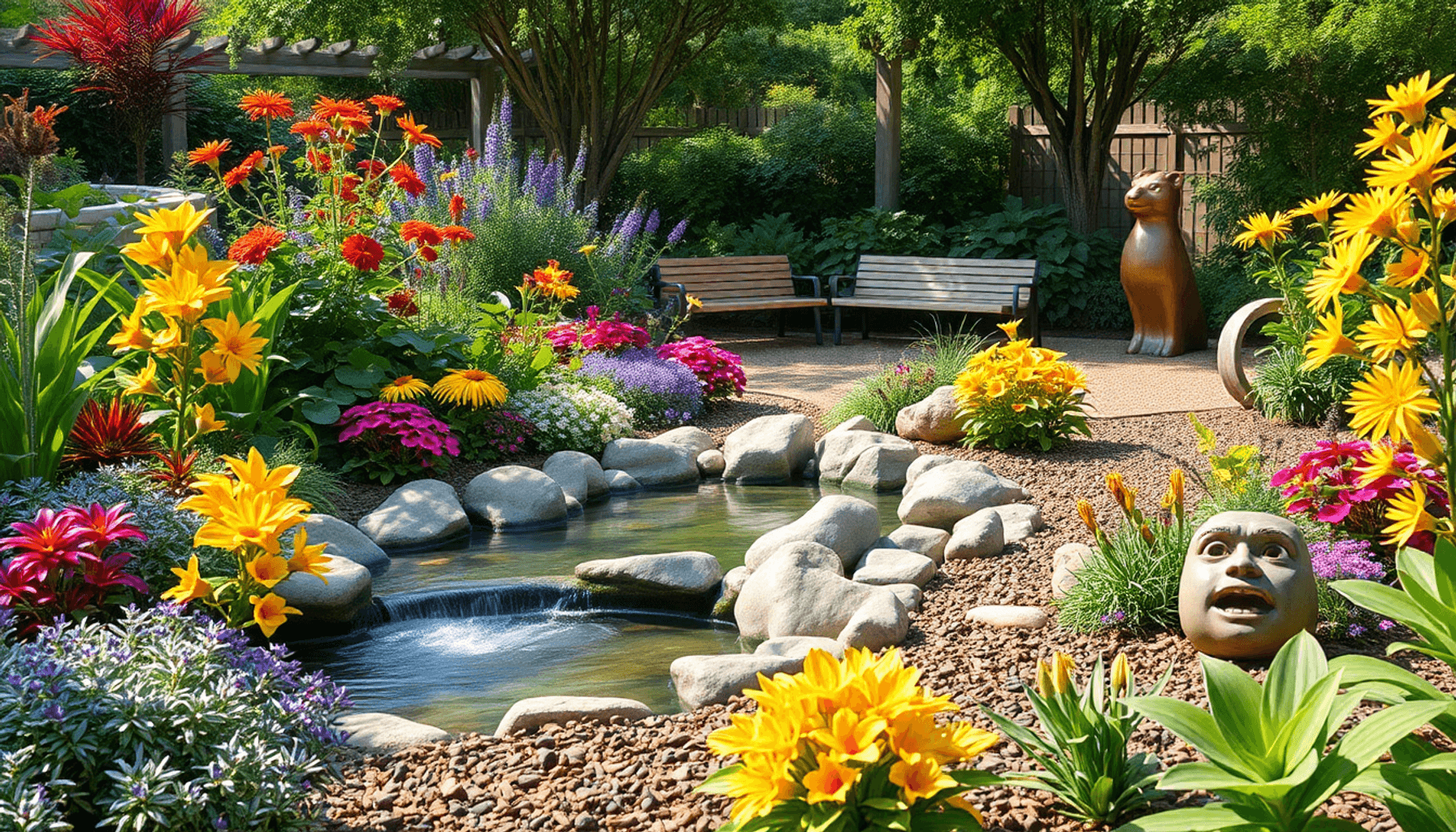

Sensory Garden Ideas UK: Plants and Design Tips focus on creating outdoor spaces that engage all five senses—sight, smell, touch, sound, and taste. Sensory gardens in the UK are specially designed environments aimed at providing therapeutic benefits, enhancing wellbeing, and encouraging active engagement for people of all ages and abilities.
These gardens serve multiple purposes:
- Therapeutic environments for individuals with physical, cognitive, or emotional challenges
- Educational spaces that stimulate curiosity and learning through natural exploration
- Inclusive recreational areas where children, disabled and non-disabled users can interact safely
The value of sensory gardens lies in their ability to promote relaxation, reduce stress, improve mood, and foster social interaction. By engaging the senses directly with thoughtfully chosen plants and design features, these gardens create immersive experiences that support mental health and physical activity.
This article will guide you through essential sensory garden design tips tailored for the UK climate. You will find detailed advice on:
- Selecting plants that enhance sight and smell throughout the seasons
- Incorporating textures and materials that invite touch and exploration
- Introducing natural sound elements without overwhelming the space
- Safely adding edible plants to engage taste buds
- Designing accessible routes, comfortable seating, and interactive features
Whether you are planning a private therapeutic garden or a public sensory space, these ideas will help you create an environment that nurtures wellbeing while being visually appealing and easy to maintain.
Additionally, incorporating native plant species into your sensory garden can significantly enhance its ecological value. Research has shown that native plants not only thrive better in local conditions but also support local wildlife, thereby creating a more balanced ecosystem within your garden.
Understanding Sensory Gardens: Engaging All Five Senses
Sensory gardens are carefully designed to stimulate all five senses—sight, smell, touch, sound, and taste—creating a rich multi-sensory experience. This approach makes the garden accessible and enjoyable for a wide range of users, including children, people with disabilities, and those seeking therapeutic environments.
Sight
Visual stimulation is often the first sense engaged in a five senses garden. Using vibrant colours, varied foliage shapes, and seasonal changes creates dynamic interest throughout the year. Contrasting plant textures and hues help users with limited vision to distinguish different areas. Examples include:
- Bright flowers such as tulips or geraniums.
- Contrasting leaf colours like silver Artemisia against deep green foliage.
- Plants that attract pollinators adding movement and life to the space.
Smell
Scent is a powerful trigger for memory and emotion. A sensory garden incorporates plants with distinct fragrances that offer seasonal variety:
- Lonicera fragrantissima provides sweet winter scent.
- Syringa (lilac) blossoms in spring with a strong perfume.
- Rosa 'Gertrude Jekyll' fills summer air with classic rose fragrance.
Herbs like lavender and mint add refreshing aromas while encouraging tactile exploration.
Touch
Tactile elements invite users to engage physically with the environment. Selecting plants with diverse textures enhances this sense:
- Soft leaves like Stachys byzantina’s fuzzy lamb’s ear.
- Feathery plumes of Stipa tenuissima that move gently in the breeze.
- Rough bark textures, smooth stones, or bark mulch paths provide natural contrasts.
Interactive sculptures or natural materials encourage hands-on discovery.
Sound
Auditory stimulation in sensory gardens is subtle yet effective. Natural sound sources create calming or intriguing atmospheres:
- Water features offer soothing trickling sounds without overwhelming other senses.
- Grasses or shrubs that rustle softly in wind produce gentle ambient noise.
- Bird feeders and nest boxes attract wildlife contributing natural soundscapes.
Artificial sounds such as wind chimes require careful placement to maintain balance within the space.
Taste
Incorporating edible plants adds an educational and safe dimension to sensory stimulation:
- Herbs like thyme, basil, and chives that are safe for all ages.
- Edible perennials such as strawberries or nasturtiums introduce flavour without risk.
Taste elements enrich engagement by connecting visitors directly to the garden’s bounty.
Creating a truly holistic sensory experience means blending these elements thoughtfully. Diverse natural components invite exploration while supporting wellbeing through multi-sensory garden elements tailored to varied needs and preferences. For more detailed insights on how to create a sensory garden, consider exploring expert resources available online.
Key Design Principles for Sensory Gardens in the UK
Creating an accessible garden design UK means catering to a wide range of users, including children, disabled individuals, and non-disabled visitors. Sensory gardens must go beyond aesthetics to offer practical access points and safe navigation routes. Consider these elements:
1. Accessibility Features
- Smooth, wide pathways that accommodate wheelchairs and pushchairs.
- Gradual slopes instead of steps to ensure easy movement.
- Clear signage with tactile or braille options for visually impaired users.
- Raised beds positioned at varying heights help those with limited mobility engage comfortably.
2. Comfort Elements
Comfort plays a critical role in sensory garden layout. Visitors will spend more time exploring when spaces include:
- Strategically placed seating areas, allowing rest and reflection.
- Shelter from weather, such as pergolas or covered benches, protecting from rain and strong sun.
- Spaces designed to avoid excessive wind exposure or glare.
3. Durable Materials
Durability is key for materials used in sensory gardens because these areas invite interaction and exploration. Selecting durable garden materials UK ensures longevity despite frequent use:
- Hard-wearing surfaces like resin-bound gravel or compacted bark mulch offer texture underfoot while resisting wear.
- Robust timber or metal for benches and interactive installations withstands weather and physical contact.
- Non-toxic, natural materials reduce environmental impact while supporting tactile experiences.
4. Varied Routes
Varied routes with textured surfaces enrich the sensory journey through the garden. Combining different paving materials and shaded zones creates contrast and interest:
- Textured paths such as pebbled stones, wood chips, or rubber tiles encourage touch exploration through feet as well as hands.
- Shaded areas under trees or canopies provide relief during warm months and create calm micro-environments.
- Looped or meandering pathways maintain engagement by offering diverse spatial experiences rather than straightforward circuits.
Incorporating these design principles results in a sensory garden that is welcoming, comfortable, resilient, and stimulating for all users. Each element works together to make exploration inviting without barriers — a true hallmark of inclusive outdoor space planning.
Plant Selection for Sensory Gardens: Enhancing Sight and Smell
Choosing the right plants is fundamental to creating a sensory garden that delights the senses of sight and smell. The goal is to provide year-round sensory stimulation through carefully selected scented plants UK gardeners trust, vibrant foliage, and pollinator-friendly varieties.
Year-Round Fragrance with Scented Plants
Scented plants play a vital role in engaging visitors through calming or invigorating aromas. Consider these excellent options for delivering continuous fragrance:
- Lonicera fragrantissima (Winter Honeysuckle): Blooms in late winter, offering a sweet scent when most other plants remain dormant. It brings early seasonal interest and encourages outdoor visits even on colder days.
- Syringa (Lilac): A classic springtime choice with intensely fragrant flower clusters. Lilacs captivate with both scent and delicate purple or white blooms.
- Rosa 'Gertrude Jekyll': This English rose emits a strong old-rose fragrance throughout summer, combining rich scent with soft pink petals, enhancing visual appeal.
These scented plants UK gardeners appreciate help maintain an aromatic environment across seasons, supporting wellbeing and engagement.
Visual Stimulation Through Color and Contrast
Visual stimulation is crucial for users with limited sight as well as those seeking vibrant garden experiences. Selecting plants with striking colors and contrasting foliage enhances visibility and interest:
- Use bright flowers such as Echinacea purpurea (Purple Coneflower) or Helianthus annuus (Sunflowers) to create focal points.
- Incorporate contrasting leaf textures and colors like the deep purple leaves of Heuchera against lime-green grasses.
- Variegated plants like Hosta 'Patriot', with white-edged leaves, add definition that helps guide navigation.
Vivid colors combined with varied leaf forms improve orientation within the garden while offering eye-catching displays.
Pollinator-Friendly Plants to Add Sound and Movement
Pollinator-friendly plants serve multiple sensory functions by attracting bees, butterflies, and other beneficial insects. Their presence introduces gentle buzzing sounds and fluttering movement, enriching the sensory experience:
- Native wildflowers such as Knautia arvensis or Centaurea nigra support local pollinators.
- Lavandula angustifolia (English Lavender) provides fragrant flowers loved by bees.
- Butterfly magnets like Buddleja davidii add color while inviting lively activity.
Including these plant choices turns the garden into a dynamic habitat where sound, motion, sight, and scent combine naturally.
Selecting scented plants UK gardeners rely on alongside visually stimulating and pollinator-friendly species creates a multi-sensory environment tailored to diverse needs. This planting approach boosts engagement, supports wildlife, and ensures sensory richness throughout the year.
Creating Textural Interest Through Plants and Materials
Engaging the sense of touch is essential in a sensory garden, especially in the UK where tactile plants and textured garden materials can turn exploration into a rich experience. Selecting the right tactile plants UK offers can transform a garden into an interactive space that invites visitors to feel and discover.
Tactile Plants for Touch Exploration
Stipa tenuissima stands out with its delicate, feathery plumes that sway gently in the breeze. These soft, wispy grasses provide a dynamic texture that changes with movement, encouraging visitors to touch and watch the subtle play of light on its fine blades.
Stachys byzantina, commonly known as lamb’s ear, features thick, velvety leaves that feel almost furry to the touch. This softness makes it particularly appealing for tactile interaction, especially for children and those with sensory processing needs.
Other tactile plants to consider include ornamental grasses with varied leaf shapes, herbs like thyme or rosemary which add both texture and fragrance, and succulents with fleshy leaves offering a contrasting firmness.
Textured Garden Materials Beyond Plants
Tactile experiences extend beyond foliage. Incorporating natural materials enhances sensory textures garden-wide:
- Bark mulch provides a rough yet forgiving surface underfoot or along paths. Its earthy aroma adds another sensory layer.
- Straw can be used in beds or borders for a softer, lighter texture that contrasts with harder surfaces.
- Gravel or pebbles offer crunching sounds and uneven textures when walked upon, stimulating both sound and touch senses.
- Wood chips create a warm, organic feel suitable for seating areas or informal paths.
Interactive Sculptures and Natural Elements
Interactive elements invite hands-on engagement that complements plant textures:
- Sculptures made from natural materials like wood or stone can be designed with varied surfaces—smooth curves beside rough bark—to encourage touching.
- Logs or boulders arranged as informal seating or stepping stones provide different tactile sensations.
- Natural features such as pinecones, seed pods, or textured shells placed within reach encourage exploration.
- Temporary installations using woven straw or fabric strips fluttering in the breeze invite gentle tactile interaction.
Incorporating these tactile plants UK alongside diverse textured garden materials creates layered sensory experiences. Visitors can run fingers through soft leaves, brush against feathery plumes, feel the crunch of gravel beneath feet, or explore handcrafted sculptures designed for touch. This rich variety in textures not only stimulates curiosity but also supports inclusive access for all users seeking meaningful connection through their sense of touch.
Introducing Sound Elements in Sensory Garden Design
Sound plays a crucial role in creating a calming and engaging sensory garden atmosphere. You can incorporate natural sound garden features that enhance the auditory experience gently and organically.
Water Features for Soothing Sounds
Water features are among the most effective natural sound elements. In the UK, carefully chosen water features provide soothing, continuous sounds without overwhelming other sensory inputs. Consider:
- Small fountains or bubbling streams with adjustable flow to control volume
- Reflective pools where water movement is subtle, adding gentle ripples
- Recycled water systems designed for minimal noise beyond the water itself
These elements contribute to a peaceful background soundscape, inviting visitors to pause and relax.
Rustling Grasses and Plant Groupings
Plants themselves can create dynamic soundscapes. Groupings of tall, flexible grasses produce soft rustling noises when moved by the breeze, adding an ever-changing natural soundtrack. Ideal choices include:
- Feather reed grass (Calamagrostis acutiflora), known for its delicate rustle
- Switchgrass (Panicum virgatum), which creates a whispering effect when swayed
- Other native grasses suited to UK climates enhancing seasonal variation in sound
The rustling grasses soundscape encourages mindfulness and connection with nature through subtle auditory cues.
Balancing Natural and Manufactured Sounds
Artificial sound sources such as wind chimes or mechanical devices can complement natural sounds but require careful consideration. Points to keep in mind:
- Wind chimes should be tuned softly and placed where wind intensity is moderate, avoiding harsh or intrusive tones
- Artificial sounds risk detracting from the garden’s organic feel if too loud or repetitive
- Opt for materials like bamboo or metal with softer acoustic qualities to maintain harmony with natural elements
This balance ensures that manufactured sounds serve to enrich rather than dominate the sensory experience.
Incorporating these sound design strategies supports an immersive multi-sensory environment, enhancing visitor engagement while respecting the garden’s tranquil character.
Incorporating Taste Safely with Edible Plants
Taste adds a unique element to sensory gardens, engaging visitors in a way that connects them directly to nature. When planning edible sensory plants UK gardeners must prioritise safety, especially in areas frequented by children or vulnerable individuals. Choosing plants that are non-toxic, easy to identify, and low-risk ensures a positive experience without worry.
Safe edible gardening involves selecting species known for their gentle flavours and minimal allergenic potential. Many herbs and perennials fit this criterion and thrive well in UK climates while providing varied taste experiences throughout the seasons.
Recommended Edible Plants for Sensory Gardens
Herbs
- Mint (Mentha spp.): Offers a fresh, cooling flavour; easy to cultivate and quick to regrow after harvesting.
- Basil (Ocimum basilicum): Sweet and aromatic leaves, perfect for tactile exploration and tasting.
- Chives (Allium schoenoprasum): Mild onion flavour; their grassy texture invites touch as well as taste.
- Lemon balm (Melissa officinalis): Citrus-scented leaves with a gentle lemony taste.
Edible Perennials
- Strawberries (Fragaria × ananassa): Sweet fruit encourages seasonal engagement and hands-on interaction.
- Rhubarb (Rheum rhabarbarum): Tangy stalks add interest but require caution with leaves, which are toxic—clear signage is essential.
- Currants (Ribes spp.): Berries provide bursts of tartness; shrubs contribute visual and tactile variety.
Other Safe Options
- Chicory (Cichorium intybus): Leaves with a mildly bitter flavour used in salads.
- Marjoram (Origanum majorana): Delicate aromatic flavour suitable for sampling.
Educational Value of Taste
Introducing sensory taste experiences transforms the garden into an interactive learning environment. Visitors can discover how different plants influence flavours in cooking or traditional remedies. Tasting sessions promote curiosity about growing food sustainably, understanding plant lifecycles, and appreciating biodiversity.
Signage explaining each plant’s culinary uses or historical background enriches visitors' knowledge. Workshops or guided tours can incorporate tasting elements that engage multiple senses simultaneously—touching leaves, smelling aromas, then tasting fresh samples—creating memorable connections.
Creating zones dedicated to edible plants alongside ornamental species supports inclusion for users who may prefer hands-on involvement over passive observation. These areas foster confidence in trying new tastes safely while encouraging social interaction through shared gardening activities. Such an approach aligns with the principles outlined in Sensory Garden Ideas UK: Plants and Design Tips by merging sensory stimulation with safety and education. This approach enhances the garden’s therapeutic qualities by engaging taste alongside sight, smell, touch, and sound.
Enhancing Engagement with Interactive Features
Interactive sensory garden features in the UK offer dynamic experiences that actively involve visitors, transforming passive observation into hands-on learning and play. Cause-and-effect activities in the garden are particularly effective at stimulating curiosity and encouraging exploration.
Cause-and-effect elements such as levers, pulleys, water wheels, or simple mechanical devices invite users to experiment and discover how their actions impact the environment. These features engage problem-solving skills while providing sensory feedback through movement, sound, or water flow. For example:
- A water wheel powered by hand encourages tactile interaction and visual engagement as visitors see the wheel turn.
- Levers connected to bird feeders can teach cause and effect while supporting local wildlife.
- Rotating panels with textured surfaces combine touch with motion for a multi-sensory experience.
Physical activity can be naturally incorporated without compromising safety by designing zones where children and adults alike can move freely. Soft ground coverings, wide pathways, and clear sightlines support safe exploration. Balancing energetic play areas with quiet discovery spots ensures diverse needs are met within the same garden space.
Interactive installations also encourage social interaction. Group activities like communal planting beds or storytelling corners equipped with sensory objects invite collaboration and shared experiences among family members or community groups. These features nurture social bonds alongside sensory stimulation.
To maximize engagement:
- Incorporate multi-user elements that allow more than one person to interact simultaneously.
- Use durable, weather-resistant materials so features withstand frequent use.
- Design for varying levels of ability, ensuring all visitors can participate comfortably.
Interactive sensory garden features in the UK create environments rich in discovery, learning, and connection—key components for an inclusive outdoor space that appeals to all ages and abilities.
Creating Varied Moods Through Light, Shade & Spatial Design
Creating distinct moods in a sensory garden relies heavily on the thoughtful use of light, shade, and spatial arrangement. The mood in garden design UK often reflects a balance between bright openness and intimate enclosure, each evoking different emotional responses and comfort levels.
Designing with Light Levels
- Bright open areas invite energy and social interaction. These spaces are ideal for group activities or places where visitors can experience vivid colors and dynamic movement from sunlight-responsive plants.
- Shaded enclaves provide calm and retreat. Underneath trees or pergolas, these cooler zones encourage rest and reflection. Shade-loving plants thrive here, adding texture and softness to the environment.
Combining these distinct lighting conditions allows you to guide visitors through changing atmospheres that stimulate or soothe depending on the moment.
Using Enclosure and Openness Strategically
Spatial design influences how enclosed or open an area feels, impacting visitors’ mood and sense of security. Consider these approaches:
- Enclosed spaces with hedges, tall shrubs, or trellis screens create privacy, fostering a feeling of safety and intimacy. These zones can be perfect for quiet contemplation or small gatherings.
- Open spaces promote freedom of movement and visibility, making users feel more connected to the wider garden environment. Open lawns or clearings with wide sightlines support active play and social exchange.
Varying levels of enclosure throughout the garden offer diverse experiences that cater to different preferences and needs.
Managing Sound Through Spatial Arrangement
Sound contributes significantly to mood but requires careful spatial planning to avoid sensory overload:
- Positioning water features or rustling grasses near seating areas encourages a soothing auditory backdrop.
- Separating livelier zones—such as interactive installations or play areas—from quieter corners helps maintain peaceful retreats.
- Natural sound barriers like dense planting or earth mounds reduce noise spillover, allowing distinct soundscapes within the same garden.
Thoughtful layout ensures that sound complements rather than competes with other sensory elements.
Light and Shade Gardening Tips for Mood
- Use deciduous trees to offer seasonal variation: dappled shade in summer and open sunlight in winter.
- Incorporate reflective surfaces such as light-coloured gravel or pale bark mulch to brighten shaded areas subtly.
- Choose plant species with contrasting leaf shapes and colours that respond uniquely under different light conditions.
These strategies enhance visual interest while supporting diverse emotional experiences tied to light exposure.
A well-planned interplay of light, shade, enclosure, openness, and sound creates a multi-dimensional sensory environment. This approach enriches the garden’s atmosphere by shaping moods that range from energetic engagement to tranquil respite.
Sustainable Planting Practices for Sensory Gardens in the UK
Sustainable planting is central to successful sensory gardens in the UK. Adopting the right plant, right place ethos UK means selecting species that thrive naturally within local climate and soil conditions. This approach reduces the need for excessive watering, fertilizers, or pesticides, creating an eco-friendly environment that supports biodiversity.
Key Aspects of Sustainable Planting
1. Climate Compatibility
Choosing plants adapted to the typical UK weather ensures resilience through seasonal changes. Native or well-established non-invasive species withstand rain, wind, and frost better than exotic alternatives.
2. Water Efficiency
Drought-tolerant plants reduce irrigation demands. Incorporating mulch layers like bark or straw conserves moisture around roots while suppressing weeds.
3. Soil Health
Using compost-enriched soils promotes natural fertility and encourages beneficial microorganisms. Avoidance of chemical inputs helps maintain soil structure and nutrient balance.
Benefits of Sustainable Practices
1. Reduced Maintenance
Plants suited to local environments require less pruning, feeding, and pest control efforts. This makes sensory gardens more manageable for caretakers and volunteers.
2. Enhanced Ecological Support
Sustainable planting attracts native insects, birds, and pollinators essential for ecosystem health. Flowering shrubs and perennials provide nectar sources throughout the growing season.
3. Longevity and Resilience
Durable plant selections combined with organic mulches and natural ground covers create a stable garden environment capable of withstanding frequent use by visitors exploring sensory elements.
Combining Plant Types with Natural Materials
A well-rounded sensory garden design integrates a mix of:
- Flowering Shrubs: Provide structure, seasonal colour, and fragrance. Examples include Viburnum opulus for winter interest and Ceanothus for summer blooms.
- Perennials: Offer repeated flowering cycles with minimal input; Lavandula angustifolia supports smell and sight senses while attracting pollinators.
- Herbs: Beyond scent and taste stimulation, herbs like rosemary or thyme contribute evergreen foliage texture.
- Edible Plants: Incorporate safe-to-eat varieties that fit seamlessly into planting schemes without compromising aesthetics.
- Natural Mulches & Ground Covers: Straw beds, bark chips, or leaf litter not only conserve moisture but add tactile diversity underfoot.
By blending these components thoughtfully according to sustainable planting principles in the UK context, your sensory garden becomes a thriving multisensory space with lower environmental impact. This method ensures your garden remains inviting year after year without intensive upkeep or resource waste.
Conclusion
Creating sensory gardens taps into the powerful potential of multi-sensory outdoor environments to enhance wellbeing. The principles and plant selections explored in this guide offer practical ways to design therapeutic outdoor spaces UK-wide that engage all five senses. You can foster:
- Memory through familiar scents and textures
- Mood enhancement by incorporating vibrant colors and soothing sounds
- Social interaction with interactive features and thoughtfully arranged seating
- Physical activity via varied routes and tactile exploration
The sensory garden benefits UK communities by providing inclusive spaces that welcome diverse users—children, people with disabilities, and non-disabled visitors alike. These gardens become more than just green areas; they transform into dynamic environments where nature supports mental health, learning, and connection.
Use these Sensory Garden Ideas UK: Plants and Design Tips as a foundation to create spaces that are engaging, accessible, resilient, and sustainable. The impact goes beyond aesthetics—sensory gardens nurture body and mind, inviting everyone to experience the outdoors in meaningful ways.
FAQs (Frequently Asked Questions)
What are sensory gardens and what benefits do they offer in the UK?
Sensory gardens in the UK are specially designed outdoor spaces that engage all five senses—sight, smell, touch, sound, and taste—to promote wellbeing, engagement, and therapeutic benefits. They provide inclusive environments that support memory enhancement, mood improvement, social interaction, and physical activity for diverse users.
How can sensory gardens effectively engage all five senses?
Effective sensory gardens incorporate natural elements that stimulate sight through vibrant colors and contrasting foliage; smell via scented plants like Lonicera fragrantissima and Rosa 'Gertrude Jekyll'; touch with tactile plants such as Stipa tenuissima and textured materials like bark mulch; sound using water features and rustling grasses; and taste by including safe edible herbs and perennials to create a holistic multi-sensory experience.
What key design principles should be considered for accessible sensory gardens in the UK?
Key design principles include ensuring accessibility for children, disabled, and non-disabled users by designing varied routes with textured surfaces; incorporating comfort features like seating areas and weather shelters; using durable materials to withstand exploration; and creating shaded zones to offer diverse sensory experiences suitable for all visitors.
Which plants are ideal for enhancing sight and smell in UK sensory gardens?
Ideal plants for visual stimulation include those with vibrant colors and contrasting foliage to aid limited sight users. For scent, year-round fragrant plants such as Lonicera fragrantissima (winter honeysuckle), Syringa (lilac), and Rosa 'Gertrude Jekyll' (English rose) are excellent choices. Additionally, pollinator-friendly plants attract bees and butterflies adding movement and sound.
How can sound elements be incorporated naturally into sensory garden designs?
Natural sound elements can be introduced through water features that provide soothing ambient noise without overpowering the space, planting rustling grasses or groupings that create gentle sounds in the breeze, and carefully balancing natural versus manufactured sounds like wind chimes to maintain a calming atmosphere.
What sustainable planting practices are recommended for sensory gardens in the UK?
Sustainable practices emphasize choosing environmentally friendly plants suited to local climate conditions following the 'right plant right place' ethos. Combining flowering shrubs, perennials, herbs, edible plants with natural materials reduces maintenance needs while supporting local ecology, ensuring longevity and ecological balance within sensory garden environments.