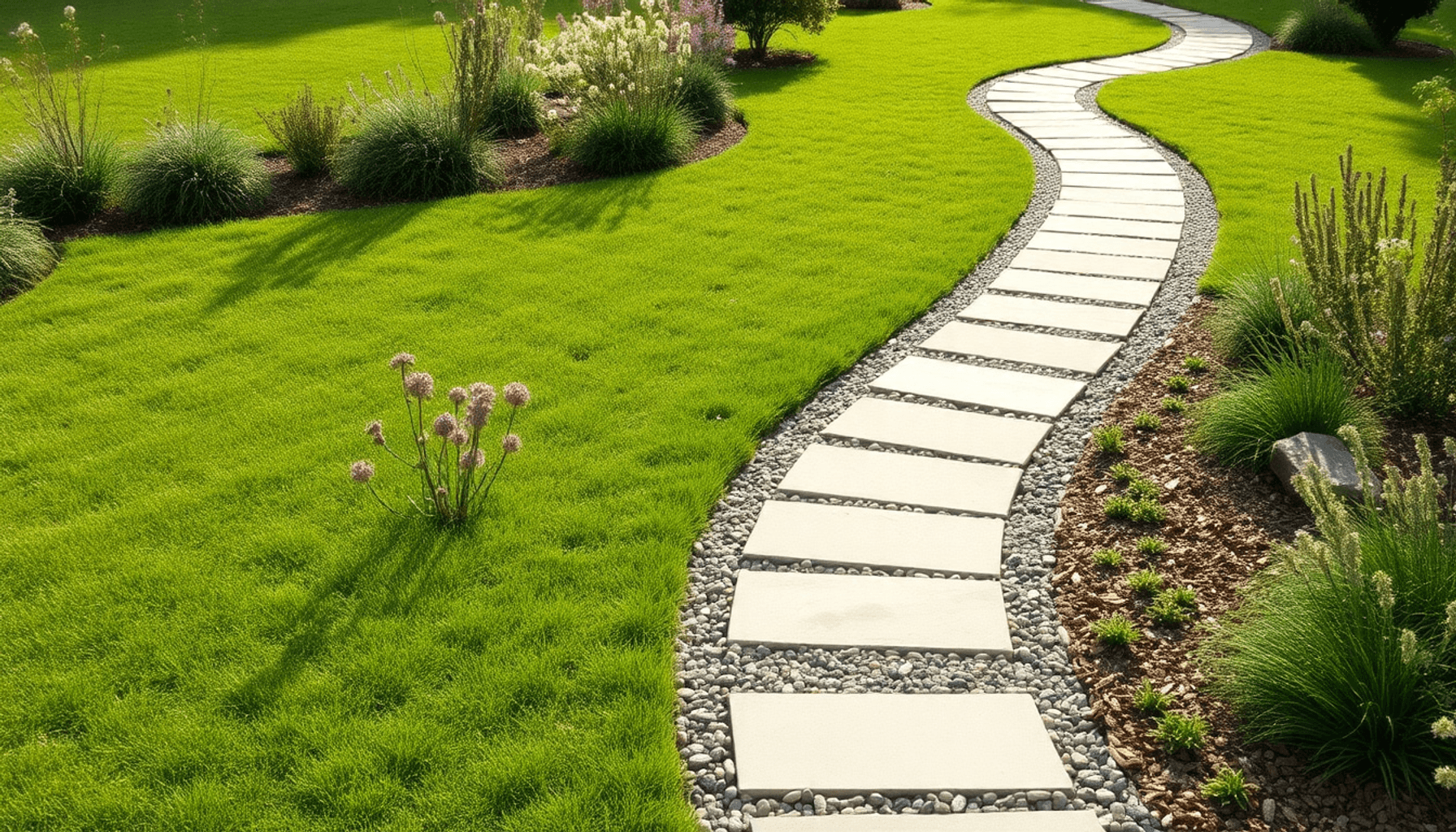

Garden paths play a vital role in UK gardens, serving both practical and aesthetic purposes. They connect different areas of the garden, making navigation easier while protecting lawns from compaction caused by foot traffic or garden tools. Beyond functionality, garden paths add structure and charm, enhancing the overall landscape design and inviting exploration.
This article offers a comprehensive guide to garden path ideas UK: materials, styles and inspiration tailored to various garden types and tastes. You will discover:
- Popular materials used for garden paths in the UK, including slate, paving stones, gravel, mulch, and wood.
- Different styles of pathways—straight, curved, and natural—that complement formal or informal garden layouts.
- Practical tips on planning your path’s purpose, width, and how to align it with your garden’s style.
- Inspirational ideas to spark creativity and help you choose the right path for your outdoor space.
Whether you want to create a striking feature or simply improve garden access, this guide provides useful insights into designing beautiful and functional garden paths that suit British gardens.
The Purpose and Planning of Garden Paths
Garden paths serve several essential functional roles in UK gardens. Their primary purpose is to connect different areas, such as patios, flower beds, vegetable plots, and garden sheds, creating a clear route for walking and gardening activities. By directing foot traffic along designated paths, they help prevent lawn compaction and soil erosion, protecting delicate plants and maintaining healthy grass.
Considerations for Garden Path Planning
When you begin garden path planning UK, consider the intended use of the path. Will it support light pedestrian traffic or heavier gardening equipment? Paths frequently used for wheelbarrows or garden carts require sufficient width to allow easy passage and manoeuvrability. A practical garden path width starts at around 600mm for single-person access but should be increased to 900mm or more if accommodating wheelbarrows or double access is expected.
Key considerations during planning include:
- Purpose of the path: Is it mainly decorative, functional, or both? This affects material choice and design.
- Width requirements: Narrow paths suit tight spaces but can feel restrictive; wider paths offer comfort and practicality.
- Accessibility: Consider ease of movement for all users, including children or those with mobility issues.
- Drainage: Proper slope and surface material prevent water pooling on the path.
Matching Style with Landscape
Matching the style and layout of your garden path with the overall landscaping is crucial for visual harmony. The pathway should complement the garden’s character—whether formal or informal—and blend with plantings, lawn shapes, and focal points. Equally important is considering the architectural style of your home:
- A traditional cottage garden pairs well with natural stone or gravel paths.
- Modern homes often benefit from sleek slate or paving stone designs.
- Rustic properties might look best with mulch or wooden boardwalk-style paths.
Taking time to plan the route ensures efficient navigation through your outdoor space while enhancing its aesthetic appeal. Thoughtful placement can create interesting sightlines that invite exploration or frame key garden features.
Popular Garden Path Materials in the UK
Slate Paths
Slate paths have become increasingly popular among garden path materials in the UK, especially for those looking for a modern and sleek appearance. The natural grey-blue finish of slate provides a contemporary look that complements minimalist and urban garden designs. This subtle yet eye-catching colour enhances green foliage and vibrant flower displays, creating a harmonious visual effect.
You can lay slate in two main ways to achieve different textures and appearances:
- Flat-laid slate: When laid flat, slate forms a smooth walking surface. This method highlights the stone’s natural cleft texture, providing subtle variation across the path without compromising comfort underfoot.
- Edge-laid slate: Standing slate pieces on edge generates a more textured, striking look with vertical lines catching light differently throughout the day. This technique adds dimension and can serve as a feature element within your garden design.
Slate garden paths stand out for their durability. Resistant to frost and moisture common in UK climates, they maintain their appearance over time without requiring frequent maintenance. Slate also pairs well with other materials like gravel or paving stones if you want to introduce contrast or define sections of your garden path.
When designing garden paths that enhance contemporary homes or revitalise traditional landscapes with a fresh twist, consider slate for its clean lines and modern appeal. A slate garden path anchors the space visually while offering practical benefits such as long-lasting wear and easy drainage.
Paving Stone Paths
Paving stones are one of the most versatile and durable garden path materials UK gardeners choose. There are different types of stone, each with its own unique textures, colours, and levels of maintenance for your garden path.
Types of Paving Stones
Here are some common types of paving stones used for garden paths:
- Granite: Known for its exceptional hardness and longevity, granite offers a range of natural colours from grey to pinkish hues. Its coarse texture provides good grip underfoot, making it ideal for areas prone to wet weather.
- Limestone: Softer than granite but still tough, limestone features muted cream, beige, or pale grey tones that suit traditional or country-style gardens. Limestone weathers gracefully but may require occasional sealing to prevent staining.
- Sandstone: Popular for its warm colour palette including reds, browns, and yellows. Sandstone’s porous surface adds rustic charm but means paths need more regular maintenance to avoid erosion or moss buildup in damp UK climates.
- Concrete Paving Stones: Manufactured options offer uniform shapes and sizes at lower costs. You can find concrete slabs that mimic natural stone finishes or come in bright colours for a modern look. Concrete is easier to install but less unique in appearance compared to natural stone.
Combining Paving Stones with Gravel
Combining paving stones with gravel is an effective way to add visual interest and contrast:
- Gravel inset between paving stones can soften hard edges and introduce textural variety.
- This combination also improves drainage by allowing water to permeate through the gravel sections.
- Using brick or stone edging around gravel helps keep loose material contained while enhancing the overall design.
Selecting the Right Paving Stone Garden Path
Selecting the right paving stone garden path depends on your garden style and practical needs:
- Granite suits formal or contemporary layouts thanks to its clean lines and durability.
- Limestone and sandstone complement cottages or rustic settings where a softer look is desired.
- For budget-conscious projects, mixing concrete paving with gravel creates an attractive yet cost-effective solution.
Paving stones pair well with other popular garden path materials UK, such as slate paths or gravel paths, allowing you to craft multi-textured walkways that blend style with functionality. Their robust nature means these materials will stand up well to frequent use while adding timeless appeal to your outdoor space.
Gravel Paths
Gravel paths are one of the most popular choices for garden path materials UK gardeners prefer due to their affordability and versatility. A gravel garden path can easily blend with various garden styles, from informal cottage gardens to more structured landscapes. Its loose, textured surface provides a relaxed, natural feel that complements greenery and flower beds.
Advantages of Gravel Paths
Gravel paths offer several key advantages:
- Cost-effective: Gravel is generally cheaper compared to slate paths or paving stones.
- Easy to install: Gravel paths are relatively simple to install, making them a favourite choice for DIY projects.
- Good drainage: The loose structure of gravel allows rainwater to drain through, preventing puddles from forming after rainfall.
- Flexible design: Gravel can be shaped and contoured to fit curved or irregularly shaped routes where rigid materials may be less practical.
Edging Options for Gravel Paths
To enhance the practicality and appearance of a gravel path, consider installing edging. One of the best options for keeping loose gravel contained within the path borders is brick edging. It provides a neat, defined edge that prevents gravel from scattering onto adjacent lawns or flowerbeds. Other edging choices like treated timber or cobbles also work but bricks add a traditional charm often seen in UK gardens.
Choosing the Right Gravel
The type and size of gravel you choose will impact both the look and functionality of your path:
- Smaller pea shingle gives a fine, smooth finish ideal for formal or contemporary gardens.
- Larger crushed stone offers a more rustic look suited to country-style paths.
Gravel’s adaptability means you can combine it with other materials—like integrating patches of paving stones or creating borders with mulch paths—to add texture and visual interest. This approach complements the range of options available in Garden Path Ideas UK: Materials, Styles and Inspiration, where mixing elements creates dynamic garden designs.
While gravel requires occasional topping up due to displacement over time, its benefits make it an excellent choice when balancing budget with style in your garden path project.
Mulch Paths (Bark Chippings)
Mulch paths are a practical and economical choice among garden path materials UK gardeners often consider. Made primarily from bark chippings or wood chips, these paths blend naturally into garden settings, offering a soft, organic feel underfoot that complements informal and rustic landscapes.
Key advantages of mulch paths include:
- Cost-effectiveness: Bark chippings are generally less expensive than slate paths or paving stones, making them accessible for larger areas or budget-conscious projects.
- Ease of installation: Laying a mulch garden path requires minimal groundwork compared to stone or slate path options.
- Natural aesthetics: The rich earthy tones of mulch enhance woodland-style gardens or wildlife-friendly spaces, supporting soil health by gradually decomposing and enriching the ground beneath.
Considerations when choosing mulch paths:
- Maintenance demands: Mulch decomposes over time, meaning you will need to top up the material regularly to maintain an even surface and fresh appearance.
- Durability concerns: Compared with harder surfaces like paving stones or gravel paths, mulch is less durable under heavy foot traffic or wet conditions. It may compact or wash away without proper edging.
- Seasonal changes: Mulch can become slippery when wet and may attract insects, which some gardeners welcome as part of ecological gardening but others might find undesirable.
Using mulch for your garden path works best in low-traffic areas or where you want to emphasize natural textures rather than rigid structure. Edging with timber, bricks, or plants helps keep the bark chippings contained and neat.
This type of garden path material fits well with green gardens designed for sustainability and wildlife support. It pairs nicely with other soft landscaping elements like grass lawns or wildflower beds, enhancing a relaxed atmosphere distinct from more formal slate garden path designs.
Wooden Paths
Wooden garden paths offer a natural and warm look that goes well with many garden styles in the UK, especially those aiming for a rustic or woodland feel. Among the materials commonly used for garden paths in the UK, wood stands out for its organic charm and versatility.
Benefits of Using Cedar Wood
Cedar wood is highly regarded as a sustainable choice for wood paths in the UK. It has natural resistance to rot and insect damage, reducing the need for chemical treatments. Cedar’s durability makes it suitable for outdoor use, maintaining its integrity over time even in the damp British climate. Its reddish-brown color weathers gracefully to a soft silver-grey, blending beautifully with greenery and other natural elements.
Other Wood Options
Other options include:
- Green oak: Known for its strength and longevity, green oak paths can last decades if properly maintained. It offers a sturdier alternative but requires regular treatment to protect against moisture and fungal decay.
- Treated pine: A more budget-friendly option often pressure-treated to resist rot and pests. While less durable than cedar or oak, treated pine can still provide an attractive wooden path surface if replaced or repaired periodically.
Sustainability and Natural Textures
Wooden paths work well in gardens emphasizing sustainability and natural textures. They fit alongside slate paths or gravel paths by adding variation in surface materials without disrupting the overall harmony of the landscape. The tactile quality of wood underfoot differs significantly from harder stone or loose gravel, offering a comfortable walking experience that appeals to many gardeners.
Maintenance Considerations
Maintenance considerations include:
- Ensuring good drainage beneath wooden paths to prevent waterlogging.
- Periodic inspection for signs of wear or decay.
- Applying protective sealants or oils tailored for outdoor timber to extend lifespan.
Design Flexibility
Wooden garden paths can be laid as sleepers, decking boards, or interlocking tiles depending on your design preference and budget. Their adaptability makes them suitable for curved or straight layouts alike, allowing you to integrate wood seamlessly into your chosen garden style.
Incorporating wood alongside other garden path materials UK like paving stones or mulch paths creates textural contrast that enriches the sensory experience of your outdoor space while keeping sustainability at the forefront.
Sustainability Considerations in Garden Path Materials
Choosing sustainable garden path materials UK gardeners can feel confident about involves more than just aesthetics or cost. Sustainability reduces environmental impact, supports local economies, and ensures longevity with minimal maintenance. When exploring options like slate paths, paving stones, gravel paths, mulch paths, and wood paths UK enthusiasts often face trade-offs between durability, appearance, and ecological footprint.
Key sustainable choices include:
- Locally sourced gravel: Gravel paths made from locally quarried stone reduce transportation emissions and help maintain the natural character of your garden. You avoid the carbon footprint associated with long-distance shipping common to imported aggregates.
- Reclaimed stone slabs or bricks: Reusing materials salvaged from demolitions or old constructions offers a second life for paving stones or bricks. This reduces landfill waste and conserves natural resources. Slate garden path projects benefit greatly from reclaimed slate tiles that add unique textures and history to your pathway.
- FSC-certified wood: For wood paths UK gardeners should seek Forest Stewardship Council (FSC) certification. This guarantees timber comes from responsibly managed forests that protect biodiversity and respect local communities. Cedar wood, green oak, or treated pine sourced with FSC certification aligns with eco-friendly gardening practices.
Sustainable garden path materials often require thoughtful installation techniques to preserve soil health and encourage biodiversity. For instance:
- Avoid concrete bases under paving stones when possible to allow water permeability.
- Use permeable jointing materials like sand or fine gravel instead of cement.
- Incorporate native plants as edging to create habitats for pollinators and beneficial insects.
Choosing sustainable options does not mean compromising on style or durability. Slate paths bring contemporary elegance while being durable; combining reclaimed stone slabs with gravel can create visually striking contrasts that are also environmentally sound. Mulch paths provide an economical choice but should be replenished with sustainably sourced bark chippings.
Garden Path Ideas UK: Materials, Styles and Inspiration thrive on balancing beauty and responsibility. Considering sustainability alongside traditional factors like design and function leads to gardens that are both stunning and conscientious.
Styles of Garden Paths for Different Garden Types
Straight Paths: Formal Elegance
Straight garden paths are a classic choice for UK gardens that prioritise structure and order. This garden path style UK favours clean lines and symmetry, often found in traditional or formal gardens where the layout reflects precision and balance. A straight pathway style can guide visitors directly from one point to another, creating a clear visual axis that highlights key features like entrances, fountains, or garden rooms.
Key characteristics of straight paths include:
- Sense of formality: The rigid alignment conveys sophistication and control, perfect for manicured gardens.
- Visual emphasis: Straight lines draw the eye along the path’s length, making it a focal element within the garden design.
- Ease of installation: Constructing straight paths is generally simpler due to predictable measurements and fewer curves.
However, this style has specific effects on spatial perception:
- In narrow or small gardens, straight pathways can unintentionally make spaces feel even more confined by reinforcing linear boundaries.
- They may lack the element of surprise or softness that curves bring, resulting in a more rigid atmosphere.
Choosing a straight pathway style works best when you want to complement architecture with formal landscaping or create a pronounced central walkway. It’s essential to consider how the path aligns with planting beds, lawn areas, and house facades to maintain harmony throughout the outdoor space.
The appeal of straight paths lies in their timelessness and ability to project elegance while serving practical connectivity within garden layouts.
Curved Paths: Adding Intrigue
Curved garden paths offer a striking contrast to the more rigid, straight garden paths typically seen in formal settings. Their gentle bends and sweeping arcs create an element of intrigue by partially obscuring what lies ahead, encouraging exploration and discovery. This sense of mystery invites visitors to take their time, revealing hidden corners, plants, or features gradually rather than all at once.
A curved pathway style works exceptionally well in gardens aiming for a relaxed or natural aesthetic. These winding routes break up the visual monotony that straight pathways can sometimes present, adding softness and fluidity to the landscape design. By guiding visitors through varying perspectives and changing views, curved garden paths can make a garden feel significantly larger than it actually is. This is particularly useful in smaller or irregularly shaped gardens common across the UK.
Additional benefits of curved paths include:
- Enhanced natural flow: Mimics the organic shapes found in nature, blending seamlessly with wildflower borders, shrubs, and informal planting schemes.
- Focal point creation: Curves can lead the eye toward features such as statues, water elements, or seating areas placed just out of immediate sight.
- Visual interest: The interplay of light and shadow along bends changes throughout the day, giving the path a dynamic quality.
Incorporating curved garden paths into your design expands the possibilities beyond the traditional straight pathway style. Whether you are working within a small urban garden or a larger country plot, this style offers versatility and charm that complements various garden themes found across the UK.
Exploring garden path styles UK means understanding how these curves contrast with straight garden paths, bringing softness and movement to spaces where strict lines might feel too formal or confining. For those who appreciate a more naturalistic approach to landscaping, curved paths provide an ideal solution that blends aesthetics with function.
Natural Paths (Mown Grass): Embracing Informality
Natural garden paths offer a relaxed, informal style that blends seamlessly with meadow-style or wild lawn gardens. This natural pathway style involves creating clear routes by regularly mowing strips of grass rather than using hard materials.
Key features of natural paths include:
- Encouraging biodiversity: Leaving the surrounding areas to grow wild supports native wildflowers and pollinators such as bees and butterflies, enhancing the ecological value of your garden.
- Soft underfoot feel: Walking on mown grass feels gentle and pleasant, providing a tactile connection with nature absent in more rigid surfaces.
- Low-impact installation: No heavy groundwork or materials are required, making this style cost-effective and easy to establish.
- Flexible design possibilities: The path can meander organically through the garden or follow gentle curves that complement natural planting schemes.
Natural garden paths contrast sharply with straight garden paths typically found in formal layouts. While straight pathway style emphasizes order and structure, natural paths highlight informality and freedom in garden design. Their fluid shapes invite exploration without imposing strict lines.
Maintaining these paths involves regular mowing frequency to keep the route visible and accessible while allowing wild growth around it. This approach suits gardens aiming for a countryside or cottage-garden aesthetic, where garden path styles extend beyond rigid formality into embracing natural beauty.
Garden Path Ideas: Materials, Styles and Inspiration include this natural pathway style as a versatile option for gardeners seeking sustainability alongside charm. Its simplicity supports wildlife while offering a gentle guide through diverse planting schemes, completing the trio of popular path styles alongside straight garden paths and curved garden paths.
Edging Options to Enhance Garden Paths
Edging is essential for defining garden paths, keeping materials from spilling into nearby flower beds or lawns, and giving the landscape a polished look. In the UK, garden path edging combines practical needs with style, allowing you to tailor the boundary of your path to complement both the material used and your garden’s aesthetic.
Common Garden Path Edging Materials in the UK
1. Brick Edging for Pathways
Bricks provide a classic and versatile edging option. Their warm red or orange hues contrast beautifully with gravel or stone paths. Bricks can be laid flat, on edge, or in decorative patterns such as herringbone. They are durable and easy to maintain, making them a popular choice for traditional and cottage-style gardens.
2. Cobble Edging
Cobblestones offer a rustic, textured edge that works well with naturalistic and historic garden styles. Their rounded shape creates a soft border that blends well with slate or sandstone paths. Cobble edging is resilient under foot traffic and can help channel water runoff along the path edges.
3. Timber Edging for Pathways
Treated timber or durable woods like cedar make excellent edging materials for informal or woodland gardens. Timber edging introduces warmth and an organic feel while effectively holding loose materials such as gravel or bark chippings in place. Its flexibility allows you to create curved edges easily. Wood requires periodic treatment to prolong life but adds natural charm.
4. Metal Edging Pathways
Metal strips—often made of steel or aluminium—offer a sleek, modern alternative for garden path edging. They provide a clean line that suits contemporary landscapes and help keep materials neatly contained without bulky borders. Metal edging is highly durable and low maintenance but needs careful installation to avoid sharp edges.
5. Plant Edging Pathways UK
Living borders created from plants introduce softness and seasonal interest along garden paths. Popular options include lavender, ornamental grasses, low box hedges, or creeping thyme. Plant edging enhances biodiversity by attracting pollinators while providing gentle containment for loose path materials. This choice works particularly well in informal or cottage-style gardens where blending hardscape with softscape is desired.
Selecting Edging Based on Function and Style
Choose edging materials not only for appearance but also based on:
- The type of path surface (e.g., gravel requires more secure containment than paving stones).
- The level of foot traffic expected.
- Compatibility with overall garden design.
- Maintenance willingness (some materials need more upkeep than others).
Combining different edgings within one garden can also create visual interest—for example, brick edging on formal front paths paired with timber edging in wildflower areas.
The right garden path edging UK options help define space clearly while enhancing your garden’s personality through texture, colour, and form.
Lighting Ideas for Garden Paths in the UK
Lighting is important for designing garden paths. It combines safety and atmosphere, allowing you to enjoy your outdoor area even when it's dark. When choosing garden path lighting UK options, think about both functionality and style to match your chosen materials and path layout.
Enhancing Safety and Atmosphere
- Safety: Proper lighting reduces the risk of trips or falls by clearly defining path edges and highlighting steps or changes in level.
- Atmosphere: Soft, warm lighting creates a welcoming environment, encouraging evening strolls and social gatherings.
Types of Outdoor Path Lights UK
- Spike Lights: Easy to install along borders; they cast downward beams that softly illuminate the walking surface without glare.
- Bollard Lights: Provide low-level light with a classic look; ideal for formal gardens with straight paths.
- Recessed Ground Lights: Flush with the path surface, these lights offer discreet illumination and maintain a sleek appearance.
- Solar-Powered Lights: An eco-friendly choice requiring no wiring; best suited for locations receiving ample sunlight.
Wildlife-Friendly Lighting Garden Tips
UK gardens often host nocturnal wildlife sensitive to bright or harsh light. Opt for lighting solutions that minimize disruption:
- Use bulbs emitting warm white or amber tones rather than blue or white light.
- Install fixtures shielded to direct light downward, reducing skyglow.
- Employ motion sensors or timers to limit the duration of illumination.
These measures help protect pollinators like moths and bats, supporting biodiversity within your garden.
“Choosing the right garden path lighting enhances not only functionality but also the natural beauty of your outdoor space while respecting local wildlife.”
Incorporating thoughtfully selected lighting within your garden paths ties together the elements of material, style, and environment—key components explored throughout this guide on Garden Path Ideas UK: Materials, Styles and Inspiration. Illuminate your path with care to create inviting spaces that shine long after dusk.
FAQs (Frequently Asked Questions)
What are the main purposes of garden paths in UK gardens?
Garden paths in UK gardens serve both practical and aesthetic purposes. They connect different areas of the garden, facilitate easy movement, prevent lawn compaction, and enhance the overall landscaping by complementing the style of the house and garden.
What factors should be considered when planning a garden path in the UK?
When planning a garden path in the UK, it is important to consider its intended use, appropriate width (such as allowing enough space for wheelbarrow access), and to ensure that the style and layout match the overall landscaping and the type of house it accompanies.
What are some popular materials used for garden paths in the UK?
Popular materials for garden paths in the UK include slate, paving stones (such as granite, limestone, sandstone, and concrete), gravel, mulch (bark chippings), and wood (like cedar wood, green oak, and treated pine). Each material offers different aesthetic qualities and practical benefits.
What are the advantages of using slate for garden paths in modern UK gardens?
Slate is a contemporary choice with a distinctive grey-blue finish popular in modern UK gardens. It can be laid flat or on edge to create various visual effects, offering versatility and a sleek look that complements contemporary landscaping styles.
How can gravel be effectively used for garden paths in the UK?
Gravel is a cost-effective option providing relaxed styling for garden paths. To prevent scattering of gravel, it is recommended to use brick edging. Gravel paths add texture and visual interest while being relatively easy to install and maintain.
What sustainability considerations should be taken into account when choosing garden path materials in the UK?
Sustainability considerations include selecting eco-friendly materials such as cedar wood for wooden paths due to its sustainable sourcing. Additionally, understanding the durability and maintenance needs of materials like mulch (which decomposes over time) helps minimize environmental impact while maintaining garden aesthetics.