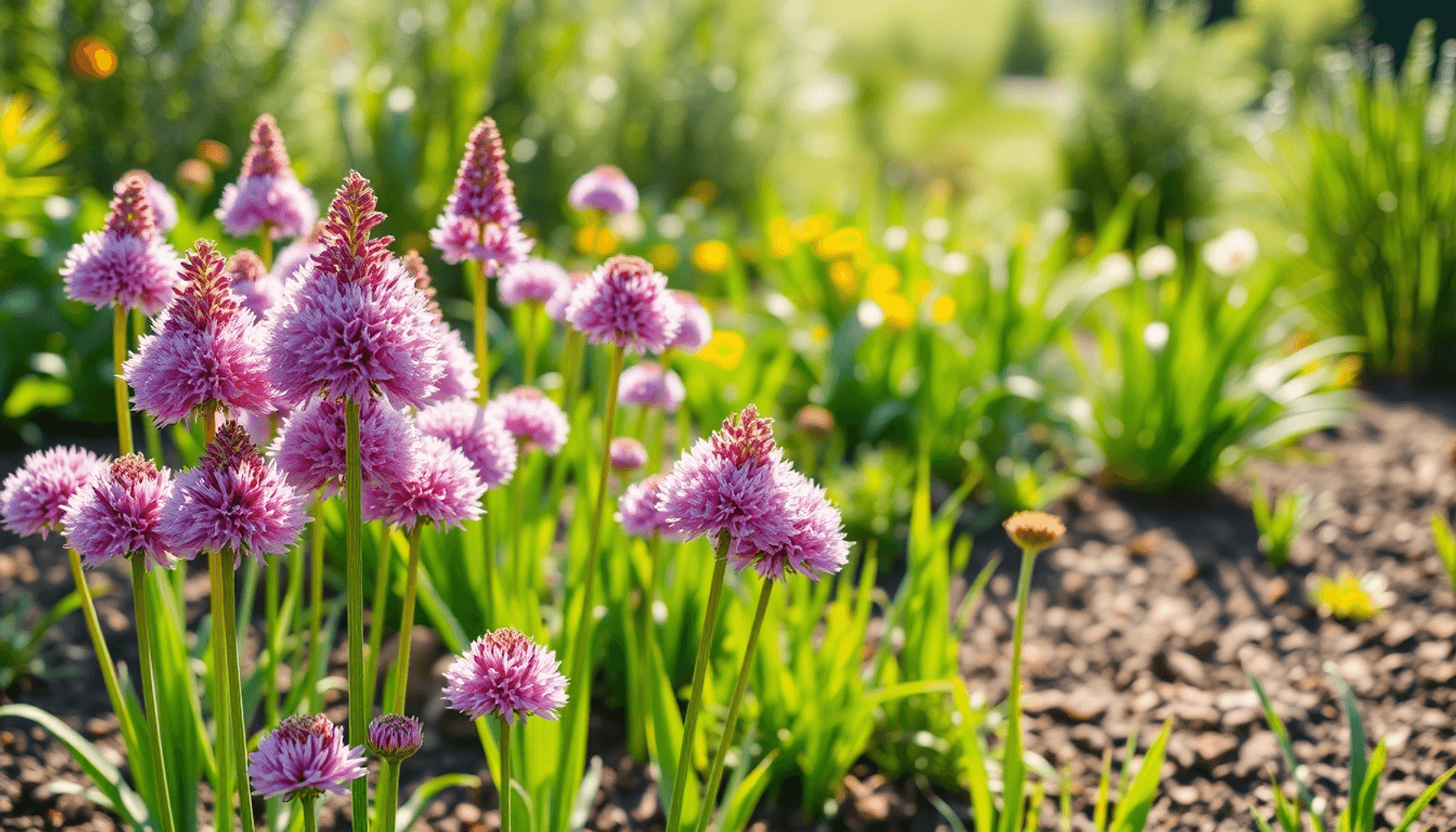

Alliums are striking ornamental plants known for their globe-shaped flower heads and vibrant colors. They have become a favorite in many gardens due to their architectural form and ability to attract pollinators like bees and butterflies. Whether you want to add height with tall varieties or create delicate accents with smaller species, alliums offer versatility and charm.
This growing alliums guide will provide you with essential allium planting tips to help you cultivate healthy, flourishing plants. You will learn:
- When and where to plant allium bulbs for the best results
- How to prepare your soil to support strong growth
- Correct planting depth and spacing for different allium types
- Effective care routines tailored to your garden conditions
- Ways to design eye-catching displays using mass plantings
- How to troubleshoot common problems during cultivation
If you follow the advice here, you can expect stunning late spring blooms that transform your garden with minimal effort. This guide is designed for both beginners and experienced gardeners seeking practical knowledge on how to grow alliums successfully.
Understanding Alliums
Alliums are a diverse group of flowering plants known for their unique globe-shaped flower heads and striking presence in gardens. There are many different types of alliums, each with its own height, bloom size, and color, making them valuable additions to any landscape.
Types of Alliums
1. Tall Alliums
These can reach heights from 60 cm up to 150 cm (2 to 5 feet). Their towering stems topped with large spherical flower clusters make them excellent focal points in garden beds or borders. Examples include Allium giganteum and Allium aflatunense, known for their dramatic purple blooms that attract pollinators.
2. Smaller Species
Compact alliums grow between 15 to 45 cm (6 to 18 inches) tall. These varieties are perfect for rock gardens, edging, or containers. Popular choices like Allium schoenoprasum (chives) and Allium moly offer charming bursts of yellow or lavender flowers without overwhelming nearby plants.
Garden Appeal of Ornamental Alliums
Ornamental alliums have several qualities that make them appealing in garden design:
- Visual Impact: Tall alliums create vertical accents, drawing the eye upward and adding dimension to flat or low-growing beds. Smaller species fill gaps and soften edges with delicate floral clusters.
- Pollinator Friendly: Many types of alliums attract bees, butterflies, and other beneficial insects, making them valuable for supporting garden biodiversity.
- Low Maintenance: Once established, these bulbs require minimal care compared to many flowering perennials. Their robust nature makes them suitable for gardeners seeking beautiful yet easy-to-grow additions.
The appeal of ornamental alliums lies in their structural form and late spring bloom time, which complements other garden plants transitioning from spring to summer. Their spherical flower heads add architectural interest while their wide color palette—from white and pink to deep purple—allows versatile design options.
Choosing the right types of alliums depends on your garden’s scale and design goals. Combining tall and smaller species can provide layered visual interest as well as extended bloom periods, enhancing the garden’s dynamic through the growing season.
When and Where to Plant Allium Bulbs
Choosing the best time to plant allium bulbs is crucial for healthy growth and vibrant blooms. Early autumn, typically in September or October, provides the ideal conditions. Planting during this period allows bulbs to establish roots before winter sets in, preparing them for a strong start in spring.
Why Early Autumn?
- Soil remains warm enough for root development.
- Cooler air temperatures reduce stress on new plantings.
- Bulbs can avoid competition with other spring-planted plants.
The planting location for alliums greatly influences their success. These plants thrive in areas that meet these criteria:
- Full sun exposure: Alliums need at least 6 hours of direct sunlight daily. A sunny spot encourages robust flowering and healthy foliage.
- Sheltered position: Tall allium varieties benefit from protection against strong winds that can damage their stems. Choose a site near hedges, fences, or buildings that provide natural windbreaks.
- Well-drained soil: Avoid low spots where water collects after rain, as soggy conditions increase the risk of bulb rot.
- Tall species (such as Allium giganteum) require more careful site selection due to their height and susceptibility to wind damage. Plant them where they receive shelter but still have full sun.
- Smaller species are often hardier and less prone to wind stress, so they tolerate a broader range of locations but still prefer sunny spots.
| Factor | Recommendation |
| Best planting time | Early autumn (September - October) |
| Light requirements | Full sun (minimum 6 hours daily) |
| Protection | Sheltered spot especially for tall varieties |
| Soil moisture | Moist but well-drained |
Planting your allium bulbs at the right time and place sets the foundation for stunning late spring blooms. Proper location choice complements soil preparation and planting depth techniques that follow in cultivating thriving alliums.
Preparing the Soil for Alliums
Successful cultivation of alliums starts with understanding their soil requirements. These plants prefer moist but well-drained soil, striking a balance that keeps bulbs healthy without risking rot.
Key Soil Characteristics for Alliums
- Well-drained soil is crucial. Allium bulbs are vulnerable to waterlogging, which can cause rot and fungal diseases. Heavy clay soils or areas where water tends to collect should be avoided or amended.
- Incorporate organic matter like compost or well-rotted manure to improve soil texture and drainage while providing nutrients.
- Slightly alkaline to neutral pH (around 6.0 to 7.5) suits most allium species. If your soil is very acidic, adding lime can help adjust the pH.
How to Avoid Waterlogged Soil
- Plant alliums in raised beds or on gentle slopes if your garden has poor drainage.
- Use grit, sand, or fine gravel mixed into the soil to increase permeability, especially in heavier soils.
- Ensure garden beds have no compacted layers beneath the surface that trap moisture.
Waterlogged conditions suffocate bulbs and lead to decay. Preventing excess moisture around the roots is one of the most effective ways to protect your alliums from disease.
Moisture Needs
While alliums appreciate moisture during their growing season, they do not require constant watering once established. In wet climates, natural rainfall often suffices. For container-grown alliums, maintain consistent moisture without letting pots sit in water.
Understanding these foundational soil requirements helps you create an environment where allium bulbs can thrive through winter dormancy and burst into vibrant blooms come spring.
How to Plant Allium Bulbs Correctly
Planting allium bulbs with the right technique ensures healthy growth and stunning blooms. Pay attention to planting depth for allium bulbs, bulb orientation, and spacing for alliums to give your plants the best start.
1. Planting Depth
The general rule is to plant bulbs at a depth approximately four times their diameter. For example, if a bulb measures 3 cm (1.2 inches) in diameter, plant it about 12 cm (4.8 inches) deep. This depth protects the bulb from temperature fluctuations and frost damage while supporting strong root development.
2. Bulb Orientation
Always plant the bulb with the pointy end facing upwards. This is where the shoots will emerge. Planting bulbs upside down can delay or prevent sprouting, so take time to identify the correct end before placing them in the soil.
3. Spacing for Alliums
Proper spacing prevents overcrowding and allows air circulation around each plant, reducing disease risk. Use these guidelines based on species size:
- Smaller species: Space bulbs about 7.5 to 10 cm (3 to 4 inches) apart.
- Taller species: Provide more space, typically around 15 cm (6 inches) or more between bulbs, depending on mature size.
For visual appeal and ease of maintenance, consider planting bulbs in clusters or drifts rather than straight lines or single plants. Groupings create natural-looking displays and encourage a fuller appearance when flowers bloom.
When handling bulbs, avoid damaging them by planting carefully with fingers or a small trowel. Firm the soil gently after planting to eliminate air pockets but do not compact it excessively, which can hinder root growth.
This planting technique sets up alliums for vigorous growth and spectacular flower heads come late spring. Following these steps ensures your garden benefits from vibrant, sturdy alliums that enhance any outdoor space.
Caring for Growing Alliums
Proper care during the growing season keeps your alliums healthy and vibrant. Focus on watering, fertilizing, and protecting tall varieties from wind damage to ensure strong stems and abundant blooms.
Watering Alliums
- Minimal watering is usually sufficient once alliums are established. These plants thrive in soil that is moist but well-drained.
- Avoid overwatering to prevent bulb rot, especially in garden beds with good drainage.
- When grown in pots or containers, watering needs increase. Water regularly but allow excess moisture to drain away to keep bulbs healthy.
Fertilizing Alliums
- Most soils provide enough nutrients for alliums, so fertilizing alliums regularly is not necessary.
- Consider feeding only if your soil is poor or depleted.
- Use a balanced, slow-release fertilizer in early spring before growth begins to support development without encouraging excessive leaf growth at the expense of flowers.
Protecting Tall Alliums from Wind
Tall allium species can be vulnerable to wind because of their height and slender stems.
- Plant tall varieties in sheltered locations such as near walls or hedges where natural protection reduces wind exposure.
- If natural shelter isn’t available, use staking or supports to keep stems upright and prevent snapping.
- Mulching around the base helps stabilize soil moisture and supports root health, indirectly strengthening the plant against windy conditions.
By managing watering carefully, skipping unnecessary fertilization unless needed, and protecting tall alliums from wind stress, you set the stage for flourishing plants that brighten your garden with ease.
Creating Stunning Allium Displays in Your Garden Design
Mass planting alliums transforms your garden into a vibrant spectacle. Single alliums can be charming, but groupings multiply their impact, creating bold splashes of color and architectural interest that draw the eye. When you use mass planting alliums, you amplify their natural spherical flower heads, making them focal points in any garden setting.
Benefits of Mass Planting Alliums
- Visual cohesion: Clusters of alliums produce a unified look that anchors flower beds and borders.
- Enhanced bloom display: Thousands of tiny star-shaped flowers within each globe create a mesmerizing texture—this effect is multiplied in large groups.
- Seasonal rhythm: Groupings help create waves of color when combined with other spring bulbs, such as tulips or daffodils.
- Wildlife attraction: Large swathes of alliums provide excellent forage for pollinators like bees and butterflies.
Incorporating garden design with alliums calls for thoughtful planning:
- Plant bulbs in drifts or blocks rather than straight lines to mimic natural growth patterns.
- Combine various species and heights to add depth. For example, mix tall varieties like Allium giganteum with smaller ones such as Allium schoenoprasum.
- Use alliums as accents along pathways or near seating areas where their striking forms can be appreciated up close.
Spacing is key to success in impressive displays. Allow enough room for each bulb cluster to expand without overcrowding, which can diminish flowering quality. The recommended spacing ranges from 7.5 cm (3 inches) for smaller species up to 15 cm (6 inches) or more for taller types.
When you understand how to grow alliums effectively within your garden design, you unlock their potential as standout plants that bring structure, color, and interest through late spring into early summer. Their architectural blooms contrast beautifully with softer foliage, lending a sculptural quality to mixed borders or formal beds.
In summary:
- Choose sunny locations with well-drained soil.
- Plant bulbs in groups for dramatic visual impact.
- Mix species and sizes for layered effects.
- Maintain spacing that supports healthy growth and flowering.
These strategies ensure your allium displays become memorable highlights in your garden year after year.
Troubleshooting Common Issues with Alliums During Cultivation
Growing alliums can be straightforward, but certain problems growing alliums can arise if conditions aren't quite right. Recognizing these issues early helps you protect your plants and enjoy vibrant blooms year after year.
Identifying and Preventing Waterlogging
Waterlogged soil is the most frequent cause of trouble. Allium bulbs are prone to rot when they sit in soggy ground for too long. Signs include:
- Yellowing or wilting foliage early in the season
- Soft, mushy bulbs when you inspect them
- Foul smell indicating bulb decay
Preventing bulb rot requires attention to drainage:
- Choose well-drained soil or improve it by adding grit, sand, or organic matter.
- Avoid low spots where water collects.
- Raised beds or mounded planting areas help excess water drain away.
- For potted alliums, ensure containers have drainage holes and use a free-draining compost.
If you suspect waterlogging, gently lift bulbs after flowering to check their condition. Remove any that show signs of rot to prevent spread.
Protecting Bulbs from Frost by Proper Planting Depth
Frost damage can be another problem growing alliums, especially in colder regions. Planting bulbs too shallow exposes them to freezing temperatures, which damages the bulb’s growing tissues. This leads to poor or no flowering the following spring.
Plant bulbs at a depth of about four times their diameter with the pointed end facing upwards. This depth:
- Insulates bulbs from extreme temperature fluctuations
- Helps keep them stable against frost heave (when bulbs get pushed out of soil during freeze-thaw cycles)
In very cold climates, you can apply a layer of mulch over the planting area after planting. Use straw, shredded leaves, or garden bark chips to provide extra frost protection without suffocating the soil.
Additional Tips for Healthy Growth
- Avoid overwatering during dormant periods; alliums need dry rest after flowering.
- Inspect for bulb pests such as rodents or fungal infections regularly.
- Maintain good garden hygiene by clearing dead foliage promptly to reduce disease risk.
Addressing these common issues keeps your allium cultivation on track and helps prevent many pitfalls gardeners face with this striking group of plants.
Conclusion
Growing alliums successfully adds a striking feature to your garden with their unique globe-shaped flower heads and varied heights. Mastering how to grow alliums means understanding their needs and experimenting with different varieties to find what suits your garden best.
Key takeaways for successful allium gardening:
- Try a mix of tall and smaller species to create depth and visual interest.
- Plant bulbs in groups, not just singles, to maximize impact.
- Choose sunny, well-drained spots that protect taller varieties from wind damage.
- Stick to recommended planting depths and spacing for healthy growth.
- Monitor soil moisture to avoid waterlogging but don’t overwater, especially outside pots.
By exploring diverse allium types—from the dramatic Allium giganteum to charming smaller varieties like Allium moly—you can enjoy a tapestry of vibrant late spring blooms. These flowers reward patience with spectacular displays that brighten borders and attract pollinators.
You’ll find success in growing alliums through simple but consistent care practices. Embrace the variety of shapes, sizes, and colors available, and watch your garden transform each year with these resilient, stunning plants.
FAQs (Frequently Asked Questions)
What are the best types of alliums to grow in my garden?
There are various types of ornamental alliums, ranging from tall species that add vertical interest to smaller varieties suitable for borders. Choosing the right type depends on your garden's design and space, with both tall and smaller species offering unique visual appeal.
When is the ideal time to plant allium bulbs for optimal growth?
The best time to plant allium bulbs is in early autumn, typically during September or October. Planting during this period allows bulbs to establish roots before winter, ensuring vibrant blooms in late spring.
What soil conditions do alliums require for healthy growth?
Alliums thrive in moist but well-drained soil. It's crucial to avoid waterlogged conditions as excess moisture can lead to bulb rot. Preparing soil that retains some moisture yet drains efficiently promotes strong and healthy plants.
How should I plant allium bulbs correctly to ensure successful blooming?
Plant allium bulbs at a depth four times their diameter, positioning them with the pointy end upwards. For spacing, allow 7.5-10 cm between smaller species and provide more space for taller varieties to accommodate their growth and prevent overcrowding.
What care do growing alliums need regarding watering and protection?
Alliums require minimal watering unless grown in pots. Fertilization is generally unnecessary unless your soil is poor. For tall alliums, it's important to plant them in sheltered spots or stake them to protect against wind damage that can harm the stems.
How can I create stunning displays with alliums in my garden design?
Mass planting alliums rather than single plants significantly enhances visual impact. Groupings of various types can create vibrant late spring blooms that add structure and color, making your garden design more striking and cohesive.