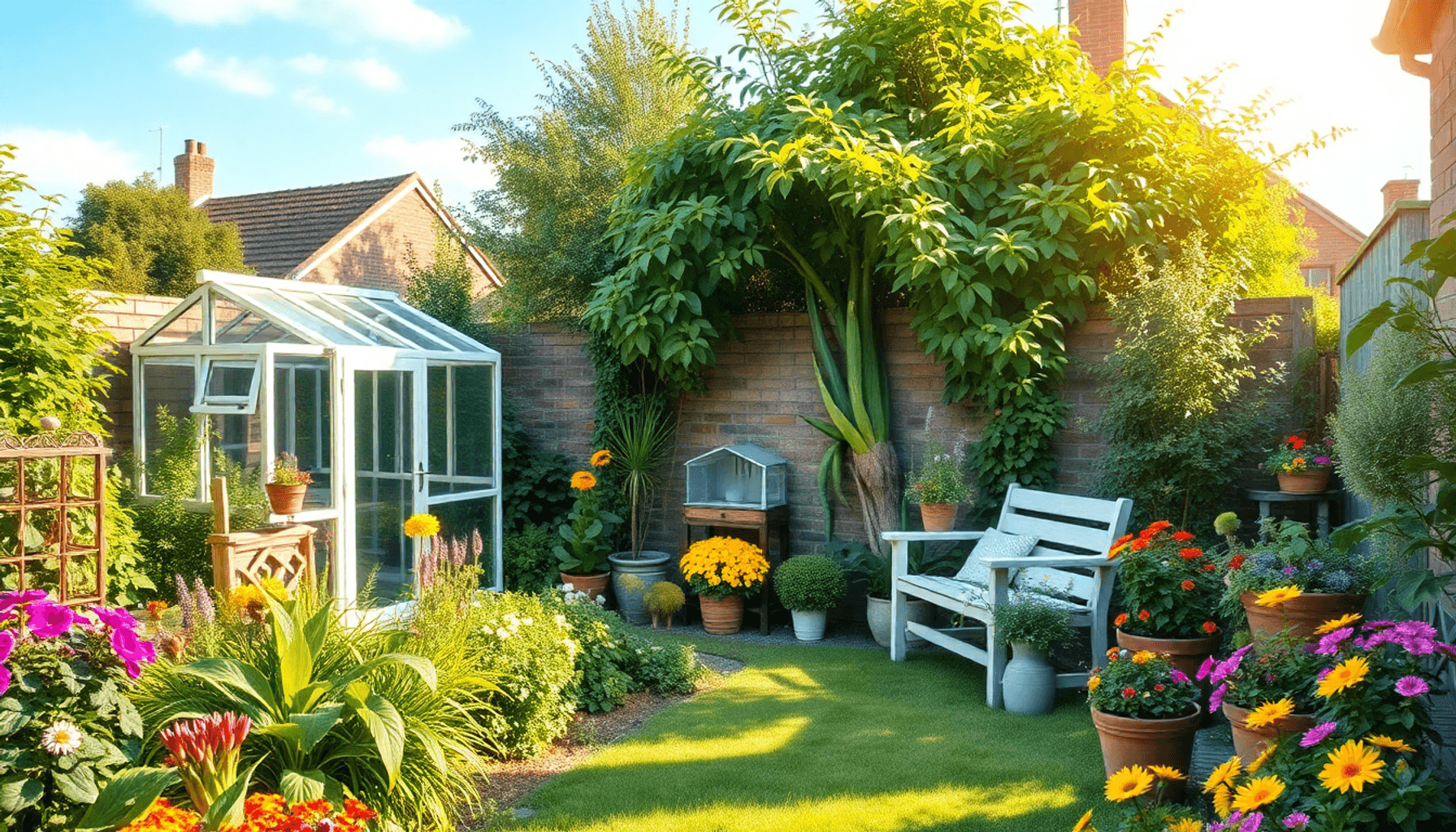

Diverse Back Garden Designs in the UK
Back Garden Ideas UK: Design Inspiration for Every Size offers a rich source of creativity tailored to the unique characteristics of UK gardens. Whether you have a compact urban plot or an expansive suburban space, there are design solutions that fit your lifestyle and preferences.
Key aspects covered include:
-
Versatility across garden sizes: Small gardens benefit from clever space-saving techniques like vertical planting and multifunctional furniture. Medium-sized gardens allow for balanced combinations of beauty and utility, blending green areas with seating or play zones. Large gardens open possibilities for diverse zones such as ponds, greenhouses, and outdoor dining areas.
-
Style adaptability: From classic formal layouts to relaxed cottage styles and sleek modern city gardens, design inspiration caters to a broad spectrum of tastes, ensuring your garden reflects your personality.
-
Practical considerations: Designs consider the UK's varied climate and gardening conditions, helping you choose plants and features that thrive locally.
This article aims to spark ideas that transform your back garden into a personal sanctuary with thoughtful design choices appropriate for every scale. You will find practical tips alongside creative concepts that make the most of your outdoor space while respecting environmental factors. Back garden ideas UK enthusiasts can appreciate how each garden size offers unique opportunities rather than limitations.
Understanding UK Garden Styles and Climate Considerations
Designing a back garden in the UK means working within a rich tradition of styles while adapting to the local climate. Recognizing UK garden styles and how climate adaptability shapes plant selections and layouts is essential for creating thriving outdoor spaces.
Popular UK Garden Styles
1. Formal Gardens
These emphasise symmetry, clean lines, and structured layouts often featuring clipped hedges, gravel paths, and geometric flower beds. Formal gardens suit medium to large spaces where order and elegance are priorities.
2. Cottage Gardens
Known for their informal, romantic charm, cottage gardens mix dense planting of flowers, herbs, and vegetables. They favour layered borders with perennials like foxgloves, hollyhocks, and roses. This style works well in small to medium-sized gardens looking for a cozy feel.
3. Modern City Gardens
Compact urban spaces demand clever use of limited areas. Modern city gardens focus on minimalism, multi-functional furniture, vertical planting walls, and hard landscaping such as decking or patios. These gardens blend contemporary aesthetics with practical space-saving solutions.
Climate Influences on Plant Choices and Design
The UK's temperate maritime climate brings mild winters and cool summers with frequent rainfall. This influences which plants thrive and how you plan your garden layout:
- Plant Selection: Hardy perennials like lavender, sedum, and ferns perform well in most regions. You can also include drought-tolerant Mediterranean-inspired plants such as rosemary or olive trees in sheltered spots to add interest while conserving water.
- Seasonal Changes: Incorporate deciduous trees or shrubs that provide shade during summer but allow sunlight through in winter when leaves fall. This natural adjustment helps regulate temperature around seating areas.
- Drainage and Moisture Management: The UK's frequent rain means good drainage is crucial. Raised beds or sloped lawns prevent waterlogging. Choosing moisture-loving plants near water features or ponds takes advantage of wetter conditions.
- Microclimates Within the Garden: Walls, fences, or buildings create warmer pockets that allow more tender plants like camellias or magnolias to flourish. Positioning sun-loving plants strategically maximises light exposure during short summer days typical across much of the UK.
Understanding these factors enables you to blend classic UK garden styles with design choices that respect environmental conditions—resulting in sustainable gardens that look beautiful year-round.
Designing for Different Garden Sizes
Gardens in the UK come in many shapes and sizes. Designing your space effectively depends on understanding its scale and potential. Approaches differ significantly between small garden ideas UK, medium garden design, and large garden landscaping UK.
Small Garden Ideas UK
Space-saving is essential when working with smaller gardens. You need to think vertically as much as horizontally. Consider these techniques:
- Vertical planting: Use trellises, wall-mounted planters, or climbing plants like clematis or jasmine to add greenery without sacrificing floor area.
- Multi-functional furniture: Foldable benches or tables with storage beneath maximize utility.
- Mirrors or reflective surfaces: These create an illusion of depth and make a compact space feel larger.
- Container gardening: Pots and raised beds keep plants manageable and movable, ideal for patios or limited soil access.
- Compact plant choices: Opt for dwarf shrubs, slow-growing perennials, and herbs that don’t spread aggressively.
Such tactics transform even the smallest urban back garden into a cozy, lush retreat.
Medium Garden Design
Medium-sized gardens offer more flexibility, allowing you to balance aesthetics with functional zones:
- Defined areas: Create distinct spaces for dining, relaxation, and planting. A paved patio adjacent to the house often serves as the dining or social hub.
- Pathways and borders: Curved gravel or brick paths introduce flow and interest between lawn, flowerbeds, and vegetable patches.
- Layered planting schemes: Combine shrubs, perennials, and bulbs to give year-round colour without overcrowding.
- Feature focal points: Introduce elements such as a small fountain, sculpture, or specimen tree to draw the eye and anchor the design.
- Smart storage solutions: Sheds or integrated seating with hidden compartments help maintain tidiness without compromising style.
This size benefits from thoughtful layout planning that supports everyday use while providing visual appeal.
Large Garden Landscaping UK
With ample space comes the opportunity to diversify your garden into multiple zones:
- Seating areas: Multiple spots for sunbathing, shaded relaxation under trees, or outdoor entertaining increase usability.
- Water features: Ponds or small streams add calming sounds and encourage wildlife like frogs and dragonflies.
- Greenhouses and garden rooms: Extend your growing season with dedicated spaces for seedlings or year-round hobbies.
- Wildlife-friendly areas: Larger lawns can transition into wildflower meadows or woodland corners supporting biodiversity.
- Formal vs informal sections: Divide areas into structured parterres alongside naturalistic planting schemes to offer contrast.
Large gardens allow more creativity but require careful maintenance planning to keep each element thriving without overwhelming you.
Choosing design strategies tailored specifically to your garden’s size enhances both function and enjoyment.
Incorporating Wildlife and Biodiversity into Your Garden
Supporting local wildlife is a key aspect of biodiversity gardening UK. Creating wildlife-friendly gardens not only enhances the natural beauty of your outdoor space but also contributes to the health of local ecosystems. Thoughtful planting schemes tailored to native species provide essential food, shelter, and breeding grounds for birds, insects, and small mammals.
Why Prioritize Wildlife in Your Back Garden Ideas UK?
- Pollinator Support: Bees, butterflies, and other pollinators depend on nectar-rich flowers. Including a variety of flowering plants that bloom throughout the seasons ensures continuous food supply.
- Habitat Creation: Dense shrubs, log piles, and wildflower patches serve as safe havens. These features encourage biodiversity by attracting diverse species.
- Natural Pest Control: Encouraging beneficial insects like ladybirds and lacewings reduces the need for chemical pesticides.
Reducing Lawn Areas for Greater Biodiversity
Traditional lawns often have limited ecological value. Swapping out parts of your lawn for meadow-style or naturalistic plantings provides multiple benefits:
- Increased Plant Diversity: Wildflower meadows support more species than plain grass, creating a dynamic ecosystem.
- Lower Maintenance: Reduced mowing saves time, energy, and water resources.
- Improved Soil Health: Diverse root systems enhance soil structure and encourage beneficial microorganisms.
Practical Steps to Enhance Biodiversity in Any Garden Size
- Plant native wildflowers such as oxeye daisy, cowslip, or bird’s-foot trefoil.
- Incorporate layered planting with ground covers, shrubs, and small trees to create varied habitats.
- Avoid using pesticides and herbicides that harm non-target species.
- Install features like bird feeders, bat boxes, or insect hotels to invite more wildlife.
Integrating these elements makes your garden a thriving sanctuary tailored for nature while adding texture and seasonal interest to your outdoor space. This approach complements other design ideas by combining ecological responsibility with aesthetic appeal.
Edible and Edimental Planting for Every Garden Size
Edible plants UK gardeners choose often go beyond traditional vegetable beds. Edimental plants represent a clever category combining ornamental appeal with edible qualities. These plants provide both beauty and function, making them ideal for diverse garden settings.
What Are Edimental Plants?
Edimental plants are those that offer attractive features while also producing edible parts. Here are some key points about edimental plants:
- They have visually appealing foliage, flowers, or form.
- Examples include nasturtiums with vibrant flowers and peppery leaves, chives with delicate purple blooms, and certain herbs like rosemary or thyme valued for fragrance and flavour.
- They are suitable for gardeners who want both visual interest and practical food growing.
Integrating edible planting into small urban gardens demands creativity and efficient use of space. You can maximise the yield by selecting compact varieties and using vertical growing methods.
Effective Strategies for Small Urban Gardens:
Here are some effective strategies you can implement in your small urban garden:
- Vertical Planting: Use trellises, wall-mounted planters, or hanging baskets to grow climbing beans, peas, or strawberries without occupying ground space.
- Container Gardening: Pots and raised beds allow you to control soil quality and move plants to catch sunlight.
- Multi-functional Plants: Choose edimental species that enhance garden aesthetics while providing harvestable leaves, fruits, or flowers.
- Succession Planting: Rotate fast-growing crops such as radishes or salad leaves to keep productivity high in limited areas.
Plant choices should take into account the UK's climate—select hardy varieties capable of thriving in temperate conditions with variable rainfall. Herbs like sage, mint, and parsley are reliable options requiring minimal maintenance.
Edible planting also encourages a deeper connection to nature by involving you directly in food production. It supports sustainability goals through reduced food miles and cuts down on packaging waste.
Your garden becomes a living pantry blending beauty with nourishment when you include edimental plants thoughtfully. This dual-purpose approach fits any size garden by balancing decorative appeal and practical use.
Structural Elements Beyond Plants: Patios, Greenhouses & Water Features
In UK gardens, structural elements play a crucial role in shaping how you use and enjoy your outdoor space. These features provide both practical benefits and aesthetic appeal, complementing the planting design and adapting to your lifestyle needs.
Patios and Terraces: Enhancing Usability and Sun Exposure
Patios UK gardens are a popular choice for creating firm, level surfaces ideal for seating, dining, or entertaining. When planning a patio or terrace:
- Location matters: Position close to the house to extend living space outdoors. This also offers convenient access and shelter.
- Sun exposure: South-facing patios maximize sunlight, encouraging year-round usability.
- Materials: Options include natural stone, brick, concrete slabs or timber decking. Each material affects style, maintenance levels, and budget.
- Size considerations: Even small gardens benefit from compact patios designed to fit the available space without overwhelming it.
- Multi-functional use: Incorporate built-in seating or raised planters to optimize space and add greenery around hard landscaping.
Greenhouses and Garden Rooms: Year-Round Growing and Relaxation
Adding a garden greenhouse or room transforms your garden into a productive or tranquil retreat regardless of season.
- Season extension: Greenhouses allow cultivation of tender plants beyond traditional outdoor growing seasons.
- Plant variety: Grow exotic species or start seedlings early for better yields in vegetable beds.
- Climate control: Modern garden greenhouses often include ventilation, heating options, and shading to maintain ideal conditions.
- Garden rooms as outdoor living spaces: These structures provide flexible areas for hobbies, relaxation, or home working while enjoying garden views.
- Site selection: Choose a sheltered spot with good sunlight but avoid locations prone to flooding or poor drainage.
Water Features: Adding Movement and Tranquillity
Water features such as ponds, fountains or small pools add sensory interest beyond visual appeal:
- Encourage wildlife like frogs, dragonflies, and birds by creating habitats within the garden.
- Reflect light and create calming sounds that enhance relaxation areas near patios or seating zones.
- Maintenance varies widely depending on size and complexity; simple birdbaths require minimal upkeep compared to larger ponds with pumps.
Incorporating these structural elements requires careful planning but significantly increases the diversity of functions your garden can serve. Thoughtful integration ensures they complement plantings while enhancing comfort and usability throughout the year.
Functional Garden Layouts Focused on Use and Sunlight Exposure
When planning your garden layout in the UK, it's important to understand how sunlight moves across your outdoor space. The placement of seating areas, dining zones, and growing beds will depend largely on the sun's path and how you want to use your garden throughout the day.
Prioritising Seating Areas Near the House
- Locate seating or relaxation spots close to the house where you can easily step outside.
- Choose areas that receive good sunlight, ideally south or southwest-facing, to maximise warmth and comfort.
- Position seating to benefit from shelter provided by the building, reducing wind impact.
- Use paving materials like stone or decking that absorb and radiate heat, making these spaces inviting even in cooler months.
"A well-placed patio near the back door invites spontaneous enjoyment of your garden."
Arranging Zones Based on Intended Use
Creating distinct zones helps organise your garden efficiently while catering to different activities. Think about how you want to spend time outside:
Relaxation Zone
- Incorporate comfortable seating with shade options like pergolas or retractable awnings for hot days.
- Surround with fragrant plants such as lavender or herbaceous borders for sensory appeal.
Dining Area
- Position dining spaces where there's ample sunlight during mealtimes, often midday to early evening.
- Consider proximity to kitchen access for convenience.
- Include weather protection elements like umbrellas or glass screens for all-season usability.
Growing Spaces
- Allocate sunnier, well-drained parts of the garden for vegetable beds or edible container planting.
- Vertical growing structures can save space in smaller gardens while enhancing productivity.
- Raised beds improve soil quality control and ease maintenance.
Play or Activity Zones
- Dedicate safer, visible areas for children's play or hobbies, keeping them away from delicate plants or water features.
Balancing Functionality with Flow
Arrange these zones so movement feels natural without overcrowding any one area:
- Pathways should connect spaces logically—wide enough for easy access but subtle enough not to dominate the design.
- Use planting and low fences as gentle dividers that maintain openness while signalling transitions between zones.
- Position tall plants or trellises strategically to screen less attractive views without blocking sunlight.
This methodical approach ensures every square metre serves a purpose while adapting well to Britain's variable light conditions. Thoughtful Back Garden Ideas UK: Design Inspiration for Every Size come alive when function aligns with natural sun exposure patterns, creating a comfortable, practical outdoor living environment tailored to your lifestyle needs.
Budget-Friendly Gardening Tips for the UK
Creating a beautiful garden doesn't have to be expensive. Practising budget gardening UK means focusing on smart planning and making choices that reduce ongoing costs while maintaining style and function.
Plan Your Garden Wisely
Before you start planting, take some time to plan your garden layout. Here are a few tips to help you make the most of your space:
- Sketch your garden layout to identify key areas.
- Prioritize plants and features that bring you the most joy or value.
- Avoid impulse buys at garden centers by sticking to a shopping list.
- Look out for seasonal sales or consider swapping plants with your neighbors to save money.
Choose Hardy Plants That Require Less Care
Opt for plants that thrive in the UK climate without needing much watering or feeding. This will not only save you time but also money on maintenance costs. Some examples of such plants include:
- Lavender: drought-tolerant, attracts pollinators, and adds structure throughout the year.
- Sedum varieties: tough succulents perfect for borders or containers.
- Native species like foxglove and bluebells: support local wildlife while requiring minimal care.
By selecting these types of plants, you'll reduce the need for expensive fertilizers, pesticides, or additional irrigation systems.
Grow Plants That Serve Dual Purposes
Consider incorporating edimental plants (both edible and ornamental) into your garden such as chives, nasturtiums, or sorrel. These plants not only enhance the beauty of your garden but also provide fresh herbs or leaves, helping you save on grocery bills.
Repurpose Materials Whenever Possible
Instead of buying new materials for your garden projects, try reusing items you already have. Here are some ideas:
- Use old bricks or timber to create borders, raised beds, or pathways.
- Give new life to discarded pots and containers by using them in your garden.
- Collect rainwater in barrels to reduce water bills and promote sustainable gardening practices.
Get Creative with DIY Projects
Adding personal touches to your garden doesn't have to come with a hefty price tag. Simple do-it-yourself projects like building a compost bin or creating a pebble mosaic can add charm without breaking the bank. Plus, investing time in homemade solutions often proves more cost-effective than purchasing expensive commercial alternatives.
Minimize Lawn Areas
Maintaining lawns can be costly due to regular mowing, watering, and fertilizing requirements. Consider replacing sections of your lawn with low-maintenance ground covers, wildflower meadows, or gravel pathways to cut down on ongoing expenses.
Invest in Quality Tools
While it may seem tempting to opt for cheaper gardening tools initially, investing in durable equipment will pay off in the long run. Quality tools last longer and make tasks easier, saving you both time and money on replacements.
By implementing these budget gardening UK strategies, you can create an outdoor space that brings you joy while being mindful of your finances. Remember that gardening is not just about spending money; it's also about being resourceful and making choices that align with your values!
Expert Guidance and Sustainable Practices from RHS Recommendations
The Royal Horticultural Society (RHS) is a leading authority in UK gardening, offering extensive resources for gardens of all sizes and styles. Their expertise often serves as a foundation for gardeners seeking reliable and practical advice.
RHS Gardening Advice Tailored to Your Garden
- Plant selection guides help you choose species suited to your local climate and soil conditions, reducing the risk of plant failure.
- Design templates provide inspiration and step-by-step instructions for creating formal, cottage, or modern city gardens.
- Pest and disease management advice focuses on environmentally friendly methods, minimizing chemical use.
- Seasonal care calendars ensure you know exactly when to plant, prune, or feed your garden for optimal growth.
Accessing these resources through the RHS website or their local branches can significantly improve your garden’s health and visual appeal while saving time and money.
Sustainable Planting Combinations Backed by Science
Sustainability is at the heart of the RHS approach. Their research promotes planting combinations that enhance biodiversity, conserve water, and support pollinators. Key principles include:
- Mixing native plants with hardy exotics creates resilient ecosystems that attract bees, butterflies, and birds.
- Layering plants by height maximizes sunlight capture and reduces weed growth naturally.
- Using drought-tolerant species limits watering needs without sacrificing beauty or productivity.
- Incorporating nitrogen-fixing plants like clover improves soil health, reducing the need for synthetic fertilizers.
These sustainable planting techniques align with planet-friendly gardening goals while maintaining an attractive garden environment suitable for UK conditions.
“Gardening is not just about aesthetics but also about nurturing a living system that benefits both people and wildlife,” notes the RHS. Their guidance empowers gardeners to make informed choices that respect nature’s balance.
Applying RHS recommendations helps you craft a garden that thrives sustainably year after year—whether you manage a compact urban plot or an expansive countryside space.
Conclusion
Creating the perfect back garden requires more than just planting pretty flowers. It means combining aesthetics, ecological responsibility, and functional use of space to craft an outdoor area that truly works for you. Whether your garden is a compact urban plot or a sprawling countryside retreat, thoughtful design makes all the difference.
Consider these points as you plan your own garden:
- Prioritize plants and layouts that support local wildlife and biodiversity.
- Use space-saving techniques in smaller gardens while allowing room for relaxation and socializing.
- Blend edible and ornamental plants to enhance both beauty and utility.
- Incorporate structural features like patios or water elements strategically to increase usability.
- Follow practical garden design tips that balance style with sustainability, reducing maintenance and resource use.
Your back garden can become a personal sanctuary reflecting your lifestyle choices and respect for the natural environment. This approach brings Back Garden Ideas UK: Design Inspiration for Every Size to life, turning any outdoor space into a vibrant, functional, and eco-friendly haven.
Seek out continued back garden inspiration UK through local resources like the RHS, community groups, or gardening forums. The journey to a thriving garden is ongoing but rewarding—each decision contributes to a greener, more enjoyable outdoor living space tailored just for you.
FAQs (Frequently Asked Questions)
What are some popular UK back garden styles suitable for different garden sizes?
Popular UK back garden styles include formal gardens, cottage gardens, and modern city gardens. These styles can be adapted to suit small, medium, and large garden spaces, offering design inspiration tailored to various preferences and sizes.
How does the UK climate influence garden design and plant selection?
The UK climate affects garden design by necessitating the choice of plants that thrive in local weather conditions. Designers often select hardy, climate-adapted plants and incorporate features that protect from variable weather, ensuring sustainable and resilient gardens.
What design tips are recommended for small UK back gardens to maximize space?
For small UK back gardens, space-saving features such as vertical planting, compact seating areas, and multifunctional elements are recommended. These strategies help maximize usability while maintaining aesthetic appeal in limited spaces.
How can I incorporate wildlife-friendly features into my UK back garden?
Incorporating wildlife-friendly features involves planting native species that support local fauna, reducing lawn areas in favor of meadow-style or naturalistic plantings, and creating habitats like ponds or log piles to encourage biodiversity.
What are edimental plants and how can they be used in UK gardens of all sizes?
Edimental plants are those with both ornamental and edible qualities. They can be integrated into gardens of all sizes—from small urban plots to large landscapes—providing beauty alongside fresh produce to enhance the garden's function and appeal.
What budget-conscious strategies can help maintain a beautiful UK back garden?
Budget-conscious gardening strategies include careful planning to avoid unnecessary purchases, selecting resilient plants that require less maintenance and watering, and utilizing sustainable practices recommended by experts like the Royal Horticultural Society to create cost-effective yet attractive gardens.