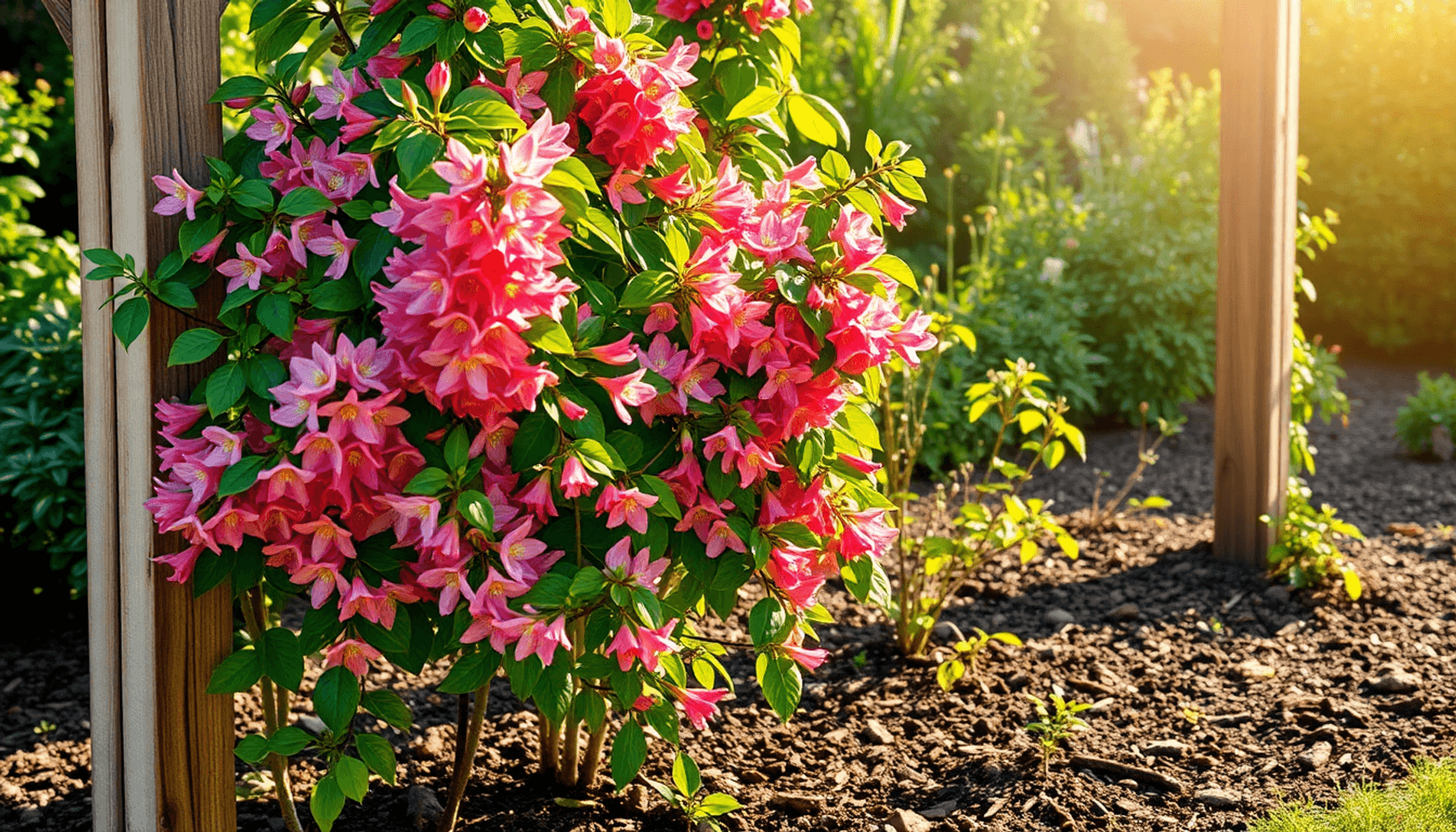

Honeysuckle plants, belonging to the genus Lonicera, are cherished for their versatility and beauty. You’ll find them in two main forms: climbing varieties that elegantly scale walls and trellises, and shrubby types that provide dense, attractive foliage. Both types have earned popularity in gardens worldwide thanks to their charming flowers and ease of care.
These plants offer more than just visual appeal. Honeysuckles play a vital role in supporting local ecosystems by attracting pollinators such as bees, butterflies, and hummingbirds. Their fragrant blooms often produce nectar that serves as a food source for these beneficial insects.
When learning how to grow honeysuckle, several key factors influence success:
- Choosing the right variety: Climbing or shrubby, deciduous or evergreen, each type suits different garden needs.
- Selecting the ideal location: Light conditions vary between varieties, affecting growth and flowering.
- Preparing suitable soil: Well-draining, nutrient-rich soil encourages healthy roots and vibrant blooms.
- Applying proper care techniques: Watering, feeding, pruning, and mulching all contribute to thriving plants.
This honeysuckle plant guide will help you understand these essentials so you can enjoy flourishing honeysuckles that enhance your garden’s beauty and support pollinator populations year after year.
Understanding Honeysuckle Varieties
Honeysuckle types fall broadly into two categories: climbing honeysuckle and shrubby honeysuckle. Each has distinct growth habits and garden uses.
Climbing Honeysuckle vs. Shrubby Honeysuckle
- Climbing honeysuckles are vigorous growers that use twining stems to climb structures like trellises, fences, or walls. They can reach heights of 10 to 20 feet or more. Ideal for vertical spaces, they add height and fragrance to gardens.
- Shrubby honeysuckles grow as upright or spreading bushes, typically reaching 3 to 6 feet tall. These are excellent for hedges, borders, or foundation plantings due to their dense foliage and manageable size.
Deciduous, Evergreen, and Semi-Evergreen Types
- Deciduous honeysuckles lose their leaves in winter. Most climbing varieties fall into this group, offering a seasonal display of flowers followed by dormant periods.
- Evergreen honeysuckles retain their foliage year-round, providing continuous greenery and structure. Commonly found among shrubby types, they suit mild climates where winter leaf drop is minimal.
- Semi-evergreen varieties hold onto leaves during mild winters but may partially defoliate under harsher conditions. This type blends characteristics of both deciduous and evergreen plants.
Flower Colors and Fragrance Characteristics
Honeysuckle flowers come in a range of soft to vibrant colors:
- Whites and creams dominate many species.
- Lemon yellow, pinks, oranges, and raspberry reds add variety.
Fragrance varies significantly:
- Some cultivars emit a strong sweet scent that intensifies during evenings and nights, attracting nocturnal pollinators like moths.
- Others have a lighter or nearly absent fragrance but compensate with striking flower clusters that draw bees and butterflies.
Native Regions and Adaptability
Originating from diverse regions including Europe, Asia, the Mediterranean basin, and North America, honeysuckles showcase adaptability across climates:
- Many climbing species thrive in temperate zones with well-defined seasons.
- Shrubby types often tolerate warmer climates and some drought conditions.
Adaptation to different environments makes honeysuckle versatile for garden designs worldwide. You can find species suited for cooler mountain areas as well as those flourishing in coastal or Mediterranean gardens.
Understanding these variations helps you select the right honeysuckle type for your garden’s climate, space limitations, and design goals.
Choosing the Right Location and Soil for Your Honeysuckles
Selecting the ideal honeysuckle planting location is crucial for healthy growth and abundant flowering. The light requirements vary significantly between climbing and shrubby honeysuckles:
Light Requirements
- Climbing Honeysuckles: Prefer partial shade or dappled sunlight. These plants thrive when their roots remain shaded while their stems receive ample sunlight. This combination helps prevent root stress caused by excessive heat and supports vigorous flowering on sunlit stems.
- Shrubby Honeysuckles: Adapt well to full sun or partial shade. Most shrubby varieties produce more flowers and maintain denser foliage under sunnier conditions, but they can tolerate some shade without significant loss in vigor.
Soil Requirements for Honeysuckle
Honeysuckles prefer soil that balances moisture retention with good drainage to avoid root rot:
- Well-draining soil is essential to prevent waterlogging. Heavy clay soils should be amended with organic matter or sand to improve texture.
- Rich, fertile soil encourages lush growth and prolific flowering. Incorporate compost or well-rotted manure before planting to boost nutrient levels.
- A slightly acidic to neutral pH (around 6.0 to 7.5) suits most honeysuckle species.
Additional Tips for Site Preparation
- Mulch around the base after planting to maintain consistent soil moisture and suppress weeds.
- Ensure adequate air circulation, especially for climbing varieties, to reduce fungal diseases like powdery mildew.
- If soil is poor or compacted, consider raised beds or containers with custom soil mixes tailored to these preferences.
Careful attention to honeysuckle planting location and soil conditions creates a strong foundation for your plants. This foundation supports healthy roots, vigorous shoots, and vibrant flower production throughout the growing season.
Preparing to Plant Your Honeysuckles
Planting honeysuckle requires attention to timing and preparation, especially depending on the variety you choose. Selecting the right season maximizes your plant’s chances of establishing strong roots and healthy growth.
Best Seasons for Planting
Deciduous climbing honeysuckles thrive when planted in late winter or early spring, just before new growth begins. This timing helps them settle in before the growing season.
Avoid planting during hot summer months or periods of frost. Extreme temperatures can stress young plants and reduce survival rates.
Shrubby honeysuckles offer more flexibility but still benefit from early spring or fall planting to avoid heat stress.
Installing Support Structures for Climbing Honeysuckles
Climbing varieties require sturdy support to grow vertically and display their flowers effectively. Prepare these structures before planting for easier training and reduced root disturbance. Options include:
- Trellises made from wood, metal, or plastic designed to withstand weather conditions.
- Wires stretched horizontally or diagonally across walls or fences.
- Arbors or pergolas that add architectural interest while supporting vigorous climbers.
Setting up supports early ensures you can guide your honeysuckle as it grows rather than trying to attach it after the plant has become established and tangled.
By focusing on the right timing and preparing adequate support for climbing types, you create ideal conditions that pave the way for successful growth when planting honeysuckle.
Step-by-Step Guide to Planting Your Honeysuckles Successfully
Planting honeysuckle correctly sets the foundation for healthy growth and flourishing blooms. Understanding how to plant honeysuckle with attention to depth, spacing, and immediate care is key.
Planting Depth
- Dig a hole twice as wide and slightly deeper than the root ball of your honeysuckle plant. This allows roots to spread easily.
- For climbing varieties, position the root crown (where stem meets roots) just below soil level—about 2.5 cm (1 inch). Avoid burying stems too deep as it can cause rot.
- Shrubby honeysuckles tolerate slightly deeper planting but keep the top of the root ball even with the surrounding soil.
Spacing Recommendations
Spacing depends on the variety and its mature size:
- Climbing honeysuckles: Allow 1.5 to 2 meters (5–6.5 feet) between plants if planting multiple climbers on a trellis or fence. This spacing helps air circulation and prevents overcrowding.
- Shrubby types: Space plants 1 to 1.5 meters (3–5 feet) apart for hedges or grouped plantings. Adequate space controls spread and encourages bushier growth.
Planting Process
- Loosen soil at the bottom and sides of each hole to encourage root penetration.
- Place the plant in the hole, spreading out roots gently.
- Backfill with native soil mixed with compost or well-rotted organic matter for extra nutrition.
- Firm soil around roots to eliminate air pockets but avoid compacting tightly.
- Create a shallow basin around the base for water retention.
Immediate Watering
Water your newly planted honeysuckle thoroughly right after planting:
- Saturate soil until water drains from the bottom of the hole.
- Moisture settles soil around roots, reducing transplant shock.
- Continue watering regularly during dry spells for several weeks until established.
These planting tips for honeysuckle ensure your plants adapt quickly and develop strong root systems essential for vigorous climbing or shrubby growth.
Caring for Your Honeysuckles: Watering, Feeding, and Mulching Techniques That Work Best!
Watering Honeysuckle Plants
Proper watering is crucial when you’re learning how to grow honeysuckle successfully. Young honeysuckle plants need consistent moisture to establish a strong root system. Water them deeply after planting, ensuring the water reaches the root zone.
- Frequency: During dry spells, especially in summer, water your honeysuckles regularly—about once or twice a week depending on rainfall and soil type.
- Drought Care Honey Suckle: Mature plants tolerate short dry periods but prolonged drought stresses them, leading to fewer flowers and weaker growth. Mulching helps retain soil moisture and reduce watering needs.
- Avoid overwatering; soggy soil can cause root rot.
Fertilizing Your Honeysuckles: What You Need to Know About Feeding Them Right!
Feeding honeysuckles annually supports healthy growth and abundant flowering. The best time to fertilize honeysuckle is in early spring as new shoots begin to emerge.
- Best Fertilizer for Honey Suckles: Use a balanced general-purpose fertilizer with an NPK ratio, like 10-10-10 or 14-14-14.
- Organic alternatives such as well-rotted compost or manure enrich soil structure and provide slow-release nutrients.
- Apply fertilizer around the drip line of the plant (the area directly below the outermost branches) to encourage outward root growth.
- Avoid excessive nitrogen-rich feeds that promote leaf growth at the expense of flowers.
Fertilizing influences how well your honeysuckle blooms each year. Healthy nutrition results in more vibrant flowers and stronger stems capable of supporting blossoms.
Mulching Your Honeysuckles: The Benefits You Can't Ignore!
Mulching plays multiple roles in caring for honeysuckles:
- Water Conservation: A layer of organic mulch (bark chips, straw, leaf mold) keeps soil moist by reducing evaporation.
- Temperature Regulation: Mulch insulates roots against temperature extremes—protecting from heat stress in summer and frost damage in winter.
- Disease Prevention: By maintaining even moisture levels and improving air circulation near roots, mulching helps prevent powdery mildew and other fungal diseases common in honeysuckles.
Apply 2–3 inches of mulch around your plants but keep it slightly away from stems to avoid rot. Refresh mulch yearly for best results.
Watering, feeding, and mulching form the foundation of successful honeysuckle care. These steps ensure your plants remain vigorous, flower prolifically, and resist environmental stresses throughout their growing season. For more detailed guidance on fertilizing and watering container plants, you might find this resource helpful.
Mulching Your Honeysuckles: The Benefits You Can't Ignore!
Mulching plays a crucial role in watering honeysuckle plants effectively and maintaining their health. It creates a protective layer over the soil that regulates moisture levels, which is essential for drought care honey suckle needs. Consistent moisture without waterlogging keeps roots strong and supports vigorous flowering.
Key benefits of mulching for honey suckles:
- Reduces water stress: Mulch slows evaporation from the soil surface, helping retain moisture during dry spells. This reduces the frequency of watering needed and keeps your honeysuckle hydrated longer.
- Prevents weed growth: By blocking sunlight at the soil level, mulch limits weeds that compete with honeysuckles for nutrients and water.
- Moderates soil temperature: Mulch acts as insulation, keeping roots cooler in summer and warmer in winter.
- Improves soil structure: Organic mulches break down over time, adding valuable nutrients and enhancing soil fertility, complementing your fertilizing honeysuckle routine.
- Helps prevent powdery mildew: A common fungal problem on honeysuckles, powdery mildew thrives in moist conditions near the base of plants. Mulching improves air circulation around roots and reduces splash-back of fungal spores from wet soil.
Recommended mulch materials:
- Organic options: Shredded bark, wood chips, leaf mold, or well-rotted compost work best. They enrich the soil as they decompose.
- Avoid thick layers: Aim for a 2 to 3-inch layer around the base but keep mulch a few inches away from stems to prevent rot.
- Renew annually: Refresh mulch each spring to maintain its effectiveness.
Maintaining this layer supports regular watering schedules especially during dry periods by preserving consistent moisture levels. Proper mulching combined with choosing the best fertilizer for honey suckles ensures healthy growth and abundant blooms when you follow guidelines on how to grow honeysuckle successfully.
Pruning Techniques That Promote Healthy Growth and Flowering in Your Honeysuckles!
Pruning is essential for maintaining vigorous growth and maximizing flower production in honeysuckles. Knowing when and how to prune climbing and shrubby varieties helps you keep your plants healthy, attractive, and well-shaped.
Timing for pruning climbing honeysuckles
The best time to prune climbing honeysuckles is immediately after they finish flowering in early summer. This timing allows the plant to recover and produce new growth that will bear flowers the next season. Light pruning can also be done in spring to remove any weak or overcrowded stems without sacrificing too many blooms. Overgrown climbers benefit from a more intensive renovation pruning in late winter, where you cut back old growth to encourage fresh shoots.
Removing dead or damaged stems
Regularly inspect your honeysuckle for any dead, diseased, or damaged branches. Removing these promptly minimizes disease risk and redirects the plant’s energy into healthy growth. Snip these stems back to healthy wood or the main framework of the plant.
Pruning Shrubby Honey Suckles: A Guide to Maintaining Their Shape and Size!
Shrubby honeysuckles require slightly different pruning techniques compared to climbers due to their bushy growth habit.
Prune after flowering or in late winter/early spring
Many shrubby types respond well to pruning right after they flower, which preserves next year’s buds while preventing excessive legginess. For varieties that bloom on new wood, a late winter or early spring prune encourages dense growth and abundant flowers.
Shaping hedges and controlling spread
When using shrubby honeysuckles as hedges or screens, regular pruning keeps them tidy and at the desired size. Removing about one-third of older stems annually promotes renewal without shocking the plant. You can also thin out crowded interior branches to improve air circulation, reducing fungal problems like powdery mildew.
Preventing invasiveness through pruning
Some shrubby honeysuckle varieties can spread aggressively if left unchecked. Pruning plays a vital role in managing this by cutting back suckers or runners near the base. This control ensures your planting stays contained within its intended space.
Pruning climbing honey suckles focuses on timing after flowering and renovating overgrown plants in winter, while pruning shrubby honey suckles balances flower preservation with shape maintenance throughout the year. Both approaches contribute significantly to thriving plants full of vibrant blooms.
Propagating Your Own Honey Suckles: Methods That Guarantee Success!
Propagating honey suckles offers a rewarding way to expand your garden and share these charming plants with others. Several reliable methods fit different skill levels and seasonal timings, each with its own advantages.
Layering: Simple and Effective
Layering is one of the easiest techniques to propagate honey suckles. It involves bending a flexible, low-growing stem down to the soil surface and covering a portion with soil while keeping the tip exposed. Roots will develop from the buried section over several months.
- Select a healthy, pliable stem in late spring or early summer.
- Gently scrape the bark where the stem touches soil to encourage rooting.
- Secure the stem with a U-shaped pin or small rock.
- Keep the soil moist around the layered area.
- Once rooted (usually by fall), sever the new plant from the parent and transplant it.
This method works well for both climbing and shrubby varieties, producing strong, established plants quickly.
Semi-Ripe Cuttings: Summer Propagation
Semi-ripe cuttings are taken from partially matured wood during mid to late summer. These cuttings root faster than hardwood ones but require more attention.
- Choose non-flowering shoots that are firm but not fully woody.
- Cut 4–6 inch sections just below a leaf node.
- Remove lower leaves, leaving 2–3 sets at the top.
- Dip cut ends in rooting hormone to improve success rates.
- Insert cuttings into moist, well-draining propagation medium such as perlite or sand mixed with peat moss.
- Maintain high humidity by covering with a plastic bag or placing in a propagator.
- Keep in indirect light and warmth (around 20–24°C/68–75°F).
- Root development usually takes 4–8 weeks; transplant once roots are well formed.
Hardwood Cuttings: Late Autumn Planting
Hardwood cuttings come from mature, dormant stems during late autumn or early winter. This method suits hardy honeysuckle types and requires patience as rooting takes longer.
- Select healthy, straight stems about pencil thickness.
- Cut 6–8 inch lengths with several buds on each cutting.
- Remove any soft growth or leaves if present.
- Plant vertically in well-prepared outdoor beds or pots filled with gritty compost.
- Leave 1–2 buds above soil surface.
- Protect cuttings from extreme cold using mulch or frost cloth if necessary.
- Roots typically form by spring; new growth confirms success.
Hardwood cutting propagation tends to produce robust plants adapted to local conditions.
Seed Propagation: Patience Required
Growing honeysuckles from seed demands specific treatment due to natural dormancy mechanisms like cold stratification. Seeds often require mimicry of winter conditions to germinate effectively.
- Collect ripe berries in autumn; extract seeds by gently mashing fruits and rinsing pulp away.
- Dry seeds briefly before stratification.
- Cold stratify seeds by placing them in moist sand or peat inside a sealed plastic bag in the refrigerator (around 4°C/39°F) for 2–3 months.
- Sow stratified seeds on surface of seed compost; lightly press but do not cover deeply as they need light for germination.
- Maintain consistent moisture and temperatures between 18–21°C (65–70°F).
- Germination can be slow and irregular, sometimes taking several weeks.
Seed propagation allows preservation of genetic diversity but may not produce exact replicas of parent plants, especially hybrids.
Each propagation technique has unique benefits depending on your gardening goals, available time, and equipment. Propagating honey suckles through layering provides quick results with minimal fuss, while semi-ripe and hardwood cuttings offer dependable routes to multiply specific cultivars. Seed propagation suits enthusiasts interested in growing honeysuckles from scratch despite longer wait times. Choosing an appropriate method ensures success when expanding your collection of these versatile plants.
Managing Pests, Diseases, and Other Challenges That May Affect Your Honeysuckles' Health!
Maintaining healthy honeysuckles requires vigilance against common pests and diseases that can weaken the plant and reduce flowering potential. You must recognize early signs of infestation or infection to apply the correct control methods.
Identifying Aphid Infestations on Shoots
Aphids are among the most frequent pests affecting honeysuckles. They cluster on young shoots and leaves, sucking sap and causing distorted growth. Look for:
- Sticky honeydew deposits on leaves and stems
- Curling or yellowing leaves
- Presence of tiny green, black, or brown insects in colonies
Control aphids effectively by:
- Pruning off heavily infested shoots to remove pests physically
- Applying pest control organic insecticides such as neem oil or insecticidal soap to minimize chemical impact
- Encouraging natural predators like ladybugs and lacewings in your garden
Regular inspection during the growing season helps catch infestations before they spread extensively.
Preventing Fungal Diseases in Honeysuckles: Effective Strategies You Can Use!
Powdery mildew is a common fungal disease that can affect honeysuckles, identifiable by white, powdery spots on leaves, stems, and flowers. It thrives in humid conditions with poor air circulation.
Causes of powdery mildew include:
- Excessive moisture around foliage
- Crowded planting with limited airflow
- Prolonged leaf wetness from overhead watering
Cultural practices to prevent fungal diseases on honeysuckles focus on creating an environment less favorable to fungal growth:
- Plant climbers in partial shade rather than deep shade or full sun, balancing sunlight with cooler conditions
- Ensure good air circulation by spacing plants properly and pruning dense growth
- Apply mulching around the base using organic materials like bark or straw; this reduces soil moisture evaporation while preventing soil splash that transmits spores
If powdery mildew appears despite preventive measures, spraying affected areas with a fungicide labeled safe for ornamental plants or homemade remedies like diluted baking soda sprays can help control spread.
Mastering pest control organic insecticides use combined with these cultural strategies will maintain your honeysuckles’ vigor and promote healthy flowering. Understanding these challenges equips you to keep your plants thriving season after season when you learn how to grow honeysuckle successfully.
Additional Tips And Considerations For Growing Healthy And Thriving Honey Suckles In Your Garden Space!
1. Longevity and Maintenance
Honeysuckles are known for their impressive lifespan, often thriving for up to 20 years with minimal maintenance. This makes them a reliable choice for gardeners who want long-lasting plants without constant upkeep. Regular pruning and feeding contribute significantly to maintaining their health and vigor over the years.
2. Invasive Shrubs Control
Most climbing honeysuckle varieties are non-invasive and stay well-behaved when planted with proper support and care. However, some shrubby honeysuckles can spread aggressively if left unchecked. Implementing control measures such as:
- Regular pruning to limit unwanted growth
- Removing suckers that appear away from the main plant
- Using physical barriers or root barriers where necessary
helps prevent these shrubs from overtaking garden spaces or neighboring plants. Monitoring their spread is essential to keep your garden balanced.
3. Toxic Berries From Honey Suckle
While the flowers of honeysuckle attract pollinators, their berries should be handled with caution. Many species produce toxic berries that are harmful to humans if ingested. Children and pets should be kept away from these berries to avoid accidental poisoning. Despite this toxicity, the berries serve an important ecological role by attracting birds and other wildlife that feed on them safely.
4. Wildlife Friendly Plants
Honeysuckles are excellent additions to wildlife-friendly gardens. Their fragrant flowers draw in bees, butterflies, and moths during blooming seasons, supporting pollinator populations. The dense foliage of shrubby varieties provides shelter for small birds and insects. Even toxic berries become a valuable food source for certain bird species during fall and winter months.
Consider these points when planning your garden layout with honeysuckles to create a space that is both beautiful and ecologically beneficial without compromising safety or plant health.
Conclusion
Growing healthy honeysuckles depends on understanding their unique needs and characteristics. Whether you choose climbing or shrubby varieties, paying attention to light, soil, and watering requirements sets the foundation for success. Selecting the right location—shaded roots with sunny stems for climbers or full sun for shrubs—ensures vigorous growth and abundant flowering.
Key points to remember when cultivating honeysuckles:
- Choose appropriate varieties based on your garden space and climate adaptability.
- Prepare soil properly by ensuring good drainage and richness in organic matter.
- Install support structures ahead of planting climbing types to guide growth effectively.
- Water consistently, especially during dry periods, while avoiding waterlogging.
- Feed annually in spring to boost flowering and plant health using general-purpose fertilizers or organic compost.
- Mulch around the base to conserve moisture, suppress weeds, and reduce fungal risks like powdery mildew.
- Prune strategically after flowering or in late winter to maintain shape, encourage new growth, and remove dead wood.
- Propagate confidently using layering, cuttings, or seeds with proper stratification techniques.
- Monitor for pests and diseases, managing aphids through pruning or eco-friendly insecticides and reducing mildew by promoting airflow.
Applying these tips on thriving honeysuckles guarantees vibrant blossoms that attract pollinators such as bees and butterflies. The ornamental appeal combined with ecological benefits makes honeysuckles a rewarding addition to any garden. Mastering how to grow honeysuckle transforms your outdoor space into a lively, fragrant retreat filled with natural beauty.
FAQs (Frequently Asked Questions)
What are the key differences between climbing and shrubby honeysuckle varieties?
Climbing honeysuckles are typically deciduous or semi-evergreen plants that require support structures like trellises or wires and thrive in partial shade or dappled sunlight with shaded roots and sunny stems. Shrubby honeysuckles, on the other hand, can be deciduous or evergreen, prefer full sun or partial shade, grow as free-standing bushes, and often need regular pruning to maintain shape and control spread.
How do I choose the right location and soil for planting honeysuckles?
For climbing honeysuckles, select a location with partial shade or dappled sunlight ensuring roots remain shaded while stems get sun. Shrubby types prefer full sun to partial shade. Honeysuckles thrive best in well-draining, rich soil that retains moisture without waterlogging to support healthy growth and flowering.
What are the best practices for planting honeysuckle successfully?
Plant honeysuckles in late winter for deciduous climbers, avoiding hot summer and frost periods. Prepare support structures such as trellises before planting climbing varieties. Plant at appropriate depths with correct spacing—closer for climbers needing supports and wider for shrubby types—and water immediately after planting to establish strong roots.
How should I care for my honeysuckles regarding watering, feeding, and mulching?
Maintain consistent moisture by watering regularly especially during dry spells without causing waterlogging. Fertilize annually in spring using general-purpose fertilizer or organic matter to boost flower production and overall health. Apply mulch around the base to reduce water stress, suppress weeds, prevent powdery mildew, and maintain soil temperature; recommended mulches include organic materials like bark or compost.
When and how should I prune my honeysuckle plants to promote healthy growth?
Prune climbing honeysuckles after flowering in early summer or perform light pruning in spring; renovate overgrown plants in late winter by removing dead or damaged stems. Shrubby honeysuckles benefit from pruning after flowering or in late winter/early spring to shape hedges and control their spread effectively.
What are effective methods for propagating honeysuckle plants?
Honeysuckles can be propagated through layering by bending stems into soil until rooted; taking semi-ripe cuttings during summer; using hardwood cuttings collected in late autumn; and growing from seeds which require cold stratification to germinate successfully. These methods ensure good success rates when performed correctly.