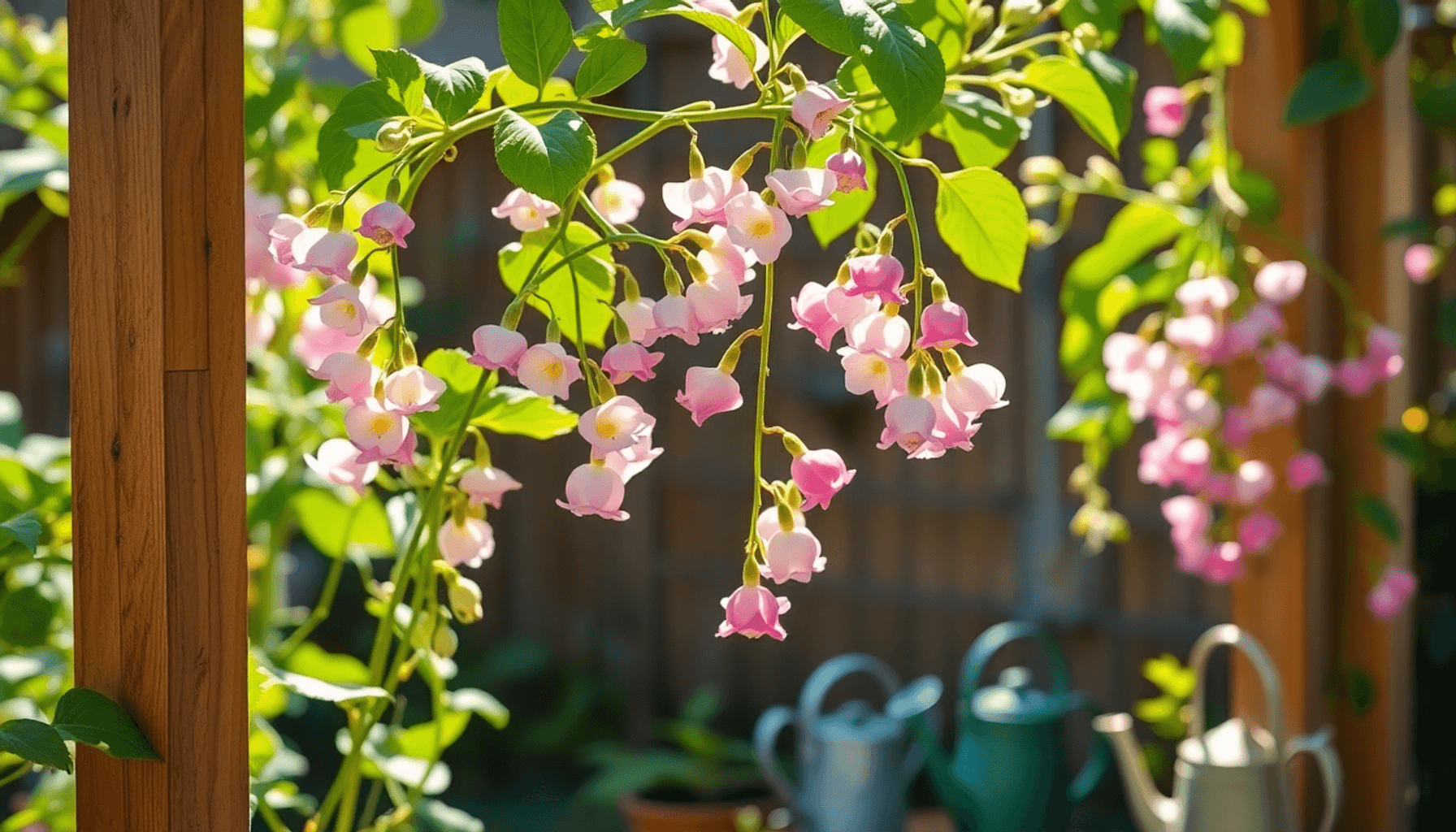

Sweet peas are fragrant, climbing annual plants cherished in gardens worldwide. Known scientifically as Lathyrus odoratus, these plants captivate gardeners with their delicate, colorful flowers and a scent that fills the air with subtle sweetness.
You’ll find sweet peas popular for several reasons:
- Their elegant, ruffled blossoms come in a wide range of colors, from soft pastels to vivid hues.
- The enchanting fragrance adds sensory appeal to any garden or patio.
- They climb gracefully on trellises or supports, creating vertical interest and lush displays.
If you’re wondering how to grow sweet peas, this guide will walk you through essential aspects of sweet peas gardening and sweet peas care. With the right techniques—starting from seed preparation to ongoing maintenance—you can enjoy flourishing plants that brighten your outdoor space season after season.
Growing sweet peas successfully is rewarding and accessible. This article breaks down what you need to know so you can cultivate beautiful, fragrant blooms in your own garden.
Understanding Sweet Peas
Sweet peas, scientifically known as Lathyrus odoratus, belong to the legume family and are prized for their climbing habit and intensely fragrant flowers. These annual plants originate from the eastern Mediterranean region and have been cultivated since the 17th century for their ornamental value and delightful scent.
Sweet Pea Characteristics
Growth Habit
Most sweet peas are climbers, using tendrils to attach themselves to supports like trellises, fences, or netting. Their slender but strong stems can reach heights of up to 6 feet (1.8 meters) in ideal conditions.
Leaves
Sweet peas have compound leaves with oval leaflets and terminal tendrils that help the plant grip structures.
Flowers
Known for their delicate, butterfly-shaped blooms, sweet peas produce clusters of flowers in a wide range of colors including white, pink, red, purple, blue, and bi-colors.
Fragrance
One of the defining features of sweet peas is their sweet scent, which varies among varieties but generally adds a fresh and floral note to gardens or indoor spaces.
Common Sweet Pea Varieties
Sweet peas come in two main types based on growth habit.
Climbing Sweet Peas
These are typical garden varieties that require vertical support. They generally reach heights of 5 to 7 feet and produce large, showy flowers with a strong fragrance. Popular examples include 'Matucana', 'Old Spice Mix', and 'Royal Family Mix'.
Dwarf or Bush Sweet Peas
These compact plants grow 12 to 18 inches tall and are well suited to containers or small spaces without the need for support. They are usually less fragrant than climbing types but are still valued for their flower color and form. Examples include the 'Cupani' dwarf variety and various patio cultivars.
Fragrance and Flower Appearance
Sweet peas are favored not only for their climbing ability but especially for their dual appeal: exquisite appearance paired with heady fragrance. Gardeners often select varieties based on the following qualities:
- Flower Color: Bright shades enhance visual interest in borders and containers.
- Fragrance Intensity: Strongly scented cultivars enrich outdoor seating areas or window boxes where the aroma can be enjoyed closely.
The combination of these characteristics makes sweet peas a popular choice among growers seeking both aesthetic beauty and sensory pleasure. Whether you prefer dramatic climbing displays or compact flowering pots, understanding these traits helps you pick the right sweet pea variety for your garden's conditions and style.
Preparing to Grow Sweet Peas
Choosing the right moment for sowing sweet pea seeds sets the foundation for healthy plants and abundant blooms. The best time to plant sweet peas varies depending on your local climate:
- In warmer regions, sowing in autumn allows plants to establish before winter. This early start leads to earlier flowering in spring.
- In cooler areas, wait until late winter or early spring when the risk of frost has passed.
Soaking sweet pea seeds before planting is a simple but crucial step. Place the seeds in water for 24 hours prior to sowing. This softens the tough seed coat, making it easier for the seedling to emerge.
Benefits of soaking sweet pea seeds include:
- Faster seed germination speed, often reducing wait times from two weeks to under ten days.
- Higher germination success rates by improving moisture absorption.
- Reduced risk of seed rotting since pre-soaked seeds sprout more vigorously.
Seeds with thick coats can sometimes struggle to absorb water quickly. Soaking addresses this by jump-starting the germination process. After soaking, drain and sow seeds promptly. Avoid leaving them wet for too long, as this can lead to mold.
Mastering these preparation steps—timely sowing matched to climate and thorough seed soaking—gives you a head start on growing vigorous sweet peas ready for transplanting outdoors. This foundation supports strong roots and healthy shoots that will climb well once established.
Starting Sweet Pea Seeds Indoors
To successfully grow sweet peas from seeds, you need to choose the right pots and create the perfect environment for starting seeds. Here's what you need to do:
1. Choose the Right Pots
Use containers that are about 9 cm wide and deep. These sizes are ideal because they give enough space for the roots to grow without being too big, which can lead to excess moisture and rot.
2. Prepare a Suitable Potting Mix
Select a light, well-draining potting mix that is specifically designed for starting seeds. This type of mix is free from harmful organisms and contains fine particles that will support the delicate roots of your seedlings.
3. Maintain the Correct Temperature
Sweet pea seeds germinate best at temperatures between 15-18°C (59-64°F). If the temperature is too low, germination will be slow; if it's too high, it can stress the seeds or promote fungal growth. Find a warm spot in your home, such as a heated propagator or a sunny windowsill, to keep the seeds at this ideal temperature.
4. Control Moisture and Humidity
To regulate moisture levels and create a humid environment around the seedlings, cover your pots with plastic dome lids or loosely place clear plastic bags over them. This will reduce evaporation from the soil surface and provide consistent moisture without making the mix soggy. Remember to open the cover slightly each day to allow fresh air in and prevent mold growth.
5. Planting and Thinning
When planting your sweet pea seeds, put two seeds in each pot at a depth of about 2 cm. This increases your chances of successful germination. After about 7 to 14 days, when the seeds have sprouted, remove any weaker seedlings by cutting them off at soil level so as not to disturb the stronger one.
By following these steps—choosing suitable pots, managing temperature carefully, and controlling humidity for seedlings—you'll set a solid foundation for healthy growth before moving your sweet peas outdoors.
Transplanting Sweet Peas Outdoors
Transplanting sweet peas is a critical step that requires careful attention to timing. The key factor is waiting until after the last frost date in your area before moving seedlings outside. Frost can severely damage young plants, causing stunted growth or death.
Why Timing Matters
- Sweet peas are tender plants and sensitive to cold temperatures. Even a light frost can harm seedlings.
- Planting too early exposes them to chilling conditions that slow development and reduce vigor.
- Waiting for warm soil and stable temperatures helps seedlings establish strong roots quickly.
Checking Frost Dates for Planting
- Find your local last frost date through weather services or gardening resources.
- This date marks when the risk of frost diminishes significantly.
- In temperate zones, this typically falls between late March and mid-May, varying by region.
Preparing Seedlings for Outdoor Life
Before transplanting, harden off seedlings by:
- Gradually exposing them to outdoor conditions over 7–10 days.
- Starting with a few hours in shade and sheltered spots.
- Increasing sun exposure and time outside daily.
Hardening off reduces transplant shock and improves survival rates.
Planting Sweet Peas Outdoors
- Choose a sunny location with well-drained soil enriched with organic matter.
- Space seedlings approximately 15–20 cm apart along support structures like trellises or netting.
- Water thoroughly after planting to settle the soil around roots.
Timing transplanting correctly ensures your sweet peas thrive, leading to vigorous growth and abundant blooms during the growing season.
Caring for Growing Sweet Peas
Proper watering is essential when caring for sweet peas. These plants thrive with deep watering sessions around 2 to 3 times per week, depending on weather conditions. Deep watering encourages roots to grow downward, improving the plant’s stability and access to moisture during dry spells.
Watering sweet peas effectively involves:
- Consistent moisture: Sweet peas need soil that stays moist but not soggy. Overwatering can lead to root rot and fungal diseases, while underwatering stresses the plants and reduces flower production.
- Avoiding surface wetness: Water at the base of the plant rather than overhead. Wet foliage can encourage powdery mildew or other fungal infections common in sweet peas.
Using drip irrigation or soaker hoses can simplify this process and improve results:
- Drip irrigation for plants delivers water slowly and directly to the soil near the roots. This method minimizes water waste and helps maintain even moisture levels without saturating the soil surface.
- Soaker hoses function similarly by releasing water gradually along their length, keeping the root zone consistently damp.
Both methods reduce evaporation and limit leaf wetness, decreasing disease risk while saving time compared to hand-watering.
Sweet peas prefer a well-drained but moisture-retentive soil environment. Mulching around the base with organic materials like straw or bark chips retains soil moisture longer and keeps roots cool during warmer months.
Regular monitoring of soil moisture is important. You can check this by inserting your finger about an inch into the soil—if it feels dry at that depth, it’s time to water again.
By providing steady, deep watering combined with drip irrigation or soaker hoses, you promote healthy growth and abundant flowering throughout the season.
Maximizing Bloom Duration with Regular Flower Picking and Deadheading
Deadheading sweet peas is a crucial practice to prolonging bloom period and maintaining a vibrant display of flowers. When you pick flowers regularly, you prevent the plant from putting energy into seed formation. This redirection of resources encourages the plant to produce more blooms throughout the season.
Why Deadhead Sweet Peas?
- Stops seed production: Once seed pods start developing, the plant naturally slows down flowering.
- Promotes continued blooming: Removing spent flowers signals the plant to keep producing new buds.
- Keeps plants tidy: Regular deadheading improves the overall appearance and health of your sweet peas.
How to Deadhead Sweet Peas Effectively
- Use clean, sharp scissors or garden snips to cut off faded flowers just above the first set of healthy leaves.
- Avoid damaging new buds when removing old blooms.
- Collect cut flowers for indoor arrangements or compost them if they are disease-free.
Picking Flowers for Maximum Bloom
- Harvest flowers early in the day when they’re fully open but not wilted.
- Regular picking encourages more flower production as it mimics natural pollination cycles.
- For best results, aim to pick flowers every 2-3 days during peak bloom periods.
Consistent deadheading and flower picking create a feedback loop that keeps your sweet peas blooming longer and looking their best. This technique becomes an essential part of how to grow sweet peas successfully, especially if you want a continuous supply of fragrant blossoms for your garden or floral arrangements.
Propagation Beyond Seeds: Growing Sweet Peas from Cuttings
Propagating sweet peas from cuttings offers an effective alternative to starting plants from seed. This method allows you to clone desirable varieties and can speed up the growing process, especially when you want to maintain specific flower traits or fragrances.
Selecting and Preparing Cuttings
- Choose healthy young seedlings around 4–6 inches (10–15 cm) tall.
- Look for non-flowering shoots with vibrant green stems.
- Use clean, sharp scissors or pruning shears to take cuttings about 3–4 inches (7–10 cm) long.
- Remove the lower leaves, leaving only a couple of leaf pairs at the top to reduce moisture loss.
Rooting Hormone Use
Applying rooting hormone powder or gel to the base of each cutting significantly improves success rates by stimulating root development. You can find rooting hormones at most garden centers.
- Dip the cut end of each stem into water first, then into rooting hormone.
- Tap off excess powder gently before planting.
- This step is particularly useful for sweet peas since they can be slow or reluctant to root without hormonal aid.
Planting and Care
- Insert the treated cutting into a pot filled with a well-draining seed-starting mix or a blend of peat and perlite.
- Firm the soil gently around the stem to hold it upright.
- Water lightly but thoroughly after planting.
- Cover pots with a plastic dome or place inside a clear plastic bag to maintain humidity, which helps prevent drying out.
- Keep cuttings in a warm location (around 15–18°C) with bright but indirect light.
Monitoring Root Development
Roots typically begin forming within 2–3 weeks. You can check progress by gently tugging on cuttings—resistance indicates root growth. Once established, gradually acclimate new plants to outdoor conditions before transplanting them into the garden.
Using cuttings enables gardeners to multiply favorite sweet pea varieties quickly while bypassing some of the unpredictability associated with seed germination. Employ rooting hormone consistently for better results and healthier root systems.
This technique is not limited to sweet peas alone. The same principles can be applied effectively in other plant species as well. For instance, propagating conifers from cuttings follows similar guidelines outlined above, showcasing the versatility and effectiveness of this propagation method across different plant types.
Additional Tips for Growing Sweet Peas Successfully
Growing sweet peas can be very rewarding when you pay attention to some nuanced details. These tips will help you get the most out of your sweet pea plants, whether you are planting traditional climbers or exploring dwarf and patio varieties.
Choosing Between Dwarf vs Climbing Sweet Peas
Climbing Sweet Peas
Classic sweet peas are vigorous climbers. They need sturdy support like trellises, tall posts with netting, or metal fencing. Their long tendrils latch onto structures as they grow, reaching heights of 6 to 8 feet or more. These are ideal if you want a vertical display and plenty of fragrant blooms.
Dwarf and Patio Varieties
These types tend to be shorter and bushier, growing between 12 to 18 inches tall. They are perfect if you have limited space or want container-friendly plants. Although they do not climb extensively, many patio varieties produce abundant flowers and a strong scent. Some dwarf types trail slightly but generally don’t require tall supports.
Positioning and Support
- Plant climbing sweet peas near seating areas or windows where their delightful fragrance can be enjoyed fully.
- For dwarf varieties, pots with good drainage work well, placed in sunny spots on patios or balconies.
- Use appropriate support structures that suit the variety—netting for climbers and small stakes for patio types.
Soil and Feeding Tips
- Sweet peas favor well-drained yet moisture-retentive soil enriched with organic matter.
- Initially feed with compost or manure worked into trenches beside the plants.
- When flowers appear, switch to a high potash fertilizer to encourage prolific blooming.
Watering Practices
- Deep watering 2–3 times weekly is crucial; avoid shallow watering which encourages weak roots.
- Drip irrigation or soaker hoses help maintain steady moisture without waterlogging the soil.
Pest Management
- Watch out for slugs and snails that can damage young shoots and leaves.
- Control methods include beer traps placed near plants, copper tape bands around pots, or nematodes applied to the soil.
Encouraging Prolonged Blooming
- Pick flowers regularly to prevent seed formation. This practice redirects the plant’s energy into producing more blooms rather than seeds.
- Deadhead spent flowers frequently to keep plants looking tidy and productive throughout the growing season.
These additional insights provide practical guidance on how to grow sweet peas effectively according to your garden’s space and conditions. Choosing the right variety between dwarf vs climbing sweet peas shapes your planting strategy significantly. Pay close attention to watering, feeding, pest control, and regular harvesting of flowers to enjoy a lush display of fragrant blooms all season long.
FAQs (Frequently Asked Questions)
What are sweet peas and why are they popular in gardening?
Sweet peas (Lathyrus odoratus) are fragrant, climbing annual plants known for their delicate flowers and pleasant scent. They are popular among gardeners for their beautiful appearance and delightful fragrance, making them a favorite choice for adding charm to gardens.
When is the best time to sow sweet pea seeds for optimal growth?
The optimal sowing time for sweet peas depends on your climate. In warmer regions, sowing in autumn is advantageous as it leads to earlier flowering. In cooler climates, late winter or early spring sowing is recommended. Soaking seeds for 24 hours before planting helps soften the seed coat and speeds up germination.
How should I start sweet pea seeds indoors to ensure successful germination?
Use 9 cm wide and deep pots filled with suitable potting mix designed for seed starting. Maintain a temperature between 15-18°C to promote germination. Cover seedlings with plastic dome lids to retain humidity, which supports healthy seedling development.
When and how should I transplant sweet pea seedlings outdoors?
Transplant sweet pea seedlings outdoors only after the last frost date in your area to avoid cold damage. Ensure the soil is well-prepared and that seedlings are hardened off gradually before moving them outside for best results.
What is the recommended watering method for growing healthy sweet peas?
Deep watering two to three times per week is ideal. Using drip irrigation or soaker hoses helps maintain consistent moisture levels without waterlogging the plants, promoting healthy growth and reducing the risk of disease.
How can I maximize the bloom duration of my sweet peas?
Regularly picking flowers and deadheading spent blooms prevents seed formation, which encourages the plant to continue producing flowers throughout the season, thereby prolonging the blooming period effectively.