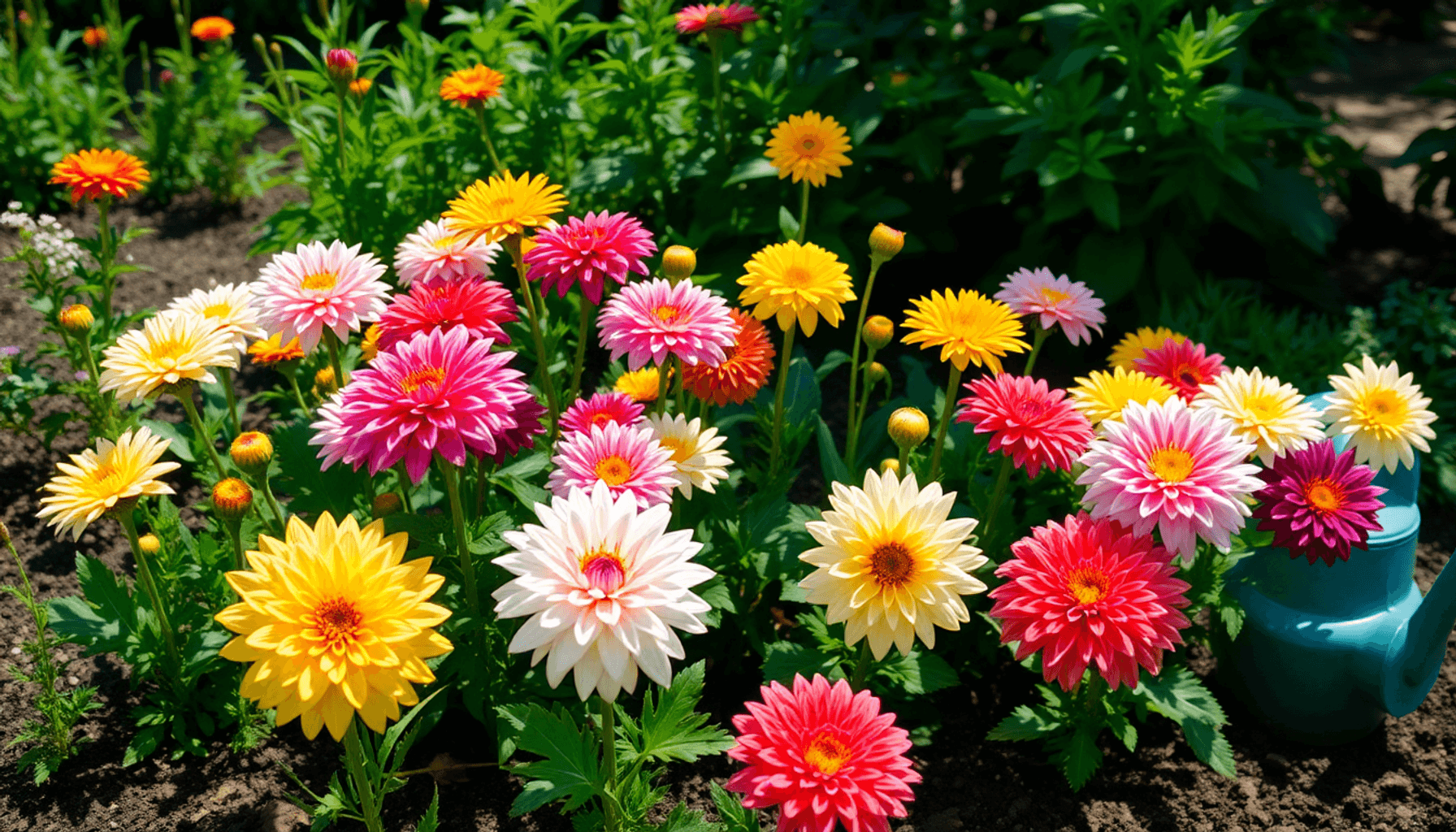

Dahlias are one of the most loved flowers by gardeners all over the world. Their bright colors, different shapes, and wide range of sizes make them a popular choice for adding beauty to any garden. Whether you're an experienced gardener or just starting out, learning how to grow dahlias can enhance your gardening experience.
To grow healthy dahlias that produce lots of flowers, it's important to understand the basics of dahlia gardening. This guide will teach you about the best soil, sunlight, planting methods, and ongoing care for dahlias. With this knowledge, you'll be able to create the ideal conditions for your dahlias to thrive.
Here, you'll find practical tips that will help your dahlias not just survive but also bloom beautifully season after season.
1. Understanding Dahlias: An Overview
Dahlias are striking flowering plants prized for their vibrant colors and diverse forms. Native to Mexico and Central America, they belong to the Asteraceae family and boast a wide range of dahlia varieties that can fit many garden styles.
Common Dahlia Varieties You Might Encounter
Here are some of the most common types of dahlias you may come across:
- Decorative Dahlias: Large, fully double blooms with broad petals. Their round, ball-like flowers offer a classic and showy look. These often grow tall and make excellent cut flowers.
- Cactus Dahlias: Characterized by narrow, pointed petals that curve or roll back, resembling cactus spines. They add texture and dramatic flair to garden beds.
- Pompon Dahias: Small, globe-shaped flowers with tightly arranged petals. These compact blooms are perfect for borders or container gardening.
- Waterlily Dahlias: Medium to large flowers with flat, broad petals spreading out like waterlily blossoms. Their soft pastel colors provide a delicate touch.
- Single-flowered Dahlias: Featuring a central disk surrounded by a single row of petals, these resemble daisies and attract pollinators such as bees and butterflies.
Growth Habits of Dahlia Plants
Dahlias typically grow from tubers, producing bushy plants that range from compact varieties under two feet tall to towering types reaching over six feet. Most dahlias have sturdy stems that support their blooms but taller varieties often require staking to prevent breakage in wind or rain.
Here are some key growth habits of dahlia plants:
- Growth duration generally spans from late spring through autumn.
- Flowering usually begins mid-summer and continues until the first frost.
- The plants favor warm temperatures but are sensitive to frost damage.
Flowering Characteristics Across Types
Flower size varies widely depending on the variety—from tiny pompons just a couple of inches across to giant decorative types that can exceed 10 inches in diameter. The color palette covers nearly every hue except true blue, including shades of red, pink, yellow, orange, white, and bi-colored patterns.
You can expect multiple blooms per plant during its flowering phase if cared for properly. Deadheading spent flowers encourages continuous blooming season-long.
Understanding these dahlia plant characteristics helps you select varieties suited not just for your climate but also for your garden's aesthetic goals. Recognizing the differences in growth habits and flower forms guides how you space plants, provide support, and manage care throughout the growing season.
In addition to dahlias, incorporating other versatile flowers such as calendulas into your garden can enhance its beauty and diversity even further.
2. Ideal Growing Conditions for Dahlias
Choosing the right spot is vital when growing dahlias. These flowers flourish in a warm, sheltered, and sunny location that protects them from harsh winds and extreme temperature fluctuations.
Dahlia Sunlight Requirements
- Dahlias demand at least six hours of direct sunlight daily to develop strong stems and produce abundant blooms. Insufficient sunlight can lead to leggy plants with fewer flowers.
- Morning sun with some afternoon shade works well in hotter climates to prevent wilting during peak heat.
- Avoid shaded areas caused by trees or buildings, as this limits photosynthesis and slows growth.
Soil for Dahlias
The soil quality plays a critical role in dahlia health:
- Fertility: Rich, nutrient-dense soil supports robust tuber development and vibrant flower colors. Incorporate organic matter like compost or well-rotted manure to boost fertility.
- Moisture Retention: Dahlias prefer soil that retains enough moisture without becoming soggy. Consistent moisture encourages steady growth but soggy conditions risk tuber rot.
- Good Drainage: Soil must drain well to prevent waterlogging. Heavy clay soils benefit from the addition of sand or grit to improve texture and drainage.
A balanced soil environment combining these factors sets the stage for healthy dahlia growth and prolific blooming throughout the season.
3. Preparing the Soil for Planting Dahlias
Preparing soil for dahlias is a critical step that sets the foundation for healthy growth and vibrant blooms. Dahlias thrive in fertile soil that can retain moisture without becoming waterlogged, so soil preparation focuses on enhancing fertility and drainage.
Key steps to prepare your soil:
- Test your soil: Before amending, check the pH level. Dahlias prefer slightly acidic to neutral soil, with a pH between 6.0 and 7.0. This range supports nutrient availability essential for tuber development.
- Add organic matter: Incorporate generous amounts of compost or well-rotted manure into the planting area. These materials improve soil structure by increasing nutrient content and enhancing moisture retention while promoting good drainage.
- Work the amendments thoroughly: Use a garden fork or tiller to mix the compost or manure at least 8 to 12 inches deep into the soil. This depth allows roots to penetrate easily and access nutrients.
- Avoid fresh manure: Fresh manure can be too strong and may burn tender dahlia tubers or seedlings. Well-rotted manure breaks down into safer, nutrient-rich humus.
- Consider soil texture: If your garden soil is heavy clay, add coarse sand or grit alongside organic matter to improve aeration and drainage. For sandy soils, focus on increasing organic content to raise moisture retention.
- Level the bed: After mixing amendments, rake the soil surface smooth but avoid compacting it tightly. Loose, crumbly soil encourages better root expansion.
Improving your garden bed this way ensures that when you plant dahlia tubers, they have access to essential nutrients and consistent moisture without suffocating roots. Properly prepared soil reduces stress on plants during their active growing season, supporting stronger stems and more prolific flowering.
This stage is one of the most rewarding parts of learning how to grow dahlias, because healthy beginnings lead directly to successful outcomes in your garden.
4. Methods of Growing Dahlias
Successful planting dahlia tubers starts with choosing the right tubers. Opt for healthy, firm tubers free from blemishes, cuts, or signs of rot. Reputable garden centers or specialized dahlia growers are the best sources. Tubers vary in size; larger ones generally produce stronger plants and more blooms.
Planting depth plays a critical role in root development and plant stability:
- Dig a hole about 4 to 6 inches deep.
- Position the tuber horizontally with the crown or "eye" facing upwards. The crown is where new shoots will emerge.
- Cover lightly with soil initially, then fill the hole completely once shoots begin to appear above ground.
Timing your planting ensures tubers are not exposed to cold temperatures that can cause rot or stunt growth. Plant only after all danger of frost has passed, typically late spring depending on your climate zone. Dahlias are frost-sensitive and require warm soil to sprout properly.
Consider spacing between plants based on variety size — compact types can be closer together (12-18 inches), while taller varieties need more room (24-36 inches). This spacing allows adequate air circulation and prevents overcrowding.
You might also explore alternative growing methods such as container planting, which offers flexibility in placement and easier frost protection. Use large pots with good drainage and quality compost to mimic ideal soil conditions.
Attention to these details in selecting tubers, correct planting depth, orientation, and timing sets a solid foundation for vigorous dahlia growth throughout the season.
5. Starting Dahlias Indoors for an Early Start
Starting your dahlias indoors gives you a valuable head start on the growing season. This approach is especially useful if you live in a region with a shorter summer or want to see blooms earlier than usual.
When to Start Indoor Dahlia Planting
- Timing: Begin indoor dahlia planting in March or April, about 6 to 8 weeks before your area's last expected frost date.
- Why this timing matters: Starting tubers indoors allows shoots to develop in a controlled environment, protecting them from cold and unpredictable weather.
How to Start Tubers Indoors
- Choose healthy tubers: Pick firm, plump tubers without signs of rot or shriveling.
- Prepare the containers: Use small pots (4-6 inches deep) filled with a light, well-draining seed compost or potting mix.
- Planting depth: Place the tuber horizontally, covering it with about 1-2 inches of compost to encourage sprouting.
- Environment: Keep pots in a warm spot—ideally around 70°F (21°C)—with indirect sunlight until shoots appear.
- Watering: Moisten soil lightly; avoid waterlogging which can cause tuber rot.
Early Care Routines for Strong Seedlings
- Light exposure: Once shoots emerge, move pots to a bright location with at least 6 hours of sunlight or under grow lights to promote healthy growth.
- Air circulation: Provide good airflow around seedlings to prevent fungal diseases.
- Water management: Water moderately when the top inch of soil feels dry, ensuring consistent moisture without sogginess.
- Feeding: After shoots reach about 2 inches tall, begin feeding weekly with a balanced liquid fertilizer diluted to half strength.
Preparing for Outdoor Transplanting
Before moving your indoor-started dahlias outside:
- Harden off seedlings by gradually exposing them to outdoor conditions over 7-10 days.
- Choose a sunny, sheltered spot in your garden with fertile, well-draining soil as described earlier.
- Avoid transplanting until all danger of frost has passed and soil temperatures rise above 60°F (16°C).
Indoor dahlia planting can accelerate growth and flowering times significantly. It also gives you control over early development stages, helping produce stronger plants ready for the outdoors. This technique fits well if you want vibrant blooms sooner and more time to enjoy your dahlias throughout the season.
6. Caring for Growing Dahlias
Watering dahlias correctly is essential for their health and flowering success. These plants need consistent moisture to thrive, but their roots cannot tolerate being waterlogged. Striking the right balance means watering deeply and regularly while ensuring the soil drains well.
Key points on watering dahlias:
- Frequency: Water your dahlias about 2-3 times a week depending on weather conditions. Hot, dry spells may require more frequent watering.
- Amount: Provide enough water to moisten the root zone—roughly 1 inch per watering session. This encourages deep root growth.
- Method: Use a soaker hose or drip irrigation if possible to deliver water directly to the base of the plant. Avoid overhead watering which can promote fungal diseases.
Signs you might be underwatering:
- Wilted or drooping leaves during midday heat.
- Dry, crumbly soil around the base of the plant.
- Flowers that fail to open fully or drop prematurely.
Signs of overwatering:
- Yellowing leaves that look limp rather than healthy.
- Soil that remains soggy or has standing water after watering.
- Tubers becoming soft or rotting underground.
To prevent overwatering, check soil moisture by inserting your finger 2 inches into the soil near the plant’s base. If it feels dry at this depth, it's time to water. If moist, hold off until it dries out slightly.
Dahlias benefit from mulching around their base with organic materials like straw or shredded bark. Mulch helps retain moisture without keeping the roots overly wet and suppresses weeds competing for water.
Maintaining this careful balance in watering supports strong stems and vibrant blooms, critical components when learning how to grow dahlias successfully. Proper hydration combined with good sunlight and fertile soil creates optimal growing conditions for these stunning flowers.
7. Managing Dahlia Growth Through the Seasons
Summer care for dahlias centers largely on maintaining their flowering vigor and keeping plants healthy during peak growth months. One of the most effective ways to encourage continuous blooming is deadheading — removing spent flowers as soon as they fade.
Why Deadheading Matters
Deadheading is an essential practice for dahlia care during the summer months. Here's why it matters:
- Stimulates new blooms: Cutting off faded flowers prevents the plant from putting energy into seed production, redirecting it toward generating more blossoms.
- Keeps plants tidy: Removing wilted flowers maintains an attractive appearance and reduces the chance of disease.
- Improves air circulation: Deadheading can open up the plant’s structure, allowing better airflow around stems and leaves, which helps prevent fungal issues.
How to Deadhead Dahlias
To deadhead your dahlias effectively, follow these steps:
- Use clean garden scissors or pruners.
- Snip just above the first set of healthy leaves or buds below the spent flower.
- Avoid tearing or breaking stems to reduce plant stress.
Repeat deadheading every week or two throughout summer. This simple routine extends your dahlia's flowering period and maximizes visual impact in your garden.
Additional Tips for Summer Dahlia Care
In addition to deadheading, here are some other tips to ensure your dahlias thrive during the summer:
- Monitor for signs of stress such as wilting or yellowing leaves, which may indicate a need for watering adjustment.
- Support taller varieties with stakes or cages to prevent breakage in windy conditions.
- Apply a balanced fertilizer monthly to sustain nutrient levels during heavy blooming phases.
Consistent attention during summer helps dahlias reach their full potential. Regular deadheading combined with supportive care keeps these vibrant flowers producing abundantly right through the warmest seasons.
8. Common Challenges When Growing Dahlias and Solutions
Dahlias are generally robust, but like any garden plant, they face threats from dahlia pests and diseases that can affect their health and flowering potential. Identifying these issues early helps you manage them effectively.
Common Dahlia Pests
- Aphids: These tiny insects cluster on new growth and flower buds, sucking sap and causing distorted leaves or stunted flowers. You might notice sticky honeydew on leaves, which can attract sooty mold.
- Slugs and Snails: Often active at night, they chew holes in leaves and petals, leaving a slimy trail behind.
- Spider Mites: Tiny pests that cause fine webbing on foliage and lead to yellowing or stippling of leaves.
- Earwigs: They feed on petals and foliage, creating ragged edges.
- Thrips: Small insects that damage flowers by feeding inside buds, resulting in deformed blooms.
Preventative Measures and Treatments
- Inspect your dahlias regularly for signs of pests. Early detection is key.
- For aphids and thrips, spray plants with insecticidal soap or neem oil; these options control pests without harmful chemicals.
- Handpick slugs and snails or use organic slug pellets around the base of plants.
- Encourage natural predators such as ladybugs and lacewings by planting companion flowers like marigolds or daisies nearby.
- Maintain good garden hygiene by removing dead leaves and debris where pests can hide.
Common Diseases Affecting Dahlias
- Powdery Mildew: White powdery spots appear on leaves, often in humid conditions with poor air circulation.
- Botrytis Blight (Gray Mold): Causes brown spots on leaves and flowers with fuzzy gray mold in wet weather.
- Verticillium Wilt: This soil-borne fungus causes wilting and yellowing of lower leaves progressing upward.
- Bacterial Wilt: Rapid wilting occurs; stems become soft near the base.
Disease Management Tips
- Choose disease-resistant dahlia varieties if available.
- Plant dahlias in well-drained soil to prevent fungal issues caused by excess moisture.
- Space plants adequately for airflow to reduce humidity around foliage.
- Remove and destroy infected plant parts promptly to stop spread.
- Avoid overhead watering; water at the base instead to keep foliage dry.
By staying vigilant about common dahlia pests and diseases, you protect your plants’ vitality and maximize their blooming potential throughout the season.
Conclusion
Growing dahlias can be a rewarding experience when you apply the right techniques and care. This guide provides successful dahlia growing tips that cover every stage from selecting tubers to managing growth and handling common challenges.
You can approach how to grow dahlias with confidence by:
- Choosing a sunny, sheltered spot with well-prepared soil
- Planting healthy tubers at the correct depth after frost risk has passed
- Starting tubers indoors if you want an early bloom season
- Maintaining consistent watering without overdoing it
- Deadheading flowers regularly to promote continuous blooming
- Watching for pests like aphids and addressing infestations promptly
Each step contributes to healthier plants and more vibrant flowers. Dahlias reward your attention with stunning blooms that enhance any garden space. With patience and care, your efforts will flourish.
Take these insights as a solid foundation for your dahlia growing journey. The satisfaction of seeing your dahlias thrive makes the process worth every bit of effort.
FAQs (Frequently Asked Questions)
What are the ideal growing conditions for dahlias?
Dahlias thrive best in warm, sheltered locations that receive at least six hours of direct sunlight daily. The soil should be fertile, well-draining, and retain moisture adequately to support healthy growth.
How do I prepare soil for planting dahlia tubers?
Before planting, improve soil fertility by incorporating compost or well-rotted manure. This enriches the soil, enhances moisture retention, and provides essential nutrients for your dahlias to flourish.
When and how should I plant dahlia tubers?
Plant healthy dahlia tubers after the last frost has passed. Place them 4-6 inches deep with the crown facing upwards. Selecting tubers from reputable sources ensures better growth and flowering results.
Can I start dahlias indoors to get an early start?
Yes, starting dahlia tubers indoors in March or April allows you to get a head start on the growing season. Use pots with well-draining soil and provide proper care to develop strong seedlings before transplanting them outdoors.
How should I care for growing dahlias regarding watering?
Water dahlias regularly but avoid overwatering to prevent root waterlogging. Monitor your plants for signs of under or overwatering to maintain optimal moisture levels essential for healthy development.
What are common pests affecting dahlias and how can I manage them?
Common pests like aphids can infest dahlias. Preventative measures include monitoring plants regularly and using insecticidal soap when necessary to control pest populations effectively.