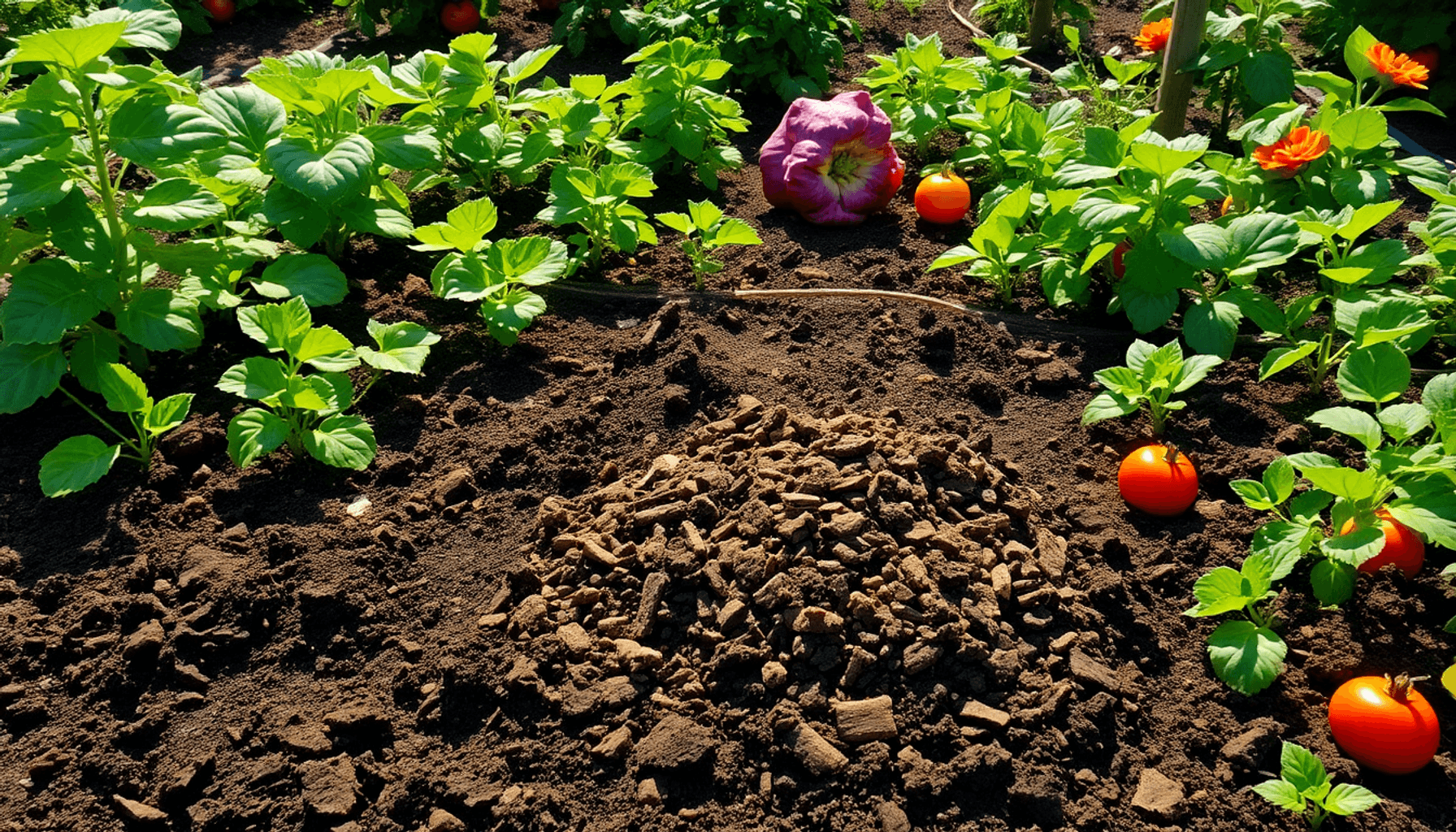

Compost is a powerful organic soil amendment that transforms your garden’s soil health. By adding compost in the garden, you improve key soil properties such as:
- Water retention: Compost helps soil hold moisture longer, reducing the need for frequent watering.
- Nutrient availability: It releases essential nutrients slowly, feeding plants over time.
- Soil structure: Compost enhances the texture of soil, making it crumbly and easier to work with.
- Fertility: It boosts the natural productivity of your garden soil without relying on synthetic chemicals.
Using compost reduces dependence on synthetic fertilizers, which often come with environmental drawbacks. Choosing compost supports sustainable gardening by promoting healthy ecosystems and minimizing chemical runoff into waterways.
This article covers everything you need to know about how to use compost in the garden. You’ll learn about:
- What compost is and how it forms
- Preparing your garden soil before applying compost
- Optimal ways to use compost in vegetable gardens, raised beds, landscapes, and lawns
- Practical tips on mulching with compost
- Important safety considerations when selecting or using compost
- The environmental benefits of incorporating compost regularly into your gardening routine
By understanding these aspects, you can make informed decisions that lead to healthier plants and more sustainable growing practices.
Understanding Compost
Compost is the result of microbial decomposition—a natural process where microorganisms like bacteria and fungi break down biodegradable materials such as food scraps, yard waste, and garden debris. These tiny decomposers feed on organic matter, transforming it into a nutrient-rich substance that benefits your garden soil.
The process begins when you gather organic waste: vegetable peels, coffee grounds, grass clippings, leaves, and small branches. Microbes consume these materials, releasing enzymes that break complex compounds into simpler forms. As decomposition progresses, heat is generated inside the compost pile due to microbial activity. This heat speeds up breakdown and helps kill pathogens and weed seeds.
Characteristics of mature compost provide clues about its readiness for use:
- Dark brown or black color: Indicates thorough decomposition.
- Earthy smell: A healthy sign; absence of foul odors means no harmful anaerobic activity.
- No recognizable original materials: You shouldn’t see scraps or leaves anymore—only crumbly humus remains.
- Moist but not soggy texture: Ideal moisture supports microbial life without creating anaerobic conditions.
You can obtain compost in two main ways:
-
Homemade Compost
Creating your own compost lets you control ingredients and ensures freshness. It requires space for a pile or bin, attention to balancing green (nitrogen-rich) and brown (carbon-rich) materials, regular turning for aeration, and monitoring moisture levels. Homemade compost is often more economical and sustainable. -
Purchased Compost
Available from nurseries or landscape suppliers in bags or bulk quantities. Commercial composts are usually screened for consistency and free of contaminants. When buying, check labels for source materials and maturity level to avoid herbicide residues or immature compost that might harm plants.
Understanding what compost is and how it forms gives you confidence in selecting or producing the right amendment for your garden’s needs. Properly matured compost enriches soil without introducing problems common with raw organic waste.
Preparing Your Garden for Compost Application
Proper soil preparation is essential before adding compost to your garden. It sets the foundation for how effectively compost will improve soil health, nutrient availability, and plant growth. Compost acts as a soil amendment that enhances soil structure and fertility, but its benefits depend on how well it integrates with the existing soil.
Why Prepare Soil Before Adding Compost?
- Improves nutrient uptake: Mixing compost into prepared soil helps nutrients become more accessible to plant roots.
- Enhances soil structure: Preparing the soil breaks up compacted layers, allowing compost to better aerate and loosen the ground.
- Prevents layering: Applying compost directly onto hard or unprepared soil can create a barrier that impedes water infiltration and root penetration.
How to Mix Compost Into Soil
- Clear the area: Remove weeds, debris, and old roots from the garden bed.
- Loosen the soil: Use a garden fork or tiller to turn over the top 6 to 8 inches of soil. This creates space for compost to blend in thoroughly.
- Add compost: Spread a layer of compost appropriate for your garden type (typically 2 to 4 inches for new beds).
- Incorporate evenly: Mix the compost into the loosened soil using a spade or tiller so it’s evenly distributed throughout the root zone.
- Level the bed: Rake smooth to prepare for planting.
Considerations Based on Soil Type and Garden Design
Different soils respond uniquely when amended with compost:
- Clay soils benefit from compost’s ability to improve drainage and aeration. Thorough mixing is crucial here to break up dense clumps.
- Sandy soils gain moisture retention and nutrient-holding capacity from added organic matter, reducing water loss.
- Loamy soils generally need less amendment but still respond well to compost by boosting fertility without altering texture drastically.
Garden design also influences how you prepare:
- Raised beds require loosening and mixing deep into existing media since they rely on contained soil mixes.
- In-ground beds might need adjustments in addition to compost if drainage or pH issues exist.
- Sloped gardens benefit from applying mulch layers of compost after mixing to reduce erosion.
Taking time for thoughtful garden bed preparation maximizes what compost can do for your plants by creating an optimal environment where microbes thrive and roots expand easily. Properly mixed amendments help build resilient soils that sustain productive gardens season after season.
Using Compost in Vegetable Gardens
Applying compost in your vegetable garden is one of the most effective ways to boost soil fertility and promote vigorous plant growth. Knowing the right application rates and techniques for vegetable garden compost application ensures you get the maximum benefit without overloading the soil.
Recommended Application Rates
- New Vegetable Beds: Spread a 3 to 4-inch layer of compost evenly across the bed surface. This depth provides ample organic matter to improve soil structure, water retention, and nutrient content before planting.
- Existing Beds: Add about ¼ to 1 inch of compost annually. This refreshes soil nutrients and maintains healthy microbial activity without disturbing established roots.
How to Mix Compost in Vegetable Beds
Incorporating compost properly into the soil is crucial for optimal nutrient uptake by plants:
- After spreading compost on new beds, till or dig it into the top 6 to 8 inches of soil. This depth corresponds with most vegetable root zones and helps integrate organic matter thoroughly.
- For existing beds, gently work compost into the top inch or two of soil, especially between growing seasons or during crop rotation periods.
- Avoid deep cultivation that can disrupt beneficial soil organisms or damage plant roots.
Benefits of Compost in Vegetable Gardens
Using compost regularly delivers multiple advantages:
- Improved Fertility: Compost supplies essential macro- and micronutrients in a slow-release form that plants can readily access.
- Enhanced Soil Structure: Organic matter from compost increases soil aggregation, improving aeration, drainage, and moisture retention.
- Healthier Plants: Better soil conditions lead to stronger root systems and increased resistance against pests and diseases.
- Reduced Need for Synthetic Fertilizers: Nutrient-rich compost lowers dependence on chemical inputs, supporting sustainable gardening practices.
Using Compost as Mulch on Vegetable Beds
Compost works effectively as mulch when applied on the surface of vegetable beds:
- Lay a 2 to 3-inch layer around plants to help retain moisture, suppress weeds, and moderate soil temperature fluctuations.
- Keep mulch a small distance away from plant stems (about 1 to 2 inches) to prevent rot or pest issues.
Mulching with compost also gradually feeds the soil as it breaks down further, contributing to ongoing nutrient cycling throughout the growing season.
Mastering these strategies for mixing compost in vegetable beds enhances your garden’s productivity and sustainability.
Incorporating Compost in Raised Beds
Raised bed gardening offers excellent control over soil quality, drainage, and root development. When building or refreshing raised beds, the compost ratio raised beds plays a crucial role in creating an optimal growing environment.
1. Ideal Mix Ratios
A well-balanced raised bed soil mix typically contains up to 25% compost by volume. This percentage ensures enough organic matter to supply nutrients and improve moisture retention without overwhelming the soil structure. The rest of the mixture usually consists of quality topsoil, coarse sand or perlite for drainage, and sometimes additional amendments like peat moss or coconut coir to enhance aeration.
2. Managing Settling Issues
Raised beds naturally settle over time as organic components decompose and compact. This can cause the soil surface to sink, reducing root space and affecting plant health. To maintain optimal conditions:
- Add a fresh layer of compost annually or biannually on top of the beds.
- Lightly mix this new compost into the upper few inches to replenish lost nutrients.
- Avoid digging too deeply unless you’re doing a full soil refresh, as this can disrupt established root systems.
3. Enhancing Nutrient Content and Moisture Retention
Compost enriches raised bed soils with essential macro- and micronutrients like nitrogen, phosphorus, potassium, calcium, and magnesium. It also improves soil texture by increasing organic matter content, which:
- Enhances water-holding capacity—crucial for raised beds that tend to dry out faster than in-ground gardens.
- Encourages beneficial microbial activity that supports nutrient cycling.
- Promotes better root penetration due to improved soil crumb structure.
Properly balanced compost inclusion results in healthier plants with stronger growth and more consistent yields. Regular maintenance of compost levels in raised beds keeps the soil fertile and resilient against environmental stresses common in elevated garden systems.
Applying Compost in Landscape Areas
Using landscape planting compost effectively can transform your garden's health and appearance. One practical approach is to spread a 3- to 4-inch layer of compost evenly over the entire planting area before installing new plants. This layer acts as a nutrient-rich foundation, providing an immediate boost to the soil environment.
Incorporating compost by mixing it into the topsoil enhances root development significantly. When you blend compost into the upper 6 to 8 inches of soil, you improve aeration and moisture retention, creating optimal conditions for roots to expand and absorb nutrients efficiently. This practice encourages stronger, healthier plant growth from the start.
Compost plays a crucial role in promoting vigorous growth among trees, shrubs, and perennials:
- Trees: Compost improves soil structure around tree roots, helping young trees establish quickly and withstand environmental stress.
- Shrubs: Nutrient availability increases with compost use, resulting in fuller foliage and more robust flowering.
- Perennials: Enhanced soil fertility and moisture levels support perennial plants through multiple growing seasons without frequent fertilizer applications.
Improving plant establishment with compost reduces transplant shock and supports sustained growth. It also encourages beneficial microbial activity that breaks down organic matter further, releasing nutrients gradually and building long-term soil fertility.
Applying landscape planting compost use strategically ensures your garden thrives naturally with fewer inputs while fostering resilient plants that flourish season after season.
Mulching with Compost
Using well-composted material as mulch provides multiple benefits for your garden plants. Compost mulch application involves spreading a layer of mature compost around trees, shrubs, perennials, and vegetable plants to improve soil conditions and plant health.
Proper Application Thickness and Placement
- Apply compost mulch in a layer 2 to 3 inches thick. This thickness is sufficient to suppress weeds effectively while allowing air and water to penetrate the soil.
- Maintain a gap of 1 to 2 inches away from stems or trunks of plants to avoid moisture buildup against the plant base, which can lead to rot or fungal diseases.
- Avoid piling compost directly against woody stems or tree trunks; this simple practice prevents issues related to excessive moisture retention and decay.
Benefits of Compost Mulch
- Moisture Retention: Compost mulch helps conserve soil moisture by reducing evaporation. This is especially valuable during dry periods or in sandy soils that drain quickly.
- Weed Suppression: The dense layer blocks sunlight from reaching weed seeds, lowering their chances of germination and growth.
- Soil Temperature Regulation: Compost moderates soil temperature fluctuations, protecting roots from extreme heat or cold.
- Nutrient Supply: As the compost breaks down further on the surface, it slowly releases nutrients that are absorbed by nearby plants.
- Improved Soil Structure: Over time, compost mulch encourages beneficial microbial activity and earthworm presence, enhancing soil friability and aeration.
Careful attention to how you apply compost as mulch ensures you harness its full potential without causing harm. Using high-quality, mature compost free of weed seeds and contaminants further supports healthy plant development while maintaining a neat garden appearance.
Mulch with compost offers a natural alternative to synthetic mulches, creating sustainable growing conditions by feeding the soil ecosystem directly. Its use complements other applications like incorporating compost into planting beds or raised beds—each technique contributing uniquely to thriving gardens.
Enhancing Lawns with Compost Topdressing
Using lawn care compost topdressing is an effective way to boost your lawn’s health naturally. This technique involves applying a thin, even layer of compost—typically between ¼ to ½ inch thick—across the grass surface. The best time to perform topdressing is right after dethatching or core aeration. These practices open up the soil and remove debris, allowing compost to settle into the lawn’s root zone more effectively.
Benefits of Compost Topdressing for Lawns
1. Stimulating Lawn Microbes
Compost introduces beneficial microorganisms that break down organic matter, cycling nutrients back into the soil in forms easily absorbed by grass roots. This microbial activity improves soil structure and encourages vigorous root growth.
2. Improved Soil Health
Compost enhances moisture retention and aeration in compacted or sandy soils. It balances pH levels and increases organic matter content, creating an ideal environment for grass roots to thrive.
3. Natural Nutrient Supply
Unlike synthetic fertilizers, compost releases nutrients slowly over time. This steady nutrient availability reduces the risk of nutrient leaching and supports sustained lawn growth without spikes in foliage that require excessive mowing.
Advantages Over Chemical Lawn Treatments
1. Reduced Chemical Dependency
Using compost topdressing decreases reliance on chemical fertilizers and herbicides, which can harm beneficial soil organisms and contribute to environmental pollution.
2. Long-Term Soil Improvement
Chemical treatments often provide short-term results but do not improve soil health. Compost builds soil fertility organically, leading to a more resilient lawn that resists drought, pests, and disease.
3. Safe for Children and Pets
Organic compost is non-toxic, making it safer for families compared to many synthetic lawn products.
Applying a light layer of quality compost after lawn maintenance practices such as dethatching or aeration integrates organic matter directly where it benefits grass roots most. You can spread compost using a shovel or specialized spreader, then lightly rake or water it in to help it settle evenly.
Incorporating this sustainable practice into your lawn care routine promotes a greener, healthier turf with fewer inputs and longer-lasting results.
Important Considerations When Using Compost
Using compost safely and effectively requires attention to several critical factors that affect plant health and garden success. Paying close attention to these considerations will help you avoid common pitfalls associated with poor-quality compost.
Avoid Uncomposted Materials Containing Perennial Weeds or Harmful Organisms
One of the biggest risks when using compost, especially in container media, is the presence of uncomposted materials. Compost that has not fully broken down can harbor:
- Perennial weed seeds that remain viable and germinate after application.
- Pathogenic organisms which may cause diseases in sensitive plants.
- Insects or pests that survive incomplete composting.
This makes it essential to use well-matured compost, especially for seed starting or container gardening where young plants are more vulnerable. If you collect your own compost materials, ensure the pile reaches high enough temperatures (between 130°F to 160°F) for sufficient time to kill weed seeds and pathogens.
Check Purchased Compost for Herbicide Residues
Herbicide contamination in commercially purchased compost is a hidden threat that can severely damage or kill plants. Some herbicides used on lawns or agricultural fields persist through the composting process because they are chemically stable and do not break down easily.
Signs of herbicide residue damage include:
- Poor seed germination.
- Stunted growth.
- Leaf distortion or discoloration.
Before buying compost, inquire about its source materials and whether testing has been done for herbicide residues. Certified organic compost is less likely to contain these chemicals but always verify with your supplier. When in doubt, conduct a simple bioassay by planting sensitive seeds (like beans) in a small amount of the compost before large-scale use.
Ensure Compost Maturity Before Application
The maturity of compost is crucial for maximizing benefits and avoiding negative effects on plants. Use these indicators to assess if your compost is ready:
- Dark brown color with a crumbly texture.
- Earthy smell, free from ammonia or sour odors.
- No recognizable original materials such as food scraps or leaves.
- Stable temperature near ambient levels (no longer hot).
Immature compost can:
- Compete with plants for nitrogen.
- Contain phytotoxic substances harmful to roots.
- Harbor pathogens due to incomplete microbial breakdown.
Applying mature compost improves soil structure and nutrient availability without risking plant health problems. Allow homemade piles enough time—often several months—to reach this stage before applying.
Maintaining vigilance about these important factors ensures safe compost use that supports vigorous plant growth without introducing unwanted weeds, chemical contaminants, or diseases. Taking time to verify quality upfront prevents many common gardening frustrations linked to poor-quality amendments.
Environmental and Sustainable Benefits of Using Compost
Using compost in your garden is an important part of sustainable gardening practices. It has real environmental benefits that go beyond just improving your soil and plants.
1. Reducing Landfill Waste with Compost
Organic waste from kitchens and gardens makes up a large part of what ends up in landfills. When this waste decomposes in landfills, it produces methane, a powerful greenhouse gas. By composting instead, you can prevent this organic matter from going to the landfill and contributing to climate change.
Composting allows you to turn food scraps, yard waste, and other organic materials into nutrient-rich compost that can be used in your garden. This way, you're not only reducing the amount of waste sent to landfills but also actively participating in the fight against greenhouse gas emissions.
2. Supporting Eco-Friendly Gardening by Minimizing Chemical Fertilizer Use
Chemical fertilizers may provide quick nutrients to plants, but they often come with negative consequences such as soil degradation, water pollution, and high energy consumption during production. On the other hand, compost offers a natural source of nutrients that can benefit both your plants and the environment.
By using compost instead of synthetic fertilizers, you can reduce or eliminate the need for chemical inputs in your garden. This not only lowers the environmental impact of your gardening practices but also promotes healthier ecosystems around your growing spaces.
3. Enhancing Long-Term Soil Health Naturally Through Organic Matter Addition
Soil health is essential for sustainable gardening. When you enrich your soil with compost, you're adding organic matter that improves its structure, boosts microbial diversity, and increases moisture retention.
These improvements make your soil more resilient and capable of supporting healthy plant growth over time. With each application of compost, you're building a fertile foundation for your garden without relying heavily on external inputs.
Using compost is a practical way to connect your gardening efforts with larger environmental goals. Every time you incorporate compost into your soil, you're not only nurturing your plants but also contributing to effective organic waste management and creating a healthier planet.
Conclusion
Incorporating quality compost into your gardening routine makes a significant difference in plant health and soil vitality. Understanding how to use compost effectively empowers you to:
- Enhance soil structure and fertility naturally
- Reduce reliance on synthetic fertilizers
- Improve water retention and nutrient availability
- Support sustainable gardening practices that benefit the environment
Compost is not just an amendment—it’s a foundational element for thriving gardens. Whether you manage vegetable beds, raised beds, landscape areas, or lawns, consistent application of well-prepared compost leads to healthier plants and more resilient soil.
"Gardening with compost is investing in the long-term success of your garden."
Commit to regular use of mature, high-quality compost and watch your garden flourish. Learning how to use compost in the garden transforms your approach from simple planting to nurturing an ecosystem where plants can truly thrive.
FAQs (Frequently Asked Questions)
What are the key benefits of using compost in the garden?
Compost improves soil health by enhancing water retention, nutrient availability, soil structure, and fertility. It reduces reliance on synthetic fertilizers and promotes sustainable gardening practices.
How is compost created through microbial decomposition?
Compost is produced by microbial decomposition of biodegradable materials such as food scraps, yard waste, and garden debris. Mature compost is characterized by a dark brown color, earthy smell, and no recognizable original materials.
How should I prepare my garden soil before applying compost?
Preparing your garden involves mixing compost into the soil to optimize nutrient availability and improve soil structure. Consider factors like soil type and garden design to ensure effective soil amendment before adding compost.
What are the recommended application rates for using compost in vegetable gardens?
For new vegetable beds, apply 3 to 4 inches of compost. For existing beds, apply ¼ to 1 inch annually. Incorporate compost into the top 6 to 8 inches of soil or use it as mulch to enhance fertility and promote healthier vegetable growth.
How can compost be effectively used in raised bed gardening?
In raised beds, mix up to 25% compost by volume with other amendments for an ideal soil mix. Address settling issues over time by replenishing compost to maintain nutrient content and moisture retention.
What precautions should I take when using purchased compost in my garden?
Ensure the compost is mature and free from herbicide residues that can harm plants. Avoid uncomposted materials containing perennial weeds or harmful organisms, especially when using container media.