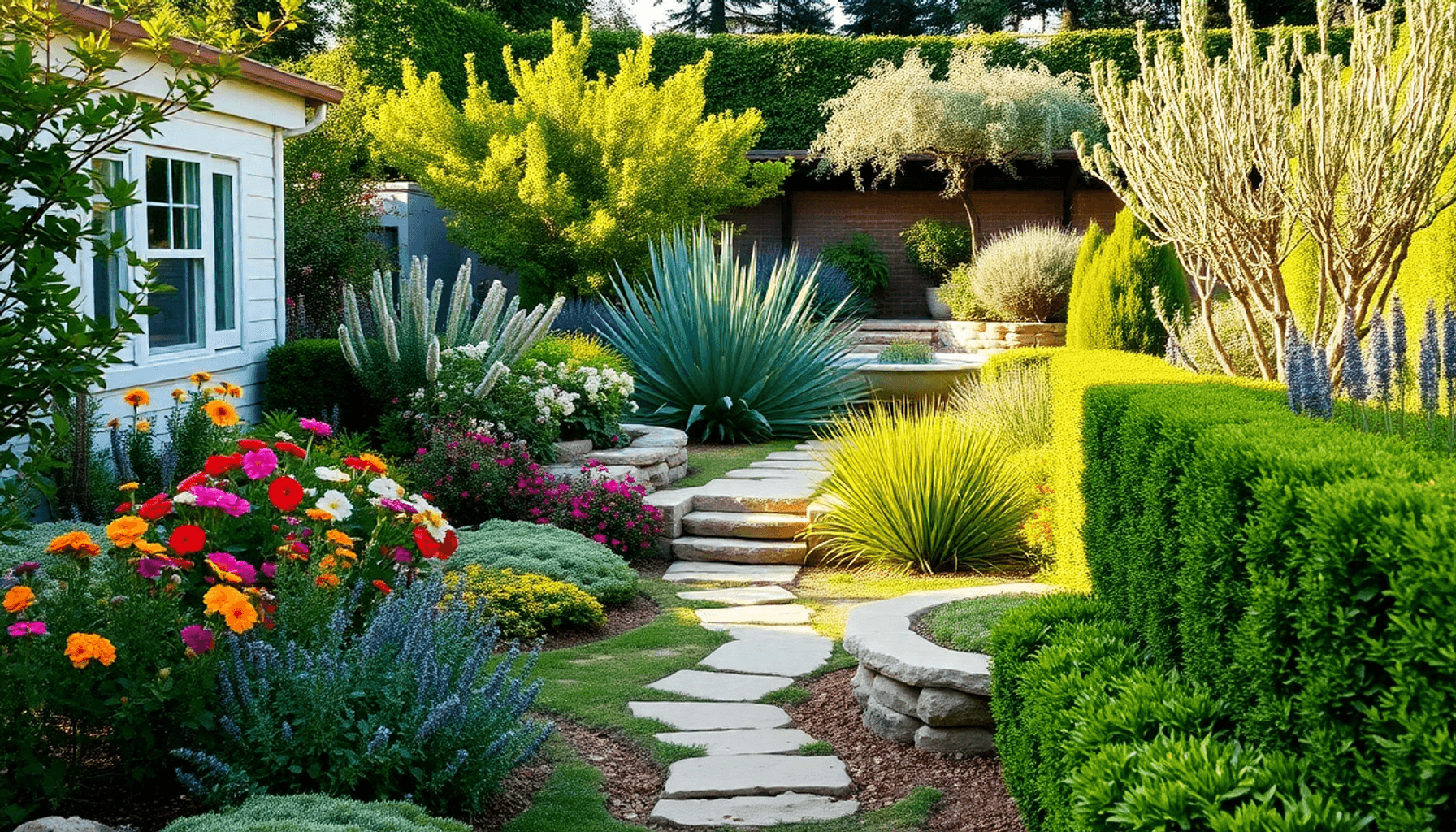

Garden design styles are important in shaping the look and function of outdoor spaces. They not only determine how attractive a garden is but also affect how you experience and use it. Each style has its own distinct beauty and practical advantages, influencing everything from the types of plants and materials used to the layout and atmosphere.
This article, Garden Design Styles: A Complete Visual Guide, aims to provide you with an in-depth understanding of various garden design styles. Whether you want to choose a single style or combine elements from multiple styles, this guide offers clear insights and inspiration. By exploring key features, typical plants, materials, and design principles, you will be empowered to craft a garden that truly reflects your personality and meets your needs.
Use this visual guide as a resource to enhance your knowledge of garden aesthetics and transform your outdoor space into a place of beauty, relaxation, and enjoyment.
Understanding Garden Design Styles
A garden design style is more than just a visual theme. It represents a set of garden design principles that shape the layout, plant selection, materials, and intended function of an outdoor space. Each style carries its own unique identity, influencing how you experience and interact with the garden.
What Defines a Garden Style?
- Layout: The arrangement of paths, planting beds, seating areas, and focal points. Styles may favor formal symmetry or informal, flowing shapes.
- Plant Choice: Selection depends on climate needs and aesthetic goals—whether dense, colorful flowers or minimalist drought-tolerant shrubs.
- Materials: Hardscape elements like stone, wood, gravel, or metal contribute texture and mood.
- Function: Gardens serve various purposes such as relaxation, entertaining, wildlife support, or food production. The style often reflects these functions.
These components work together to create a cohesive environment that fits your lifestyle and site conditions.
Combining Styles for Personalized Gardens
Rigid adherence to one garden style is not necessary. Blending elements from multiple styles offers flexibility and personalization:
- Mixing formal structure with wildlife-friendly planting can produce elegant yet ecologically rich spaces.
- Incorporating contemporary materials alongside the lush florals of a cottage garden merges modern simplicity with romantic abundance.
- Using Mediterranean drought-tolerant plants within an urban minimalistic layout balances function and beauty under water restrictions.
This hybrid approach allows you to tailor the garden’s mood and utility while respecting practical constraints. You gain freedom to express creativity through selective borrowing from diverse traditions.
Experimentation with style combinations often leads to innovative designs better suited to your unique outdoor environment than strict adherence to a single category. This is where understanding the core principles behind each style becomes invaluable—it helps you identify which features harmonize well together in your personal garden vision.
1. Small Gardens: Making the Most of Limited Space
Designing a small garden requires creativity and careful planning to make every inch count. Space-saving gardens use clever layout, plant selection, and multifunctional elements.
Tips for Designing a Small Garden
- Vertical gardening: Use walls, trellises, or hanging planters to grow climbing plants, herbs, or even vegetables. This technique frees up ground space while adding lush greenery at eye level.
- Layered planting: Combine plants of varying heights and textures to create depth without overcrowding. Taller shrubs or small trees can form a backdrop; medium shrubs add structure; low-growing flowers or groundcovers soften edges.
- Compact furniture: Choose foldable chairs, benches with storage, or built-in seating integrated into garden walls or raised beds.
- Mirrors and reflective surfaces: Strategically placed mirrors along fences or walls visually expand the space by reflecting light and garden views.
- Defined zones: Even in limited areas, dividing space into functional zones (dining, planting, relaxation) organizes flow and maximizes usability.
Creating a Seamless Indoor-Outdoor Connection
Extending your living space outdoors transforms a small garden into an extension of your home. Large sliding doors or bi-fold glass panels blur boundaries between inside and outside. Using similar tiles or decking materials indoors and outdoors reinforces this connection.
Plants in containers near doorways soften the transition. Outdoor rugs and cushions create cozy seating that feels like an outdoor room. Lighting plays a key role too: warm garden lights allow evening enjoyment without feeling disconnected from indoor comfort.
Thinking Outside the Box
Small gardens can benefit from innovative ideas that challenge traditional design rules:
- Curved paths instead of straight lines: Curves make spaces feel larger by drawing the eye around the garden rather than ending views abruptly.
- Using unexpected materials: Recycled pallets as planters, colorful painted fences, or gravel paths combined with stepping stones add character without crowding.
- Mixing plant styles: Forget rigid plant groupings; mixing textures and colors freely creates vibrancy in tight spots.
- Multipurpose features: A raised bed doubling as seating, water features that recycle water efficiently, or lighting fixtures with built-in planters combine function with style.
Designing a small garden requires flexibility and imagination but rewards you with outdoor spaces that feel spacious, inviting, and uniquely yours.
2. Urban Gardens: Functional Oasis in City Spaces
City gardening presents unique challenges that shape the approach to urban gardens. Limited space is a primary constraint, forcing you to think vertically as well as horizontally. Noise pollution from traffic and neighbors can affect the tranquility of your outdoor space, demanding clever solutions to create a peaceful retreat.
Challenges of Urban Environments
- Restricted area: Balconies, rooftops, small courtyards, or narrow strips often serve as the only available outdoor spaces.
- Noise and privacy: High-density living means noise levels are elevated, and privacy can be limited.
- Light availability: Buildings may block sunlight, requiring shade-tolerant plant choices.
Design Approaches for Urban Gardens
Minimalism is a powerful tool for city gardening. By focusing on clean lines and simplicity, you reduce visual clutter and make the most of confined spaces. Repeated patterns in both planting and materials help create a sense of unity and calm.
- Use raised beds or containers arranged in geometric patterns to organize planting efficiently.
- Select a limited palette of plants repeated throughout to unify the design.
- Opt for sleek furniture and storage solutions that double as seating or planters.
- Incorporate vertical elements like trellises or green walls to increase growing area without crowding the floor.
Multifunctionality in Urban Gardens
Your garden must serve several roles given limited room:
- Planting: Herbs, vegetables, and flowers can coexist even in tight spots with container gardening or vertical planting systems.
- Relaxation: Create cozy seating nooks shielded by screens or plants to offer refuge from city noise.
- Play: For families, compact play areas with safe surfaces and foldable equipment maximize usability.
- Entertaining: Fold-away tables or benches allow you to host guests without sacrificing daily space.
Designing an urban garden demands creativity, balancing form and function while overcoming spatial limitations. The focus on minimalism combined with repeated design elements supports a cohesive look that feels larger than it is. Multifunctional features meet the needs of modern living where every square foot counts.
This approach makes urban gardens not just green patches but true extensions of your home—a functional oasis amid the city bustle.
3. Wildlife-Friendly Gardens: Supporting Biodiversity at Home
Wildlife-friendly gardens are designed to attract and sustain native wildlife, enriching your outdoor space both visually and ecologically. They create a thriving habitat for birds, beneficial insects, small mammals, and pollinators that contribute to a healthy ecosystem.
Key Features That Attract Native Wildlife
- Diverse Plant Selection: Incorporate native plants that provide food sources such as seeds, berries, nectar, and pollen. Flowering perennials, shrubs, and trees offer shelter and breeding sites.
- Layered Vegetation: Structure your garden with multiple layers—from ground cover to tall trees—to accommodate different species.
- Water Sources: Shallow ponds, birdbaths, or small water features attract amphibians and birds needing hydration and bathing spots.
- Avoidance of Chemicals: Refrain from pesticides and herbicides to maintain safe environments for insects and animals.
Essential Elements Supporting Ecosystem Health
- Log Piles: Create habitats for insects like beetles and spiders which are vital for pest control. Logs also encourage fungi growth that enriches soil health.
- Hedgehog Boxes: Provide safe nesting places for hedgehogs whose populations have declined due to habitat loss.
- Bee Hotels: Support solitary bees by offering nesting tubes or cavities, crucial since these bees are effective pollinators in gardens.
- Native Wildflower Patches: Promote nectar sources while supporting butterfly larvae and other pollinators.
“A garden designed to welcome wildlife becomes a dynamic ecosystem where each element plays a vital role in maintaining balance.”
Ecological Benefits of Biodiversity Gardening
Biodiversity gardening goes beyond aesthetics; it introduces natural pest control by encouraging predator insects such as ladybirds and lacewings. These predators reduce the need for chemical interventions by feeding on aphids and other harmful pests.
Increased biodiversity promotes resilience against diseases and climate stresses by supporting a wide range of species with varying roles. This ecological balance helps maintain healthy soil structure through the activity of earthworms and microorganisms encouraged by organic matter deposits from diverse plant life.
Gardens that nurture biodiversity can become sanctuaries within urban or suburban settings, contributing to conservation efforts while offering you engaging opportunities to observe nature’s intricate interactions right at home.
Wildlife-friendly gardens emphasize coexistence with nature rather than control—transforming your outdoor space into an active participant in local ecosystems. This design style is practical yet inspiring. For those looking to implement such changes effectively, following an ecological garden blueprint could be immensely beneficial. It invites you to rethink traditional garden aesthetics through an ecological lens.
4. Mediterranean Gardens: Drought-Tolerant Charm from Southern Europe
The Mediterranean garden style reflects the sun-drenched landscapes of southern Europe, where drought-tolerant plants thrive in warm, dry conditions. This design embraces both practicality and aesthetic appeal, making it ideal for gardeners facing water restrictions or seeking a relaxed, natural look.
Characteristic Plants
Plants in Mediterranean gardens are chosen for their ability to withstand heat and limited water supply while offering texture, scent, and color:
- Lavender: Known for its fragrant purple blooms and silvery foliage, lavender is a staple. It attracts pollinators and adds a calming aroma.
- Olive Trees: Iconic to the region, olive trees provide shade and architectural interest with their gnarled trunks and silvery leaves.
- Rosemary: Both ornamental and useful in cooking, rosemary thrives in poor soil and full sun.
- Vines: Grapevines or climbing jasmine add vertical interest on trellises or pergolas, creating shaded retreats.
These plants require well-drained soils and minimal irrigation once established. Their drought tolerance reduces maintenance while enhancing the garden’s natural feel.
Materials Typical to Mediterranean Landscapes
Materials contribute significantly to the style’s rustic yet elegant atmosphere:
- Gravel is commonly used for pathways and ground cover. It improves drainage and reflects heat during hot summer months.
- Terracotta pots filled with succulents or herbs add warmth through earthy tones.
- Natural stone walls and paving integrate seamlessly into the environment, providing texture and durability.
- Wooden pergolas or arbors, often supporting climbing plants, offer shaded seating areas that encourage outdoor living.
These elements combine to create a tactile experience grounded in simplicity but rich in character.
Layouts: Formal vs Informal
Mediterranean gardens can range from structured to relaxed forms depending on personal taste and site conditions:
- Formal layouts use symmetry, clipped hedges like boxwood, and geometric beds to evoke classic Italian or French garden influences. Fountains or statuary often serve as focal points.
- Informal layouts embrace natural shapes with flowing borders of mixed drought-resistant plants. This approach mimics wild Mediterranean landscapes found along coastal regions.
Gardeners in cooler climates may need to adapt by selecting hardier varieties of Mediterranean plants or providing winter protection such as mulching or sheltered microclimates near south-facing walls.
This style balances beauty with resilience, making it a timeless choice for those seeking charm combined with sustainability in their outdoor spaces.
5. Contemporary Gardens: Clean Lines & Architectural Integration
Contemporary garden design focuses on simplicity and precision, creating outdoor spaces that feel modern, spacious, and thoughtfully arranged. The hallmark of this style is its emphasis on crisp lines and uncluttered spaces, where every element has a purpose and contributes to the overall harmony.
Key Features of Contemporary Garden Design
- Geometric layouts dominate, using clear shapes like squares, rectangles, and circles to define planting beds, pathways, and seating areas.
- Spaces are often open and minimalistic, avoiding overcrowding to maintain a sense of calm and order.
- Planting schemes tend to be restrained but impactful, with an emphasis on structure rather than mass planting.
Materials That Define Timelessness
Natural materials form the backbone of contemporary gardens. Stone, slate, and wood provide texture and warmth while maintaining a sleek aesthetic:
- Stone is popular for paving and retaining walls due to its durability and clean appearance.
- Slate offers a smooth surface ideal for patios or stepping stones with subtle color variation adding visual interest without distraction.
- Wood, especially in decking or pergolas, adds organic softness that balances hard surfaces.
These materials age gracefully over time, reinforcing the timeless quality sought after in contemporary designs.
Integration of Plants and Architecture
Plants in contemporary gardens are not just decorative but integral components of the architectural framework:
- Linear hedges or clipped shrubs echo geometric forms found in hardscape features.
- Vertical elements like bamboo or tall grasses complement architectural lines without overwhelming them.
- Succulents and ornamental grasses add texture while requiring minimal maintenance.
Water features are common additions. Reflective pools or narrow channels enhance visual depth by mirroring surrounding architecture. The subtle sound of flowing water introduces a tranquil sensory dimension without disrupting the garden’s clean aesthetic.
The combination of these elements results in gardens that feel like seamless extensions of the home’s architecture—functional yet elegant spaces designed for modern living.
6. Formal Gardens: Symmetry & Structured Elegance
The formal garden style is defined by its precise balance and clear geometric structure. Every element is arranged to create symmetrical gardens where order and harmony dominate the scene. Central to this design are focal points such as statues, fountains, or reflecting pools that anchor the space visually and spatially.
Key characteristics of formal gardens include:
- Balanced symmetry: Pathways, planting beds, and hedges mirror each other perfectly on either side of a central axis.
- Geometric shapes: Squares, rectangles, circles, and triangles form the basis of garden layouts, creating a sense of control and refinement.
- Strong focal points: Ornamental sculptures or water features draw the eye and provide visual interest within the structured setting.
- Meticulously trimmed greenery: Box hedges, topiaries, and pleached trees maintain architectural lines with sharp edges and repeated forms.
This style adapts well across different scales. On grand estates, formal gardens stretch expansively with long avenues and parterres that showcase impressive craftsmanship. In smaller urban plots, the same principles apply but use compact elements like rows of pleached trees or clipped hedges to maximize impact without overwhelming limited space.
Pleached trees are particularly suited for these environments. Arranged in neat rows along walkways or boundaries, they act as living fences that emphasize order while adding vertical interest. Their structured form mirrors the garden’s geometric precision.
Formal gardens offer a timeless elegance rooted in tradition yet remain relevant today for their clear structure and visual calmness. The disciplined arrangement encourages contemplation, making these spaces ideal for leisurely strolls or quiet reflection amidst natural beauty shaped by human hands.
7. Cottage Gardens: Romantic & Abundant Planting
The cottage garden style is defined by an overflowing abundance of plants, where colorful and scented flowers spill freely over pathways and borders. This lush, informal planting approach creates a sense of natural beauty and charm that feels both welcoming and vibrant. You'll find roses, foxgloves, hollyhocks, lavender, and peonies mingling with herbs and edible plants in a seemingly untamed but thoughtfully designed manner.
Origins Rooted in Practicality
Cottage gardens originally served a practical purpose. They were utilitarian plots near rural cottages where families grew fruits, vegetables, herbs, and flowers for daily use. Over time, this functional gardening evolved into what is now recognized as a romantic gardening style appreciated for its nostalgic appeal and visual richness. The modern cottage garden combines these historical roots with contemporary urban aesthetics, adapting the style to smaller spaces while maintaining its signature lushness.
Managing Abundance with Structure
Despite the dense plantings typical of the cottage garden style, order is maintained through deliberate techniques:
- Repeated Color Themes: Using recurring color palettes helps unify the space visually. For example, mixing shades of pinks and purples or whites and blues throughout different beds creates cohesion.
- Hedging Frameworks: Low hedges or clipped shrubs outline beds or pathways to provide clear structure without compromising the informal feel.
- Pathways as Design Elements: Winding paths made from natural materials like gravel or brick lead visitors through the garden, guiding movement while showcasing the planting richness on either side.
This balance between exuberant planting and subtle organization allows you to embrace abundance without overwhelming the senses or losing navigability.
Sensory Experience and Wildlife Benefits
The aromatic nature of many cottage garden plants enhances the sensory experience. Fragrant blooms such as sweet peas, lavender, and honeysuckle invite pollinators like bees and butterflies. This not only supports biodiversity but also adds life and movement to your garden space.
You can think of a cottage garden as a living tapestry—combining color, scent, texture, and wildlife attraction in a way that feels timeless yet adaptable to modern outdoor living needs.
Combining Garden Styles for Personalized Spaces
Creating a garden that reflects your unique taste and fits your site conditions often means stepping beyond single-style boundaries. Hybrid garden designs offer flexibility and creativity, allowing you to tailor outdoor spaces to your lifestyle and environmental needs.
Benefits of Mixing Garden Styles:
- Enhanced visual interest: Combining contrasting elements can produce dynamic focal points.
- Increased functionality: Different styles bring diverse features that serve multiple purposes.
- Adaptability: You can adjust design components to suit varying climates, soil types, and space constraints.
- Personal expression: Hybrid designs enable you to express personality through curated combinations.
Examples of Successful Style Blends:
-
Formal Structures with Wildlife-Friendly Planting
Incorporate pleached trees or geometric hedges characteristic of formal gardens as structural backdrops. Fill beds with native flowering plants that attract pollinators and beneficial insects. This approach balances disciplined order with ecological vitality. -
Contemporary Materials Paired with Cottage-Style Florals
Use sleek stone or slate paving and minimalist wooden decking typical of contemporary gardens. Surround these hardscape elements with lush, overflowing cottage garden plants like lavender, foxgloves, and roses. The contrast between clean lines and abundant blooms creates an inviting modern-romantic atmosphere. -
Mediterranean Plants in Urban Garden Layouts
Adapt drought-tolerant Mediterranean species such as rosemary or olive trees within compact urban settings designed around minimalism and repeated patterns. Gravel paths and terracotta pots add authenticity while maintaining urban garden efficiency. -
Small Garden Tricks in Larger Formal Settings
Apply space-saving techniques like vertical planting or multifunctional furniture from small garden design into grander formal layouts. This fusion enhances usability without sacrificing the symmetry and elegance typical of formal gardens.
Personalized Landscaping Ideas to Try:
- Create layered plantings mixing native wildflowers beneath structured evergreens.
- Introduce water features from contemporary style into cottage or wildlife-friendly zones for added sensory appeal.
- Use gravel or decomposed granite pathways (Mediterranean influence) to connect different garden rooms styled differently.
- Blend rustic elements such as log piles or bee hotels within neat geometric beds for a subtle wildlife-friendly touch.
Adopting hybrid approaches from the Garden Design Styles: A Complete Visual Guide encourages experimentation. You shape an outdoor space that's both visually compelling and suited precisely to how you want to live in it.
Conclusion
Choosing garden styles is a creative journey that shapes how you experience your outdoor space every day. This Garden Design Styles: A Complete Visual Guide offers practical insights to help you start designing your garden with confidence and clarity.
Visualize your ideal garden by reflecting on these questions:
- What atmosphere do you want to create? Relaxing retreat, vibrant wildlife haven, or sleek architectural statement?
- How much time can you dedicate to maintenance? Some styles require more care than others.
- Which plants and materials suit your climate and soil conditions best?
- How will your garden function — for entertaining, play, growing food, or quiet reflection?
Use this guide as a toolkit for combining elements that resonate with your lifestyle and preferences. Imagine blending structured formal layouts with abundant cottage-style planting for charm balanced by order. Picture integrating drought-tolerant Mediterranean plants into a contemporary design with clean lines and natural materials.
Your garden should reflect you — your tastes, needs, and the environment around you. Keep exploring, experimenting, and adapting designs until the space feels just right.
This visual guide empowers you to move beyond inspiration toward action in choosing and creating a garden style that transforms your outdoor living into a personal sanctuary. Start dreaming boldly and bring those ideas to life one plant, pathway, or water feature at a time.
FAQs (Frequently Asked Questions)
What is the importance of garden design styles in shaping outdoor spaces?
Garden design styles play a crucial role in defining the aesthetics, functionality, and overall atmosphere of outdoor spaces. They influence layout, plant selection, material choices, and the purpose of the garden, helping to create cohesive and personalized environments that reflect individual tastes and site conditions.
How can combining different garden design styles benefit my outdoor space?
Combining various garden design styles allows for personalized landscaping that caters to unique preferences and practical needs. For example, blending formal structures with wildlife-friendly planting or integrating contemporary materials with cottage-style florals can create versatile, functional, and visually appealing gardens tailored to specific environments.
What strategies are effective for maximizing limited space in small garden designs?
Maximizing limited outdoor areas involves creative space-saving techniques such as enhancing indoor-outdoor flow to extend living areas, breaking traditional gardening rules for improved usability, and employing clever design tricks that optimize both aesthetics and functionality within compact gardens.
How do urban gardens address challenges like limited space and noise?
Urban gardens overcome challenges by focusing on minimalist designs with repeated patterns to maximize space efficiency. They emphasize multifunctionality to accommodate planting, relaxation, play, and entertaining needs while incorporating elements that mitigate noise and create a peaceful oasis within city environments.
What features make a garden wildlife-friendly and support biodiversity at home?
Wildlife-friendly gardens include features such as log piles, hedgehog boxes, bee hotels, and native plants that attract beneficial birds and insects. These elements promote ecological health by supporting natural pest control and enhancing biodiversity within residential spaces.
What characterizes Mediterranean garden style and how is it suitable for dry climates?
Mediterranean gardens are distinguished by drought-tolerant plants like lavender, olive trees, rosemary, and vines. They commonly use gravel and other materials typical to Southern European landscapes. The style balances formal and informal layouts while considering climate adaptations suitable even for cooler regions.