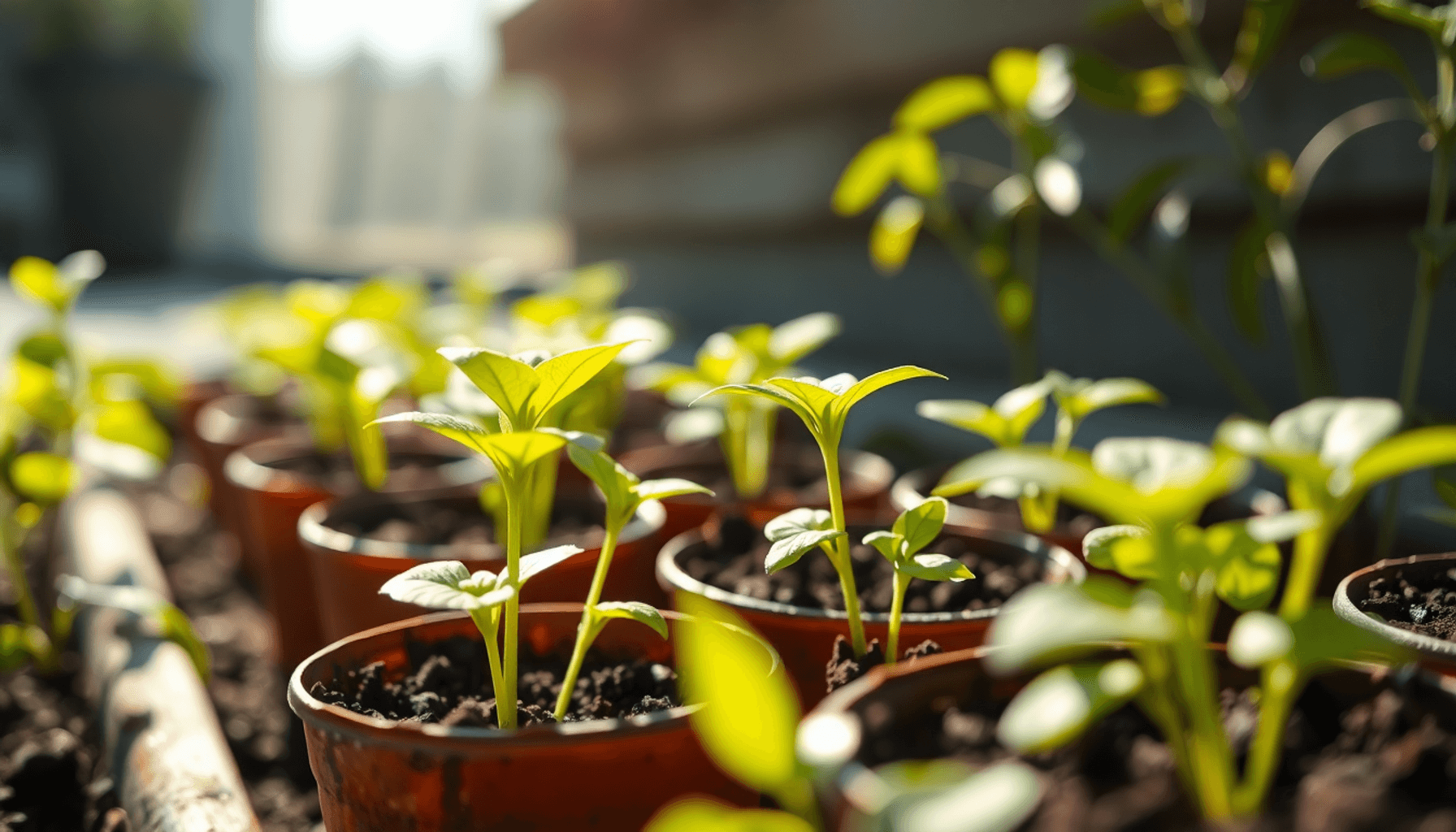

What is Hardening Off? How to Prepare Seedlings for Outdoors is a crucial topic in outdoor gardening that every gardener should understand. Hardening off refers to the process of gradually acclimating young plants or seedlings, which have been nurtured indoors or in controlled environments, to the often harsh and variable conditions outside.
Seedlings raised indoors enjoy stable temperatures, consistent moisture, and filtered light. Moving them abruptly outdoors exposes these delicate plants to direct sunlight, wind, fluctuating temperatures, and other environmental stressors. Without preparation, seedlings can suffer from shock—leading to stunted growth or even death.
This article focuses on:
- Defining what hardening off entails.
- Explaining why seedlings need this transition phase.
- Providing a detailed guide on how to successfully harden off your plants.
- Highlighting the benefits of this essential gardening practice.
By understanding and applying effective hardening off techniques, you prepare your seedlings to thrive once planted outdoors, ensuring stronger growth and healthier plants in your garden.
Understanding Hardening Off
Hardening off is the process of acclimating seedlings to outdoor conditions gradually before planting them permanently in the garden. It involves exposing young plants, initially grown indoors or in controlled environments, to the natural elements they will face outside. This step helps reduce plant shock—the stress seedlings experience when suddenly moved from a stable indoor environment to the unpredictable outdoors.
Why Hardening Off is Important
Indoor growing conditions differ significantly from outdoor environments. Inside, seedlings usually benefit from:
- Consistent temperatures
- Controlled humidity levels
- Limited air movement
- Filtered or artificial light
Outdoors, seedlings encounter a range of challenges such as:
- Direct sunlight intensity and UV exposure
- Fluctuating temperatures between day and night
- Wind that causes physical stress and moisture loss
- Varying humidity and rainfall patterns
These differences create a harsh transition for seedlings not prepared for them.
Consequences of Skipping Hardening Off
Seedlings moved directly outdoors without hardening off often suffer from:
- Wilting or leaf scorch due to sudden sun exposure
- Damage from wind causing broken stems or excessive drying
- Stunted growth caused by temperature shocks
- Increased vulnerability to pests and diseases due to weakened condition
How Hardening Off Works
The hardening off process carefully bridges the gap between indoor comfort and outdoor toughness. By gradually increasing their exposure to sunlight, wind, and cooler temperatures over days or weeks, seedlings strengthen their structure and develop natural defenses. This reduces shock, improves survival rates, and supports healthier growth once planted outdoors permanently.
Why Hardening Off is Essential for Seedlings
Hardening off is crucial for seedling survival as it prepares young plants for the harsher conditions they will encounter outdoors. Seedlings grown indoors or in controlled environments experience stable temperatures, consistent moisture, and filtered light. When suddenly moved outside without preparation, they undergo a sudden change that can cause stress severe enough to stunt growth or even kill the plant.
Gradual Adaptation Prevents Growth Stunting and Damage
Plants require time to adapt to:
- Stronger sunlight: Indoor light is typically indirect and less intense. Sudden exposure to full sun can lead to leaf scorch or bleaching.
- Wind exposure: Gentle breezes indoors become strong gusts outdoors, which can harm fragile stems or cause drying out.
- Temperature fluctuations: Daytime warmth followed by cooler nights outdoors sharply contrasts with consistent indoor warmth, challenging the seedling’s ability to regulate water and nutrient transport.
A gradual transition allows seedlings to acclimate physiologically, reducing transplant shock—a condition where plants cease growing or exhibit wilting and leaf drop due to environmental stress.
How Hardening Off Builds Toughness and Improves Health
The process strengthens seedlings by promoting changes such as:
- Leaf thickening: Leaves develop tougher cell walls that resist damage.
- Wax layer development: A natural coating forms on leaves, reducing water loss and shielding against UV radiation.
- Stronger stems: Exposure to outdoor wind stimulates lignin production, making stems more rigid and less prone to breaking.
These adaptations enhance plant resilience, ensuring seedlings can withstand variable weather, pests, and other outdoor challenges. Hardened-off plants recover faster from transplanting and establish themselves more quickly in garden beds.
Environmental Stressors Impacting Unprepared Seedlings
Seedlings abruptly exposed to outdoor conditions face multiple threats that hardening off helps alleviate:
- Sunlight intensity: Causes rapid dehydration and sunburn on delicate leaves.
- Wind: Increases transpiration rates leading to water stress; physically damages weak stems.
- Temperature swings: Fluctuations between warm days and cool nights disrupt metabolic processes.
- Drying air: Lower humidity outdoors compared to indoors accelerates moisture loss.
Without hardening off, these factors combine to overwhelm seedlings’ limited defense mechanisms. The outcome is often poor growth performance, increased vulnerability to disease, and lower survival rates once planted outside.
The practice of hardening off addresses these risks by systematically exposing seedlings to mild versions of these stresses. This exposure triggers protective responses essential for healthy development in their new environment.
The Science Behind Hardening Off: How It Works
Hardening off triggers several physiological changes in seedlings that prepare them to thrive outdoors. These changes focus on strengthening the plant’s structure and enhancing its natural defenses.
Leaf Structure Changes
Seedlings begin to develop thicker leaves during the hardening off process. Thicker leaves have more cells and denser tissues, which help reduce water loss and improve resistance to environmental stresses.
Leaf veins become more pronounced, improving nutrient and water transport within the leaf.
New growth tends to be sturdier, with stronger stems that can better support the plant against wind and rain.
Wax Layer Development
A crucial protective adaptation is the increase in leaf waxiness. This waxy coating acts as a barrier against excessive moisture loss by limiting evaporation.
This layer also protects against pathogens and helps shield delicate leaf surfaces from harsh sunlight and UV rays.
Waxiness varies among species but generally becomes more prominent with gradual outdoor exposure during hardening off.
Protection Against Outdoor Elements
These structural adaptations work together to protect seedlings from:
- Sunlight: Sudden exposure to full sun can cause leaf scorch or dehydration. Thicker leaves with a wax layer reflect excess light and conserve moisture.
- Wind: Outdoor winds cause physical stress. Stronger stems help seedlings remain upright and reduce damage caused by bending or breaking.
- Temperature Fluctuations: Hardened plants tolerate wider temperature ranges because their tougher tissues reduce cellular damage from cold nights or hot days.
Role of Natural Stresses
Natural elements like wind and sunlight are not just challenges—they act as stimuli that promote toughness:
- Wind exposure causes mechanical stress, triggering production of lignin in cell walls. Lignin strengthens plant tissues, making stems less prone to snapping.
- Sunlight encourages chlorophyll development and increases photosynthesis efficiency while stimulating protective pigments like anthocyanins that guard against UV damage.
- Mild stress conditions during hardening off prompt seedlings to activate defense mechanisms without overwhelming them, conditioning the plants for survival outside controlled indoor environments.
Understanding these biological responses explains why What is Hardening Off? How to Prepare Seedlings for Outdoors is not just about moving plants outside but about encouraging essential adaptations at the cellular level. This knowledge equips you to manage the process effectively, ensuring seedlings develop resilience critical for successful transplantation into your garden.
Step-by-Step Guide to Hardening Off Seedlings
Protecting Seedlings During Early Exposure
Gradual exposure is critical when moving seedlings from the controlled indoor environment to the unpredictable outdoors. At the start, seedlings are particularly vulnerable to harsh sunlight, strong winds, and fluctuating temperatures. You need to create a protective setup that eases this transition.
Use physical barriers such as shade cloths and fleece covers to shield delicate seedlings from intense sun rays. Shade cloths reduce light intensity without blocking it completely, preventing leaf scorch while allowing plants to begin photosynthesis under natural light levels. Fleece covers provide insulation and guard against sudden temperature drops, especially during chilly mornings or evenings.
Wind protection is just as important. Young plants can suffer from desiccation or mechanical damage when exposed to strong gusts. Position seedlings in sheltered spots—behind fences, walls, or within cold frames—that reduce wind speed but still allow air circulation to prevent mold or mildew buildup.
Bringing seedlings indoors at night during the initial days is essential for temperature control. Nighttime temperatures outdoors often dip below what tender seedlings can tolerate. Returning plants inside helps them avoid cold stress and allows their metabolism to stabilize before the next day’s exposure.
Key points for early exposure protection:
- Place seedlings in partially shaded areas during daylight hours.
- Use shade cloths to protect against direct sunlight.
- Cover with fleece if temperatures drop near or below 50°F (10°C).
- Choose locations with windbreaks like garden walls or hedges.
- Bring seedlings indoors or into a heated space each night for at least the first week.
- Monitor weather forecasts carefully to avoid unexpected cold snaps.
Following these protection methods sets the foundation for successful hardening off by minimizing shock and giving seedlings time to build resilience naturally.
Monitoring Seedlings for Stress Signs and Adjusting Exposure
Hardening off requires careful observation of your seedlings as you increase their outdoor exposure. Gradual exposure is key to helping plants adapt without shock. Start by moving seedlings from warm indoor spaces to cooler, protected environments such as cold frames or unheated glasshouses. This initial step reduces the temperature gap and begins the acclimation process.
Place seedlings in sheltered spots outdoors, ideally where they receive partial shade and protection from wind. Use protection methods like shade cloths, fleece covers, or temporary windbreaks to moderate environmental stressors, especially during early exposure when plants are most vulnerable.
Signs of Stress to Watch For:
Wilting: Indicates water loss or excessive heat. Wilting shortly after placing seedlings outside suggests they need shorter exposure periods or additional shading.
Leaf Scorch: Browning or crisp edges on leaves signal too much direct sun or wind damage.
Yellowing or Drooping Leaves: Can result from fluctuating temperatures or overexposure.
Stunted Growth: A sign of ongoing stress that might require slowing down the hardening off process.
Adjust exposure based on these symptoms:
- Reduce Outdoor Time: If seedlings show wilting or leaf scorch, cut back the time spent outside. Return them indoors sooner in the day or provide more shaded shelter.
- Increase Protection: Add extra layers like fleece covers during windy conditions or unexpected cold snaps to maintain temperature control.
- Modify Location: Move plants to a more sheltered area with less direct sunlight or stronger wind protection if stress persists.
- Slow the Transition: Repeat shorter outdoor intervals for additional days before increasing time again.
Monitor weather conditions daily since sudden changes in temperature, sun intensity, or wind can impact how seedlings tolerate outdoor exposure. Keep adjusting your approach according to both plant response and climate factors.
The gradual exposure strategy—starting with short periods outdoors in partial shade and sheltered locations—combined with ongoing monitoring helps ensure seedlings build resilience without suffering damage. Protecting seedlings using shade cloths and fleece covers while controlling temperature and wind effects creates an optimal environment for this delicate transition phase.
By observing stress signs closely and modifying timing or protection methods accordingly, you guide your plants safely through hardening off toward full outdoor life.
Duration and Timing Considerations for Hardening Off
Hardening off seedlings typically requires a two to three weeks process. This timeline allows plants to adjust gradually to outdoor conditions without experiencing shock. The exact duration depends on several factors, including the species' natural resilience and the local climate.
Plant Hardiness Levels Influence Timing
- Hardy species such as kale, cabbage, and broccoli often acclimate faster. They may require only about 7 to 10 days to complete hardening off because they naturally tolerate cooler temperatures and variable weather.
- Tender plants like tomatoes, peppers, and basil need longer exposure periods, sometimes extending beyond three weeks. These plants are sensitive to cold, wind, and intense sunlight, requiring careful monitoring during the transition.
- Half-hardy varieties fall in between, needing approximately two weeks depending on their specific tolerance.
Adjusting the timeline based on plant type prevents premature outdoor exposure that can lead to stunted growth or damage.
Weather Stability Plays a Crucial Role
Choosing days with mild weather is essential when moving seedlings outdoors for extended periods:
- Aim for calm days with temperatures ideally between 50°F (10°C) and 70°F (21°C). Avoid cold snaps or heat waves during the hardening off stage.
- Overcast or partly cloudy conditions reduce the risk of leaf scorch from harsh sunlight.
- Light breezes help strengthen stems but avoid strong winds that can cause physical damage.
Monitoring local weather forecasts helps you plan daily exposure times effectively. If unexpected cold or stormy weather arises, bring seedlings indoors or provide additional protection like fleece covers.
Scheduling Outdoor Exposure
Start by placing seedlings outside for short intervals—about one hour per day in sheltered locations—then increase time outdoors by one or two hours each day. After about a week, leave them outside overnight if temperatures remain stable. By the end of the two to three weeks process, seedlings should be ready for permanent outdoor planting without protection.
The balance of plant hardiness levels and weather stability determines how quickly seedlings become fully acclimated. Taking time to observe and adapt ensures strong, healthy plants ready to thrive in your garden environment.
After Hardening Off: Transplanting Seedlings Outdoors Safely
Planting seedlings after hardening off requires careful attention to reduce transplant shock and support healthy establishment. Hardened-off plants are stronger but still vulnerable to stress during this critical phase. Following best practices can help seedlings thrive once moved to garden beds or containers.
Best Practices for Planting Hardened-Off Seedlings
- Choose the right spot: Select a location with suitable light, soil quality, and drainage according to the seedling’s needs. Avoid overly exposed areas that may subject young plants to harsh conditions immediately.
- Prepare the soil: Loosen soil well and enrich it with compost or organic matter to provide nutrients and improve moisture retention.
- Handle seedlings gently: Minimize root disturbance by carefully removing plants from trays or pots. If roots are tightly bound, tease them out gently before planting.
- Plant at the correct depth: Set seedlings so that their root collars are level with the soil surface. Planting too deep or shallow can cause stress or rot issues.
Timing Considerations for Transplanting
Choosing optimal times reduces stress on seedlings during transplant:
- Late afternoon or early evening planting helps avoid intense midday sun, giving plants time to recover overnight in cooler temperatures.
- Cloudy days provide natural shade that lessens moisture loss and heat stress on delicate leaves.
- Avoid windy or extremely hot days, which increase transpiration rates and risk dehydration.
Continued Care Post-Transplant
Water management and protection strategies support seedlings as they adjust outdoors:
- Watering before transplanting saturates the root zone, preventing air pockets around roots and aiding nutrient uptake immediately after planting.
- Keep soil consistently moist (not soggy) during the first two weeks; this encourages root growth without drowning the roots.
- Apply mulch around plants to retain soil moisture and suppress weeds.
- Monitor for signs of transplant shock such as wilting, yellowing leaves, or slowed growth — adjust watering or provide shade if needed.
- For frost-sensitive plants, continue frost protection measures like floating row covers until danger has passed.
Careful transplanting combined with ongoing attentive care ensures hardened-off seedlings develop into vigorous outdoor plants ready to flourish through the growing season.
Common Mistakes to Avoid During Hardening Off
Hardening off seedlings requires careful attention and following a gradual process. Many gardeners make common mistakes that can undermine the success of this important transition phase.
Overexposure Risks
- Moving seedlings outdoors for extended periods too soon causes sunburned leaves, wilting, or drying out.
- Direct exposure to strong wind or intense midday sun can physically damage delicate stems and foliage.
- Excessive time outside before seedlings develop resilience leads to shock, stunted growth, or even death.
Skipping Gradual Steps
- Jumping from stable indoor conditions straight into the full outdoor environment ignores the fundamental purpose of hardening off.
- Skipping shorter initial outdoor sessions removes the opportunity for plants to adjust leaf structure and protective wax layers.
- Insufficient protection during early exposure—such as failing to use shade cloths or windbreaks—amplifies stress without building toughness.
Ignoring Stress Signals
- Wilting, leaf curling, yellowing, or burnt edges signal distress; neglecting these signs worsens damage.
- Continuing increased exposure despite visible stress deprives seedlings of recovery time.
- Lack of observation prevents timely adjustments like reducing outdoor hours or adding shade.
Neglecting Protective Measures and Nighttime Sheltering
- Leaving plants outside overnight during early stages exposes them to cold temperatures that tender seedlings cannot tolerate.
- Failing to shield young plants from harsh weather fluctuations undermines their ability to adapt gradually.
- Protective covers such as fleece or moving pots indoors at night are essential tools often overlooked.
Importance of Patience and Observation
The hardening off process is not a race but a slow acclimation requiring close monitoring. Patience allows you to respond appropriately:
- Adjust timing based on seedling reactions rather than fixed schedules.
- Prioritize health indicators over calendar days when deciding outdoor duration.
- Understand that setbacks may occur but can be managed with attentive care.
Avoiding these pitfalls ensures your seedlings develop the strength and resilience needed for thriving once planted outdoors. Hardening off is a crucial step in gardening success and requires respect for plant needs and limits.
Conclusion
Mastering What is Hardening Off? How to Prepare Seedlings for Outdoors is a key step toward achieving gardening success. Following the step-by-step method ensures a healthy seedling transition from indoor comfort to outdoor challenges.
Key takeaways to keep in mind:
- Gradual exposure builds resilience, protecting seedlings from shock. This is where understanding how to ease plants into the outdoors becomes crucial.
- Consistent monitoring and adjustment prevent stress-related damage.
- Patience during this phase pays off with sturdier, more vigorous plants.
- Protective measures like shade and nighttime sheltering are not optional—they are essential.
- Timing your transitions with mild weather conditions enhances survival rates.
Your garden benefits when seedlings arrive strong and ready to thrive. Proper preparation through hardening off transforms delicate young plants into robust contributors to your outdoor landscape. Embrace this practice as a fundamental gardening success tip that supports healthy growth and long-term vitality in your garden.
FAQs (Frequently Asked Questions)
What is hardening off and why is it important for seedlings?
Hardening off is the gradual process of acclimating seedlings to outdoor conditions before transplanting them into the garden. This preparation is essential to prevent plant shock, improve seedling survival, and enhance overall plant resilience against environmental stressors like sun, wind, and temperature fluctuations.
How do indoor growing conditions differ from outdoor environments for seedlings?
Indoor growing conditions typically offer stable temperatures, controlled humidity, and protection from wind and direct sunlight. In contrast, outdoor environments expose seedlings to variable temperatures, stronger sunlight, wind, and potential pests. Without proper hardening off, seedlings can suffer stress or damage when moved directly outdoors.
What physiological changes occur in seedlings during the hardening off process?
During hardening off, seedlings undergo physiological changes such as leaf thickening and an increase in waxiness on leaf surfaces. These adaptations help protect the plants against outdoor elements by reducing water loss and increasing sturdiness, thereby strengthening their ability to withstand natural stresses like wind and sunlight.
What are the key steps involved in hardening off seedlings effectively?
Effective hardening off involves gradually exposing seedlings to outdoor conditions over two to three weeks. Start by placing them in sheltered spots with partial shade for short periods, then progressively increase exposure time while monitoring weather and plant response. Use protective measures like shade cloths or fleece covers and bring plants indoors at night initially to avoid cold damage.
How can I recognize signs of stress in seedlings during hardening off and adjust accordingly?
Common stress signs include wilting, leaf scorch, or discoloration. If these symptoms appear, reduce exposure time or provide additional protection such as shade or wind barriers. Monitoring seedling health closely allows timely adjustments to prevent damage and ensure a successful transition outdoors.
What mistakes should be avoided during the hardening off process?
Avoid overexposing seedlings too quickly or for extended periods without gradual steps. Skipping nighttime sheltering or ignoring stress signals can lead to transplant shock or plant damage. Patience and careful observation throughout the process are crucial for cultivating healthy, resilient plants ready for outdoor gardening.