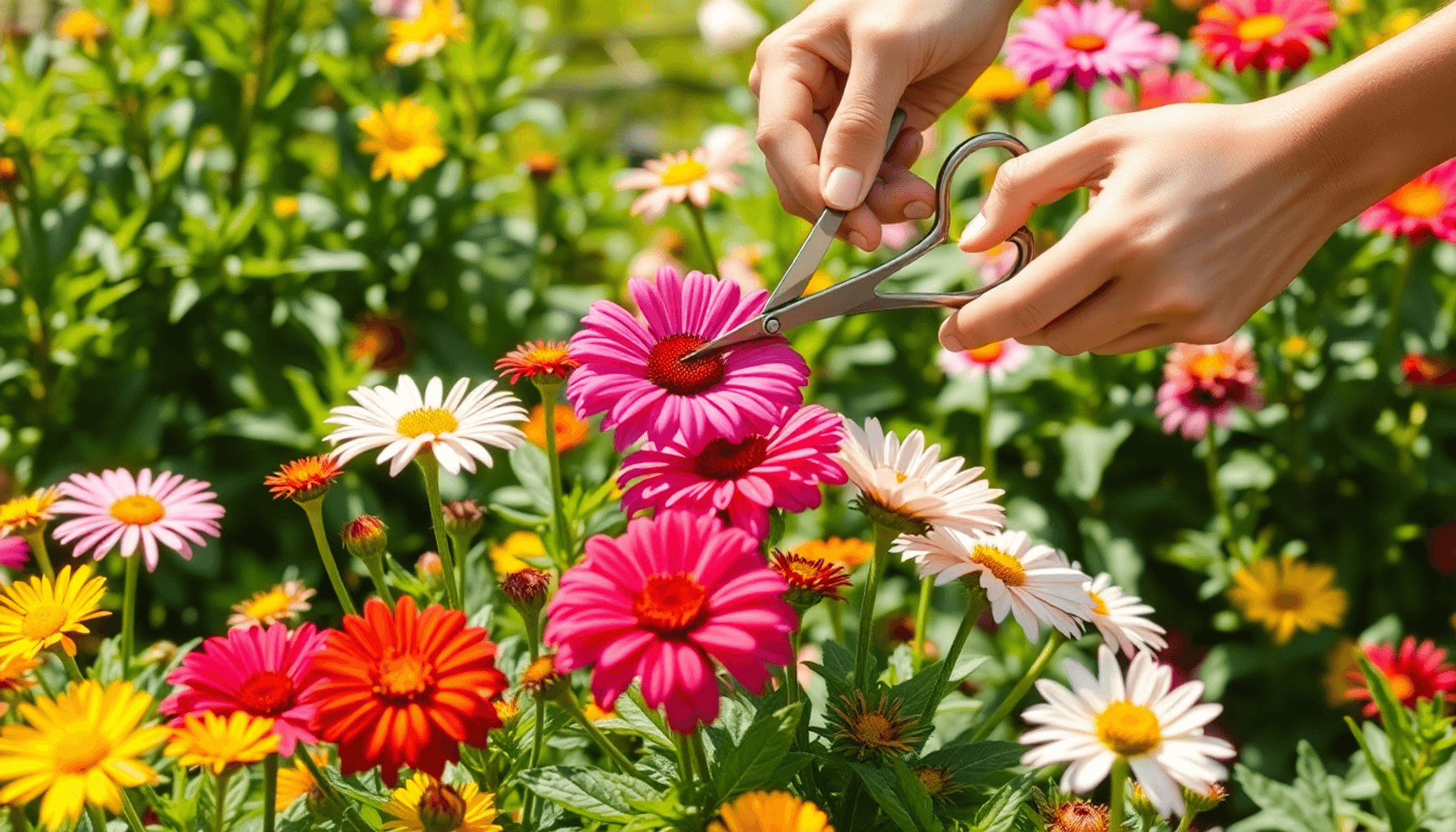

Deadheading is an essential gardening practice focused on flower care. It involves removing spent or faded blooms from plants to promote healthier growth and enhance their appearance.
This technique serves several important purposes in plant care:
- Redirects the plant’s energy from seed production to creating new flowers.
- Prevents unwanted self-seeding that can lead to invasive growth.
- Reduces the risk of disease by eliminating decaying floral matter.
- Keeps garden beds, borders, and containers looking tidy and attractive.
By understanding What is Deadheading? Why and How to Do It, you can improve the vitality of your plants while maintaining a neat garden environment. Deadheading offers clear benefits for both gardeners and the plants they nurture.
What is Deadheading?
Deadheading is a simple yet effective gardening practice that involves removing spent flowers or faded blooms from plants. This process specifically targets flower heads that have finished blooming, with the aim of removing old blossoms before they can wither and decline.
The main action in deadheading involves carefully detaching or cutting off these spent flowers to prevent the plant from using energy to produce seeds. By doing this, you encourage the plant to direct its resources towards producing new buds and extending the flowering period.
Methods of Removing Faded Blooms
There are different methods for removing faded blooms, which are chosen based on the type and delicacy of the plant's stem:
- Pinching: Many garden plants benefit from having their soft-stemmed flowers gently pinched off using fingers. This method requires no tools and allows for precise control over where the flower is removed.
- Snapping: In certain situations, a quick snap of the flower head at its base effectively removes the spent bloom without causing harm to nearby leaves.
- Cutting: For plants with tougher stems or woody varieties, using secateurs, scissors, or a sharp knife ensures a clean cut just above a leaf node or bud. This technique promotes healthy regrowth by minimizing damage to plant tissues.
The Purpose of Deadheading
Deadheading focuses solely on removing older blossoms rather than extensively trimming foliage or stems. The objective is to keep plants strong and encourage abundant flowering by consistently clearing away faded blooms before they deteriorate.
This targeted maintenance not only improves the visual appeal of your garden but also supports healthier plant growth through strategic pruning of spent flowers.
Why Deadhead? The Benefits Explained
Deadheading offers several key benefits that enhance both the health and appearance of your plants and garden space. Understanding these advantages helps you appreciate why this simple practice is so valuable in gardening.
1. Encourage More Blooms
When flowers fade, the plant naturally begins to divert energy toward seed production. Removing these spent blooms interrupts that process. Instead of focusing on developing seeds, the plant channels its resources into producing new flowers. This shift results in:
- Extended flowering periods
- Increased number of blossoms
- A more vibrant and colorful garden
For example, annuals like marigolds or zinnias respond very well to deadheading by continuously blooming throughout the growing season.
2. Prevent Seed Production
Certain plants are prolific self-seeders, which can lead to overcrowding or invasive growth if left unchecked. Deadheading prevents unwanted seed formation and helps manage plant spread by:
- Reducing volunteer seedlings
- Controlling invasive tendencies in species like foxgloves or poppies
- Maintaining intended garden design without extra plants taking over
This is particularly important in smaller gardens or formal beds where space and order matter.
3. Maintain Plant Health
Decaying flowers can become breeding grounds for fungal infections, mold, and bacterial diseases. Removing spent blooms reduces this risk by:
- Eliminating decomposing organic material
- Improving air circulation around the plant
- Minimizing pest attraction linked to rotting flower parts
Healthy plants are more resilient to stress and produce better blooms over time.
4. Keep Garden Beds Neat and Attractive
A tidy garden looks more appealing when old flowers don’t linger past their prime. Deadheading helps maintain a clean appearance by preventing:
- Petal drop creating messy debris
- Scruffy or wilted blooms spoiling visual appeal
- Unwanted clutter in containers, borders, and flower beds
Gardeners often find that regular deadheading keeps their spaces looking well-groomed with minimal effort.
The benefits of deadheading make it an essential technique for gardeners who aim to boost flowering performance, control growth habits, protect plant health, and maintain an attractive environment in their outdoor spaces.
When to Deadhead: Timing and Frequency
Maintaining a consistent deadheading schedule is key to effective growing season care. Regular removal of spent flowers encourages continuous blooming and keeps plants healthy throughout their active growth period. The timing and frequency of deadheading depend largely on the plant species and how intensely it flowers.
Importance of Regular Deadheading
Deadheading should begin as soon as flowers start to fade or wilt. Waiting too long allows plants to divert energy into seed production rather than developing new blooms. Keeping up with deadheading promotes a cycle of fresh flower development, extending the visual appeal of your garden.
How Often to Deadhead
The frequency at which you should deadhead your plants depends on their flowering intensity. Here’s a breakdown:
- High bloom intensity plants: Plants like geraniums, begonias, and petunias often bloom heavily and continuously. These benefit from deadheading every few days or even daily during peak bloom maintenance periods.
- Moderate flowering plants: Perennials such as coneflowers, daylilies, and lavenders generally require deadheading once or twice a week during their flowering phase.
- Low maintenance bloomers: Some shrubs or annuals flower less frequently and may only need seasonal deadheading to tidy up after the main flowering cycle.
Examples of Deadheading Frequency
Here are some specific examples of how often you might need to deadhead different types of plants:
- Daily deadheading is common for fast-blooming annuals in containers or borders where continuous flower production is desired.
- Weekly or biweekly deadheading works well for many perennials in garden beds that produce flowers steadily but not explosively.
- Seasonal deadheading suits plants that bloom once or twice per year, where spent flower removal happens after the peak blooming stage has ended.
Adjusting your care routine based on flowering intensity helps optimize plant performance while reducing unnecessary effort. Observing your plants closely will guide you toward the right frequency that fits your garden’s rhythm.
This approach ensures you get the most out of your plants, fostering a lush, vibrant display across the entire growing season.
How to Deadhead: Techniques and Tools
Deadheading methods vary depending on the plant type, stem strength, and flower arrangement. Choosing the right technique helps maintain plant health and encourages more blooms.
Pinching Flowers for Soft-Stemmed Plants
- Use your fingers to gently pinch or snap off spent flowers.
- Ideal for plants with tender stems like marigolds, impatiens, and daisies.
- Locate the base of the faded flower where it meets the stem and use your thumb and forefinger to remove it cleanly.
- This method is quick, requires no tools, and minimizes damage to new growth.
Cutting Flowers with Secateurs or Scissors
- Tougher-stemmed plants such as roses, peonies, or chrysanthemums benefit from precise cutting.
- Use sharp secateurs, garden scissors, or a clean knife for controlled cuts.
- Cut just above a healthy leaf node or side bud to promote branching and further flowering.
- Avoid leaving long stem stubs that can invite disease or waste plant energy.
Handling Clustered Flowers Like Delphiniums or Lupins
- These plants produce multiple blooms along a single flower spike.
- Remove individual spent blossoms carefully without cutting the entire stalk at once.
- This selective deadheading extends the flowering period by encouraging new buds lower on the spike.
- Once all flowers on a spike have faded, prune the whole flower head back to the base to stimulate fresh growth.
Tool Care and Safety
- Keep secateurs and scissors sharp and clean to make smooth cuts that heal quickly.
- Sanitize tools between plants if disease is suspected to prevent spreading pathogens.
- Wear gloves when handling thorny plants to protect your hands during deadheading.
Using these deadheading methods ensures you remove spent blooms efficiently while supporting healthy plant development. The right approach varies by species but mastering these techniques helps you maintain vibrant, floriferous gardens season after season.
Which Plants Require Deadheading and Which Don’t?
Knowing which plants need deadheading saves you time and effort while maximizing your garden’s health and appearance. Some plants respond well to regular deadheading, while others naturally manage spent blooms or benefit from seed retention.
Plants That Benefit From Deadheading
Deadheading works best on plants that continue to bloom when old flowers are removed. Common examples include:
- Roses (especially hybrid teas and floribundas): Removing faded blooms encourages new flower production.
- Marigolds: Regular deadheading extends the flowering period significantly.
- Geraniums: Pinching off spent flowers boosts continuous blooming.
- Lavender: Cutting back spent flower stalks promotes fresher growth.
- Dahlias: Deadheading prevents seed formation and helps sustain vibrant blooms.
- Zinnias: Clipping off old flowers keeps the plant producing new blossoms.
These plants that need deadheading often waste energy producing seeds if old flowers remain, reducing overall bloom quantity.
Self-Cleaning Plants
Some species naturally shed their spent blooms without any intervention, categorized as self-cleaning plants. These drop petals or entire faded flowers cleanly, keeping the plant neat without extra work on your part. Examples include:
- Fuchsias: Their flowers wilt and drop quickly after blooming.
- Petunias: Spent flowers fall off naturally, so deadheading is rarely necessary.
- Impatiens: These tend to shed old blooms without manual removal.
- Nicotiana (flowering tobacco): Dead flowers fall away, preventing seed buildup.
With self-cleaners, deadheading offers little benefit unless you want to maintain an ultra-tidy look or encourage more compact growth.
Plants Where Seed Retention Benefits Wildlife
Certain plants produce ornamental seeds or berries that provide food for birds and pollinators during colder months. For these species, leaving spent flowers intact can support local ecosystems:
- Sunflowers: Seed heads feed birds; cutting them off removes this natural resource.
- Coneflowers (Echinacea): Seeds attract finches and other wild birds.
- Certain rose varieties: Rose hips are valuable for wildlife nutrition and human uses alike.
- Sedum ‘Autumn Joy’: Seed heads offer late-season interest and food for insects.
Avoid deadheading these plants if you want to encourage wildlife visits or preserve natural garden cycles.
Practical Limitations With Large Shrubs and Trees
Deadheading becomes impractical or unnecessary on large shrubs and trees because:
- Flower removal is labor-intensive at scale.
- Many woody plants do not rebloom in response to deadheading.
- Natural shedding of spent blooms occurs over time.
Examples where deadheading is rarely done include hydrangeas, lilacs, magnolias, and many fruit trees. Focus your efforts instead on pruning for structure or health rather than flower removal.
Understanding which plants require deadheading versus those that manage themselves or benefit from seed retention allows you to prioritize care effectively. This knowledge helps maintain a garden that looks vibrant without unnecessary maintenance, supporting both plant performance and local wildlife.
Tips for Effective Deadheading to Maximize Results
Deadheading is a straightforward technique, but following best practices for deadheading ensures you get the most benefit from your effort. Careful attention to how and when you remove spent flowers can significantly affect plant health and bloom longevity.
Approach Deadheading with Care
- Use clean, sharp tools such as secateurs or scissors to prevent crushing stems and reduce the risk of disease transmission.
- Pinch or snap gently when working with soft-stemmed plants to avoid damaging surrounding growth.
- Cut just above a leaf node or bud, which encourages new growth from that point rather than leaving bare stems.
- Avoid tearing or pulling on the plant, which can cause unnecessary stress or injury.
Tip: Sterilize your cutting tools between plants, especially if you notice any signs of disease, to maintain garden hygiene.
Timing Is Key to Prolong Blooming Period
- Deadhead as soon as flowers begin to fade; waiting too long allows seed development, which signals the plant to slow or stop flowering.
- During peak bloom times, frequent checks—sometimes daily—help maximize flower production.
- For plants with longer blooming cycles, weekly deadheading may suffice.
- Early morning or late afternoon is ideal for deadheading because cooler temperatures reduce stress on the plants.
Consistent Grooming Supports Overall Plant Health
- Regular removal of spent flowers helps prevent fungal infections that thrive on decaying plant material.
- Grooming also improves air circulation around the foliage by reducing dense flower clusters.
- Keep an eye out for yellowing leaves or other signs of strain while deadheading; adjusting watering and feeding accordingly can support recovery.
- Combine deadheading with other garden maintenance tips like weeding and mulching to create optimal growing conditions.
Embracing these techniques will make deadheading less of a chore and more a rewarding part of your garden routine. This consistent care not only extends the visual appeal of your plants but supports their vigor throughout the growing season.
Conclusion
Deadheading is a simple yet effective gardening improvement technique that you can easily add to your routine. This practice supports healthier plants and creates a more vibrant, attractive garden environment.
Key takeaways from the summary of deadheading benefits:
- Encourages continuous blooming by redirecting plant energy from seed production back to flower growth.
- Prevents unwanted self-seeding, helping you maintain control over invasive species in your garden.
- Reduces disease risk by removing decaying flowers that can harbor pathogens.
- Keeps garden beds tidy and visually appealing by eliminating spent blooms and floral debris.
Understanding What is Deadheading? Why and How to Do It equips you to maximize the health and beauty of your plants with minimal effort. By regularly deadheading, you nurture your garden’s potential for extended blossoming and overall vitality.
Make deadheading a regular part of your gardening tasks. Your plants will reward you with prolonged blooms, better form, and a flourishing landscape that stands out throughout the growing season.
FAQs (Frequently Asked Questions)
What is deadheading in gardening and why is it important?
Deadheading is a gardening technique that involves removing spent or faded flowers from plants. This practice encourages more blooms, prevents unwanted seed production, maintains plant health by reducing disease risk, and keeps garden beds neat and attractive.
How do I properly deadhead my plants?
Deadheading can be done by pinching or snapping off spent flowers with your fingers for soft-stemmed plants, or using secateurs, scissors, or knives to cut tougher stems just above leaves or buds. For clustered flowers like delphiniums or lupins, remove individual blooms before pruning entire flower heads.
When is the best time to deadhead flowers during the growing season?
Regular deadheading throughout the growing season is important. The frequency depends on flowering intensity—some plants may need daily attention during peak bloom periods, while others require seasonal deadheading to maintain continuous flowering and plant health.
Which plants require deadheading and which do not?
Many ornamental plants benefit from deadheading to prolong blooming, but some self-cleaning plants like fuchsias and petunias naturally drop spent blooms and do not require it. Additionally, certain plants such as sunflowers and some roses retain seeds beneficial for wildlife and should not be deadheaded. Large shrubs and trees often make deadheading impractical.
What are the benefits of deadheading for my garden?
Deadheading redirects plant energy from seed production to new flower growth, encouraging more blooms. It also prevents invasive self-seeding, reduces disease risk by removing decaying flowers, and keeps your garden tidy and visually appealing.
Do you have tips for effective deadheading to maximize blooming results?
To maximize results, approach deadheading carefully to avoid damaging the plant. Time your pruning to encourage longer blooming periods and maintain consistent grooming throughout the season. This helps sustain overall plant health and enhances garden beauty.