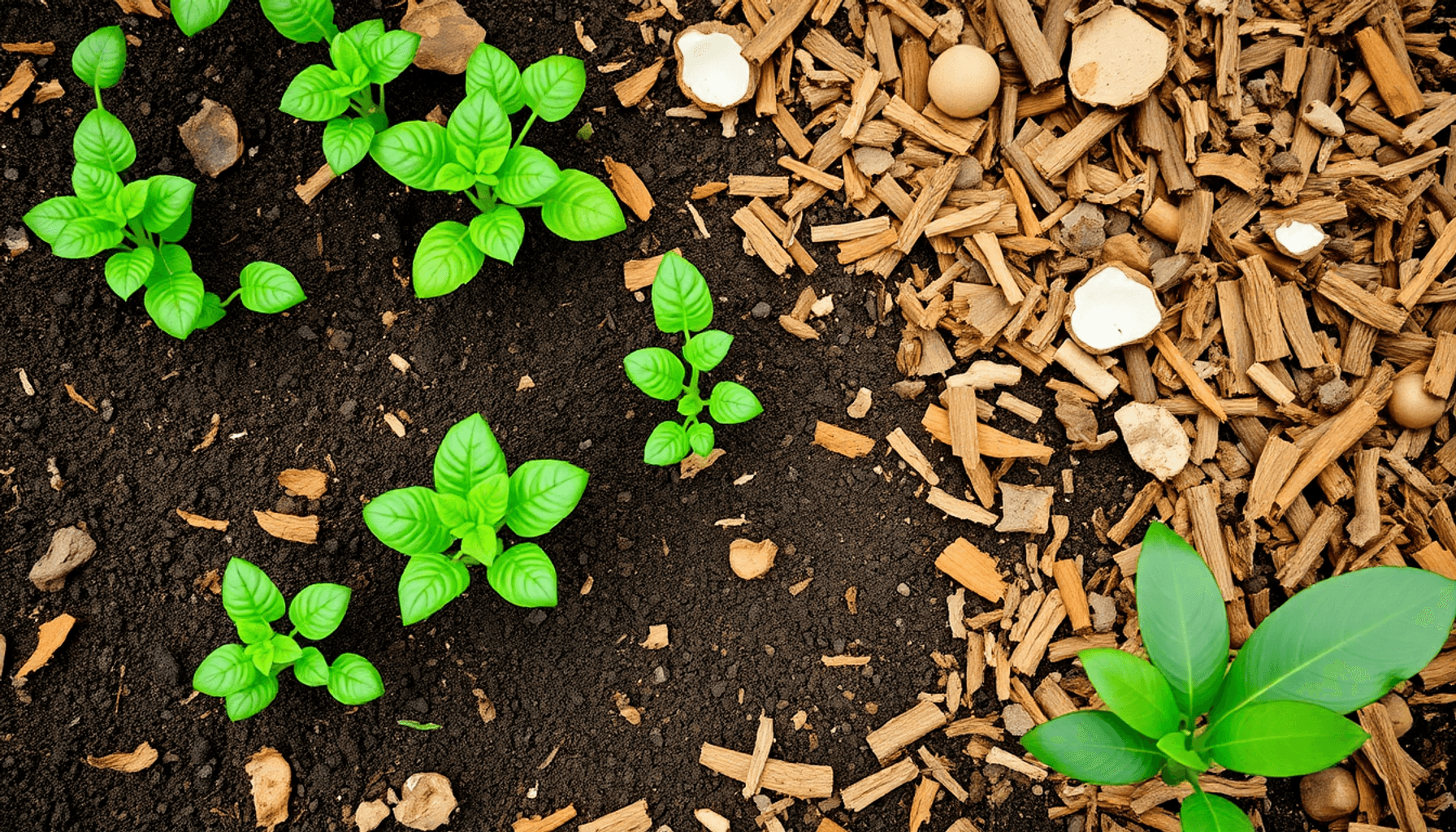

Peat has long been a staple in gardening and horticulture. It is the partially decomposed remains of ancient plants that accumulate in waterlogged conditions over thousands of years. Gardeners have traditionally relied on peat because of its excellent moisture retention, ability to aerate soil, and pest-free nature. These qualities make peat an effective growing medium for a wide range of plants.
The environmental cost of harvesting peat is significant. Peat extraction disrupts delicate ecosystems and releases stored carbon dioxide, contributing to climate change. This has led to increased interest in peat-free compost as a sustainable alternative.
Peat-free compost offers comparable benefits to peat-based products without the associated environmental damage. Made from renewable organic materials such as wood fibers, bark, and coconut coir, peat-free growing mediums support healthy plant growth while protecting natural habitats.
You can achieve sustainable gardening goals by choosing peat-free compost. It reduces reliance on non-renewable peat resources and minimizes your ecological footprint without compromising the quality of your garden soil or plant health.
This guide will explore what peat-free compost is, why it matters, and how it compares to traditional peat-based options.
Understanding Peat and Its Environmental Impact
Peat is a natural material formed over thousands of years from the partially decomposed remains of ancient plants. These remains accumulate in waterlogged conditions where low oxygen levels slow down decomposition. The result is a dark, spongy substance rich in organic matter. This unique composition makes peat highly valued in horticulture for its excellent moisture retention and soil structure improvement.
Peat as a Non-Renewable Resource
Peat forms at an extremely slow rate — roughly 1 millimeter per year. Extraction removes peat far faster than it can regenerate. Once harvested and exposed to air, peat releases stored carbon dioxide (CO₂), contributing significantly to greenhouse gas emissions. This makes peat a non-renewable resource on human timescales, unlike composts derived from annual plant waste or other renewable materials.
Ecological Importance of Peatlands
Peatlands cover only about 3% of Europe’s land area but store around one-third of its soil carbon. This remarkable capacity positions peatlands as vital carbon sinks that help regulate the global climate. Besides carbon storage, these ecosystems:
- Support unique biodiversity, including rare plants and animals adapted to wet, acidic conditions.
- Regulate water flow by absorbing rainfall and releasing it slowly, reducing flood risks downstream.
- Maintain soil health and prevent erosion in surrounding areas.
Impact of Peat Extraction on the Environment
The process of peat extraction involves draining peatlands to allow harvesting. This drainage:
- Exposes the stored carbon to oxygen.
- Accelerates decomposition and CO₂ release into the atmosphere.
- Destroys fragile habitats vital for many species.
- Alters local hydrology, affecting water quality and availability.
The environmental cost connected to peat extraction has sparked increased scrutiny regarding its use in horticulture and gardening. Awareness of these impacts drives the search for sustainable alternatives that preserve peatland ecosystems while supporting plant growth effectively.
The Global Shift Towards Peat-Free Compost
The peat-free movement has gained significant momentum as environmental awareness grows worldwide. Gardeners, landscapers, and horticultural businesses increasingly recognize the ecological damage caused by peat extraction and look for sustainable gardening initiatives that reduce reliance on this finite resource.
Key Drivers Behind the Shift
1. Rising Environmental Awareness
Consumers and professionals alike understand the carbon footprint tied to peat harvesting. This knowledge fuels demand for compost alternatives that support healthy plant growth without contributing to habitat destruction or greenhouse gas emissions.
2. Government Regulations and Bans
Several countries have introduced legislation restricting or banning peat-based compost products, particularly targeting the amateur gardening market. The UK’s ban on peat use in amateur gardening is a landmark example. It prohibits the sale of peat-based compost to hobby gardeners, encouraging suppliers and consumers to switch to peat-free options.
3. Influential Organizations Leading Change
The Royal Horticultural Society (RHS) plays a vital role in promoting sustainable practices within the gardening community. RHS has committed to becoming 100% peat-free by 2025, setting an ambitious target that influences both commercial growers and home gardeners. Their campaigns raise awareness about the importance of protecting peatlands and highlight viable alternatives.
Impact of These Changes
- Retailers stock more peat-free compost brands, giving you greater choice.
- Manufacturers innovate to improve quality and versatility of peat-free mixes.
- Public gardens and institutions adopt sustainable growing media, demonstrating practical success with peat-free compost.
This shift reflects a broader commitment across Europe and beyond to protect vital ecosystems while maintaining productive horticulture. Understanding these dynamics helps you make informed decisions aligned with environmental stewardship when selecting your growing media.
Ingredients and Benefits of Peat-Free Compost
Peat-free compost contains a variety of organic compost ingredients carefully selected to replicate the qualities gardeners expect from traditional peat-based products. Key components include:
- Wood waste and bark: These are common wood fiber compost components that provide structure and aeration. Wood fibers break down slowly, improving soil texture and drainage while supporting root development.
- Coconut coir (fibers and pith): Derived from coconut husks, coconut coir compost is an increasingly popular alternative due to its excellent moisture retention and air-holding capacity, similar to peat. Coir is renewable, sustainable, and supports healthy root systems.
- Green/garden waste composts: Composted leaves, grass clippings, and other garden residues add nutrients and beneficial microbes. These materials enhance fertility and improve soil biology.
These ingredients combine to form a balanced growing medium that supports plant growth without relying on peat.
Environmental Advantages of Peat-Free Compost
The environmental advantages of using peat-free compost go beyond simply replacing peat. By opting for alternatives made from renewable resources such as wood fibers and coconut coir:
- You contribute to reducing the demand for destructive peat extraction, which harms delicate peatland ecosystems.
- Natural habitats that store large amounts of carbon remain undisturbed, aiding in climate change mitigation efforts.
- Soil biodiversity is preserved since peatlands serve as unique ecological niches for various species.
Understanding the contents of your compost enables you to make informed choices that align with sustainability objectives. By selecting high-quality peat-free products, you can ensure the prosperity of your garden while safeguarding essential natural environments.
Comparing Peat-Free Compost to Peat-Based Compost
Understanding the differences between peat and peat-free compost is crucial for gardeners adapting to sustainable growing media. One of the most notable contrasts lies in their moisture retention qualities.
Moisture Retention Differences
Peat-Based Compost
Peat naturally holds moisture exceptionally well. Its fine, fibrous structure acts like a sponge, retaining water while maintaining aeration around plant roots. This quality makes peat-based compost forgiving if watering schedules are irregular, as it releases moisture slowly over time.
Peat-Free Compost
Composed of materials such as wood fibers, bark, coconut coir, and green waste compost, peat-free mixes tend to be more free-draining. The larger particle size and varied texture allow water to pass through quickly. This can reduce the risk of waterlogging but also means plants may dry out faster if not monitored carefully.
Implications for Watering Practices
Due to these differences:
- When using peat-free compost, you will likely need to adjust your watering routine. Plants grown in peat-free mixes often require more frequent watering compared to those in peat-based compost.
- Monitoring soil moisture becomes more important. You can use tools like moisture meters or simply check soil dampness by touch or weight to avoid underwatering.
- The improved drainage offered by peat-free compost benefits plants that dislike soggy roots or are prone to root rot. However, species accustomed to consistently moist conditions might need closer attention.
Additional Considerations
- Some manufacturers enhance peat-free composts with water-retaining additives or finer materials to mimic the moisture-holding capacity of peat. These blends can offer a balance between drainage and retention.
- Nutrient availability can vary due to differences in organic matter composition. Peat’s acidic nature contrasts with the more neutral pH of many peat-free ingredients, affecting nutrient uptake and suitability for certain plants.
Recognizing these characteristics helps you tailor your gardening approach effectively when switching from traditional peat-based compost to sustainable peat-free alternatives.
Challenges, Considerations, and Choosing the Right Peat-Free Compost
Peat-free compost has made significant progress but still has some challenges that gardeners should know about before making the switch.
Early Quality Inconsistencies
Varied raw materials: Initial peat-free compost products often had inconsistent quality. This was mainly because of the wide range of organic waste inputs used—such as garden clippings, wood chips, and agricultural residues—that differ in nutrient content and texture.
Batch variation: Different manufacturing processes and source materials led to fluctuations in pH levels, nutrient availability, and moisture retention between batches.
Learning curve for producers: Over time, manufacturers have improved their recipes by carefully selecting stable base components like wood fiber and coconut coir to reduce these inconsistencies.
These early challenges meant some gardeners found certain peat-free composts less reliable for seed starting or sensitive plants that require a consistent growing medium.
Importance of Selecting High-Quality Peat-Free Compost
Choosing the right peat-free compost tailored to your plants' needs makes a significant difference in gardening success.
Check ingredients: Look for products that specify their primary components. Wood fiber-based mixes provide good structure and aeration, while coir-based ones offer excellent moisture retention.
Nutrient profile: Some peat-free composts include added nutrients such as nitrogen, phosphorus, and potassium. Select formulations based on whether you plan to use the compost as a potting mix or soil conditioner.
Targeted blends: Many brands now offer peat-free mixes designed for specific purposes — seed sowing, potting on houseplants, or outdoor raised beds.
Reputable suppliers: Established manufacturers tend to maintain stricter quality standards and consistency than generic or low-cost alternatives.
Watering Adjustments for Free-Draining Soil
Peat-free compost usually drains faster than traditional peat-based mixes. Adapting your watering routine is necessary to keep plants healthy:
Increase watering frequency: Plants may require more frequent but lighter watering sessions since water moves through the soil quickly.
Monitor moisture levels: Use a finger test or moisture meter to avoid both underwatering and waterlogging.
Mulch usage: Applying mulch on top of pots or beds can help retain surface moisture longer. For more detailed insights on mulch usage, check out this resource.
Plant selection consideration: Some drought-tolerant species adapt better to well-drained peat-free soils than moisture-loving plants accustomed to peat’s water-holding capacity.
Understanding these challenges helps you make informed decisions about which peat-free compost suits your gardening style and plant requirements best.
The Future Outlook for Peat-Free Compost in Horticulture
The future of sustainable horticulture is closely tied to the increasing adoption of peat-free compost. Several forces are shaping this trend, making peat-free options not just an alternative but a standard in gardening and agriculture.
Policy Changes Driving Adoption
- Numerous governments worldwide are implementing regulations that limit or ban peat extraction due to its environmental impact, as detailed in this study by the European Parliament.
- These policies encourage nurseries, garden centers, and consumers to switch to peat-free products.
- The UK’s move toward banning peat-based compost sales for amateur gardeners serves as a strong example influencing other regions.
Consumer Demand for Environmentally Friendly Practices
- Gardeners today are more informed about the ecological consequences of peat harvesting.
- A growing number of consumers prefer products that align with their values of sustainability and conservation.
- This shift in consumer behavior is prompting manufacturers to invest more in producing high-quality peat-free composts.
Innovations in Compost Technology
- Advances in processing techniques allow better control over the texture, nutrient content, and moisture retention of peat-free composts.
- New blends incorporate sustainable raw materials such as recycled wood fibers, coconut coir, and green waste with improved consistency.
- Research continues into additives and biochar integration that can enhance soil health while reducing dependency on traditional peat.
Market Expansion and Accessibility
- Peat-free compost is becoming increasingly available across retail outlets, making it accessible to both amateur gardeners and professional growers.
- Competitive pricing driven by larger-scale production reduces cost barriers previously associated with peat alternatives.
The trajectory points towards widespread acceptance supported by environmental necessity, technological progress, and shifting market dynamics. This momentum signals a significant transformation in how horticulture approaches soil management and sustainability in the years ahead.
Conclusion
Choosing peat-free compost means making a positive impact on the environment without sacrificing plant health. This sustainable growing medium:
- Reduces carbon emissions by avoiding peat extraction from fragile ecosystems
- Protects vital peatlands that store significant amounts of soil carbon
- Supports biodiversity by preserving natural habitats
- Offers effective alternatives with materials like wood fiber, coconut coir, and garden waste
Gardeners hold the power to drive change through their choices. By selecting high-quality peat-free compost tailored to your plants’ needs, you contribute to a healthier planet and promote responsible gardening practices.
This summary on peat-free compost benefits should inspire confidence in making the switch. Understanding What is Peat-Free Compost? A Complete Guide equips you with knowledge to support environmental goals while enjoying successful cultivation.
Your garden can flourish sustainably—start with peat-free compost today.
FAQs (Frequently Asked Questions)
What is peat-free compost and why is it important for sustainable gardening?
Peat-free compost is a growing medium made without using peat, which is a non-renewable resource traditionally used in horticulture. It serves as a sustainable alternative that helps reduce environmental damage caused by peat extraction, such as carbon emissions and habitat loss, while supporting healthy plant growth.
How does peat extraction impact the environment and climate change?
Peat extraction involves removing partially decomposed ancient plant remains from peatlands, which are vital carbon stores. When peatlands are disturbed, stored carbon is released into the atmosphere as greenhouse gases, contributing to climate change. Additionally, peat extraction damages fragile ecosystems and reduces biodiversity.
What materials are commonly used to make peat-free compost?
Peat-free compost typically includes organic ingredients such as wood waste, bark, coconut coir (fibers and pith), and green or garden waste composts. These materials provide a sustainable and renewable alternative to peat while maintaining essential qualities needed for plant growth.
How does peat-free compost compare to traditional peat-based compost in terms of moisture retention?
Peat-based compost generally has higher moisture retention properties, whereas peat-free compost tends to be more free-draining. This means gardeners may need to adjust watering practices when using peat-free mixes to ensure optimal moisture levels for their plants.
What challenges should gardeners be aware of when choosing peat-free compost?
Early versions of peat-free compost sometimes showed inconsistencies in quality due to varied waste inputs. Gardeners should select high-quality products tailored to specific plant needs and be prepared to adjust watering routines because of the free-draining nature of many peat-free mixes.
What is the future outlook for the use of peat-free compost in horticulture?
The future of horticulture is increasingly leaning towards sustainable practices with growing adoption of peat-free compost driven by government regulations, consumer demand, and initiatives from organizations like the Royal Horticultural Society aiming for 100% peat-free targets by 2025. Innovations in compost technology continue to improve product quality and environmental benefits.