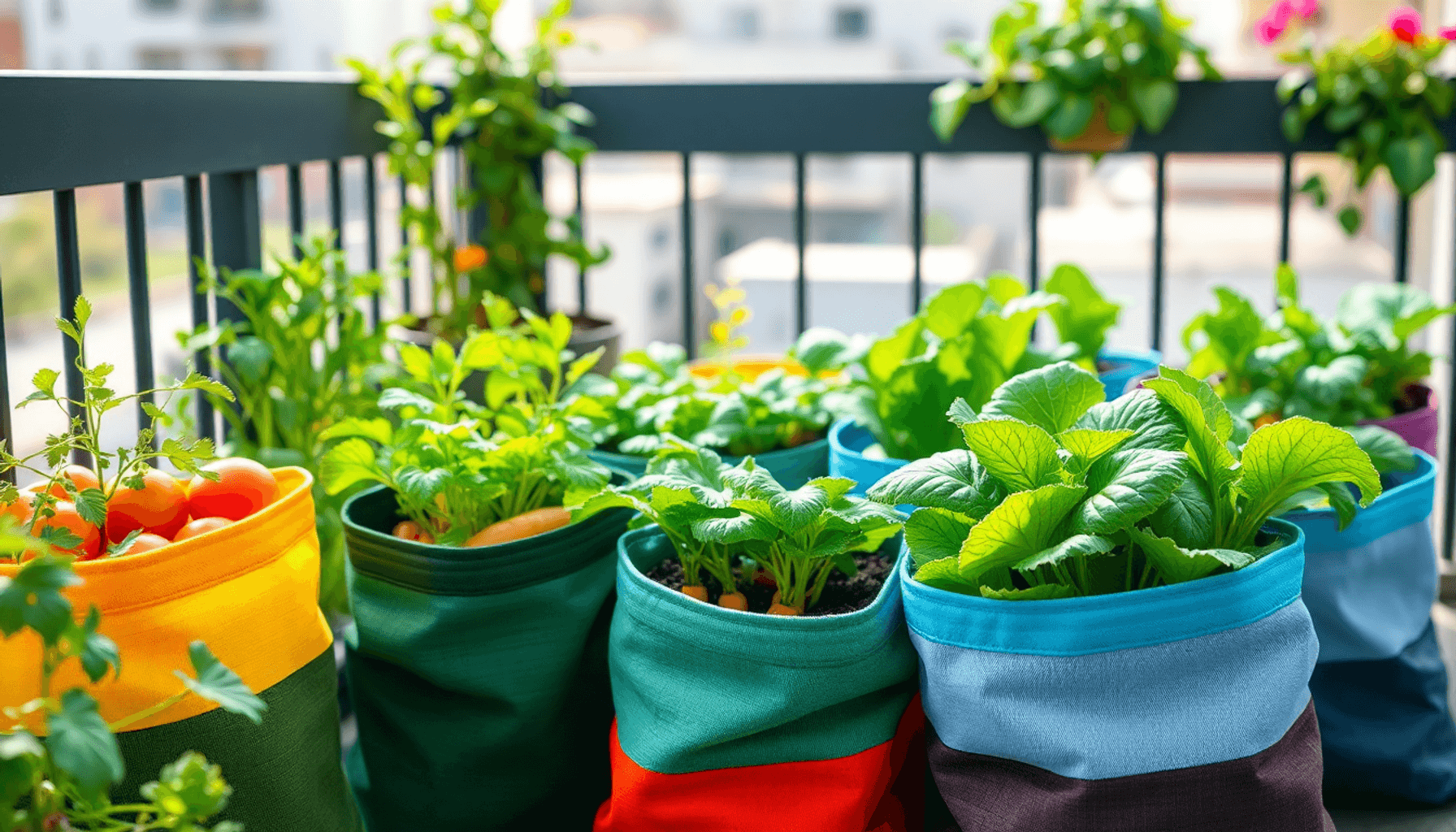

A grow bag is a portable plant container made from breathable, woven fabric materials such as polypropylene or polyethylene. Designed as an alternative to traditional pots and raised garden beds, grow bags offer a flexible and space-efficient solution for growing plants. Unlike rigid containers, these fabric pots allow air to circulate around the roots, promoting healthier growth and preventing common issues like root circling.
Grow bags have become very popular among urban and small-space gardeners who face challenges like limited patio, balcony, or indoor space. Their lightweight nature and portability make it easy for you to move plants around—whether to catch more sunlight or to protect them from harsh weather conditions.
If you're new to container gardening, learning about what a grow bag is, its uses, types, and how to fill one properly will help you make the most of your growing potential even in the smallest spaces.
Understanding Grow Bags
A grow bag is a specially designed container used for growing plants, made from durable woven fabric materials. These containers provide an excellent alternative to traditional pots and raised garden beds. The grow bag definition centers on its construction: typically, these bags consist of heavy-duty landscape fabric such as polypropylene or polyethylene. This woven fabric structure allows air and water to pass through while maintaining the soil's integrity inside.
Physical Characteristics of Grow Bags
- Material: Most grow bags are crafted from breathable, woven fabrics like polypropylene or polyethylene. These materials offer durability and resistance to wear and tear caused by outdoor conditions.
- Breathability: The porous nature of the fabric encourages air circulation around the root zone. This promotes healthier root growth by preventing waterlogging and facilitating natural air pruning.
- Shape and Construction: Grow bags are often cylindrical or rectangular with reinforced stitching. Some include handles for easier transportation.
- Weight and Flexibility: Unlike rigid plastic pots, grow bags are lightweight and flexible, which simplifies storage when not in use.
Portability and Space Efficiency
Grow bags excel in portability. You can easily move them around your garden or balcony to optimize sun exposure or protect plants from harsh weather conditions. Their flexibility means they take up minimal space when empty, folding flat for convenient storage.
Ideal for small-space gardeners, grow bags make efficient use of limited areas such as patios, balconies, rooftops, or small urban gardens. Their compact design supports vertical stacking or close placement without compromising plant health.
A typical example includes using polypropylene grow bags on apartment balconies where soil depth is limited but light conditions vary throughout the day. The ability to relocate these bags ensures your plants receive proper sunlight without requiring significant effort.
The combination of robust material construction and practical design makes grow bags a smart choice for urban gardeners who demand both convenience and effective cultivation in tight spaces.
Exploring the Versatile Uses of Grow Bags
Grow bags offer remarkable flexibility for gardeners, especially those working within tight spaces or urban environments. Understanding grow bag uses helps you maximize productivity and plant health in these fabric containers.
Common Vegetables and Root Crops That Thrive in Grow Bags
A variety of vegetables flourish when grown in grow bags, including:
- Tomatoes: Benefit from good drainage and air pruning, leading to robust root systems.
- Carrots: Require deep, loose soil; grow bags prevent root crowding and encourage straight growth.
- Onions and Garlic: Shallow-rooted but sensitive to waterlogging, grow bags ensure excess moisture drains easily.
- Lettuce: Prefers well-drained soil and consistent moisture, making it ideal for grow bags.
- Peppers: Thrive with ample drainage and warm root zones created by the breathable fabric.
- Potatoes: Deep grow bags allow tubers to develop freely without restriction, simplifying harvest.
These plants share a common need for well-drained soil, which makes grow bags particularly suited for their cultivation.
Why Well-Drained Soil Crops Suit Grow Bags
Grow bags are made from breathable fabrics such as polypropylene that allow excess water to escape while retaining enough moisture for healthy roots. This balance is critical for crops sensitive to standing water or poor drainage.
Benefits of using grow bags for well-drained soil crops:
- Soil stays aerated due to increased airflow through the fabric walls.
- Excess salts flush out easily, reducing toxicity risks.
- Air pruning prevents roots from circling or becoming root-bound as they naturally dry at the edges, promoting fresh root growth.
These characteristics create an ideal environment for root crops and other vegetables that struggle in heavy or compacted soils found in traditional pots or garden beds.
Benefits of Grow Bags for Urban and Limited-Space Gardeners
Urban gardeners face challenges like limited ground space, poor soil quality, and less sunlight. Grow bags address these issues by:
- Allowing placement on balconies, rooftops, patios, or small yards.
- Being portable—easy to move for optimal light exposure or shelter during harsh weather.
- Enabling control over soil quality by starting with fresh potting mixes tailored to specific plants.
- Reducing weed problems since grow bags are isolated from surrounding soil.
- Facilitating crop rotation by switching contents each season without disturbing existing beds.
By incorporating grow bags into your urban gardening setup, you gain a versatile tool that adapts to space constraints while supporting diverse vegetable production. This adaptability makes them increasingly popular among small-space gardeners looking for practical solutions to maximize yields.
Different Types of Grow Bags to Suit Your Gardening Needs
Understanding the types of grow bags available helps you select the best option tailored to your plants' needs and gardening space.
Shallow vs. Deep Grow Bags
- Shallow grow bags: Typically range from 6 to 8 inches deep. Ideal for plants with shallow root systems such as onions, lettuce, herbs, and some peppers. These bags use less soil and take up less vertical space, making them perfect for balconies or small patios.
- Deep grow bags: Usually measure 12 inches or more in depth. Designed for crops that develop extensive root systems like tomatoes, carrots, potatoes, and larger pepper varieties. Deep bags provide ample room for roots to spread downward, supporting stronger plant growth.
Choosing the correct depth according to root zone requirements prevents root crowding and promotes healthier development.
Material Thickness and Durability
Grow bags come in different fabric thicknesses which influence:
- Durability: Thicker material withstands wear and tear better, lasting multiple seasons without tearing or collapsing.
- Heat retention: Thinner materials allow more air flow but may let soil dry out faster. Thicker fabrics provide better insulation against temperature fluctuations.
- Breathability: Most grow bags use woven polypropylene or polyethylene fabric. The weave density impacts how much air and moisture pass through the bag walls.
Selecting a grow bag with appropriate material thickness depends on climate conditions and intended usage duration.
Color Impact: Why Dark-Colored Grow Bags Matter
Color plays a significant role in how much heat a grow bag absorbs and retains:
- Dark-colored grow bags (black, dark brown): Absorb sunlight effectively, warming the root zone during cooler periods. This can extend the growing season in early spring or late fall by protecting roots from cold stress.
- Light-colored grow bags (beige, white): Reflect sunlight and keep soil cooler during hot summer months but might lead to slower plant growth in cooler climates.
Using dark-colored fabric pots is a simple strategy to enhance productivity by maintaining optimal root temperatures for many vegetables.
These factors—grow bag sizes tailored for root depth, material thickness affecting durability and airflow, plus the strategic choice of color—are key considerations when selecting containers suited to your gardening goals in terms of both plant health and environmental conditions.
Mastering the Art of Filling a Grow Bag Properly
Planting and Spacing Guidelines for Successful Grow Bag Cultivation
Proper planting and spacing are crucial to maximize the potential of your grow bags. Overcrowding plants can lead to competition for nutrients, water, and light, stunting growth and increasing susceptibility to disease.
Key considerations for plant spacing in grow bags:
- Understand root system size: Different plants require different amounts of space. Tomatoes need larger spacing (typically 12 to 18 inches apart) because of their extensive root systems. Lettuce and herbs can be planted closer (around 4 to 6 inches) due to their smaller root zones. Carrots and other root crops usually need about 2 to 3 inches between seedlings to allow proper root development.
- Account for bag size: The diameter and depth of the grow bag dictate how many plants it can support comfortably. For example, a 10-gallon grow bag might hold one tomato plant, several lettuce heads, or multiple carrot rows spaced appropriately.
- Leave room for airflow: Adequate spacing promotes air circulation around each plant, reducing humidity buildup that can cause fungal diseases.
- Plan for mature size: Some vegetables spread as they mature. Ensure enough space to accommodate this growth without crowding neighbors.
Using a high-quality potting mix for grow bags enriched with compost in soil mix supports healthy roots but does not compensate for poor spacing. Even nutrient-rich soil can't prevent issues caused by overcrowding.
Example of plant spacing in a standard 5-gallon grow bag:
| Plant Type | Recommended Spacing | Number per Bag |
| Tomato | 12-18 inches | 1 |
| Lettuce | 4-6 inches | 3-4 |
| Carrot | 2-3 inches | ~10 |
| Pepper | 12 inches | 1-2 |
Spacing guidelines vary depending on variety, so always check specific recommendations when planning your garden.
Adequate space allows roots to expand into the well-draining soil components within the grow bag, providing access to nutrients and moisture without competition. This setup optimizes growth and yield, making your container garden more productive.
Fertilization Practices to Nourish Your Plants in Grow Bags
Choosing the right soil mix is crucial for healthy plant growth in grow bags. Use a high-quality potting mix for grow bags combined with compost in soil mix to provide essential nutrients and improve soil structure. Compost enriches the soil with organic matter, enhancing fertility and microbial activity. Incorporate well-draining soil components such as peat moss, coir, perlite, vermiculite, or wood fines to ensure proper drainage and prevent waterlogging issues common in container gardening.
Addressing Nutrient Leaching Challenges
Nutrient leaching is a common challenge when cultivating plants in grow bags. Because grow bags are made from breathable fabric, they allow excess water to drain quickly, which also means nutrients may wash out faster than in traditional pots or garden beds. This rapid leaching can lead to nutrient deficiencies if not addressed properly.
To maintain consistent nutrition:
- Apply organic liquid fertilizers regularly. These provide quick nutrient uptake and are gentle on plant roots.
- Use slow-release fertilizers formulated for container gardening systems. They release nutrients gradually over time, reducing the risk of nutrient washout.
- Consider combining both approaches for balanced feeding—slow-release fertilizers provide baseline nutrition while liquid feeds supplement during critical growth stages.
Optimizing Plant Spacing for Nutrient Availability
Keep in mind that proper plant spacing in grow bags influences nutrient availability. Overcrowding can cause competition for nutrients, water, and light, resulting in weaker plants. Adequate spacing improves air circulation and root expansion within the limited soil volume of grow bags.
Monitoring Plant Health for Nutrient Adjustment
Maintaining a nutrient-rich environment requires attention not only to fertilization but also to monitoring plant health regularly. Yellowing leaves or stunted growth may indicate nutrient deficiencies that call for immediate adjustment of your fertilizing schedule or type of fertilizer used.
By managing soil composition carefully with compost-enriched potting mixes and applying tailored fertilizer regimens designed specifically for containers, you create optimal conditions for your plants to thrive in grow bags without risking nutrient depletion or toxicity.
Watering Techniques That Work Best with Grow Bags
Water management in grow bags requires particular attention because of the unique properties of the fabric containers. The breathable materials, often polypropylene mesh fabric, promote excellent aeration but also cause soil to dry out faster compared to traditional pots or garden beds. This faster drying rate means watering frequency and method need adjustment for optimal plant health.
Choosing the Right Soil Mix
Choosing the Right Soil Mix plays a crucial role in moisture retention and drainage balance. Use a high-quality potting mix combined with compost in soil mix to provide nutrients and improve water-holding capacity. Incorporate well-draining soil components such as:
- Peat moss
- Coir
- Perlite
- Vermiculite
- Wood fines
These elements prevent waterlogging, ensuring excess moisture drains away while retaining enough hydration for roots.
Consistent Watering Schedules
Consistent watering schedules become essential due to the rapid drying nature of fabric bags. Underwatering stresses plants and reduces growth, while overwatering risks root rot despite good drainage. You need to monitor moisture levels regularly by checking soil dampness a few inches below the surface.
Drip Irrigation Systems for Efficiency
Drip irrigation systems equipped with timers offer an efficient solution to maintain optimal moisture levels without constant manual intervention. Benefits include:
- Delivering precise water amounts directly to the root zone
- Reducing water waste and evaporation
- Minimizing risk of overwatering or underwatering
- Allowing automation for busy gardeners or urban setups
Adjust drip system settings seasonally or based on weather conditions, increasing watering during hot, dry spells and reducing it when humidity rises.
Plant Spacing Considerations
Plant spacing in grow bags also influences watering needs. Proper spacing avoids overcrowding, which can cause uneven water uptake and competition among plants. Adequate spacing improves airflow between plants, helping soil dry at a more manageable rate and preventing fungal diseases linked to excess moisture.
Practical Tips for Watering Grow Bags
- Water early in the day to allow foliage to dry before nightfall.
- Water slowly to encourage deep root absorption rather than surface runoff.
- Use mulch like shredded leaves or straw on top of the soil mix to reduce evaporation.
- Check for drainage holes’ function periodically; blocked holes can cause water buildup.
- Avoid letting grow bags sit in standing water—elevate them if necessary.
By combining the right potting mix for grow bags with strategic watering techniques, you ensure your plants receive consistent hydration tailored to their needs while maximizing the benefits of grow bag cultivation methods.
The Advantages That Make Grow Bags A Smart Choice For Container Gardening Enthusiasts
Grow bags have several advantages over traditional pots or raised beds, making them a popular choice for container gardening. These fabric containers offer practical benefits that are suitable for both beginner and experienced gardeners, especially those with limited space or living in urban areas.
1. Lightweight and Portable
Grow bags are significantly lighter than heavy ceramic or plastic pots when filled. This feature allows you to easily transport or relocate your plants according to sunlight availability, weather conditions, or space reconfiguration. Handles sewn into many grow bag designs enhance mobility, enabling hassle-free movement even when the bag is fully planted.
2. Space-Saving Ease of Storage
When not in use, grow bags can be emptied, folded, and stacked neatly without taking up much storage space. This flexibility suits gardeners who need seasonal setups or want to maximize their available area efficiently.
3. Air Pruning Benefits for Root Health
One of the most notable advantages is the air-pruning phenomenon facilitated by the porous fabric walls. Unlike solid containers where roots circle endlessly leading to root-bound plants, grow bags allow roots reaching the edges to dry and naturally prune themselves. This process encourages the development of a dense network of healthy feeder roots inside the soil mass, enhancing nutrient and water uptake while preventing root circling.
4. Improved Disease Resistance
Using fresh potting mix each season in grow bags reduces the risk of soil-borne diseases common in traditional garden beds. The breathable fabric also promotes better aeration around roots, helping prevent fungal infections caused by overly saturated soils.
5. Temperature Regulation
Fabric pots tend to regulate temperature better than plastic containers by allowing excess heat to escape through their breathable material. This quality protects roots from overheating during hot days, contributing to consistent plant growth.
6. Versatility in Urban Farming Conditions
Grow bags adapt well to challenging environments such as balconies, rooftops, patios, or small backyards. Their portability combined with enhanced root health makes them highly suitable for urban farmers who face space constraints and variable microclimates.
Embracing these portable gardening solutions means you gain a container system designed for healthier plants and easier garden management without sacrificing flexibility or convenience.
Final Thoughts on Embracing The World Of Fabric Pot Cultivation
Understanding What is a Grow Bag? Uses, Types and How to Fill One opens doors to a flexible and productive gardening experience, especially suited for urban spaces and small gardens. Grow bags offer a practical alternative to traditional pots or raised beds, bringing unique benefits that encourage healthier plant growth and easier garden management.
You can transform limited spaces into thriving green areas by adopting fabric pots. Their portability allows you to move plants based on sunlight exposure or weather conditions, maximizing growth potential. The improved root health from air pruning reduces common problems seen in plastic containers, helping your plants reach their full potential.
Keep these practical tips in mind when starting with grow bags:
- Choose the right size and depth: Match the grow bag to the plant’s root system. Shallow bags for lettuce or onions, deeper ones for tomatoes or carrots.
- Use high-quality soil mixtures: Ensure good drainage and nutrient availability with components like compost, peat moss, perlite, or coir.
- Follow spacing guidelines carefully: Avoid overcrowding to promote healthy air circulation and root development.
- Maintain consistent watering schedules: Grow bags dry out faster; consider drip irrigation systems with timers for efficiency.
- Fertilize regularly: Use organic liquid or slow-release fertilizers designed for container gardening to counteract nutrient leaching.
- Consider color and material thickness: Darker bags help retain warmth in cooler climates, while thicker materials enhance durability.
Your journey into grow bag cultivation will reveal how this simple yet effective method supports sustainable gardening practices. Adaptability, ease of use, and enhanced plant health make fabric pots a smart choice that can fit almost any gardening scenario.
Give grow bags a try—experience firsthand the benefits they bring to your gardening routine and watch your plants thrive in ways traditional containers may not allow.
FAQs (Frequently Asked Questions)
What is a grow bag and why is it a popular alternative to traditional pots and raised beds?
A grow bag is a portable fabric container made from woven heavy-duty materials like polypropylene or polyethylene, designed for container gardening. It serves as an excellent alternative to traditional pots and raised beds due to its lightweight nature, space efficiency, and improved root health benefits, making it especially popular among urban and small-space gardeners.
What types of plants are best suited for cultivation in grow bags?
Grow bags are ideal for well-drained soil crops such as tomatoes, carrots, onions, garlic, lettuce, peppers, and potatoes. These plants thrive in the breathable environment provided by grow bags, which helps prevent waterlogging and promotes healthy root development.
How do different types and sizes of grow bags affect plant growth?
Grow bags come in various sizes including shallow and deep options to accommodate different root depth requirements. Material thickness varies too; thicker fabrics offer enhanced durability and heat retention. Additionally, dark-colored grow bags absorb more heat, protecting roots during cooler periods and potentially boosting productivity.
What is the recommended soil mix for filling grow bags to ensure optimal plant growth?
A high-quality potting mix combined with compost is recommended for filling grow bags. Incorporating well-draining components such as peat moss, coir, perlite, vermiculite, or wood fines is essential to prevent waterlogging and promote healthy root systems within the fabric containers.
How should I manage watering and fertilization when using grow bags?
Due to faster drying rates in fabric containers like polypropylene mesh grow bags, consistent watering is crucial. Using drip irrigation systems with timers can help maintain optimal moisture levels without overwatering. For fertilization, applying organic liquid fertilizers or slow-release fertilizers designed for container gardening ensures sustained nutrition throughout the growing season while preventing nutrient leaching.
What are the key advantages of using grow bags for container gardening enthusiasts?
Grow bags offer numerous benefits including portability for easy relocation, ease of storage when empty or folded, improved root health through air pruning at their porous walls, enhanced disease resistance due to fresh soil use each season, and suitability for urban farming challenges. These features make them a smart choice for both novice and experienced gardeners alike.