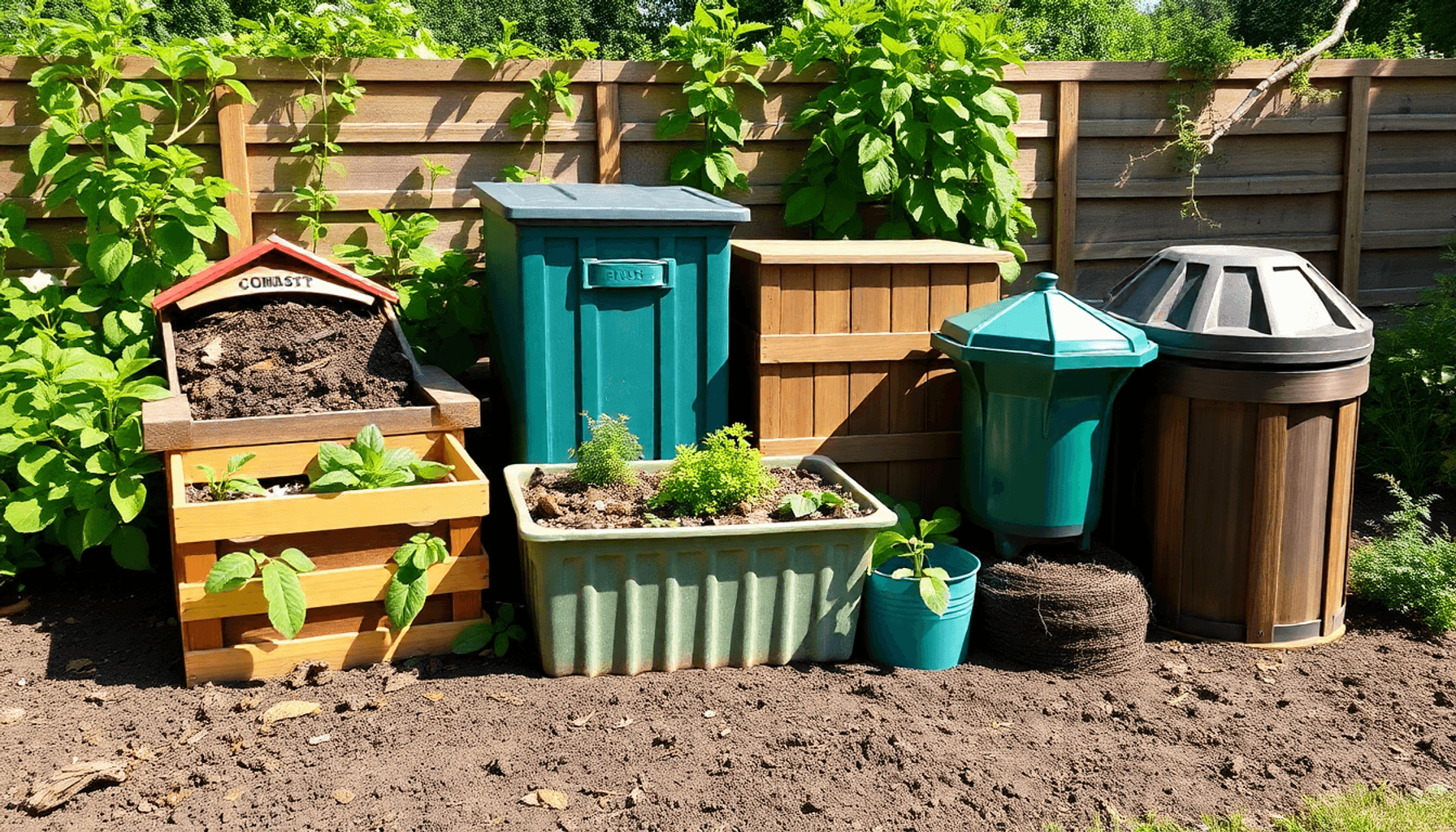

Composting is the natural process of recycling organic waste, such as kitchen scraps and garden debris, into nutrient-rich soil conditioner. In the UK, composting plays a vital role in managing household and garden waste sustainably. Instead of sending organic matter to landfill sites, where it produces harmful methane gas, home composting allows you to transform this waste into valuable compost that benefits your garden.
Key benefits of composting in the UK:
- Reduces landfill waste by diverting a significant portion of household organic waste from rubbish collections.
- Supports sustainability by encouraging resource recycling and reducing dependence on chemical fertilizers.
- Improves soil health by enhancing soil structure, moisture retention, and plant growth naturally.
- Lowers greenhouse gas emissions by preventing methane release associated with decomposing organic matter in landfills.
The Complete Guide to Composting in the UK aims to provide you with practical insights into effective home composting methods. Understanding how to recycle your organic waste efficiently not only benefits your garden but also contributes positively to environmental conservation efforts across the country.
Understanding Composting Basics
Composting depends heavily on the right mix of green waste and brown waste. These two categories represent different types of compost materials UK gardeners should understand to create nutrient-rich compost efficiently.
Green Waste (Nitrogen-Rich Materials)
Green waste includes fresh, moist organic matter high in nitrogen. This category typically consists of:
- Vegetable peelings and kitchen scraps
- Grass clippings
- Soft plant trimmings
- Coffee grounds and tea leaves
Nitrogen is essential in composting because it fuels the growth and reproduction of microorganisms that break down organic matter. Without enough green material, decomposition slows significantly.
Brown Waste (Carbon-Rich Materials)
Brown waste provides carbon, which acts as an energy source for microbes and helps maintain proper structure in the compost pile. Examples include:
- Dry leaves and straw
- Twigs and small branches
- Shredded cardboard or paper
- Sawdust and wood chips
Carbon-rich materials absorb excess moisture and introduce air pockets, preventing the pile from becoming compacted or soggy.
Balancing Green and Brown Materials
A successful compost system requires a balance between these two types of waste. An ideal mix often follows a rough ratio of 2 to 3 parts brown to 1 part green by volume. Too much green waste makes the compost damp and prone to unpleasant odors due to anaerobic conditions. Excess brown waste slows decomposition because microbes lack sufficient nitrogen to thrive.
Signs of Imbalance:
- Too Much Green: Strong ammonia smell, slimy texture, slow breakdown
- Too Much Brown: Dry, crumbly pile that breaks apart easily but decomposes very slowly
Adjust this balance by layering green and brown materials or mixing them thoroughly when adding new waste to your bin or heap.
Tip: Chop larger brown items into smaller pieces before adding them; this speeds up breakdown by increasing surface area exposed to microbes.
Understanding these fundamental roles of green and brown waste helps you manage your compost materials UK-wide with confidence. Getting this balance right sets the foundation for efficient decomposition, producing rich, dark soil conditioner faster.
Types of Composting Systems Suitable for UK Homes
Choosing the right composting system depends on your available space, the type of waste you produce, and how quickly you want to see results. The UK climate also influences which system performs best in your garden or kitchen.
1. Cold Compost Heap
A cold compost heap is the simplest form of composting. You pile garden waste—such as lawn clippings, leaves, and prunings—in a dedicated spot outdoors. This method relies mainly on natural decomposition with minimal intervention.
Pros and Cons
Pros:
- Very low maintenance.
- No upfront cost if you have space.
- Suitable for bulky garden waste.
Cons:
- Decomposition can take up to two years.
- Requires a large area.
- Less effective at breaking down kitchen food scraps.
Best use cases
Ideal if you generate mostly garden waste and are not in a hurry for finished compost. Works well in larger gardens with spare corners where space isn’t limited.
2. Hot Insulated Bin
Hot insulated bins are designed to speed up the composting process by retaining heat generated during decomposition. These bins often have airtight lids and insulation to maintain higher internal temperatures.
How they accelerate decomposition
By keeping temperatures between 40–60°C, hot bins promote rapid microbial activity that breaks down organic matter faster than cold heaps.
Ideal conditions
Need regular turning and balanced green and brown materials to maintain heat. Best placed in a sunny, sheltered location to aid warmth retention during cooler UK months.
Pros and Cons
Pros:
- Produces compost within 2–6 months.
- Can handle mixed kitchen and garden waste.
- More compact footprint than heaps.
Cons:
- Requires some effort for turning and monitoring moisture.
- Initial cost for bin purchase.
Best use cases
Suitable for households wanting faster results with moderate gardening space. Efficient in urban or suburban gardens where space is limited but active management is possible.
3. Bokashi Fermentation Bin
The bokashi bin uses fermentation rather than traditional aerobic decomposition. It involves layering food waste with a special bran inoculated with beneficial microbes that ferment the waste anaerobically inside a sealed container. This method is not only unique but also serves as an excellent compost alternative that expands what kitchen scraps you can recycle safely.
Handling food waste including some cooked/meat products
Unlike other systems, bokashi bins accept cooked foods, meat scraps, dairy, and even small bones without attracting pests or causing odors when used correctly.
Process
After fermentation (usually around two weeks), the pre-composted material is buried in soil or added to a traditional compost heap where it breaks down fully.
Pros and Cons
Pros:
- Expands what kitchen scraps you can recycle safely.
- Compact size ideal for indoors or small gardens.
- Minimal smell if managed properly.
Cons:
- Requires purchase of bokashi bran inoculant.
- Needs an additional step of burying fermented waste.
Best use cases
Perfect for flats or homes without outdoor space who want to recycle all types of food waste efficiently without attracting vermin.
Setting Up Your Compost Bin Correctly
Choosing the right spot for your compost bin is crucial for efficient decomposition and ease of maintenance. In a typical UK garden, aim for a location that meets the following criteria:
- Sheltered shady spot: Protecting your bin from strong winds and direct sunlight helps maintain stable moisture and temperature levels. A shady area prevents the compost from drying out too quickly, especially during warmer months.
- Easy access: Place the bin where you can conveniently add materials and turn the compost regularly, making the process less of a chore.
Soil conditions beneath your compost bin also play a significant role in its success. The bin should sit directly on soil or well-draining ground rather than on hard surfaces like concrete or decking. This setup allows:
- Beneficial organisms such as earthworms and microbes to enter the compost pile naturally, boosting breakdown.
- Excess water to drain away easily, preventing soggy or waterlogged compost that slows decomposition and causes odors.
If your garden soil is heavy clay or prone to poor drainage, consider improving drainage by adding gravel or coarse material underneath the bin base before setting it up.
Avoid placing bins too close to buildings or wooden fences to reduce risks linked to moisture damage or unwanted pests attracted by decomposing organic matter.
Proper compost bin placement ensures you create optimal conditions for aerobic decomposition while maintaining garden aesthetics and functionality.
Managing the Composting Process Efficiently
Efficient composting depends heavily on two key factors: turning compost regularly and maintaining proper moisture control. These actions ensure adequate aeration in composting, which is essential for the microorganisms breaking down your organic waste.
Turning Compost
- Turning or mixing your compost pile introduces oxygen, which is vital for aerobic bacteria. These bacteria decompose materials faster and reduce unpleasant odors.
- Aim to turn your compost every 1 to 2 weeks if possible. This frequency helps maintain steady decomposition, especially in warmer months.
- Use a garden fork or compost aerator tool to lift and mix the layers, bringing the outer, less decomposed material into the center and exposing inner parts to air.
- Avoid compressing the pile when turning it; keep it loose to allow air pockets that support microbial activity.
Moisture Control
- Compost should feel like a damp sponge—moist but not soggy. Too much water creates anaerobic conditions, slowing decomposition and causing bad smells.
- If your compost is too dry, decomposition slows dramatically. Add water gradually using a watering can or hose with a fine spray while turning the pile.
- When moisture is excessive due to heavy rain or wet materials, add dry brown items such as shredded cardboard, straw, or dry leaves. These absorb excess water and help balance the pile.
- Cover your compost bin or heap during heavy rainfall periods to prevent saturation but allow some ventilation.
Aeration in Composting
- Oxygen supply ensures aerobic microbes thrive, which speeds up breakdown of organic matter into nutrient-rich humus.
- Without sufficient aeration, anaerobic microbes dominate causing slow decay and foul odors like ammonia or rotten eggs.
- Combining regular turning with moisture balance maximizes airflow inside the compost mass.
- In compacted piles or bins with poor ventilation design, consider adding bulking agents like wood chips or coarse straw to create air channels.
Monitoring these elements closely during active composting phases accelerates material transformation and improves final compost quality. You’ll notice faster heat buildup in hot bins and a pleasant earthy smell indicating healthy decomposition. Adjust frequency of turning and moisture additions as needed depending on seasonal weather changes common in UK gardens.
Common Composting Maintenance Tips & Troubleshooting
Maintaining a healthy compost system in the UK requires attention to the balance of materials and avoiding common pitfalls that lead to compost problems UK gardeners often face. Addressing these issues promptly ensures your compost remains productive and odor-free.
Balancing Green and Brown Materials
- Green materials are rich in nitrogen and include kitchen scraps like vegetable peelings, fresh grass clippings, and soft plant waste.
- Brown materials provide carbon and consist of dried leaves, shredded cardboard, straw, and woody prunings.
A proper ratio between these two categories prevents your compost from becoming smelly or soggy. Too much green material can cause the pile to become wet and emit unpleasant odors due to anaerobic (oxygen-poor) conditions. Excess brown material, on the other hand, slows down decomposition because microbes lack sufficient nitrogen.
Practical tips:
- Aim for roughly a 2:1 ratio of brown to green materials by volume.
- If your compost smells sour or ammonia-like, add more brown materials and turn the pile to introduce air.
- For sogginess, mix in dry browns like shredded paper or dried leaves to absorb excess moisture.
Avoiding Non-Compostable Items
Certain items do not break down properly in home compost systems or can cause contamination:
- Plastics: Includes packaging, bags, and synthetic fibers. These do not decompose and pollute your compost.
- Pet waste from carnivores: Dog or cat feces can contain harmful pathogens unsuitable for garden use.
- Diseased plants: Adding infected materials risks spreading diseases through the garden soil.
- Cooked food scraps with oils or sauces: These can attract pests unless you use a sealed system like a bokashi bin.
Discard these items via appropriate waste streams rather than your compost bin.
Smelly compost fix: If you encounter persistent odours, check that no non-compostable items have been added. Increase aeration by turning regularly and add dry brown material if moisture levels are high. This restores balance and helps beneficial microbes thrive.
Maintaining this balance between inputs and avoiding contaminants reduces most common issues. Consistent monitoring prevents small problems from escalating into major setbacks for your composting efforts.
Using Finished Compost in Your Garden
Recognizing mature compost characteristics is essential before applying it to your garden. Mature compost typically has these features:
- Color: Dark brown or almost black, indicating full decomposition.
- Texture: Crumbly and loose, resembling rich soil rather than visible bits of original waste.
- Smell: Earthy and pleasant, without any sour or ammonia-like odours that signal incomplete breakdown.
Unfinished compost often looks wet, clumpy, or contains identifiable food scraps or plant material. Using immature compost can harm plants by tying up nitrogen or introducing pathogens.
Once you confirm your compost is mature, it becomes a valuable soil improver UK gardeners prize for enhancing soil health naturally. You can use finished compost in several ways:
- Top Dressing: Spread a 2–3 cm layer around flower beds, shrubs, or vegetable patches. This improves soil structure and moisture retention while slowly releasing nutrients.
- Soil Conditioning: Dig compost into garden beds before planting to boost fertility and encourage beneficial microbial activity.
- Potting Mix Additive: Mix 20–30% compost with standard potting soil to provide extra nutrients and improve water-holding capacity for container plants.
- Lawn Feeding: Lightly rake finished compost over lawns to enhance grass growth without chemical fertilisers.
Using mature compost supports sustainable gardening practices by recycling organic waste back into the soil cycle. It reduces reliance on synthetic inputs and improves plant resilience through healthier root environments.
The Complete Guide to Composting in the UK highlights that applying your own homemade compost helps close the nutrient loop at home, making gardens greener and more productive year after year.
Environmental Impact of Composting in the UK
Home composting plays a significant role in reducing landfill waste UK by diverting organic materials away from rubbish collections. Kitchen scraps, garden clippings, and other biodegradable waste make up a large percentage of household rubbish. When these items enter landfill sites, they decompose anaerobically, producing methane—a potent greenhouse gas that contributes to climate change.
You can directly reduce your environmental footprint by composting at home. Instead of sending organic waste to landfill:
- You lower methane emissions by promoting aerobic decomposition.
- You decrease the volume of rubbish collected and transported by waste services, cutting down on associated carbon emissions.
- You help ease pressure on municipal waste management systems struggling with increasing volumes of organic waste.
Composting also supports broader sustainability goals through simple daily actions. By turning kitchen peelings and garden trimmings into nutrient-rich compost, you contribute to a circular economy where resources are reused rather than discarded.
Key environmental benefits include:
- Soil Health Improvement: Compost adds vital nutrients and organic matter back into soils, enhancing their structure and moisture retention without synthetic fertilizers.
- Carbon Sequestration: Well-maintained compost can contribute to carbon storage in soil, helping mitigate climate change effects.
- Biodiversity Support: Healthy soils enriched with compost encourage diverse microbial life and beneficial insects essential for ecosystem balance.
Household composting aligns with national targets for waste reduction and sustainable living promoted across the UK. It empowers individuals to take responsibility for their environmental impact while fostering a deeper connection to natural cycles in gardening and food preparation.
Encouraging widespread adoption of home composting creates cumulative positive effects on reducing landfill reliance and greenhouse gas emissions. Every small effort collectively makes a measurable difference toward building greener communities.
Conclusion
Choosing the right composting system depends on your available space, the type of waste you generate, and how quickly you want to produce compost. Consider these options:
- Cold Compost Heap: Best if you have ample garden space and don’t mind a slower process.
- Hot Insulated Bin: Ideal for faster breakdown and efficient decomposition in smaller areas.
- Bokashi Fermentation Bin: Suitable if you want to compost a wider range of food scraps, including cooked or meat products.
- Wormery: Perfect for indoor use or limited outdoor space, using worms to speed up organic matter breakdown.
Starting your composting journey in the UK becomes manageable by following simple steps:
- Select a bin type that fits your lifestyle and garden size.
- Place your bin on soil or well-draining ground in a sheltered spot.
- Balance green (nitrogen-rich) and brown (carbon-rich) materials for effective decomposition.
- Turn or mix your compost regularly to maintain airflow and moisture.
- Monitor moisture levels, adding water or dry materials as needed.
You can start composting UK today by taking these straightforward actions. The Complete Guide to Composting in the UK provides all the information you need to transform your kitchen and garden waste into valuable soil conditioner, contributing positively to both your garden’s health and environmental sustainability. Embrace composting as a practical way to reduce landfill waste while enriching your soil naturally.
FAQs (Frequently Asked Questions)
What is composting and why is it important in the UK?
Composting is the natural process of recycling organic waste, such as food scraps and garden waste, into nutrient-rich soil conditioner. In the UK, composting supports sustainability by reducing landfill waste and lowering greenhouse gas emissions.
What are green and brown materials in composting, and why is balancing them important?
Green materials are nitrogen-rich items like vegetable scraps and grass clippings, while brown materials are carbon-rich items such as dry leaves and cardboard. Balancing these helps create an effective composting process by maintaining proper aeration and moisture levels.
Which types of composting systems are suitable for UK homes?
UK homes can use various composting systems including cold compost heaps for low-maintenance composting, hot insulated bins that accelerate decomposition, bokashi fermentation bins which handle cooked and meat food waste, and wormeries that use worms to break down organic matter efficiently.
How should I set up my compost bin correctly in a typical UK garden?
Place your compost bin in a sheltered, shady spot with good soil drainage. Ideally, position it directly on soil or well-draining ground to encourage beneficial organisms to aid decomposition.
What are some tips for managing the composting process efficiently?
Regularly turn or mix your compost to add air and moisture, monitor moisture levels closely, adding water if too dry or dry materials if too wet, to maintain optimal conditions for decomposition.
How can I tell when my compost is ready to use in my garden?
Mature compost typically has a dark brown color, crumbly texture, and earthy smell. Once ready, it can be applied as a soil improver or mixed into potting soil to enhance plant growth.