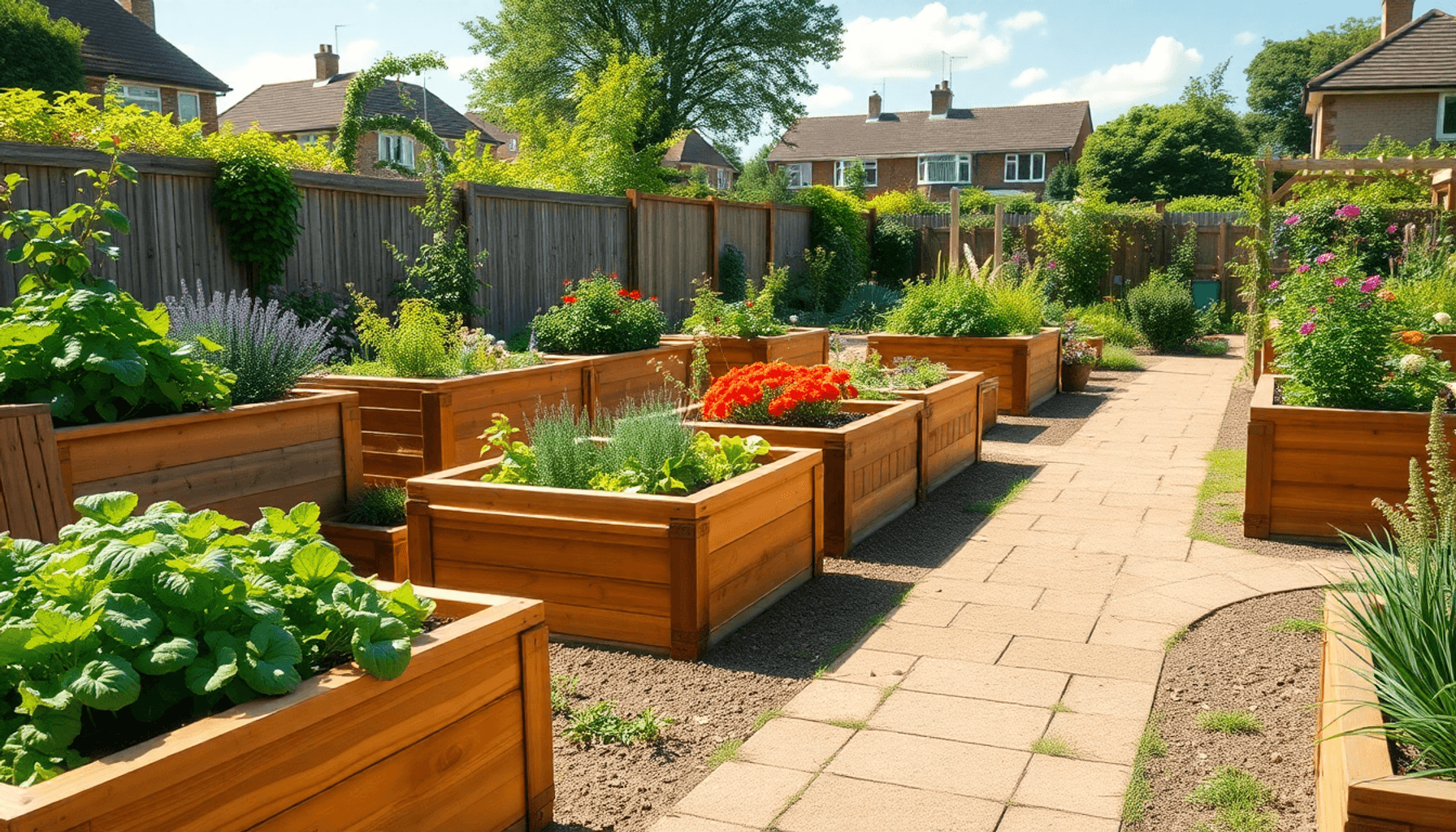

Raised bed gardening UK has become increasingly popular among gardeners seeking efficient and productive ways to grow vegetables, fruits, herbs, and flowers. This gardening method involves constructing contained beds elevated above ground level, creating ideal conditions for plant growth regardless of soil quality or garden size.
Why choose raised beds?
- Better control over soil quality and drainage
- Easier management of pests and weeds
- Extended growing seasons through warmer soil temperatures
- Enhanced accessibility and organization
This approach suits various garden styles across the UK, from urban balconies to spacious backyards. Whether you are a beginner or an experienced gardener, raised beds offer a practical solution to common challenges faced in traditional gardening methods UK.
The Complete Guide to Raised Bed Gardening UK dives into everything you need to know:
- The benefits of raised beds tailored to the UK climate
- Selecting suitable materials for construction
- Preparing and filling your beds with the right soil mix
- Choosing plants that thrive in raised beds
By exploring these core aspects, you will gain confidence and inspiration to create your own thriving raised bed garden designed for success.
1. Understanding the Benefits of Raised Bed Gardening in the UK Climate
Raised bed gardening offers distinct advantages tailored to the UK climate, making it a preferred choice for many gardeners. Recognising these benefits raised beds UK climate highlights can help you maximise your garden’s potential.
Improved Root Space and Nutrient Availability
Raised beds provide deeper, looser soil compared to traditional in-ground plots. This promotes healthier root growth as plants encounter fewer compacted layers, allowing roots to expand freely. You can control soil composition more precisely, enriching it with organic matter and nutrients suited to your crops. This targeted soil management leads to more vigorous plant development and higher yields.
Easier Crop Rotation and Pest Management
Managing pests in UK gardens is easier with raised beds. The contained environment allows you to implement effective crop rotation strategies that disrupt pest life cycles and reduce disease buildup. Raised beds also simplify pest protection gardening UK practices such as physical barriers or companion planting. By isolating crops, you limit the spread of pests and diseases between beds.
Moisture Conservation Through Mulching Techniques
Mulching raised beds plays a crucial role in moisture retention, especially during warmer months when water evaporates quickly from elevated soil levels. Organic mulches like straw, wood chips or leaf mould create a protective layer that reduces evaporation, stabilises soil temperature, and suppresses weeds competing for moisture. Keeping soil consistently moist improves plant health and reduces watering frequency.
Warmer Soil Temperatures Extending Growing Seasons
The soil in raised beds warms up earlier in spring than ground-level garden soil because it is less insulated by surrounding earth. This results in an extended growing season—allowing you to plant sooner and harvest later than traditional methods permit in the UK climate. Warmer soils encourage earlier germination and faster growth rates, vital for maximizing productivity in shorter summers.
Raised bed gardening adapts well to the variable UK weather by enhancing root conditions, easing pest control tasks, conserving moisture efficiently, and extending active growing periods through warmer soils. These benefits combine to create a more manageable and productive gardening experience that fits the unique challenges of gardening across different regions of the UK.
2. Choosing the Right Location and Size for Your Raised Beds
Selecting the ideal garden location UK for raised beds is crucial to ensure healthy plant growth and high yields. Sunlight plays a defining role in this choice. Most vegetables, fruits, and herbs require at least six hours of direct sunlight daily. Position your raised beds on the south side of structures, such as walls or fences, to maximize sun exposure throughout the day, especially during the shorter daylight hours in the UK.
Avoid shaded areas caused by trees or tall buildings, as insufficient sunlight can stunt growth and reduce productivity. If full sun is not available, opt for crops that tolerate partial shade like leafy greens or herbs.
Determining Raised Bed Size UK: Width and Length
Raised bed dimensions influence ease of use and plant health. Common widths range between 18 inches (45 cm) to 4 feet (1.2 meters):
- Beds narrower than 18 inches limit planting space and root expansion.
- Beds wider than 4 feet become difficult to reach across without stepping into them, which can compact soil and damage plants.
Lengths typically fall between 8 to 12 feet (2.4 to 3.7 meters) but can be adjusted depending on available space.
The key principle is that you should be able to comfortably tend every part of your raised bed from its edges without stepping inside it.
Accessibility and Ease of Reach
Raised bed height and path width around beds impact accessibility:
- For most gardeners, a bed height of 6 inches to 2 feet works well.
- Taller beds (around 2 feet) reduce bending strain and benefit gardeners with mobility issues.
- Paths at least 24 inches wide allow easy access with wheelbarrows or mobility aids like wheelchairs.
If your garden location UK has limited space, consider multiple smaller beds rather than one large bed to improve manageability.
Checklist for Picking Location & Size:
- Choose a sunny spot with at least 6 hours of direct light.
- Position beds on south-facing sides where possible.
- Keep width between 18 inches and 4 feet for easy reach.
- Adjust length based on space but avoid overly long beds.
- Ensure surrounding paths are wide enough for tools and access.
- Consider bed height for comfort during planting and harvesting.
Right location combined with appropriate size sets a strong foundation for all other gardening efforts in your raised beds.
3. Materials Suitable for Building Raised Beds in the UK
Choosing the right materials for your raised beds is crucial to ensure durability, safety, and aesthetics. The UK climate, with its wet winters and variable weather, calls for materials that can withstand moisture while providing a healthy environment for your plants.
Timber Garden Beds: Popular and Practical
Timber remains one of the most common materials used for raised beds in the UK due to its natural appearance and ease of construction.
Recommended Wood Types
- Cedar: Naturally resistant to rot and insect damage, cedar is an excellent choice for raised bed frames. It ages gracefully, developing a silver-grey patina without compromising strength. Cedar vs Recycled Plastic vs Composite Raised Garden Beds provides a detailed comparison of these popular materials.
- Larch and Oak: These hardwoods are durable but often more costly and heavier to work with.
Avoid Chemically Treated Timber
- Pressure-treated wood may contain chemicals harmful to edible plants. Even though treatments have improved over time, it’s safer to avoid chemically treated timber when growing vegetables or herbs.
- If you must use treated wood, ensure it is labeled food-safe or specifically designed for garden use without toxic additives.
Stone and Brick: Long-Lasting and Attractive
Stone and brick provide a solid, permanent structure with aesthetic appeal that blends well into traditional British gardens.
Advantages
- High durability with minimal maintenance required.
- Excellent thermal mass retains heat during cooler nights, benefiting root growth in early spring or late autumn.
Drawbacks
- Installation is labor-intensive and may require mortar or specialist skills.
- Less flexible if you want to move or adjust bed sizes later on.
Recycled Plastic: Eco-Friendly and Low Maintenance
Recycled plastic raised bed kits are gaining popularity as a sustainable alternative.
Pros
- Resistant to rot, insects, and weather damage.
- Lightweight and easy to assemble without tools or nails.
- Often made from recycled materials contributing to environmental sustainability.
Cons
- May lack the natural look preferred by some gardeners.
- Quality varies widely; cheaper options can warp or crack in extreme temperatures.
Corten Steel: Modern Look with Longevity
Food-safe steel beds such as those made from Corten steel offer a sleek contemporary option suitable for urban gardens or modern landscaping designs.
Benefits
- Extremely durable with a rustic rust-coloured finish that protects the metal beneath.
- Non-toxic once fully weathered, safe for growing edibles.
- Slim profiles save space while providing strong structural support.
Considerations
- Can be expensive compared to other materials.
- Metal heats up quickly under direct sun; some shading may be necessary during hot spells to protect plant roots.
Selecting from these raised bed materials UK gardeners have multiple options tailored to different budgets, aesthetics, and gardening goals. Timber garden beds remain the most versatile choice but exploring stone, recycled plastic or food-safe steel beds can elevate your garden's style and functionality alike. For a comprehensive guide on best materials for raised garden beds, you might find helpful insights.
4. Soil Preparation and Filling Your Raised Bed: The Key to Success
Creating the right soil mix for raised beds UK gardens is fundamental to healthy plant growth. An ideal soil blend balances drainage, nutrient retention, and aeration. Focus on these components:
Organic Matter
Incorporate well-rotted compost or garden manure. Organic matter improves soil structure, boosts microbial activity, and supplies essential nutrients. It also helps retain moisture during drier spells.
Topsoil
Use good-quality topsoil as the base of your mix. Avoid subsoil or poor-quality fills that lack fertility or have heavy clay content, which can hinder root development and drainage.
Sharp Sand or Sandy Loam
Adding sharp sand or sandy loam enhances drainage and prevents compaction. This is especially important in UK gardens where soil tends to be heavy or clayey. It ensures roots receive oxygen and water doesn’t pool excessively.
A common ratio to follow is approximately:
40% organic matter : 40% topsoil : 20% sharp sand or sandy loam
This blend encourages a loose, friable texture that supports diverse plant roots and beneficial soil organisms.
Gradual Filling Method
Filling your raised bed in stages prevents soil compaction and encourages proper settling:
- Add soil in layers of about 3 to 6 inches (7–15 cm) at a time rather than filling it all at once.
- Lightly water each layer before adding the next to settle the material gently.
- Avoid stepping inside the bed during filling to maintain soil structure.
- Once filled, allow the bed to settle for a few days before planting—top up if necessary.
This method promotes excellent drainage and root penetration by reducing dense patches that can form when large amounts of soil are dumped in one go.
Organic Soil Preparation Tips
- Avoid using peat moss due to environmental concerns and its tendency to compact when dry.
- Incorporate green waste compost or leaf mold for added nutrients and moisture retention.
- Test the pH of your soil mix; most vegetables prefer slightly acidic to neutral levels (pH 6–7). If your soil has a pH level around 5.5, consider alternatives to lime such as adding sulfur or using organic fertilizers that can help adjust the pH level gradually.
- Consider adding slow-release organic fertilizers like rock phosphate or blood meal if you want sustained nutrient availability over the growing season.
Preparing your raised bed with this care sets a strong foundation for vigorous plants that thrive across seasons in UK gardens.
5. Implementing the No-Dig Method in Your Raised Beds: A Low-Maintenance Approach
No-dig gardening offers a simple way to boost soil health while reducing physical effort. This method focuses on minimizing soil disturbance, preserving the natural structure and beneficial organisms living within it. Instead of turning or digging over the soil, you build fertility and improve texture by adding layers on top.
How the No-Dig Approach Works
- Start with your prepared raised bed or even an existing garden bed.
- Avoid digging or tilling the soil beneath; this helps maintain earthworm tunnels and microbial networks that support plant growth.
- Apply organic materials gradually on the surface to create nutrient-rich layers.
The Compost Layering Technique
A key element of no-dig gardening is creating successive layers of compost and mulch to feed the soil naturally:
- Base Layer: Begin with a thin layer (2–3 cm) of well-rotted compost or manure spread evenly over the bed.
- Mulch Layer: Add a thicker layer (5–10 cm) of organic mulch such as straw, shredded leaves, grass clippings, or wood chips.
- Top Dressing: Each season, refresh these layers by adding new compost and mulch to replace what has decomposed.
This layering mimics natural forest floors where organic matter slowly breaks down, feeding plants without disturbing roots. It also improves moisture retention by shielding the soil from direct sun and wind, reducing watering needs.
Benefits Specific to Raised Beds
- Protects delicate root systems from exposure caused by digging.
- Enhances microbial life important for nutrient cycling in typically cooler soils.
- Saves time and energy compared to traditional digging-intensive methods.
- Reduces weed emergence by smothering seeds in the mulch layer.
- Supports sustainable gardening practices by recycling kitchen scraps and garden waste into valuable compost.
No-dig gardening fits particularly well with raised beds since their contained shape makes layering manageable and clean. You can implement this method year-round, adjusting layers based on seasonal growth patterns and crop requirements.
Embracing this low-maintenance strategy helps you create a thriving garden ecosystem that feeds itself naturally, encouraging healthier plants with less effort on your part.
6. Accessibility Considerations in Raised Bed Design: Making Gardening Inclusive for All
Creating an accessible gardening UK environment ensures that everyone, regardless of physical ability, can enjoy the benefits of raised bed gardening. Thoughtful design choices make a significant difference in how comfortably and effectively gardeners can interact with their beds.
Designing Wider Paths for Wheelchair and Wheelbarrow Access
Wider paths not only accommodate mobility aids but also provide space to navigate tools and materials efficiently.
- Pathways should be at least 90 cm (36 inches) wide to allow easy passage for wheelchairs and wheelbarrows.
- Smooth, firm surfaces like compacted gravel, paving slabs, or rubber mats reduce obstacles and prevent wheels from sinking.
- Avoid uneven terrain or loose mulch on paths to maintain stability and safety.
- Consider gentle slopes instead of steps when the garden layout involves level changes. For more detailed strategies on creating wheelchair-accessible garden paths, check out this resource.
Choosing Optimal Bed Heights for Limited Mobility
Raised beds between 60 cm (24 inches) and 90 cm (36 inches) high are ideal for gardeners who prefer standing or sitting on a stool.
- Beds too low force bending or kneeling, which can be difficult or painful for some individuals.
- Incorporate open space beneath elevated beds to allow wheelchair users to roll under comfortably, maintaining close access to plants.
Additional Accessibility Features
Use edging materials with smooth finishes to prevent injuries while working close to the bed edges.
- Install sturdy handrails or supports near beds to assist with balance during planting or harvesting.
- Arrange plants so that taller varieties do not block sunlight or access to shorter crops.
These design principles align with recommendations found throughout The Complete Guide to Raised Bed Gardening UK. By prioritizing accessibility, you create an inclusive garden space that welcomes everyone. Adjustments based on individual needs transform your raised bed setup into a practical and enjoyable area suitable for all skill levels and abilities.
7. Recommended Plants for Raised Beds in the UK Garden: A Diverse Selection
Choosing the best plants for raised beds UK depends on your garden’s conditions and your personal preferences. Raised beds create ideal environments for a variety of vegetables, herbs, fruit bushes, and flowers thanks to improved soil quality, drainage, and warmth. Here’s a detailed list of popular options well-suited to raised bed gardening across the UK:
Leafy Greens
Leafy greens thrive in raised beds because they benefit from fertile, well-drained soil and consistent moisture levels.
- Lettuce: Fast-growing varieties like ‘Little Gem’ or ‘Romaine’ perform well.
- Spinach: Prefers cooler temperatures; sow early spring or late summer for autumn harvest.
- Kale: Hardy and nutrient-rich; excellent for successive cropping.
- Swiss chard: Attractive leaves that add colour and nutrition.
Root Crops
Root vegetables enjoy loose, deep soil which raised beds provide by reducing compaction.
- Carrots: Choose short or round varieties like ‘Amsterdam Forcing’ for better results in shallow beds.
- Parsnips: Require longer growing seasons; raised beds warm earlier aiding germination.
- Beetroot: Versatile both as root and leaf crop; benefits from rich organic matter.
- Radishes: Quick to mature, great for intercropping with slower growers.
Strawberries and Fruit Bushes
Small fruiting plants fit perfectly in raised beds where they can be closely monitored and protected.
- Strawberries: Varieties such as ‘Cambridge Favourite’ produce sweet, early crops.
- Raspberries: Dwarf cultivars adapt well to confined spaces but need sturdy supports.
- Blackcurrants & Gooseberries: Compact bush types are manageable in raised beds.
Culinary Herbs
Herbs add flavour, fragrance, and pest-repellent qualities to your garden.
- Basil: Thrives in sunny spots with good drainage; perfect companion plant.
- Parsley: Biennial that grows well in partial shade.
- Thyme & Oregano: Low-growing perennials suitable for edging or interplanting.
- Chives & Coriander: Adaptable herbs that flourish with regular watering.
Dwarf Trees and Intensive Flowers
Raised beds can accommodate ornamental plants that enhance visual interest while utilising vertical space efficiently.
- Dwarf fruit trees (e.g., apple or cherry) suited to container-style planting with proper root space.
- Marigolds & Nasturtiums: Natural pest deterrents adding vibrant colours.
- Lavender & Salvia: Attract pollinators crucial for vegetable productivity.
Tips on Planting Strategy
Raised beds allow you to practise intensive planting, making the most of limited space by combining compatible plants. For instance:
- Intercrop fast-maturing radishes between slower-growing carrots.
- Plant herbs like basil near tomatoes or lettuce to improve flavour and deter pests.
- Use vertical supports or trellises for climbing peas or beans to maximise vertical space without shading low growers.
Selecting plants adapted to the UK climate alongside those that thrive in raised bed conditions ensures a productive garden. You get faster growth, higher yields, and easier maintenance compared to traditional ground planting. Experiment with combinations to find what suits your garden’s microclimate best—raised beds offer flexibility to tailor your planting choices season after season.
Conclusion
Raised bed gardening offers a flexible and effective approach for gardeners across the UK, whether you have a sprawling backyard or a compact urban plot. The design can be tailored to fit any garden size or style—small, medium, or large—and adapted to your specific needs and preferences.
Consider these points to get the most from your raised beds:
- Customization: Adjust bed dimensions, materials, and soil mixes to suit your space and plant choices.
- Experimentation: Try different plants, layouts, and companion planting strategies to find what thrives best in your environment.
- Accessibility: Design with ease of access in mind to make gardening enjoyable for everyone involved.
- Maintenance: Keep up with watering, mulching, and crop rotation to maintain soil health and productivity.
Gardening is as much about creativity as it is about technique. Use The Complete Guide to Raised Bed Gardening UK as a foundation for your journey into this rewarding method. Successful raised bed gardening tips UK show that attentiveness to detail combined with personal innovation leads to vibrant and productive gardens.
"Your raised bed garden is a canvas—plant boldly, nurture patiently, and watch your efforts flourish."
Dive in with confidence. Each raised bed you build becomes an opportunity to grow not just plants but also skills and satisfaction. Embrace the process. Your garden will reflect your care and curiosity beautifully.
FAQs (Frequently Asked Questions)
What are the key benefits of raised bed gardening in the UK climate?
Raised bed gardening in the UK offers improved root space and nutrient availability for plants, easier crop rotation and pest management, moisture conservation through mulching techniques, and warmer soil temperatures that extend the growing season.
How do I choose the right location and size for my raised beds in the UK?
Select a sunny spot, preferably on the south side of structures, to ensure optimal plant growth. Common raised bed widths range from 18 inches to 4 feet, with lengths between 8 to 12 feet. Consider accessibility and ease of reach when determining dimensions for your garden beds.
What materials are best suited for building raised beds in the UK?
Durable woods like cedar are recommended due to their longevity and safety. Avoid chemically treated timber. Other suitable materials include stone, brick, recycled plastic, food-safe steel, and Corten steel, each with their own pros and cons regarding durability and aesthetics.
How should I prepare and fill soil in my raised bed for successful gardening in the UK?
An ideal soil mix includes organic matter, topsoil, and sharp sand or sandy loam to promote healthy plant growth. Use a gradual filling method to prevent soil compaction and ensure proper drainage within your raised beds.
What is the no-dig method for raised beds and how can it benefit my garden?
The no-dig method minimizes soil disturbance by layering compost or mulch over existing soil. This approach enhances soil health with less labor and helps maintain beneficial soil structure, making it a low-maintenance option for raised bed gardening in the UK.
Which plants are recommended for raised beds in UK gardens?
Popular choices include leafy greens such as lettuce and spinach; root crops like carrots and parsnips; strawberries; herbs including basil and parsley; fruit bushes such as raspberries; dwarf trees; and flowers suitable for intensive planting. These selections thrive well in UK raised bed conditions.