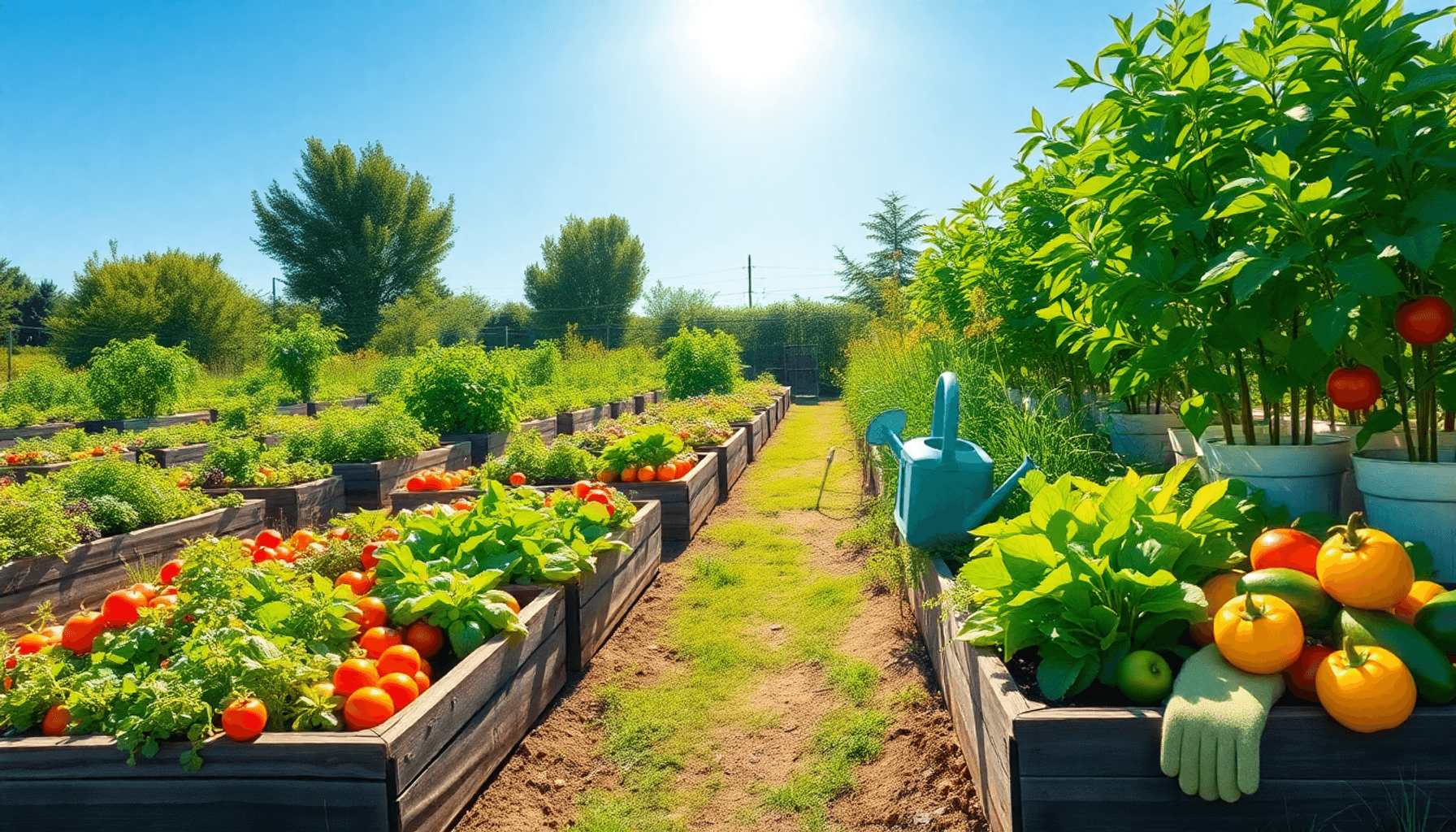

Planning a vegetable garden is essential for both productivity and enjoyment. Without a clear plan, you may face issues like poor plant growth, wasted space, or uneven harvests. Taking the time to plan your garden helps you maximize yield, reduce work, and create a more satisfying gardening experience.
This vegetable garden planning guide walks you through the necessary steps to design and manage a thriving garden. Whether you're new to gardening or want to improve your current setup, these beginner gardening tips provide practical advice for:
- Choosing the best location
- Designing efficient layouts
- Selecting suitable crops
- Preparing soil properly
- Scheduling planting and watering
- Maintaining plants for healthy growth
You will learn how to plan a vegetable garden methodically so that every square foot contributes to a successful harvest. This step-by-step approach ensures you have a clear roadmap from initial site assessment to ongoing care and harvesting. Use this guide as your foundation for growing fresh, tasty vegetables with confidence and ease.
Step 1: Assess Your Garden Site
Assessing your garden site lays the foundation for a thriving vegetable garden. This initial step involves evaluating several critical factors to ensure your plants receive optimum conditions for growth.
Choosing the Ideal Sunny Location
Vegetables require 6-8 hours of direct sunlight daily to photosynthesize effectively and produce abundant yields. When selecting your garden site:
- Observe your yard throughout the day to identify areas with consistent sunlight.
- Avoid spots shaded by large trees, buildings, or other structures.
- South-facing locations typically receive the most sun in the Northern Hemisphere.
- Consider seasonal sun angles since shade patterns change between summer and winter.
Checking Soil Quality and Drainage
Healthy soil supports strong root development and nutrient uptake. To assess soil quality:
- Dig a small hole about 12 inches deep and observe the soil texture—loamy soil with good crumb structure is ideal.
- Check drainage by filling the hole with water; if it drains within a few hours, conditions are suitable. Slow drainage or standing water indicates poor drainage that can harm roots.
- Avoid low spots where water tends to pool after rain.
Considering Existing Features
Existing elements around your garden influence microclimates and plant health:
- Trees can compete for nutrients and water, so avoid planting too close to large roots.
- Buildings may cast shadows or block prevailing winds, which could be beneficial or detrimental depending on your climate.
- Wind exposure affects plant transpiration rates; windbreaks like hedges can protect delicate crops.
Ensuring Easy Garden Accessibility
Regular tasks such as watering, weeding, and harvesting require convenient access:
- Position your garden near a water source to reduce effort when irrigating.
- Plan paths wide enough to move comfortably without stepping on beds—this preserves soil structure.
- Keep the garden reachable from your kitchen or main outdoor areas if possible; this encourages frequent visits and attentiveness.
By thoroughly assessing these aspects during garden site evaluation, you set yourself up for success in growing vegetables that thrive in their environment.
Step 2: Measure and Map Your Garden Space
Accurate measuring of your garden space sets the foundation for effective garden layout planning. Begin by determining the total area you have available for planting. Use a tape measure or measuring wheel to record the length and width of your garden spot. If the space is irregular, break it down into smaller, measurable sections and add them together. Sketching rough outlines on graph paper can help visualize these dimensions.
Design your garden beds with functionality in mind. Beds approximately 4 feet wide allow you to reach the center from either side without stepping on the soil, which preserves soil structure and root health. Between beds, plan for paths about 2 feet wide—wide enough for comfortable movement, wheelbarrows, or small tools. This spacing also makes watering, weeding, and harvesting easier.
Creating a clear base map or layout plan is essential for visualizing your garden’s organization before planting begins. You can:
- Draw by hand on graph paper using a scale (e.g., 1 square = 6 inches).
- Use digital tools such as free garden planning apps (e.g., Gardena My Garden, Planter) or software like SketchUp.
- Mark existing features like trees, fences, or shed locations to avoid conflicts.
A well-prepared map helps you see how much space each plant will need and how paths fit into the overall design. It also enables you to experiment with different layouts without disturbing your actual garden site. This step reduces wasted space and maximizes productivity while keeping maintenance manageable.
Step 3: Plan Your Garden Layout Strategically
A well-thought-out vegetable garden layout sets the foundation for healthy growth and efficient care. How you position each plant impacts sunlight exposure, airflow, pest control, and ease of maintenance. Follow these guidelines to optimize your garden space.
Position Tall Plants on the North Side
Locate tall-growing crops such as corn, sunflowers, or trellised beans along the northern edge of your garden beds. This placement prevents them from casting shade over shorter plants that require full sun. Shade can stunt growth and reduce yields for sensitive vegetables like lettuce or carrots.
Place Sun-Loving Tender Plants in Brightest Spots
Tender crops like tomatoes, peppers, and eggplants thrive with abundant sunlight—around 6 to 8 hours daily. Identify the sunniest parts of your garden and allocate them for these heat-loving vegetables. Avoid placing them near taller plants that could block sunlight during peak hours.
Locate Climbing Plants Carefully
Climbers such as peas, pole beans, or cucumbers need vertical support but can overshadow neighboring vegetables if not positioned thoughtfully. Situate these plants where their vines grow upwards without shading low-growing crops. Ideally, place them on trellises at the garden’s north or eastern side to maximize light access for other plants.
Group Plants Using Companion Planting Principles
Companion planting improves plant health by deterring pests and attracting beneficial insects naturally. Combine compatible species to create a balanced ecosystem:
- Tomatoes and basil: Basil repels aphids and improves tomato flavor.
- Carrots and onions: Onions mask carrot scent from root maggots.
- Cabbage family with nasturtiums: Nasturtiums attract aphids away from cabbages.
- Beans with corn: Beans fix nitrogen benefiting corn growth.
Organize your beds so companion plants grow close but avoid overcrowding. This strategy reduces the need for chemical interventions while enhancing productivity.
Incorporate Paths for Easy Movement and Maintenance
Paths between beds should be wide enough (about 2 feet) for comfortable walking and carrying tools or harvest baskets. Clear walkways prevent soil compaction in growing areas and make watering, weeding, pruning, and harvesting more efficient. Consider mulching paths or using stepping stones to keep them clean and dry.
This strategic layout approach maximizes sunlight exposure, supports healthy plant interactions through companion planting, and ensures you can maintain your garden efficiently — key steps in how to plan a vegetable garden: a step-by-step guide that leads to a thriving harvest.
Step 4: Choose the Right Vegetables for Your Garden
Selecting vegetables to grow begins with making a personal list that prioritizes freshness, taste, and cost savings. Growing your favorites ensures you enjoy the fruits of your labor and reduces grocery expenses. Think about which vegetables you eat most often or those that taste best when freshly picked.
Climate-suitable crops are crucial for a successful garden. Understanding your local growing season and climate conditions will help you pick vegetables that thrive naturally in your area. For example, cool-season crops like lettuce and spinach perform well in early spring or fall, while warm-season crops such as tomatoes and peppers need warmer soil temperatures to flourish.
Beginner-friendly vegetables simplify the gardening process, especially if this is your first vegetable garden. Varieties like:
- Lettuce
- Green beans
- Radishes
- Tomatoes
are forgiving, require less maintenance, and often produce quick results. These plants allow you to build confidence while learning essential gardening skills.
Planning succession planting keeps your harvest continuous rather than concentrated in one period. This technique involves sowing seeds or transplanting seedlings at intervals every few weeks. For instance, start a batch of radishes in early spring, then plant another after two weeks. This staggering method extends productivity and ensures fresh vegetables for longer stretches.
Tips for selecting vegetables:
- Research which crops suit your USDA hardiness zone or regional climate.
- Consider space requirements; some plants need more room or support.
- Pair fast-growing crops with slower maturing ones for balanced yields.
- Keep a gardening journal to track what works best each season.
Choosing the right vegetables sets a strong foundation for your garden’s success by aligning plant needs with your environment and preferences. This thoughtful selection makes planting, care, and harvesting more rewarding and efficient.
Step 5: Prepare Your Soil for Planting
Preparing your soil is a critical step in soil preparation for vegetable gardens. Healthy soil forms the foundation for strong root systems and productive plants. Focus on enhancing the fertility and structure of your soil before planting.
Add Compost or Organic Matter
Incorporate plenty of compost or other organic matter such as well-rotted manure, leaf mold, or grass clippings. Composting benefits your garden by:
- Improving soil texture, making it crumbly and easier to work with
- Increasing the soil's ability to retain moisture without becoming waterlogged
- Providing essential nutrients that feed plants naturally over time
- Encouraging beneficial microorganisms that promote healthy soil ecology
Apply a 2-3 inch layer of compost and work it into the top 6-8 inches of soil with a fork or spade. This enriches the soil and encourages vigorous root growth.
Test Soil pH and Nutrient Levels
Testing your soil helps you understand its current condition and what amendments might be necessary. You can purchase simple home test kits or send samples to a local cooperative extension service. Key factors to check include:
- pH level: Most vegetables prefer slightly acidic to neutral conditions (pH 6.0–7.0). If your soil is too acidic or alkaline, adjust it by adding lime or sulfur respectively.
- Nutrient content: Look for nitrogen (N), phosphorus (P), and potassium (K) levels. Deficiencies can be corrected with targeted organic fertilizers.
Testing guides your amendments so you avoid underfeeding or over-applying nutrients, which can harm plants.
Build Raised Beds if Needed
Heavy clay soils or areas prone to poor drainage benefit greatly from raised beds gardening. Raised beds:
- Improve drainage, preventing waterlogging that stunts roots
- Warm up faster in spring, enabling earlier planting
- Make it easier to control soil quality by filling beds with custom mixes of topsoil, compost, and sand
Construct raised beds about 6-12 inches high using untreated wood, stone, or other durable materials. Fill them with a loose, fertile mix tailored for vegetables.
Preparing your soil thoughtfully maximizes plant health and yield potential. This groundwork sets you up for success as you move on to scheduling your plantings precisely according to climate conditions and crop requirements.
Step 6: Create an Effective Planting Schedule
Planning a vegetable planting schedule is essential to maximize your garden’s productivity and ensure a steady supply of fresh produce. Understanding when to plant each crop depends largely on local climate conditions and the specific needs of your vegetables.
Use Local Frost Dates as Your Planting Guide
Frost dates are critical markers in your garden calendar. The frost dates planting guide helps you determine when to sow cool-season crops and warm-season crops safely.
- Cool-season crops such as lettuce, spinach, and radishes can be planted several weeks before the last expected spring frost date. These plants tolerate cooler temperatures and often thrive in early spring or late fall.
- Warm-season crops like tomatoes, peppers, and beans should be planted only after the danger of frost has passed. This protects tender plants from cold damage and promotes healthy growth.
Knowing both the last spring frost and first fall frost dates for your area allows you to plan your growing season efficiently.
Stagger Plantings for Continuous Harvests
Succession planting timing extends your harvest by sowing seeds or transplanting seedlings at intervals rather than all at once.
- Plant new rows every 2 to 3 weeks for quick-growing vegetables such as lettuce, radishes, and green beans.
- This approach prevents large surpluses that may spoil at once and keeps your kitchen stocked with fresh veggies over a longer period.
- It also helps manage garden space better by rotating crops through beds as earlier plants mature or are harvested.
Track “Days to Maturity” on Seed Packets
Seed packets provide days to maturity information — the estimated number of days from planting until harvest.
- Use this data to map out your planting timeline for each vegetable.
- Combine it with frost dates to avoid planting too early or too late.
- For example, if a tomato variety takes 75 days to mature, count backward from your average first fall frost date to find the latest safe planting date.
A detailed schedule based on these numbers prevents surprises and improves planning accuracy.
Creating an effective planting schedule ties together environmental factors and plant characteristics. This step ensures you make the most of your garden space through well-timed sowing, helping you maintain a productive vegetable garden throughout the season.
Step 7: Plan Irrigation for Healthy Growth
Effective irrigation planning vegetable garden is essential to maintain consistent moisture levels, especially during dry spells. Choosing the right watering methods vegetables respond to can significantly impact plant health and yield.
Selecting Appropriate Irrigation Methods
- Drip irrigation: Delivers water directly to the root zone, minimizing evaporation and runoff. This method conserves water and reduces weed growth by keeping foliage dry.
- Soaker hoses: Flexible hoses that seep water slowly along their length, ideal for evenly moistening garden beds without disturbing soil structure.
- Hand watering: Useful for small gardens or targeted watering but requires attention to avoid under- or over-watering.
Both drip irrigation and soaker hoses excel in drought management in gardening by providing controlled, efficient watering that supports strong root development.
Special Considerations for Water-Sensitive Crops
Certain vegetables demand consistent moisture levels to thrive. For example:
- Celery requires steady soil moisture to prevent tough stalks and bolting.
- Onions need regular watering during bulb formation to encourage size and prevent splitting.
Inconsistent watering can stress these crops, reducing quality and yield. Installing irrigation systems with timers or moisture sensors helps maintain optimal conditions without daily manual effort.
Key Tips for Irrigation Success
- Water early in the morning or late in the evening to reduce evaporation loss.
- Avoid overhead watering that wets leaves excessively, increasing disease risk.
- Monitor soil moisture regularly by feel or using a moisture meter.
- Adjust irrigation frequency based on weather conditions, soil type, and plant growth stage.
Adopting these irrigation strategies ensures your vegetable garden remains healthy and productive throughout the growing season. Proper watering supports nutrient uptake, promotes vigorous growth, and enhances resilience against pests and diseases.
Step 8: Maintain Your Vegetable Garden & Harvest Efficiently
Effective vegetable garden maintenance starts with thoughtful placement of your most frequently harvested plants. Herbs and salad greens benefit from being located close to the kitchen or along easily accessible paths. This reduces the effort required for daily picking and encourages regular harvests, which in turn promotes continuous growth and productivity.
Mulching benefits are significant for both plant health and soil quality. Applying a layer of organic mulch, such as straw, shredded leaves, or grass clippings, helps:
- Retain soil moisture by reducing evaporation.
- Suppress weed growth that competes for nutrients and water.
- Regulate soil temperature, keeping roots cooler in summer and warmer in cooler months.
- Add organic matter as the mulch decomposes, improving soil fertility over time.
Maintaining a consistent mulch layer around your plants minimizes watering needs and reduces labor involved in weed control.
Pest monitoring in gardens is essential to protect your crops without resorting to harsh chemicals. Develop a routine of inspecting leaves, stems, and soil for signs of insect damage or disease symptoms. Look out for:
- Holes or chewed edges on leaves.
- Discoloration, wilting, or spotting.
- Presence of pests like aphids, caterpillars, or beetles.
- Fungal growth or mold on foliage.
Early detection allows you to intervene promptly using organic methods such as handpicking pests, introducing beneficial insects (ladybugs, lacewings), or applying natural insecticidal soaps. Keeping plants healthy through proper watering and nutrition also makes them less vulnerable to infestations and diseases.
Regular maintenance tasks include removing dead or yellowing leaves to prevent disease spread and thinning crowded seedlings to improve airflow. Keep garden paths clear for easy access during care routines like weeding, watering, and harvesting.
Harvest efficiency improves when you pick vegetables at peak ripeness. For example:
- Leafy greens should be harvested before they become tough or bitter.
- Tomatoes taste best when fully colored but still firm.
- Beans are sweetest when young and tender.
Harvesting regularly encourages plants to produce more and reduces pest habitat within dense foliage.
By integrating these maintenance tips into your gardening routine, you ensure robust plant health and maximize your vegetable garden’s yield throughout the growing season.
Essential Tools & Resources for Garden Planning
Equipping yourself with the right gardening tools essentials sets the foundation for efficient care and successful vegetable gardening. These tools simplify daily tasks like planting, watering, pruning, and soil preparation.
Basic Gardening Tools You Need
- Trowel: Ideal for digging small holes, transplanting seedlings, and mixing soil amendments.
- Pruners (Secateurs): Essential for trimming plants, harvesting vegetables cleanly, and removing dead or diseased foliage.
- Watering Can or Hose: Choose depending on garden size; watering cans offer control for delicate seedlings, while hoses work better for larger areas.
- Gloves: Protect your hands from thorns, rough soil, and pests while improving grip.
- Garden Fork: Useful for loosening soil, aerating beds, and turning compost.
- Spade: Designed for digging deeper holes, edging beds, and moving soil or compost efficiently.
Having these tools on hand reduces effort and time spent on routine maintenance so you can focus more on nurturing your crops.
Digital Support: Garden Planning Apps
Technology enhances how you design and manage your vegetable garden. Several garden planning apps provide:
- Layout Design: Visualize bed shapes, plant spacing, and pathways with drag-and-drop interfaces.
- Crop Rotation Reminders: Help prevent soil nutrient depletion by scheduling what to plant where each season.
- Companion Planting Suggestions: Offer guidance on which plants grow well together to deter pests naturally and boost yields.
- Task Scheduling: Set reminders for watering, fertilizing, pruning, and harvesting based on your specific garden conditions.
Popular apps like Garden Planner, Veggie Garden Planner, and Planter bring these features to your fingertips. Some are free with basic functions; others offer premium upgrades for more advanced planning tools.
Companion Planting Resources
Beyond apps, books and online guides dedicated to companion planting provide in-depth knowledge about plant relationships in your vegetable garden. They explain:
- Which plants attract beneficial insects like ladybugs or pollinators such as bees.
- Natural pest repellents through strategic plant grouping.
- Soil health improvements by alternating complementary crops.
Using these resources alongside digital tools enhances your ability to design a balanced ecosystem in your garden that supports healthy plant growth naturally.
The combination of essential physical tools and smart digital resources equips you to follow the steps outlined in How to Plan a Vegetable Garden: A Step-by-Step Guide effectively. This blend ensures you have both the practical means and knowledge base to optimize productivity while enjoying the gardening process.
Conclusion
Planning your vegetable garden thoughtfully sets the foundation for a successful and rewarding gardening experience. This step-by-step guide on How to Plan a Vegetable Garden helps you approach the process with confidence and clarity.
Key takeaways to keep in mind:
- Assess your site carefully to ensure adequate sunlight, good soil drainage, and accessibility.
- Map out your space to maximize growing area and make maintenance easier.
- Design your layout strategically by considering plant height, sunlight needs, companion planting, and pathways.
- Select vegetables suited to your preferences and local conditions, including easy-to-grow varieties for beginners.
- Prepare the soil thoroughly with organic matter and consider raised beds if needed.
- Create a planting schedule based on frost dates and stagger plantings for continuous harvests.
- Plan irrigation thoughtfully, especially for moisture-sensitive crops.
- Maintain your garden regularly with mulching, monitoring for pests, and placing frequently harvested plants conveniently.
- Equip yourself with essential tools and leverage garden planning apps to stay organized.
Every garden is unique. Use this guide as a flexible framework, adapting each step to fit your specific climate, space, and goals. The satisfaction of harvesting fresh vegetables from your own well-planned garden makes the effort worthwhile. Start planning now, watch your garden thrive, and enjoy the fruits (and veggies) of your labor.
Gardening success begins with smart preparation—embrace these steps to create a productive vegetable garden that brings both enjoyment and nourishment season after season.
FAQs (Frequently Asked Questions)
Why is planning important for a successful vegetable garden?
Planning a vegetable garden is essential for maximizing productivity and enjoyment. It helps you choose the right location, select suitable vegetables, organize your garden layout strategically, and schedule planting and maintenance effectively.
How do I assess my garden site for planting vegetables?
Assess your garden site by ensuring it receives 6-8 hours of direct sunlight, checking soil quality and drainage to avoid water pooling, considering existing features like trees or buildings that may cause shading or wind exposure, and ensuring easy access for watering, weeding, and harvesting.
What are the best practices for designing a vegetable garden layout?
Design your vegetable garden layout by positioning tall plants on the north side to prevent shading shorter plants, placing sun-loving tender plants like tomatoes and peppers in the brightest spots, locating climbing plants where they won’t overshadow others, grouping plants based on companion planting principles to deter pests and attract beneficial insects, and incorporating paths about 2 feet wide for easy movement and maintenance.
Which vegetables are ideal for beginners to grow in their garden?
Beginner-friendly vegetables include lettuce, green beans, radishes, and tomatoes. Choose crops suited to your local climate and growing season, focusing on freshness, taste, and cost savings. Planning succession planting can also ensure continuous harvests throughout the growing season.
How should I prepare my soil before planting vegetables?
Enhance soil fertility by adding compost or organic matter. Test soil pH and nutrient levels if possible. If your soil is heavy or waterlogged, consider building raised beds to improve drainage and promote healthy root growth.
What irrigation methods are recommended for maintaining a healthy vegetable garden?
Select appropriate irrigation methods such as drip irrigation or soaker hoses to provide consistent moisture efficiently. Pay special attention to water-sensitive crops like celery and onions that require steady watering. Planning irrigation helps manage drought conditions and supports healthy plant growth.