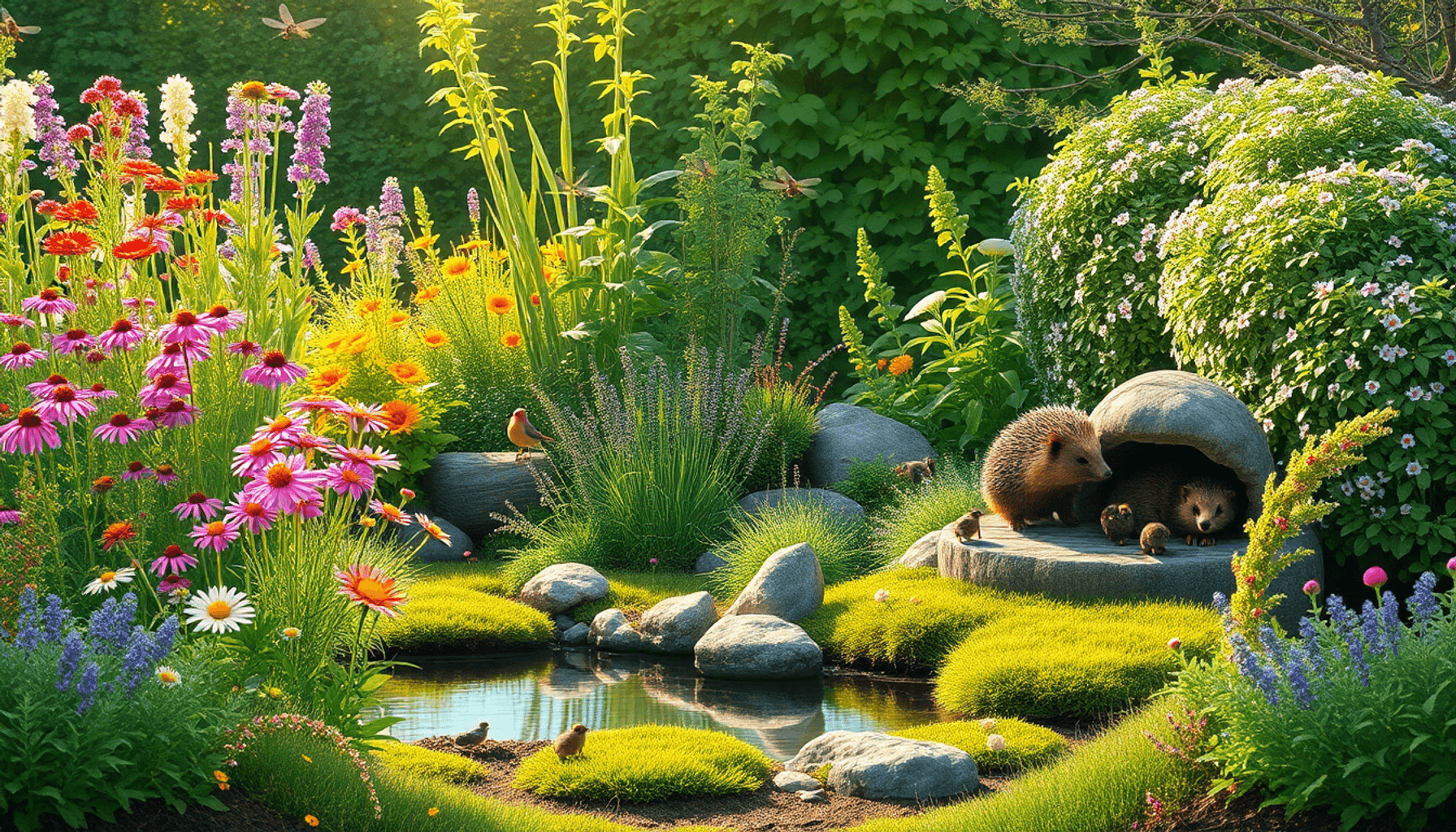

Wildlife gardening has become an increasingly popular pursuit across the UK, appealing to gardeners who want to create spaces that actively support local ecosystems. This approach goes beyond ornamental planting, focusing instead on designing gardens that attract birds, bees, and hedgehogs—key species that contribute to a healthy environment.
You can transform any garden into a haven for wildlife by implementing practical, nature-friendly features. Wildlife Garden Ideas UK: Attract Birds, Bees and Hedgehogs offers inspiring ways to encourage these creatures to visit and thrive right outside your door.
Creating habitats tailored to local wildlife needs is essential. Birds require nesting sites and diverse food sources; bees depend on a continuous supply of nectar-rich flowers; hedgehogs need sheltered areas for resting and foraging. Providing these elements helps sustain their populations amid urban development and habitat loss.
Benefits of wildlife gardens extend beyond supporting animals:
- Enhance biodiversity: Diverse plantings and natural structures create balanced ecosystems.
- Natural pest control: Beneficial insects reduce the need for chemical interventions.
- Educational opportunities: Gardens serve as outdoor classrooms for all ages.
- Personal well-being: Watching wildlife promotes relaxation and connection with nature.
Choosing wildlife garden ideas UK means embracing the responsibility and joy of fostering living communities in your own backyard.
Understanding Wildlife Needs in Your Garden
Creating an effective wildlife habitat UK means understanding the essential requirements that support local species. Birds, bees, and hedgehogs each depend on specific conditions to thrive. You need to focus on three core elements: food, water, and shelter.
Food Sources
- Birds: Variety matters. Different birds prefer seeds, berries, insects, or nectar. Providing a mix of seed heads, fruiting shrubs, and insect-rich plants will attract a broad range of birds.
- Bees: Nectar and pollen are vital. Native flowering plants with staggered bloom times ensure food availability throughout the growing season.
- Hedgehogs: These small mammals eat insects, slugs, snails, worms, and even fallen fruit. A garden rich in undergrowth supports their foraging needs.
Water Availability
Water is critical for all wildlife. Shallow dishes or mini ponds serve as drinking spots for birds and bathing sites for bees. Hedgehogs also need accessible water sources but avoid deep containers where they could drown.
Shelter Requirements
- Birds: Dense shrubs or trees provide nesting sites and protection from predators.
- Bees: Many solitary bee species nest in bare soil, hollow stems, or dead wood.
- Hedgehogs: Thick vegetation or piles of leaves offer safe daytime resting places and protection during hibernation.
Unique Habitat Preferences
Each species has distinct preferences shaping how you design your garden:
- Some birds favour open spaces for feeding but dense cover for nesting.
- Solitary bees require dry, sunny spots with appropriate nesting materials.
- Hedgehogs prefer wild corners with plenty of leaf litter rather than manicured lawns.
Recognising these differences helps you create diverse microhabitats within your garden that cater to various wildlife needs.
Importance of Native Plants and Natural Features
Native plants have evolved alongside local wildlife and are better suited to supporting native insects and animals. They provide familiar food sources and suitable shelter environments that non-native species often lack.
Natural features like fallen logs, leaf litter, and native hedgerows play vital roles by:
- Supporting complex food webs
- Offering breeding grounds and refuges
- Enhancing soil health that benefits plant growth
Incorporating native flora combined with natural structural elements builds a resilient ecosystem within your garden that encourages supporting local species year-round.
1. Creating Log Piles to Support Diverse Wildlife
Log piles are a simple yet powerful addition to any wildlife garden in the UK. They provide essential habitats for a range of species, from insects to fungi, and play a key role in supporting biodiversity.
Building and Positioning Log Piles
- Choose a mix of wood types and sizes: Use branches, logs, and twigs to create varied textures and microhabitats.
- Stack loosely: Allow gaps for air circulation and for small creatures to move freely.
- Position on soil or grass: This encourages colonisation by ground-dwelling insects and fungi.
- Place log piles near flowering borders: Proximity to nectar sources attracts solitary bees and wasps that nest in dry wood.
Shady vs Sunny Locations: Different Habitats
- Shady spots promote faster wood decay, encouraging garden fungi moss growth such as bracket fungi and various moss species. These conditions attract detritivores like woodlice, beetles, and millipedes which break down organic matter.
- Sunny locations keep wood dry and hard, preferred by solitary bee nesting UK species like mason bees and leafcutter bees. These bees carve nesting tunnels in the dry timber, benefiting from warmth that aids larval development.
Wildlife Supported by Log Piles
Log piles become mini ecosystems supporting:
- Fungi and mosses: Vital decomposers recycling nutrients back into the soil.
- Solitary bees and wasps: Important pollinators nesting in deadwood cavities.
- Beetles, spiders, centipedes, and other insects: Food sources for birds and small mammals.
Creating log piles introduces structural complexity that many modern gardens lack. It also offers shelter from predators and harsh weather for vulnerable species.
Placement Tips
- Locate log piles close to nectar-rich plants to provide easy foraging routes for solitary bees.
- Avoid frequent disturbance once established so resident wildlife can thrive undisturbed.
- Combine different sun exposures within your garden’s layout to maximise habitat diversity.
Incorporating log piles enriches your garden’s ecological fabric while requiring minimal maintenance. This natural feature supports wildlife at several levels—from fungi breaking down wood to pollinators using it as a nursery—making it a cornerstone of effective wildlife gardening in the UK.
2. Building Mini Ponds for Water-Dependent Species
Adding mini ponds to your garden is one of the most effective ways UK gardeners can attract a variety of water-dependent species. Small water features, such as washing-up bowls, large plant pots, or even disused sinks, create vital habitats that support amphibians, insects, birds, and mammals.
Benefits of Mini Ponds in Your Garden
- Provide essential drinking and bathing water for birds and mammals like hedgehogs and bats.
- Offer breeding grounds for frogs, newts, and other amphibians.
- Support aquatic plants that improve water quality and provide shelter.
- Attract predatory insects such as dragonflies which help control pests naturally.
Essential Pond Design Tips
Creating a successful mini pond involves careful planning to ensure it serves wildlife effectively:
- Watertight Containers: Choose containers that hold water securely without leaks. Plastic or ceramic pots work well. Avoid metal containers that can heat up excessively.
- Aquatic Plants: Introduce native pond plants like water mint (Mentha aquatica), duckweed (Lemna minor), or water forget-me-not (Myosotis scorpioides). These plants oxygenate the water and provide cover for aquatic creatures.
- Safe Entry and Exit Points: Place stones, gravel ramps, or partially submerged logs around the pond edges so animals can easily climb in and out without drowning.
- Sunlight Exposure: Position the pond where it receives partial sunlight—too much shade limits plant growth, but full sun can cause overheating.
Wildlife Attracted by Mini Ponds
Mini ponds create a microhabitat for many fascinating species:
- Dragonflies and Damselflies: Their larvae develop underwater before emerging as aerial adults. Presence indicates good pond health.
- Frogs and Newts: Require still water bodies for laying eggs; tadpoles grow safely without fish predators in small ponds.
- Birds: Use ponds for drinking and bathing throughout the year. Different species visit depending on size and location.
- Hedgehogs: Benefit from nearby water sources during dry spells; they often drink at dusk when ponds are quiet.
- Bats: Frequently hunt flying insects attracted to pond lights or vegetation during twilight hours.
Designing your garden with mini ponds not only enriches biodiversity but also supports a balanced ecosystem by integrating aquatic and terrestrial wildlife needs. Connecting these water features with surrounding log piles, native shrubs, or wild corners enhances habitat complexity, inviting more species to thrive in your outdoor space.
3. Planting Native Shrubs and Flowers to Provide Food and Shelter
Choosing the right native plants UK garden is key to supporting local wildlife effectively. Native flowering plants supply nectar and seeds throughout different seasons, ensuring a steady food source for pollinators and seed-eating birds. Selecting species that bloom at staggered times maintains continuous nourishment from early spring to late autumn.
Native Flowering Plants for Pollinators
Flowers for pollinators UK must provide rich nectar and pollen to sustain bees, butterflies, and other insects essential for healthy ecosystems. Some excellent choices include:
- Bluebell (Hyacinthoides non-scripta): Early spring nectar source, vital for emerging bumblebees.
- Wild marjoram (Origanum vulgare): Mid-summer blooms attract a variety of bees and butterflies.
- Red clover (Trifolium pratense): Long flowering period, supports bumblebees and honeybees.
- Heather (Calluna vulgaris): Late summer nectar provider, important for solitary bees.
Including these native flowers encourages a diverse population of pollinators throughout the year, increasing garden vitality.
Shrubs for Birds and Hedgehogs
Native shrubs serve dual roles as both food sources and shelter. Berries, seeds, and dense foliage offer nourishment and protection against predators or harsh weather. Some shrubs particularly beneficial for birds and hedgehogs are:
- Hawthorn (Crataegus monogyna): Produces berries in autumn; dense thorns provide safe nesting sites.
- Blackthorn (Prunus spinosa): Early spring flowers feed pollinators; sloes provide winter food for birds.
- Hazel (Corylus avellana): Nuts support small mammals like hedgehogs; thick branches give cover.
- Dog Rose (Rosa canina): Rose hips rich in vitamin C feed birds in winter; thorny stems deter predators.
These shrubs create natural hideouts where small mammals can rest or nest safely. Hedgehogs particularly benefit from undergrowth with leaf litter or brambles beneath shrubs where they can curl up securely.
Continuous Bloom Cycles
Maintaining continuous bloom cycles means planting a mix of natives that flower successively rather than simultaneously. This strategy supports pollinators by preventing gaps in nectar availability. Combining early bloomers such as primroses with mid-season foxgloves and late-blooming ivy provides an unbroken chain of resources.
Pollinator populations thrive when gardens avoid monocultures or short flowering windows. Diverse plants create habitats that accommodate different insect species’ life cycles while also attracting predatory insects that help control pests naturally.
Planting a mix of native shrubs and flowers tailored to your local environment ensures year-round food sources and shelter opportunities. These living components form the backbone of a wildlife-friendly garden that benefits birds, bees, hedgehogs, and many other creatures.
4. Providing Natural Shelters for Hedgehogs and Birds
Creating a truly wildlife-friendly garden means offering not just food and water but safe places where animals can rest, hide, and raise their young. For UK gardens aiming to support hedgehogs and birds, natural shelters are essential components of a thriving ecosystem.
Dense Shrubbery and Wild Corners: Safe Havens for Hedgehogs
Hedgehogs need secure refuges to escape predators, find shelter from harsh weather, and nest during breeding season. You can create these natural shelters in your garden by:
- Leaving wild corners uncut: Allow sections of your garden to grow naturally with long grass and leaf litter. This mimics hedgehogs’ preferred woodland floor habitat.
- Planting dense, thorny shrubs such as hawthorn or blackthorn provides excellent cover while discouraging larger predators.
- Stacking leaf piles and brushwood offers additional hiding spots that are easy for hedgehogs to navigate but safe from disturbance.
These areas should be quiet zones away from heavy foot traffic or pets. Hedgehog-friendly garden tips often recommend leaving small gaps (13cm x 13cm) in fences or boundaries so hedgehogs can roam between gardens freely, increasing their chances of finding food and mates.
Bird Feeders and Baths UK: Year-Round Attraction
Birds rely on accessible food sources especially during winter when insects and seeds become scarce. Installing bird feeders and baths supports diverse bird species throughout the year by providing:
- High-quality feeders stocked with sunflower seeds, peanuts, or suet cakes tailored to local birds like robins, blue tits, and chaffinches.
- Bird baths with fresh water, ideally shallow with textured surfaces for easy perching, help birds hydrate and bathe safely.
- Feeder placement near shrubs or trees offers quick shelter from predators once birds land.
Different types of feeders—tube feeders for small birds, platform feeders for larger species—encourage variety in visiting birds. Regular cleaning prevents disease spread among wild populations.
Combining Shelter with Food Sources
The strongest wildlife gardens integrate shelter and sustenance closely together. Placing feeders near dense shrubbery or wild corners allows birds to feed while remaining protected. Hedgehogs benefit when leaf piles or log shelters sit close to flowering borders that attract insects—an important protein source.
Linking these elements enhances survival chances by reducing exposure to threats during vulnerable activities like feeding or nesting. This thoughtful arrangement encourages repeated visits by wildlife, making your garden a dependable refuge through changing seasons.
Natural shelters garden UK enthusiasts create often become buzzing hubs where the interdependence between plants, insects, mammals, and birds becomes visible daily—a rewarding sight for any gardener committed to supporting local biodiversity.
5. Enhancing Biodiversity Through Integrated Garden Design
Creating a thriving wildlife garden in the UK requires more than isolated features; it demands an integrated approach that weaves together log piles, ponds, native plants, and shelters into a cohesive habitat. This synergy fosters a balanced ecosystem where each element supports others, enhancing the garden’s biodiversity and resilience.
Combining Key Habitat Features
Linking these components creates habitats where wildlife can feed, breed, and find refuge within close proximity. This interconnectedness encourages species diversity by meeting different life cycle needs throughout the year.
- Log piles: Provide shelter and nesting sites for insects such as solitary bees, wasps, and beetles. When positioned near flowering borders, they offer easy access to nectar sources.
- Mini ponds: Supply essential water for amphibians like frogs and newts, attract dragonflies, and serve as drinking spots for birds and mammals including hedgehogs.
- Native shrubs and flowers: Deliver continuous food through nectar and seeds while offering cover for birds and small mammals.
- Natural shelters: Like dense shrubbery or wild corners create safe refuges that protect vulnerable species from predators and harsh weather.
Supporting Natural Pest Control in Gardens
Encouraging beneficial insects transforms your garden into a natural pest control system. Predatory insects such as ladybirds, lacewings, hoverflies, and parasitic wasps thrive in biodiverse environments rich in native plants and sheltered spaces. These beneficial bugs prey on common garden pests like aphids and caterpillars without harming crops or flowers.
Key strategies include:
- Planting a variety of native flowers that bloom across seasons to sustain pollinators and predatory insects.
- Maintaining log piles to host insect larvae that develop into pest controllers.
- Providing water sources that attract bats and birds which consume large numbers of insects nightly.
- Avoiding chemical pesticides that disrupt beneficial insect populations.
A garden designed with integrated wildlife habitats naturally balances insect populations while reducing the need for artificial interventions.
Sustainable Garden Maintenance for Long-Term Biodiversity
Sustainability is vital for supporting biodiversity UK gardens over time. Practices that nurture soil health, conserve water, and protect native species help maintain vibrant ecosystems year after year.
Consider these tips:
- Minimise lawn mowing: Allow wildflower patches or grassy corners to grow tall periodically; this benefits pollinators and small mammals seeking cover.
- Compost garden waste: Recycling leaves, grass cuttings, and plant trimmings enriches soil naturally without synthetic fertilisers.
- Use organic mulches: Mulching with bark or leaf litter retains moisture around plants while providing habitat for ground-dwelling insects.
- Plant diverse native species: A mix of trees, shrubs, perennials, and groundcovers creates layered habitats supporting different wildlife niches.
- Water wisely: Capture rainwater in barrels or use drip irrigation to reduce demand on mains supplies while ensuring plants remain hydrated during dry spells.
This holistic stewardship ensures your wildlife garden remains a sanctuary not only today but for future generations of birds, bees, hedgehogs—and you.
Integrating multiple habitat features with mindful maintenance turns any outdoor space into a flourishing microcosm of UK wildlife diversity. Your garden becomes part of the larger ecological network supporting local species while rewarding you with lively sights and sounds from dawn till dusk.
Conclusion
Creating a wildlife garden in the UK offers a meaningful way to support local species such as birds, bees, and hedgehogs. The key ideas discussed throughout this guide provide practical steps to help you create a wildlife garden UK that thrives within the region’s climate and ecological conditions:
- Establish log piles strategically placed to attract diverse insects and fungi.
- Incorporate mini ponds using simple, watertight containers to invite amphibians, dragonflies, and other water-dependent creatures.
- Plant native shrubs and flowers that bloom across seasons, providing essential nectar, seeds, and shelter.
- Offer natural shelters like dense shrubbery or wild corners tailored for hedgehogs and birds.
- Integrate all these features thoughtfully to build a balanced ecosystem with natural pest control benefits.
You don’t need a large space or extensive resources to start. Begin small by adding one or two habitat elements—perhaps a log pile near your flowering plants or a simple pond—and observe how wildlife responds. Gradually expanding these features allows your garden to evolve naturally while making it manageable and enjoyable.
The rewards of investing in wildlife gardening extend beyond environmental benefits. A thriving wildlife garden enriches your outdoor space with movement, colour, and sound. It fosters a deeper connection with nature right outside your door and contributes positively to the wider local ecology.
Use this Wildlife Garden Ideas UK: Attract Birds, Bees and Hedgehogs guide as your foundation. Experiment with different ideas suited to your garden’s unique conditions. Watch as birds visit feeders year-round, bees buzz around native blooms, and hedgehogs find safe refuge—all signs of a healthy, vibrant wildlife garden you helped create.
Start today with these simple steps—you’ll be surprised how quickly your outdoor space transforms into a haven for UK wildlife.
FAQs (Frequently Asked Questions)
What are the key benefits of creating a wildlife garden in the UK?
Creating a wildlife garden in the UK enhances biodiversity, supports local species such as birds, bees, and hedgehogs, and provides natural pest control. These gardens contribute positively to the local ecology while offering personal enjoyment from observing thriving wildlife.
How can I attract birds, bees, and hedgehogs to my garden?
To attract birds, bees, and hedgehogs, provide essential habitat features including food sources like native flowering plants and shrubs, water through mini ponds or bird baths, and shelter such as log piles and dense shrubbery. Combining these elements supports diverse wildlife needs effectively.
Why are native plants important for supporting UK garden wildlife?
Native plants are crucial because they supply nectar and seeds throughout the seasons that local pollinators like bees and butterflies depend on. They also create natural shelter and nesting opportunities for birds and small mammals, helping maintain balanced ecosystems within UK gardens.
What is the role of log piles in a wildlife-friendly garden?
Log piles offer vital habitats for a variety of species including fungi, mosses, solitary bees, wasps, and other insects. Placing them near flowering borders provides easy access to nectar, while positioning them in shady or sunny spots caters to different habitat preferences enhancing biodiversity.
How do mini ponds benefit garden wildlife in the UK?
Mini ponds provide essential water sources for species such as frogs, newts, dragonflies, bats, birds, and hedgehogs. Using watertight containers with aquatic plants and safe entry points creates suitable habitats that support water-dependent wildlife throughout the year.
What strategies can enhance biodiversity through integrated garden design?
Enhancing biodiversity involves combining elements like log piles, mini ponds, native shrubs and flowers, and natural shelters to create balanced ecosystems. Encouraging beneficial insects aids natural pest control while sustainable maintenance ensures long-term support for diverse UK garden wildlife.