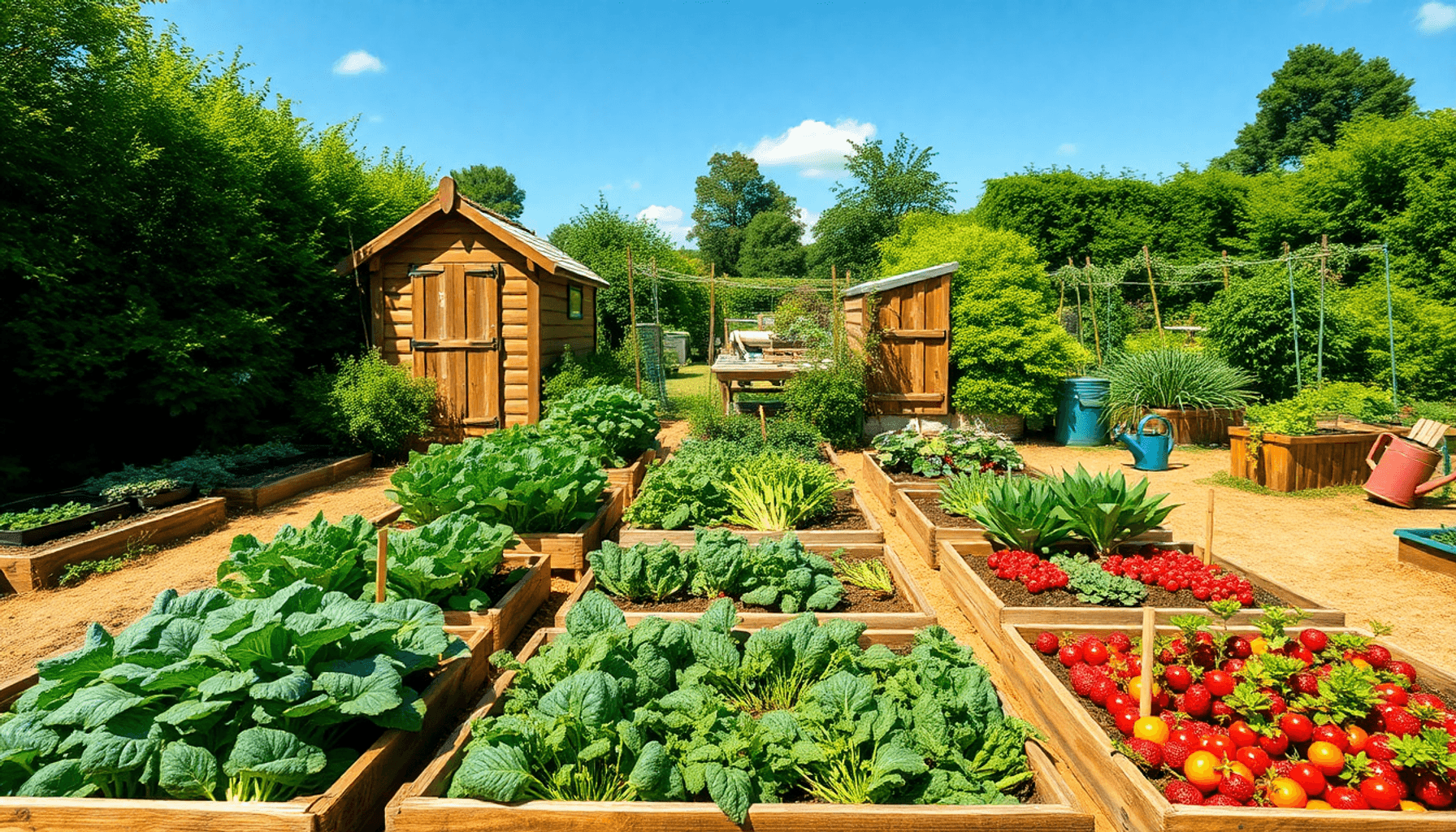

An allotment in the UK refers to a parcel of land, typically around 250 square meters (about 10 rods or 300 square yards), allocated for individuals or families to grow their own vegetables, fruits, and flowers. These plots are often managed by local councils or allotment associations and have been a cherished part of British gardening culture for over a century.
Interest in starting an allotment has surged in recent years. More people seek sustainable living options, fresh home-grown produce, and a healthy outdoor hobby. Allotment gardening offers numerous benefits:
- Access to affordable, fresh food: Growing your own crops reduces reliance on supermarkets.
- Physical activity and mental well-being: Gardening promotes exercise and reduces stress, which is supported by various studies highlighting its positive impact on mental health source.
- Community connections: Allotments foster friendships through shared experiences.
- Environmental impact: Encourages organic practices and biodiversity.
This guide aims to provide you with everything needed for success when embarking on your allotment journey. It covers practical steps from securing your plot to ongoing maintenance. Whether you’re completely new or have some gardening experience, The Complete Guide to Starting an Allotment UK will help you confidently create a productive and enjoyable space.
Get ready to explore the essentials of allotment gardening with clear advice tailored specifically for the UK context.
Understanding Allotments in the UK
An allotment in the UK typically spans around 250 square meters (approximately 10 rods or 300 square yards). This size offers a manageable plot for growing a variety of vegetables, fruits, and flowers without being overwhelming. The dimensions allow space for crop rotation and companion planting, key for maintaining soil health and maximizing yield.
Typical Features of a UK Allotment
Here are some common features you can expect to find in a UK allotment:
- Divided into individual plots, usually fenced or marked.
- Access to communal paths for easy movement.
- Often includes water points to support irrigation.
- Some sites provide shared facilities like tool sheds or compost bins.
- May have restrictions on structures or livestock depending on site rules.
Management of Allotments
Allotments are most commonly managed by local councils or allotment associations:
- Local Councils: Many councils oversee allotment sites within their jurisdiction. They handle plot allocation, maintenance of communal areas, setting rent fees, and enforcing site rules.
- Allotment Associations: These community groups often work alongside councils or independently manage sites. Associations foster a sense of community among allotmenteers and coordinate events, advice sharing, and sometimes collective purchasing of seeds or compost.
Understanding who manages your desired allotment is crucial since each body may have different application procedures, fees, and regulations.
Demand and Waiting Lists
Demand for allotment plots remains high across many parts of the UK. Urban areas with limited green space see particularly long waiting lists. It’s common for applicants to wait months or even years before securing a plot.
Factors influencing demand:
- Increasing interest in sustainable living and homegrown produce.
- Limited availability of new allotment land in densely populated regions.
- Rising awareness of gardening benefits for health and well-being.
If you find yourself on a waiting list:
- Register with multiple local authorities or associations if possible.
- Keep your contact details updated to avoid losing your place.
- Consider smaller or less popular sites to increase chances.
The popularity of allotments reflects their value as both productive gardens and community spaces. Knowing the typical size, management structure, and demand pressures prepares you better to navigate the process of securing your own plot.
Securing Your Allotment Plot
Finding an allotment plot starts with knowing how to get an allotment in your local area. The main providers of allotments in the UK are local councils and allotment associations. These organisations maintain records of available plots and waiting lists. To explore opportunities:
- Visit your local council’s website or contact their parks and recreation department.
- Reach out to nearby allotment associations, which sometimes manage independent sites.
- Check community notice boards or local gardening groups for lesser-known plots.
Demand for allotments is typically high, so applying early is crucial. Many councils operate waiting lists that can span months or even years depending on location. You should:
- Submit your application as soon as possible to secure a place on the waiting list.
- Keep your contact details up to date with the managing body to avoid losing your spot.
- Express flexibility if possible, such as willingness to accept different plot sizes or locations.
Understanding lease terms and responsibilities is essential before committing to a plot. Most allotments come with a tenancy agreement or lease outlining your rights and duties. Key points usually include:
- Lease duration: Often annual, with renewal based on adherence to site rules.
- Rent: A nominal yearly fee payable to the council or association.
- Maintenance obligations: You are expected to keep the plot tidy, cultivate it regularly, and manage weeds.
- Restrictions: Rules about structures, bonfires, water usage, and permitted crops may apply.
- Termination clauses: Conditions under which your tenancy can be ended.
Review these terms carefully so you know what managing an allotment entails legally and practically. Being clear about your commitments helps prevent disputes later on.
Securing a plot means balancing patience with preparedness: join waiting lists early, understand responsibilities fully, and stay engaged with the managing organisation. This groundwork lays the foundation for a successful start on your allotment journey.
Assessing and Preparing Your Allotment Site
Before you start digging or planting, a thorough assessment of your allotment site is crucial. This step sets the foundation for a successful gardening experience and helps you avoid unexpected challenges.
Water Availability Allotments
Reliable water access is vital for healthy plant growth. Most UK allotments provide communal water taps, but availability varies:
- Check location: Ensure the water source is close enough to your plot to avoid long carrying distances.
- Water quality and pressure: Test the water flow to confirm it’s sufficient for your needs.
- Alternative options: If water points are limited, consider investing in rainwater collection systems or large water butts to store rainwater efficiently.
Knowing about water availability allotments before committing can save time and effort later.
Inspecting Other Site Facilities
Facilities vary widely between sites. Look out for:
- Tool sheds or storage areas: Some sites offer shared sheds; others require you to bring your own.
- Compost bins: Availability of on-site composting facilities can boost soil fertility while reducing waste transport.
- Parking and accessibility: Ease of access affects how often you can visit and carry tools or harvests.
- Toilets and rest areas: Not always present but add comfort during long gardening sessions.
Understanding what facilities are on-site helps you plan your setup accordingly.
Evaluating Security Risks Like Theft or Vandalism
Security is an often overlooked but critical aspect when starting an allotment. Plots can attract unwanted attention if not properly secured:
- Fencing quality: Check that boundaries are well-maintained with secure gates.
- Lighting: Some larger sites install lighting; otherwise, consider solar-powered lights for safety.
- Community vigilance: A friendly allotment community often deters vandals and thieves through informal watchfulness.
Garden tools, crops, and personal items left unattended may be vulnerable. Investing in a sturdy shed with lockable doors adds peace of mind.
Understanding Site Rules or Restrictions
Every allotment site operates under a set of rules designed to maintain order and fairness. These might include:
- Limits on plot size or number of plots per person.
- Restrictions on types of crops (e.g., no invasive species).
- Guidelines on structures like greenhouses or fencing height.
- Waste disposal policies, including composting expectations.
Request a copy of the site’s regulations when securing your plot. Familiarity with these rules prevents misunderstandings and potential disputes.
Careful assessment of site facilities, security measures, and rules ensures that your allotment journey begins on solid ground. The next step involves clearing the plot, especially if it has been neglected – a task requiring its own set of considerations and techniques.
Clearing the Plot
Starting with neglected land means dealing with established weeds and overgrowth. Common challenges include stubborn weeds like couch grass, bindweed, and nettles. These plants spread rapidly, often through underground rhizomes or deep roots, making clearing weeds a persistent task. Couch grass can re-emerge from tiny root fragments, while bindweed’s twining stems strangle other plants. Nettles form dense patches that can irritate skin on contact.
Strategies for Clearing Weeds and Overgrowth
- Manual Removal: For smaller areas, digging out roots carefully is effective but labor-intensive. Ensure you extract as much root material as possible to prevent regrowth.
- Smothering: Covering affected patches with black plastic or cardboard deprives weeds of light, gradually killing them over several months.
- Repeated Cutting: Cutting back bindweed and nettles multiple times during the growing season weakens the plants’ energy reserves.
Tackling Trees, Shrubs, and Brambles
Neglected plots often have encroaching woody growth such as small trees, shrubs, and thick bramble patches. Removing these requires more robust methods:
- Cutting Back: Use loppers or pruning saws to cut shrubs and small trees near ground level.
- Digging Out Roots: After cutting, dig around root balls to pull out stumps completely; leaving roots may result in resprouting.
- Brambles: These thorny thickets are tough to clear. Cut brambles repeatedly during the growing season to exhaust their energy reserves before attempting removal of roots.
Safety Measures When Clearing
Clearing involves physical hazards—thorny brambles, sharp tools, and potential allergens like nettles:
- Wear sturdy gloves, long sleeves, and eye protection.
- Take care when handling saws or loppers; clear work paths to avoid trips.
- Dispose of debris responsibly—do not burn it on-site if prohibited by site rules.
Debris Removal and Site Tidying
After cutting back vegetation:
- Collect branches, roots, and plant material into manageable piles.
- Compost suitable green waste in bins or take it off-site if composting is not allowed.
- Remove stones or rubbish uncovered during clearing to prepare the ground for soil work.
Preparing neglected land thoroughly through persistent clearing lays a solid foundation for successful soil preparation and planting. The effort spent removing tough weeds and woody growth pays off in easier maintenance later on your allotment plot.
Soil Preparation for Gardening Success
Preparing your soil properly sets the foundation for a productive allotment. The right soil conditions support healthy root growth, nutrient uptake, and moisture retention.
Techniques for Breaking Up Soil
Two main methods help you loosen compacted soil:
- Digging: Traditional hand digging with a spade is effective for smaller plots or targeted areas. It allows you to remove weeds, break up clumps, and turn over the soil. Digging to a depth of 20–30 cm helps aerate the soil and incorporate organic matter.
- Rotovating: Using a rotary tiller or rotovator speeds up the process on larger plots. It mechanically breaks down the soil into finer particles but can be harsh on soil structure if overused. Use rotovating mainly at the start of the season or when preparing new beds.
Both methods have their place depending on your physical ability, plot size, and soil type. Combining initial rotovating with occasional hand digging tends to work well.
Adding Organic Matter: The Role of Compost
Soil rich in organic matter encourages beneficial microbes and improves texture. Compost is the most accessible way to boost fertility on an allotment plot. Regular use delivers a range of benefits:
- Enhances moisture retention in sandy soils.
- Improves drainage in heavy clay soils.
- Adds essential nutrients slowly over time.
- Supports earthworm activity that naturally aerates soil.
You can bring homemade compost from kitchen scraps and green waste, or source it from community composting schemes or garden centres. Apply a generous layer—about 5 cm thick—over your cleared plot, then dig it in thoroughly during soil preparation. Replenish compost annually to maintain nutrient levels.
Testing Soil pH and Nutrient Levels
Understanding your soil's chemistry guides targeted amendments for optimal plant growth. Two main testing options are available to UK gardeners:
- DIY kits, available at garden centres, provide quick pH readings and basic nutrient information.
- Local council or university labs sometimes offer more detailed analysis, including nitrogen (N), phosphorus (P), potassium (K), and trace minerals.
Testing helps identify whether your soil is too acidic or too alkaline:
- Most vegetables thrive between pH 6.0 and 7.0.
- Low pH (acidic) soils benefit from lime applications.
- High pH (alkaline) soils may require sulfur or organic mulches to lower pH gradually.
Nutrient deficiencies indicated by tests can be corrected with specific fertilizers or organic amendments such as bone meal (phosphorus) or greensand (potassium). Regular testing every few years ensures you keep track of changes caused by cropping cycles and amendments.
Proper soil preparation combines mechanical work with biological enrichment through compost use and careful nutrient management informed by testing. This creates a fertile environment ready to support healthy crops throughout the growing season.
Planning Your Crops and Layout Efficiently
Effective vegetable planning is essential for success in any allotment, especially when you follow principles like crop rotation UK to maintain soil health. Crop rotation involves changing the types of crops grown in specific areas each season or year to prevent nutrient depletion and reduce the buildup of pests and diseases.
Why Crop Rotation Matters
Crop rotation offers several benefits:
- Maintains Soil Health: Different plants draw varying nutrients from the soil. For example, brassicas (cabbage family) consume more nitrogen, while legumes (peas, beans) can actually fix nitrogen back into the soil.
- Reduces Disease Risk: Many soil-borne diseases target specific crops. Rotating crops breaks their life cycle.
- Controls Pests Naturally: Some pests rely on certain host plants. Changing crops interrupts their feeding habits.
- Improves Yield Quality: Diverse planting prevents soil exhaustion and leads to healthier, more productive plants.
A basic crop rotation plan splits your plot into sections where you rotate families such as:
- Legumes (peas, beans)
- Leafy greens (lettuce, spinach)
- Root vegetables (carrots, beetroot)
- Fruiting crops (tomatoes, peppers)
Designing Your Allotment Layout
When planning your allotment layout:
- Allocate space based on crop size and growth habit.
- Plan pathways for easy access without compacting growing areas.
- Consider companion planting to enhance growth or deter pests.
Shade is a common factor affecting many UK allotments due to surrounding trees or buildings. Selecting shade-tolerant crops helps maximize productivity even in less sunny spots.
Shade-Tolerant Crops for UK Allotments
Certain fruits and vegetables thrive with limited sunlight:
- Redcurrants and Raspberries: These berries tolerate partial shade well and can be trained along fences or supports.
- Leafy Greens: Spinach, chard, kale, and certain lettuces grow satisfactorily in shaded conditions.
- Root Vegetables: Some varieties of carrots and beetroot manage with reduced light but may require longer growing periods.
Mapping these crops to the shadier parts of your plot prevents wasted space and boosts overall yield.
Planning your crops carefully using these guidelines aligns with best practices found throughout The Complete Guide to Starting an Allotment UK. Thoughtful crop rotation combined with intelligent layout design leads to sustainable growth cycles and a more enjoyable gardening experience.
Essential Tools and Infrastructure for Allotmenteers
Equipping yourself with the right tools and infrastructure is key to managing your allotment efficiently. Choosing durable, practical items saves time and energy, making gardening tasks more enjoyable.
Recommended Durable Gardening Tools UK
Invest in quality gardening tools designed to withstand regular use and varying weather conditions typical of the UK climate. Essential tools include:
- Spade and fork: For digging, turning soil, and breaking up compacted ground.
- Hand trowel and hand fork: Useful for planting seedlings, weeding, and working in tight spaces.
- Hoe: Helps with cultivating soil and removing weeds before they take hold.
- Pruners or secateurs: Needed for trimming plants, harvesting vegetables, and cutting back perennials.
- Watering can or hose with adjustable nozzle: Ensures precise watering without damaging delicate plants.
- Gloves: Protect hands from thorns, blisters, and soil-borne infections.
Choosing ergonomic designs reduces wrist strain during repetitive tasks. Stainless steel heads resist rust and maintain sharpness longer than cheaper alternatives.
Setting Up Compost Bins for Organic Waste Recycling
Compost bins transform kitchen scraps and garden waste into valuable organic matter that enriches your soil naturally. Benefits include:
- Reducing landfill waste by recycling vegetable peelings, tea bags, grass cuttings, and leaves.
- Producing nutrient-rich humus that improves soil structure, moisture retention, and fertility.
- Minimising the need for chemical fertilizers or peat-based composts.
Select a compost bin suited to your plot size—options range from simple open bins to enclosed tumblers that speed up decomposition. Position bins on level ground with good drainage but away from direct sunlight to maintain moisture balance.
Benefits of Installing a Garden Shed for Storage
A garden shed offers secure storage space crucial for protecting tools and supplies from weather damage or theft. Advantages include:
- Organised storage keeps everything accessible and reduces time spent searching for equipment.
- Sheltered space allows you to carry out potting or seed sowing on rainy days.
- Provides room to store fertilizers, pesticides (if used), plant supports, watering cans, seed trays, and other essentials.
Opt for sheds made of treated timber or metal with sturdy locks to ensure longevity. Adding shelves or hooks inside maximises storage efficiency while keeping the floor clear.
Properly selected tools combined with functional infrastructure like compost bins and sheds create a foundation that supports consistent allotment care year-round. This setup empowers you to focus more on growing healthy crops than on struggling with inadequate equipment or cluttered spaces.
Watering Strategies for Healthy Growth on Your Allotment Plot
Watering plants on UK allotments requires careful timing and efficient use of resources to promote healthy growth while conserving water. Understanding when and how to water can make a significant difference in plant development and soil health.
Optimal Watering Times Gardening Experts Recommend
- Early morning watering is ideal because it allows water to soak deeply into the soil before the heat of the day causes evaporation.
- Evening watering is another effective option, giving plants moisture overnight to absorb without the intensity of midday sun.
- Avoid watering during the hottest hours as much of the water evaporates before reaching roots, which wastes resources and stresses plants.
Consistent moisture levels are crucial, especially during dry spells. Use a watering can or hose with a fine rose to gently supply water without disturbing seedlings or compacting soil. Drip irrigation systems also offer targeted watering that reduces waste.
Rainwater Harvesting: A Sustainable Source
Collecting rainwater provides a free, eco-friendly alternative to mains water for your allotment plot. Systems range from simple setups like buckets under downpipes to more advanced rain barrels with taps.
Benefits of rainwater harvesting include:
- Soft water free from chemicals such as chlorine found in tap water.
- Reduced dependence on local water supplies.
- Lower water bills over time.
Position rainwater containers close to your plot for easy access, ensuring they are covered to prevent mosquito breeding and debris accumulation. Use collected rainwater primarily for watering plants rather than drinking or cooking purposes.
Incorporating these watering strategies helps maintain soil moisture efficiently, supports sustainable gardening practices, and contributes to a thriving allotment plot through every season.
Maintenance Tips for a Thriving Allotment: Weeds, Pests, and Community Engagement
Weed Prevention Gardening: Keep Your Plot Under Control
Weeds compete fiercely with your crops for nutrients, water, and light. Regular attention is essential to prevent weed overgrowth that can quickly become overwhelming.
- Identify common problematic weeds in UK allotments: Couch grass, bindweed, nettles, dandelions, and chickweed are frequent offenders. Couch grass is particularly persistent due to its extensive underground rhizomes.
- Managing couch grass UK: Remove by digging deeply to extract roots or use targeted mulch layers to suppress regrowth. Persistence is key; repeated removal over seasons reduces its hold.
- Weeding techniques: Hand-pulling young weeds before they set seed reduces future infestations. Hoeing between rows disturbs weed seedlings but avoid damaging crop roots.
- Use of weed-suppressant membranes on paths and unplanted areas helps reduce soil exposure and weed germination.
Pest Control Allotments UK: Protect Your Crops Effectively
Pests and diseases threaten the health and productivity of your vegetables. Familiarity with common problems allows early intervention.
- Common pests: Aphids, slugs, cabbage white caterpillars, carrot root fly larvae, and vine weevils frequently affect UK allotments.
- Preventive measures: Encourage natural predators like ladybirds and birds by planting companion flowers such as marigolds or nasturtiums. Use physical barriers like insect netting or slug pellets responsibly.
- Clubroot disease management: This soil-borne disease affects brassicas causing swollen roots and stunted growth. Practice crop rotation by avoiding brassicas in the same spot for at least 4 years. Lime soil pH to above 7.0 to discourage clubroot development.
- Onion white rot prevention: A fungal disease that causes yellowing and bulb rot in onions, shallots, and garlic. Avoid planting allium crops consecutively in the same area; remove infected plants promptly; maintain good drainage.
Community Engagement: Learning and Growing Together
Building relationships with fellow allotmenteers enriches your gardening experience beyond individual efforts.
- Share insights on effective weed prevention gardening or pest control allotments UK challenges you’ve faced.
- Participate in seed exchanges to access diverse varieties suited to your growing conditions.
- Produce swapping introduces variety into diets while reducing waste.
- Communal knowledge sharing accelerates problem-solving for issues like clubroot disease management or onion white rot prevention.
Gardening within a community cultivates motivation through shared success stories and practical advice. It transforms allotment maintenance from solitary work into a rewarding social activity enhancing both plot health and personal satisfaction.
Conclusion
Starting with a half plot offers clear advantages, especially if you are new to allotment gardening. Managing a smaller area allows you to pace your workload realistically, helping you build confidence and acquire skills without feeling overwhelmed. This approach aligns well with best practices for beginners in the UK, where gradual learning leads to long-term success.
Preparing your allotment by clearing it during autumn or winter is a strategic move. These seasons reduce the competition from spring weeds, giving you a cleaner slate for planting. Embracing seasonal tasks like winter preparation gardening not only optimizes your plot but also connects you to the natural rhythm of growth cycles—an essential mindset for sustainable allotment care.
Gardening on an allotment is as much about experimentation as it is about planning. Trying new crops, layouts, and techniques will help you discover what works best in your specific plot and conditions. This hands-on experience transforms challenges into rewarding accomplishments.
“The Complete Guide to Starting an Allotment UK” aims to equip you with practical advice and realistic expectations so that growing your own food becomes an enjoyable and fulfilling journey.
Keep these points in mind:
- Start small with a half plot to manage time and effort effectively.
- Use autumn clearing tips UK to prepare your site ahead of spring.
- View each season as an opportunity for learning and improving your gardening skills.
- Don’t hesitate to experiment within your plot—variety often leads to greater satisfaction and success.
Enjoy the process of nurturing your allotment; growing your own vegetables and fruits connects you deeply with nature while providing fresh, homegrown produce year-round.
FAQs (Frequently Asked Questions)
What is an allotment in the UK and why are they popular?
An allotment in the UK is a small plot of land, typically around 250 square meters, allocated to individuals for growing vegetables, fruits, and flowers. Allotments are popular due to their benefits such as providing fresh produce, promoting outdoor activity, and fostering community engagement among gardeners.
How can I secure an allotment plot in the UK?
To secure an allotment plot in the UK, you should contact your local council or allotment associations to find available plots. Due to high demand, it's advisable to apply early and be prepared for waiting lists. Understanding lease terms and responsibilities is also essential before starting your allotment journey.
What steps should I take to prepare my allotment site for gardening?
Preparing your allotment involves assessing water availability and other essential facilities, evaluating security risks like theft or vandalism, and understanding site-specific rules or restrictions. Clearing the plot by removing weeds, brambles, and debris is crucial before starting cultivation.
How do I prepare the soil on my UK allotment for successful gardening?
Successful soil preparation includes breaking up the soil through digging or rotovating, adding organic matter such as compost to improve fertility, and testing soil pH and nutrient levels. Amending the soil based on test results helps create optimal conditions for healthy plant growth.
What are effective watering strategies for maintaining a healthy allotment plot?
Effective watering strategies include watering plants early in the morning or late evening to minimize evaporation. Collecting rainwater through harvesting systems provides a sustainable water source that supports healthy plant growth while conserving resources.
How can I manage weeds, pests, and diseases on my UK allotment?
Regular weeding prevents overgrowth of problematic weeds like couch grass. Managing common pests and diseases such as clubroot disease and onion white rot involves practical prevention and treatment methods. Engaging with fellow allotmenteers through seed exchanges and advice sharing enhances knowledge and crop diversity.