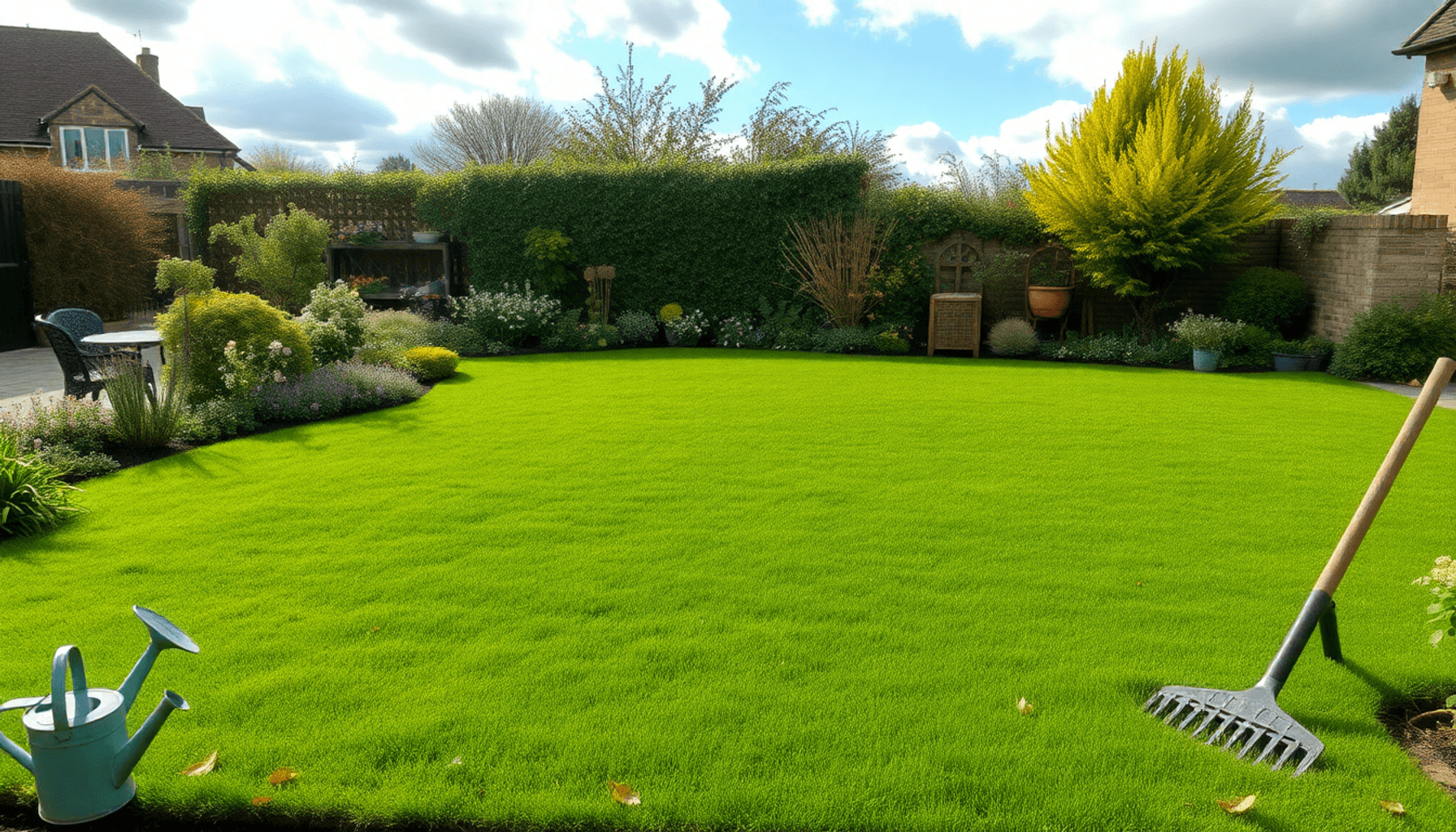

Welcome to The Complete Guide to Lawn Care in the UK. This guide is designed to equip you with practical knowledge and actionable tips for effective lawn care UK homeowners can trust. Whether you are starting a new lawn or looking to improve an existing one, you will find detailed advice on mowing, watering, feeding, weed control, and seasonal maintenance.
Taking care of your lawn goes beyond simple upkeep. A healthy lawn enhances the overall beauty of UK gardens by providing a lush, green carpet that complements outdoor spaces. Well-maintained grass adds value to your property and creates a pleasant environment for relaxation and recreation. Understanding why lawns are so important can further emphasize the significance of proper lawn care.
In this guide, expect to learn about:
- How the UK climate shapes grass growth and lawn health throughout the year
- Essential lawn maintenance practices tailored specifically for UK conditions
- Seasonal tips that help you prepare your lawn for changing weather
- Solutions for common lawn problems unique to the region, such as moss on lawns
- Recommendations for choosing products and services suitable for various soil types in England, Scotland, Wales, and Northern Ireland
Investing time into proper lawn care creates a thriving garden space that stands out. Your efforts will pay off with a vibrant, resilient lawn that enhances the charm of your home’s outdoor area.
Understanding the UK Lawn Care Environment
The UK climate is classified as temperate maritime, which means it experiences mild temperatures and relatively high humidity throughout the year. This climate plays a crucial role in how grass grows and how lawns respond to care efforts.
Effects of the UK Climate on Lawn Growth
- Mild winters: Grass growth slows down but rarely stops completely. Frosts can occur but are usually short-lived, allowing lawns to recover quickly.
- Cool summers: Temperatures rarely reach extremes, which helps prevent the grass from going dormant too often. However, dry spells can still cause stress.
- Consistent rainfall: Regular precipitation keeps soil moisture levels fairly steady, reducing the need for frequent watering compared to drier climates.
Grass species commonly found in UK lawns, such as perennial ryegrass and fescues, thrive under these conditions but require specific maintenance tailored to seasonal shifts.
Seasonal Changes and Their Impact on Lawns
The seasonal changes in the UK directly influence lawn health and common problems you might face throughout the year:
- Spring: Warmer temperatures and increased daylight trigger rapid grass growth. This period is ideal for overseeding and feeding but also encourages weed germination.
- Summer: Although generally mild, summer can bring occasional drought stress. Grass may turn brown if watering isn’t sufficient during dry spells. Regular mowing is needed to keep growth under control.
- Autumn: Cooler temperatures slow growth while fallen leaves create shaded areas that promote moss development. Soil compaction becomes an issue as lawns endure wetter conditions.
- Winter: Minimal growth occurs due to cold weather and reduced sunlight. Persistent dampness encourages fungal diseases and moss colonisation if drainage is poor.
Common Lawn Problems Linked to UK Seasonal Variations
You will encounter some typical issues linked to this environment:
- Moss growth: Thrives in shady, damp areas especially during autumn and winter when grass competes poorly for light and nutrients.
- Drought stress: Occurs mostly in summer during prolonged dry periods despite the overall wet climate. Grass blades wilt or brown due to insufficient water uptake.
- Fungal diseases: Excess moisture combined with low temperatures creates ideal conditions for diseases such as red thread or snow mold.
- Compacted soil: Heavy rainfall during autumn and winter leads to compacted soil layers restricting root development and water penetration.
Understanding these patterns lets you plan lawn care activities that align with natural growth cycles while addressing potential problems before they escalate. Adapting your routine according to these environmental factors ensures a healthier, more resilient lawn all year round.
Essential Lawn Care Practices for UK Lawns
Maintaining a healthy, vibrant lawn in the UK depends heavily on mastering four key practices: mowing, watering, feeding, and weed control. Each plays a distinct role in supporting grass growth and preventing common problems.
Mowing UK Lawns
Mowing frequency varies with the seasons, reflecting changes in grass growth rates:
- Spring and Summer: Mow once a week to keep grass at an optimal height. During rapid growth periods, this prevents the lawn from becoming patchy or uneven.
- Autumn: Reduce mowing to every two weeks as growth slows.
- Winter: Mowing is minimal or unnecessary due to dormancy.
Blade height adjustment is crucial for different conditions:
- Raise blades during hot, dry spells to around 3.5–4 cm. This helps shade roots and conserves moisture.
- Lower blades to 2.5–3 cm in cooler, wetter periods for a tidy appearance without stressing the grass.
Using a sharp mower blade ensures clean cuts that reduce disease risk. Avoid cutting more than one-third of the grass blade length at once to prevent shock.
Watering Grass UK
Effective watering balances natural rainfall with supplementary irrigation, especially in spring and summer:
- Aim to water deeply but infrequently—about once every 7 to 10 days—encouraging deep root growth.
- Early morning watering minimizes evaporation loss and fungal disease risks.
- Adjust watering based on rainfall patterns; avoid overwatering which can cause root rot.
Newly seeded or overseeded lawns require more frequent moisture until established. Use a sprinkler for even coverage rather than spot watering.
Feeding Lawns
Feeding provides essential nutrients tailored to soil types commonly found across the UK—clay, loam, and sandy soils:
- Use nitrogen-rich fertilizers in spring to stimulate strong growth.
- Apply balanced NPK (Nitrogen, Phosphorus, Potassium) feeds in early autumn to prepare lawns for winter resilience.
- For acidic or clay-heavy soils, consider lime treatments before feeding to improve nutrient uptake.
Slow-release fertilizers offer steady nourishment over weeks, reducing runoff and environmental impact. Follow manufacturer instructions closely on application rates and timings.
Weed Control UK
Common weeds invading UK lawns include dandelions, chickweed, creeping buttercup, and clover. Prevention and treatment strategies include:
- Regular mowing reduces weed seed heads and limits spread.
- Hand-pulling young weeds before they establish deep roots is effective in small areas.
- Apply selective herbicides designed for lawn use; target broadleaf weeds without harming grass species.
- Maintain dense grass cover through proper feeding and watering to outcompete weeds naturally.
Mulching garden borders and improving soil drainage also help reduce weed pressure by limiting favorable conditions for their growth.
Mastering these essential lawn care practices helps transform ordinary turf into a lush green carpet that withstands weather fluctuations typical of the UK climate. For more detailed guidance on lawn care, you can refer to resources provided by extension services.
Seasonal Lawn Care Tips Tailored to the UK
Spring Lawn Care UK
Spring is when your lawn starts growing actively. It's time to get the soil ready for new grass blades. Here's what you should do:
- Rake gently: Use a rake to remove dead grass and debris. This will improve air circulation at the soil surface.
- Overseed thin or bare patches: If you have areas with thin or no grass, it's important to overseed them. Choose grass seed blends that are suitable for your specific region and soil type.
- Feed with fertiliser: Give your lawn an initial boost by using a balanced, slow-release fertiliser. This will encourage strong root development and healthy shoots.
- Avoid heavy fertilisation: Be careful not to over-fertilise as it can stress young grass.
By following these steps, you'll be setting a solid foundation for a lush lawn throughout the warmer months.
Summer Lawn Maintenance
During summer, it's crucial to maintain your lawn properly. Here are some tips for effective summer lawn care:
- Mow regularly: Make sure to mow your lawn frequently during this season.
- Raise the blade height: When temperatures soar, raise the blade height on your mower. This will protect the grass from drying out and reduce stress on the plants.
- Water deeply once or twice a week: Instead of watering shallowly every day, focus on deep watering once or twice a week. This encourages roots to grow deeper into the soil, making them more resistant to drought conditions.
- Monitor rainfall closely: Keep an eye on how much rain falls during summer since it can be unpredictable in the UK. Adjust your watering schedule accordingly to avoid overwatering or drought stress.
By following these practices, you'll be able to keep your lawn healthy and vibrant even in hot weather.
Autumn Lawn Maintenance
As autumn approaches, it's important to prepare your lawn for winter while also preventing common issues caused by fallen leaves and compacted soil. Here's what you need to do:
- Remove leaves regularly: Accumulated leaves trap moisture and create an environment conducive to fungal diseases like snow mould. Use a leaf rake or mower with a collection bag regularly to keep your lawn clear of leaves.
- Aerate the soil: Compaction built up over summer can hinder water, air, and nutrient penetration down to the roots. To alleviate this issue, aerate using either a garden fork or mechanical aerator—especially in areas with heavy foot traffic.
- Apply high-potassium fertiliser: Strengthen grass cells ahead of cold weather challenges by applying a high-potassium fertiliser during autumn.
These tasks will help ensure that your lawn remains healthy throughout winter and emerges stronger come springtime.
Winter Lawn Prep
In winter, it's all about protecting your lawn with minimal intervention:
- Reduce mowing frequency: Grass growth slows significantly due to lower temperatures and reduced daylight hours, so you won't need to mow as often—or at all depending on conditions.
- Avoid heavy foot traffic: Stay off frosted or waterlogged lawns as this can cause lasting damage by compacting soil or tearing delicate blades.
- Clear snow gently if necessary: If snow covers your lawn, use a broom instead of shovels or hard tools which could potentially harm the turf underneath.
- Resist fertilising during winter: Wait until spring when growth resumes actively before applying any fertiliser.
By following these guidelines specific to each season, you'll be able maintain vibrant turf all year round while adapting practices effectively through changing weather patterns."
Month-by-Month Lawn Care Calendar for the UK
A well-structured monthly lawn care guide helps you stay on top of essential tasks, ensuring your lawn remains healthy and vibrant throughout the year. This lawn tasks calendar UK breaks down what to focus on each month.
January
- Avoid heavy foot traffic to prevent soil compaction.
- Clear any fallen leaves or debris to reduce mold and moss risk.
- Check for frost damage and gently brush out snow if it accumulates.
February
- Begin light raking to remove dead grass and moss.
- Sharpen mower blades in preparation for upcoming mowing season.
- Plan feeding schedule depending on soil test results.
March
- Start mowing once grass begins active growth; keep blades high initially (around 3.5–4 cm).
- Apply a spring fertilizer rich in nitrogen to support new growth.
- Overseed bare patches to encourage thickening.
April
- Increase mowing frequency as growth picks up, reducing blade height gradually.
- Water sparingly if rainfall is low, focusing on early mornings or late evenings.
- Spot-treat weeds early with selective herbicides.
May
- Continue regular mowing at a moderate height (2.5–3.5 cm).
- Apply a balanced fertilizer to support sustained growth.
- Aerate compacted areas if soil is dry enough.
June
- Maintain consistent watering during dry spells; adjust based on weather patterns.
- Raise mower blades during hot days to protect grass from drought stress.
- Monitor for pests such as leatherjackets and treat accordingly.
July
- Mow frequently but shorten sessions when temperatures peak.
- Apply a summer feed designed to enhance drought resistance.
- Remove weeds promptly before they set seed.
August
- Water deeply but less often to encourage deep root development.
- Avoid heavy fertilizing as growth slows; use light feeds if necessary.
- Prepare for autumn by collecting grass clippings after mowing.
September
- Rake leaves regularly to prevent smothering growth.
- Overseed thin or patchy areas while soil is still warm.
- Apply autumn fertilizer high in potassium for root strengthening.
October
- Aerate lawns to relieve compaction before winter sets in.
- Continue leaf clearing, especially under trees and shrubs.
- Reduce mowing height slightly but keep grass healthy until final cut.
November
- Perform the last mow of the season with blades set higher than usual (around 4 cm).
- Clear remaining leaves and debris thoroughly.
- Avoid heavy traffic on wet or frosty lawns.
December
- Minimize lawn activity; avoid walking on frozen or waterlogged grass.
- Clean and service lawn equipment in preparation for next year’s season.
- Plan next year’s lawn care strategy based on observations made during the year.
Following this detailed monthly routine allows you to anticipate seasonal changes and respond effectively. Each month’s tasks are tailored specifically to UK climate conditions, helping prevent common problems and promote sustained lawn health all year round.
Choosing the Right Lawn Care Products and Services in the UK
Selecting UK lawn care products requires understanding your soil type and the specific needs of your lawn. Across England, Scotland, Wales, and Northern Ireland, soil conditions vary widely—from sandy and acidic in parts of Scotland to heavy clay in many English regions. This diversity influences which fertilizers, grass seeds, and treatment options will be most effective.
Fertilizers Suitable for UK Lawns
When it comes to fertilizing your lawn in the UK, here are some options to consider:
- Nitrogen-rich fertilizers: Ideal for promoting lush, green growth during spring and summer. Best applied when grass is actively growing.
- Slow-release fertilizers: Provide nutrients gradually over several months, reducing risk of scorch or nutrient runoff.
- Phosphorus and potassium supplements: Useful for root development and overall lawn resilience, especially on older or compacted soils.
If possible, tailor your fertilizer choice to soil tests—many garden centres across the UK offer soil testing kits or services. It's also beneficial to understand the different types of fertilizers available and their specific uses.
Weed Killers and Pest Control
Common weeds like dandelions, creeping buttercup, and clover thrive in UK lawns. Effective weed control involves:
- Spot treatments with selective herbicides targeting broadleaf weeds without harming grass.
- Pre-emergent weed killers applied early in the season to prevent seed germination.
- Organic options such as corn gluten meal for gardeners seeking chemical-free solutions.
For pest infestations such as leatherjackets or chafer grubs, look for lawn treatment services offering eco-friendly nematode applications or insecticidal treatments approved for UK use.
Choosing Grass Seeds from UK Suppliers
Grass seed selection depends on:
- Shade tolerance: Northern regions with dense tree cover benefit from shade-tolerant mixes containing fescues.
- Wear resistance: Lawns with heavy foot traffic require ryegrass blends known for durability.
- Soil moisture levels: Well-drained soils suit fine-leaved grasses; wetter areas need moisture-tolerant varieties.
Reputable grass seed suppliers UK include companies like Barenbrug UK and Germinal Seeds, which provide region-specific seed mixes designed to thrive under local climate conditions.
Professional Lawn Care Services vs DIY
Deciding between hiring professionals or undertaking lawn care yourself hinges on:
- Budget constraints: DIY approaches reduce costs but demand time investment and learning curve.
- Expertise level: Professionals bring knowledge of pest identification, fertilization schedules, and disease management that can save long-term expenses.
- Equipment access: Some treatments require specialised machinery or products not readily available to homeowners.
- Service flexibility: Many local companies offer tailored packages—from single-season treatments to year-round maintenance plans.
Before engaging a service provider:
- Verify credentials and customer reviews.
- Request a site assessment to receive customised recommendations.
- Compare pricing models—some firms charge per visit; others offer subscription options.
DIY enthusiasts should consider sourcing products from trusted suppliers offering clear guidance on application rates and safety precautions. Many online platforms now provide detailed tutorials and support forums specific to UK lawn care challenges.
By carefully matching product
Common Lawn Problems in the UK and How to Fix Them
Maintaining a lush, green lawn in the UK comes with challenges unique to its climate and environment. Recognizing typical issues early helps you manage them effectively and keep your garden healthy.
Common Lawn Issues in the UK
1. Moss Growth
Moss thrives in damp, shaded conditions common in many UK gardens. Excessive shade, poor drainage, and compacted soil create ideal environments for moss to spread, often leading to patchy, thin grass areas.
2. Fungal Diseases
Fungi such as red thread, fusarium patch, and dollar spot frequently affect UK lawns. These diseases are often the result of poor drainage, overwatering, or prolonged wet conditions. Symptoms include discolored patches, powdery coatings, or thinning grass.
3. Patchy Grass and Bare Spots
Patchiness can arise from heavy foot traffic, pest damage, or nutrient deficiencies. Areas may appear uneven with sparse grass growth needing attention for repair.
4. Pest Infestations
Common pests like leatherjackets (the larvae of crane flies), chafer grubs, and slugs feed on grassroots causing dead patches. Pest activity is often unnoticed until damage becomes visible.
Effective Solutions for Lawn Problems
1. Moss Control
- Improve sunlight exposure by pruning overhanging branches to increase airflow and reduce shade.
- Enhance drainage by aerating compacted soil with a fork or mechanical aerator to prevent waterlogging.
- Apply moss-killing products containing iron sulfate during early autumn or spring; these treatments also provide a quick green-up effect on grass.
2. Treating Fungal Diseases
- Use fungicides specifically formulated for lawn diseases available at garden centres or through professional suppliers. Choose products labeled for your particular fungal issue.
- Avoid overwatering; water lawns early morning to allow blades to dry throughout the day.
- Increase air circulation by trimming shrubs or removing debris that traps moisture around the grass.
3. Repairing Patchy Grass
- Reseed bare spots using grass seed blends suited for your soil type and regional climate; overseeding improves density and resilience.
- Topdress affected areas with a thin layer of quality topsoil mixed with compost to encourage root growth.
- Maintain consistent watering schedules during seed germination phases without saturating the soil.
4. Pest Control Techniques
- Identify pest presence by inspecting turf roots for grubs or slugs; use nematodes—beneficial microscopic worms—as an eco-friendly biological control method against leatherjackets and chafer grubs.
- Apply slug pellets sparingly if slug damage is severe but opt for pellet-free zones near wildlife habitats to protect beneficial species.
- Encourage natural predators such as birds by installing feeders or birdbaths nearby.
Enhancing Lawn Health Through Preventative Care
Regular monitoring of your lawn's condition allows early detection of these problems before they escalate into severe damage requiring extensive repairs. Combining cultural practices like aeration, proper mowing heights, balanced feeding regimes, and targeted treatments forms a comprehensive strategy against common lawn diseases UK gardens face.
These insights form an essential part of The Complete Guide to Lawn Care in the UK, equipping you with practical knowledge to tackle everyday challenges while promoting vibrant turf growth year-round.
For more detailed information about maintaining your
Edging Techniques for a Tidy Lawn Appearance
Maintaining clean and defined edges around your lawn significantly improves the aesthetics of any garden. Edging is more than just a cosmetic detail; it acts as a practical barrier that helps prevent invasive weeds from creeping into your grass from flower beds, pathways, or borders.
Why Lawn Edging Matters
- Enhances visual appeal: Sharp, well-maintained edges create clear boundaries between the lawn and other garden elements, giving your outdoor space a polished and cared-for look.
- Controls weed spread: Without edging, weeds can easily spread from borders into the lawn area, competing with grass for nutrients and sunlight.
- Simplifies maintenance: Defined edges make mowing and trimming easier by providing a guideline, reducing accidental damage to flower beds or patios.
- Prevents soil migration: Edging structures help keep soil and mulch in place, minimizing mess on the lawn and maintaining proper soil levels for healthy grass growth.
Popular Lawn Edging Tips Gardeners Use
- Metal or plastic edging strips
Durable and flexible materials like galvanized steel or heavy-duty plastic are common. They are inserted vertically into the ground to form a neat border that lasts several seasons. - Natural stone or brick edging
Offers a classic look that complements traditional gardens. Stones or bricks can be laid flush with the ground or slightly raised to define boundaries clearly. - Concrete edging blocks
These provide sturdy, long-lasting borders ideal for areas with heavy foot traffic or sloped terrain prone to soil erosion. - Trenching method (simple cut edge)
Digging a shallow trench around the lawn perimeter creates a clean divide without additional materials. This technique requires regular upkeep to maintain shape.
Practical Advice for Effective Edging
- When installing physical edging, ensure it extends at least 4–6 inches below ground level to stop roots from passing underneath.
- Maintain edges regularly by running an edging tool along borders every few weeks during growing seasons.
- Combine edging with mulching in adjacent beds to further suppress weed growth.
- For lawns next to gravel paths or patios, use rigid edging materials to prevent gravel spilling onto the grass area.
“A neat edge transforms an average lawn into a striking feature of your garden.” — Experienced gardener
Using these lawn edging tips homeowners can achieve tidy lawns that stand out while reducing maintenance hassles caused by unruly weeds and soil displacement. Keeping borders sharp protects your investment in lawn care and enhances your garden’s overall harmony throughout the year.
Conclusion
Maintaining a healthy lawn in the UK requires consistent care throughout the year. The Complete Guide to Lawn Care in the UK has shown that adapting your routine to seasonal changes is essential for lush, resilient grass. Neglecting any season can lead to problems like moss, weeds, or drought stress that become harder to fix later.
Keep these key points in mind as you manage your lawn:
- Stick to regular mowing schedules adjusting blade height according to seasonal needs.
- Water wisely, considering natural rainfall patterns to avoid overwatering or drought.
- Feed your lawn with appropriate fertilizers timed for maximum nutrient uptake.
- Control weeds early before they establish and spread.
- Prepare for winter by aerating soil and clearing debris to prevent disease buildup.
- Use edging not only for aesthetics but also as a physical barrier against invasive plants.
Embracing sustainable gardening practices makes a real difference. For instance, composting grass clippings and organic waste reduces landfill impact while returning valuable nutrients back into the soil. Choosing environmentally friendly products helps preserve local biodiversity and soil health.
Your lawn reflects the care you invest, and by following this guide’s advice, you promote not only a beautiful garden but also a greener environment. Consistency combined with mindful stewardship leads to a thriving lawn that enhances your outdoor space all year round.
FAQs (Frequently Asked Questions)
What are the key factors affecting lawn care in the UK climate?
The UK's temperate maritime climate significantly influences grass growth and lawn health throughout the year. Seasonal changes bring challenges such as moss growth in shaded or damp areas and drought stress during dry spells, requiring tailored lawn care practices to maintain a healthy lawn.
How often should I mow my UK lawn during different seasons?
Mowing frequency varies by season; in spring and summer, lawns typically require weekly mowing to encourage healthy growth, while in autumn and winter, mowing can be reduced to every two to three weeks or paused altogether depending on grass growth. Adjusting blade height seasonally helps optimize lawn health.
What are the best watering practices for UK lawns?
Due to the UK's variable rainfall, it's important to water lawns primarily during dry spring and summer periods. Water deeply but infrequently to encourage deep root growth, ideally early in the morning or late evening to reduce evaporation. Always consider natural rainfall before supplemental watering.
Which fertilizers and feeding schedules are recommended for UK lawns?
Fertilizer choice depends on soil type; nitrogen-rich fertilizers support vigorous growth in most UK soils. Feeding is best done in early spring to jumpstart growth and again in late summer or early autumn to prepare the lawn for winter. Using slow-release fertilizers can provide sustained nutrients over time.
How can I effectively control common weeds in UK gardens?
Common UK lawn weeds include dandelions, chickweed, and clover. Preventative measures involve maintaining a dense, healthy turf through proper mowing, feeding, and watering. For existing weeds, selective herbicides designed for UK lawns or manual removal can be effective methods without harming the grass.
What seasonal tasks should I prioritize for optimal lawn care throughout the year in the UK?
In spring, focus on soil preparation, overseeding thin areas, and initial feeding. Summer requires regular mowing and watering while monitoring drought stress. Autumn involves leaf removal and soil aeration to relieve compaction before winter. Winter maintenance is minimal but includes protecting grass from cold temperatures and clearing snow when necessary.