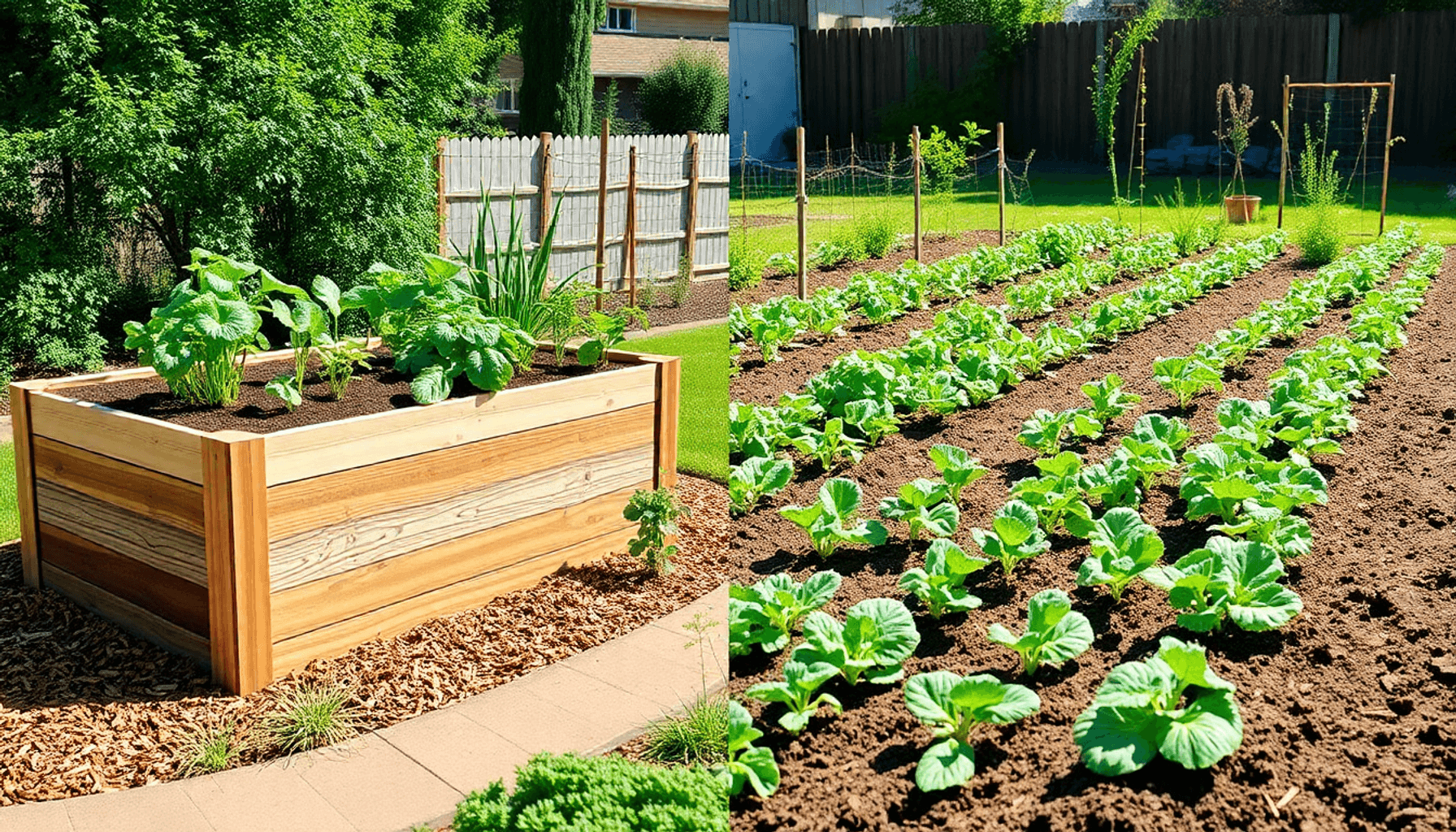

When deciding how to start your garden, one key choice is between raised bed gardening and in-ground gardening. Both methods have unique benefits and challenges, making the decision highly dependent on your specific situation.
Choosing the right gardening method matters because it impacts:
- Your budget
- Available space
- Soil quality
- Desired garden aesthetics
- Amount of effort you're willing to invest
These factors will shape your gardening experience and success. This article explores the raised bed vs in-ground growing: pros and cons to help you understand how each method aligns with your needs.
You’ll find detailed information on:
- Cost considerations for materials and soil
- Space efficiency and limitations
- Soil control and health implications
- Visual appeal of different garden setups
- Labor intensity and maintenance demands
Both raised beds and in-ground gardens can produce thriving plants. The best approach depends on your personal goals, environment, and resources. Understanding these methods equips you to make an informed choice that suits your unique gardening journey.
Understanding Raised Bed Gardening
Advantages of Raised Bed Gardens
Raised bed gardens offer several distinct benefits that appeal to both novice and experienced gardeners.
1. Aesthetic Appeal
One of the most noticeable advantages is the aesthetic appeal. Raised beds create a neat and tidy appearance, often framed by wood, stone, or other materials that enhance the visual structure of your garden. This clean layout not only organizes plantings but also defines garden space clearly, making it easier to maintain.
2. Weed Reduction
Weed reduction is another key raised garden benefit. Because raised beds use contained soil with physical barriers underneath and along the sides, they limit weed seeds from surrounding grass or native plants invading your garden. This containment reduces competition for nutrients and water, allowing your crops to thrive with less effort spent on weeding.
3. Control Over Soil Quality
Control over soil quality stands out as a major perk of raised bed gardening. You have the ability to select or mix soil that perfectly suits your plants’ needs, improving drainage, fertility, and texture far beyond what in-ground soil can typically offer. This raised bed soil control allows customization for different crops in adjacent beds if desired. It’s especially valuable if your native soil is poor, compacted, contaminated, or otherwise unsuitable.
These three factors — aesthetic appeal, weed reduction, and soil quality improvement — combine to make raised beds attractive for gardeners aiming for high productivity with less ongoing maintenance. The flexibility in design and soil management often leads to healthier plants and higher yields compared to traditional ground-level gardening.
Challenges of Raised Bed Gardens
Raised bed gardening involves creating contained garden plots elevated above the surrounding soil. Common materials include wood, stone, brick, or recycled composites. These structures allow you to garden without disturbing the existing yard surface, making them ideal for areas with poor soil or where you want to avoid digging into sod.
You gain significant soil control benefits by filling raised beds with a custom mix of quality soil and compost. This is especially valuable if your native soil is contaminated or lacks nutrients. The barriers in raised beds also help limit weed growth and keep aggressive plants contained within the boundaries.
Despite these advantages, several challenges accompany raised bed gardens:
-
Higher initial costs: Constructing raised beds requires purchasing materials like lumber, bricks, or metal frames. Depending on size and design, these expenses can add up quickly compared to simply planting directly in-ground.
-
Soil filling expense and effort: You must fill the beds with fresh soil and compost to provide optimal growing conditions. Acquiring enough quality soil can be costly and labor-intensive, particularly for larger raised beds.
-
Space limitations for large crops: Raised bed gardens typically have confined areas that may not accommodate sprawling or large-scale crops such as watermelon, corn, or pumpkins. If your gardening goals include extensive plantings of these types, space constraints become a factor.
-
Assembly and construction skills required: Building durable raised beds demands some level of carpentry or masonry ability. Gardeners without experience might find the setup process challenging or require outside help.
Raised bed gardens offer impressive raised garden benefits like enhanced aesthetic appeal, improved weed reduction, and superior soil quality improvement. However, balancing these perks against cost, labor, and space considerations will help you decide if this method aligns with your gardening needs.
Exploring In-Ground Gardening
Benefits of In-Ground Gardens
In-ground gardens offer a range of advantages tied to their use of natural soil and existing landscape features. These traditional gardening benefits appeal to gardeners looking for a straightforward, low-cost gardening option.
1. Cost-effective start-up
Utilizing the ground soil means you avoid the expense of building structures or purchasing large amounts of soil. This makes in-ground gardens ideal if you’re working with a tight budget or want to get growing quickly without upfront investment.
2. Large garden space
Since you are working directly with your yard, there is often much more room available compared to raised beds. This extra space supports extensive vegetable beds or larger plants that need room to spread out, such as pumpkins, corn, or sprawling squash varieties.
3. Natural soil use
In-ground gardens take advantage of your yard’s native soil ecosystem. When properly amended and maintained, this natural soil can provide rich nutrients and beneficial microbes that promote healthy plant growth. You won’t need to fill beds with purchased compost or soil blends unless your existing soil requires improvement.
4. Simplicity in setup
Preparing an in-ground garden generally involves clearing and tilling the area, which many find less complicated than constructing raised beds. It allows you to plant directly into the earth without additional assembly work.
Choosing in-ground gardening taps into the benefits of using ground soil effectively, providing an accessible path to grow a variety of plants with minimal initial costs and ample space for expansion.
Drawbacks of In-Ground Gardens
In-ground gardening means planting directly into your existing soil. This approach leverages the natural ground soil use and traditional gardening benefits, making it appealing for those who want low-cost gardening options with large garden space availability. The minimal initial cost comes from using native soil with some amendments rather than purchasing soil or constructing beds.
Certain challenges come with in-ground gardens:
-
Increased weed presence
Native grass seeds and weed roots in surrounding soil often invade your garden area. Managing these persistent weeds requires vigilance, as they compete with your crops for nutrients and water. Implementing effective cultural weed management strategies can help mitigate this issue. -
Labor-intensive preparation
Before planting, you need to remove sod and loosen compacted ground soil. This step can be physically demanding and time-consuming, especially if your yard has dense grass or clay-heavy earth. -
Consistent maintenance demands
To keep weeds under control, regular mulching and weeding are essential. Mulching helps suppress new weed growth but must be replenished periodically. Without steady upkeep, weeds can quickly overtake an in-ground garden. -
Soil quality variability
Depending on location, native soil might lack essential nutrients or have poor drainage. Amending soil effectively requires knowledge and effort to ensure healthy plant growth. Understanding the principles of soil management could prove beneficial in this regard.
Despite these drawbacks, in-ground gardens suit gardeners who value natural soil use and the ability to cultivate sprawling crops that need more room than raised beds typically allow. The trade-off involves more labor upfront and ongoing maintenance to manage weeds and optimize soil conditions in your garden space.
Comparing Raised Bed vs In-Ground Growing Methods
A clear gardening method comparison helps clarify which option fits your needs best. The pros and cons analysis below highlights key differences to guide your decision.
Raised Bed Gardens
Advantages
- Raised beds provide a neat, structured look that often enhances garden appeal.
- Barriers and contained soil reduce weed invasion significantly.
- You can tailor the soil mix to optimize plant health, especially useful if native soil is poor or contaminated.
Disadvantages
- Initial expenses for materials and quality soil fill can be substantial.
- Not ideal for large or sprawling crops due to confined growing area.
- Requires assembly and possibly construction knowledge, which might deter some gardeners.
In-Ground Gardens
Advantages
- Utilizes existing yard space, minimizing start-up costs.
- Allows for larger beds and accommodating wide-spreading plants like corn or melons.
- Less need to purchase added soil since native ground is used directly.
Disadvantages
- Higher risk of weeds from surrounding grass and native seeds requires vigilant management.
- Preparing the site involves sod removal and soil tilling, demanding more physical effort upfront.
- Regular mulching and weeding are essential to keep the garden productive.
This side-by-side examination of raised bed versus in-ground growing reveals a trade-off between initial investment and ongoing effort, as well as between controlled environment benefits versus space flexibility. The right choice depends on what you prioritize—whether it’s neatness, ease of maintenance, budget constraints, or space for large-scale planting.
Factors to Consider When Choosing Your Gardening Method
Selecting the right gardening approach requires careful evaluation of several practical factors. These considerations help align your choice with your specific situation, ensuring a more successful and enjoyable gardening experience.
Budget Constraints
- Material Costs: Raised beds often require upfront investment in lumber, stone, or metal frames. This can add up quickly depending on size and quality.
- Soil and Amendments: Filling raised beds with quality soil and compost is an ongoing expense. In-ground gardens typically need fewer purchased materials.
- Long-Term Maintenance: Raised beds may reduce weed control costs but might need occasional soil replenishment. In-ground gardens might require more labor but less initial outlay.
Space Availability
- Yard Size: Limited space favors raised beds due to their compact, contained design. Larger yards can accommodate extensive in-ground planting.
- Temporary vs Permanent: Raised beds suit temporary growing areas or rented spaces where you want minimal disturbance. In-ground gardening is better for permanent setups.
- Plant Requirements: Some crops need spreading room that in-ground gardens provide more easily than confined raised beds.
Soil Quality Assessment
- Existing Soil Condition: Poor, compacted, or contaminated soil often necessitates raised beds where you control the soil mix precisely.
- Soil Testing: Determine pH levels, nutrient content, and drainage to assess if your native soil supports healthy plant growth or if raised beds are a better option.
- Amending In-Ground Soil: Sometimes adding compost and tilling can improve soil sufficiently without constructing raised beds.
Desired Aesthetic Outcomes
- Garden Appearance: Raised beds usually create a defined, orderly look that enhances curb appeal or formal garden designs.
- Customization Options: You can choose materials and shapes for raised beds to match your style preferences.
- Natural Look: In-ground gardens blend seamlessly with the existing landscape for a more organic feel.
Physical Ability and Labor Willingness
- Construction Skills Needed: Building raised beds requires some carpentry or assembly skills which might be challenging if you prefer a low-effort setup.
- Maintenance Effort: Raised beds reduce bending and digging time but involve initial heavy lifting when filling with soil.
- Soil Preparation Labor: In-ground gardening demands physical labor in sod removal, digging, and ongoing weeding which may not suit everyone.
These garden planning tips help you balance priorities such as cost, space, aesthetics, and effort before choosing gardening method suited to your unique needs.
Conclusion
Choosing between raised bed and in-ground gardening methods is a personal decision shaped by your unique situation. Both approaches offer valuable benefits and come with their own challenges. There is no one-size-fits-all solution when it comes to gardening decisions.
Consider these key points as you reflect on your options:
- Individual needs: Your space, budget, soil quality, and physical capabilities play a central role.
- Preferences: Aesthetic goals and the type of plants you want to grow influence which method suits you best.
- Long-term vision: Think about how much effort you want to invest regularly and the garden’s intended scale.
The best choice aligns with your vision for a thriving garden that brings satisfaction and success. Embrace experimentation; gardening is a learning journey. You will gain insights by trying different techniques, adapting to what works in your environment, and enjoying the process of nurturing plants.
Gardening decisions summary boils down to this: both raised beds and in-ground gardens have their place. Use this knowledge from Raised Bed vs In-Ground Growing: Pros and Cons to guide your path confidently. Trust your judgment, stay flexible, and cultivate a garden that reflects your passion.
FAQs (Frequently Asked Questions)
What are the main advantages of raised bed gardening?
Raised bed gardening offers several benefits including a neat and tidy appearance that enhances garden aesthetics, reduced weed growth due to contained soil and barriers, and the ability to create customized soil mixes which improve plant health and soil quality.
What challenges might I face with raised bed gardens?
Challenges of raised bed gardening include higher initial costs from materials and construction, the expense and effort involved in filling beds with quality soil and compost, limited space for large-scale or sprawling crops like corn or watermelon, and the need for assembly or construction skills.
How does in-ground gardening compare in terms of cost and space?
In-ground gardening is generally more cost-effective as it utilizes existing yard space and native ground soil with minimal initial investment. It also provides more room suitable for extensive vegetable beds or larger plants, making it ideal for larger garden spaces or sprawling crops.
What are some drawbacks of traditional in-ground gardening?
Drawbacks include increased weed presence from surrounding grass and native seeds, labor-intensive preparation such as digging up sod and preparing soil before planting, and the need for consistent maintenance like mulching and regular weeding.
How do I decide between raised bed and in-ground gardening methods?
Choosing the right method depends on factors such as budget constraints, available space, soil quality, desired garden aesthetics, and your physical ability or willingness to perform construction or heavy labor. Assessing these will help determine whether raised beds or in-ground gardening better suits your individual needs.
Can both raised bed and in-ground gardening methods be effective?
Yes, both methods can be effective depending on individual circumstances. There is no one-size-fits-all solution; gardeners should consider their unique preferences, goals, and conditions. Embracing experimentation and learning from experience will lead to a thriving garden regardless of the chosen method.