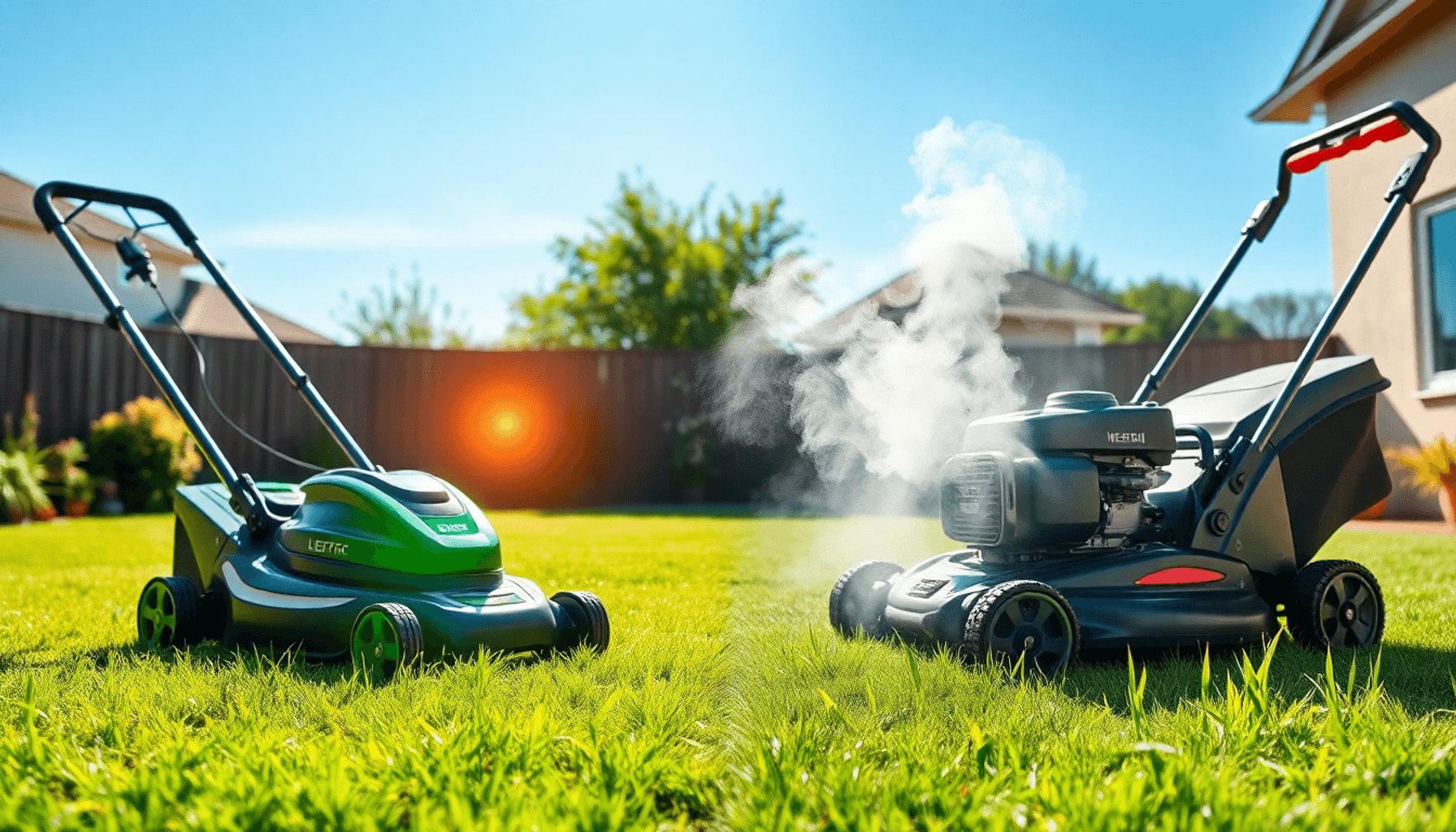

Choosing between a petrol vs electric lawn mower is a common dilemma for homeowners looking to keep their gardens neat and tidy. Selecting the right mower is crucial because it affects not only the ease and efficiency of lawn care but also maintenance, environmental impact, and long-term costs.
This article explores key factors to help you decide which option suits your needs best. You'll find insights on:
- The fundamental differences between petrol and electric mowers
- Performance capabilities relative to garden size and grass type
- Maintenance demands for each mower type
- Environmental considerations including noise levels
- Runtime and convenience features that influence usability
- Cost comparisons over time
By understanding these aspects, you will be better equipped to choose the best lawn mower 2024 for your unique situation. This lawn mower comparison aims to provide clear, practical information so you can make an informed decision with confidence.
Overview of Lawn Mower Types
Choosing between a petrol lawn mower and an electric lawn mower starts with knowing what each type is and how they work.
Petrol Lawn Mower
A petrol lawn mower uses gasoline to power a combustion engine that drives the blades. This type is known for its powerful performance, especially in tough mowing conditions. You usually need to fuel the engine manually and do regular maintenance like oil changes and spark plug replacements. There are two common types of petrol mowers:
- Push models: These require you to manually push the mower across your lawn. They are suitable for smaller or flat areas.
- Self-propelled models: These have a transmission system that moves the mower forward, reducing physical effort. They are ideal for larger lawns or uneven terrain.
Electric Lawn Mower
Electric lawn mowers work using electricity supplied either through a power cord or a rechargeable battery pack. Since they don't have a combustion engine, they are lighter, quieter, and require less maintenance.
There are two types of electric mowers:
- Corded electric mowers: These are connected to a power outlet via a cable. They provide continuous power but limit mobility due to the cord length.
- Cordless electric mowers: These are powered by batteries, offering greater freedom of movement. The battery capacity affects how long they can run, which varies by model.
Both petrol and electric mowers offer push and self-propelled options, allowing you to choose based on your garden size and personal preference.
Knowing these basic differences in how they operate helps you understand which mower suits your needs better before looking into performance, maintenance, and other factors.
Performance Comparison
Petrol mowers are generally more powerful than electric models, making them the preferred choice for tackling tough grass and large lawns. They have strong engines that can handle thick vegetation without getting stuck, resulting in faster mowing times on big properties where power and endurance are important.
On the other hand, electric mowers are efficient in smaller yards and regular maintenance tasks. Battery-powered models are great for keeping lawns neat and tidy with minimal effort. Their lightweight design and user-friendly operation reduce physical strain, especially for frequent mowers who may not have to deal with overgrown grass.
Handling Long Grass and Tough Conditions
Electric mowers can effectively manage long grass if you follow these steps:
- Start by cutting the tallest grass at a higher blade setting.
- Gradually lower the blade height on subsequent passes to achieve an even cut.
- Use the power boost mode, available on many models, to increase torque when needed.
This method prevents overloading the motor and ensures efficient cutting without stalling. For lawns that are regularly maintained, electric mowers continue to perform excellently.
However, if you find yourself facing an overgrown lawn, it's advisable to employ a petrol mower. Petrol mowers have distinct advantages when dealing with very high or dense grass. Their powerful engines maintain cutting momentum through tough patches without slowing down or requiring multiple passes. The torque provided by petrol engines is beneficial for uneven terrain and thick weeds.
Side Discharge Mower Features
Both petrol and electric mowers can enhance performance by using side discharge features that expel cut grass out of the side instead of collecting it in a bag. This function helps:
- Prevent clogging during heavy mowing.
- Facilitate continuous cutting without frequent stops to empty clippings.
- Spread clippings evenly across the lawn, which can aid natural fertilization.
When comparing Petrol vs Electric Lawn Mower: Which is Best?, consider how your lawn’s condition aligns with these power and handling characteristics. Petrol mowers are superior in raw power for demanding jobs while electric mowers offer efficient precision for well-kept yards. Understanding these strengths will help you choose a mower that suits your specific mowing challenges.
Maintenance Requirements
Petrol mowers require regular maintenance to keep them running at their best and to extend their lifespan. Here are the main maintenance tasks you need to do for your petrol mower:
- Refuel your lawn mower frequently to ensure it keeps running without interruptions.
- Change the oil at the recommended intervals to keep the engine lubricated and running smoothly.
- Replace the spark plugs periodically to ensure consistent ignition.
- Check and adjust or replace the belts to maintain proper drive and blade function.
- Clean the air filters and inspect the carburetor for any deposits or clogs.
These maintenance tasks need more attention compared to electric mowers. If you ignore any of these tasks, it can lead to reduced efficiency, difficulty starting, or even engine failure. Putting your lawn mower to rest for winter is an essential part of maintaining a petrol mower.
Electric Lawn Mower Maintenance
Electric mowers are a low maintenance option because they have simpler mechanics and don't have combustion engines. Here are the essential care routines you need to follow for your electric mower:
- Keep the battery charged according to the manufacturer's guidelines. This includes understanding the best charging cycles and storage conditions.
- Occasionally sharpen the blades to ensure clean cuts and avoid putting stress on the motor.
- Clean any debris from the vents and under the deck to prevent overheating or clogging.
With electric mowers, you don't have to worry about fuel, oil, spark plug replacements, or complicated engine maintenance. However, it's important to take care of the battery as well. If you don't charge it properly, it can shorten the battery life or reduce runtime. Many modern electric lawn mowers come with removable batteries, making charging flexible and convenient.
This significant difference in maintenance needs can affect your decision if you prefer minimal hands-on engine management or want a hassle-free mowing routine.
Environmental Impact and Noise Levels
When comparing petrol vs electric lawn mower, one of the most significant differences lies in their environmental footprint. Electric mowers operate with zero direct CO₂ emissions during use, making them a standout choice among eco-friendly mowers. Petrol models, by contrast, burn fossil fuels and emit exhaust gases that contribute directly to air pollution and greenhouse gas accumulation.
Environmental Benefits of Electric Mowers
Electric mowers offer several environmental advantages over petrol models:
- No exhaust fumes or harmful pollutants released into the atmosphere while mowing.
- Reduced overall carbon footprint when charged using renewable energy sources.
- Often designed with energy-efficient motors that consume less power per hour of operation.
- Lower environmental impact mowing compared to petrol options, especially when used regularly.
Electric mowers help users minimize their environmental footprint without sacrificing lawn care effectiveness, aligning well with growing concerns about climate change and urban air quality.
Noise Considerations
Noise pollution from garden tools is a common issue in residential neighborhoods. Petrol lawn mowers typically produce louder engine noise due to combustion processes, often reaching 90 decibels or more. This level of noise can be disruptive and contribute to neighborhood noise complaints.
Electric mowers stand out as a quiet lawn mower alternative:
- Operate at significantly lower noise levels, usually around 60-75 decibels.
- Produce smooth motor sounds without the rumbling or vibrations typical of petrol engines.
- Easier on hearing when mowing, reducing fatigue during longer sessions.
- Less intrusive for neighbors, promoting a more peaceful outdoor environment.
Choosing an electric mower translates into quieter operation and helps reduce noise pollution garden tools create in suburban areas. This difference is crucial if you value tranquility or live within close proximity to neighbors.
Understanding these contrasts in both emissions and noise levels will help you decide which mower suits your values and living situation best.
Runtime and Convenience Factors
Battery life remains a key consideration when choosing between electric and petrol lawn mowers. Typical cordless lawn mower battery life ranges from 30 to 60 minutes, depending on the mower model, battery capacity, and mowing conditions. This limitation can impact your ability to complete larger lawns in one go.
Innovations such as dual battery compartments have emerged to address this issue. Models equipped with dual batteries allow you to swap batteries mid-task or use both simultaneously for an extended runtime mower experience. Some electric mowers also feature power boost modes that increase cutting power temporarily, though this may reduce battery life faster.
Fuel Capacity and Operation Time for Petrol Mowers
Petrol mowers generally excel in continuous mowing time. Thanks to a generous fuel tank capacity lawn mower, these models can run for 1.5 to 3 hours or more without needing to refuel, depending on engine size and load. This advantage makes petrol mowers highly convenient for large lawns or areas with tough grass where longer operation without interruption is essential.
You won’t need to pause your work frequently for recharging or swapping batteries with petrol mowers. Instead, a quick refuel restores full runtime quickly. This aspect is a strong point in the Petrol vs Electric Lawn Mower: Which is Best? debate when it comes to convenience on bigger properties.
Choosing between electric and petrol models involves balancing the cordless lawn mower battery life and runtime benefits of petrol engines. If your garden is small to medium-sized, modern electric mowers with dual batteries can meet your needs efficiently. For larger spaces demanding long, uninterrupted cutting sessions, petrol mower runtime still holds the edge.
Suitability Based on Garden Size and User Preferences
Small Gardens and User-Friendly Options
Choosing the best mower for small gardens often means prioritizing ease of use and maneuverability. Electric mowers excel in these areas. Their lightweight design makes them simple to push around flower beds, tight corners, and narrow paths without fatigue. If you want a user-friendly electric mower, cordless battery models stand out for hassle-free starts and minimal noise, allowing you to mow without disturbing neighbors.
Key benefits of electric mowers for smaller gardens:
- Lightweight lawn mower design reduces strain during extended use.
- Quieter operation fits well in suburban or noise-sensitive areas.
- Minimal maintenance saves time and effort.
- Ideal for regular upkeep rather than heavy-duty tasks.
Large Gardens and Tough Terrain
When it comes to managing expansive lawns or uneven terrain, a powerful petrol mower is often the better choice. Petrol engines provide the strength necessary for heavy-duty lawn mowing, especially when grass is thick, overgrown, or growing rapidly. These mowers maintain consistent cutting power over long periods without needing a recharge.
Petrol mowers suit:
- Larger properties where runtime without interruption is critical.
- Dense or tall grass that requires robust engine power.
- Users comfortable with routine maintenance like refueling and oil changes.
- Landscapes featuring slopes or rough ground benefiting from self-propelled petrol models.
The best mower for large gardens typically balances power and durability, both areas where petrol mowers excel. Their endurance and torque make them dependable tools for tackling challenging mowing conditions repeatedly.
Choosing between these options depends heavily on your garden size and mowing demands. Lightweight electric mowers win for compact spaces and frequent light trimming, while powerful petrol mowers dominate in vast or tough environments requiring heavy-duty lawn mowing performance.
Cost Considerations Over Time
When evaluating a lawn mower cost comparison, it's important to look beyond the initial purchase price and consider ongoing expenses such as fuel, electricity, and maintenance. These factors significantly influence the long-term savings lawn care can offer.
Upfront Costs
Petrol lawn mowers typically have a higher upfront cost due to their more complex engines and durable build designed for heavy-duty use. Prices vary widely depending on power and features, but expect to invest more initially compared to electric options.
Electric lawn mowers are usually more affordable at the point of purchase, especially corded models. Cordless battery-powered mowers may come at a premium due to battery technology, but still tend to be cheaper than petrol models with similar cutting capacities.
Fuel vs Electricity Expenses
Petrol mowers require regular purchase of gasoline, which adds up over time. Fuel prices fluctuate, impacting your ongoing costs unpredictably, and engine efficiency affects how much fuel is consumed during each mowing session.
Electric mowers have generally low power consumption that costs less than petrol fuel. Charging a battery for typical use might only add a few cents to your electricity bill per session, making it a more economical choice for frequent mowing.
Maintenance Costs: Petrol vs Electric
Maintenance costs differ substantially between the two types. Petrol lawn mowers have higher maintenance frequency due to engine complexity and typically require the following upkeep, either through purchasing parts yourself or paying for professional servicing.
- Regular oil changes
- Spark plug replacements
- Air filter cleaning or replacement
- Fuel system upkeep
- Belt checks for self-propelled models
Electric lawn mowers, by contrast, have far fewer maintenance demands. The absence of an internal combustion engine reduces both time investment and monetary expense on upkeep. Typical maintenance needs include:
- Battery health monitoring and eventual replacement after several years
- Occasional blade sharpening or replacement
Long-Term Financial Impact
Choosing between petrol and electric influences your wallet well beyond the checkout line. While petrol mowers might justify their price with superior power for large or tough lawns, their higher running and maintenance costs accumulate over time. Electric mowers present an attractive option for those prioritizing lower operational expenses alongside ease of use.
Key factors to weigh in this cost evaluation include:
- Frequency of lawn mowing — more frequent use favors electric efficiency
- Size and type of grass — tougher conditions may increase petrol mower maintenance
- Availability and price stability of fuel versus electricity in your area
- Expected lifespan of the mower and battery replacement timeline for electric models
This financial perspective plays a crucial role when deciding which mower type is best suited to your specific needs and budget constraints.
Conclusion
Choosing the best lawn mower in 2024 involves balancing your specific needs against the strengths and limitations of petrol and electric models. The petrol vs electric summary highlights key differences that will influence your decision:
- Garden size: Large or rugged lawns often require the power and endurance of petrol mowers. Smaller yards benefit from the lighter, quieter, and more environmentally friendly electric options.
- Maintenance preferences: If you prefer minimal upkeep, electric mowers reduce hassle with no fuel, oil changes, or spark plug replacements. Petrol mowers demand more routine care but deliver longer uninterrupted operation.
- Environmental impact and noise levels: Electric models produce zero direct emissions and operate quietly, enhancing neighborhood comfort. Petrol mowers emit exhaust gases and generate louder noise during use. In fact, a recent study highlighted the significant environmental benefits of using electric lawn mowers.
- Performance demands: Tough, dense grass favors petrol mowers for their superior power. Electric mowers handle regular maintenance well and can tackle long grass effectively when mowing in stages.
As you consider which lawn mower to buy, reflect on how these factors align with your lifestyle, yard conditions, and priorities. The choice boils down to matching features with real-world requirements rather than a one-size-fits-all solution.
The question “Petrol vs Electric Lawn Mower: Which is Best?” doesn’t have a single answer. Instead, it guides you to evaluate what matters most: ease of use, runtime convenience, environmental responsibility, or muscle for heavy-duty cutting. Use this insight to make an informed selection tailored precisely to your garden’s needs and your personal preferences.
FAQs (Frequently Asked Questions)
What are the main differences between petrol and electric lawn mowers?
Petrol lawn mowers operate using a gasoline engine, offering more power suitable for larger lawns and tough grass, while electric lawn mowers run on battery or corded electricity, providing quieter operation and easier maintenance ideal for smaller yards.
Which lawn mower is better for cutting long and tough grass?
Petrol mowers generally excel in cutting long and dense grass due to their higher power, but electric mowers can handle long grass effectively when mowing in stages. Side discharge features also enhance performance in tough conditions.
How do maintenance requirements compare between petrol and electric lawn mowers?
Petrol mowers require regular maintenance such as refueling, oil changes, spark plug replacements, and belt checks, leading to higher upkeep frequency. Electric mowers need minimal maintenance focused on battery charging and occasional blade sharpening without fuel or oil changes.
What environmental and noise benefits do electric lawn mowers offer over petrol models?
Electric lawn mowers produce zero direct CO₂ emissions, making them more eco-friendly compared to petrol mowers that emit exhaust gases. Additionally, electric mowers operate much more quietly, reducing noise pollution in neighborhoods.
How do runtime and convenience differ between petrol and electric lawn mowers?
Petrol mowers typically provide longer continuous operation thanks to larger fuel tank capacities without needing to stop for refueling frequently. Electric mowers face battery life limitations but innovations like dual batteries or power boost modes help extend their runtime.
Which type of lawn mower is best suited for different garden sizes and user preferences?
Electric lawn mowers are recommended for small gardens due to their lightweight design, ease of use, and quiet operation. For large gardens or tough terrain requiring heavy-duty mowing power and endurance, petrol lawn mowers are more suitable.