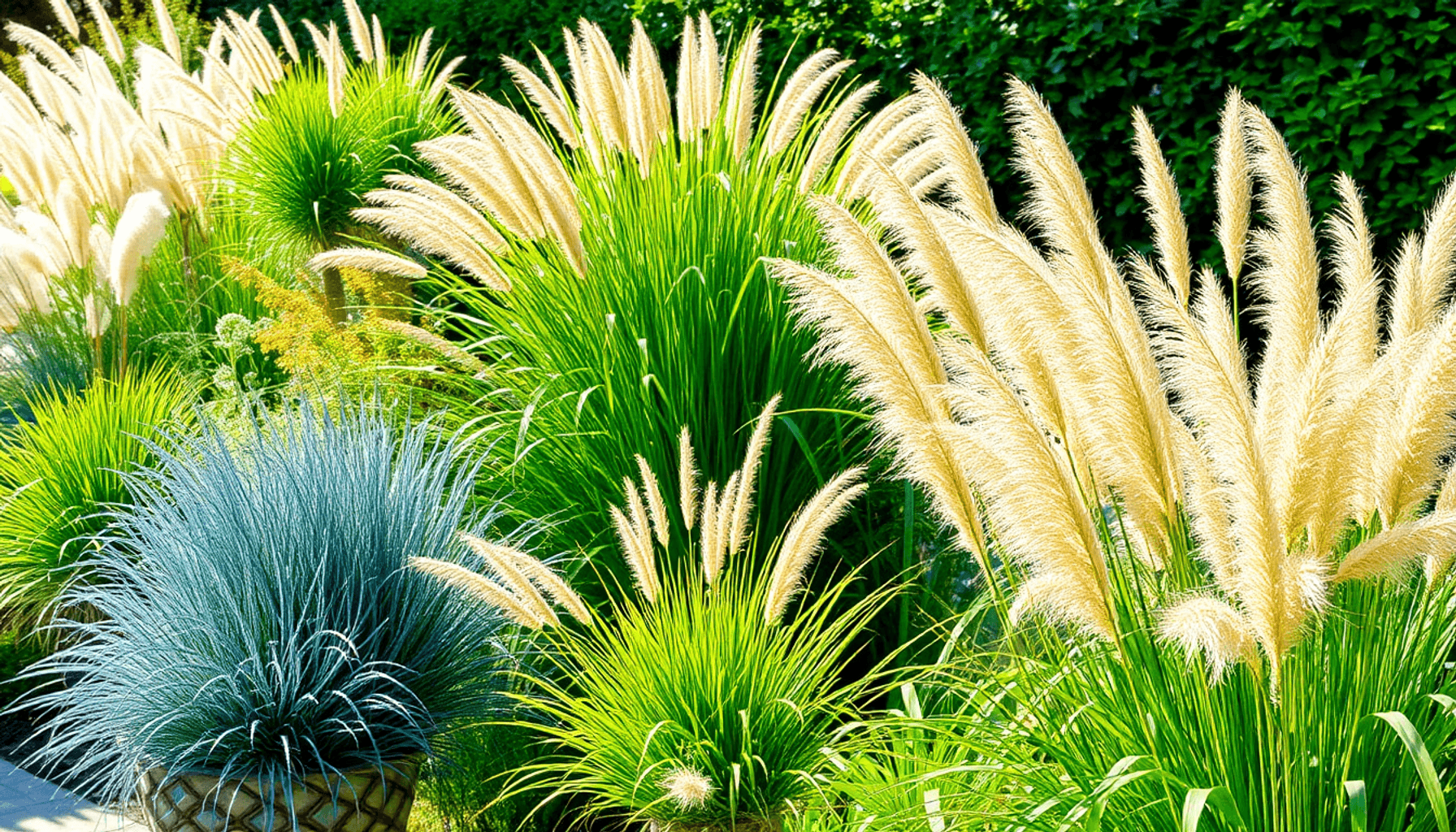

Ornamental grasses have become one of the best ornamental grasses UK gardeners rely on to enhance their outdoor spaces. Their popularity stems from a unique blend of beauty, versatility, and ease of cultivation that makes them stand out among other UK garden plants.
These grasses bring a dynamic aesthetic to gardens through:
- Form: From fine, delicate blades to bold, arching plumes, ornamental grasses offer a wide range of shapes that create architectural interest.
- Color: Shades vary from cool blues and silvers to warm golds and deep greens, often changing with the seasons.
- Movement: A gentle breeze sets grasses into motion, adding a lively, ever-changing texture.
- Seasonal Interest: Many grasses show their best colors in autumn and retain structure through winter, providing year-round appeal.
Ornamental grasses suit gardens of all sizes and conditions. Compact varieties fit perfectly in pots or small beds, while taller species create privacy screens or focal points in larger landscapes. Moisture-loving types thrive in damp areas near ponds or bogs, expanding your planting options.
Choosing from the wide selection of ornamental grasses for gardens ensures you can tailor your planting scheme to match your specific site conditions and design goals. This adaptability combined with their striking visual qualities explains why these plants continue to rank among the best ornamental grasses for UK gardens.
Benefits of Choosing Ornamental Grasses for Your UK Garden
Ornamental grasses offer multiple benefits that make them a smart choice for UK garden design. Their appeal goes beyond aesthetics, touching on practicality and adaptability.
1. Long-Lasting Flowers and Foliage
- Many ornamental grasses produce flowers that last from mid-summer well into autumn.
- Their foliage often remains attractive throughout the seasons, with some varieties offering striking autumnal colors or evergreen leaves.
- This extended visual interest means your garden stays vibrant long after many traditional flowering plants have finished.
2. Adaptability to Soil Types and Light Conditions
- These plants thrive in a range of soils, from fertile and well-drained to moist or even boggy ground, depending on the species.
- They tolerate various light conditions typical to the UK climate, including full sun and part shade.
- This flexibility lets you incorporate ornamental grasses into diverse garden spots where other plants might struggle.
3. Contribution to Garden Structure, Texture, and Movement
- Ornamental grasses create architectural shapes that add structure to planting schemes.
- Their fine or bold leaf textures provide contrast when planted alongside broad-leaved perennials or shrubs.
- The natural movement of their foliage in the breeze introduces a dynamic element rarely matched by other plant types.
4. Ease of Care Compared to Other Plants
- These grasses are generally low-maintenance plants requiring minimal attention once established.
- Deciduous varieties only need cutting back before new spring growth; evergreens benefit from occasional tidying.
- Most are resilient to pests and diseases, reducing the need for chemical treatments or intensive care routines.
Gardening with ornamental grasses unlocks lasting beauty combined with practical benefits. Their adaptability and ease of care fit well within various UK garden conditions, making them a valuable addition whether you seek texture, movement, or simply low-maintenance greenery.
Growing Conditions and Care Requirements for Ornamental Grasses in the UK
Understanding the specific growing ornamental grasses UK conditions helps you select the right species and maintain healthy plants. Their success depends heavily on matching soil requirements, sun exposure, and watering needs to each grass type.
Soil Requirements
- Most ornamental grasses thrive in fertile, well-drained soil. This promotes strong root development and prevents waterlogging, which can cause root rot.
- Some species prefer moist or damp soils, especially those adapted to boggy or pond-edge environments. For example, Carex (sedge) species flourish in wetter conditions.
- Before planting, improve poor soil by adding organic matter like compost to enhance fertility and drainage.
- Avoid heavy clay soils unless you amend them thoroughly, as many grasses do not tolerate prolonged wet feet.
Sun Exposure
- The majority of ornamental grasses perform best in full sun, meaning at least six hours of direct sunlight daily. This encourages dense growth and vibrant foliage color.
- Certain varieties tolerate part shade, making them suitable for shadier UK gardens or spots under deciduous trees where dappled light is common.
- Shade-tolerant grasses such as Hakonechloa macra (Japanese golden grass) adapt well to lower light but may grow more slowly.
Watering Needs and Tolerance
- Many ornamental grasses exhibit drought tolerance once established. They store moisture efficiently within their fibrous root systems.
- Newly planted grasses require regular watering until roots are established — typically the first growing season.
- Species adapted to moist environments need consistent moisture; neglecting watering could cause stress or dieback.
- Mulching around the base conserves soil moisture and reduces weed competition.
Maintenance Tips
Proper care ensures your grasses maintain their form and seasonal appeal year after year.
- Cutting back deciduous grasses: In late winter or early spring, trim back dead foliage close to ground level before new shoots appear. This clears space for fresh growth and improves air circulation.
- Tidying evergreens: Remove old flower stems and any dead leaves periodically without cutting into green growth. This keeps plants looking neat without disrupting their natural shape.
- Divide clumps every 3–4 years in early spring to rejuvenate plants and control size. Dig up the grass, separate healthy sections with roots attached, then replant immediately.
Note: Dividing also aids propagation for expanding your collection or sharing with fellow gardeners.
Matching each ornamental grass’s preferences with your garden’s conditions simplifies care routines while maximizing aesthetic impact. The range of soil types, sun exposures, and moisture levels in UK gardens means there’s a suitable grass for almost every spot—whether you want drought-resistant specimens or moisture-loving accents near ponds or wetter borders.
Exploring Different Types of Ornamental Grasses Suitable for UK Gardens
1. Compact Ornamental Grasses for Small Gardens and Containers
Compact grasses are perfect if you have limited space or want to add texture and movement in containers or raised beds. These ornamental grass varieties UK gardeners favour combine neat form with ease of maintenance, making them ideal for patios, balconies, or small urban gardens.
1.1. Blue Fescue (Festuca glauca)
This is a popular choice among compact ornamental grasses UK enthusiasts appreciate. It forms tidy clumps of fine, steel-blue foliage, creating a striking contrast in containers or mixed borders. Blue fescue thrives in well-drained soil and full sun but tolerates some shade. Its slow growth habit keeps it manageable in pots without frequent trimming.
1.2. Japanese Golden Grass (Hakonechloa macra)
Known for its graceful arching leaves striped in yellow and green, this grass brings a splash of colour to container gardening grasses selections. It prefers moist, fertile soil and part shade, making it great for shaded patios or sheltered corners. Japanese golden grass produces a soft movement in the breeze that adds calming dynamics to small garden spaces.
1.3. Bowles' Golden Grass (Milium effusum 'Aureum')
Another compact ornamental grass UK gardeners use for containers due to its bright yellow-green foliage that glows in low light. This species prefers moist yet well-drained soil and partial shade conditions.
1.4. Silver Hair Grass (Aira caryophyllea)
A delicate-looking grass with fine silver seed heads that sway elegantly. Ideal for pots where you want an airy textural element without overwhelming the space.
These compact choices not only fit neatly into restricted planting areas but also serve well as accent plants when combined with flowering perennials or shrubs. Their versatility makes them an essential part of Best Ornamental Grasses for UK Gardens lists, especially where space economy matters.
Container gardening grasses demand regular watering during dry spells but respond well to light feeding and occasional trimming of dead foliage to keep their appearance fresh and tidy. Dividing compact grasses every few years rejuvenates them and maintains their dense clump form.
Such compact varieties offer year-round interest through leaf colour changes and subtle flower heads while keeping garden design balanced without overpowering smaller settings.
2. Medium to Tall Grasses for Borders and Screens
Ornamental grass varieties in the UK cover a broad size range, from compact grasses for pots measuring around 20cm to tall screening grasses that reach over 2.5m. Medium to tall grasses play a vital role in garden design, especially when you want to add vertical interest or create natural privacy screens.
Tall ornamental grasses UK gardeners favour include:
- Pheasant’s Tail Grass (Anemanthele lessoniana): Growing up to 1.5m, this grass offers graceful arching foliage that changes color through the seasons—from fresh green in spring to warm orange and bronze tones in autumn—adding dynamic seasonal interest. Its airy flower heads appear late summer into autumn, providing texture without overwhelming smaller plants nearby.
- Reed Grass (Calamagrostis spp.): Many Calamagrostis species reach heights of 1.5m to 2m+, making them excellent for borders and screening purposes. Their upright habit and feathery flower plumes create movement and contrast well with broad-leaved perennials or compact ornamental grasses UK gardeners use in container gardening. Calamagrostis prefers well-drained soil and full sun but tolerates part shade.
Other notable tall screening grasses include:
- Molinia caerulea (Moor Grass): Tall, wispy stems with delicate flowers that sway attractively in the breeze.
- Miscanthus sinensis (Silvergrass): Vigorous growth with silvery flower plumes, ideal for large borders or as statement plants.
These taller species are not just functional as screening plants but contribute significantly to the structure and texture of planting schemes. Their diverse forms—from fine-textured reed-like blades to broader arching leaves—create striking contrasts alongside compact ornamental grasses UK gardeners often select for pots or smaller borders.
When planting medium to tall grasses in borders or as screens:
- Position them where their height can be appreciated without overshadowing shorter plants.
- Combine evergreens with deciduous species to maintain year-round appeal and structure.
- Consider moisture preferences; while many tall grasses prefer fertile, well-drained soil, some tolerate moist conditions near pond edges or boggy spots.
Using these taller ornamental grass varieties UK gardens benefit from increased biodiversity by providing habitats for insects and birds while maintaining low maintenance requirements compared to shrubs or trees used for screening.
The versatility of medium to tall grasses makes them indispensable for creating layered garden designs where contrast between compact ornamental grasses UK growers love for container gardening and taller screening grasses enriches visual interest throughout the seasons.
3. Moisture-Loving and Boggy Soil Grasses for Unique Garden Spaces
Gardens with wetter patches or pond edges benefit greatly from ornamental grass varieties UK that thrive in moist or boggy conditions. These moisture-loving grasses add texture, form, and a lushness that contrasts well with drier garden areas. Their presence is essential when designing planting schemes that incorporate water features or damp soil, providing both aesthetic appeal and ecological value.
Key moisture-tolerant species include:
-
Sedge grasses (Carex spp.)
A diverse genus offering a wide range of sizes and forms, Carex species are particularly suited to boggy soils and pond margins. Many have arching leaves in shades of green, bronze, or variegated cream. Their growth habit ranges from compact tussocks around 20cm tall to more substantial clumps reaching over 1m, making them adaptable for borders or container gardening grasses setups where moisture retention is possible. Carex's fine texture contrasts beautifully against coarser foliage plants. -
Hair grass (Deschampsia spp.)
Known for its delicate, airy flower heads and fine blades, Deschampsia can soften edges around water features or damp borders. These grasses often grow between 30cm and 90cm tall, with some varieties producing attractive seed heads that persist into winter, adding seasonal interest. Hair grass thrives in moist soil yet tolerates occasional drying out, making it a versatile choice for gardens with variable moisture levels.
These species complement the broader range of compact ornamental grasses UK found in drier sites by filling niches where soil moisture is higher. They suit:
- Pond edges, where roots benefit from consistent dampness without being submerged.
- Boggy patches prone to seasonal waterlogging.
- Moist borders alongside shrubs and perennials that prefer similar conditions.
The size range across these moisture-loving grasses offers options from smaller clumping forms ideal for pots or contained wet areas to taller types suitable for creating soft screens or naturalistic planting backdrops. This diversity allows you to tailor your garden design precisely, balancing height and texture.
Their foliage varies widely—from narrow blades to broad leaves with striking variegation—enhancing visual contrast when planted alongside evergreen plants or deciduous companions. Many retain their structure well into winter, providing year-round interest where other plants may die back.
Choosing these moisture-adapted grasses enriches planting schemes by introducing dynamic movement as their slender leaves ripple in the breeze near water features. Their ability to withstand wetter conditions makes them indispensable if you want to extend the range of environments your garden can support while maintaining a cohesive ornamental grass palette.
Incorporating moisture-loving grasses like Carex and Deschampsia creates a layered effect that heightens sensory experience through differing textures and forms. These choices highlight how versatile the Best Ornamental Grasses for UK Gardens can be when matched correctly to site conditions—from small-scale container gardening grasses to robust tall screening grasses positioned at pond sides or damp border edges.
This approach broadens your options beyond strictly dry-site tolerant species and enhances biodiversity by supporting habitats favored by wildlife attracted to wetter microclimates within your garden space.
RHS Recommended Ornamental Grasses: Award-Winning Choices for Your Garden Design
The Royal Horticultural Society (RHS) highlights several award-winning grasses that stand out for their exceptional qualities, making them top picks for UK gardens. These RHS recommended ornamental grasses UK combine striking visual appeal with reliable performance.
1. Stipa gigantea
Known as giant feather grass, it grows tall—up to 2.5 meters—and features elegant oat-like flower heads. These distinctive plumes sway gracefully in the breeze, adding height and movement to borders or large garden spaces. Prefers full sun and well-drained soil.
2. Pennisetum × advena ‘Rubrum’
Offers deep red foliage that intensifies in cooler weather, providing dramatic color contrast. This frost-tender grass works well in sheltered spots or containers where its bold tones can be showcased.
3. Molinia caerulea subsp. caerulea ‘Variegata’
A variegated native species prized for its architectural form and autumnal hues. Its slender leaves display attractive stripes, while the airy flower panicles add texture and movement late in the season.
4. Miscanthus sinensis cultivars
A diverse group featuring various colors and flower shapes. Cultivars like ‘Strictus’ with striped foliage or ‘Morning Light’ with fine silver tones are popular for their versatility and year-round interest.
5. Hakonechloa macra ‘Alboaurea’
Compact with neat yellow-striped leaves, this Japanese golden grass is perfect for containers or shaded borders. Its cascading habit softens hard edges and creates a delicate, flowing effect.
6. Cortaderia selloana Silver Feather
A variegated pampas grass notable for its silver plumes. It adds bold presence to large garden areas but requires enough space to accommodate its spreading nature.
7. Calamagrostis brachytricha
Features glossy green leaves topped by pinkish flower heads that persist into winter. Its combination of shine and soft floral texture makes it a versatile choice for mixed plantings.
8. Anemanthele lessoniana (Pheasant’s Tail Grass)
Recognized for its clump-forming habit and changing leaf colors through autumn, shifting from green to warm amber tones. It suits naturalistic planting schemes where subtle seasonal transitions are desired.
These award-winning grasses excel in providing structure, color variation, and dynamic movement within different garden settings across the UK. Their proven adaptability and ornamental value make them reliable selections when designing with grasses that impress year-round.
Creating Seasonal Interest and Impactful Designs with Ornamental Grasses in the UK Garden
Ornamental grasses deliver exceptional seasonal interest for UK gardens, especially during autumn. Their foliage often shifts from green to striking shades of gold, bronze, red, and copper. This transformation adds a rich tapestry of color when many other garden plants start to fade.
The Role of Ornamental Grasses in Autumn Gardens
Ornamental grasses play a crucial role in creating visually appealing autumn gardens. Here's how they contribute:
- Focal Points: Autumn garden plants featuring ornamental grasses become focal points as they glow with vibrant hues.
- Eye-Catching Features: Flower heads mature into eye-catching plumes or seed heads that catch fading light beautifully.
- Winter Structure: Many grasses hold their shape and colour deep into winter, offering valuable structure when deciduous shrubs and perennials have died back.
The Dynamic Quality of Grasses
The gentle movement of grasses in the breeze introduces a dynamic quality rarely matched by other plant types. This swaying motion has several effects:
- Creates a sense of life and fluidity even on still days.
- Softens hard landscape edges and contrasts with more static elements like stone or wood.
- Adds an auditory dimension as seed heads rustle quietly.
Using Grasses for Seasonal Displays
Grasses such as Miscanthus sinensis cultivars or Molinia caerulea demonstrate how you can harness both color and movement for dramatic seasonal displays. The airy plumes of Stipa gigantea catch sunlight and move gracefully, creating a living sculpture effect.
Incorporating a mix of evergreen and deciduous grasses extends interest through the year. Evergreens maintain lush foliage while deciduous types contribute bursts of colour before shedding. Planting groups with staggered peak times ensures continuous texture and visual appeal.
Tips for Impactful Designs with Ornamental Grasses
Here are some tips for creating impactful designs using ornamental grasses:
- Use grasses in combination with late-flowering perennials or autumn bulbs to extend the season’s vibrancy.
- Position taller species as backdrops or screens where their height accentuates movement against calmer plants.
- Place smaller clump-forming grasses near pathways or seating areas where their shifting forms can be appreciated up close.
Selecting seasonal interest ornamental grasses UK varieties suited to your garden’s soil and light conditions maximizes their performance throughout the year. Their adaptability combined with stunning autumn displays makes them indispensable for enriching any planting scheme with texture, color, and graceful motion.
Designing with Ornnamental Grasses: Tips for Successful Planting Schemes in UK Gardens
Creating a striking garden design with ornamental grasses UK involves thoughtful consideration of texture, form, and placement. These elements ensure your planting schemes remain visually engaging throughout the year.
Combine Textures and Forms for Contrast
- Mix fine-leaved grasses like Festuca glauca (Blue fescue) with broader-leaved species such as Miscanthus sinensis to create dynamic contrasts.
- Use upright grasses like Calamagrostis brachytricha alongside arching or cascading forms such as Hakonechloa macra (Japanese golden grass) to add movement variety.
- Incorporate tufted clump-formers with softer, flowing types to avoid monotony and enhance tactile interest.
Blend Evergreen and Deciduous Species
- Evergreen grasses provide structure during the winter months when deciduous plants die back.
- Combine evergreen varieties such as Ophiopogon planiscapus (Lilyturf) with deciduous ones like Molinia caerulea, ensuring ongoing visual appeal across seasons.
- This balance maintains garden vitality even in off-peak periods, preventing dullness in planting schemes.
Place Moisture-Loving Versus Drought-Tolerant Grasses Thoughtfully
- Group moisture-loving species such as Carex elata near pond edges or boggy areas where soil remains damp.
- Position drought-tolerant grasses like Pennisetum alopecuroides in sunnier, well-drained spots prone to drying out.
- Avoid mixing these types without considering their water needs; mismatched moisture preferences can lead to suboptimal growth and maintenance challenges.
Use Ornamental Grasses as Focal Points or Background Elements
- Tall, architectural grasses like Stipa gigantea make excellent focal points due to their height and striking flower heads.
- Shorter grasses such as Festuca glauca work well as edging plants or background fillers that support more vibrant flowering species.
- Employ layering techniques by placing taller grasses behind lower-growing plants for depth and dimension.
Additional Design Considerations
- Pay attention to colour variations within grass foliage—golden tones of Hakonechloa macra 'Aureola' contrast beautifully against blue-green hues of fescues.
- Group plants in odd numbers for more naturalistic and appealing arrangements.
- Combine grasses with perennials and shrubs for a mixed planting scheme that enhances biodiversity and resilience.
This approach to planting schemes highlights the versatility of the Best Ornamental Grasses for UK Gardens, allowing you to tailor your garden design precisely to your space and climate conditions.
Conclusion
Choosing the best ornamental grasses for UK gardens adds lasting beauty and dynamic interest to your outdoor space. These plants offer a versatile palette of textures, colors, and forms that suit a wide range of garden sizes and conditions.
Keep these points in mind when selecting your grasses:
- Consider RHS recommended varieties to ensure plants are well-suited to UK climates and soil types.
- Match species to your garden’s specific conditions—sunlight exposure, moisture levels, and space availability.
- Use a mix of evergreen and deciduous grasses for continuous seasonal appeal.
- Think about combining compact grasses in containers with taller varieties for structure and privacy.
The best ornamental grasses summary UK gardens boils down to choosing plants that complement your design goals while thriving in your environment. Incorporating these adaptable, low-maintenance plants can transform borders, containers, and boggy areas with texture and movement that lasts through the seasons.
Selecting the right ornamental grasses is a smart approach to choosing garden plants UK that combine style with practicality. Let these hardy yet elegant plants bring rhythm and resilience to your garden year after year.
FAQs (Frequently Asked Questions)
What are the best ornamental grasses suitable for UK gardens?
The best ornamental grasses for UK gardens include a variety of species suited to different garden sizes and conditions. Compact grasses like Blue fescue (Festuca glauca) and Japanese golden grass (Hakonechloa macra) are ideal for small gardens and containers, while taller grasses such as Pheasant’s tail grass (Anemanthele lessoniana) and Reed grass (Calamagrostis spp.) provide vertical interest and screening. Moisture-loving species like Sedge grass (Carex spp.) and Hair grass (Deschampsia spp.) thrive in wetter areas, making them perfect for pond edges or boggy soils.
What are the benefits of choosing ornamental grasses for my UK garden?
Ornamental grasses offer long-lasting flowers and foliage throughout the seasons, adding structure, texture, and movement to your garden design. They adapt well to various soil types and light conditions found in the UK, require low maintenance compared to other plants, and contribute seasonal interest with vibrant autumn colors and winter structure when many other plants have died back.
How should I care for ornamental grasses in the UK?
Ornamental grasses generally prefer fertile, well-drained or moist soils depending on the species. Most thrive in full sun or part shade. Maintenance includes cutting back deciduous grasses before spring to encourage fresh growth and tidying evergreens as needed. Propagation is commonly done by division in early spring to maintain plant health and vigor.
Which ornamental grasses are recommended by the RHS for UK gardens?
The Royal Horticultural Society (RHS) recommends several award-winning ornamental grasses known for their unique qualities. For example, Stipa gigantea is prized for its tall stature and oat-like flower heads. Choosing RHS recommended varieties ensures suitability to UK garden conditions and adds proven aesthetic appeal.
How can I create seasonal interest using ornamental grasses in my UK garden?
Many ornamental grasses reach their peak beauty in autumn with vibrant colors that enhance your garden's seasonal palette. They also provide structural interest during winter when many plants have died back. Additionally, their graceful movement in the breeze adds a dynamic element year-round, making them excellent for creating impactful designs throughout all seasons.
What are some design tips for planting ornamental grasses successfully in UK gardens?
For successful planting schemes, combine different textures and forms to create contrast and visual interest. Mix evergreen and deciduous species to ensure year-round appeal. Place moisture-loving varieties in wetter areas while drought-tolerant species suit drier spots. Use taller grasses as focal points or screens and smaller ones as background elements or container plants to optimize your garden design.