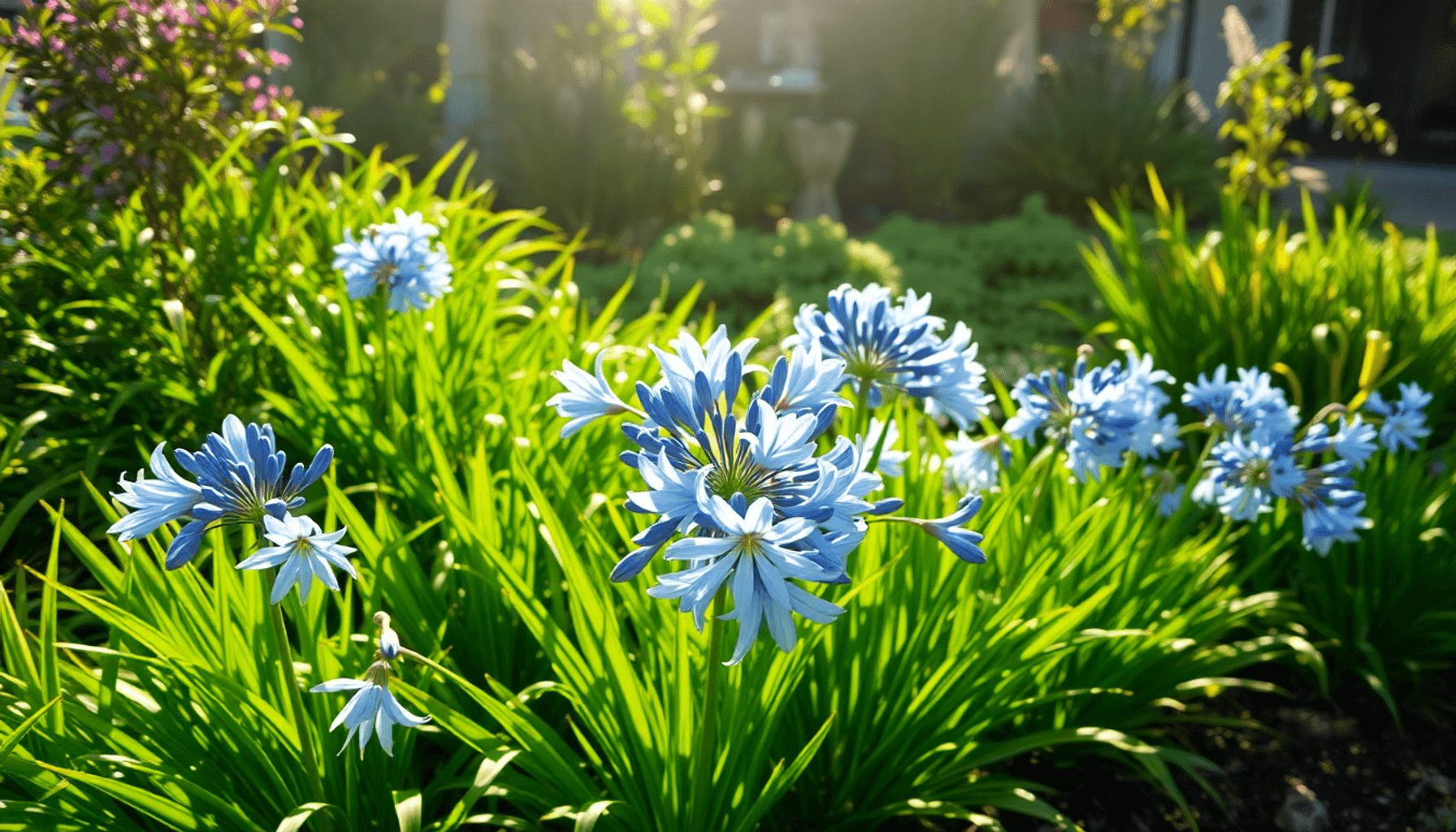

Agapanthus is a popular perennial plant prized for its elegant, striking flower heads. Known commonly as the African lily or Lily of the Nile, this plant has gained widespread admiration among gardeners for its ease of growth and stunning floral display.
- Flowers appear in shades of blue, purple, and white.
- Blooming period extends from mid-summer to early autumn, offering long-lasting color in your garden.
You will find Agapanthus adapts well to various garden settings, making it a versatile choice for borders, containers, or focal points. Learning how to grow Agapanthus effectively ensures you enjoy healthy plants with abundant flowers year after year.
With proper care and attention, you can successfully cultivate vibrant, flowering Agapanthus that enhance your outdoor space with color and texture.
Understanding Agapanthus: Types and Varieties
Agapanthus varieties fall mainly into two categories: evergreen agapanthus and deciduous agapanthus. Knowing the differences helps you select the right type for your climate and garden conditions.
Evergreen vs. Deciduous Agapanthus
Evergreen Agapanthus
These types retain their foliage year-round, giving your garden a consistent green presence even in winter. They thrive best in milder climates without harsh frosts. In colder areas, evergreen varieties may suffer damage during winter and often require frost protection or indoor shelter to survive.
Deciduous Agapanthus
Deciduous varieties die back in winter to bulbs or rhizomes underground, resprouting with new growth in spring. This trait provides greater hardiness against cold temperatures, making them more suited for regions with colder winters. You won’t see leaves during the dormant season, but this reduces risk of frost damage to above-ground parts.
Popular Agapanthus Cultivars and Flower Colors
Agapanthus cultivars offer a broad spectrum of flower colors and shapes, allowing you to customize your garden’s palette:
- Blue and Purple Shades: Classic colors most associated with agapanthus, ranging from pale sky blue to deep violet. Examples include ‘Blue Ice’ and ‘Peter Pan.’
- White Variants: Pure white flowers brighten shady corners or contrast sharply against darker foliage. ‘Albus’ is a popular white cultivar.
- Bicolor and Unique Hues: Some cultivars feature striped petals or lighter centers with darker edges, adding visual interest beyond solid colors.
Size Range of Agapanthus Varieties
Height and spread vary widely among agapanthus varieties:
- Compact Types (20–40 cm / 8–16 inches tall): Suitable for containers or small borders where space is limited.
- Medium-Sized Plants (60–90 cm / 2–3 feet tall): Ideal for general garden use as striking mid-height accents.
- Tall Varieties (up to 1.5 meters / 5 feet tall): Best used as bold architectural plants or background features in larger gardens.
Choosing the right size depends on your garden layout and whether you want mass planting effects or individual specimen plants.
Familiarity with these distinctions between evergreen and deciduous types, along with cultivar options and size considerations, equips you to pick agapanthus that will thrive in your garden environment while delivering the floral display you desire.
Choosing the Right Location for Planting
Selecting the proper agapanthus planting location plays a crucial role in achieving vigorous growth and abundant flowering. These plants thrive best when placed in a sunny, sheltered position. Full sun exposure encourages robust blooms and healthy foliage development. Sheltered spots help protect Agapanthus from strong winds that can damage flower stems or cause stress to the plant.
Sun Requirements for Agapanthus
The sun requirements for Agapanthus are generally straightforward:
- They flourish under full sun conditions, receiving at least 6 hours of direct sunlight daily.
- In hotter climates, Agapanthus shows tolerance to partial shade. This shade helps prevent leaf scorch and reduces water loss during peak heat periods.
- Avoid deep shade locations as insufficient light can lead to weak growth and poor flowering.
Importance of Well-Drained Soil
The condition of your garden soil is equally important. Agapanthus demands well-drained soil to prevent root rot and other moisture-related problems. Poor drainage can cause waterlogging, which stunts growth or kills the plants.
Here are some tips for improving soil drainage for agapanthus:
- Incorporate grit or coarse sand into heavy clay or compacted soils before planting. This amendment enhances water movement through the soil profile.
- Raised beds provide an excellent solution if your garden soil tends to stay wet after rain.
- Avoid low-lying areas where water naturally collects.
Container Planting Tips
When planting in containers, use a high-quality potting mix with good drainage characteristics. Ensure pots have drainage holes to allow excess water to escape easily.
By considering these factors—sun exposure, protection from harsh elements, and soil drainage—you set the stage for healthy Agapanthus plants that will reward you with stunning flowers season after season.
When and How to Plant Agapanthus
Spring is the best time to plant agapanthus for healthy growth. The ideal period is between March and April, allowing the roots to settle before the growing season begins. You can choose to plant agapanthus directly in the ground or in containers, depending on your garden space and design preferences.
Planting Agapanthus in the Ground
-
Choose and Prepare the Site
Select a spot with well-drained soil and full sun or light shade. Loosen the soil to a depth of about 30 cm (12 inches). Remove weeds and add organic matter such as compost or well-rotted manure to improve soil fertility and drainage. -
Spacing Considerations
Space plants approximately 30–45 cm (12–18 inches) apart. This allows room for mature growth without overcrowding, encouraging good air circulation which reduces disease risk. -
Planting Depth
Dig a hole slightly larger than the root ball of your agapanthus plant. Position the plant so that its crown sits just above soil level, then backfill gently, firming the soil around the roots to eliminate air pockets. -
Watering After Planting
Water thoroughly after planting to help settle the soil around roots. Keep the soil moist during establishment but avoid waterlogging.
Container Planting Agapanthus
-
Selecting Containers
Use pots at least 30 cm (12 inches) in diameter with drainage holes to prevent water accumulation at roots. -
Soil Mix Preparation
Fill containers with a free-draining potting mix enriched with organic matter like peat or compost. Adding grit or perlite improves drainage further. -
Planting Steps
Place some compost at the bottom of the container before positioning your agapanthus root ball inside. Fill around it carefully with potting mix, pressing lightly to secure it in place. -
Positioning Containers
Set containers in a sheltered, sunny location where they receive adequate light but are protected from strong winds. -
Watering Routine
Container plants usually need more frequent watering than those planted in the ground since pots dry out faster—especially during warmer months.
Knowing how to plant agapanthus properly sets a solid foundation for vigorous growth and abundant flowering later in the season. Whether planting directly outside or using containers, careful attention to site selection, soil preparation, and watering needs will ensure your plants thrive as they develop through spring and beyond.
Growing Conditions for Healthy Agapanthus
Agapanthus watering needs are specific but straightforward. During the active growing season—spring through summer—maintain consistent moisture in the soil. Water deeply and regularly, aiming for about once or twice a week depending on rainfall and temperature. Avoid waterlogging the roots, which can lead to rot and poor plant health. Let the top inch of soil dry out slightly between waterings to keep roots aerated.
Feeding agapanthus correctly supports vigorous growth and abundant flowering. Use organic seaweed fertilizer or a high-potash tomato feed every two weeks throughout the growing period. These fertilizers provide essential nutrients that promote strong stems, lush foliage, and vibrant flower clusters. Apply liquid feeds diluted according to package instructions for best results.
Ideal Growing Conditions for Agapanthus
Agapanthus has specific preferences when it comes to its growing conditions:
- Sunlight: Full sun exposure is preferred for maximum flower production. In hotter climates, partial shade during the hottest part of the day can prevent leaf scorch.
- Soil: Well-drained soil rich in organic matter encourages healthy root development. Heavy clay or poorly drained soils benefit from the addition of grit or coarse sand to improve drainage.
- Temperature: Agapanthus thrives in mild to warm climates but benefits from some protection if temperatures drop below freezing, particularly for evergreen types.
Maintaining these conditions ensures your agapanthus remains robust and floriferous season after season. Regular monitoring of soil moisture combined with appropriate feeding keeps plants thriving without stress from drought or nutrient deficiency.
Care and Maintenance Throughout the Seasons
Caring for agapanthus involves regular attention to keep the plants healthy and flowering abundantly. One of the most effective ways to extend the blooming period is deadheading agapanthus flowers. This means removing spent flower heads as soon as they fade. Cutting back these old blooms prevents the plant from wasting energy on seed production, redirecting resources instead to new growth and more flowers.
Other seasonal maintenance tasks are equally important:
- Removing yellowed or damaged leaves in autumn helps maintain plant health and appearance. Clearing away these leaves reduces the risk of pests and diseases that can overwinter in decaying foliage.
- Mulching annually with organic material such as compost or well-rotted manure improves soil moisture retention and enriches the soil with nutrients. Apply a 5-7 cm layer around the base of the plants, taking care not to cover the crown directly.
- For container-grown agapanthus, winter protection for agapanthus is crucial. Potted plants are more vulnerable to frost damage because their roots are exposed above ground level. Wrapping pots with bubble wrap or hessian fabric insulates roots against freezing temperatures. Moving containers to sheltered locations like a garage or cold frame during harsh winters also helps prevent frost injury.
Regular inspection during colder months allows you to spot any signs of stress early, such as leaf discoloration or softness in stems, which may indicate inadequate winter protection.
By following these care routines throughout the year, you ensure your agapanthus remains vigorous, ready to produce its striking floral display once again when growing conditions return.
Propagation Techniques for Agapanthus Enthusiasts
Propagating agapanthus offers a rewarding way to expand your collection and maintain vigorous plants. You can propagate agapanthus primarily by dividing agapanthus plants or growing from seed. Each method has its benefits and considerations.
Division: The Most Reliable Method
Dividing agapanthus is the preferred propagation technique, especially for maintaining the characteristics of the parent plant. This process should be carried out every 3–4 years, ideally in early spring before you resume regular watering.
Step-by-step guide on dividing Agapanthus plants:
- Choose the right time: Early spring, when growth is just beginning but before active watering starts.
- Lift the clump: Carefully dig up the entire clump of agapanthus, taking care not to damage the roots.
- Separate the divisions: Using a sharp, clean knife or garden spade, divide the root ball into smaller sections. Each division should have several healthy shoots and plenty of roots.
- Prepare planting spots or pots: Make sure soil is well-drained and enriched with organic matter.
- Plant divisions: Space them about 30-45 cm (12-18 inches) apart to allow room for growth.
- Water sparingly at first: Avoid overwatering; keep soil moist but not soggy while new roots establish.
Dividing not only creates new plants but also rejuvenates older clumps, promoting healthier foliage and more prolific flowering.
Growing Agapanthus from Seed
Growing agapanthus from seed suits gardeners interested in experimenting with new varieties or increasing numbers without spending on mature plants. Seeds take longer to flower—often 3 to 4 years—and seedlings may vary in flower color and size due to genetic diversity.
Key points for seed propagation:
- Sow seeds in trays or pots filled with a free-draining seed compost.
- Maintain consistent warmth and moisture until germination occurs (usually within 3 weeks).
- Transplant seedlings into larger pots once they develop several true leaves.
- Gradually acclimatize young plants outdoors before final planting.
This method requires patience but can yield surprising new cultivars.
Tips for Successful Propagation
Avoid dividing plants too frequently; excessive division stresses agapanthus and reduces vigor.
When dividing, discard any damaged or diseased roots to prevent spread.
Use clean tools to minimize infection risk.
Label newly propagated plants clearly if growing multiple varieties.
Mastering these propagation techniques enhances your ability to grow agapanthus successfully while sharing this stunning perennial with fellow gardeners.
Common Problems and How to Avoid Them When Growing Agapanthus
Growing Agapanthus successfully requires attention to common issues that may arise. Identifying and preventing agapanthus problems early helps maintain healthy, vibrant plants.
Watering Issues
- Lack of water causes leaves to wilt and flower production to drop. Agapanthus needs consistent moisture during the growing season but does not tolerate drought well.
- Overwatering leads to root rot and yellowing foliage. Ensure soil is well-drained and avoid waterlogging by watering only when the top inch of soil feels dry.
Potting and Division Concerns
- Excessive potting or frequent division can stress the plants, reducing flowering vigor. Limit division to every 3–4 years.
- Overcrowding in pots restricts root growth and nutrient uptake. Choose appropriately sized containers with drainage holes.
Light and Temperature Challenges
- Insufficient sunlight results in fewer blooms and leggy growth. Provide at least 6 hours of direct sun daily for best flowering.
- Cold temperatures or frost damage affects evergreen varieties more severely, causing leaf blackening or dieback.
Winter Protection Necessities
Adequate winter protection ensures Agapanthus survives colder months:
- Mulch around the base with organic matter to insulate roots.
- For container plants, wrap pots with bubble wrap or hessian to protect against frost.
- Move potted specimens indoors or into a sheltered spot if temperatures drop below freezing.
Taking these preventive steps minimizes common issues and supports robust growth year after year, letting your Agapanthus thrive without interruption.
Incorporating Agapanthus into Your Garden Design Plans
Agapanthus stands out as a flexible choice for garden design with agapanthus, suited to many landscaping roles. Its architectural foliage and striking flower heads create immediate visual impact.
Uses in Garden Design
1. Border Plant
Agapanthus works well along borders, adding height and color contrast. The long-lasting flower clusters create rhythm and repetition when planted in groups. Consider spacing plants 30–45 cm apart to allow airflow and growth.
2. Container Specimen
Ideal for patios or small spaces, container-grown agapanthus brings elegance where in-ground planting isn’t possible. Choose large pots with good drainage to accommodate root growth.
3. Mass Planting
For a dramatic effect, use mass planting of similar varieties. This creates a lush carpet of blue, purple, or white blooms that draw the eye across larger garden areas.
Combining Varieties
Blending different cultivars enhances seasonal interest:
- Mix evergreen types with deciduous ones to maintain structure year-round.
- Pair early-flowering varieties with late bloomers to extend flowering periods.
- Combine contrasting flower colors such as deep blues with pure whites for striking visual dynamics.
- Vary plant heights by including compact forms alongside taller specimens for layered effect.
Additional Design Tips
- Group agapanthus near water features or pathways to highlight their sculptural qualities.
- Position next to grasses or low shrubs for texture contrast.
- Use mulch or ground cover plants beneath agapanthus clumps to reduce weeds and enhance moisture retention.
Garden design with agapanthus offers both aesthetic appeal and functional benefits. Its adaptability makes it a reliable choice whether you want bold statements or subtle accents within your landscape layout.
Conclusion
Growing African lily successfully adds a vibrant splash of color and architectural interest to your garden. Agapanthus offers:
- Striking floral displays in shades of blue, purple, and white that brighten mid-summer to early autumn.
- A variety of sizes and forms suited for borders, containers, or mixed planting schemes.
- Relatively low maintenance with proper care, making it accessible even for beginner gardeners.
How to Grow Agapanthus hinges on understanding its needs: selecting the right location, planting at the proper time, providing well-drained soil, and maintaining seasonal care routines. By deadheading spent blooms, feeding regularly, and protecting plants through winter, you encourage vigorous growth and prolonged flowering.
Enjoy the satisfaction of watching healthy Agapanthus thrive year after year. Their elegant flower clusters create a timeless beauty that enhances any garden space with minimal effort. Your investment in learning how to nurture these plants pays off with a reliable source of summer color that will impress both you and your visitors.
FAQs (Frequently Asked Questions)
What are the common names and flower colors of Agapanthus?
Agapanthus, also known as African lily or Lily of the Nile, features striking flowers that bloom in shades of blue, purple, and white during its blooming period.
What is the difference between evergreen and deciduous Agapanthus varieties?
Evergreen Agapanthus varieties retain their foliage year-round and tend to be hardier, while deciduous types lose their leaves in winter. Choosing between them depends on your climate and garden preferences.
Where is the best location to plant Agapanthus for optimal growth?
Agapanthus thrives in a sunny, sheltered position with well-drained soil. In hot climates, it tolerates partial shade. Improving drainage by adding grit is beneficial if you have heavy soil.
When and how should I plant Agapanthus?
The ideal time to plant Agapanthus is in spring (March-April). You can plant them directly into prepared ground or containers with suitable soil and ensure proper spacing for healthy growth.
How do I care for Agapanthus throughout the seasons?
Regular care includes watering during the growing season without causing waterlogging, feeding every two weeks with organic seaweed or high-potash tomato feed, deadheading spent flowers to prolong blooming, removing yellowed leaves in autumn, mulching annually, and protecting container plants from frost in winter.
What are common problems when growing Agapanthus and how can I prevent them?
Common issues include overwatering or underwatering, excessive potting or frequent division, insufficient sunlight, and cold temperatures. Providing adequate winter protection and ensuring proper watering and light conditions help prevent these problems.