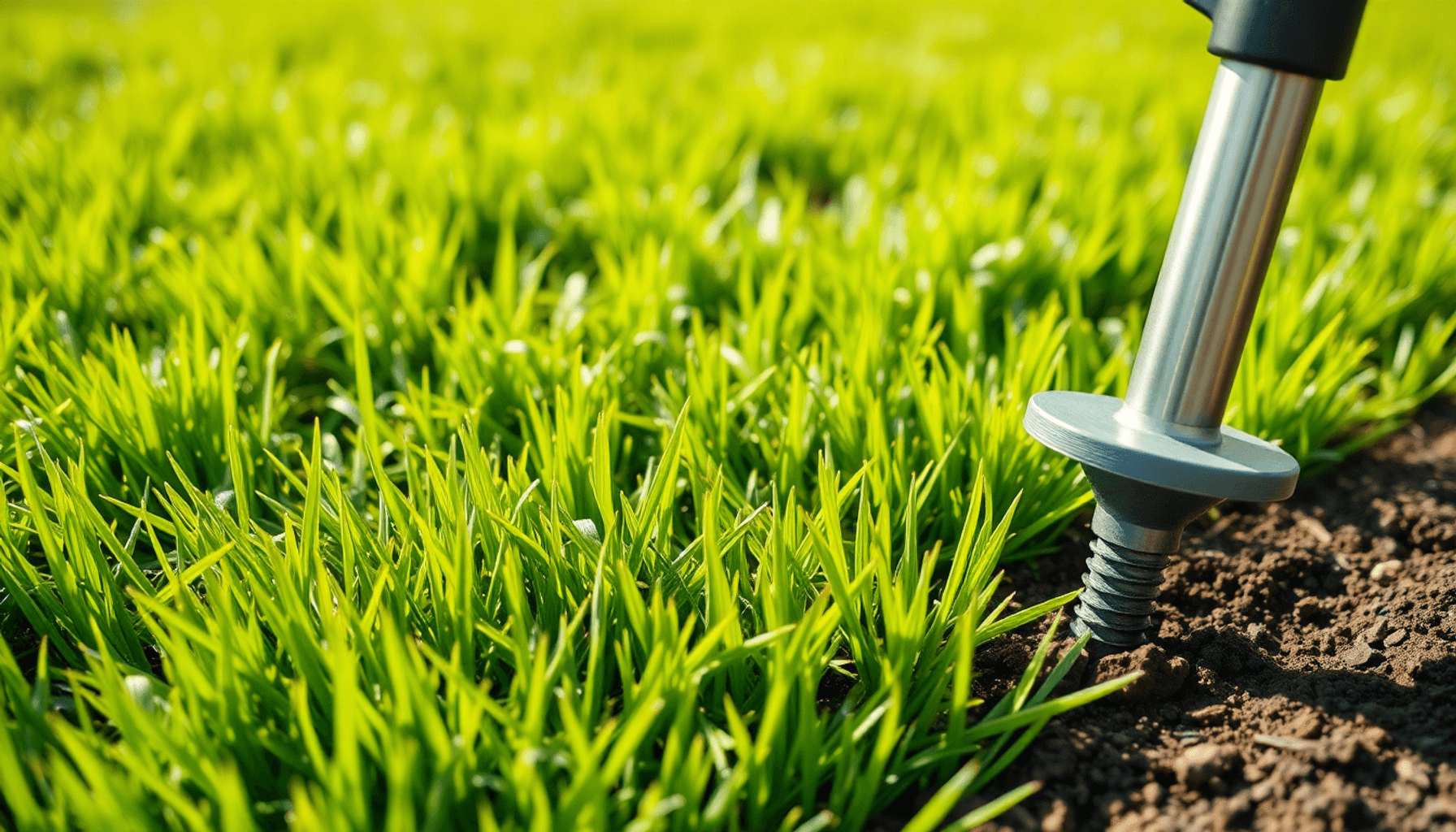

A lawn aerator is a specialized garden tool designed to create small holes in the soil of your lawn. These holes allow air, water, and nutrients to reach the grassroots more effectively. Lawn aeration addresses common issues like soil compaction and poor drainage that can stunt grass growth.
The purpose of using a lawn aerator is to improve the overall health and vitality of your lawn. By penetrating the soil surface, it enhances the natural processes essential for robust grass development. This simple practice encourages stronger root systems and helps your lawn withstand stress from heat, drought, and heavy foot traffic.
Key benefits of lawn aeration include:
- Improved soil drainage
- Enhanced oxygen flow to roots
- Reduced thatch buildup
- Better absorption of fertilizers and nutrients
Understanding what is a lawn aerator? When and why to aerate will empower you to maintain a lush, green lawn year-round. Using this garden tool correctly supports healthy grass growth by creating an environment where roots can thrive without restriction.
Understanding Lawn Aerators
A lawn aerator is a specialized garden tool designed to penetrate the soil surface and create small holes. These holes improve the overall health of your lawn by addressing common issues such as soil compaction and poor drainage. The process of aeration involves either removing small plugs of soil or poking holes directly into the ground, depending on the type of aerator used.
How Lawn Aerators Work
- Soil Holes Creation: By puncturing the soil, aerators allow air, water, and nutrients to reach deeper into the root zone. This enhances root growth and strengthens grass resilience.
- Improved Soil Drainage: The holes facilitate better water movement through the soil, reducing puddling and runoff. This helps maintain consistent moisture levels essential for healthy grass.
- Thatch Control: Thatch is a dense layer of dead grass, roots, and organic matter that accumulates above the soil surface. Excessive thatch can block water and nutrients. Aeration breaks through this layer, slowing down its buildup and promoting natural decomposition.
Impact on Soil Conditions
- Oxygen Flow: Grass roots depend on oxygen for respiration and nutrient uptake. Compacted soils restrict this flow, weakening the turf. Aeration opens channels that increase oxygen availability in the root zone.
- Reducing Soil Compaction: Heavy foot traffic, machinery, or naturally dense soils cause compaction. This compression limits root expansion and water infiltration. Aerators relieve pressure by loosening the soil structure.
Think of a lawn aerator as a tool that breathes life back into tired soil. It creates pathways for essential elements like air and water while controlling thatch buildup that chokes grass growth.
By understanding how a lawn aerator functions at this level, you can better appreciate why it’s a critical part of effective lawn care routines.
Types of Lawn Aerators
Lawn aerators come in different designs, each tailored to specific soil conditions and lawn needs. Choosing the right type can significantly impact the effectiveness of your aeration efforts.
Core Aerators
Core aerators remove small plugs, or cores, of soil from your lawn. These plugs are typically about 2-3 inches long and 0.5-0.75 inches in diameter. This method is especially effective for heavy clay soils where compaction is a common problem. By extracting cores, core aerators:
- Create space for air, water, and nutrients to reach deeper into the root zone.
- Reduce soil compaction by physically loosening tight soil particles.
- Help break up thatch build-up as the removed plugs decompose or are broken down on the surface.
If your lawn feels hard underfoot or water tends to pool after rain, a core aerator will address these issues better than other types.
Spike Aerators
Spike aerators use solid, wedge-shaped spikes to puncture holes into the soil without removing any material. They are generally better suited for sandy or loamy soils, which are less prone to compaction compared to clay soils. Spike aerators:
- Are simpler in design and often lighter weight.
- Improve air and water penetration but do not alleviate compaction as effectively as core aerators.
- Can sometimes worsen compaction in dense soils because they compress soil around the hole rather than removing it.
Use spike aerators if your soil drains well but could benefit from minor surface aeration or when you want a quick refresh without disturbing too much soil.
Powered vs. Manual Aerators
You can find both powered and manual versions of core and spike aerators, each with distinct advantages and trade-offs.
Powered Aerators
- Equipped with engines (gas or electric), these machines cover large areas quickly.
- Ideal for bigger lawns or professional lawn care due to efficiency.
- Typically more expensive upfront and require fuel or charging.
- Provide more consistent penetration depth thanks to mechanical force.
Manual Aerators
- Rely on physical effort; usually smaller with handles you push or step on.
- Best suited for small lawns and budget-conscious homeowners.
- Lower initial cost and no fuel requirements.
- Slower process but allows precise control over where you aerate.
If you have a large yard with compacted soil, a powered core aerator can save hours of labor while providing deep penetration. For smaller spaces or occasional use, manual spike or core aerators offer an affordable way to improve your lawn's health without heavy investment.
Selecting between these types depends on your lawn’s soil type, size, budget, and how much effort you’re willing to put in during the aeration process.
Benefits of Lawn Aeration
Lawn aeration offers several critical advantages that directly impact the health and vitality of your grass. Understanding these benefits clarifies why this practice is essential in your lawn care routine.
Reduces Soil Compaction and Enhances Root Access
Compacted soil restricts the movement of air, water, and nutrients into the root zone. When you use a lawn aerator, it creates small holes throughout the soil, effectively reducing compaction. This process:
- Improves oxygen flow to roots, which is vital for respiration and energy production in grass plants.
- Enhances water infiltration, preventing runoff and puddling by allowing rainwater and irrigation to penetrate deeply.
- Facilitates nutrient absorption by loosening dense soil layers, enabling roots to access essential minerals needed for growth.
Improving these conditions promotes stronger, deeper root systems that can support lush, resilient turf.
Supports Beneficial Oxygen-Dependent Organisms
Healthy soil contains microorganisms such as earthworms and beneficial bacteria that require oxygen to thrive. These organisms play a significant role in breaking down organic matter and recycling nutrients back into the soil.
Aeration creates an environment rich in oxygen, encouraging:
- Increased activity of aerobic microbes that improve soil fertility.
- Enhanced decomposition of thatch layers which can suffocate grass if left unchecked.
- A balanced ecosystem beneath the surface that sustains long-term lawn health.
Without proper aeration, these beneficial organisms decline, weakening the natural processes that maintain good soil structure.
Helps Grass Survive Heat and Drought Conditions
Lawns often struggle during hot or dry periods due to limited water availability and stressed root systems. Aerating your lawn reduces this vulnerability by:
- Allowing deeper water penetration that reaches roots instead of evaporating quickly from compacted surfaces.
- Encouraging thicker root development capable of accessing moisture stored deeper in the ground.
- Preventing patchy areas caused by drought stress or poor nutrient uptake.
A well-aerated lawn therefore exhibits better tolerance to environmental stresses, reducing the chances of brown spots or thinning grass during challenging weather conditions.
Understanding what is a lawn aerator? When and why to aerate becomes clear once you recognize how these benefits work together to promote healthy grass growth. Regular aeration transforms compacted, struggling lawns into vibrant green spaces with improved resilience against common problems like drought and nutrient deficiencies.
Signs That Your Lawn Needs Aeration
Knowing the signs of compacted soil is essential for keeping your lawn healthy. Compacted soil makes it hard for roots to grow and blocks the flow of air, water, and nutrients. Here are clear signs that your lawn needs aeration:
1. Thatch buildup
Thatch is a thick layer of dead grass, roots, and debris that builds up on the surface of the soil. If this layer becomes thicker than half an inch, it prevents water and nutrients from reaching the roots effectively. Too much thatch often indicates poor soil health and compaction below. You can find more about managing thatch in lawns for better lawn health.
2. Patchy or dry areas
Uneven grass growth with bare spots or dry patches suggests that the roots are having difficulty accessing moisture and nutrients. These areas may feel harder when you walk on them because of compressed soil layers underneath.
3. Water runoff or pooling
When it rains or when you water your lawn, if you notice that the water runs off instead of soaking in, it means that your soil is probably compacted or has drainage issues. If you see puddles forming, it also indicates that the ground isn't able to absorb moisture properly, which can suffocate the roots and promote diseases.
4. Grass struggling overall
Thin, weak, or yellowing grass can be a sign of restricted root growth caused by compacted soil. You might observe that the lawn wilts quickly during hot weather even if you're watering regularly.
You can do a simple test to check for compacted soil by using a screwdriver or a soil probe. If it's hard to push it in more than a few inches, this confirms that there is compacted soil that needs aeration.
By keeping an eye out for these signs, you can take action before your lawn suffers serious damage. Aeration directly addresses the underlying issues causing these problems, bringing back balance to your turf's growing environment.
Timing Your Lawn Aeration Right
Choosing the best time to aerate lawn depends heavily on the type of grass you have. Each grass variety has its growth cycle and responds differently to aeration based on seasonal conditions.
Cool-Season Grasses
Examples include Kentucky bluegrass, fescue, and ryegrass. These grasses thrive in cooler temperatures and show peak growth during early spring and fall. Aerating during these periods supports recovery and root expansion before extreme heat or cold sets in. Early spring aeration helps repair winter damage, while fall aeration prepares the grass for the dormant winter months by strengthening root systems.
Importance of Seasonal Lawn Care Timing
Aerating outside the recommended times can stress the grass or delay recovery. For example:
- Aerating cool-season grasses in midsummer may expose roots to heat stress.
- Aerating warm-season grasses too early in spring might not be effective as the grass may still be dormant.
Soil temperature and moisture also influence aeration success. Moist soil that is neither too wet nor too dry at these optimal times promotes easier penetration of cores or spikes and faster healing of holes. Paying attention to local climate patterns within your region can refine timing further for best results.
Correct seasonal timing aligns lawn aeration with the natural growth rhythm of your grass type, boosting effectiveness in alleviating compaction, improving oxygen flow, and enhancing nutrient absorption essential for a lush, resilient lawn.
Warm-Season Grasses
Common warm-season grasses are Bermuda, zoysia, and St. Augustine. These grasses flourish in warmer climates with their active growth from late spring through summer. The ideal window for aerating warm-season grasses is late spring to early summer when they enter vigorous growth phases. Aerating at this time ensures quick recovery and maximizes nutrient uptake during their peak growing season.
Performing Lawn Aeration: A Step-by-Step Guide
Preparing your lawn properly before aeration sets the stage for the best results. The key factor is moist soil for aeration. Soil should be moist enough to allow aerator tines or plugs to penetrate easily, but not so wet that it becomes muddy or clumps. Aim to aerate within 24 hours after a rainfall or watering your lawn deeply the day before.
Preparing Lawn for Aeration
1. Mow Your Lawn
Cut the grass shorter than usual to ease access to the soil surface. This prevents grass blades from interfering with the aerator and helps you see where you’ve already worked.
2. Water the Lawn
Apply about half an inch of water a day or two before aerating if nature hasn’t provided moisture recently. This ensures soil softness without causing overly soggy conditions.
3. Mark Obstacles and Clear Debris
Remove sticks, rocks, and other debris from your lawn to avoid damaging equipment or creating uneven holes.
Using a Lawn Aerator: The Process
You’ll encounter different types of tools when using a lawn aerator:
- Core Aerators: These machines pull out plugs of soil, leaving behind holes that improve air and water movement deep into the root zone. Operate by pushing or driving the machine across your lawn in parallel passes, overlapping slightly for full coverage.
- Spike Aerators: Using solid spikes to poke holes, these are generally less effective on compacted soils but useful on sandy or loamy textures. You can find manual spike aerators for small lawns or powered versions for larger areas.
- Manual vs. Powered Aerators: Manual aerators require physical effort but offer control and cost savings for smaller lawns. Powered aerators cover larger areas faster with less strain but involve higher rental or purchase costs.
During aeration:
- Work methodically in straight lines across your lawn.
- For core aerators, leave soil plugs on the surface; they break down naturally and enrich the soil.
- Spike holes will close quickly, so multiple passes might be necessary in heavily compacted areas.
You may need to adjust pressure depending on soil type and tool used. Clay soils often require more force and slower pace, while sandy soils allow quicker movement.
Understanding What is a Lawn Aerator? When and Why to Aerate helps appreciate why performing these steps correctly matters—proper technique maximizes benefits like improved drainage, oxygen flow, and healthier grass roots.
This hands-on approach prepares your lawn to absorb nutrients, retain moisture better, and recover from stressors such as heat or drought more effectively after aeration treatment.
Post-Aeration Care: Nurturing Your Lawn Back to Life After Aeration
Proper post-aeration care is key to maximizing the benefits of lawn aeration. Once the soil has been perforated, how you treat the lawn directly impacts its recovery and long-term health.
Leaving Soil Plugs or Mowing After Aeration
- Leaving plugs to decompose naturally is often recommended, especially with core aerators that remove plugs of soil. These plugs break down over time, returning nutrients back into the soil and helping fill the holes created by aeration.
- Alternatively, mowing after aeration can help break up the soil plugs more quickly. This accelerates their decomposition and helps distribute organic matter evenly across the lawn surface.
- Avoid raking up or removing these plugs immediately; they serve an important role in enhancing soil structure and nutrient cycling.
Applying Fertilizer to Boost Recovery
- Aeration creates ideal conditions for fertilizer uptake by opening pathways for nutrients to reach grass roots effectively.
- Use a balanced fertilizer formulated for your grass type. Applying fertilizer soon after aerating supports root development and encourages lush, vigorous growth.
- Fertilizer application also helps lawns recover faster from any stress caused by aeration, reducing vulnerability to weeds and pests.
Top Dressing: Enhancing Soil Quality
- Top dressing involves spreading a thin layer of compost, sand, or a mix over the lawn after aeration.
- This practice improves soil texture and promotes better drainage, especially important if you have heavy clay soils.
- Top dressing fills in the holes created during aeration and supplies organic matter that fosters beneficial microbial activity.
- It also smooths out uneven areas left by aerator plugs, improving lawn appearance and playability.
Additional Tips for Post-Aeration Lawn Care
- Water your lawn lightly but consistently after aerating to aid plug decomposition and nutrient absorption.
- Avoid heavy foot traffic on freshly aerated lawns until grass has had time to recover.
- Continue regular mowing but keep blades slightly higher at first to reduce stress on new roots.
By following these best practices in post-aeration care, you set your lawn on a path toward healthier growth and improved resilience against environmental stressors.
Long-Term Lawn Health: Regular Maintenance and Aeration Schedule
Maintaining a healthy lawn requires more than just one-time aeration. Regular lawn maintenance combined with a well-planned schedule for aeration plays a crucial role in preventing soil compaction and sustaining vigorous grass growth.
Integrating Regular Lawn Maintenance
- Mowing: Keep grass at appropriate heights to promote root strength and reduce stress on the soil.
- Watering: Deep, infrequent watering encourages roots to grow deeper, enhancing drought resistance.
- Fertilizing: Use balanced fertilizers to supply essential nutrients that support recovery after aeration.
- Weed control: Managing weeds reduces competition for resources, allowing grass to thrive.
Integrating these practices ensures the lawn remains resilient, making aeration more effective when performed.
Scheduling Lawn Aeration
The frequency of aeration depends on factors such as soil type, lawn usage, and grass species:
- Heavy clay soils or high-traffic areas: Aerate every 6 months to prevent severe compaction.
- Sandy or loamy soils with moderate use: Annual aeration is usually sufficient.
- Low-use lawns or well-maintained soils: Aerate once every 1-2 years.
Setting a consistent schedule helps prevent soil compaction before it severely impacts root growth and water infiltration.
Long-Term Benefits of Consistent Care
Adhering to regular maintenance and aeration schedules results in:
- Improved root development due to better air and nutrient access.
- Enhanced tolerance against heat, drought, and disease stressors.
- Reduced thatch buildup by promoting natural decomposition processes.
- A thicker, greener lawn that resists weeds and bare patches.
You create a sustainable cycle of care where each step supports the next. This approach keeps your lawn healthy year-round while minimizing costly repairs or reseeding later on.
Conclusion
Understanding what is a lawn aerator? When and why to aerate is key to maintaining a vibrant, healthy lawn. The importance of lawn aeration cannot be overstated when it comes to promoting strong root growth and preventing issues like soil compaction and poor drainage.
Key takeaways to keep in mind:
- Proper timing based on grass type ensures aeration delivers maximum benefits.
- Choosing the right aeration method—core or spike, manual or powered—affects how effectively your soil improves.
- Consistent technique and post-aeration care support recovery and encourage lush, thick grass.
- Aeration enhances nutrient, water, and oxygen flow directly to roots, which is essential for surviving heat and drought.
- Integrating aeration with regular lawn maintenance aligns with the best healthy lawn tips for long-term success.
Focusing on these factors transforms your lawn from patchy and stressed into a thriving green space. Embrace aeration as a vital part of your lawn care routine to enjoy healthier grass that looks great year-round.
FAQs (Frequently Asked Questions)
What is a lawn aerator and why is it important for lawn care?
A lawn aerator is a garden tool designed to create holes in the soil, improving soil drainage and reducing compaction. Aerating your lawn enhances oxygen flow, controls thatch buildup, and promotes healthy grass growth by allowing better absorption of water and nutrients.
What are the different types of lawn aerators and which should I use?
There are core aerators, spike aerators, powered aerators, and manual aerators. Core aerators remove plugs of soil and are ideal for heavy clay soils. Spike aerators poke holes without removing soil and work well for sandy or loamy soils. Powered aerators offer efficiency but at a higher cost compared to manual ones. Choosing depends on your soil type and budget.
When is the best time to aerate my lawn?
Timing depends on your grass type. For cool-season grasses, early spring or fall is optimal. Warm-season grasses benefit most from aeration in late spring to early summer. Proper timing ensures effective results by aligning with your lawn's growth cycle.
What are the signs that my lawn needs aeration?
Look for indicators like thatch buildup, patchy or dry areas, poor grass growth, water runoff or pooling on the surface, and grass struggling due to compacted soil. These signs suggest that your lawn could benefit from aeration to improve soil conditions.
How do I perform lawn aeration correctly?
Aerate when the soil is moist but not overly wet. Prepare your lawn by mowing and watering beforehand. Use the appropriate type of lawn aerator to create holes in the soil, enhancing air, water, and nutrient penetration to grass roots.
What care should I provide after aerating my lawn?
After aeration, leave soil plugs to decompose naturally or mow them down. Applying fertilizer and top dressing supports recovery and promotes healthy growth. Regular maintenance combined with scheduled aeration helps prevent soil compaction and maintains long-term lawn health.