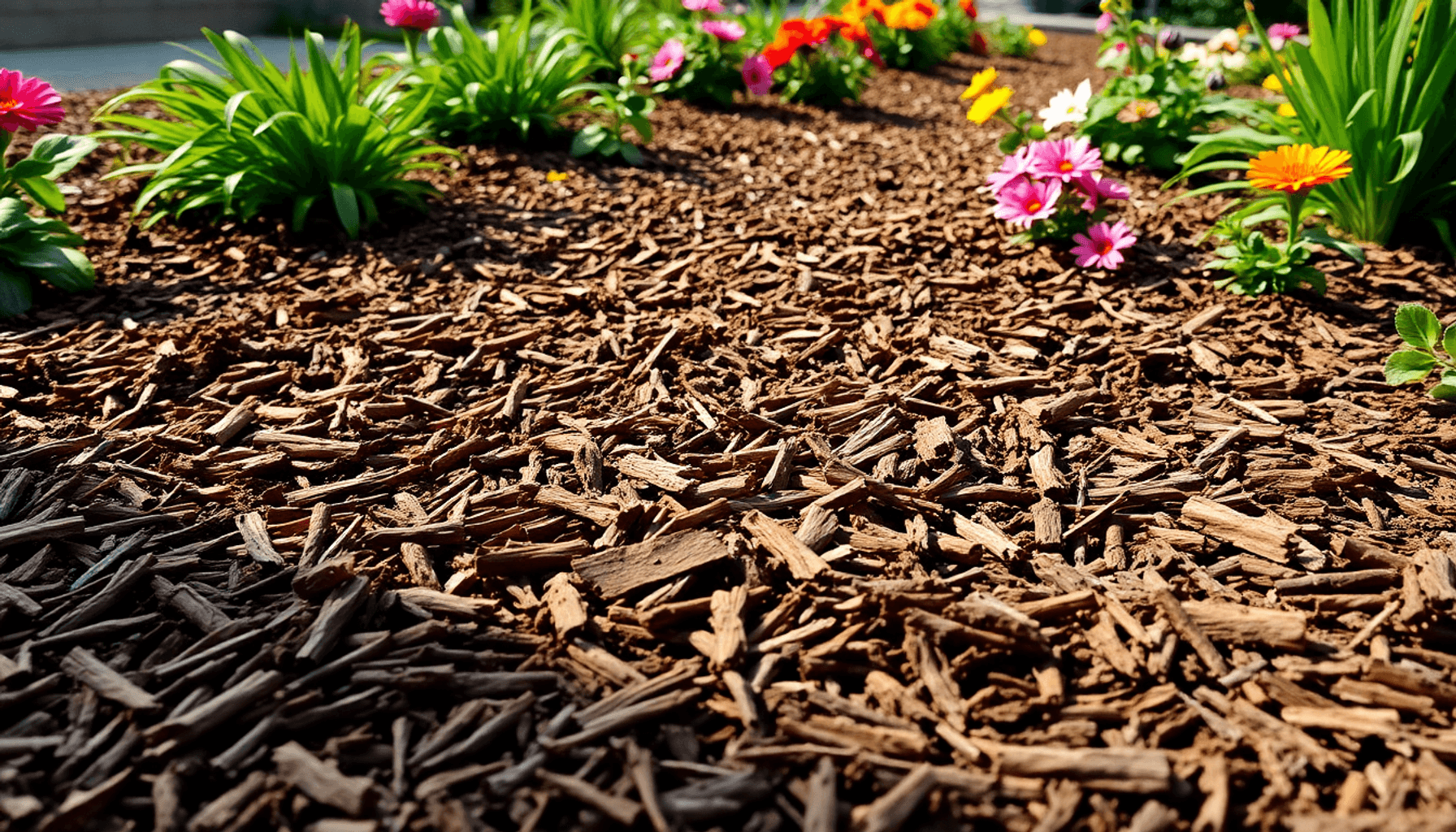

What is Bark Mulch?
Bark mulch is an organic material made from the bark of trees, typically sourced from softwoods like pine, spruce, and larch. It serves as a natural ground cover in gardening and landscaping. Unlike synthetic mulches, bark mulch originates directly from tree bark, providing a sustainable and eco-friendly option for soil management.
Uses and Benefits of Bark Mulch
Using bark mulch offers multiple advantages:
- Conserves soil moisture by reducing evaporation
- Suppresses weeds by limiting light exposure to weed seeds
- Improves soil structure through the gradual addition of organic matter, which aligns with the principles outlined in this Extension Gardener Handbook on soils and plant nutrients
- Protects plant roots from temperature extremes and erosion
- Enhances garden aesthetics with its natural texture and color variations
Gardeners and landscapers value bark mulch for its versatility. It works well around trees, shrubs, flower beds, and pathways.
How to Apply Bark Mulch
This article dives deeper into what bark mulch is, explores its types, benefits, and practical tips on how to apply it effectively in your garden.
Understanding Bark Mulch
Bark mulch is primarily made up of organic material from the outer bark of trees. This natural source makes it a great addition to gardens and landscapes, as it breaks down slowly to enrich the soil with nutrients. Unlike wood chips that include inner wood, bark mulch contains higher concentrations of tannins and other compounds beneficial for soil health.
The types of bark mulch vary depending on the tree species and processing methods, but common sources include pine, spruce, and larch. Each type has its own unique characteristics in texture, color, and longevity that affect their suitability for different gardening needs.
Bark Mulch Grades
Bark mulch comes in different grades, categorized mainly by particle size. Understanding these grades will help you choose the right mulch for your specific application.
Fine Bark Mulch
Fine bark mulch consists of small, shredded pieces that create a smooth surface. It is ideal for flower beds and vegetable gardens where close planting requires gentle coverage. Because it breaks down faster than coarser grades, it contributes more quickly to soil organic matter.
Medium Bark Mulch
Medium bark mulch features moderately sized chips that balance durability with ease of spreading. It is commonly used around shrubs and borders where moderate coverage is needed, offering good weed suppression while still allowing water to penetrate the soil.
Coarse Bark Mulch
Coarse bark mulch is made up of large chunks or chips that provide a rugged texture. It is best suited for pathways, tree bases, or areas requiring extended durability. It decomposes more slowly, maintaining its appearance longer, though it is less effective for rapid soil enrichment.
Each grade affects moisture retention, weed control, and aesthetic appeal in different ways. Choosing the right grade means aligning with both the functional demands and design preferences of your garden.
The organic nature of bark mulch means it gradually integrates into the soil ecosystem, supporting beneficial microbial activity and encouraging earthworm presence, which enhances soil structure over time. Whether your goal is improving soil fertility quickly or establishing a long-lasting protective layer, there is a bark mulch grade suited to your needs.
This understanding of bark mulch composition and grades lays the groundwork for selecting specific varieties such as pine, spruce, or larch mulches tailored to particular landscaping uses.
Common Types and Their Uses
Bark mulch comes in several common types, each with distinct characteristics and ideal applications. Understanding the typical uses of bark mulch helps you select the right kind for your garden or landscaping project.
Pine Bark Mulch
- Characteristics: Pine bark mulch is one of the most popular choices. It has a rich reddish-brown color and a coarse texture that breaks down slowly over time. The mulch often includes chunks as well as finer pieces, providing good coverage and aeration for soil.
- Best Uses: Pine bark works well around trees, shrubs, and perennial flower beds. Its slow decomposition rate means it lasts longer compared to finer mulches, making it excellent for long-term soil protection and moisture retention. It also slightly acidifies soil, which benefits acid-loving plants like azaleas, rhododendrons, and blueberries.
Spruce Bark Mulch
- Characteristics: Spruce bark mulch usually features darker tones ranging from brown to almost black. The chips tend to be smaller and more uniform than pine bark, creating a denser mat on the soil surface. This type decomposes at a moderate pace.
- Best Uses: Ideal for decorative ground cover in ornamental gardens or pathways where you want a neat, uniform look. Spruce bark’s denser texture helps suppress weeds effectively while enhancing landscape aesthetics with its deep color contrast.
Larch Bark Mulch
- Characteristics: Larch bark mulch is less common but prized for its durability and resistance to decay. It has a rough texture with medium-sized chips that weather well without breaking down quickly. Its natural color ranges from light brown to grayish hues.
- Best Uses: Suitable for playgrounds, walkways, and around larger trees where robust coverage is needed to withstand foot traffic or harsh weather conditions. Larch bark provides excellent erosion control and creates a natural appearance that blends well with rustic or woodland garden styles.
Choosing among these common types of bark mulch depends on your specific gardening needs—whether you prioritize longevity, visual appeal, or soil chemistry adjustment. Each type delivers unique benefits that enhance both plant health and landscape design elements.
Benefits of Using Bark Mulch in Your Garden
Bark mulch offers multiple advantages that directly support plant health and garden maintenance. Recognizing the benefits of using bark mulch helps you make informed decisions for your landscape.
1. Water Conservation Through Soil Moisture Retention
Bark mulch acts as a protective layer that significantly reduces evaporation from soil surfaces. This moisture retention means you don’t need to water as often, especially during hot or dry periods. Studies show soil moisture can increase by up to 75% with a proper layer of bark mulch. By keeping the soil consistently moist, plants experience less stress and root systems develop more robustly.
2. Soil Improvement Via Organic Matter Addition
As bark mulch decomposes slowly, it releases organic matter into the soil. This enriches soil fertility and improves structure by increasing aeration and water infiltration. Organic matter encourages beneficial microbial activity and earthworms, which further enhance nutrient cycling. The gradual breakdown of bark contributes valuable carbon content needed for healthy soil ecosystems.
3. Weed Control With Light Blocking Effect
One of the simplest yet most effective benefits is suppressing weed growth. Bark mulch blocks sunlight from reaching weed seeds in the soil, preventing their germination and reducing competition for nutrients and water. Unlike chemical herbicides, bark mulch provides a natural barrier without risking damage to surrounding plants or the environment.
These key benefits make bark mulch an essential tool for creating sustainable and low-maintenance gardens that promote plant vitality while conserving resources. The combination of moisture conservation, soil enhancement, and weed suppression creates a healthier growing environment suited to various garden types and climates.
Enhancing Aesthetics with Bark Mulch
Bark mulch offers significant aesthetic benefits that go beyond its practical gardening uses. Its rich, natural tones—ranging from deep browns to reddish hues—create a striking contrast against the vibrant greens of plants and the neutral colors of stone or concrete elements in your garden. This contrast draws the eye and emphasizes the shapes and colors of your landscape design.
Visual Impact
- Visual Contrast: Bark mulch highlights flower beds, borders, and tree bases by providing a clean, uniform background. This helps plants stand out more distinctly, enhancing their visual impact.
- Texture Variety: The coarse or fine chips add texture diversity to your garden's surface, breaking up monotony often caused by large expanses of soil or grass.
- Color Consistency: Unlike bare soil that can appear patchy or muddy after rain, bark mulch maintains a consistent look throughout seasons.
Using bark mulch to create natural-looking pathways introduces an organic feel to garden trails. Paths lined or surfaced with bark chips blend smoothly into the surrounding landscape, offering a rustic charm without harsh edges.
- Safe Play Areas: Bark mulch is often used in children's play areas because it provides a soft surface that cushions falls while maintaining an earthy appearance free from synthetic materials.
- Defined Spaces: By outlining garden zones or walkways with bark mulch, you visually separate different functional areas without erecting physical barriers.
The choice of bark size influences the aesthetic effect:
- Fine-grade bark lends itself well to formal flower beds where a neat and tidy appearance is desired.
- Medium to coarse chips suit informal settings like woodland gardens or around shrubs where a more natural look complements the environment.
Selecting bark mulch not only contributes durability and functionality but also enhances the overall beauty of your outdoor space through color, texture, and thoughtful placement.
Applying Bark Mulch Effectively
Applying bark mulch correctly is essential to maximize its benefits for your garden. This guide on applying bark mulch will walk you through a clear, practical process to ensure healthy plants and an attractive landscape.
Step-by-Step Process
1. Remove Weeds Thoroughly
Begin by clearing the area of any existing weeds. Pull them out by hand or use appropriate tools to eliminate roots that could compete with your plants for nutrients and water. Removing weeds beforehand prevents them from growing through the mulch layer later.
2. Prepare the Soil with Watering
After weed removal, water the soil deeply. Moist soil helps bark mulch settle better and enhances moisture retention around plant roots. Proper hydration at this stage supports plant health and improves mulch effectiveness.
3. Spread Bark Mulch Evenly
Use a rake or your hands to distribute bark mulch evenly over the prepared soil surface. Avoid piling it directly against plant stems or tree trunks, which can cause rot or attract pests.
Recommended Layer Thickness
- Aim for a 5–7 cm (2–3 inches) thick layer of bark mulch.
- This thickness provides enough coverage to suppress weeds and retain moisture without suffocating plant roots.
- Layers thinner than 5 cm may not effectively block sunlight or conserve moisture.
- Layers thicker than 7 cm risk creating excess moisture buildup, potentially harming delicate root systems.
Choosing the right layer thickness depends on the mulch grade and garden type:
- Fine chips work well in vegetable beds where closer contact with soil is needed.
- Medium to coarse chips suit shrubs, trees, and pathways where more robust coverage is beneficial.
Following these steps ensures your bark mulch performs as intended—protecting plants, conserving water, and enhancing soil health while maintaining a neat appearance in your garden beds.
Maintaining Your Bark Mulch Layer
Proper maintenance is essential to keep bark mulch performing at its best in your garden. Regular care ensures the mulch continues to conserve moisture, suppress weeds, and enhance soil health while maintaining an attractive appearance.
Annual Topping Up
Bark mulch naturally breaks down over time as it decomposes, losing volume and effectiveness. Adding a fresh 2–3 cm layer once a year restores its capacity to protect soil and plants. This topping up maintains the recommended overall depth of 5–7 cm, balancing coverage without suffocating roots or inviting pests.
Signs That Replenishment Is Needed
- Thinning Mulch Layer: When you notice the mulch layer has become noticeably thinner or patchy, it no longer provides sufficient insulation or moisture retention.
- Visible Soil Surface: Exposed soil between plants may dry out faster and be more vulnerable to erosion or temperature fluctuations.
- Weeds Emerging: Increased weed growth through the mulch indicates that the barrier effect is compromised, signaling it's time to refresh the layer.
- Color Fading: Dull or faded bark mulch loses aesthetic appeal and may break down faster due to sun exposure.
Maintenance Tips for Bark Mulch
- Gently rake the mulch surface before adding new material to loosen compacted areas and improve aeration.
- Remove any accumulated debris such as leaves or dead plant matter to prevent mold or disease development.
- Avoid piling fresh mulch directly against plant stems or tree trunks during replenishment to reduce risks of rot or pest infestation.
- Monitor mulch condition seasonally; heavy rains can wash away finer particles, requiring more frequent touch-ups in some climates.
Consistent upkeep keeps bark mulch functional and visually appealing throughout the growing season. This low-maintenance practice extends the life of your mulch investment while supporting healthy plant growth.
Additional Considerations When Using Bark Mulch
Bark mulch offers many advantages, but understanding its potential soil acidification effect with bark mulch is important for maintaining healthy garden conditions. Over time, the decomposition of organic bark materials can slightly lower soil pH, creating a more acidic environment. This occurs because as bark breaks down, organic acids are released into the soil.
Effects on Soil and Plants:
- Slight acidifying effect: The shift toward acidity is usually gradual and mild. Most garden soils tolerate this change well, especially if they start near neutral pH.
- Impact on sensitive plants: Acid-loving plants like azaleas, rhododendrons, and blueberries may benefit from this soil condition. Conversely, plants that prefer alkaline or neutral soils might show signs of nutrient deficiency or stress if acidity increases.
- Soil buffering capacity: Well-buffered soils with adequate organic matter and calcium content resist pH changes better than sandy or depleted soils.
Managing Soil Acidity with Bark Mulch:
To effectively manage the potential soil acidification when using bark mulch extensively, consider implementing these strategies:
- Test your soil regularly to monitor pH levels when using bark mulch extensively. This can be part of a broader soil and fertilizer management strategy which includes understanding your soil's nutrient profile and making necessary adjustments.
- Apply lime or other alkaline amendments if soil acidification becomes problematic for your plants.
- Rotate mulch types or combine bark with other organic mulches that have less acidifying potential to balance the effect.
- Consider the species of bark used; pine and spruce tend to be more acidifying compared to hardwood barks.
Understanding these nuances helps you tailor mulch usage to your garden’s needs and avoid unintended consequences. Adjusting applications based on plant preferences and soil conditions supports healthier growth while maximizing the benefits of bark mulch.
Conclusion
Bark mulch is a versatile and low-maintenance organic solution that fits seamlessly into a wide range of garden environments. Whether you’re cultivating flower beds, lining pathways, or protecting trees and shrubs, bark mulch offers practical benefits that enhance both plant health and garden aesthetics.
Key points to remember about the summary benefits of using bark mulch:
- Moisture retention: Helps conserve water by reducing evaporation from the soil surface, making it an essential part of any organic gardening strategy.
- Weed suppression: Blocks light to prevent weed seed germination, reducing the need for chemical herbicides.
- Soil improvement: Adds organic matter that supports beneficial soil organisms like earthworms.
- Temperature regulation: Insulates roots from extreme heat and cold, promoting healthier growth.
- Erosion control: Slows down surface water flow, minimizing soil loss and compaction, which is crucial for keeping your hill place erosion-free.
- Aesthetic enhancement: Creates natural-looking, tidy garden beds and attractive pathways.
Understanding What is Bark Mulch? Uses, Benefits and How to Apply empowers you to choose the right type and grade for your specific gardening needs. Applying it correctly—starting with weed removal, watering the soil, and spreading a 5–7 cm layer—ensures optimal results without harming your plants.
Incorporating bark mulch into your gardening routine reduces maintenance efforts while supporting sustainable practices. Its ability to improve soil condition over time means your garden continues to benefit season after season. This combination of functionality and beauty makes bark mulch an indispensable tool for gardeners aiming for healthy plants and inviting outdoor spaces.
FAQs (Frequently Asked Questions)
What is bark mulch and where does it come from?
Bark mulch is an organic material derived from the bark of trees. It serves as a natural covering for soil in gardening and landscaping, providing both functional and aesthetic benefits.
What are the common types of bark mulch and their best uses?
Common types of bark mulch include pine bark, spruce bark, and larch bark mulches. Each type has unique characteristics suited for various uses: pine bark mulch is known for its durability and is ideal for flower beds; spruce bark mulch offers a fine texture perfect for pathways; larch bark mulch provides coarse chips suitable for playgrounds and natural-looking garden areas.
How does using bark mulch benefit my garden?
Bark mulch conserves water by retaining soil moisture, improves soil quality through the addition of organic matter, and helps control weeds by blocking light. These benefits contribute to healthier plants and reduced maintenance in your garden.
What is the recommended method for applying bark mulch effectively?
To apply bark mulch effectively, start by removing weeds and thoroughly watering the soil. Spread a 5 to 7 cm thick layer of bark mulch evenly over the area to ensure optimal coverage without harming plants.
How should I maintain my bark mulch layer to keep it effective?
Maintain your bark mulch by topping it up annually to preserve its appearance and functionality. Replenish the layer when it becomes thin or if weeds begin to appear through the mulch.
Are there any considerations regarding soil acidity when using bark mulch?
Yes, over time, bark mulch can slightly acidify the soil. This effect is important to consider if you have plants sensitive to soil pH changes, as it may influence their growth and health.