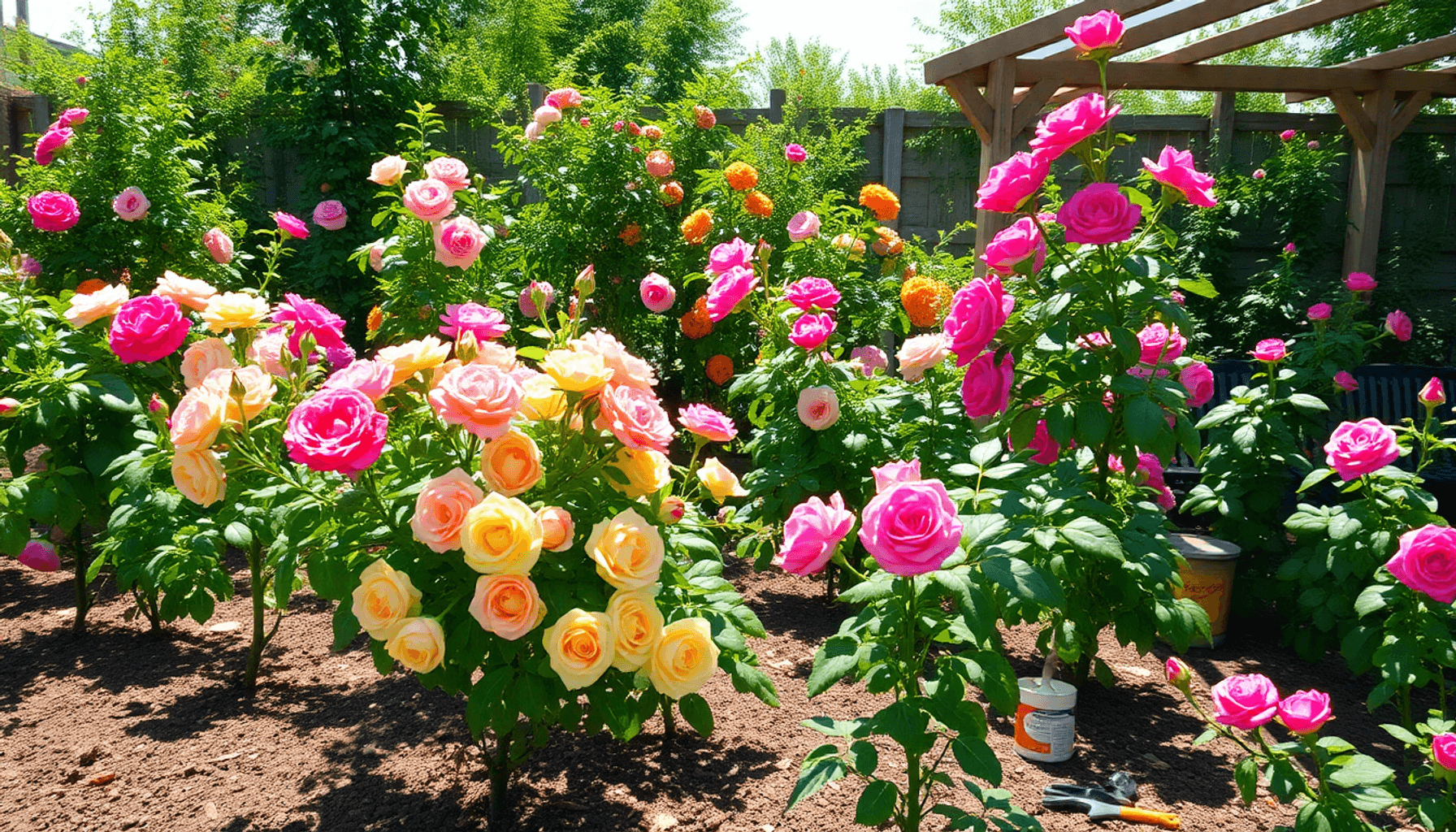

Roses are a beloved addition to gardens worldwide. Their stunning appearance, delightful scent, and wide range of varieties make them a top choice for gardeners of all levels. By learning how to grow roses, you can create a breathtaking display of flowers that will brighten your outdoor space from summer to fall.
In this article, we will explore the fundamental principles of rose gardening:
- Choosing and planting different types of roses that are suitable for your garden
- Ensuring proper care through watering, feeding, and soil preparation
- Using pruning techniques to encourage healthy growth and abundant flowering
- Dealing with common pests and diseases that can harm roses
You'll find practical tips on how to care for roses, whether you're starting with bare-root or potted plants, or looking to expand your collection through propagation methods. This guide is designed to help you cultivate beautiful rose plants year after year, regardless of whether you have a large garden or limited space with containers.
Types of Roses and Their Growth Habits
Understanding the various types of roses helps you select the best fit for your garden’s conditions and design goals. Each type has distinct growth habits, size, and flowering patterns that impact how you care for them.
Shrub Roses
- Known for their robustness and repeat flowering throughout the growing season.
- Typically have an upright or bushy habit with dense foliage.
- Ideal for borders or hedges where a classic rose look is desired without intensive maintenance.
Climbing Roses
- Produce long, flexible canes that need support structures like trellises or fences.
- Add vertical interest to your garden without becoming overly vigorous or invasive.
- Require training to guide shoots evenly across supports, encouraging abundant blooms.
Rambling Roses
- Grow vigorously with long, arching stems that can cover large areas quickly.
- Usually flower once per season but produce striking displays of flowers followed by decorative hips.
- Best suited for covering pergolas or large walls where rapid coverage is needed.
Patio Roses
- Compact varieties bred for container growing on patios or small gardens.
- Offer continuous blooming in a manageable size, perfect if space is limited.
- Thrive well in pots with regular watering and feeding routines tailored to container plants.
Ground-Cover Roses
- Spread horizontally to form low mats of foliage and flowers, often used to prevent soil erosion or fill bare spots.
- Generally disease resistant with a spreading habit that suppresses weeds naturally.
- Work well under taller shrubs or along pathways as living mulch.
When choosing a rose type, consider:
- Space available: Climbing and rambling roses need more room and supports; patio and ground-cover roses suit smaller areas.
- Sunlight exposure: Most roses prefer full sun but some shrub varieties tolerate light shade better.
- Maintenance level: Shrub and ground-cover roses often require less pruning compared to climbers which need regular training.
Matching your rose selection to these factors ensures healthier plants and more satisfying blooms throughout the season.
Selecting the Perfect Spot for Your Roses
Choosing the right rose planting location is crucial for the success of your rose garden. Roses do best when they get plenty of sunlight and are protected from harsh weather conditions.
Sunlight Requirements for Roses
- Aim for a spot that gets at least 4 to 6 hours of direct sunlight every day. This amount of sun helps the plants grow strong and produce lots of flowers.
- Morning sun is particularly beneficial because it dries the dew on the leaves quickly, reducing the risk of fungal diseases like black spot.
- Some types of roses can tolerate partial shade, but not getting enough sunlight usually leads to fewer flowers and weaker plants.
Importance of a Sheltered Planting Site
Choose a location that is shielded from strong winds. Wind exposure can damage delicate blooms, increase moisture loss from leaves and soil, and make plants more susceptible to diseases due to constant movement and rubbing.
- Plant near walls, fences, or hedges that act as natural windbreaks without blocking too much sunlight.
- Ensure good airflow in the sheltered area to avoid dampness while still providing protection. Stagnant air encourages fungal infections.
Additional Considerations
- Stay away from low-lying areas where cold air or water might collect, as this could cause frost damage or root rot.
- Ensure that the site is easily accessible for maintenance tasks such as watering, feeding, pruning, and checking for pests.
- Check that there is enough space for your chosen rose variety to reach its full size without crowding other plants.
Finding the right balance of sunlight and shelter will help your roses grow strong and produce vibrant flowers. Once you have identified this ideal spot, preparing the soil properly will create a healthy environment for the roots and encourage thriving plants.
Preparing the Soil: The Foundation for Healthy Roses
Successful rose gardening starts beneath the surface. Soil preparation for roses is a critical step that sets the stage for vigorous growth and abundant flowering. Roses thrive in soil that balances moisture retention with excellent drainage, ensuring roots stay healthy without being waterlogged.
Ideal Soil Characteristics for Roses
- Rich in organic matter: Incorporate well-rotted compost, manure, or leaf mold to improve fertility and soil structure. Nutrient-rich soil feeds the roots and supports sustained growth.
- Moist but well-drained: Roses dislike soggy roots but need consistent moisture. Aim for soil that holds water without pooling. Heavy clay soils can be improved by adding coarse sand or organic matter to enhance drainage.
- Slightly acidic to neutral pH: A pH range of 6.0 to 7.0 suits most rose varieties best. You can test your soil's pH using kits available at garden centers and amend it if necessary with lime (to raise pH) or sulfur (to lower pH).
Steps for Soil Preparation Before Planting
- Clear the area: Remove weeds, grass, and debris from the planting site to reduce competition for nutrients and water.
- Loosen the soil: Dig or till the ground to a depth of about 30 centimeters (12 inches). This loosening encourages root penetration and air circulation.
- Incorporate organic material: Mix in a generous amount (around 5-10 cm or 2-4 inches deep) of organic matter like compost or well-rotted manure into the soil you have loosened.
- Improve drainage if needed: For heavy clay or poorly draining soils, blend in coarse sand or grit to prevent waterlogging.
- Level and settle: Smooth out the soil surface while maintaining some natural contouring to avoid puddles forming around rose bases.
Tip: Avoid adding fresh manure directly at planting time as it may burn young roots. Well-aged organic matter is safer and more beneficial.
Preparing your soil properly creates a hospitable environment where rose roots can establish quickly and absorb nutrients efficiently. This foundation supports healthy plants that are better equipped to resist pests and diseases, bloom profusely, and withstand environmental stresses.
Planting Roses: A Step-by-Step Guide
Planting roses correctly sets the stage for healthy growth and vibrant blooms. Understanding the timing and spacing involved helps you avoid common pitfalls and ensures your roses thrive.
Timing for Planting Bare-Root and Containerized Roses
- Bare-root roses are typically planted during their dormant period, which is late autumn through late winter to early spring. This timing minimizes transplant shock and allows roots to establish before active growth begins.
- When planting bare-root roses, soak the roots in water for several hours before planting to hydrate them fully.
- Containerized roses offer more flexibility; they can be planted almost any time of year, provided the soil is workable and not frozen or waterlogged.
- Avoid planting containerized roses during extreme heat or drought conditions without adequate watering plans in place.
How to Plant Bare-Root Roses
- Dig a hole wide and deep enough to spread out the roots comfortably, usually about 45 cm (18 inches) in diameter.
- Amend the soil with organic matter like compost or well-rotted manure to improve nutrient content and drainage.
- Create a small mound of soil at the bottom of the hole to support the roots.
- Position the rose so that its graft union (the swollen area near where the stems meet the roots) sits just above soil level in warm climates or slightly below it in colder areas for protection.
- Spread out the roots evenly over the mound, then backfill with soil, firming gently to eliminate air pockets.
- Water thoroughly after planting to settle the soil around the roots.
Spacing Guidelines
- Space rose plants approximately 60 cm (2 feet) apart to ensure adequate air circulation between plants.
- Proper spacing reduces humidity around foliage, lowering the risk of diseases such as black spot and powdery mildew.
- Consider mature size when spacing; larger shrub or climbing roses may require more room than compact patio or ground-cover varieties.
Planting with attention to timing and spacing lays a solid foundation for your rose garden’s success. The next step involves nurturing these newly planted roses through appropriate watering, feeding, and ongoing care routines.
Nurturing Your Roses with Water, Food, and Care
Proper watering roses is vital to their health and flowering potential. Roses prefer deep watering rather than frequent shallow watering. This encourages roots to grow deeper into the soil, making plants more drought-resilient. Aim to water at least once a week during dry spells, soaking the soil around the base of the plant until it feels moist several inches down. Avoid wetting the foliage, as this increases the risk of fungal diseases like black spot and powdery mildew.
Deep Watering Techniques
- Use a soaker hose or drip irrigation system to deliver water directly to the root zone.
- Water early in the morning to allow foliage to dry quickly if any splashing occurs.
- Check soil moisture regularly by inserting your finger about 5 cm (2 inches) into the soil; if it feels dry at that depth, it’s time to water.
- Mulch around the base with organic matter such as compost or well-rotted manure to retain moisture and regulate soil temperature.
Healthy roses require regular feeding to support vigorous growth and abundant flowering. Nutrients are depleted quickly in rich, well-drained soils especially during active growth stages.
Feeding Schedule for Roses
- Spring Feed: Apply a balanced rose fertilizer or an organic alternative like fish emulsion when new growth appears. This feed jumpstarts leaf and shoot development.
- Midseason Feed: Provide a second feeding in early summer after the first flush of blooms fade. This encourages repeat flowering and sustains energy reserves.
- Late Season: Avoid high-nitrogen feeds late in the season to prevent tender growth that can be damaged by frost.
Use fertilizers formulated specifically for roses or those rich in nitrogen (N), phosphorus (P), and potassium (K) in ratios like 10-10-10 or 12-6-8. Follow package instructions carefully for application rates.
Additional Care Tips
- Regularly remove weeds around roses to reduce competition for nutrients and water.
- Inspect plants frequently for signs of stress or nutrient deficiency such as yellowing leaves or sparse blooms.
- Replenish mulch annually in spring or autumn to maintain soil health and moisture levels.
Consistent watering combined with timely feeding creates a strong foundation for your roses to thrive throughout their growing season. It also sets up healthy growth patterns that make later tasks like pruning easier and more effective.
Pruning Techniques: Shaping Your Roses for Success
Pruning is a critical part of rose care that directly influences the health, shape, and flowering potential of your plants. Following this rose pruning guide will ensure your roses grow vigorously and bloom generously.
Annual Winter Pruning Practices
Winter is the ideal season to prune most rose varieties. The plants are dormant, making it easier to see their structure and remove unwanted growth without stressing them during active growth periods.
Key steps in winter pruning:
- Remove dead or diseased wood: Cut out any stems that appear blackened, shriveled, or weak. This prevents disease spread and improves air circulation.
- Cut back to outward-facing buds: When trimming branches, make cuts about 5mm above an outward-facing bud at a 45-degree angle. This encourages outward growth, keeping the center open and improving light penetration.
- Shorten stems: Depending on the rose type, reduce the height by one-third to two-thirds. Shrub roses benefit from more severe pruning to stimulate new shoots; hybrid teas require moderate cutting back for balanced shape.
- Thin crowded branches: Remove crossing or rubbing branches to prevent wounds and improve airflow within the canopy.
- Clean up debris: Collect pruned material and fallen leaves to minimize pests and fungal spores near the plant base.
Guiding Climbing Rose Shoots Along Supports
Climbing roses have a different growth habit requiring special attention for training rather than heavy pruning.
Tips for managing climbing roses:
- Tie new shoots gently: Use soft garden ties or strips of old tights to fix flexible new canes horizontally or diagonally along trellises, fences, or arches. Horizontal positioning promotes more flower buds.
- Remove weak or inward-growing canes: Select strong healthy shoots for training. Trim away any spindly or overcrowded growth in late winter.
- Minimal cutting back: Avoid hard pruning on mature climbers; focus on removing only dead wood and shaping by shortening overly long shoots after flowering.
- Encourage repeat flowering: Some climbing roses bloom once per season; others repeat. Pinching back tips of shoots after initial bloom can stimulate a second flush of flowers.
How to Grow Roses successfully depends heavily on mastering these pruning techniques. Proper winter pruning strengthens the plant’s framework while guiding climbers ensures a beautiful display of blooms spread evenly across your supports.
Propagating Roses: Expanding Your Collection at Home
Propagating roses from cuttings is a practical way to multiply your favorite varieties without buying new plants. This method captures the genetic traits of the parent rose, ensuring the new plants will bloom just as beautifully. The best time to take softwood stem-tip cuttings is in early to mid-spring, when the new growth is still flexible but starting to mature.
How to Take Softwood Stem-Tip Cuttings
- Select healthy shoots: Choose non-flowering stems about 10-15 cm (4-6 inches) long. The stem should be green and pliable, not woody or too soft.
- Make a clean cut: Use sharp, sterilized secateurs to cut just below a leaf node. Remove any flowers or buds from the cutting to direct energy into root development.
- Prepare the cutting: Strip off the lower leaves, leaving only two or three sets of leaves at the top. This reduces moisture loss while maintaining photosynthesis.
- Dip in rooting hormone: Although not essential, using a rooting hormone powder or gel can increase success rates by stimulating root growth.
Planting and Caring for Cuttings
- Insert each cutting into a pot filled with a well-draining propagation mix such as equal parts perlite and peat moss or compost.
- Firm the soil gently around the base of the cutting to ensure good contact.
- Water thoroughly but avoid waterlogging.
- Cover pots with a plastic bag or propagator lid to maintain humidity; ventilation holes prevent mold buildup.
- Place in a bright spot with indirect sunlight and temperatures around 18–21°C (65–70°F).
Root Development and Transplanting
Rooting typically takes 4 to 6 weeks. Check progress by gently tugging on the cuttings—resistance means roots are forming. Once established roots fill the pot, gradually acclimate plants to outdoor conditions by removing covers during daylight hours over one to two weeks.
Transplant rooted cuttings into larger pots or directly into prepared garden beds spaced about 60 cm apart. Keep soil moist and protect young plants from wind and intense sun until they become well-established.
This propagation technique allows you to expand your rose collection economically while preserving desirable traits like flower color, fragrance, and disease resistance found in your favorite varieties.
Container Gardening with Roses: Tips for Success
Container gardening with roses offers flexibility for those with limited space or who want to add color to patios, balconies, or small gardens. To grow thriving roses in containers, several factors need your attention:
Choosing the Right Pot Size and Soil Depth
- Pot size: Select a container at least 40-50 cm (16-20 inches) in diameter and depth. This size provides enough room for the roots to spread and helps retain moisture without drying out too quickly.
- Drainage: Ensure the pot has good drainage holes to prevent waterlogging. Excess water should escape easily to avoid root rot.
- Soil depth: A depth of at least 30-40 cm (12-16 inches) is crucial for healthy root development. Shallow pots restrict root growth and reduce the plant’s vigor.
- Material considerations: Terracotta pots allow better air circulation but dry out faster. Plastic or glazed ceramic pots retain moisture longer, requiring less frequent watering.
Soil Mix for Container Roses
Use a high-quality potting mix formulated for roses or flowering plants. The soil should be:
- Rich in organic matter to supply nutrients over time
- Well-draining to avoid soggy conditions that harm roots
- Moisture-retentive enough to keep the roots hydrated between waterings
Adding compost or well-rotted manure before planting enriches the soil and improves its texture.
Positioning Your Container Roses
Place containers where they receive at least 4-6 hours of direct sunlight daily. Morning sun is preferable to dry off dew and reduce disease risk. Avoid windy spots as pots can tip over, and strong winds dry out soil quickly.
Watering and Feeding in Containers
Container roses demand more frequent watering than garden beds because pots lose moisture faster. Water deeply until it drains from the bottom, ensuring thorough saturation of the root ball.
Feed container roses regularly using a balanced liquid fertilizer every 2-4 weeks during the growing season. Slow-release fertilizers mixed into the potting soil at planting also support steady nutrition.
Benefits of Container Gardening with Roses
- Mobility: Move containers to optimize sunlight exposure or protect plants from extreme weather.
- Control: Easier management of soil quality, pests, and diseases.
- Aesthetic versatility: Combine with companion plants like lavender or clematis for striking displays.
Mastering container gardening with roses means paying close attention to pot size, soil depth, watering, and feeding routines to encourage strong growth and repeat blooming throughout the season.
Managing Pests, Diseases, and Other Challenges in Rose Gardening
Roses face several challenges that can affect their health and appearance. Knowing how to identify and manage common issues is critical when learning How to Grow Roses successfully.
Common Rose Pests: Aphids and Others
Aphids are the most frequent pests attacking roses. These small, soft-bodied insects cluster on new growth, buds, and leaf undersides. They suck sap from the plant, causing distorted leaves, stunted shoots, and sticky honeydew deposits that attract sooty mold.
Identification and Management Strategies for Aphids
Identification: Look for green, black, or brown aphids in groups on tender stems and leaves.
Management strategies:
- Use a strong water spray to knock aphids off plants regularly.
- Introduce natural predators such as ladybugs or lacewings which feed on aphids.
- Apply insecticidal soap or neem oil carefully to affected areas if infestation becomes severe.
- Avoid broad-spectrum insecticides that kill beneficial insects.
Other pests include:
- Spider mites: Cause speckled yellowing of leaves; control with water sprays and miticides.
- Thrips: Damage flowers by causing browning edges; remove affected blooms promptly.
- Rose slugs (sawfly larvae): Skeletonize leaves; handpick larvae or use insecticidal soap.
Disease Prevention: Black Spot and More
Black spot is the most notorious fungal disease affecting roses. It manifests as round black spots with fringed edges on leaves, leading to yellowing and premature leaf drop. Conditions favoring black spot include wet foliage combined with warm temperatures.
Key Prevention Measures for Black Spot
- Plant roses in locations with good air circulation to help foliage dry quickly.
- Water at the base of plants rather than overhead to minimize leaf wetness.
- Remove and dispose of infected leaves regularly—do not compost them.
- Apply fungicides labeled for black spot control during the growing season as a protective measure.
- Choose disease-resistant rose varieties when possible.
Other diseases to watch for:
- Powdery mildew: White powdery coating on leaves and stems; avoid excessive nitrogen feeding and ensure good airflow.
- Rust: Orange pustules on leaf undersides; manage similarly to black spot.
Additional Challenges
Rose suckers: Vigorous shoots arising below the bud union can sap energy from your rose variety. Remove these promptly by cutting near soil level.
Nutrient deficiencies: Yellowing between leaf veins often indicates iron deficiency; correct this with appropriate foliar feed or soil amendment.
Maintaining vigilance through regular inspection helps catch problems early. Healthy cultural practices like proper watering, feeding, pruning, and site selection reduce pest pressure and disease risk significantly. This integrated approach creates a thriving environment where your roses can flourish beautifully.
Conclusion
Learning how to grow roses gives you the knowledge and confidence to cultivate beautiful, healthy plants that enhance your garden’s appeal. The process involves several key steps:
- Choosing the right type for your garden's conditions ensures your roses thrive.
- Selecting an optimal planting spot with adequate sunlight and shelter protects your plants.
- Preparing rich, well-drained soil lays a strong foundation for root development.
- Planting correctly and spacing appropriately promotes good air circulation.
- Watering deeply and feeding regularly supports vigorous growth and abundant blooms.
- Pruning thoughtfully maintains plant health and encourages continuous flowering.
- Propagating carefully expands your collection without extra cost.
- Managing pests and diseases proactively keeps your roses looking their best.
Applying these principles consistently will reward you with flourishing roses that bloom from summer into autumn. Your garden becomes a space filled with color, fragrance, and beauty, bringing satisfaction season after season.
Take what you’ve learned here as a practical guide. Experiment, observe, and adapt to your unique environment. Growing roses is as much about patience and care as it is about technique. With dedication, you can enjoy the timeless charm of roses in your own garden year after year.
FAQs (Frequently Asked Questions)
What are the different types of roses and how do their growth habits vary?
There are several types of roses including shrub roses, climbing roses, rambling roses, patio roses, and ground-cover roses. Each type has distinct growth habits; for example, climbing roses grow vertically along supports, while ground-cover roses spread horizontally. Choosing the right type depends on your garden conditions and desired aesthetic.
How do I select the perfect spot to plant my roses?
Roses thrive best in locations that receive full sun exposure—about 4 to 6 hours daily. It's important to choose a sheltered spot away from strong winds to protect the plants and encourage healthy growth.
What soil conditions are ideal for growing healthy roses?
Roses prefer soil that is rich, moist yet well-drained. Proper soil preparation ensures robust root development and supports vigorous plant growth. Ensuring good drainage is crucial to prevent root rot and other issues.
Can you provide a step-by-step guide for planting bare-root roses?
Certainly! Plant bare-root roses during their dormant season. Begin by preparing the soil with adequate nutrients and ensuring good drainage. Space each rose plant about 60 cm (2 feet) apart to allow proper air circulation. Dig a hole large enough to accommodate the roots comfortably, place the rose in the hole, cover with soil, and water deeply.
What are effective pruning techniques for maintaining healthy rose plants?
Annual winter pruning is essential to maintain shape and health. Remove dead or weak wood and shape the plant to improve air circulation. For climbing roses, guide shoots along supports carefully to encourage balanced growth.
How can I manage common pests and diseases when growing roses?
Common pests like aphids can be identified early and managed using appropriate treatments such as insecticidal soaps or natural predators. Preventative measures against diseases like black spot include proper spacing for air circulation, removing affected leaves promptly, and applying suitable fungicides when necessary.