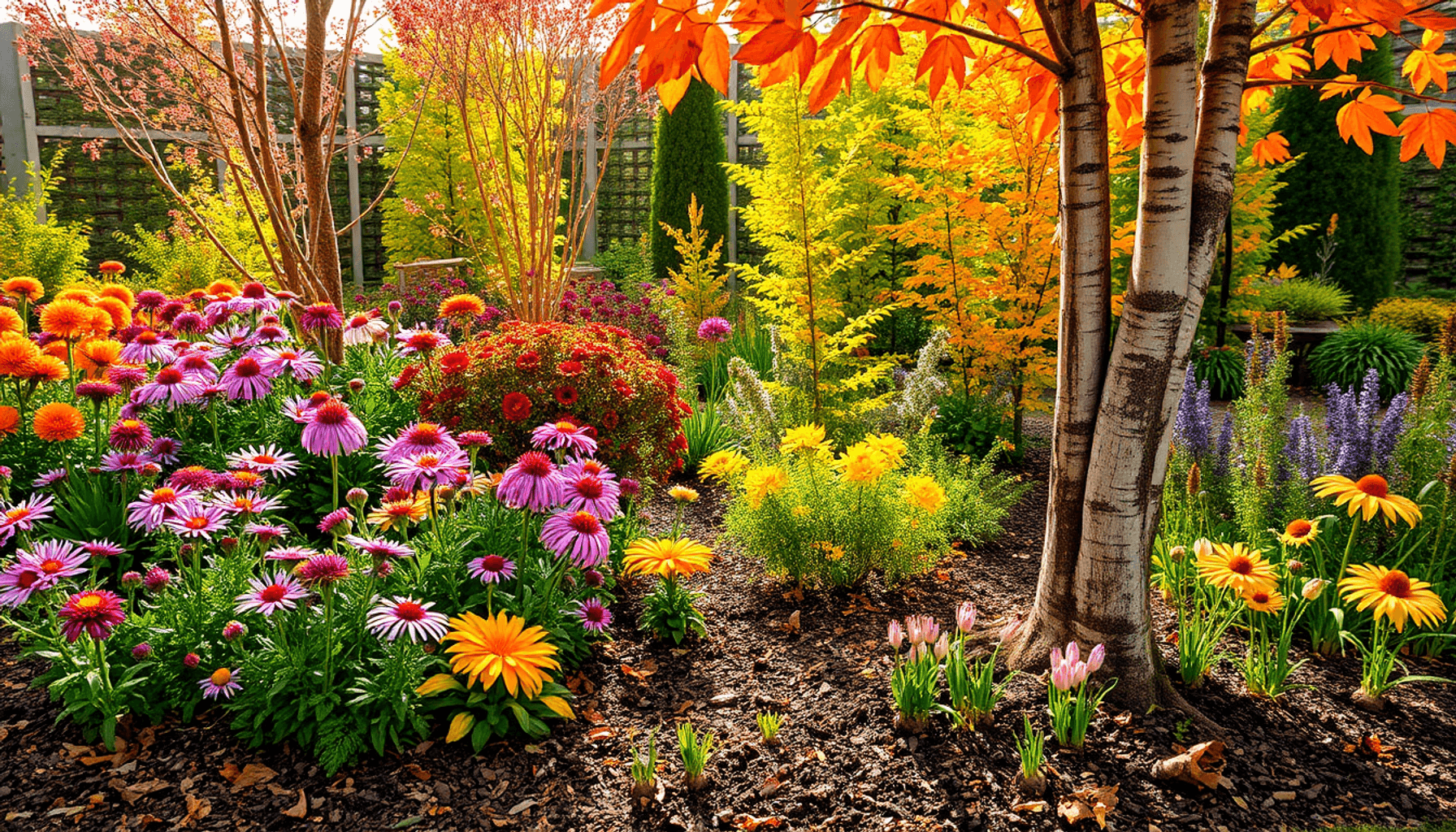

Autumn is a crucial season for gardeners across the UK. As summer fades, your garden faces changing conditions—shorter days, cooler temperatures, and fluctuating moisture levels. Autumn gardening in the UK requires careful preparation to protect your plants and improve your outdoor space during these transitional months.
You can use this time to:
- Refresh soil and improve fertility
- Plant late-season flowers for ongoing color
- Prepare bulbs that will bloom in spring
- Support wildlife through habitat-friendly practices
Autumn Garden Ideas UK: What to Plant and Do focuses on making the most of this dynamic period. Strategic planning and well-timed planting during autumn help you create a vibrant, thriving garden that lasts well into winter. This groundwork also sets the stage for an early spring bloom, giving you a head start on the growing season.
Following autumn gardening tips designed specifically for UK climates ensures your garden not only survives but thrives through colder months. Preparing now means enjoying beauty and productivity in both autumn and the months ahead.
Your garden’s potential unfolds with careful attention during this season—embrace the opportunity to nourish, renew, and plan.
1. Planning Your Autumn Garden
Planning your autumn garden in the UK requires a practical and thoughtful approach to getting your garden ready for the season. After the busy summer months, your garden's needs change significantly. Start by evaluating what worked well and what areas need improvement. Take note of plants that thrived, those that struggled, and any empty spots that could benefit from new additions.
Set Clear Goals
Based on what you want to achieve this autumn, set specific goals:
- Late-season color: Choose plants that provide vibrant blooms or foliage as other flowers fade.
- Spring preparation: Focus on bulbs and perennials that will establish roots now for strong growth in spring.
- Winter interest: Incorporate structural elements like bark, berries, or evergreen shrubs to keep your garden engaging during the colder months.
Create a Planting and Maintenance Schedule
To stay organized and efficient, create a planting and maintenance schedule tailored for autumn. Break down tasks into manageable steps:
- Early autumn: Plant spring-flowering bulbs such as daffodils and crocuses before the soil cools. Divide overcrowded perennials to promote healthy renewal.
- Mid-autumn: Mulch borders with organic matter to protect roots and suppress weeds. Take cuttings from evergreen shrubs to propagate new plants.
- Late autumn: Plant tulips and sow cover crops like fava beans or mustard for soil health over winter.
Track Your Activities
Use a calendar or garden journal to track these activities along with weather conditions and plant performance. This documentation helps refine your approach year after year, building a resilient autumn garden that supports both immediate beauty and future growth.
2. What to Plant in Autumn for Immediate Impact
Creating a garden that bursts with color well into autumn requires careful selection of late-flowering perennials UK gardeners can rely on, alongside autumn shrubs for color. These plants extend the season’s vibrancy and maintain visual interest when many others begin to fade.
Late-Flowering Perennials for Autumn Colour
Certain perennials shine in the autumn months, delivering bold hues and textures that brighten your borders:
-
Dahlias: Known for their striking blooms in shades ranging from deep reds and purples to bright oranges and yellows. Dahlias thrive when planted in well-drained soil with plenty of sunlight. Plant tubers in early autumn to enjoy flowers until the first frost.
-
Asters: These daisy-like flowers come in purple, pink, and white, attracting pollinators even late in the year. Asters prefer sunny spots and can tolerate cooler conditions, making them ideal for autumn displays.
-
Sedum (Stonecrop): Sedums offer succulent leaves and large flower heads that turn pink or bronze as temperatures drop. 'Autumn Joy' sedum is a popular choice for late-season gardens.
-
Rudbeckia: Also known as Black-eyed Susans, these feature bright yellow petals with dark centers. They are hardy, drought-tolerant, and bloom through autumn.
-
Gaura: Delicate pink or white flowers on airy stems add movement and softness to beds. Gaura blooms late into the season and prefers well-drained soil.
-
Penstemon: Spikes of tubular flowers in reds, purples, or pinks provide vertical interest. They flourish in sunny positions with good drainage.
Autumn Shrubs for Colour
Shrubs capable of adding depth and structure while flowering or displaying vibrant foliage help sustain a garden’s appeal:
- Select shrubs that peak during autumn such as certain viburnums, cotinus (smoke bush), or ornamental grasses which develop fiery leaf colours or interesting textures.
- Deciduous shrubs with colorful berries also contribute visual interest while feeding wildlife.
Reliable Bulbs That Flower in Autumn
Bulbs often associated with spring aren’t the only ones to plant. Some varieties reliably flower during the autumn months if timed correctly:
-
Nerine 'Bowdenii': Produces clusters of delicate pink flowers from September onwards. Plant bulbs about 10cm deep in well-drained soil exposed to full sun. These bulbs prefer being planted slightly raised on a slope or raised bed to avoid winter dampness.
-
White Cyclamen (Cyclamen hederifolium): Hardy cyclamen offer charming white or pale pink flowers through autumn under deciduous tree canopies or shaded borders. Plant tubers just below the surface once summer heat subsides.
Planting Tips and Timing
- Prepare soil by loosening it and mixing in organic matter before planting bulbs or perennials.
- Aim to plant autumn-flowering bulbs like Nerines between August and September so they establish roots before colder weather sets in.
- Late-flowering perennials are best planted earlier in the season (late summer) to give them time to settle before bloom.
- Group plants with similar water and light needs together for easier maintenance and better growth results.
By focusing on these selections, you guarantee a garden rich with colour that defies the shortening days of autumn — creating an impactful display that feeds both your aesthetic goals and local wildlife needs during this quieter time of year.
3. Preparing for Spring During Autumn
Planting spring bulbs in the UK during autumn is a vital step to ensure a vibrant display once winter ends. Timing and technique are critical for success.
Spring Bulbs Planting UK: Timing and Techniques
Daffodils, Hyacinths, and Crocuses
- Plant these bulbs before September.
- The soil is still warm enough to encourage root growth but cool enough to prevent premature sprouting.
- Aim for well-drained soil in sunny or partially shaded spots.
- Plant bulbs at a depth about three times their height, with the pointed end facing upwards.
Tulips
Tulips require later planting, ideally in October or November. They need a period of cold dormancy to bloom well, so planting them just before the ground freezes works best. Choose fertile soil with good drainage to avoid bulb rot.
Mulching Flower Borders: Benefits and How-To
Mulching is an essential autumn task that prepares your garden beds for the colder months while improving soil health. This process not only benefits your newly planted spring bulbs but also supports existing plants through winter stress.
According to the Royal Horticultural Society, mulching has several advantages:
- Suppresses Weeds: A thick layer of mulch prevents weed seeds from germinating by blocking sunlight.
- Retains Soil Moisture: Mulch acts as a protective blanket, reducing evaporation and keeping moisture locked in during dry spells.
- Improves Soil Quality: Organic mulches break down over time, enriching the soil with nutrients and encouraging beneficial microbial activity.
How to Mulch Effectively in Autumn
- Clear the flower borders of weeds and spent plant material.
- Apply a 5–7 cm (2–3 inch) layer of organic mulch such as shredded bark, leaf mould, or well-rotted garden compost.
- Keep mulch a few centimeters away from plant stems to prevent rot.
- Water the mulch lightly after application to help it settle into place.
This preparation phase is crucial if you want your garden to burst into color once spring arrives. Next steps include maintenance tasks that sustain garden health during autumn’s chill.
4. Maintenance Tasks to Support Garden Health
Dividing perennials in UK autumn is a key maintenance task that revitalises your garden and promotes vigorous growth. Plants like geraniums, lungwort, lady's mantle, astrantia, and phlox benefit immensely from division. Dividing allows you to reduce overcrowding, rejuvenate ageing plants, and increase your stock for free.
Dividing Perennials: Timing and Techniques
Best timing: Early autumn is ideal for dividing most perennials before the first frost hits. The soil remains warm enough to encourage root establishment.
How to divide perennials:
- Carefully dig up the entire plant clump.
- Shake off excess soil to expose the root system.
- Use a sharp garden fork or spade to split the clump into smaller sections, ensuring each division has healthy roots and shoots.
- Replant divisions promptly at the same depth as before and water well.
Following these steps helps reduce transplant shock and encourages rapid recovery.
Geranium Division Tips UK
Geraniums are particularly responsive to division in autumn. When dividing:
- Select mature plants with multiple crowns.
- Watch for signs of overcrowding such as reduced flowering or poor growth.
- After division, trim back foliage by about one-third to balance root loss.
- Mulch around new plants to protect roots through colder months.
This practice improves airflow and reduces disease risk while extending flowering performance next season.
Propagation Through Cuttings
Autumn offers two excellent opportunities for propagation by cuttings: softwood cuttings in early autumn and hardwood cuttings after leaf fall.
Softwood Cuttings
Softwood cuttings taken from evergreen shrubs such as Choisya, euonymus, and hebe during early autumn root well before winter sets in.
Steps for softwood cuttings:
- Choose healthy, non-flowering shoots about 7–10 cm long.
- Remove lower leaves leaving only a few at the top.
- Dip the cut end into rooting hormone powder or gel.
- Insert into a free-draining propagation medium (e.g., peat-free compost mixed with perlite).
- Maintain humidity with a propagator lid or plastic bag; keep in indirect light.
Roots typically form within weeks, allowing you to pot on young plants for spring planting.
Hardwood Cuttings
Hardwood cuttings suit deciduous species such as gooseberries, currants, and willows once they have dropped their leaves.
Technique for hardwood cuttings:
- Take firm one-year-old wood sections approximately 20–30 cm long.
- Cut just below a bud at the base; remove any remaining leaves or side shoots.
- Plant vertically in moist soil or a container outdoors with two-thirds buried.
- Leave outside to overwinter; roots develop slowly but strongly by spring.
This method produces sturdy plants that establish quickly when planted out.
Regularly dividing perennials and propagating shrubs via cuttings not only sustains garden health but also expands your planting options without extra cost. These maintenance tasks complement autumn planting efforts by ensuring strong growth cycles leading into winter dormancy and next year's bloom potential.
5. Improving Soil Fertility and Supporting Wildlife
Improving the fertility of your soil in the autumn garden is essential for creating a healthy ecosystem that benefits both plants and wildlife. One effective way to achieve this is by using cover crops sowing UK autumn, which helps retain nutrients and enhance the structure of the soil during the colder months.
Benefits of Cover Crops
Cover crops are plants that are grown specifically to improve soil health. Here are some ways they can benefit your garden:
- Nutrient retention: Cover crops like fava beans (also known as broad beans) and black mustard act as natural fertilizers. They fix nitrogen in the soil, preventing nutrient loss through winter rains.
- Soil protection: These crops reduce soil erosion by providing ground cover when your main plants have finished growing.
- Wildlife support: Flowering cover crops attract beneficial insects such as pollinators and predatory bugs that keep pests under control.
- Improved soil texture: When cover crops decompose in spring, they add organic matter to the soil, improving aeration and drainage.
Fava beans cover crop UK is particularly popular for its hardiness and ability to thrive in cooler autumn temperatures. Plant them early enough to establish before frost sets in, usually by late September or early October. Black mustard seeds can be sown slightly later but still need time to grow before winter.
Collecting and Storing Seeds
Autumn is the perfect time to gather seeds from your garden plants and trees. Seed collection allows you to propagate your favourite varieties year after year, often saving money and preserving local genetics.
Follow these best practices:
- Identify mature seeds: Look for fully ripened seeds—dry, hard, or brown depending on the species. Avoid collecting from plants that are diseased or damaged.
- Harvest carefully: Use scissors or pruners to clip seed heads or pods. Collect seeds on dry days to prevent mould.
- Drying: Spread seeds out in a single layer on trays or paper envelopes placed in a warm, well-ventilated space away from direct sunlight.
- Cleaning: Remove chaff, husks, or seed casings once dry to reduce storage space and risk of rot.
- Labeling: Clearly mark each batch with species name and date of collection.
- Storage conditions: Use airtight containers stored in cool, dark places such as cupboards or refrigerators designed for seed preservation.
Seeds from trees like ash, oak, or sycamore often require specific handling such as cold stratification (a period of cold treatment) before sowing next spring.
Collecting seeds not only supports your garden’s future growth but also encourages biodiversity by allowing local plant populations to flourish naturally.
Maintaining fertile soil while fostering wildlife creates a balanced garden environment that benefits every stage of plant growth—from root development through flowering seasons ahead.
6. Adding Structural Interest for Autumn & Winter Months
Adding structure to your garden during the autumn and winter months keeps it visually engaging when many plants have died back or lost their leaves. Small trees with striking bark and winter-flowering shrubs offer texture, colour, and form that carry your garden through the colder seasons.
Small Trees with Visually Appealing Bark
Investing in trees like paperbark maple or Tibetan cherry brings year-round interest to your garden, especially in the UK where winter landscapes can look bare.
Paperbark Maple (Acer griseum)
Known for its peeling cinnamon-coloured bark, this tree stands out in low light conditions and adds warmth to wintry gardens. Its slow-growing habit suits smaller spaces, making it ideal for many UK gardens. The bark exfoliates in thin strips, creating a textured look that contrasts beautifully against snow or frost.
Tibetan Cherry (Prunus serrula)
The lustrous mahogany-brown bark shines even on dull days, providing an elegant focal point. Beyond aesthetics, Tibetan cherry trees are hardy and tolerate a range of soil types common in UK gardens. Their slender form complements borders or can be showcased as specimen trees in patios or courtyards.
Both species require minimal maintenance once established and perform well under typical British climate conditions. Their bark transforms your garden’s visual appeal during months when leaves have fallen, making them valuable choices for autumn garden ideas UK enthusiasts.
Winter-Flowering Shrubs to Enhance Sensory Experience
Adding shrubs that flower in winter ensures your garden remains fragrant and colourful as temperatures drop.
- Wintersweet (Chimonanthus praecox): Offers pale yellow, scented blooms from late autumn into winter. It thrives in sheltered spots and brings a delicate perfume that lingers on crisp days.
- Daphne (Daphne odora): Known for intoxicating fragrance and clusters of pink or white flowers appearing from late winter. Prefers well-drained soil and partial shade.
- Stachyurus praecox: Produces soft, cascading racemes of pale green flowers early in the year, adding unusual texture while other plants are dormant.
- Viburnum x bodnantense ‘Dawn’: Blooms from December to March with clusters of pink flowers emitting a sweet scent. It tolerates most soils and is excellent for wildlife support during colder months.
- Christmas Box (Sarcococca hookeriana): A compact evergreen shrub with glossy leaves and small but highly fragrant white flowers appearing through winter. Ideal for shaded areas or underplanting larger shrubs.
These shrubs contribute not only visual interest but also attract winter-active pollinators like bees when food sources are scarce. The contrasting scents enrich the sensory experience of your outdoor space during colder months.
Selecting these structural plants supports a balanced garden design by combining form, fragrance, and seasonal resilience. They complement earlier planting efforts such as bulbs and perennials while providing dependable beauty through autumn and winter phases of your gardening year.
Conclusion
Autumn gardening in the UK offers a unique opportunity to prepare your garden for both immediate seasonal beauty and long-term growth. By adopting a strategic approach focused on planting, maintenance, and soil care, you can transform your outdoor space into a vibrant haven that thrives through autumn and beyond.
Key points to remember for successful autumn gardening UK tips summary:
- Select plants that provide late-season color and texture to keep your garden lively as daylight fades.
- Plant spring bulbs at the right time to ensure an early burst of flowers when winter ends.
- Use mulching and dividing perennials to maintain soil health and encourage vigorous growth.
- Take cuttings and collect seeds to propagate new plants and preserve your favourite varieties.
- Introduce structural interest with small trees and winter-flowering shrubs that brighten the colder months.
Embracing these Autumn Garden Ideas UK: What to Plant and Do will reward you with a garden that not only looks stunning now but also sets the stage for future seasons. Thoughtful planting combined with attentive maintenance creates a cycle of continuous beauty, making autumn a vital season in your gardening calendar.
Gardening in autumn is not just about preparing for winter—it’s about enjoying the rich colours, textures, and forms that this season uniquely provides. With careful planning, your garden will be ready to burst into life again come spring, rewarding your efforts with lasting charm and vitality.
FAQs (Frequently Asked Questions)
Why is autumn gardening important in the UK?
Autumn gardening in the UK is crucial because it allows gardeners to strategically plan and plant during this season, resulting in a vibrant and thriving garden that lasts well into winter and sets the stage for an early spring bloom.
What should I consider when planning my autumn garden in the UK?
When planning your autumn garden in the UK, assess your garden's needs after summer, decide on objectives such as late-season color, spring preparation, and winter interest, and create a planting and maintenance schedule tailored for autumn.
Which plants provide immediate impact when planted in autumn in the UK?
For immediate autumn impact in the UK, plant late-flowering perennials like dahlias, asters, sedum, rudbeckia, gaura, and penstemon. Additionally, reliable autumn-flowering bulbs such as Nerine 'Bowdenii' and white cyclamen are excellent choices when planted at the right time.
How can I prepare my garden for spring during autumn in the UK?
Prepare your garden for spring by planting spring bulbs like daffodils, hyacinths, and crocuses before September; tulips can be planted in October or November. Mulching flower borders effectively helps suppress weeds, retain moisture, and improve soil quality throughout autumn.
What maintenance tasks support garden health during UK autumn?
Key maintenance tasks include dividing perennials such as geraniums, lungwort, lady’s mantle, astrantia, and phlox to encourage healthy growth. Taking softwood cuttings from evergreen shrubs like Choisya, euonymus, and hebe in early autumn and hardwood cuttings from gooseberries, currants, and willows after leaf fall also supports propagation.
How can I enhance soil fertility and support wildlife in my UK autumn garden?
Sow cover crops like fava beans or black mustard to retain soil nutrients over winter while supporting beneficial insects and wildlife. Collecting seeds from garden plants and trees during autumn using best practices for drying and storing ensures future sowing success.