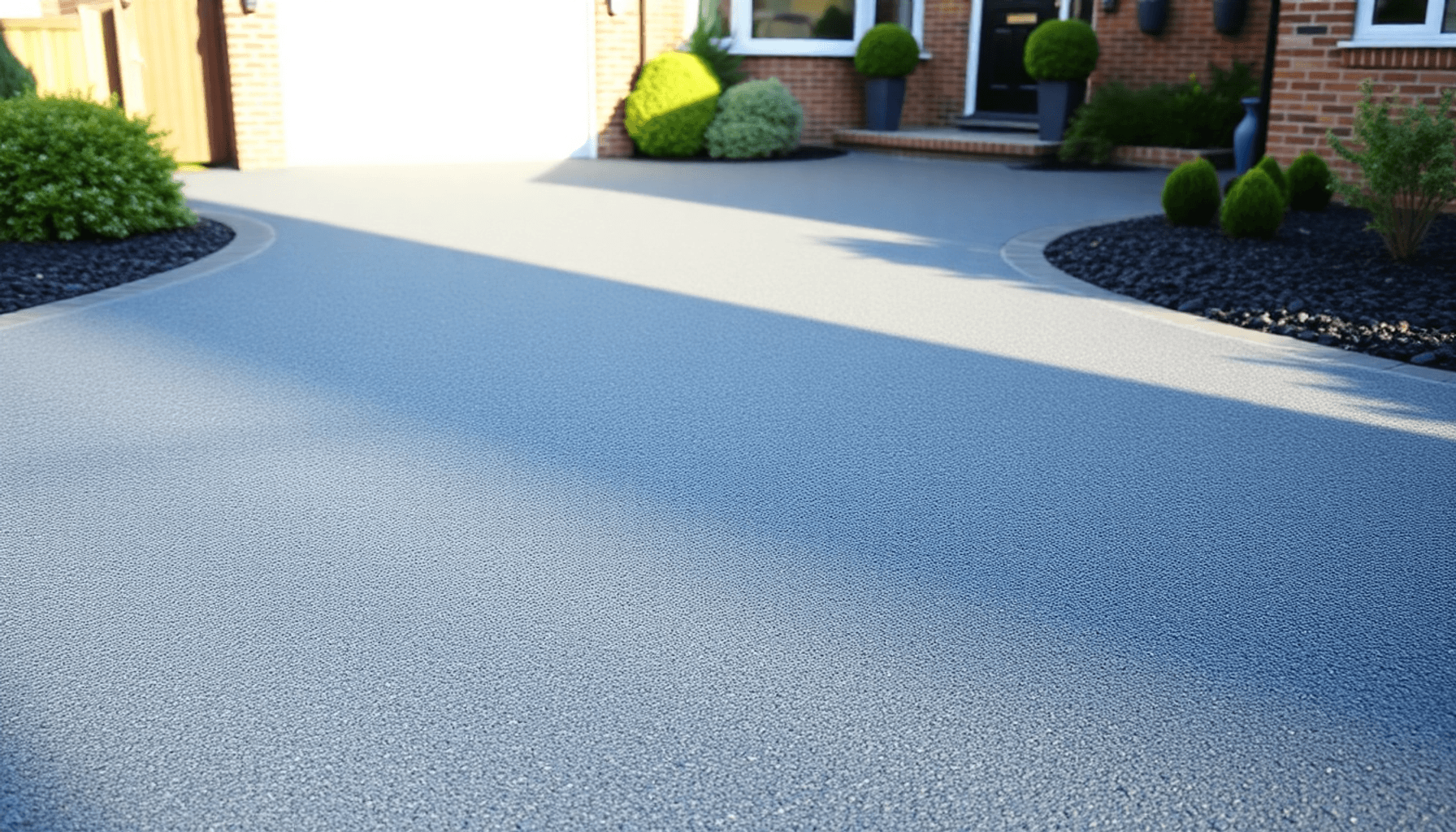

Knowing how much does a driveway cost in the UK? is essential before planning any installation project. Driveway costs can vary significantly depending on several factors, and knowing these can help you budget effectively and avoid unexpected expenses.
Typical driveway cost UK ranges fall between £2,500 and £7,500 for a standard two-car driveway of around 60 square meters. This range covers basic installations but can increase depending on customization and material choices.
Key factors influencing driveway pricing factors include:
- Size: Larger driveways require more materials and labor, directly increasing costs.
- Materials: Different materials come with varying price tags, durability, and maintenance needs.
- Groundwork: Site preparation such as leveling, drainage, or removal of old surfaces adds to the total expense.
Understanding these elements helps you make informed decisions based on your property’s needs and budget limitations. If you're considering a driveway replacement, having this knowledge will be particularly beneficial.
Factors Affecting Driveway Costs in the UK
Size and Scope of the Driveway
Driveway cost factors start with the size and scope of the project. The size directly influences material quantities and labour time, making it one of the most significant cost drivers.
1. Typical Residential Driveway Sizes
For a standard two-car driveway, expect around 60m² as a baseline. Smaller driveways serving one car may be around 30m² to 40m², while larger properties or those requiring additional parking space can exceed 80m².
2. Impact on Material Costs
Materials are usually priced per square metre. Increasing driveway size means multiplying these costs proportionally. For example, doubling from 30m² to 60m² doubles the amount of tarmac, concrete, gravel, or resin needed.
3. Labour Cost Implications
Labour rates often depend on project duration and complexity. Larger driveways take longer to prepare and install, increasing labour hours billed at daily rates (£250–£450). This means that doubling the size doesn’t just increase materials but also significantly impacts labour charges.
4. Additional Considerations for Larger Driveways
Bigger driveways might require more extensive groundwork such as deeper excavation or improved drainage systems. These add to both material and labour costs beyond simple surface area calculations.
Understanding how driveway size cost scales helps budget realistically for your project. Two-car driveway pricing typically starts as a benchmark but adjust expectations upward if your driveway dimensions grow or if you want extra features like turning circles or elaborate layouts.
Material Choices and Their Costs
The material you choose plays a crucial role in determining your driveway cost factors. Each material brings its own price point, durability, maintenance needs, and aesthetic appeal. These differences significantly influence the driveway size cost and ultimately affect your budget for a two-car driveway pricing.
Common materials used in UK driveways include:
- Tarmac: Known for its cost-effectiveness and quick installation, tarmac is often the go-to choice for many homeowners. It offers good durability but requires attention to weed growth control and protection from oil stains that can degrade its surface.
- Concrete: Concrete driveways provide high durability and a polished curb appeal. They tend to be pricier than tarmac but offer long-term resilience. Cold weather can cause surface damage, so appropriate sealing is recommended.
- Gravel: Gravel is one of the most affordable options with easy topping up when stones scatter or settle. This material demands frequent maintenance to keep it looking fresh and is less ideal in areas prone to heavy snow or ice.
- Resin Bound: Resin driveways combine style with durability and require minimal upkeep. The smooth finish enhances property aesthetics. Repairs can be costly if damage occurs, but overall maintenance remains low compared to other materials.
- Block Paving: Block paving stands out for design versatility and potential to add property value. It's among the most expensive driveway materials due to the labour-intensive installation process and material costs.
How Size Affects Pricing
The size impact on pricing becomes evident when calculating total expenses: larger driveways require more material, increasing both supply costs and labour time. For example, expanding from a standard 60m² two-car driveway to a larger area will proportionally inflate these costs depending on the chosen material.
The Role of Groundwork Costs
Groundwork cost also influences the final price tag significantly. Proper site preparation—including excavation, levelling, and drainage—varies according to soil conditions and existing site features. This groundwork is essential regardless of your material choice; neglecting it can lead to premature wear or failure of the driveway surface.
When planning How Much Does a Driveway Cost in the UK?, consider how these elements—driveway size cost, material influence, and groundwork cost—interact together. Selecting the right combination tailored to your needs will help manage expenses while achieving a durable, attractive driveway suited for your property’s requirements.
Groundwork and Site Preparation Expenses
Site preparation plays a critical role in determining the final driveway cost. It involves preparing the land to ensure a stable and long-lasting surface, which can significantly influence driveway cost factors beyond just the materials and size.
Key components of groundwork include:
- Clearing and leveling the site: Uneven or sloped land requires additional excavation or filling, increasing labour and machinery costs.
- Soil quality assessment: Poor soil conditions may necessitate extra reinforcement or drainage solutions.
- Installing sub-base layers: Proper foundation layers prevent future cracking or sinking.
Typical site preparation costs range between £750 and £1,500 for an average residential driveway. This cost fluctuates based on the extent of work needed before laying the driveway surface.
If you have an existing driveway to remove, expect an additional expense typically between £250 and £750. Removal costs depend on the material type (e.g., concrete is more expensive to break up than gravel) and disposal fees. Old driveways often require heavy machinery for demolition, adding to labour charges.
The driveway size cost directly impacts groundwork expenses. Larger areas need more extensive excavation, more sub-base material, and longer preparation time, pushing groundwork costs higher. For example, a 60m² two-car driveway might fall at the lower end of groundwork expenses if the site is flat and clean, while larger or complex sites escalate prices.
Material choice also affects site preparation. Some materials require thicker bases or specialized drainage systems, increasing groundwork requirements. Resin driveways demand a smooth, well-compacted base for proper adhesion; block paving needs precise leveling and edge restraints; tarmac requires a solid sub-base to prevent deformation.
Understanding how groundwork driveway UK costs fit into your budget helps avoid surprises. Ignoring groundwork expenses can lead to underestimated quotes that spike once contractors begin work.
Careful evaluation of your site’s condition alongside material preferences gives you clearer insight into the total installation price—combining driveway size, material influence, and groundwork cost results in an accurate projection for your new driveway project.
Labour Costs and Installation Timeframes
Labour represents a significant portion of the total driveway cost in the UK, often accounting for between 40% and 60% of the final price. This means understanding the "driveway labour cost UK" is essential when budgeting your project.
Expect daily labour rates to range from £250 to £450, depending on the contractor’s experience, location, and the complexity of the job. Larger or more complex installations typically push towards the upper end of this scale.
The "installation time driveway" varies according to the material used and the driveway size:
- Tarmac driveways usually take about 2 to 3 days due to their relatively quick laying process.
- Concrete driveways require approximately 3 to 5 days, factoring in curing time.
- Gravel driveways can be installed within 1 to 2 days, given their straightforward groundwork.
- Resin driveways need around 2 to 4 days, including preparation and curing.
- Block paving driveways are more labour-intensive, often taking 4 to 6 days, especially with intricate patterns.
Labour costs also reflect site-specific challenges. Uneven terrain or difficult access can extend installation times, increasing labour expenses. Efficient project management and clear communication with contractors help avoid unnecessary delays.
Knowing these details allows you to plan accurately, ensuring labour costs align with your expectations and timeline. This clarity supports smooth coordination between groundwork already discussed and material choices coming next.
Detailed Overview of Popular Driveway Materials
Tarmac Driveways
Tarmac remains one of the most popular choices for driveways in the UK, largely due to its balance between affordability and efficiency. Its cost-effectiveness makes it attractive for homeowners mindful of budget constraints while still wanting a durable surface.
Tarmac driveway advantages
- Quick installation reduces labour time and overall disruption.
- Provides a smooth, hard surface suitable for all vehicle types.
- Resistant to cracking under normal wear and tear.
- Relatively low upfront cost compared to concrete or block paving.
Tarmac drawbacks
- Prone to weed growth through cracks if not properly sealed or maintained.
- Oil spills from vehicles can cause staining and degrade the surface more rapidly.
- Surface can soften in very hot weather, leading to minor indentations.
The vulnerability to weed growth and oil damage means regular maintenance is necessary to preserve both aesthetics and functionality. Sealing the tarmac periodically helps reduce these issues but adds an ongoing cost component.
Tarmac driveway advantages make it ideal for those seeking a practical, no-frills solution without compromising on durability. It suits many residential projects where cost control is a priority.
The question How Much Does a Driveway Cost in the UK? often reveals that tarmac driveways typically land in the lower-middle range of installation prices, roughly £60 – £90 per square meter installed. This positions tarmac as an accessible option without sacrificing quality.
This combination of price point and performance explains why tarmac continues to be a go-to material, especially when quick installation is needed or budgets are limited.
Concrete Driveways
Concrete driveways are known for their high durability and strong visual appeal. They offer a sleek, smooth finish that enhances the curb appeal of any home, making them a popular choice among UK homeowners seeking a modern look.
Advantages of Concrete Driveways
- Durability: Concrete is exceptionally robust and can handle heavy loads without cracking under normal use. Its longevity often surpasses other materials, making it a solid investment despite higher upfront costs.
- Weather Resistance: Concrete driveways can withstand most UK weather conditions, including rain and snow. However, they may require additional protection measures in areas prone to severe frost.
- Low Maintenance: Compared to gravel driveways that require frequent topping up, concrete driveways offer lower upkeep. They may need occasional sealing to protect against staining and weather damage but generally require less maintenance overall.
Disadvantages of Concrete Driveways
- Cost: Installation tends to be more expensive than tarmac or gravel, with prices ranging from £85 to £130 per square meter. This reflects the material cost as well as the skilled labour required for proper mixing, pouring, and finishing.
- Installation Time: Concrete driveways typically have longer installation times compared to other materials like tarmac or gravel due to the curing process involved.
- Potential for Cracks: While concrete is durable, it can still develop cracks over time due to factors such as freeze-thaw cycles or improper installation techniques. Repairs can be costly if cracks occur from weather exposure.
Comparison with Other Driveway Materials
When considering driveway options, it's important to compare concrete with other materials:
- Compared with tarmac, concrete outperforms tarmac in terms of durability but comes at a higher price point and longer installation time.
- Unlike gravel maintenance—which demands frequent topping up—concrete offers lower upkeep but requires vigilance against cold weather effects.
- Resin driveways benefits include ease of cleaning; concrete shares this trait but can be prone to discoloration if not sealed properly.
- Similar to block paving value, concrete can add significant property appeal; however, block paving offers greater design flexibility.
Concrete’s resilience makes it suitable for most UK weather conditions except where severe frost is common without adequate protection measures. Choosing concrete means balancing upfront cost with long-term durability and appearance.
Gravel Driveways
Gravel driveways stand out for their affordability and straightforward installation, making them a popular choice when considering How Much Does a Driveway Cost in the UK? They typically cost between £40 and £80 per square meter installed, placing them among the lower-cost options compared to tarmac or resin driveways.
Advantages of gravel driveways:
- Low initial cost: Gravel’s affordability makes it an attractive option for budget-conscious homeowners.
- Ease of topping up: Over time, gravel can be replenished without full replacement, allowing you to maintain the driveway’s appearance affordably.
- Good drainage: Gravel surfaces provide excellent water drainage, reducing runoff issues common with impermeable materials like concrete.
- Visual appeal: Available in various colours and sizes, gravel can complement different property styles.
Disadvantages associated with gravel include:
- Frequent maintenance: Gravel requires regular raking to redistribute stones and prevent uneven patches. Over time, gravel may migrate beyond the driveway edges, requiring topping up or edging repairs.
- Less suitable in snowy conditions: Snow removal on gravel can be challenging without disturbing the surface. Ice formation also poses risks since gravel does not provide a solid footing.
- Potential for weed growth: Without proper membrane installation beneath, weeds may sprout through the gravel, increasing upkeep demands.
In comparison with other materials like tarmac or block paving, which offer better durability and lower maintenance, gravel excels in affordability but demands more ongoing care. It shares some maintenance traits with resin driveways benefits by being relatively easy to fix surface issues. However, unlike resin’s minimal upkeep and high durability or concrete durability against weather extremes, gravel’s performance is more weather-dependent.
Understanding these advantages and disadvantages of each material type helps you select a driveway that fits your budget while considering weather resilience and maintenance commitment. For example:
- Tarmac pros cons often highlight quick installation but vulnerability to oil damage.
- Concrete durability is prized yet can suffer in cold climates.
- Resin driveways benefits include low upkeep but come with higher repair costs.
- Block paving value lies in aesthetics and property enhancement at a premium price.
Gravel remains a strong candidate if you prioritise affordability and don’t mind periodic maintenance tasks to keep your driveway functional and attractive.
Resin Driveways
Resin driveways are known for their stylish appearance and smooth finish. They provide a modern alternative to traditional materials such as tarmac and block paving, combining beauty with practicality.
Key benefits of resin driveways include:
- Durability: Resin surfaces are highly resistant to cracking and wear, lasting longer than many concrete and tarmac options under typical UK weather conditions.
- Low Maintenance: Unlike gravel maintenance or the frequent cleaning needed for tarmac, resin requires minimal upkeep. There’s no need for regular topping up or sealing, making it an attractive choice if you want a hassle-free driveway.
- Permeability: Many resin systems allow water to drain through, reducing issues with puddling and improving drainage on your property compared to less permeable surfaces like standard concrete.
- Customisation: Resin driveways come in various colours and textures, enabling unique designs that can enhance curb appeal and potentially increase property value similar to block paving’s design flexibility.
Considerations before choosing resin:
- Repair Costs: While resin is tough, damage can be expensive to fix. Small cracks or chips require specialist repair kits or professional intervention, unlike tarmac driveway advantages where patching is straightforward and cost-effective.
- Installation Complexity: Resin application demands skilled installers for proper mixing and laying. Poor installation may lead to uneven surfaces or early deterioration.
- Cost Factor: Resin driveways tend to sit at the higher end of the price spectrum—comparable with premium block paving—so budget accordingly when asking How Much Does a Driveway Cost in the UK?.
Suitability for UK Weather Conditions:
Resin's resilience suits the variable UK climate well. It withstands freeze-thaw cycles better than concrete durability often compromised by cold damage. Unlike gravel or tarmac drawbacks such as weed growth or oil staining, resin’s sealed surface reduces these issues significantly.
Maintenance Requirements Summary:
| Material | Maintenance Frequency | Typical Upkeep Needs |
| Tarmac | Moderate | Cleaning, weed removal, occasional sealing |
| Concrete | Low to Moderate | Cleaning, crack repairs |
| Gravel | High | Regular topping up, weed control |
| Resin | Low | Occasional cleaning; specialist repairs if damaged |
| Block Paving | Moderate | Weed control between blocks; occasional resealing |
Resin driveways benefit homeowners seeking an attractive yet durable solution with less maintenance hassle than gravel or tarmac. The trade-off lies in higher upfront costs and potentially pricey repairs if damage occurs. Assess your priorities regarding budget, appearance, upkeep effort, and longevity when comparing resin against other driveway materials like tarmac pros cons or block paving value.
Block Paving Driveways
Block paving stands out for its wide design customization options. You can create intricate patterns and combine various colors and shapes, allowing your driveway to complement your property's style perfectly. This flexibility makes block paving a favourite for homeowners who want a unique look that also enhances curb appeal.
Among the most expensive driveway materials, block paving generally costs between £115 and £175 per square meter installed. The higher price reflects both the material quality and the labour intensity required for precise installation. Skilled workmanship is essential to ensure durability and prevent issues like shifting or uneven surfaces.
Block paving is durable, comparable to concrete in longevity, but offers a more attractive finish with numerous design possibilities. Its surface handles UK weather conditions well, including wet winters and occasional frost. Unlike tarmac, which may suffer from oil damage and weed growth, block paving resists these problems better when properly installed with jointing sand or resin.
The potential to add property value is a significant advantage of block paving. A well-laid block paved driveway can improve your home’s market appeal by creating an impression of quality and care. This factor often justifies the higher upfront cost compared to other materials like gravel or tarmac.
Maintenance requirements for block paving are moderate:
- Periodic cleaning to remove moss or dirt buildup.
- Re-sanding joints every few years to maintain stability.
- Occasional replacement of damaged blocks, which is straightforward since individual units can be lifted without disturbing the entire driveway.
Compared with resin driveways benefits such as low maintenance, block paving demands more attention but rewards with design versatility and robustness. Gravel maintenance tends to be more frequent due to displacement and replenishment needs; block paving avoids this issue but involves more initial labour costs.
When considering How Much Does a Driveway Cost in the UK?, block paving commands a premium due to its aesthetic advantages and lasting performance. You should weigh these factors against alternatives like tarmac pros cons or concrete durability if budget constraints exist.
Block paving suits various weather conditions seen across the UK. It performs well in rain and frost, unlike some concrete options vulnerable to freeze-thaw cycles causing cracks. Its permeability can vary depending on installation method—permeable block paving helps manage drainage effectively, reducing puddles compared to impermeable surfaces common in tarmac driveways.
Choosing block paving means investing in long-term quality paired with distinctive design potential that few other materials match. This choice impacts not only daily use but also your home's overall value and visual impression on visitors or prospective buyers.
Additional Costs to Consider When Installing a Driveway
When you calculate how much does a driveway cost in the UK?, base installation is only part of the equation. Several additional features can significantly impact your budget. These extras enhance the functionality and aesthetic appeal of your driveway but come with their own costs.
1. Decorative Edging Price
Adding decorative edging around your driveway can elevate its look and provide a neat finish. Prices typically start from £300 depending on materials and complexity. Options include brick, stone, or concrete kerbs that complement the main surface.
2. Outdoor Lighting Cost UK
Installing outdoor lighting enhances safety and highlights your driveway’s design after dark. Basic lighting setups generally cost around £200, but more elaborate systems with multiple fixtures or smart controls will increase this figure.
3. Gates
Driveway gates vary widely in price based on size, material, and automation features. Manual gates usually start at about £500, while automated gates with remote control can reach up to £2,300 or more. Gates also require professional installation which adds to the labour expense.
4. Dropped Kerb Price UK
If your property doesn’t already have access from the road, a dropped kerb is necessary to allow vehicles onto your driveway. The cost for this ranges between £800 and £1,200, including council permission fees and construction work.
5. Drainage System Installation Cost
Proper drainage is crucial to prevent water pooling and damage to your driveway surface. Installing drainage channels or soakaways typically costs between £700 and £1,100, depending on site conditions and system complexity.
These additional features are often essential for practical use and improving curb appeal but require careful budgeting alongside the main driveway installation costs. Factoring them in early helps avoid surprises and ensures you get a complete driveway setup tailored to your needs.
Maintenance Costs by Material Type
Driveway maintenance cost UK varies significantly based on the material you choose. Each surface demands different levels of care and upkeep expenses over time.
Gravel Upkeep Expenses
Gravel driveways require regular replenishment to maintain their appearance and functionality. The loose stones tend to scatter, compact unevenly, and can be affected by weather conditions. Expect to spend anywhere from £200 to £2,700 periodically for topping up gravel and redistributing it evenly. This cost depends on the size of your driveway and how often you need to refresh it. Gravel also benefits from occasional weed control treatments, adding a bit more to long-term upkeep.
Resin Minimal Maintenance
Resin driveways stand out for their low maintenance requirements. Once installed properly, resin surfaces resist weeds and do not need frequent repairs or topping up like gravel. Cleaning is straightforward with just occasional washing using a jet washer or broom to keep the surface looking clean and fresh. Resin’s durability means that while initial costs are higher, you save money on maintenance in the long run.
Cleaning and Sealing Tarmac or Concrete Prices
Tarmac and concrete driveways demand regular cleaning and sealing to extend their lifespan and preserve curb appeal. Without proper care, these surfaces can develop cracks, oil stains, or suffer damage from frost in colder months.
- Cleaning: Pressure washing is common to remove dirt, moss, and stains.
- Sealing: Applying sealant helps protect against water penetration and oil damage.
The combined cost for cleaning and sealing ranges between £280 and £900 depending on driveway size and condition. Scheduled maintenance every few years prevents costly repairs later.
Other Materials
Block paving requires weed removal from joints, occasional joint sand replenishment, and power washing to avoid moss build-up. These tasks vary in cost but generally fall between gravel upkeep expenses and resin minimal maintenance in terms of ongoing spending.
Choosing a driveway material involves balancing upfront installation costs with expected maintenance outlays. Understanding the typical driveway maintenance cost UK helps plan your budget effectively while keeping your property attractive and functional.
Tips for Getting the Best Value on Your Driveway Installation
When considering how much does a driveway cost in the UK?, one key strategy stands out: obtaining multiple quotes for driveway installation. This approach helps you understand the market and pinpoint reasonable price ranges while ensuring quality.
Reasons to compare multiple contractor quotes when hiring driveway contractors UK:
- Competitive Pricing: Different contractors offer varying rates based on experience, overheads, and material sourcing. Gathering several quotes allows you to spot unusually high or low bids and negotiate confidently.
- Quality Workmanship: Price alone doesn’t guarantee good results. Reviewing detailed quotes lets you assess what’s included—such as groundwork, drainage, or finishing touches—which can impact the longevity and appearance of your driveway.
- Transparency: Clear, itemized quotes help avoid unexpected expenses during installation. You’ll see where costs are allocated and can ask about any vague or missing elements.
- Service and Warranty: Some contractors include warranties or aftercare services that justify a slightly higher price but protect your investment over time.
Effective tips for comparing contractor quotes:
- Request Detailed Breakdowns: Ask each contractor to specify costs for materials, labour, groundwork, and extras like edging or lighting.
- Check References and Reviews: Quality isn’t just about price; verify past work through testimonials or online feedback.
- Confirm Timelines: Faster installations may reduce labour costs but ensure quality isn’t compromised.
- Verify Insurance and Credentials: Protect yourself by hiring licensed professionals who comply with local regulations.
You don’t have to choose the cheapest option. Instead, balance price with value. A well-installed driveway saves money on repairs and maintenance down the line.
By investing time in comparing multiple offers, you make an informed decision that matches your budget and expectations for a durable, attractive driveway. This ensures your investment pays off both immediately and years into the future.
FAQs (Frequently Asked Questions)
How much does a typical driveway cost in the UK?
The cost of a driveway in the UK varies depending on size, materials, and groundwork, with general prices ranging widely to accommodate different preferences and budgets.
What factors influence the cost of installing a driveway in the UK?
Key factors affecting driveway costs include the size and scope of the driveway, choice of materials, and expenses related to groundwork and site preparation.
How does driveway size impact the overall installation cost?
Increasing the size of a driveway increases material and labour costs proportionally; for example, a typical two-car residential driveway is around 60m², which sets a baseline for pricing.
What are the pros and cons of popular driveway materials like tarmac, concrete, gravel, resin, and block paving?
Tarmac is cost-effective with quick installation but prone to weed growth; concrete offers durability but can be affected by cold weather; gravel is affordable but requires frequent maintenance; resin provides a stylish appearance with low maintenance but repairs can be costly; block paving adds value but varies in price based on design complexity.
How much do groundwork and site preparation typically add to driveway costs in the UK?
Site preparation usually costs between £750–£1,500, including removal of existing driveways which can add an extra £250–£750 depending on the situation.
What are typical labour costs and installation timeframes for UK driveways?
Labour constitutes 40%-60% of total costs with daily rates ranging from £250–£450. Installation duration depends on material type and usually takes between 2 to 6 days.