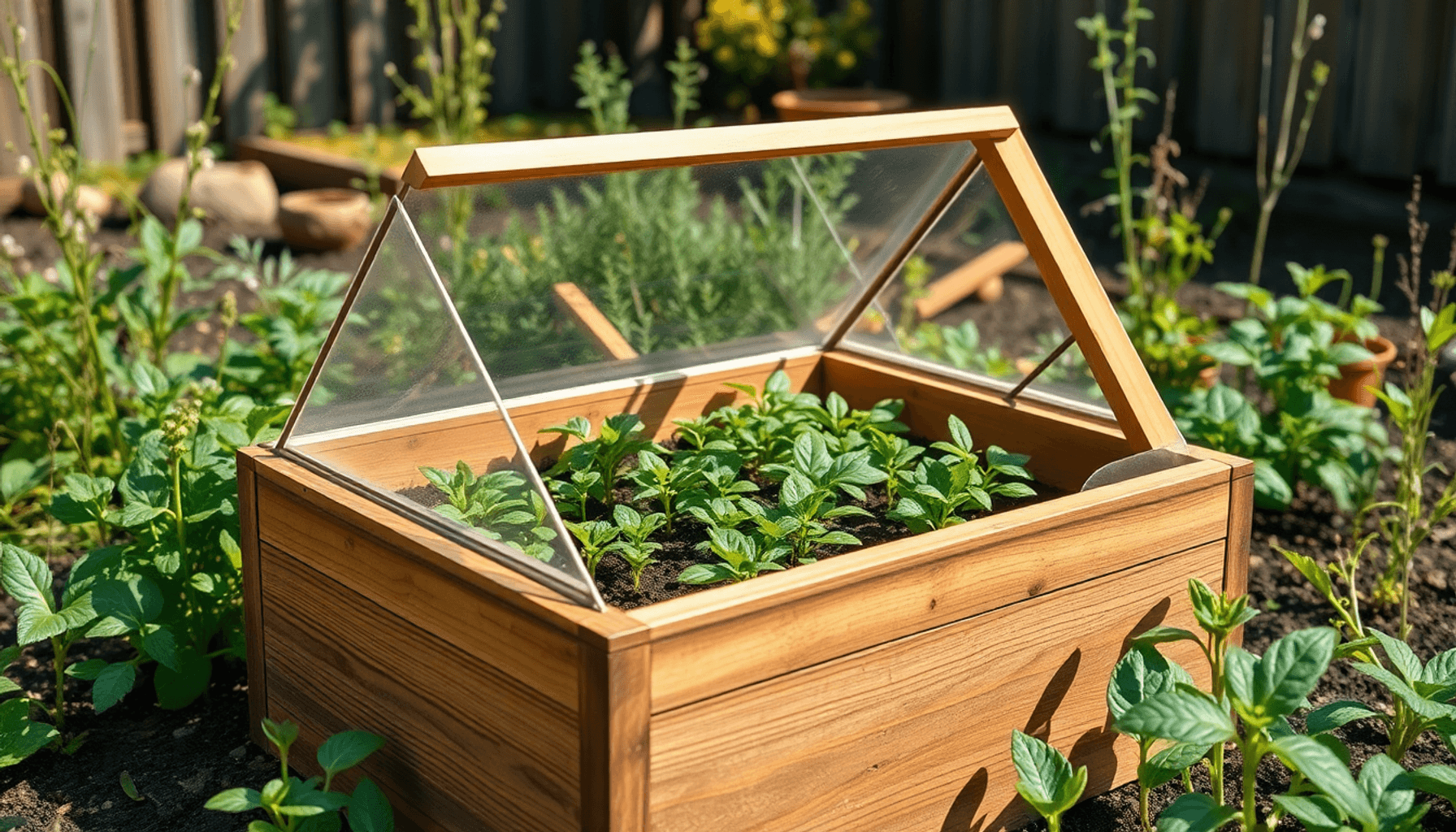

If you want to extend your growing season or protect delicate plants, it's important to understand what a cold frame is. A cold frame is a simple gardening structure designed to create a warmer microclimate for your plants. It's like a mini-greenhouse—a low, box-like frame with a transparent lid that traps solar heat, raising temperatures inside by 5 to 10 degrees compared to the outside.
Cold frame gardening helps you:
- Start seedlings earlier in spring
- Harden off young plants before transplanting
- Protect tender crops from frost damage
- Overwinter certain vegetables and herbs
By knowing how to make and use a cold frame, you can have more control over plant growth cycles and increase your garden's productivity without the complexity or cost of a full greenhouse. This article will guide you through the practical aspects of cold frames so you can effectively use them for your gardening needs.
Understanding Cold Frames
A cold frame is a simple gardening structure designed to protect plants from cold temperatures by creating a warmer microclimate. At its core, a cold frame is a low, box-like enclosure with transparent roofing that captures sunlight and traps heat. This setup functions as a mini greenhouse, raising the internal temperature by about 5 to 10 degrees Fahrenheit above outside conditions. The resulting environment extends your growing season, allowing plants to thrive earlier in spring and later into fall or even winter.
Cold Frame Structure
Cold frames consist of three main components:
- Frame: Usually made from wood, plastic, or metal, the frame forms the walls of the cold frame. It sits directly on the ground, enclosing soil and plants.
- Transparent Lid: The top is covered with clear materials like glass, acrylic, or sturdy plastic sheeting. This lid lets sunlight in while retaining heat.
- Sloped Design: One side of the structure is taller than the other to maximize sunlight exposure and facilitate water runoff from rain or snow.
This configuration effectively harnesses solar energy during daylight hours and reduces heat loss overnight, generating a protected space where tender plants can grow under more favorable conditions.
Functions of a Cold Frame
Cold frames serve multiple purposes in gardening, largely centered around protecting plants and optimizing growth conditions:
- Hardening Off Seedlings: Before transplanting young seedlings outdoors permanently, gardeners use cold frames to gradually expose them to outdoor elements such as wind, fluctuating temperatures, and direct sunlight. This acclimation process improves survival rates after planting.
- Frost Protection: Tender plants susceptible to frost damage benefit from the added warmth inside cold frames during sudden cold snaps or late-season frosts.
- Overwintering Plants: Certain vegetables and herbs that tolerate cooler temperatures but not freezing can be kept alive through winter by using cold frames. Salad greens like lettuce or spinach often survive harsh weather within these protected enclosures.
Cold frames make it possible to nurture slow-growing root crops like carrots and beets by maintaining consistent soil warmth throughout cooler months.
Cold frames act as an intermediary between indoor seed starting and full outdoor exposure — giving you control over environmental stressors.
Understanding how this simple yet effective structure works helps you maximize your garden’s productivity across seasons by extending your plant's growing window significantly beyond natural outdoor limitations.
Advantages of Using Cold Frames in Gardening
Cold frames offer several benefits that make them valuable tools for gardeners looking to extend their growing season and improve plant health. Understanding these advantages helps you decide how and when to incorporate cold frames into your garden routine.
Frost Protection
One of the primary benefits of cold frames is their ability to provide frost protection for tender plants. By creating a warmer microclimate, cold frames shield seedlings and young plants from temperature drops that can cause damage or death. This protection is especially crucial during early spring and late fall when unexpected frosts can threaten your garden's progress. The transparent lid traps solar heat during the day, keeping temperatures inside several degrees higher than outside, which can be the difference between survival and loss for sensitive crops.
Seedling Hardening
Cold frames excel at seedling hardening, a process where seedlings are gradually acclimated to outdoor conditions before being transplanted into open soil. Moving seedlings directly from indoor environments to the garden exposes them to temperature fluctuations, wind, and sunlight intensity that can shock or stress the plants. Using a cold frame allows you to slowly introduce these elements by opening the lid on warm days and closing it at night, building seedling resilience over time. This gradual transition improves survival rates and encourages stronger growth once seedlings are planted out.
Nurturing Slow-Growing Root Crops
Certain vegetables like carrots, beets, and parsnips develop slowly underground and benefit from the stable warmth provided by cold frames. These root crops require consistent soil temperatures for steady growth, which cold frames help maintain by warming the soil earlier in the season and protecting against sudden cold spells. With this controlled environment, you can extend the harvest window for root crops or start them earlier than usual without risking crop failure due to chilling stress.
Enabling Year-Round Gardening
Cold frames enable gardeners to push beyond traditional seasonal limits by warming both air and soil around plants. This warming effect allows you to:
- Start seeds weeks before outdoor planting dates
- Extend harvests of leafy greens and herbs into colder months
- Overwinter borderline hardy plants that would otherwise perish
- Prepare soil earlier in spring for transplanting or direct sowing
The ability to manipulate temperature conditions means you are not solely reliant on natural weather patterns, giving you more control over your garden’s productivity throughout the year.
The benefits of cold frames transform gardening from a seasonal activity into a nearly year-round endeavor.
Each advantage contributes to healthier plants, greater yields, and a more flexible gardening schedule. Using cold frames strategically lets you protect delicate crops from frost damage while also nurturing seedlings through critical growth stages with improved success rates.
Building Your Own Cold Frame
Creating your own cold frame is a practical and budget-friendly way to extend your growing season. You don’t need fancy tools or materials to get started. Many gardeners turn to DIY cold frame construction using readily available, inexpensive supplies.
Cold Frame Materials
- Wood: Scrap wood or untreated lumber is ideal for the frame. Cedar or redwood are naturally rot-resistant, but if you use other types, treat the wood with a non-toxic sealant for durability against moisture.
- Transparent Lid: Old windows are perfect because they come pre-framed and have glass panes that provide excellent sunlight penetration. Alternatively, use clear acrylic sheets or heavy-duty plastic sheeting as cost-effective lids.
- Hinges and Fasteners: Basic door hinges make it easy to open and close the lid. Galvanized screws and nails will resist rust over time.
- Optional Insulation: Straw bales or mulch can be placed around the base during colder months to retain heat.
Step-by-Step Guide to Constructing a Cold Frame
1. Building the Frame
Construct a simple wooden box designed with one side taller than the other. The taller back side should face south (in the northern hemisphere) to maximize sunlight capture throughout the day. This slanted design also helps shed rain and snow naturally.
- Cut four wooden boards to size: two longer pieces for the sides and two shorter pieces for front and back.
- Assemble the box using screws or nails, ensuring corners are square.
- Sand edges smooth to avoid splinters.
- Treat wood surfaces with a weatherproof sealant if not using rot-resistant wood.
2. Attaching the Lid
The lid must be fully transparent and easy to operate.
- Choose an old window or cut a piece of glass/acrylic/plastic slightly larger than the top opening.
- Attach the lid to the taller back side of the frame with sturdy hinges so it can be propped open for ventilation.
- Optionally add a prop stick or simple latch mechanism to hold the lid open at various angles.
3. Positioning and Setup
Place your cold frame in a location with full sun exposure—ideally six hours or more daily.
- Ensure soil underneath drains well; consider placing gravel or weed membrane beneath to prevent waterlogging.
- Level the ground before setting down the cold frame for stability.
- Surround the base with mulch or straw during colder periods to reduce heat loss through soil contact.
This basic approach covers key cold frame construction steps that anyone can follow, whether building from scratch or repurposing old materials. With these foundations, you’ll have a functional mini-greenhouse ready to nurture seedlings, protect plants from frost, and jumpstart your gardening season.
Utilizing Cold Frames Effectively in Your Garden
Using cold frames effectively means managing the delicate balance between protecting your plants and allowing them to adapt naturally to outdoor conditions. One of the primary uses is planting seedlings in cold frames for gradual acclimation before transplanting them into open soil. This process, known as hardening off, helps seedlings adjust to fluctuations in temperature, wind, and sunlight intensity without shock.
Planting Seedlings in Cold Frames for Gradual Acclimation
- Start by placing seedlings inside the cold frame during the day with the lid slightly open to expose them to fresh air.
- Gradually increase the time they spend outside over 7 to 10 days.
- Close the lid at night or during cold weather to retain warmth.
- This method boosts seedling survival rates by minimizing transplant stress.
Managing Temperature and Ventilation Inside Cold Frames
Temperature regulation inside a cold frame is critical. When temperatures exceed 40°F (4°C), ventilation management becomes essential to prevent overheating that can harm tender plants.
- Open the hinged lid fully on warm days or whenever the temperature rises above this threshold.
- Use props or adjustable stays to control airflow while maintaining protection from harsh winds or pests.
- Monitor conditions regularly, especially during sunny spring and fall days when temperature swings are common.
Seasonal Strategies for Successful Crop Protection with Cold Frames
Cold frames serve different purposes throughout the year, adapting their function according to seasonal needs. Understanding these seasonal uses of cold frames enhances their value in your garden.
Spring
- Warm soil earlier than usual, enabling earlier sowing of crops like lettuce, spinach, and herbs.
- Harden off seedlings started indoors before planting out.
Summer
- Protect borderline hardy plants from sudden cold snaps during early or late summer nights.
- Use ventilation liberally as temperatures rise to avoid overheating inside the frame.
Fall
- Extend harvests by protecting late-season crops such as salad greens and herbs from early frosts.
- Nurture slow-maturing root vegetables like carrots and beets by maintaining a stable microclimate that slows soil cooling.
Winter
- Overwinter hardy salad leaves and borderline perennials by shielding them from extreme cold and drying winds.
- Add insulation around the base with straw or mulch to reduce heat loss in severe conditions.
By tailoring your approach based on these seasonal strategies, you maximize crop protection and growth potential year-round while using your cold frame effectively as both a protective shelter and growth accelerator.
The versatility of cold frames in adapting plant care across seasons highlights why gardeners seeking extended growing periods should master their use. Proper ventilation combined with strategic placement ensures plants receive optimal warmth and protection without risking damage from excessive heat or moisture buildup. Understanding what is a cold frame and how best to employ it empowers you to elevate your gardening success through every season.
Maintaining Your Cold Frame for Longevity
Proper cold frame maintenance is essential to ensure your structure remains functional and efficient season after season. Neglecting upkeep can reduce light penetration, compromise insulation, and lead to premature wear.
Cold Frame Maintenance Tips
1. Regular Cleaning of the Transparent Lid
Dirt, dust, algae, and condensation buildup on the lid can significantly reduce the amount of sunlight reaching your plants. Clean the glass or plastic surface frequently using a gentle soap solution and a soft cloth or sponge. Avoid abrasive cleaners that might scratch or damage the transparency.
2. Inspect Hinges and Hardware
Hinges allow easy access for ventilation and plant care but are prone to rust or loosening over time. Check hinges periodically for corrosion or stiffness. Lubricate with a light oil if necessary, and tighten any loose screws to maintain smooth operation.
3. Examine Structural Integrity
Wood frames can warp, crack, or suffer from rot depending on exposure and weather conditions. Look for signs of decay, splitting, or insect damage in the frame. Treat wood annually with a non-toxic sealant or preservative suitable for garden use to extend durability.
4. Protecting Against Harsh Winter Conditions
In colder climates, cold frames face stress from snow loads, freezing temperatures, and wind. Add insulation around the base using straw bales or horticultural fleece to reduce heat loss from soil. Remove heavy snow promptly from the lid to prevent damage. Consider reinforcing corners or supports if heavy winter storms are common in your area.
5. Ventilation System Check
Hinged lids need to open smoothly for effective temperature regulation. Ensure stays or props used to hold lids open are secure and functional. Proper ventilation prevents overheating during sunny days and reduces humidity buildup that can foster fungal diseases such as mold; therefore it is important to maintain proper moisture levels within the cold frame.
Consistent maintenance keeps your cold frame working efficiently as a mini-greenhouse, safeguarding plants through changing seasons. Regular attention also saves money by avoiding costly repairs or replacement parts later on
Conclusion
Building and using a cold frame offers significant year-round gardening tool benefits. It is a practical investment that extends your growing season by several weeks, allowing you to start seedlings earlier and protect tender plants from unexpected frosts. Integrating a cold frame into your vegetable gardening routine enhances plant survival rates through gradual acclimation, which can be the difference between success and failure for young plants.
Cold frames provide a controlled microclimate that nurtures slow-growing root crops like carrots and beets, enabling you to harvest fresh produce well into cooler months. They also serve as an effective method for overwintering salad greens and borderline hardy plants, giving you fresh greens when outdoor conditions become harsh.
Constructing your own cold frame with simple materials such as scrap wood and clear plastic or old windowpanes keeps costs low without sacrificing functionality. The design, featuring a sloped lid for sunlight capture and ventilation control, makes managing plant environments straightforward. Positioning it in a sunny spot ensures optimal warmth and growth potential.
Embracing this technique means embracing greater self-sufficiency in your garden. Your plants gain protection, you gain longer harvests, and you gain confidence in managing seasonal challenges all while reducing reliance on external inputs like heated greenhouses or costly grow lights.
Understanding What is a Cold Frame? How to Make and Use One equips you with valuable knowledge to increase productivity in any garden size—from small urban plots to larger backyard setups. Cold frames are not just practical structures; they represent a smart gardening strategy that empowers you to work with nature’s rhythms rather than against them.
FAQs (Frequently Asked Questions)
What is a cold frame and how does it benefit gardening?
A cold frame is a simple, transparent-roofed enclosure that functions as a mini-greenhouse to create a warmer environment for plants. It extends the growing season by protecting tender plants from frost, hardening off seedlings, and enabling year-round gardening by warming the soil earlier in the season.
How can I build my own cold frame using inexpensive materials?
You can build a cold frame using scrap wood or old windows for the frame and transparent lids like glass or plastic sheeting for sunlight penetration. Construct a wooden box with one side taller to capture sunlight and shed rain or snow, attach the lid with hinges for easy opening, and position it in a sunny spot with proper soil drainage.
What are the typical uses of cold frames in gardening?
Cold frames are commonly used for hardening off seedlings before transplanting, providing frost protection to tender plants, overwintering salad leaves and borderline hardy plants, and nurturing slow-growing root crops like carrots and beets through cooler seasons.
How should I use ventilation in my cold frame to prevent overheating?
When temperatures inside the cold frame exceed 40°F (4°C), it is important to manage ventilation by opening the hinged lid to allow excess heat to escape. This prevents overheating which can damage plants while maintaining an optimal growing environment.
What maintenance is required to ensure the longevity of a cold frame?
Regularly clean the transparent lid to maximize light transmission, check and maintain hinges and structural integrity, and protect or insulate the cold frame during harsh winter conditions. These steps help keep your cold frame functional and durable over time.
Can cold frames help with year-round gardening?
Yes, cold frames are excellent tools for year-round gardening. They extend growing seasons by warming soil earlier in spring, protect plants from frost during colder months, and provide an ideal environment for nurturing various crops throughout different seasons.