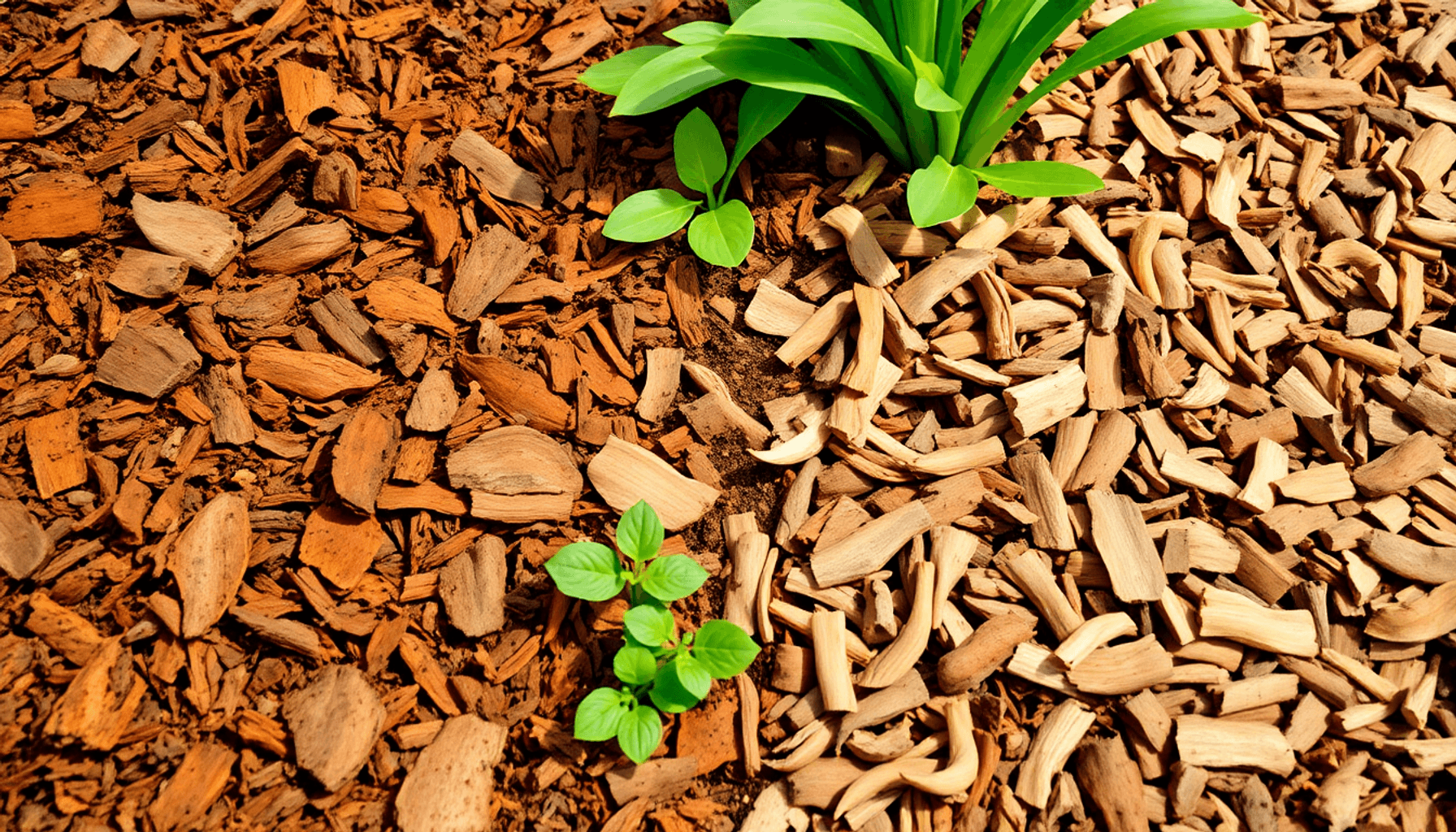

Mulching is essential in gardening, offering multiple benefits that enhance plant health and garden aesthetics. By covering the soil surface, mulch helps conserve moisture, suppress weeds, regulate soil temperature, and improve overall soil quality. Choosing the right type of mulch can significantly impact your garden’s performance and appearance.
This article focuses on Bark Mulch vs Wood Chip: Which is Better for Gardens? Both bark mulch and wood chips are popular garden mulch types, but they differ in origin, texture, durability, and uses. Understanding these differences will help you make an informed decision tailored to your garden’s needs.
You will find detailed comparisons on:
- Appearance and physical characteristics
- Benefits and functional uses
- Best practices for applying each mulch type
By exploring these aspects, you gain practical knowledge to select the ideal mulch for your garden’s health and style.
Understanding Bark Mulch
Bark mulch is made from the outer protective layer of trees, which is carefully removed to create a natural covering for gardens. This material serves a purpose beyond just looking good; its characteristics make it a practical choice for many gardeners.
Physical Characteristics
- Size range: Bark mulch pieces typically vary between 10 and 60 millimeters, offering a coarse texture that adds depth and dimension to garden beds.
- Texture: The texture is rough and fibrous, which helps it lock in place and resist being blown away by wind.
- Color variations: Colors depend on the tree species from which the bark originates, ranging from deep reddish-browns to lighter tans and greys. These natural hues contribute to a rustic appearance that blends seamlessly into garden landscapes.
Common Uses in Gardens
Bark mulch is frequently used to:
- Define decorative borders, creating neat edges around flower beds or pathways.
- Surround trees and shrubs, providing protection and enhancing visual appeal.
- Serve as a backdrop that highlights the colors and textures of surrounding plants.
Benefits of Bark Mulch
The benefits of bark mulch extend beyond its looks:
- Moisture retention: Its fibrous nature traps water efficiently, helping maintain consistent soil moisture levels during dry periods.
- Durability: Larger bark pieces break down slowly, ensuring longer-lasting coverage compared to finer organic mulches.
- It also aids in suppressing weeds by limiting sunlight penetration while allowing air and water to reach the soil beneath.
Bark mulch's combination of texture, color variation, and functional advantages makes it a favored option when you want both beauty and performance in your garden’s mulch layer.
Understanding Wood Chips
Wood chips primarily come from two sources: lumber production and tree trimming activities. When trees are processed for timber or pruned, the leftover wood pieces are chipped into small bits that become wood chips. These chips are a practical and sustainable material for garden mulching.
Characteristics of Wood Chips
Here are some key features that set wood chips apart:
- Size range: Typically between 5 to 35 mm in diameter, smaller than most bark mulch pieces.
- Appearance: More uniform in size and texture compared to bark mulch, lending a consistent look across garden beds and pathways.
- Texture: Smooth surfaces with less fibrous content than bark, making them easier to spread evenly.
Uses of Wood Chips in Gardens
Wood chips have various applications in gardens:
- Pathways: Their uniform size creates stable, walkable surfaces that resist compaction.
- Weed suppression: Applied thickly they block sunlight effectively, reducing weed growth.
- General coverage: Suitable for covering large areas where both aesthetics and functionality matter.
- Playground surfaces: Softer texture makes them safer underfoot compared to harder materials.
Benefits of Wood Chips
Wood chips offer several advantages over other types of mulch like bark:
- Durability: Wood chips tend to last longer on the soil surface because they break down more slowly than finer organic mulches.
- Decomposition traits: The rate at which wood chips decompose varies depending on the species used; hardwood chips often decompose slower than softwood chips.
- Soil coverage: Their slower breakdown helps maintain soil coverage for extended periods, reducing the need for frequent replenishment.
- Soil improvement: As they age, wood chips improve soil structure by contributing organic matter gradually, enhancing microbial activity without rapid nutrient immobilization seen in fresher materials.
The consistent size and durable nature of wood chips make them an excellent choice when you want a uniform appearance and long-lasting coverage. They also suppress weeds effectively while allowing water to penetrate the soil, supporting healthy plant growth.
Comparing Bark Mulch and Wood Chips: Key Differences
Understanding the bark mulch vs wood chips comparison helps you choose the best option for your garden’s needs. Both materials serve as effective mulches, but their distinct characteristics influence garden aesthetics, function, and longevity.
Visual Differences: Rustic Look vs Uniform Appearance
- Bark mulch offers a more natural, rustic appearance. Its pieces vary in size and shape, reflecting the texture of the original bark. Colors range from deep browns to reddish hues depending on tree species like pine or cedar.
- Wood chips present a cleaner, more uniform look with smaller, consistently sized particles. They tend to be lighter in color and smoother in texture, which can suit modern or minimalist garden designs.
These visual contrasts affect how each mulch complements different landscaping styles—bark mulch blends well with informal, woodland-themed gardens while wood chips work better for structured layouts or pathways where uniformity is desired.
Particle Size and Texture Distinctions Influencing Garden Aesthetics and Function
- Bark mulch pieces typically measure 10–60 mm, creating a chunkier texture that adds dimension to garden beds.
- Wood chips range from 5–35 mm, producing a finer, denser coverage that compacts less over time.
Particle size influences not only appearance but also how effectively the mulch suppresses weeds and protects soil. Larger bark pieces allow better airflow but may shift more easily under foot traffic. Smaller wood chips form a tighter barrier against weed growth but can mat down if applied too thinly.
Moisture Retention Comparison Due to Particle Size Differences
The ability of mulch to retain moisture is crucial for plant health:
- The rougher texture and larger size of bark mulch create pockets that trap water effectively, slowing evaporation.
- Wood chips absorb water quickly but dry out faster due to their finer particle size and greater surface area exposed to air.
This means bark mulch generally provides longer-lasting moisture retention around plant roots, making it beneficial in drier climates or during hot seasons. Wood chips still contribute to moisture conservation but might require more frequent replenishing to maintain optimal soil hydration.
Durability and Breakdown Rates Depending on Material Type and Wood Species
- Bark mulch tends to decompose more slowly because it consists mainly of the tree’s protective outer layer rich in lignin and tannins that resist decay.
- Wood chips break down faster due to higher cellulose content and exposure of inner wood fibers during chipping.
Species differences matter as well—cedar bark resists decay longer than pine wood chips. This affects how often you need to replenish mulch layers:
- Choose bark mulch for long-term decorative use where you want minimal disturbance.
- Opt for wood chips when you prefer quicker nutrient cycling into the soil or need versatile ground cover for paths.
Exploring these key differences clarifies why gardeners often select one type over the other based on visual appeal, practical function, and maintenance preferences.
Functional Benefits Shared by Both Mulches
Both bark mulch and wood chips deliver essential mulch benefits that enhance garden health and appearance. Their ability to suppress weeds, retain soil moisture, and protect plants creates a more manageable and productive growing environment.
Weed Suppression with Mulch
Applying either bark mulch or wood chips forms a physical barrier that limits sunlight reaching weed seeds, reducing their germination and growth. When applied at the recommended depth—typically 8 to 12 cm for woody mulches—this barrier is thick enough to prevent most weeds from breaking through. This suppressive effect lowers the need for chemical herbicides and manual weeding, saving time and effort. For instance, using these organic materials can conserve moisture and prevent weeds effectively.
Soil Moisture Retention with Mulch
Both materials help maintain consistent soil moisture levels by reducing evaporation. The larger particle size of bark mulch traps water between pieces, while wood chips create a breathable layer that slows moisture loss without waterlogging the soil. This moderation of soil moisture supports healthy root development and reduces stress on plants during dry periods.
Moderation of Soil Temperature Conditions
These mulches act as insulators, buffering soil temperatures against extremes. During hot weather, they shade the soil surface, keeping roots cooler. In colder months, they trap heat close to the ground, protecting roots from frost damage. This temperature regulation contributes to longer growing seasons and improved plant resilience.
Protection Against Erosion
By covering bare soil surfaces, both bark mulch and wood chips reduce the impact of heavy rain and wind that can wash away or compact topsoil. This erosion prevention helps maintain soil structure and nutrient availability essential for plant growth.
Contribution to Improved Soil Health
Slow decomposition of these woody mulches gradually releases nutrients back into the soil. This process encourages beneficial microbial activity, enriching soil organic matter content over time. The resulting enhanced soil fertility supports better plant nutrition naturally without relying heavily on synthetic fertilizers.
Using bark mulch or wood chips doesn’t just beautify your garden; it actively improves its long-term health through these shared functional benefits.
Best Practices for Applying Bark Mulch and Wood Chips in Gardens
Applying mulch effectively enhances its benefits and protects your plants from potential harm. Follow these applying mulch tips for gardens and mulching techniques for gardens with bark or wood chip to get the best results.
Avoid Piling Mulch Directly Against Plant Bases
Piling mulch against the stems or trunks of plants creates a moist environment that encourages rot, fungal infections, and pest problems. Maintain a small gap of a few centimeters between the mulch edge and plant base to allow air circulation and reduce disease risk. This practice is especially important when using bark mulch, which tends to retain moisture longer.
Recommended Depths for Application
Depth matters significantly in mulching:
- Wood chips: Apply at depths of 8–12 cm (3–5 inches). This thickness suppresses weeds effectively without compacting excessively, allowing water and air penetration.
- Composted organic mulches: Use shallower layers around 5–7.5 cm (2–3 inches) since these materials break down faster and can compact more easily.
Applying too thick a layer of any mulch can suffocate roots or cause water runoff instead of absorption.
Apply Woody Mulches Before Weed Establishment
Woody mulches such as bark and wood chips work best when applied early in the growing season or before weeds emerge. Laying mulch on bare soil prevents weed seeds from germinating by blocking sunlight and creating a physical barrier. Applying mulch after weeds have established will reduce its effectiveness and make garden maintenance more difficult.
Aging or Maturing Fresh Woody Materials
Fresh bark mulch or wood chips may contain phytotoxic compounds—natural chemicals that inhibit seed germination or damage sensitive young plants. To avoid this:
- Allow fresh woody mulches to age or mature for several months before application.
- Store the materials in a well-ventilated area where they can partially decompose.
- Composting fresh wood chips slightly before use reduces phytotoxicity risks while stabilizing nutrients.
Aging also improves the texture and appearance of mulches, making them easier to spread evenly.
Following these best practices when applying bark mulch or wood chips ensures not only effective weed control and moisture retention but also protects your garden’s health over time. Proper technique helps you maximize the functional benefits both mulches offer without unintended drawbacks.
Choosing Between Bark Mulch and Wood Chips Based on Garden Needs
Selecting the right mulch for your garden depends heavily on your specific goals and preferences. When choosing garden mulch based on needs, consider several key factors that influence both appearance and functionality.
Aesthetic Preferences: Rustic vs Uniform Look
- Bark mulch offers a distinctly rustic, natural appearance. Its larger, irregular pieces create texture and depth, making it ideal for ornamental beds and borders where visual appeal matters.
- Wood chips provide a more uniform and consistent look. If you prefer a neat, tidy garden style or need mulch that blends seamlessly with pathways and larger coverage areas, wood chips fit well.
Your choice here shapes the overall garden atmosphere—whether you want a wild, woodland feel or a clean, orderly look.
Functional Needs: Decorative Use, Pathways, and Safety
Different mulches serve different practical purposes:
- Decorative gardens benefit from bark mulch’s aesthetic charm and moisture retention qualities. It enhances shrub beds or tree circles by highlighting plant features while protecting roots.
- Pathways and high-traffic areas suit wood chips better. Their firm texture withstands foot traffic without compacting as much, reducing mud and erosion.
For playground safety, bark mulch often wins due to its softer texture that cushions falls better than wood chips. This makes it a preferred choice in family-friendly garden spaces or public parks.
Budget Considerations and Material Availability
Price points can vary based on source, processing, and whether the material is fresh or aged:
- Aged bark mulch tends to be pricier because of longer processing times but offers reduced risks of phytotoxicity and better stability.
- Fresh wood chips may be more affordable and readily available as byproducts from tree trimming services but require aging before application to avoid plant damage.
Consider local supply chains when choosing mulch types. Sometimes availability directly affects cost-effectiveness for your project.
Summary of Factors Influencing Your Choice
| Factor | Bark Mulch | Wood Chips |
| Appearance | Rustic, textured | Uniform, consistent |
| Best Use | Decorative beds, around trees | Pathways, general ground cover |
| Texture Softness | Softer (good for playgrounds) | Firmer underfoot |
| Moisture Retention | High | Moderate |
| Durability | Long-lasting | Durable but faster breakdown |
| Cost | Often higher when aged | Usually lower fresh |
| Availability | Depends on tree species & source | Common as lumber byproduct |
Understanding these distinctions helps you make an informed decision when comparing Bark Mulch vs Wood Chip: Which is Better for Gardens? The right choice aligns with how you want your garden to look, function, and perform over time.
Conclusion
Making the best garden mulch choice depends on what your garden truly needs and how you want it to look and function. Both bark mulch and wood chips bring unique advantages that can enhance your garden’s health and aesthetics.
Consider these key points when deciding between bark vs wood chip:
- Appearance: Choose bark mulch if you prefer a rustic, natural look with varied textures and colors. Opt for wood chips when you want a clean, uniform finish ideal for pathways or large coverage areas.
- Functionality: Bark is excellent for decorative borders and moisture retention around trees and shrubs. Wood chips work well for suppressing weeds broadly, creating walkways, or providing soft surfaces in playgrounds.
- Durability: Bark tends to last longer but may cost more; wood chips break down faster yet offer versatility at a generally lower price.
- Safety and Plant Health: Softer bark is preferable for playground safety. Always age fresh woody materials to reduce phytotoxic risks before applying near young plants.
- Application: Follow recommended depth guidelines (8–12 cm for wood chips) and avoid piling mulch against plant stems to prevent disease.
Bark Mulch vs Wood Chip: Which is Better for Gardens? The answer lies in balancing your aesthetic goals with functional needs. Each material supports soil moisture retention, weed control, frost protection, and soil improvement through gradual decomposition.
You can tailor your mulch choice by evaluating budget constraints, availability of aged products, and specific garden uses. Making an informed selection enhances plant health while contributing to a beautiful, sustainable garden environment. Use this best garden mulch choice summary as a practical guide to match the right mulch type with your unique gardening vision.
FAQs (Frequently Asked Questions)
What is the main difference between bark mulch and wood chips in terms of appearance?
Bark mulch typically has a rustic look with varied texture and color depending on the tree species, featuring larger particle sizes (10-60 mm), while wood chips have a more uniform appearance and texture with smaller particle sizes (5-35 mm).
How do bark mulch and wood chips compare in their benefits for garden soil moisture retention?
Both bark mulch and wood chips effectively retain soil moisture by moderating soil temperature and reducing evaporation. However, due to its larger particle size, bark mulch tends to provide slightly better moisture retention compared to wood chips.
What are the best uses for bark mulch versus wood chips in garden settings?
Bark mulch is ideal for decorative borders around trees and shrubs due to its attractive rustic appearance and durability, while wood chips are commonly used for pathways, general ground coverage, and weed suppression because of their uniform texture and quicker decomposition rate.
Are there any important application tips when using bark mulch or wood chips in gardens?
Yes, it is important not to pile mulch directly against plant bases to reduce disease risk. Recommended application depth for wood chips is 8–12 cm. Applying woody mulches before weed establishment enhances effectiveness, and aging fresh woody materials helps reduce phytotoxicity risks.
How should gardeners choose between bark mulch and wood chips based on their garden needs?
Gardeners should consider aesthetic preferences (rustic look of bark mulch vs uniform look of wood chips), functional needs such as decorative use versus pathways or playground safety (softer bark for playgrounds), budget constraints, and availability of aged versus fresh materials when selecting between bark mulch and wood chips.
Do both bark mulch and wood chips contribute to soil health?
Yes, both types of mulches contribute positively to soil health through slow decomposition that releases nutrients back into the soil. They also protect plant roots from frost damage, prevent soil erosion, suppress weeds effectively when properly applied, and help maintain balanced soil moisture levels.