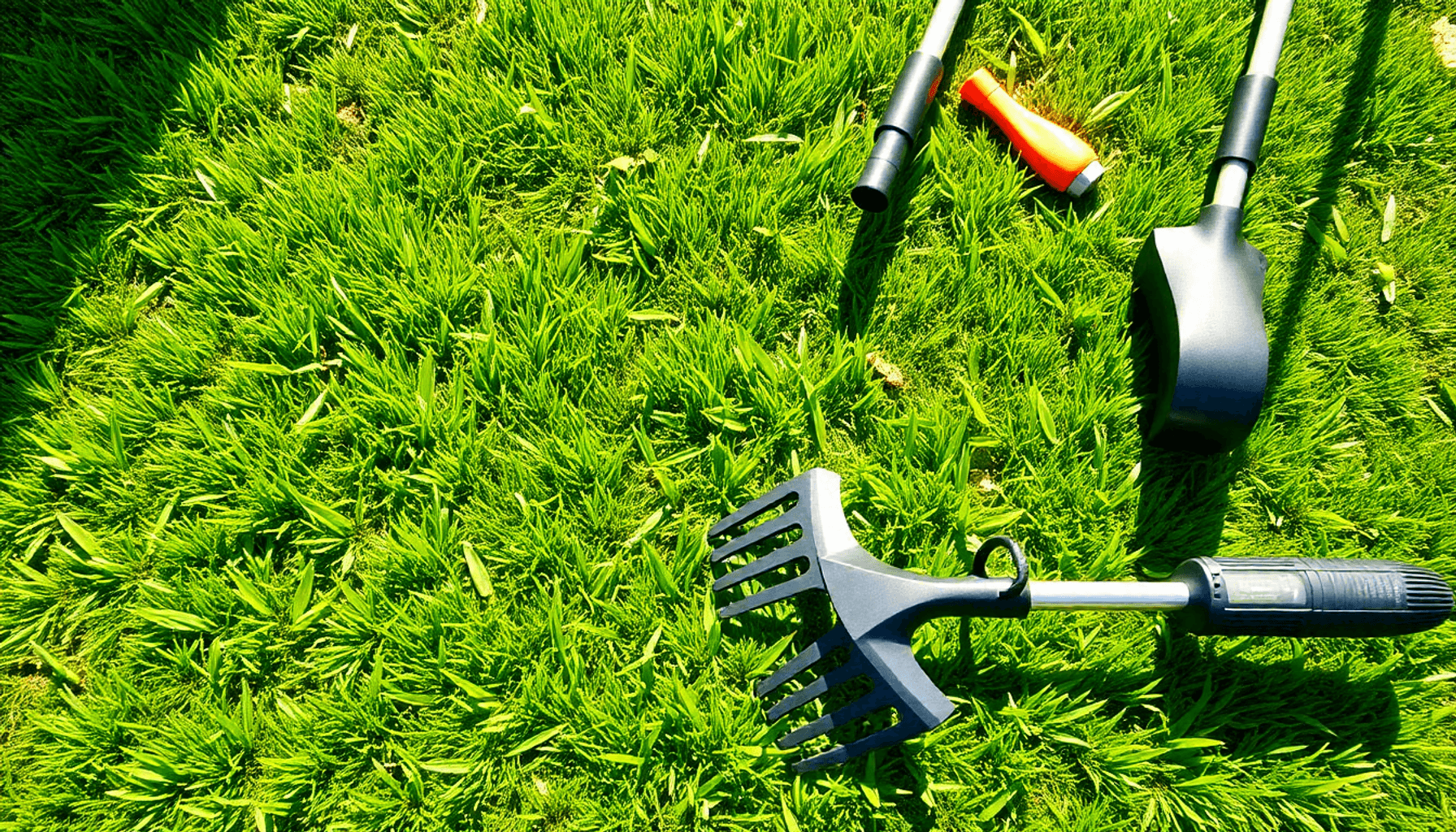

If you're exploring lawn care tools, you might have come across the question: What is a Lawn Scarifier? And Do You Need One? A lawn scarifier is a specialized machine designed to improve the health and appearance of your lawn by removing thatch — a dense layer of dead grass, moss, leaves, and other debris that accumulates on the soil surface.
The role of a lawn scarifier in lawn maintenance includes:
- Breaking up and removing thatch buildup
- Enhancing air, water, and nutrient penetration to grass roots
- Encouraging healthier, stronger grass growth
Thatch can suffocate your lawn by blocking essential elements like water and nutrients from reaching the roots. Removing this barrier is crucial for maintaining a vibrant, resilient lawn. A lawn scarifier tackles this problem directly, giving your grass the environment it needs to thrive.
Understanding Thatch and Its Impact on Lawns
Thatch refers to a dense, spongy layer that forms between the green grass blades and the soil surface. This thatch layer develops over time as dead grass stems, moss, leaves, and other organic debris accumulate faster than they decompose. Lawn thatch problems arise when this build-up becomes excessive, creating a barrier that interferes with natural lawn functions.
The main components of thatch include:
- Dead grass stems and roots
- Moss growth trapped within the grass
- Fallen leaves and twigs
- Other organic debris like grass clippings
The effects of thatch on grass can be detrimental. When the thatch layer thickens beyond about half an inch, it acts like a sponge that holds moisture but repels water from penetrating deeper into the soil. This blockage reduces the availability of essential nutrients and air to the grassroots. Without proper water infiltration and aeration, roots weaken, leading to:
- Dry, patchy spots where grass struggles to grow
- Increased vulnerability to pests and diseases such as fungi and mildew
- Poor seed germination after overseeding or repair work
- A spongy feeling underfoot caused by trapped water in the thatch
Excessive thatch can also cause rainwater runoff instead of absorption, which worsens drought stress during dry periods. Grass deprived of oxygen will not thrive; it becomes thin and weak, allowing weeds to invade more easily.
Identifying lawn thatch problems early helps you decide when scarification or other lawn care measures become necessary. You can test for a thick thatch layer by digging a small wedge of turf: if more than 0.5 inches of decomposed material sits between soil and green shoots, it’s time to take action.
How Does a Lawn Scarifier Work?
A lawn scarifier uses a mechanical action specifically designed to remove thatch — the dense layer of dead grass, moss, leaves, and debris that builds up on the soil surface. The main part of the scarifier is a set of sharp blades or tines that go into the lawn, cutting through the compacted thatch and pulling it up from the roots.
Here’s how a lawn scarifier works:
- Thatch removal: Blades slice into the thatch layer, lifting and collecting it so it can be cleared away. This prevents suffocation of the grass by removing barriers that block essential resources.
- Soil aeration: As scarifiers penetrate the soil, they create small holes or slits in compacted areas. These openings improve air flow within the soil, which is critical for root respiration.
- Improved water and nutrient penetration: The tiny channels formed allow rainwater and fertilisers to reach deep into the root zone where grass plants absorb them most effectively.
Scarifier benefits extend beyond just clearing debris. Moss removal is a significant advantage — moss thrives in dense, shaded conditions caused by thick thatch. By breaking up this layer, scarifiers reduce moss growth substantially.
Another important benefit is stimulation of fresh grass growth. With better access to sunlight, water, and nutrients after scarifying, dormant or weakened grass roots get an opportunity to regenerate vigorously. This leads to a thicker, healthier lawn with improved colour and resilience.
The dual role of scarifiers as both dethatching tools and natural aerators makes them highly effective for maintaining optimal lawn health. They tackle two common problems — compaction and organic buildup — simultaneously, creating ideal conditions for sustained grass development.
Exploring Different Types of Lawn Scarifiers
When considering What is a Lawn Scarifier? And Do You Need One?, understanding the types available helps you choose the right tool for your lawn care needs. Lawn scarifiers mainly fall into two categories based on their power source: manual scarifiers and electric scarifiers.
Manual Scarifier
Manual scarifiers, resembling heavy-duty rakes, are operated by physical effort. They are ideal for small lawns or light thatch removal tasks, providing control over pressure and depth as you work the soil surface. With no electricity or fuel needed, they offer a cost-effective and eco-friendly solution. While requiring more time and effort compared to powered models, manual scarifiers provide precision for delicate maintenance.
Key Features of Manual Scarifiers
- Operated by physical effort, manual scarifiers typically resemble a heavy-duty rake.
- They are ideal for small lawns or light thatch removal tasks.
- Provide control over pressure and depth as you work the soil surface.
- No electricity or fuel needed, making them cost-effective and eco-friendly.
- Require more time and effort compared to powered models but offer precision for delicate maintenance.
Electric Scarifier
Electric scarifiers are powered by electricity, either corded or battery-operated. They are suitable for medium to large-sized lawns where manual work would be too demanding. These tools offer consistent power to handle thicker thatch layers and moss buildup efficiently, usually coming with adjustable settings for different scarifying depths. Compared to petrol-powered alternatives, electric scarifiers are quieter and cleaner with less maintenance required.
Key Features of Electric Scarifiers
- Powered by electricity, either corded or battery-operated.
- Suitable for medium to large-sized lawns where manual work would be too demanding.
- Offer consistent power to handle thicker thatch layers and moss buildup efficiently.
- Usually come with adjustable settings for different scarifying depths.
- Quieter and cleaner than petrol-powered alternatives, with less maintenance required.
Types Based on Scarifying Mechanism
Lawn scarifiers also differ according to their working components, primarily tined rake scarifiers and bladed drum scarifiers.
Tined Rake Scarifier
Tined rake scarifiers are equipped with flexible metal tines designed to gently lift and remove light thatch without damaging grass roots. They are best suited for routine lawn maintenance where only minimal moss or dead organic matter is present. These tools allow for aeration by creating fine openings in compacted soil while clearing superficial debris, making them easier to maneuver around delicate areas or near flowerbeds.
Key Features of Tined Rake Scarifiers
- Equipped with flexible metal tines designed to gently lift and remove light thatch without damaging grass roots.
- Best suited for routine lawn maintenance where only minimal moss or dead organic matter is present.
- Allows for aeration by creating fine openings in compacted soil while clearing superficial debris.
- Easier to maneuver around delicate areas or near flowerbeds.
Bladed Drum Scarifier
Bladed drum scarifiers feature rigid blades mounted on a rotating drum to aggressively cut through thick layers of moss, heavy thatch, and compacted material. These tools are designed for deep scarification jobs when the lawn suffers from severe buildup impairing water and nutrient flow. However, caution is necessary as improper or frequent use can cause stress to the grass; careful adjustment is required.
Key Features of Bladed Drum Scarifiers
- Features rigid blades mounted on a rotating drum to aggressively cut through thick layers of moss, heavy thatch, and compacted material.
- Designed for deep scarification jobs when the lawn suffers from severe buildup impairing water and nutrient flow.
- Can sometimes cause stress to the grass if used too frequently or improperly; careful adjustment is necessary.
- More powerful than tined rakes, suitable when lawn health demands intensive intervention.
Selecting between these types depends on your lawn's condition, size, and how much work you want to invest.
- A manual scarifier with tines might be enough if you’re dealing with light thatch.
- For stubborn moss or thick thatch layers, an electric scarifier with bladed drums offers more effective removal.
Understanding these differences ensures you approach your lawn care with the right equipment.
When and How to Effectively Scarify Your Lawn
Choosing the best time to scarify lawn is crucial for achieving a healthy, vibrant turf. Scarification is a stressful process for grass plants, so timing it right ensures quicker recovery and optimal benefits.
Optimal Scarifying Seasons
1. Spring
The ideal window is typically after about 3-4 weeks of regular mowing. By this stage, your lawn will have started its active growth phase, allowing it to bounce back faster from the scarifying process. Spring scarification clears winter debris and prepares the soil for summer growth.
2. Autumn
Cooler temperatures combined with increased rainfall create perfect conditions for scarifying. The moisture softens the soil, making it easier to remove thatch and moss. Autumn scarification helps repair summer damage and prepares the lawn for winter dormancy with improved root health.
Why Avoid Summer and Winter for Scarifying?
1. Summer
Hot, dry weather stresses grass plants already dealing with high temperatures. Scarifying during this period can cause excessive damage since the lawn’s recovery capabilities are reduced. Dry soil also makes it difficult to effectively remove thatch without damaging roots.
2. Winter
Grass is usually dormant or growing very slowly in cold conditions. Scarifying now risks damaging roots when the lawn has limited ability to regenerate. Frozen or waterlogged soil further complicates scarification, potentially causing more harm than good.
Lawn Preparation for Scarifying
Proper preparation maximizes the benefits of scarifying:
- Water your lawn thoroughly about a day before scarification. Moist soil is easier to work with and reduces stress on grass roots.
- Mow your lawn low but avoid scalping it too closely. This allows scarifier blades or tines better access to thatch layers.
- Clear debris such as leaves, sticks, and stones from the surface to prevent obstruction during scarification.
- After scarifying, repair any bare patches by overseeding and watering consistently to support new root development.
Following these guidelines ensures you make the most of your scarifier while promoting a healthier lawn structure ready to thrive through upcoming seasons.
Determining the Right Frequency for Lawn Scarification
The frequency of scarifying lawn plays a crucial role in maintaining healthy grass without causing undue stress to the roots. Scarifying too often can damage the delicate root system and weaken the lawn, while neglecting it may allow thatch to build up, suffocating your grass.
Annual lawn maintenance typically includes scarifying once per year. This schedule balances effective thatch removal and aeration with the natural recovery time your lawn needs. Most experts recommend scarifying during spring or autumn, as the grass is actively growing and can recover faster. For instance, if you have a Bermudagrass lawn, following a specific maintenance calendar can optimize its health and performance, such as the one outlined in this Bermudagrass lawn maintenance calendar.
Consider these factors to decide how often you should scarify:
- Lawn type and usage: Lawns with heavy foot traffic or those prone to moss buildup may need scarification more regularly.
- Thatch thickness: If thatch exceeds 1/2 inch (about 12 mm), it’s a good indicator that scarifying is due.
- Soil condition: Compact or clay-heavy soils benefit from annual scarification combined with aeration.
- Grass health: Look for signs of poor drainage, sponginess underfoot, or patchy growth as clues for when to act.
Some lawns might manage well with light scarification every other year, especially if you use supplemental methods like regular raking or aerating. However, pushing beyond one session annually risks damaging the grass crowns and root zones.
A sensible approach is to monitor your lawn's condition closely after each season. Adjust frequency based on visible thatch buildup and overall turf resilience rather than sticking rigidly to a set calendar.
Scarifying, when done at the right intervals, supports vibrant growth by allowing water, air, and nutrients deeper access into the soil profile. This annual intervention renews your lawn’s vitality without compromising its long-term health.
Signs That Indicate You Need a Lawn Scarifier
Knowing when to use a lawn scarifier is just as important as understanding what it does. If you're asking yourself, "Do I need a lawn scarifier?" or searching for signs of excessive thatch, certain visible and tactile indicators in your lawn’s condition can point you in the right direction.
Common Lawn Health Indicators Suggesting Scarification
1. Spongy or Soft Turf
When you walk on your lawn and it feels springy or spongy underfoot, this often means there is a thick layer of thatch beneath the surface. This layer traps water but prevents it from penetrating deeper into the soil.
2. Water Pooling or Runoff
Excessive thatch acts like a barrier, causing water to either sit on top of the grass or run off quickly instead of soaking in. If your lawn stays wet for long periods after rain or irrigation, scarifying can help restore proper drainage.
3. Patchy Growth and Bare Spots
Thatch buildup chokes out healthy grass roots by blocking nutrients and air. Lawns with uneven growth patterns, thinning patches, or bare spots might benefit from scarification to improve root health and encourage new shoots.
4. Visible Layer of Dead Grass and Moss
You can perform a simple test by cutting a small square of turf about 2-3 inches deep. If you notice more than half an inch of brownish material made up of dead grass stems, moss, and debris between the green grass blades and soil, that’s a clear sign your lawn needs scarifying.
5. Increased Weed or Moss Presence
A lawn overwhelmed by moss or weeds often indicates poor soil conditions caused by excessive thatch layers. Scarifying disrupts this environment, making it less hospitable for unwanted plants.
When to Consider Professional Help or Powered Equipment
If your lawn shows multiple signs above and the thatch layer is particularly thick (more than 0.5 inches), manual raking may not be sufficient. In such cases:
- Renting or investing in a powered scarifier provides better efficiency and deeper penetration.
- Consulting with local lawn care experts can offer tailored advice specific to your grass type and climate.
- Professionals have access to heavy-duty equipment designed for extensive thatch removal without damaging your lawn.
Understanding these signs helps you decide when intervention is necessary—ensuring you maintain a lush, healthy lawn without causing unnecessary stress to the grass roots.
Alternative Tools and Methods for Light Scarification Tasks
When your lawn only requires minor thatch control, you don’t necessarily need a powered scarifier. Manual garden rakes and spring tine rakes offer practical alternatives that are both cost-effective and user-friendly.
Garden Rake for Thatch Removal?
A garden rake is a simple yet effective tool for light thatch removal. It features sturdy metal tines ideal for pulling up loose debris, dead grass, and moss from the lawn surface. You can use it to gently rake through the grass without causing too much disturbance to the soil or roots. This makes it perfect for regular maintenance or smaller lawns where heavy scarifying isn’t necessary.
Advantages of using a garden rake for thatch removal:
- Low initial investment compared to electric scarifiers
- Provides excellent control over pressure applied, reducing risk of damage
- Easy to handle and maneuver in tight spaces or uneven terrain
- No power source required, making it environmentally friendly
Spring Tine Rake Benefits
A spring tine rake takes light aeration and scarification further by combining flexibility with efficiency. Its many thin, springy tines penetrate the surface gently but effectively, loosening compacted soil while removing superficial thatch layers.
Key benefits of spring tine rakes include:
- Ability to break up light compaction without disturbing deeper soil layers
- Encourages better air and water flow around grassroots through gentle aeration
- Lightweight design reduces user fatigue during extended use
- Suitable for delicate areas such as newly seeded patches or young lawns
Light Aeration Alternatives?
Both garden rakes and spring tine rakes serve as excellent tools for light aeration alternatives. While they do not replace the deep penetration of specialized aerators or heavy-duty scarifiers, they enhance soil conditions enough to support healthy grass growth when used regularly.
Using these manual options can help maintain your lawn’s health between more intensive scarifying sessions. They are especially useful if you want to avoid stressing your grass with aggressive mechanical treatments or if your lawn only experiences mild thatch buildup.
Experimenting with these tools allows you to observe how your lawn responds before committing to powered equipment. They provide an accessible entry point into routine lawn care practices focused on controlling thatch and improving turf vitality.
Conclusion
Deciding whether you should buy a lawn scarifier comes down to understanding your lawn’s specific needs and the benefits of lawn scarifying. This tool plays a significant role in maintaining healthy lawns by removing thatch, improving soil aeration, and promoting vigorous grass growth. However, it also requires time, effort, and some investment.
Consider these points before making a purchase:
- Assess your lawn condition: If your lawn shows signs of excessive thatch buildup or moss, scarifying can be highly effective. Light thatch issues might be managed with manual rakes.
- Frequency and timing: Scarifying stresses grass roots, so it should be done sparingly—typically once a year during optimal seasons like spring or autumn.
- Type of scarifier: Match the tool to your lawn’s needs. Manual scarifiers suit smaller areas or lighter tasks, while powered models handle heavier workloads but come at a higher cost.
- Costs vs. benefits: Evaluate if the improvement in lawn health justifies the expense and effort involved.
- Expert advice: Local garden centers or lawn care professionals can offer tailored recommendations based on your climate and soil type.
Reflecting on What is a Lawn Scarifier? And Do You Need One? helps clarify whether this tool aligns with your lawn care goals. Taking an informed approach ensures you invest wisely and enjoy a lush, vibrant lawn for years to come.
FAQs (Frequently Asked Questions)
What is a lawn scarifier and why is it important for lawn maintenance?
A lawn scarifier is a specialized tool designed to remove thatch—a layer of dead grass stems, moss, leaves, and debris—from the soil surface. Removing this thatch is crucial because excessive accumulation can block water, nutrients, and air from reaching grass roots, leading to poor lawn health. Scarifying promotes healthier grass growth by clearing these barriers.
How does a lawn scarifier work to improve my lawn?
A lawn scarifier mechanically removes the thatch layer by cutting through it with blades or tines. This process not only clears away debris but also aerates the soil by creating small openings. Improved aeration allows better penetration of water and nutrients, supports moss removal, and stimulates fresh grass growth for a healthier lawn.
What types of lawn scarifiers are available and how do I choose the right one?
There are manual and electric lawn scarifiers. Manual scarifiers require physical effort and are suitable for light tasks, while electric scarifiers offer powered operation for more intensive work. Additionally, tined rake scarifiers are ideal for light thatch removal, whereas bladed drum scarifiers are better suited for heavy moss or dense thatch layers. Choose based on your lawn's needs and your preferred effort level.
When is the best time to scarify my lawn for optimal results?
The best times to scarify your lawn are in spring—after about 3-4 weeks of regular mowing—and in autumn during cooler, rainy conditions. These seasons support recovery and growth after scarification. Avoid scarifying in summer or winter as extreme temperatures and dryness can stress the grass.
How often should I scarify my lawn to maintain its health?
Generally, scarifying once per year is recommended to prevent undue stress on grass roots while effectively managing thatch buildup. Over-scarifying can damage the lawn, so annual maintenance strikes a good balance between health and upkeep.
Are there alternative tools for light thatch removal if I don't want to use a powered scarifier?
Yes, manual garden rakes or spring tine rakes can be effective alternatives for minor thatch control tasks. They are cost-effective, easy to use, and suitable for light aeration or debris removal without investing in powered equipment.