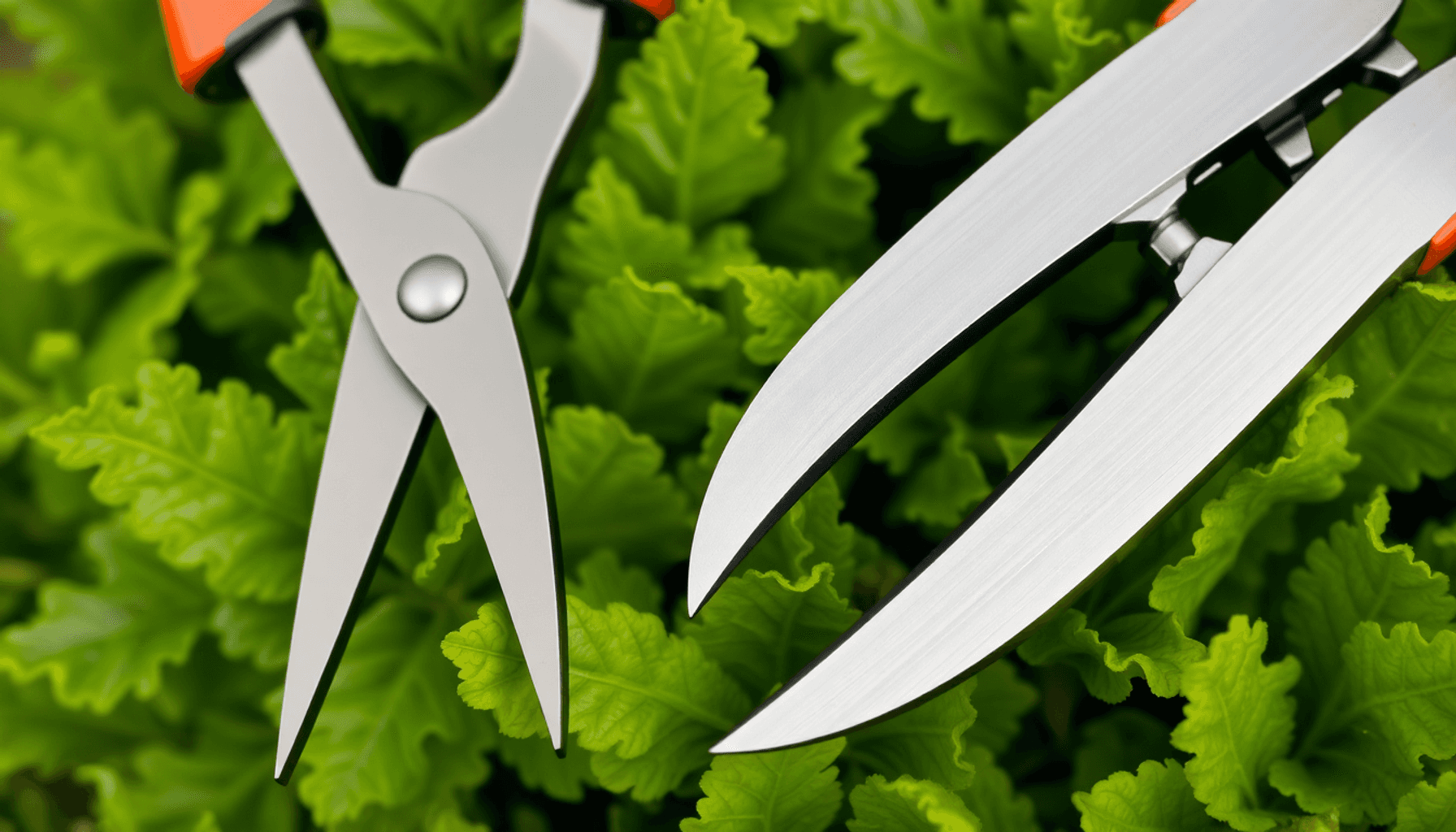

Pruning tools are essential for maintaining healthy and attractive plants in any garden. Among these tools, bypass secateurs and anvil secateurs stand out as the two most popular types, each designed with a unique cutting mechanism tailored to specific gardening tasks.
Choosing the right secateurs can make a significant difference in how effectively you prune your plants. Using unsuitable tools may lead to damaged stems, slower healing, or inefficient cuts that hamper plant growth. Understanding the differences between bypass and anvil secateurs helps you select the best tool for your gardening needs.
This article will guide you through a detailed pruning tools comparison focusing on:
- What bypass and anvil secateurs are
- Their design and cutting mechanisms
- Performance in different gardening tasks
- Impact on plant health
- How to choose between them based on your specific pruning needs
By the end, you'll have clear insights to pick the right secateurs and improve your gardening results.
Understanding Secateurs: An Overview
Secateurs are essential gardening tools designed specifically for pruning tasks. They enable you to trim plants, shrubs, and small branches efficiently and accurately. Using the right type of secateurs helps maintain plant health while simplifying the pruning process.
What Are Secateurs?
Secateurs are handheld cutting tools with sharp blades used primarily for pruning basics such as shaping plants, removing dead or overgrown stems, and encouraging healthy growth. They offer precision and control compared to larger garden shears or loppers.
The Two Main Secateurs Types
Gardening involves two main types of secateurs:
- Bypass Secateurs: These feature two curved blades that slide past each other like scissors, providing clean, precise cuts. They are commonly used for trimming live plants and soft wood, making them ideal when you need to make cuts close to buds or delicate stems without causing damage.
- Anvil Secateurs: These consist of a single sharp blade that presses down onto a flat anvil base. The cutting action occurs by crushing the plant material between the blade and anvil. Anvil secateurs are best suited for tougher tasks like cutting through hardier branches, woody stems, or dead wood. While they require less force than bypass secateurs, they may cause some damage to living tissue due to their crushing action.
Common Uses in General Gardening
- Bypass secateurs are your go-to tool for most pruning jobs involving live plants because they help maintain plant health with clean cuts.
- Anvil secateurs excel at handling stubborn deadwood or thick branches where power matters more than precision.
Understanding these differences helps you select the right tool based on the specific requirements of your gardening tasks.
Mechanism and Design Differences
Anvil Secateurs Mechanism
Understanding the anvil secateurs mechanism starts with its simple yet robust design. These secateurs feature a single blade that presses down onto a flat anvil base, which acts like a sturdy surface. When you cut, the blade swings down and crushes the plant material against the anvil. This crushing action requires less cutting force, making it easier to handle thicker or tougher branches. The downside is that the plant tissue gets compressed during the cut, which can affect healing in live plants.
Key characteristics of anvil secateurs:
- Single sharp blade paired with a flat anvil base
- Cutting by pressing and crushing rather than slicing
- Less force needed to cut through hard materials
Bypass Secateurs Mechanism
The bypass secateurs mechanism contrasts sharply with this. It uses two sharp blades that slide past each other in a motion similar to scissors. This scissor action results in a clean and precise cut because one blade slices through the plant while the other supports it from behind. The dual blades create minimal damage to plant cells, promoting healthier cuts that heal faster.
Important features of bypass secateurs:
- Two sharp blades moving past each other like scissors
- Clean slicing action instead of crushing
- Gentle on living plants due to minimal tissue damage
Choosing between these two designs depends largely on the type of plant material you're working with and your gardening goals. The anvil secateurs excel when power is needed for dense, woody stems, while bypass secateurs shine when precision and care for live plants are priorities.
Performance and Application in Gardening Tasks
Anvil secateurs are great for cutting hard wood and dealing with dead wood pruning. Their design, which involves a single blade pressing down onto a flat anvil, allows them to exert significant force with less effort. This makes them particularly effective on tough stems and woody branches that are dry or dead. When you tackle these harder materials, anvil secateurs crush rather than slice cleanly, but this crushing action is an advantage here because the plant tissue is no longer living. The tool's capability to manage dense, fibrous material reduces strain on your hands and speeds up the pruning process for tougher jobs.
On the other hand, bypass secateurs are best for live plants pruning and soft wood cutting. Their two sharp blades glide past each other like scissors, producing clean, precise cuts that minimize damage to living tissues. This precision helps prevent tearing or crushing of stems, which is crucial for maintaining plant health and encouraging faster wound healing. When you prune soft, green branches or actively growing parts of plants, bypass secateurs reduce the risk of infection by making smooth cuts that close more quickly.
Key points on performance include:
Anvil Secateurs:
- Ideal for dead or dry wood where crushing does not harm plant health.
- Effective on thick, tough stems that require more cutting force.
- Less suitable for delicate live branches due to potential tissue damage.
Bypass Secateurs:
- Best suited for pruning live plants with softer wood.
- Produce clean cuts that promote quicker healing.
- Allow close cuts near buds without damaging surrounding tissue.
Choosing between these tools depends heavily on the type of material you plan to cut. For gardeners facing frequent tasks involving hardier branches or dead growth, anvil secateurs provide durability and power. If your work focuses on shaping live plants or maintaining shrubs and flowers, bypass secateurs deliver the precision needed to support healthy growth without unnecessary injury to the plant.
Impact on Plant Health and Maintenance Considerations
Anvil secateurs cut by pressing a sharp blade onto a flat base, which causes crushing wounds to the plant tissue. This crushing action can seriously affect live plant tissue damage because it disrupts the cells around the cut site. The damaged tissue takes longer to heal, creating an entry point for pathogens such as fungi and bacteria. This slower healing process increases the risk of infections, which may lead to disease development and weaken the overall health of the plant.
By contrast, bypass secateurs create a clean, scissor-like cut by two blades sliding past each other. This type of cut severs plant cells sharply without crushing or tearing. Preserving the integrity of plant tissue in this way encourages faster healing and reduces vulnerability to disease. Clean cuts also allow you to prune closer to buds or stems without causing unnecessary harm, which is crucial for maintaining the plant's growth potential and overall vigor.
Key points about plant health impact:
Crushing wounds from anvil secateurs
- Cause cell rupture beyond the cutting line.
- Lead to slower wound closure.
- Increase susceptibility to infection and decay.
Clean cuts from bypass secateurs
- Maintain healthy cell structure at the cut edge.
- Promote rapid callus formation and tissue regeneration.
- Enable precise pruning near sensitive growth points like buds.
This difference in cutting mechanics influences your choice of tool depending on how important preserving live tissue is for your gardening task. When working with living plants, minimizing damage to their delicate tissues supports stronger recovery and healthier growth cycles.
Choosing Between Bypass and Anvil Secateurs Based on Gardening Tasks
Selecting the right tool depends heavily on your specific gardening needs. Use these tool selection criteria to guide your choice between bypass and anvil secateurs:
1. Type of Plants
Identify whether you are mainly pruning live or dead plant material. Bypass secateurs excel at cutting live plants due to their clean, scissor-like action that minimizes damage. Anvil secateurs better handle dead or dried-out wood by applying a strong crushing cut.
2. Branch Thickness
Consider the thickness and toughness of the branches you frequently trim. Anvil secateurs can manage thicker, woody stems with less effort because their single blade presses firmly against the flat anvil base. Bypass secateurs are ideal for thinner, softer stems where precision is key.
3. Frequency of Use
Reflect on how often you prune and the intensity of your gardening activities. For regular maintenance involving various plant types, bypass secateurs offer versatility and cleaner cuts that promote healthier growth. If your tasks are occasional but involve tougher wood, anvil secateurs provide durability and power.
These criteria ensure you match the tool’s strengths to your garden’s demands, optimizing efficiency and plant health with each cut.
Recommendations for Specific Gardening Needs
Choosing the best pruning tools depends heavily on the nature of your gardening tasks. Knowing when to opt for bypass or anvil secateurs can save effort and protect your plants effectively.
Bypass Secateurs
Ideal for most garden tasks involving live plants and soft wood. Their clean, scissor-like cutting action helps maintain plant health by minimizing tissue damage. Use bypass secateurs when you need precision, especially around delicate buds or green stems. They work well for:
- Pruning flowering shrubs
- Trimming young shoots
- Harvesting herbs or soft-stemmed vegetables
- Regular maintenance where clean cuts aid faster healing
Anvil Secateurs
Designed to tackle tougher jobs with dead, dry, or hard wood. The single blade pressing against a flat anvil base crushes the material, making it easier to cut through dense branches that might be challenging for bypass models. Anvil secateurs are suited for:
- Cutting thick, woody stems on mature plants
- Removing dead branches or pruning old growth
- Handling tough garden waste like dried vines or branches that require more force
If your gardening involves a mix of delicate trimming and heavy-duty pruning, owning both types can cover all bases efficiently. This approach ensures you have the right tool to promote healthy cuts while managing tougher materials without excessive strain.
Choosing between these secateurs is not just about preference but matching their strengths to your specific gardening needs in line with what you expect from the best pruning tools available.
Maintenance Tips for Longevity and Performance of Bypass vs Anvil Secateurs
Proper maintenance keeps your secateurs working efficiently and extends their lifespan. Both bypass and anvil secateurs require regular care, but some specifics vary due to their design differences.
Cleaning Anvil Secateurs and Bypass Models
- Remove sap and debris: After each use, wipe blades with a damp cloth to clear away plant sap, dirt, and residue. Sap buildup can cause blades to stick or corrode, reducing cutting performance.
- Use a mild detergent or rubbing alcohol: For stubborn sap, apply a small amount of detergent or rubbing alcohol on a cloth to clean the blades thoroughly. This prevents gumming and bacterial growth that might transfer between plants.
- Dry completely: Always dry the secateurs after cleaning to avoid rust formation on metal parts.
- Lubricate moving parts: Apply a drop of oil to the pivot joint regularly. This keeps the mechanism smooth whether you’re using bypass or anvil secateurs.
Blade Sharpening for Cutting Efficiency
- Bypass secateurs need sharp, aligned blades: The two blades must slide past each other cleanly. Use a fine sharpening stone or diamond file to hone the cutting blade only, maintaining its bevel angle. Avoid sharpening the hook blade as it holds the branch in place.
- Sharpen anvil blades carefully: Since anvil secateurs have a single blade pressing against a flat surface, sharpen the blade edge evenly to maintain its slicing ability. Use a sharpening stone with gentle strokes along the bevel.
- Frequency of sharpening: Regular pruning dulls blades faster. Inspect your tools before each gardening session and sharpen when you notice any resistance or crushing rather than clean cuts.
- Check blade alignment: For bypass secateurs, improper alignment causes poor cuts and damage to plant material. Adjust screws or tension mechanisms as needed after sharpening.
Keeping your secateurs clean and sharp not only improves your cutting precision but also reduces strain on your hands during prolonged use. Well-maintained tools protect plant health by ensuring clean cuts that heal quickly without tearing or crushing tissue.
Conclusion
Understanding the bypass vs anvil summary is essential for anyone serious about gardening. Choosing the right secateurs directly influences the health of your plants and the effectiveness of your pruning tasks. Each type serves distinct purposes:
- Bypass secateurs provide clean, precise cuts ideal for live plants and soft wood. Their scissor-like action reduces damage to plant tissue, promoting faster healing and healthier growth.
- Anvil secateurs are best suited for tougher jobs involving dead or woody stems. Their crushing cut requires less force but can be harsh on living tissue, making them less suitable for delicate pruning.
Selecting your pruning tool based on these differences will help you maintain vigorous plants and achieve professional-quality results with less effort.
When deciding between bypass and anvil secateurs, consider:
- Type of plant material: Live versus dead or hard wood
- Branch thickness: Thin and soft versus thick and woody
- Frequency and nature of use: General garden maintenance versus heavy-duty cutting
Your choice impacts not just ease of work but also plant longevity and appearance. Equipped with this knowledge from Bypass vs Anvil Secateurs: What's the Difference?, you can confidently select the right tool tailored to your gardening needs.
FAQs (Frequently Asked Questions)
What are the main differences between bypass and anvil secateurs?
Bypass secateurs have two sharp blades that slide past each other like scissors, creating clean and precise cuts ideal for live plants. Anvil secateurs feature a single blade that presses down onto a flat anvil base, cutting by crushing plant material, which requires less force and is better suited for hard or dead wood.
Which type of secateurs is best for pruning live plants?
Bypass secateurs are best for pruning live plants because their scissor-like action makes clean cuts that minimize damage to plant tissue, promoting faster healing and reducing the risk of infection.
When should I use anvil secateurs in my gardening tasks?
Anvil secateurs are ideal for cutting hardier branches, woody stems, and dead or dry wood. Their crushing action makes them effective for tougher pruning jobs where precision is less critical.
How do bypass and anvil secateurs impact plant health differently?
Bypass secateurs produce clean cuts that preserve plant health by minimizing tissue damage, while anvil secateurs can crush living plant tissue, potentially causing slower healing and increasing the risk of disease entry.
What factors should I consider when choosing between bypass and anvil secateurs?
Consider the type of plants you will prune (live vs dead), branch thickness, and how frequently you will use the tool. Bypass secateurs suit general pruning of live plants; anvil secateurs are better for tough or dead wood.
How should I maintain my bypass and anvil secateurs for optimal performance?
Regularly clean both types to remove sap and debris, which can affect cutting efficiency. Sharpen blades as needed to ensure smooth, effective cuts and prolong the lifespan of your secateurs.