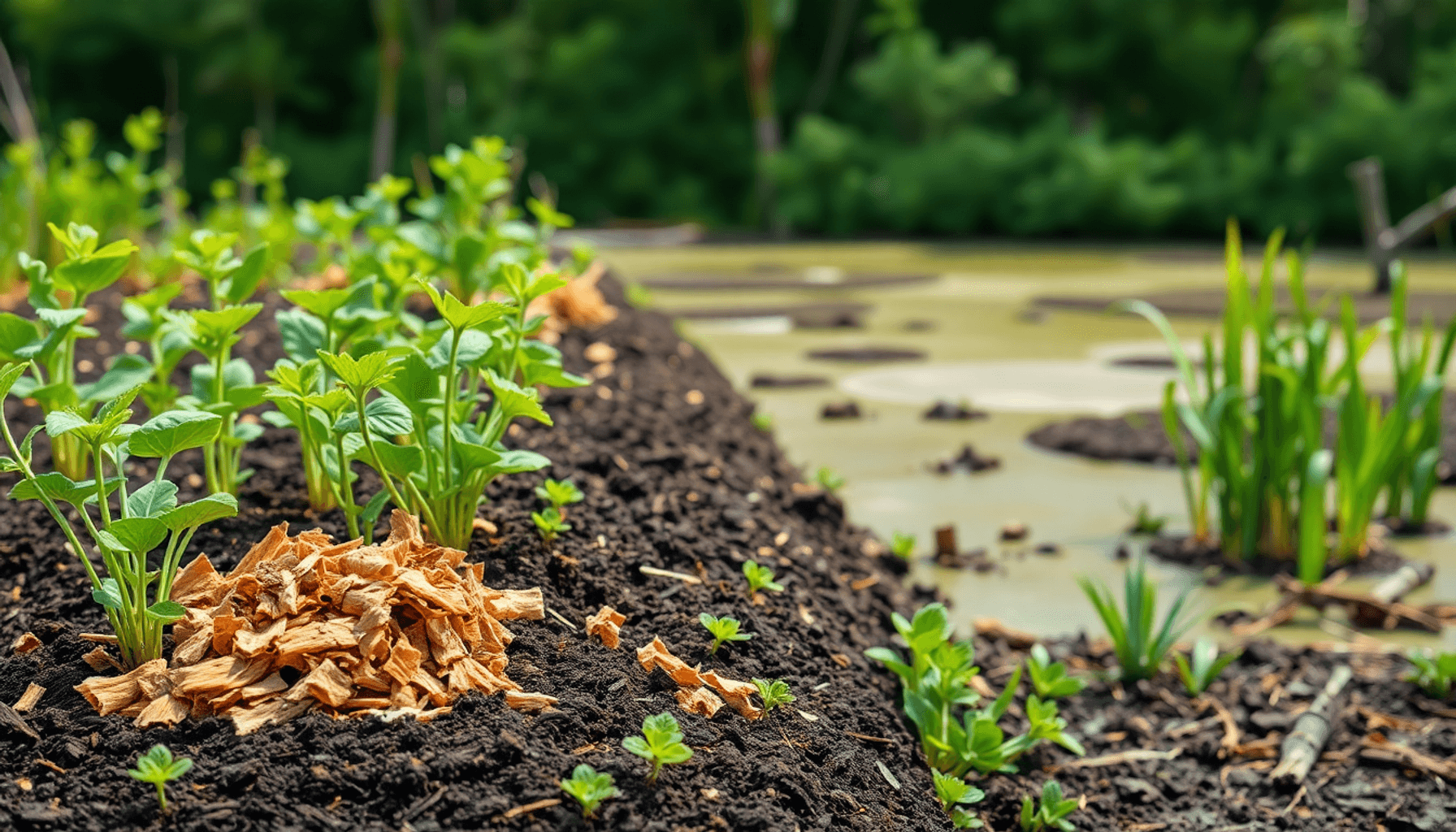

The choice between peat-free compost and peat compost is more than just a gardening preference—it's a decision that impacts the environment and the future of sustainable gardening. You might often see these terms in gardening centers or online forums, but understanding their differences can help you make informed choices that benefit both your plants and the planet.
This article dives into the key aspects of peat-free vs peat compost: what's the difference? You will learn:
- What peat compost is and why it has been a staple in gardening media for years.
- The environmental consequences linked to harvesting peat from natural peatlands.
- The rise of peat-free compost alternatives and what they’re made from.
- How these two types of compost compare in terms of water retention, drainage, and nutrient content.
- Specialized peat-free blends designed for specific plant needs.
- Practical advice on switching from peat to peat-free compost without compromising plant health.
- Current regulations and initiatives pushing for reduced peat use in horticulture.
- The benefits of choosing peat-free options for a sustainable garden.
Understanding these points equips you to balance effective gardening with ecological responsibility. Your garden can thrive while supporting the preservation of vital natural habitats. Let’s explore how these two popular growing media compare and what that means for your gardening journey.
Understanding Peat Compost
Peat compost is a type of compost made from partially decomposed plant material that accumulates in waterlogged areas over thousands of years. This organic matter forms in peat bogs, which are special wetland ecosystems where low oxygen levels slow down decomposition. The harvested peat is then processed to create the compost widely used in gardening.
Characteristics of Peat Compost
Peat compost is highly valued for several reasons:
- Water retention: Peat's fibrous structure holds moisture effectively, providing a consistent supply of water to plant roots without waterlogging.
- Nutrient-holding capacity: The organic matter in peat binds nutrients well, reducing leaching and making them readily available to plants.
- Ideal growing medium: Its light, airy texture improves soil structure by enhancing aeration and drainage while supporting root development.
Uses of Peat Compost
Gardeners rely on peat compost for various purposes:
- Seed sowing
- Potting mixes
- Soil conditioning
These qualities make peat compost a popular choice among gardeners. It creates an environment conducive to healthy plant growth by balancing moisture retention with adequate airflow around roots. These benefits have made peat compost a staple in horticulture for decades.
The Environmental Impact of Peat Extraction
Peat extraction causes significant peatland damage, disrupting ecosystems that have developed over thousands of years. Peatlands cover just 3% of the Earth’s land surface but store about 30% of the world’s soil carbon, making them crucial carbon storage reservoirs. When peat is harvested, these carbon stores are disturbed and released into the atmosphere primarily as carbon dioxide (CO₂), a potent greenhouse gas contributing to global warming.
Impact on Biodiversity
Peatlands are unique habitats supporting a wide variety of plant and animal species. This makes them important hotspots for biodiversity. The removal of peat destroys these habitats, leading to loss of species specially adapted to the waterlogged, acidic conditions typical of peat bogs. Many of these species cannot survive elsewhere, so peat extraction directly threatens biodiversity at local and global scales.
Slow Formation and Rapid Loss
The formation of peat is an extremely slow process, occurring at approximately 1 millimeter per year. This means that once a peatland is damaged or stripped for compost production, it takes centuries or longer for the ecosystem to regenerate naturally — if it can recover at all. The slow accumulation rate contrasts sharply with the rapid loss caused by commercial peat harvesting.
Disruption of Carbon Sinks
Disturbing peatlands disrupts their function as natural carbon sinks. Instead of locking away carbon, degraded peatlands become sources of CO₂ emissions. This release accelerates climate change by increasing atmospheric greenhouse gases. Studies estimate that drained or extracted peatlands emit between 2 and 12 times more CO₂ than intact forests per hectare each year.
Water Regulation Impacts
Damage to peatlands also impacts water regulation. These ecosystems hold roughly 10% of the world’s freshwater supply in their saturated soils and help reduce flood risks downstream by slowly releasing water during dry periods. When peatlands are damaged through extraction, their ability to regulate water cycles diminishes, causing additional environmental stress.
The environmental consequences of continued peat extraction include:
- Loss of irreplaceable carbon-storing ecosystems
- Increased greenhouse gas emissions accelerating climate change
- Habitat destruction causing declines in specialized flora and fauna
- Impaired natural water regulation affecting broader landscapes
Protecting peatlands from further extraction is essential to maintain their vital ecological functions and mitigate ongoing environmental harm linked to peatland damage, carbon storage loss, biodiversity loss, and global warming. The shift towards sustainable alternatives helps address these pressing issues while supporting gardeners’ needs for quality growing media.
Exploring Peat-Free Compost as an Alternative
Peat-free compost offers a sustainable alternative growing media designed to reduce reliance on traditional peat. Its development addresses the environmental concerns linked with peat extraction by using materials that do not deplete sensitive peatland ecosystems.
What is Peat-Free Compost?
Peat-free compost is a blend of organic and sometimes inorganic components carefully combined to mimic the beneficial qualities of peat-based compost, such as moisture retention and aeration, without relying on harvested peat. This alternative helps gardeners maintain healthy plant growth while protecting natural carbon stores.
Common Ingredients in Peat-Free Compost:
- Composted Bark: Provides structure and improves drainage. It is often sourced from sustainably managed woodlands.
- Coir (Coconut Fiber): A renewable byproduct of coconut processing, coir retains water well and adds fibrous texture.
- Wood Fiber: Offers bulk and aeration, supporting root development in various plants.
- Green Compost: Derived from decomposed garden waste, it enriches the mix with nutrients and beneficial microorganisms.
- Grit or Sand: Introduced for better drainage, especially useful in mixes intended for plants that dislike waterlogged conditions.
- Rock Wool or Mineral Components: Occasionally included to improve aeration and moisture control.
The diversity within peat-free compost formulations caters to different gardening needs but consistently aims to replace peat without compromising growing quality. These ingredients collectively create a balanced medium that supports plant health while aligning with sustainable gardening practices.
The comparison of peat-free vs peat compost often centers around these ingredient choices, as they determine how well the alternative performs in water retention, nutrient supply, and structure. Understanding these materials equips you to select the right peat-free option tailored for your garden’s specific requirements.
Moreover, exploring alternative hydroponic substrates can further expand your options beyond traditional soil or peat-based mediums, offering innovative solutions that align with modern sustainable gardening practices.
Comparing Physical and Nutritional Properties of Peat-Free and Peat Compost
Understanding the differences in water retention, drainage, nutrient content, and texture between peat-free and peat compost helps you choose the right growing medium for your plants.
Water Retention
Peat compost is well-known for its exceptional water-holding capacity. Its fine, spongy structure allows it to absorb and retain large amounts of water, making it ideal for moisture-loving plants or containers that dry out quickly. This characteristic helps reduce watering frequency.
Peat-free composts vary depending on their ingredients but generally hold water effectively as well. For example:
- Coir-based blends: Coir (coconut fiber) can retain water nearly as well as peat but with better air circulation.
- Composted bark and wood fiber: These materials tend to hold less water than peat but provide a good balance of moisture retention and aeration.
- Green compost: Adds organic matter that can improve moisture holding but varies by source.
You may notice some peat-free mixes dry out faster than peat compost, which could require slightly more frequent watering.
Drainage Properties
Good drainage is crucial for many plants, especially those prone to root rot or needing drier conditions. Peat’s dense texture sometimes leads to poorer drainage unless amended with grit or sand.
Peat-free composts often have superior drainage characteristics due to their coarser components:
- Wood fibers create larger air pockets.
- Grit or rock wool additions improve permeability.
- Some blends are specifically formulated for well-drained soil needs, such as those for succulents or ericaceous plants.
If your garden plants prefer quick-draining soil, peat-free options can provide a natural advantage without heavy amendments.
Nutrient Availability
Peat compost is relatively low in nutrients initially but provides a stable medium that holds onto added fertilizers and nutrients efficiently. It has an acidic pH which suits acid-loving plants but may require liming for others.
Peat-free compost nutrient profiles depend on their organic ingredients:
- Green compost can supply a broader range of nutrients naturally.
- Coir is generally low in nutrients, so additional feeding might be needed.
- Bark and wood fibers contribute organic matter but minimal immediate nutrients.
Some peat-free blends come pre-fertilized or enhanced with slow-release nutrients to compensate for lower natural fertility. You should monitor plant growth and adjust fertilizing routines accordingly.
Texture Differences
The physical feel of the compost affects ease of use and plant health:
- Peat compost feels soft, fine-textured, and consistent throughout.
- Peat-free blends vary widely — from coarse, chunky bark particles to fibrous coir strands or crumbly green waste.
These texture differences influence root penetration and soil aeration. Fibrous or chunkier textures in peat-free options promote oxygen flow around roots but may take time to break down fully in soil.
Choosing between these types depends on your planting goals. If you need a lightweight seed-starting mix, finer textures might perform better. For potting larger plants, coarser blends offer improved structure.
This comparison shows the importance of evaluating each compost’s properties based on your specific gardening needs rather than assuming one type fits all situations.
Exploring Variations within Peat-Free Compost Options for Specific Plant Needs
Peat-free compost is not a one-size-fits-all product. It comes in a variety of specialist mixes designed to meet the unique requirements of different plants. Selecting the right blend can make a significant difference in plant health and growth.
Specialist Mixes for Ericaceous Plants
Ericaceous plants, such as rhododendrons, azaleas, and camellias, thrive in acidic conditions. Standard multi-purpose composts often have a neutral to slightly alkaline pH, which isn't ideal for these acid-loving species. Peat-free specialist mixes tailored for ericaceous plants are formulated to maintain a lower pH level without using peat.
- Ingredients usually include materials like pine bark fines or conifer bark, which naturally create acidic conditions.
- These mixes often contain organic matter that supports nutrient uptake suited to ericaceous plants.
- Maintaining proper acidity prevents nutrient lock-up and promotes healthy root development.
Multi-Purpose Peat-Free Compost
Multi-purpose peat-free compost offers versatility for a wide range of garden plants including vegetables, herbs, flowers, and shrubs. This type is designed to balance moisture retention with drainage and provide adequate nutrients for general use.
- Common components include coir, wood fiber, green compost, and sometimes grit or sand for improved drainage.
- Multi-purpose blends tend to have a neutral pH suitable for most plants.
- They support seed sowing, potting on, and general container gardening without requiring additional amendments.
Other Specialist Peat-Free Mixes
Beyond ericaceous and multi-purpose options, there are blends made specifically for other conditions or plant groups:
- Seed sowing and cutting composts: Fine-textured with excellent moisture retention but free-draining to avoid waterlogging young roots.
- Cacti and succulent mixes: Include extra grit or sand to ensure rapid drainage and prevent root rot.
- Orchid composts: Often incorporate bark chips or sphagnum moss alternatives that mimic natural growing conditions.
Choosing the appropriate peat-free mix depends on your plant’s specific needs. Whether you require an acidic environment or well-drained medium, specialist peat-free composts provide tailored solutions without relying on peat’s environmental impact.
Transitioning from Peat to Peat-Free Compost: Practical Tips for Gardeners
Switching from peat compost to peat-free alternatives involves some watering adjustments and feeding practices to help your plants thrive. Peat-free composts often have a different texture and moisture retention profile compared to traditional peat-based mixes. Understanding these differences will make the transition smoother and more successful.
Key adaptation tips when using peat-free compost:
- Watering frequency: Peat-free composts generally drain faster and hold less moisture than peat compost. You may need to water your plants more frequently, especially during hot or dry periods. Check the moisture level regularly by feeling the compost with your fingers; it should remain moist but not soggy.
- Watering amount: Because of improved drainage, watering in smaller, more frequent doses can be effective. This helps avoid overwatering and encourages healthy root development.
- Fertilizing approaches: Nutrient availability in peat-free compost can differ from peat-based options. Some peat-free blends contain fewer nutrients initially, so supplementing with a balanced liquid feed or slow-release fertilizer may be necessary during the growing season. Monitor your plants for signs of nutrient deficiency such as yellowing leaves or stunted growth.
- Soil aeration: Peat-free compost often contains coarser materials like bark or wood fiber that improve aeration around roots. This benefits root health but may require careful watering management to prevent drying out too quickly.
- Plant-specific care: Certain plants adapted to peat’s moisture-holding properties might need extra attention initially. For example, acid-loving ericaceous plants grown in peat-free ericaceous blends might still require close monitoring of soil acidity and moisture levels.
“Transitioning to peat-free compost is less about changing what you grow and more about adjusting how you care for it.”
You don’t need to overhaul your gardening routine—small tweaks in watering and feeding usually suffice. Try experimenting with a small batch of your favorite plants before fully switching over, so you can observe how they respond and fine-tune your approach accordingly.
This practical understanding reduces concerns about performance differences between peat-free and peat compost, making sustainable gardening choices feel achievable without compromising plant health or growth success.
Environmental Initiatives and Regulations Promoting Peat-Free Use in Gardening Practices
Increasing awareness of the environmental impact of peat extraction has driven governments and organizations to implement regulations and initiatives encouraging peat-free gardening practices. These measures aim to protect peatlands, reduce carbon emissions, and promote sustainable horticulture.
Government Bans on Peat
- Many countries have introduced strict regulations restricting the sale of retail bagged peat. In the UK, for example, a ban on retail sales of peat compost is set to take effect by 2024. This means gardeners will no longer find peat-based composts widely available in garden centers or shops for amateur use.
- Professional horticulture sectors, including nurseries and landscapers, face similar restrictions but with a later deadline, typically around 2026 or 2027. This staged approach allows commercial growers time to transition their growing systems to peat-free alternatives without disrupting production.
- The rationale behind these bans focuses on conserving peatland ecosystems that act as vital carbon sinks and habitats for wildlife. By limiting demand for harvested peat, governments hope to reduce damage caused by extraction.
Horticulture Regulations Impacting Industry Practices
- Horticultural industry bodies are adapting guidelines and standards that encourage or mandate the use of peat-free growing media. This shift affects suppliers, growers, and retailers who must source sustainable alternatives.
- Certification schemes promoting environmentally responsible products increasingly exclude peat-based components or require clear labeling about peat content.
- Research funding supports development of high-quality peat-free compost blends to meet diverse plant requirements while maintaining productivity and profitability in professional horticulture.
Royal Horticultural Society Commitments
The Royal Horticultural Society (RHS) plays a leading role in championing sustainable gardening practices:
- RHS has committed to making all its gardens fully peat-free by 2025. This ambitious goal sets an example for gardeners worldwide by demonstrating successful large-scale transition away from peat.
- The society offers guidance and resources for gardeners switching to peat-free options, helping them understand differences in product performance and care requirements.
- RHS also supports educational campaigns raising awareness about the ecological importance of peatlands and how gardeners can contribute to their protection.
These combined efforts from government bans, industry regulations, and influential organizations like the RHS accelerate the move toward sustainable gardening media. Gardeners adopting peat-free compost are participating in a broader movement that safeguards critical natural resources while still enabling healthy plant growth.
Making a Sustainable Choice: Benefits of Choosing Peat-Free Compost for Your Garden
Choosing peat-free compost supports sustainable gardening by actively contributing to the preservation of peatlands—critical ecosystems that act as significant carbon sinks. These peat bogs store vast amounts of carbon accumulated over thousands of years, helping to regulate the global climate. Avoiding peat harvest reduces the disturbance of these fragile habitats, preventing carbon release and protecting biodiversity.
Environmental benefits include:
- Carbon conservation: Peatlands hold more carbon than all the world's forests combined. Using peat-free alternatives keeps this carbon locked away.
- Biodiversity protection: Many rare and specialized species depend on intact peatland environments. Preserving these areas safeguards wildlife.
- Water regulation: Intact peatlands play a key role in maintaining water quality and preventing floods by acting as natural sponges.
Peat-free compost options today are designed to be effective growing media for a variety of plants, matching or even exceeding some qualities of traditional peat compost. Advances in blending materials such as coir, wood fiber, and green compost have improved water retention and nutrient availability without relying on finite resources.
Gardeners will find:
- Versatility: Peat-free blends cater to different plant types, from acid-loving ericaceous varieties to general garden use.
- Improved structure: Many mixes provide excellent aeration and drainage suited to healthy root development.
- Nutrient support: When combined with appropriate fertilizers, these growing media sustain robust plant growth.
The shift to peat-free compost lets you maintain a thriving garden while minimizing environmental impact. By choosing these alternatives, you align your gardening practices with preserving vital ecosystems and promoting long-term soil health. This approach reflects a commitment not just to your plants but also to the planet’s wellbeing.
Conclusion
Choosing between peat-free and peat compost is more than just a gardening decision—it's a choice that affects the environment and the future sustainability of green spaces. By opting for peat-free compost, you can help your garden thrive while also supporting important ecosystems.
Consider these points when making your choice:
- Sustainability matters: Peat-free compost protects carbon-rich peatlands, which play a crucial role in combating climate change.
- Plant health remains a priority: Many peat-free options deliver excellent moisture retention and nutrients tailored for diverse plants.
- Adaptation is manageable: Small adjustments in watering and feeding ensure success with peat-free growing media.
- Regulations and initiatives encourage moving away from peat, reflecting a wider shift in horticulture practices.
Think about how your gardening choices can help preserve natural habitats without harming plant growth. The question "Peat-Free vs Peat Compost: What's the Difference?" can guide you toward making informed decisions that benefit both your garden and the planet. Embrace peat-free alternatives as a practical step toward greener gardening.
FAQs (Frequently Asked Questions)
What is peat compost and why is it commonly used in gardening?
Peat compost is a growing medium derived from partially decomposed peat harvested from peat bogs. It is popular in gardening due to its excellent water retention, nutrient-holding capacity, and ideal texture that supports healthy plant growth.
How does peat extraction impact the environment and contribute to global warming?
Peat extraction damages sensitive peatland ecosystems, which are vital carbon stores and habitats for biodiversity. Since peat forms very slowly (about 1mm per year), harvesting it releases stored carbon into the atmosphere, contributing significantly to climate change.
What materials are typically used in peat-free compost as alternatives to peat?
Peat-free composts are made from alternative organic materials such as composted bark, coir (coconut fiber), wood fiber, green compost, grit, or rock wool. These ingredients provide sustainable growing media that reduce reliance on environmentally damaging peat.
How do the physical and nutritional properties of peat-free compost compare to traditional peat compost?
Peat-free compost generally offers good water retention but may differ in drainage characteristics, often providing better drainage for plants needing well-drained soil. Nutrient availability can vary depending on the mix; some peat-free options are specially formulated to meet specific plant nutritional needs.
Are there specialized peat-free compost blends available for different types of plants?
Yes, there are various specialist peat-free mixes tailored for specific plant requirements, such as ericaceous (acid-loving) plants or multi-purpose blends suitable for a wide range of garden plants, ensuring optimal growth conditions without using peat.
What practical changes should gardeners make when transitioning from peat to peat-free compost?
Gardeners switching to peat-free compost should adjust watering frequency and feeding practices due to differences in texture and moisture retention. Peat-free mixes may require more frequent watering or fertilization to support healthy plant development during the adaptation period.