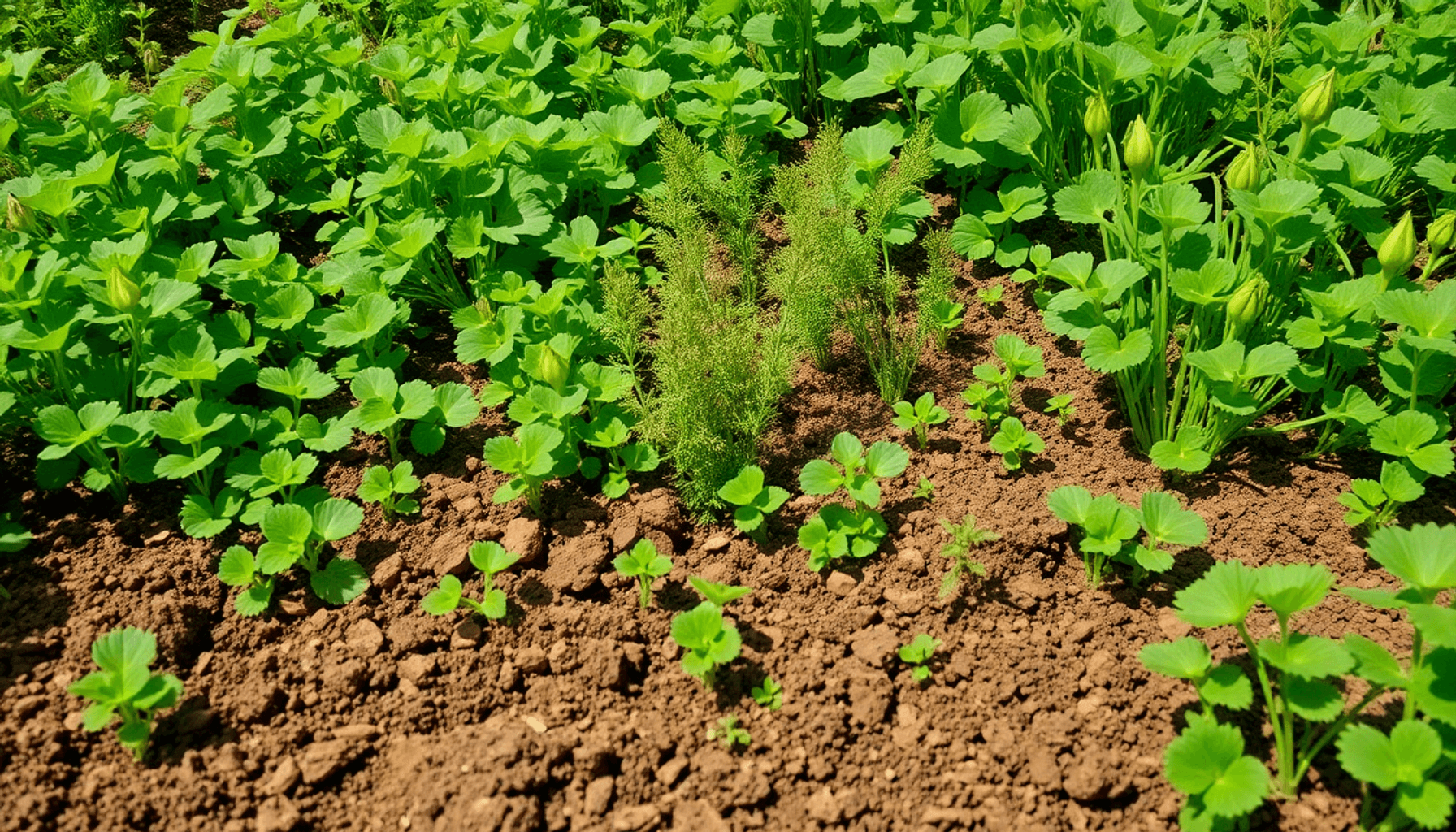

What is Green Manure? Best Crops and How to Use Them focuses on an essential practice in sustainable gardening and farming. Green manure refers to specific plants grown not for harvest but to improve soil health. These plants are cultivated primarily to enrich the soil, making it more fertile, better structured, and biologically active.
Using green manure supports sustainable farming practices by:
- Enhancing nutrient content naturally, reducing dependence on chemical fertilizers.
- Protecting soil from erosion and degradation.
- Promoting a healthy ecosystem within the garden or farm environment.
This article covers key aspects of green manure including:
- The best crops suited for different climates and seasons.
- The wide-ranging benefits these plants provide to your soil and crops.
- Practical methods for incorporating green manure effectively into your soil management strategy.
Understanding how to use green manure gives you a powerful tool to boost productivity while maintaining environmental balance in your garden or farm.
Understanding Green Manure
Green manure refers to plants that are grown not for harvesting, but specifically to improve soil fertility and structure. Unlike regular crops that are cultivated for food or fiber production, green manure crops act as a natural, plant-based fertilizer system, enriching the soil in which they are planted.
What Is Green Manure?
Green manure involves planting specific crops on bare or unused land with the following objectives:
- Soil Coverage: These plants cover the ground, preventing erosion and protecting the soil from degradation.
- Nutrient Addition: When these crops are eventually incorporated back into the soil, they contribute valuable organic matter and nutrients.
- Soil Improvement: The decomposition process of green manure releases nutrients slowly over time, enhancing soil texture and water retention capabilities.
Common examples of green manure crops include:
- Legumes such as clovers and vetches
- Grasses like rye and oats
- Brassicas including mustards and radishes
Comparison with Animal Manure
Animal manure, derived from livestock waste, is an external input used to supply nutrients directly to the soil. However, it often requires composting to eliminate pathogens or nutrient imbalances. In contrast, green manure offers several advantages:
- A renewable source of nutrients that can be produced on-site without relying on animal agriculture
- Lower risk of introducing diseases or weeds compared to animal manure
- Enhanced soil biology through root growth and organic residue from decaying plant matter
While both animal and green manure serve as fertilizers, green manure focuses on rebuilding soil health in a holistic manner by increasing organic content and fostering microbial life.
Nutrient Contributions of Green Manure
Green manure crops play a crucial role in providing essential macro- and micronutrients necessary for healthy plant growth:
| Nutrient | Role in Soil & Plant Health | Source in Green Manure |
| Nitrogen (N) | Critical for leaf growth and protein synthesis | Mainly from leguminous plants fixing atmospheric nitrogen via root nodules |
| Phosphorus (P) | Supports root development and energy transfer | Released during decomposition of organic matter |
| Potassium (K) | Regulates water balance and enzyme activation | Mineral uptake through roots; recycled in biomass |
| Magnesium (Mg) | Central component of chlorophyll molecule | Added through plant residues |
| Calcium (Ca) | Strengthens cell walls; improves soil structure | Contributed by decomposed plant tissues |
| Sulphur (S) | Essential for amino acids and enzyme function | Released from decaying green manure matter |
The ability of legumes to fix nitrogen sets green manures apart as a natural method for enriching nitrogen-deficient soils without resorting to synthetic fertilizers. Non-leguminous crops primarily enhance physical properties while recycling other minerals.
This combination makes green manure a comprehensive approach to restoring depleted soils while promoting sustainable agricultural practices rooted in nature's cycles.
Benefits of Using Green Manure in Your Garden or Farm
Green manure offers several practical benefits that improve soil health and crop productivity. Understanding these can help you maximize the impact of green manure crops in your garden or farm.
Soil Erosion Prevention and Compaction Reduction
Plants grown as green manure provide a protective cover over bare soil, similar to the cover crops recommended for soil building. Their root systems bind the soil particles together, reducing the risk of erosion caused by wind or water runoff. The dense foliage acts as a natural barrier against raindrop impact, preventing soil surface crusting and compaction. This protection maintains better soil structure, allowing air and water infiltration essential for healthy plant growth.
Weed Suppression by Outcompeting Them
Green manure crops grow quickly and densely, leaving little room or resources for weeds to establish. By outcompeting weeds for light, nutrients, and space, these crops reduce weed pressure naturally without chemical herbicides. You spend less time on manual weeding, while your subsequent crops face less competition.
Addition of Organic Matter to Boost Microbial Activity
When green manure plants are incorporated into the soil after they mature or are cut down, they add valuable organic matter. This organic matter feeds beneficial soil microbes that break down residues into nutrients plants can absorb. Increased microbial activity improves nutrient cycling, enhances soil aeration, and helps build a richer, more fertile growing medium.
Nitrogen Fixation by Leguminous Crops
Legume-based green manures like clover, vetches, peas, and beans have a unique ability to fix atmospheric nitrogen through symbiotic bacteria in their root nodules. This natural nitrogen fixation enriches the soil with usable nitrogen compounds without synthetic fertilizers. Nitrogen is critical for leafy growth and overall crop development.
Support for Beneficial Insects and Wildlife
Green manure crops provide habitat and food sources for pollinators such as bees and butterflies, as well as predatory insects that control pests naturally. Diverse flowering plants within green manures attract beneficial fauna that contribute to ecological balance in your garden or farm ecosystem.
Protection Against Heavy Rain Impact
Heavy rains can wash away nutrients and damage delicate seedlings if the soil is exposed. Green manure cover cushions the force of rain drops, reducing surface runoff and nutrient loss. This leads to improved moisture retention in the soil profile where roots can access it effectively.
Incorporating green manure into your soil management plan brings multiple advantages beyond fertility alone — from protecting against erosion to supporting biodiversity — making it an essential technique for sustainable gardening and farming practices. For more insights on this topic, you may refer to resources such as this one.
Choosing the Right Green Manure Crops for Your Climate and Season
Selecting appropriate green manure crops depends heavily on your local climate and the time of year you plan to grow them. Different species thrive under specific temperature ranges and seasonal conditions, so understanding these categories helps you maximize soil improvement.
Winter Hardy Green Manure Crops
Winter hardy green manure crops survive frost and cold weather, making them ideal for planting in late autumn or early winter. These crops protect your soil during dormant periods and prepare it for spring planting by adding organic matter and nutrients.
Common winter hardy options include:
- Grazing rye (Secale cereale): Robust growth in cold soils; excellent for preventing erosion.
- Winter tares/vetches: Leguminous plants that fix nitrogen, enriching the soil naturally.
- Crimson clover: Another legume providing nitrogen, with bright red flowers supporting pollinators.
- Field peas and beans: Cold-tolerant legumes that improve soil structure while fixing nitrogen.
- Winter wheat: A cereal grain that adds biomass and protects against compaction over winter.
These crops are perfect if you need soil cover through cold months or want to build fertility before spring sowing.
Half-Hardy Green Manure Crops
Half-hardy species tolerate mild frost but generally prefer cooler spring or autumn conditions rather than harsh winter. They fill a niche between hardy winter plants and tender summer species.
Examples include:
- Mustards: Fast-growing with biofumigant properties that can reduce soil pathogens.
- Daikon radishes: Their deep taproots break up compacted soil layers.
- Calendula: Adds organic matter while attracting beneficial insects.
- Phacelia: Known for attracting pollinators and improving soil tilth.
- Poached egg plant (Limnanthes douglasii): Provides ground cover and supports insect biodiversity.
Using half-hardy green manures allows you to extend cover cropping into shoulder seasons when temperatures are moderate but variable.
Non-Hardy Summer Green Manures
Summer green manures thrive in warm weather but cannot survive frosts. They grow quickly, suppress weeds, and boost organic matter during growing seasons when the soil would otherwise be bare.
Popular summer choices include:
- Buckwheat: Rapid growth cycle, excellent at smothering weeds and scavenging phosphorus.
- Fenugreek: A leguminous crop fixing nitrogen while producing aromatic foliage.
- Bristle oats: Warm-season oats that improve soil structure with their fibrous roots.
These crops suit regions with distinct warm growing periods or when you want quick cover between main crops during summer months.
Importance of Matching Crop Selection to Local Conditions
Choosing green manure species without considering your unique climate or seasonal calendar can limit their effectiveness. Soil type, rainfall patterns, frost dates, and temperature ranges all influence which crops will perform best. For example:
- In colder climates with long winters, rely more on winter hardy crops to maintain ground cover year-round.
- In milder regions, half-hardy or even some summer green manures may be grown almost continuously.
- Hot dry areas require drought-tolerant varieties like buckwheat or certain mustards for summer coverage.
You should also consider crop rotation plans to avoid repeated planting of related species that might increase disease risks. Combining legumes with cereals or broadleaf species balances nutrient contributions and breaks pest cycles.
Planting green manures tailored to your environment ensures robust growth, maximum nutrient return, and healthier soils ready for productive cropping.
Best Practices for Using Green Manure Effectively in Your Soil Management Strategy
Successful use of green manure depends on how you sow, manage, and incorporate these plants into your soil. Following best practices will maximize benefits such as nutrient enrichment, soil structure improvement, and weed suppression.
Sowing Green Manure Seeds
- Sow seeds closely spaced to create a dense cover that effectively outcompetes weeds.
- You can also broadcast seeds evenly over prepared soil for quick coverage.
- Avoid applying additional fertilizers when sowing green manure; these plants thrive on minimal inputs and focus on building natural soil fertility.
- Prepare the seedbed by lightly cultivating or raking to ensure good seed-to-soil contact without compacting the soil.
Timing for Cutting, Wilting, and Incorporation
- Cut green manure crops when they reach peak biomass but before flowering to ensure high nutrient content and easier decomposition.
- Allow the cut plants to wilt for several days to reduce moisture content; this helps prevent nitrogen loss during incorporation.
- Incorporate the wilted green manure into the topsoil layer by digging or shallow cultivation. This introduces organic matter directly where plant roots will benefit most.
Decomposition Time Before Planting New Crops
- After incorporating the green manure, wait at least 3 to 4 weeks before planting new crops.
- This period allows sufficient decomposition time, preventing potential nitrogen tie-up or growth suppression in subsequent plants.
- Monitor soil moisture during this phase; decomposition is faster in warm, moist conditions but slows down in cold or dry soils.
Alternative No-Dig Gardening Mulch Method
Instead of digging in your green manure, consider cutting it down and leaving the plant material as a mulch layer on the soil surface. This no-dig approach reduces soil disturbance and supports beneficial microbial communities while providing a protective cover against erosion. The mulch slowly breaks down, adding organic matter over time and maintaining moisture retention. You may need to supplement with additional nutrient sources if decomposition is slower or if nitrogen supply is insufficient.
Careful attention to these practices ensures your green manure crops deliver maximum benefits. Proper sowing density and timing prevent weed competition and nutrient loss. Allowing adequate decomposition time safeguards new plantings from growth inhibition. Selecting between incorporation or no-dig mulch methods depends on your overall soil management strategy and garden design preferences.
Maintaining Year-Round Soil Health with Green Manure During Fallow Periods
Using fallow period cover crops is an effective strategy to maintain year-round soil cover and promote continuous soil health. When land lies bare between planting cycles or during winter months, it becomes vulnerable to erosion, nutrient loss, and microbial decline. Green manures planted during these fallow times help keep the soil alive and protected.
Key advantages of employing green manure during fallow periods include:
- Soil protection: Green manure roots hold the soil in place, reducing erosion caused by wind and rain. This prevents loss of topsoil that contains vital nutrients.
- Nutrient retention: Instead of leaching away during off-seasons, nutrients remain locked within the living plant biomass or root zone, ready to be released when the green manure decomposes.
- Improved structure: The organic matter added by green manure crops enhances soil aggregation. This boosts water infiltration and aeration while reducing compaction.
- Microbial activity: Continuous living roots support beneficial microbes that drive nutrient cycling and suppress pathogens.
- Weed suppression: A dense green manure cover outcompetes weeds for light and space, lowering weed pressure before the next crop is planted.
Winter-hardy crops like grazing rye, crimson clover, or winter vetches are ideal for protecting soil over colder months. In milder climates or during warmer seasons, non-hardy options such as buckwheat or phacelia provide rapid growth to quickly establish cover.
By integrating green manures into fallow periods, you create a seamless cycle of soil care that sustains fertility and biological activity throughout the year. This practice minimizes bare ground exposure and builds a resilient foundation for healthy crop growth every season.
The Benefits of Mixing Different Green Manure Species Together for Optimal Results in Soil Improvement Projects
Using mixed species cover crops rather than a single plant variety can significantly enhance soil health and ecosystem function. When you cultivate a blend of green manure species, you tap into a wider range of benefits that support sustainable farming and gardening practices.
1. Diverse Nutrient Contributions
Each plant species has a unique way of interacting with the soil and contributing nutrients:
- Legumes such as clovers and vetches fix atmospheric nitrogen, enriching the soil with this essential nutrient.
- Deep-rooted plants like daikon radish penetrate compacted layers, improving soil aeration and accessing nutrients beyond the reach of shallow roots.
- Grasses such as rye add organic matter with high carbon content, which aids in building soil structure.
- Plants with different nutrient uptake patterns collectively contribute phosphorus, potassium, magnesium, calcium, and sulphur, ensuring a balanced replenishment.
Growing a mixture means these nutrient cycles happen simultaneously and complement each other. This diversity reduces the risk of depleting specific nutrients since one species’ nutrient demand is offset by another’s contribution or recycling.
2. Enhancing Biodiversity in Soil Improvement
Biodiversity plays a critical role in healthy soil ecosystems:
- Mixed green manures foster diverse microbial communities by providing various root exudates that feed different types of beneficial bacteria and fungi.
- A variety of root structures supports earthworms and other soil fauna, which improve nutrient cycling and organic matter breakdown.
- Above ground, mixed species cover crops offer varied habitats and food sources for beneficial insects like pollinators and predators of pests.
This biodiversity creates a more resilient system that can better withstand environmental stresses such as drought, heavy rain, or pest outbreaks. Such resilience is part of what contributes to overall soil health.
3. Suppression of Weeds and Pests
Combining fast-growing species with slower growers creates dense ground cover quickly. This dense canopy:
- Shading out weeds reduces competition for your main crops later.
- Disrupts pest life cycles by confusing or deterring certain insects.
For example, mustard plants produce natural biofumigants that can suppress soil-borne diseases when grown alongside legumes.
4. Improved Soil Structure and Moisture Retention
Different root depths in mixed species promote better soil aggregation:
- Surface roots protect against erosion.
- Deep roots break up compacted layers enhancing water infiltration.
The varied biomass also means more organic matter at multiple soil levels which improves moisture retention during dry periods.
Mixing several green manure crops taps into multiple ecological functions at once. This strategy supports healthier soils with balanced nutrition, rich biodiversity, improved physical properties, and natural pest control — key elements when considering What is Green Manure? Best Crops and How to Use Them effectively.
Considerations When Implementing a Green Manure Strategy into Your Farming System
Using green manure crops can transform soil health, but there are important factors to keep in mind to avoid unintended problems.
Managing Slug Populations in Green Manure
Dense foliage created by some green manure plants provides an ideal habitat for slugs. These pests thrive in moist, shaded environments and can multiply quickly under the cover of thick green manures. If left unchecked, slug populations may damage subsequent crops by feeding on tender seedlings.
- Monitor slug activity regularly during green manure growth.
- Use barriers or traps if slug numbers rise significantly.
- Choose less dense species or mix with plants that create drier conditions to reduce slug shelter.
Taking proactive steps helps prevent slugs from becoming a major issue in your system.
Importance of Crop Rotation Planning
Effective crop rotation is vital when incorporating green manures, especially with brassicas (mustards, radishes) and legumes (clovers, peas, beans). Both groups are susceptible to specific diseases that can build up if planted repeatedly in the same area.
- Avoid planting brassicas after brassicas or legumes after legumes without a break.
- Rotate with unrelated crops like cereals or grasses to interrupt disease cycles.
- Include multiple species in your green manure mix to diversify soil microbial communities and reduce pathogen buildup risks.
Strategic rotation preserves soil health and minimizes disease outbreaks.
Risk of Temporary Growth Suppression from Undecomposed Green Manure
Green manure adds organic matter but requires time to break down fully. Incorporating fresh plant material too close to planting your next crop can cause temporary nitrogen immobilization. Soil microbes use available nitrogen to decompose the green manure, leaving less for young plants and potentially slowing their growth.
- Aim to incorporate green manure 3-4 weeks before planting new crops to allow decomposition.
- Observe signs of incomplete breakdown such as strong plant residue odor or visible fresh stems.
- Consider using no-dig methods where cut green manure remains on the surface as mulch; this slows decomposition and reduces nutrient tie-up risks but may require adjustments for seedling establishment.
Balancing timing ensures green manure benefits without suppressing subsequent crop development.
Attention to these considerations lets you maximize the advantages of green manures while minimizing challenges related to pest management, disease control, and nutrient availability.
Conclusion
Using green manure as a key part of your soil management plan is a great way to practice sustainable farming. This method not only naturally improves your soil but also helps reduce the use of synthetic fertilizers, making your gardening or farming operation more environmentally friendly and cost-effective.
Key points to remember:
- Green manure crops enhance soil structure, fertility, and microbial activity.
- They prevent erosion, control weeds, and support beneficial wildlife.
- Choosing the right crops for your climate and season maximizes benefits.
- Timing and method of incorporation are important for healthy nutrient cycling.
- Mixing different species enhances nutrient diversity and ecosystem resilience.
- Careful planning can help avoid problems like slug infestations and disease buildup.
As you learn about What is Green Manure? Best Crops and How to Use Them, think about how this natural solution fits into your long-term vision for resilient, productive land. Making green manure a regular part of your routine supports healthier plants, reduces environmental impact, and creates a thriving growing environment without relying heavily on chemical inputs.
You can start small by introducing a legume cover crop during fallow periods or try out mixed species to see firsthand the positive changes in your soil's vitality. The more you incorporate these plants into your system, the closer you get to sustainable, regenerative gardening or farming that benefits both you and the planet.
FAQs (Frequently Asked Questions)
What is green manure and how does it benefit soil health?
Green manure refers to plants grown specifically to improve soil quality rather than for harvest. These plants add essential nutrients like nitrogen, phosphorus, potassium, magnesium, calcium, and sulphur to the soil, enhance soil fertility, prevent erosion, suppress weeds, and increase organic matter to boost microbial activity.
Which are the best green manure crops for different climates and seasons?
Selecting the right green manure crops depends on your local climate and season. Winter-hardy options include grazing rye, winter tares/vetches, crimson clover, field peas and beans, and winter wheat. Half-hardy crops cover mustards, daikon radishes, calendula, phacelia, and poached egg plant. Non-hardy summer crops include buckwheat, fenugreek, and bristle oats.
How should green manure be used effectively in soil management?
For effective use, sow green manure seeds closely spaced or broadcast without fertilizer. Cut or wilt the plants 3-4 weeks before planting new crops to allow decomposition. Alternatively, use a no-dig gardening method by cutting plants and applying them as mulch to enrich the soil without disturbing it.
Can green manure be used during fallow periods to maintain soil health?
Yes. Using green manure during fallow times between main crops or over winter helps maintain continuous soil cover and year-round soil health by preventing erosion and nutrient loss during periods when land would otherwise be bare.
What are the advantages of mixing different green manure species together?
Mixing various green manure species promotes biodiversity in your soil improvement efforts. This approach provides diverse nutrient contributions and ecosystem benefits compared to single-species cover crops, enhancing overall soil fertility and resilience.
What considerations should be taken when implementing a green manure strategy on a farm?
When using green manure strategies, it's important to manage increased slug populations that may thrive in dense foliage. Careful crop rotation planning is necessary to avoid disease buildup especially with brassicas and legumes. Also, ensure green manures fully decompose before planting subsequent crops to prevent temporary growth suppression.