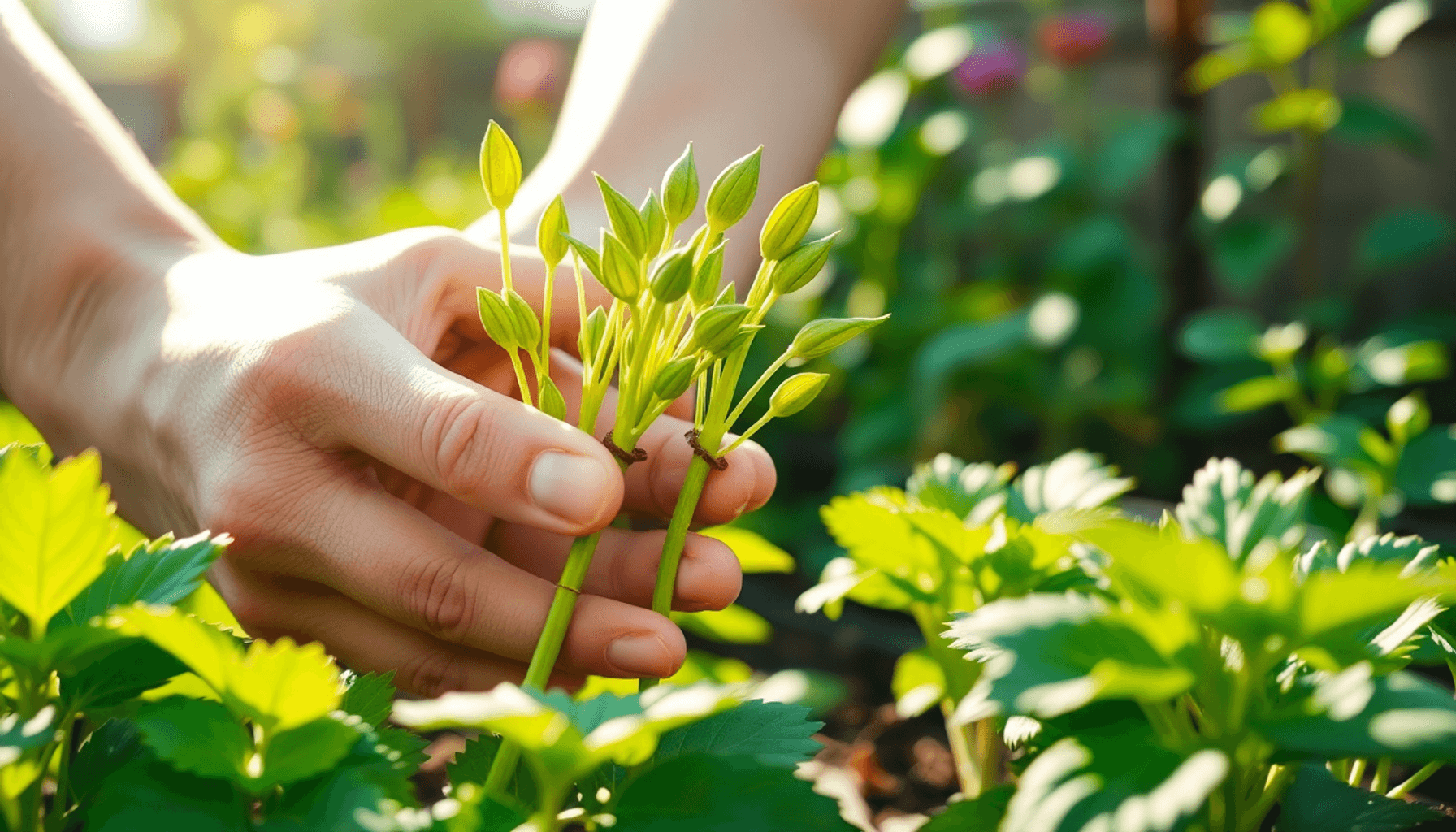

Pinching out is a simple yet powerful gardening technique that involves removing the growing tip of a plant. This practice encourages plants to develop side shoots, resulting in bushier growth and often leads to better yields of flowers or fruit. By controlling the way your plants grow, pinching out helps prevent legginess and promotes stronger, thicker stems.
If you want to improve the health and productivity of your garden, understanding what pinching out is and how to apply it correctly is essential. This article will cover:
- The benefits of pinching out your plants
- Which types of plants respond best to this technique
- How to pinch out properly without causing damage
- The optimal timing for applying pinching out
Mastering this technique can transform your gardening results, whether you grow vegetables, herbs, or ornamental flowers.
Understanding Pinching Out
Pinching out refers to the deliberate removal of a plant's growing tip, typically done using your thumb and index finger or small scissors. This technique targets the very top part of a stem where new cells rapidly divide, causing upward growth. By removing this growing tip, you interrupt the plant’s natural tendency to grow vertically and redirect its energy.
Pinching Out vs. Pruning
You might wonder how pinching out differs from pruning. While both involve cutting parts of the plant, pruning often means trimming larger sections such as entire branches or stems to shape the plant or remove dead material. Pinching out is more precise and focuses specifically on the shoot tips to influence growth patterns rather than overall size reduction.
The Science Behind Pinching Out
The biological effect of pinching lies in manipulating a plant hormone called auxin, which is produced at the shoot apex (the growing tip). Auxin suppresses side shoot development by maintaining apical dominance—a process where the main central stem grows more vigorously than side branches. When you pinch out this apex:
- Auxin production decreases at the removed tip.
- This reduction lifts suppression on lateral buds found along the stem.
- Side shoots begin to develop and grow more actively.
- The plant becomes bushier with multiple stems instead of one tall, spindly stem.
This hormonal shift encourages plants to produce more branching points, thickening stems and increasing leaf surface area. In turn, this promotes healthier foliage and can lead to better flowering or fruiting potential.
Benefits of Pinching Out
Pinching out isn’t just about creating fullness; it also plays a role in plant propagation. By stimulating side shoots, you generate more cuttings that can be rooted and grown into new plants. This makes pinching an essential tool for gardeners looking to multiply their favorite species efficiently.
Understanding how pinching influences plant growth helps you apply the technique with precision for desired outcomes in your garden. It offers a simple yet powerful way to control plant architecture without heavy trimming or chemical inputs.
Benefits of Pinching Out Your Plants
Pinching out offers several tangible benefits that help you cultivate healthier and more productive plants. Mastering this technique can significantly improve the vitality and appearance of your garden.
1. Bushier Plants
Removing the growing tip directs the plant’s energy toward developing multiple side shoots instead of a single main stem. This leads to a fuller, denser plant structure with more branches. Bushier plants not only look more attractive but also create a stronger framework to support flowers or fruit.
2. Thicker Stems
Pinching encourages the development of thicker, sturdier stems capable of supporting increased foliage and heavier fruit loads. Strong stems reduce the risk of breakage during wind or rain, which is especially important for taller or fruit-bearing plants like tomatoes or cosmos.
3. Increased Flowers
With more side shoots comes more potential flowering sites. Many flowering plants respond to pinching by producing additional blooms. This can extend the flowering period, giving you a longer-lasting display and enhancing the visual appeal in your garden beds or containers.
4. Improved Fruit Yield
Vegetables and fruiting plants benefit from pinching because it promotes balanced growth and better resource distribution. Rather than investing all energy into vertical growth, the plant allocates nutrients to multiple branches that develop flowers and fruits, often resulting in higher yields.
Additional advantages include:
- Prevention of legginess: Pinching helps keep plants compact rather than tall and spindly, which reduces vulnerability to pests and environmental stressors.
- Better air circulation: A bushier shape allows for improved airflow within the plant canopy, decreasing the chance of fungal diseases.
- Enhanced light exposure: More evenly distributed branches capture sunlight efficiently, boosting photosynthesis and overall health.
Using pinching strategically transforms ordinary plants into vigorous performers that reward you with abundant blooms and crops. The technique supports natural growth patterns while giving you control over form and productivity.
Plants That Thrive with Pinching Out Technique
Pinching out works best on a variety of herbaceous plants—those with soft, non-woody stems that respond well to manipulation of their growing tips. This technique encourages bushier growth and often leads to higher yields or more abundant flowering. Here are some common plants that benefit significantly from pinching out:
1. Tomatoes
Pinching the growing tip of tomato plants helps redirect energy from vertical growth into branching. This produces a sturdier plant with multiple fruit-bearing stems, improving air circulation and light exposure. Removing the suckers (side shoots) at the right time also prevents overcrowding.
2. Chillies
Chillies respond well to pinching because it promotes lateral branching, resulting in more flowering sites and ultimately more peppers. The technique also helps keep the plant compact, making it easier to manage and harvest.
3. Cucumbers
While cucumbers naturally vine, pinching out their growing tips can encourage side shoot growth and denser foliage. This can support better fruit production by providing shade for developing fruits and enhancing airflow, reducing disease risk.
4. Annual Flowers (e.g., Cosmos, Pelargoniums)
Many annuals develop leggy stems if left unchecked. Pinching encourages fuller, bushier plants with more blooms throughout the season. For instance, cosmos become denser with more branches supporting flowers when their tips are pinched early on.
5. Chrysanthemums
Pinching chrysanthemums delays blooming but results in a larger plant with many flower buds. Removing the top growth encourages multiple stems to develop, leading to a fuller floral display.
6. Herbs like Basil and Parsley
These herbs benefit from pinching as it prevents them from flowering too soon, prolonging leaf production. Pinching stimulates new growth points, yielding more leaves for harvest.
Plants that thrive through pinching share characteristics: they have flexible stems capable of producing side shoots readily and benefit from controlled shape and size management. Pinching out maximizes their potential by converting what would be single-stemmed growth into robust, multi-branched plants.
Understanding which plants respond best to this technique is key to applying "What is Pinching Out? How and When to Do It" effectively for your garden's health and productivity.
The Do's and Don'ts: When Not to Pinch Out Your Plants
Pinching out is a helpful technique for many plants, but it is not suited for all. Certain plants either do not respond well or may even suffer harm when pinched. Recognizing when not to pinch is just as important as knowing how and when to do it.
Plants to Avoid Pinching
1. Monocotyledons
These plants have a single seed leaf and a different growth structure from dicotyledons. Pinching the growing tip on monocots can disrupt their natural development. Examples include:
- Grasses
- Lilies
- Tulips
- Daffodils
Monocots generally grow from a central point with leaves arranged in a linear fashion. Damaging the growing tip may stunt growth or cause deformities rather than encouraging side shoots.
2. Grasses
Typical lawn or ornamental grasses have narrow leaves and grow from basal meristems close to the soil. Pinching grass blades or tips will not trigger bushier growth; instead, it can weaken the plant or slow its spread.
3. Bulbous flowers like lilies
These plants rely on bulbs and natural elongation of stems rather than branch production. Pinching can interfere with flower formation and diminish bloom quality.
Additional Considerations
- Some herbs such as oregano and mint may tolerate light pinching but heavy or frequent pinching can reduce vigor and yield.
- Plants that naturally exhibit compact or rosette growth habits usually don't benefit from pinching since they are already bushy by nature.
- Avoid pinching newly transplanted or stressed plants; they need time to establish strong roots before any growth manipulation.
- For woody shrubs or trees, pruning (removing larger branches) is typically more appropriate than pinching small tips.
Key Takeaway
Pinching out works best on soft-stemmed, herbaceous plants that produce lateral shoots readily. Identifying species that do not fit this profile will prevent unnecessary damage and allow you to focus your efforts where pinching yields the best results.
Mastering the Technique: How to Properly Pinch Out Your Plants' Growing Tips
Pinching out is a simple yet precise gardening skill. The key is to remove the growing tip carefully to stimulate side shoot growth without causing harm to your plant.
Step-by-Step Guide for the Pinching Technique
- Identify the Growing Tip: Look for the soft, tender tip at the top of a stem where new leaves or buds are forming. This is usually the youngest part of the plant.
- Locate a Healthy Leaf Node: Pinch just above a healthy leaf node—the point on the stem where leaves attach. This ensures that side shoots will develop from this node.
- Choose Your Tool: For small, delicate stems, use your thumb and index finger to gently pinch off the tip. For thicker or woody stems, use clean sharp scissors or pruning shears to make a clean cut and reduce damage risk.
- Pinch Off Only the Growing Tip: Avoid removing too much of the stem or damaging adjacent leaves and nodes. The goal is to stop upward growth while encouraging lateral shoots.
- Dispose of Pinched Material Carefully: Remove pinched tips from your garden area to prevent disease spread or unwanted growth if they root accidentally.
- Monitor Plant Response: After pinching, observe your plant over the following weeks for new side shoots and overall health improvement.
Recommended Tools for Pinching Technique
- Fingertips: Best for young, tender plants like herbs and annual flowers where precision and gentle touch are needed.
- Small Scissors: Ideal for slightly tougher stems such as young tomato plants or chrysanthemums.
- Pruning Shears: Suitable for larger, woodier stems but avoid using on very small plants to prevent excessive damage.
- Sanitizing Supplies: Always clean tools with rubbing alcohol before and after use to reduce infection risk.
Applying this pinching technique correctly enhances plant structure without stress, leading to stronger stems and fuller foliage. Mastery comes with practice and attentiveness to each plant's specific growth habits.
Timing Matters: When is the Right Time to Apply the Pinching Out Technique?
Pinching out is most effective when applied at the right stage of plant growth. The timing for pinching out directly affects how well your plants respond, influencing their shape, health, and productivity.
Why timing for pinching out matters:
- Pinching too early can stunt young plants or reduce their ability to establish strong root systems.
- Pinching too late might limit the plant's ability to develop new side shoots, leading to less bushiness.
- Correct timing ensures that energy is redirected from vertical growth into lateral branching, resulting in fuller plants.
General guidelines for timing
- Herbaceous annuals and vegetables: Start pinching out when plants have developed at least 3 to 4 sets of true leaves or when they reach about 6 to 12 inches tall. For example, tomatoes and peppers benefit from pinching once they are sturdy enough but before flowering begins.
- Flowering plants like cosmos or pelargoniums: Begin pinching after the first few weeks of growth or when you notice the main stem getting leggy. This encourages more blooms over a longer period.
- Herbs such as basil and thyme: Pinch regularly once the plant has multiple stems, avoiding flower formation early on to promote leafy growth.
- Avoid pinching during flowering or fruiting stages, unless your goal is to control size or redirect energy, because this could reduce overall yield.
Plant-specific timing considerations
- Tomatoes: Pinch out suckers (side shoots) when they are small—about 2 inches long—to maintain air circulation and fruit production.
- Chillies and cucumbers: Start pinching after the first flowers appear to encourage branching without sacrificing early fruit set.
- Pelargoniums and chrysanthemums: Pinch tips before buds form to extend flowering periods and create denser foliage.
Careful observation of your plants’ growth patterns will guide you in applying pinching at optimal moments. Each species reacts differently, so adjusting your approach based on how your plants respond will improve results significantly.
Strategic Uses Beyond Bushiness: Exploring Other Benefits of Pinching Out in Gardening Practice
Pinching out offers more than just encouraging bushier growth. You can use this technique strategically to manage various aspects of your plants, including:
Controlling Plant Size
- Preventing excessive height: By removing the growing tips regularly, you limit vertical growth, which is especially useful for plants that tend to become leggy or grow too tall for their space.
- Creating compact plants: Pinching encourages lateral branching instead of upward growth, resulting in a fuller but smaller plant footprint suitable for container gardening or limited garden space.
Shaping Plants
- Designing plant form: Pinching allows you to direct growth toward desired shapes by selectively removing tips in certain areas. This helps maintain an attractive, balanced appearance.
- Improving airflow and light penetration: Thinning out the top growth by pinching can open up dense foliage. This reduces disease risk and improves photosynthesis efficiency by allowing better light access to inner leaves.
Extending Flowering and Fruiting Periods
Pinching can delay the onset of flowering by redirecting energy into vegetative growth first. This means you get a longer blooming season or extended fruit production before the plant moves into reproductive mode.
Managing Specific Plant Behaviors
- Shortening stems: In sunflowers or tall annuals, pinching stops stems from elongating too much, preventing floppiness and improving plant stability.
- Balancing energy distribution: For fruiting plants like tomatoes or peppers, pinching can balance the energy between vegetative parts and fruit development, potentially enhancing yield quality.
Supporting Propagation Efforts
Pinched-off growing tips often root easily, allowing you to propagate new plants from cuttings while simultaneously managing the mother plant’s shape and size.
Using pinching as a tool for controlling plant size and shaping gives you greater command over your garden’s aesthetics and productivity. This method integrates well with other cultural practices to optimize your plants’ performance without resorting to heavy pruning or chemical regulators.
Avoiding Pitfalls: Common Mistakes to Watch Out For When Using the Pinching-Out Technique
Pinching out is a simple technique, but it can be easy to make mistakes that reduce its effectiveness or even harm your plants. Being aware of common pitfalls helps you get the best results without setbacks.
1. Over-Pinch Damage
One of the most frequent errors is over-pinch damage. This happens when too many growing tips are removed at once or pinched repeatedly in a short time frame. The plant may become stressed, slowing growth or producing fewer side shoots than intended. You want to:
- Limit how many stems you pinch during a single session—usually no more than one-third of the total growing tips.
- Allow enough recovery time before pinching again, often 1-2 weeks depending on species and growth rate.
2. Pinching Too Early or Too Late
Timing matters greatly with pinching out. If done too early, when plants are very young and fragile, they might not have enough energy reserves to respond well. Conversely, waiting too long allows the main stem to become woody or dominant, making side shoot development difficult.
Look for signs like several sets of mature leaves or stems about 12 inches tall as a guideline to start pinching.
3. Damaging Leaf Nodes or Buds
The success of pinching depends on removing just the growing tip above a healthy leaf node without harming that node itself. Crushing or cutting into leaf nodes can prevent new shoots from emerging and invite disease.
Using clean fingers or sharp scissors helps maintain precision. Avoid tearing or jagged breaks when pinching.
4. Applying Pinching on Unsuitable Plants
Not all plants react positively to pinching out. Attempting to pinch monocots (grasses, lilies) or naturally compact plants (like oregano) can cause unnecessary stress or deform growth patterns.
Research your specific plant species before applying this technique to avoid unintended damage.
5. Ignoring Plant Health and Growing Conditions
Pinching stresses plants mildly; doing it while they are already weakened by poor soil, pests, drought, or nutrient deficiencies compounds problems rather than improving growth.
Make sure your plants are healthy and well cared for before starting pinching routines. Healthy roots and foliage support vigorous response after pinching.
Watching out for these mistakes ensures you use pinching out effectively rather than inadvertently weakening your plants. Careful technique combined with good timing and attention to plant health makes all the difference in achieving bushier, stronger growth without risk of over-pinch damage.
Conclusion
What is Pinching Out? How and When to Do It introduces a simple yet powerful gardening technique that can transform your plants' growth and productivity.
The benefits summary includes:
- Encouraging bushier, healthier plants
- Increasing flower and fruit yields
- Controlling plant size and shape effectively
You gain more than just knowledge by applying pinching out—you unlock new possibilities for your garden. Experiment with different plants, timing, and methods to see what works best in your garden's unique conditions. Each plant species may respond differently, so personal experience becomes an invaluable guide.
Consider these gardening success tips when trying pinching out:
- Start with common responsive plants like tomatoes, cosmos, or pelargoniums
- Observe how your plants react before adjusting your approach
- Combine pinching with other cultivation techniques for optimal results
Don't hesitate to adapt the technique creatively across various garden settings. This hands-on experimentation will help you fully appreciate the potential benefits of pinching out and take your gardening skills to the next level.
FAQs (Frequently Asked Questions)
What is pinching out in gardening and why is it important?
Pinching out is a gardening technique that involves removing the growing tips of plants to promote bushier growth and better yields. It stimulates side shoot production, resulting in healthier, thicker stems and increased flowers or fruit.
How does pinching out differ from pruning?
Unlike pruning, which often involves cutting back larger parts of a plant, pinching out specifically targets the removal of the growing tips or buds by hand. This encourages side shoots to develop, leading to a fuller and more productive plant structure.
Which plants benefit most from the pinching out technique?
Herbaceous plants, annuals, and vegetables such as tomatoes, chillies, and cucumbers respond well to pinching out. This technique helps these plants develop bushier growth and improves their overall yield and health.
When is the best time to pinch out your plants?
Timing is crucial for successful pinching out. Generally, you should start pinching when plants have developed enough growth but before they begin flowering or fruiting. Specific timing may vary depending on the plant species.
Are there any plants that should not be pinched out?
Yes, monocotyledons like grasses and lilies do not respond well to pinching out and may even suffer damage from this technique. It's important to avoid pinching these types of plants to prevent harming them.
What are common mistakes to avoid when using the pinching out technique?
Common mistakes include over-pinching, which can stress or damage the plant, and improper timing that reduces effectiveness. To avoid these pitfalls, pinch carefully using proper tools and follow guidelines tailored to each plant species for optimal results.