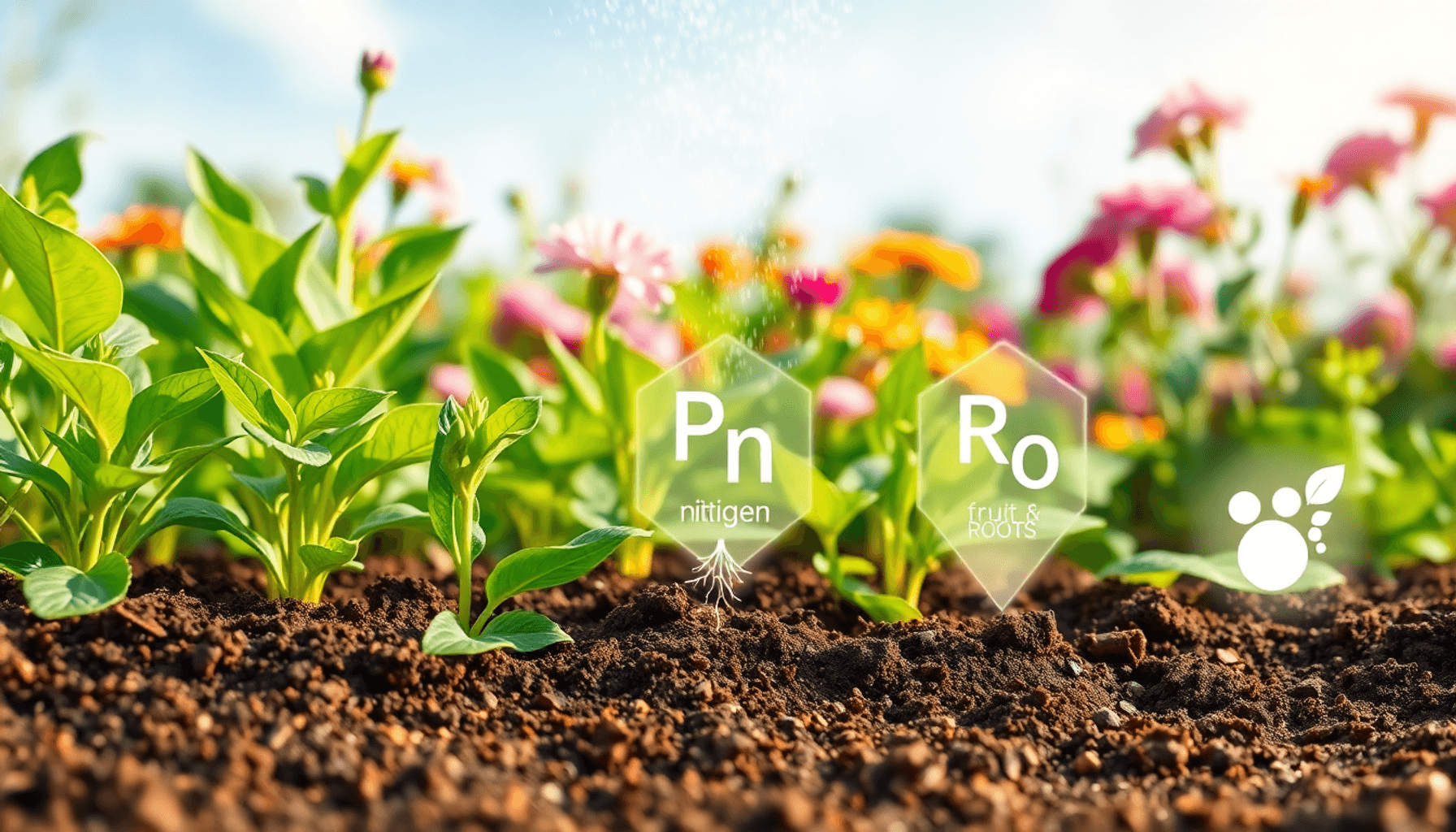

Fertilisers are important in gardening and farming because they provide essential nutrients that plants need to grow healthy. Without these nutrients, plants may have difficulty developing strong roots, lush leaves, or abundant flowers and fruits. By understanding fertilisers, you can effectively support your plants, whether you have a garden or manage crops.
NPK fertiliser is a common type of plant fertiliser that contains three main nutrients:
- Nitrogen (N)
- Phosphorus (P)
- Potassium (K)
These nutrients are crucial for different stages of plant growth. Nitrogen promotes leafy and vegetative development, phosphorus supports root and shoot formation, while potassium encourages flowering and fruiting. Knowing what NPK stands for and how each element benefits your plants is the foundation of successful gardening.
This beginner's guide aims to provide clear, practical information about NPK fertiliser. You will learn what it is, why it matters, how to choose the right types, and how to apply it properly. Whether you are new to gardening or want to improve your plant care skills, this guide will help you understand the essential plant nutrients found in NPK fertiliser and how they contribute to vibrant, healthy plants.
Understanding NPK Fertiliser
Role of Nitrogen (N)
Nitrogen is one of the three primary nutrients essential for plant growth, playing a critical role in promoting leafy and vegetative growth. It forms a major part of chlorophyll, the compound plants use in photosynthesis to convert sunlight into energy. Without sufficient nitrogen, plants often appear yellowish or pale due to reduced chlorophyll production.
Key benefits of nitrogen include:
- Stimulates vigorous leaf development
- Enhances stem strength and overall plant size
- Supports rapid growth phases, especially during active seasons
Nitrogen demand peaks during the spring and summer months, when plants focus on building lush foliage. This makes nitrogen particularly important for crops and garden plants that require dense leafy growth, such as lettuce, spinach, and other leafy vegetables.
Inadequate nitrogen slows down photosynthesis and weakens the plant’s ability to produce food through its leaves. You’ll notice stunted growth or poor color if nitrogen levels are too low. Proper nitrogen supplementation encourages healthy green leaves that are vital for sustaining plant metabolism and preparing for later stages like flowering or fruiting.
Understanding nitrogen’s role helps you choose the right fertiliser with an appropriate nitrogen content tailored to your plant’s growth cycle. The balance of nitrogen with phosphorus and potassium ensures plants develop robust foliage while preparing roots and reproductive structures effectively.
Role of Phosphorus (P)
Phosphorus is one of the three main nutrients in NPK fertiliser, along with nitrogen and potassium. It plays a vital role in supporting root development and shoot growth, which are essential for plants to effectively absorb water and nutrients.
Importance of Phosphorus for Root Development
Phosphorus stimulates the formation of strong, extensive root systems. Healthy roots anchor plants firmly in the soil and enhance access to moisture and minerals. This nutrient is particularly important during the early stages of growth when seedlings establish themselves.
Importance of Phosphorus for Shoot Growth
Beyond roots, phosphorus encourages vigorous shoot growth. It contributes to energy transfer within plants by aiding in the formation of ATP (adenosine triphosphate), a molecule essential for various metabolic processes. This ensures that new shoots develop properly, preparing plants for later stages like flowering and fruiting.
When Do Plants Need Phosphorus?
Phosphorus demand peaks during specific growth phases:
- Planting Phase: When you plant seeds or transplants, phosphorus availability supports quick root establishment, setting a strong foundation for future growth.
- Autumn Phase: In this season, phosphorus helps plants store energy in roots and prepare for dormancy or winter survival. It supports regeneration and resilience when growth slows down.
How Does Phosphorus Work with Other Nutrients?
Phosphorus complements nitrogen and potassium by balancing nutrient supply across different developmental needs. While nitrogen focuses on leafy and vegetative growth, and potassium drives flowering and fruit production, phosphorus ensures the underlying root structure is robust enough to sustain these above-ground processes.
Choosing the Right NPK Fertiliser
Understanding the distinct but interconnected roles of nitrogen, phosphorus, and potassium helps you select the right NPK fertiliser tailored to your plants’ life cycle stages. Phosphorus’s contribution to root and shoot vitality makes it indispensable during planting times and when preparing plants for seasonal transitions.
Role of Potassium (K)
Potassium is one of the three primary nutrients in NPK fertiliser, alongside nitrogen and phosphorus. While nitrogen supports leafy and vegetative growth and phosphorus aids root development and shoot growth, potassium plays a distinct but equally vital role in plant development.
1. Encourages Flowering and Fruit Formation
Potassium is essential for the reproductive phase of plants. It regulates various physiological processes that promote robust flower production and healthy fruit development. Plants with adequate potassium levels tend to produce more abundant and higher-quality blooms and fruits.
2. Enhances Resistance
Potassium strengthens plants’ ability to withstand stress from drought, disease, and pests. This nutrient improves overall plant vigor, making flowers and fruits less susceptible to environmental challenges.
3. Timing of Application
The importance of potassium becomes most apparent from late spring through the end of summer. During this period, many plants transition from vegetative growth to flowering and fruiting stages. Applying potassium-rich fertilisers at this time supports these critical phases effectively.
4. Complementary Role with Nitrogen and Phosphorus
While nitrogen focuses on leafy growth and phosphorus on roots and shoots, potassium completes the trio by ensuring that flowers bloom properly and fruits develop fully. This balance among nitrogen, phosphorus, and potassium allows plants to progress smoothly through their life cycles.
Understanding the specific function of potassium helps you select the right NPK ratio based on your plant’s growth stage. For example:
- Flowering plants such as roses or fruiting crops like tomatoes benefit from fertilisers with higher potassium content.
- Applying potassium too early or in excess without balanced nitrogen and phosphorus may lead to uneven growth or nutrient imbalances.
Pay attention to potassium’s role when planning fertiliser schedules during the growing season to maximize flower quality and fruit yield.
Types and Forms of NPK Fertilisers
Organic NPK Fertilisers
Organic fertilisers are derived from natural sources, primarily plant or animal materials. Common ingredients include composted manure, bone meal, blood meal, fish emulsion, and seaweed extracts. These natural sources provide a balanced supply of nitrogen, phosphorus, and potassium in forms that benefit soil life alongside plant health.
Key characteristics of organic NPK fertilisers:
- Slow nutrient release: Nutrients become available gradually as organic matter decomposes. This reduces the risk of nutrient leaching and supports sustained plant growth over time.
- Soil health improvement: Organic inputs enhance soil structure, increase microbial activity, and improve moisture retention. This creates a healthier root environment compared to synthetic alternatives.
- Environmental benefits: Using organic fertilisers can reduce chemical runoff and promote biodiversity within the soil ecosystem.
- Long-term fertility: These fertilisers contribute to building nutrient reserves in the soil rather than providing only immediate nutrient boosts.
Gardeners who prefer sustainable practices often choose organic fertilisers for their ability to feed both plants and soil simultaneously. They work well in vegetable gardens, flower beds, and potted plants where slow-release nutrition matches the growth cycle.
The forms of organic fertilisers vary widely:
- Composts: Decomposed plant material rich in nutrients.
- Manures: Animal waste processed to reduce pathogens.
- Bone meal: High in phosphorus for root development.
- Blood meal: Concentrated nitrogen source supporting leafy growth.
- Seaweed extracts: Provide trace minerals along with potassium.
Understanding these natural sources helps you select the right organic NPK fertiliser tailored to your garden’s specific needs while promoting environmental sustainability.
Inorganic NPK Fertilisers
Inorganic fertilisers are chemically manufactured to provide plants with nutrients quickly and efficiently. Unlike organic fertilisers that rely on natural sources and slow nutrient release, inorganic fertilisers are designed for rapid action, making nutrients immediately available to plants.
Key characteristics of inorganic NPK fertilisers:
- Chemical Composition: Formulated through industrial processes, these fertilisers contain precise ratios of nitrogen, phosphorus, and potassium in forms that dissolve easily in soil moisture.
- Fast Nutrient Availability: Nutrients from inorganic fertilisers are readily absorbed by plant roots soon after application, supporting rapid growth phases or correcting nutrient deficiencies quickly.
- Physical Forms: Available as pellets, granules, powders, or liquids, inorganic fertilisers offer flexibility in application methods tailored to specific gardening or agricultural needs.
When to Use Inorganic Fertilisers
Inorganic fertilisers are ideal when an immediate nutrient boost is necessary. They are best suited to the following situations:
- During critical growth stages requiring quick nutrient uptake.
- In intensive farming systems where soil nutrient depletion happens rapidly.
- When soil tests indicate specific nutrient shortages that must be addressed urgently.
Inorganic fertiliser benefits complement those of organic options by addressing the need for fast action. While organic fertilisers improve soil health over time with their slow nutrient release from natural sources, inorganic fertilisers provide targeted feeding that supports vigorous plant development when timing is crucial.
Choosing between fertiliser types depends on your garden's requirements and plant growth cycles. Understanding the distinction between organic and inorganic fertilisers—particularly their origin and nutrient release speed—helps you optimize feeding strategies for healthier plants.
Understanding NPK Ratios and Their Importance
When you pick up a bag of fertiliser, you'll notice a sequence of three numbers on the label — for example, 4-3-8. This is the NPK ratio, a concise way to communicate how much Nitrogen (N), Phosphorus (P), and Potassium (K) the fertiliser contains. Each number represents the percentage by weight of that nutrient in the product. In a 4-3-8 fertiliser, 4% is Nitrogen, 3% is Phosphorus (expressed as P₂O₅), and 8% is Potassium (expressed as K₂O).
Understanding these percentages helps you choose the right fertiliser tailored to your plants' needs.
Why Do Different Plants Require Different NPK Ratios?
Plants have distinct nutritional demands depending on their growth stage and type. The NPK ratio explanation clarifies how to provide these nutrients effectively:
- Nitrogen (N) supports leafy, vegetative growth.
- Phosphorus (P) promotes root development and energy transfer.
- Potassium (K) enhances flowering, fruiting, and overall plant health.
Matching the correct balance ensures plants receive what they require without waste or harm.
Matching NPK Ratios to Plant Types
You can optimise plant health by selecting fertilisers with an NPK ratio suited to specific plant groups.
Leafy Vegetables
Plants grown primarily for their leaves, such as spinach or lettuce, benefit from higher nitrogen levels. A typical leafy vegetables fertiliser might carry an NPK ratio of 10-5-5 or 12-6-6 to encourage lush foliage.
Flowering and Fruiting Plants
Flowering and fruiting plants require more potassium to support blooms and fruit development. Recommended ratios for common plants include:
- Tomatoes thrive with increased potassium, often needing ratios such as 5-10-15 or 8-16-24.
- Roses also prefer higher potassium levels to boost flower quality and resilience.
Selecting the right ratio can enhance growth efficiency while avoiding nutrient imbalances that could stunt plants or reduce yield.
This guidance on NPK ratios gives you practical insight into tailoring fertiliser choices based on your garden's unique vegetation. Understanding nutrient percentages helps you support growth stages appropriately and meet specific tomatoes nutrition needs or those of other plants, ensuring vibrant results throughout the season.
Proper Application of NPK Fertiliser
Applying NPK fertiliser correctly is crucial to get the best results for your plants. Ignoring fertiliser application methods or dosage instructions can lead to poor nutrient absorption or even damage to your plants.
Follow Manufacturer Instructions on Method and Dosage
Every fertiliser product comes with specific guidelines on how to apply it. These instructions are based on thorough testing and ensure safe, effective use. Key points include:
- Use the recommended amount: Applying too much can cause nutrient burn or environmental harm; too little may not meet plant needs.
- Select the proper method: Options include broadcasting granules evenly, side-dressing near roots, or foliar feeding with liquid solutions.
- Water in after application: Helps nutrients penetrate the soil and reach roots efficiently.
Ignoring these directions risks wasted product and poor plant health.
Timing for Fertilising Relative to Plant Growth Stages
Plants have different nutrient demands at various growth phases. Timing fertiliser applications accordingly optimizes uptake:
- Early growth (spring): Apply nitrogen-rich fertilisers to promote leafy development.
- Root establishment (planting time): Use phosphorus-focused formulations to support strong root systems.
- Flowering and fruiting (late spring through summer): Increase potassium to enhance blooms and fruit quality.
Apply fertilisers when soil moisture is adequate but avoid times of drought or extreme heat, which reduce nutrient absorption.
Tips to Maximize Nutrient Uptake by Plants
Optimizing how your plants absorb nutrients can improve their growth without increasing fertiliser amounts:
- Incorporate fertilisers into moist soil: Dry soil reduces solubility and uptake.
- Avoid over-fertilising: Excess nutrients may leach away or cause imbalances.
- Use slow-release forms when possible: Provides steady nutrition over time, lowering risk of loss.
- Monitor plant health regularly: Adjust fertiliser type and frequency based on observed growth and leaf color.
Proper application methods combined with correct timing and dosage ensure your plants receive balanced nutrition tailored to their life cycle. This careful approach supports vigorous growth while protecting the environment from excess runoff or pollution.
Risks of Over-Fertilisation and Environmental Impact
Applying NPK fertiliser beyond recommended levels introduces several over-fertilisation risks that can undermine plant health and harm the environment. Understanding these risks is crucial to avoid unintended consequences while supporting your garden or crops.
Excessive Plant Growth and Pest Attraction
Over-applying nitrogen-rich fertiliser can lead to:
- Rapid Leafy Growth: High nitrogen content, when over-applied, stimulates rapid and lush leafy growth.
- Pest Infestations: This vigorous growth produces succulent leaves that attract pests such as aphids, whiteflies, and caterpillars.
- Weakened Plants: Pest infestations weaken plants by feeding on sap, transmitting diseases, and damaging foliage.
- Fungal Infections: Excessive foliage can also reduce air circulation within the plant canopy, creating a humid environment conducive to fungal infections like powdery mildew.
Soil Health Degradation
Overusing NPK fertilisers can disrupt soil health through:
- Microbial Imbalance: Overuse of NPK fertilisers disrupts soil microbial balance by favoring nutrient-demanding bacteria over beneficial fungi.
- Salt Accumulation: Repeated heavy application leads to salt accumulation in the soil, causing root burn and reduced water absorption.
- Impaired Nutrient Cycling: Imbalanced nutrient levels interfere with natural nutrient cycling processes, decreasing soil fertility in the long term.
- Soil Acidification: Acidification of soil may occur due to certain chemical fertilisers, altering pH and limiting the availability of essential micronutrients.
Environmental Pollution
Excess nutrients from fertilisers can cause environmental pollution through:
- Water Contamination: Surplus nitrogen and phosphorus from fertilisers readily leach into groundwater or run off into nearby water bodies.
- Eutrophication: Nutrient runoff triggers eutrophication—excessive algae growth that depletes oxygen and harms aquatic life.
- Water Quality Issues: Potassium losses contribute less directly but can affect water quality when present in large quantities.
- Ecosystem Impact: Contamination impacts not only ecosystems but also drinking water sources for humans and animals.
Balancing nutrient supply with plant needs helps avoid these pitfalls. Monitoring soil nutrient status combined with judicious fertiliser use minimizes negative effects on plants, soil health, and the wider environment.
FAQs (Frequently Asked Questions)
What is NPK fertiliser and why is it essential for plant growth?
NPK fertiliser is a type of plant nutrient that contains three primary nutrients: Nitrogen (N), Phosphorus (P), and Potassium (K). These nutrients are essential for various stages of plant development, promoting healthy leafy growth, root development, and flower and fruit formation.
What roles do Nitrogen, Phosphorus, and Potassium play in plant development?
Nitrogen promotes leafy and vegetative growth, especially important during spring and summer. Phosphorus aids root development and shoot growth, crucial during planting and autumn phases. Potassium encourages flowering and fruit formation, vital from late spring to the end of summer.
What are the differences between organic and inorganic NPK fertilisers?
Organic NPK fertilisers are derived from natural plant or animal sources, offering slow nutrient release and improving soil health. Inorganic NPK fertilisers are chemically manufactured for quicker nutrient availability, preferred in situations requiring fast action.
How do I understand NPK ratios on fertiliser packaging?
NPK ratios represent the percentage of Nitrogen, Phosphorus, and Potassium in the fertiliser (e.g., 4-3-8 means 4% Nitrogen, 3% Phosphorus, 8% Potassium). Different plants require specific NPK ratios based on their growth needs; for example, leafy vegetables need higher Nitrogen while flowering plants require more Potassium.
What is the proper way to apply NPK fertiliser for best results?
Always follow manufacturer instructions regarding application methods and dosage. Apply fertiliser at optimal times relative to plant growth stages to maximize nutrient uptake. Proper timing ensures effective nourishment without over-fertilisation risks.
What are the risks of over-fertilising with NPK fertilisers?
Over-fertilisation can lead to excessive plant growth that attracts pests like aphids. It may also harm soil health and negatively impact the surrounding environment. It's important to use recommended dosages to avoid these adverse effects.