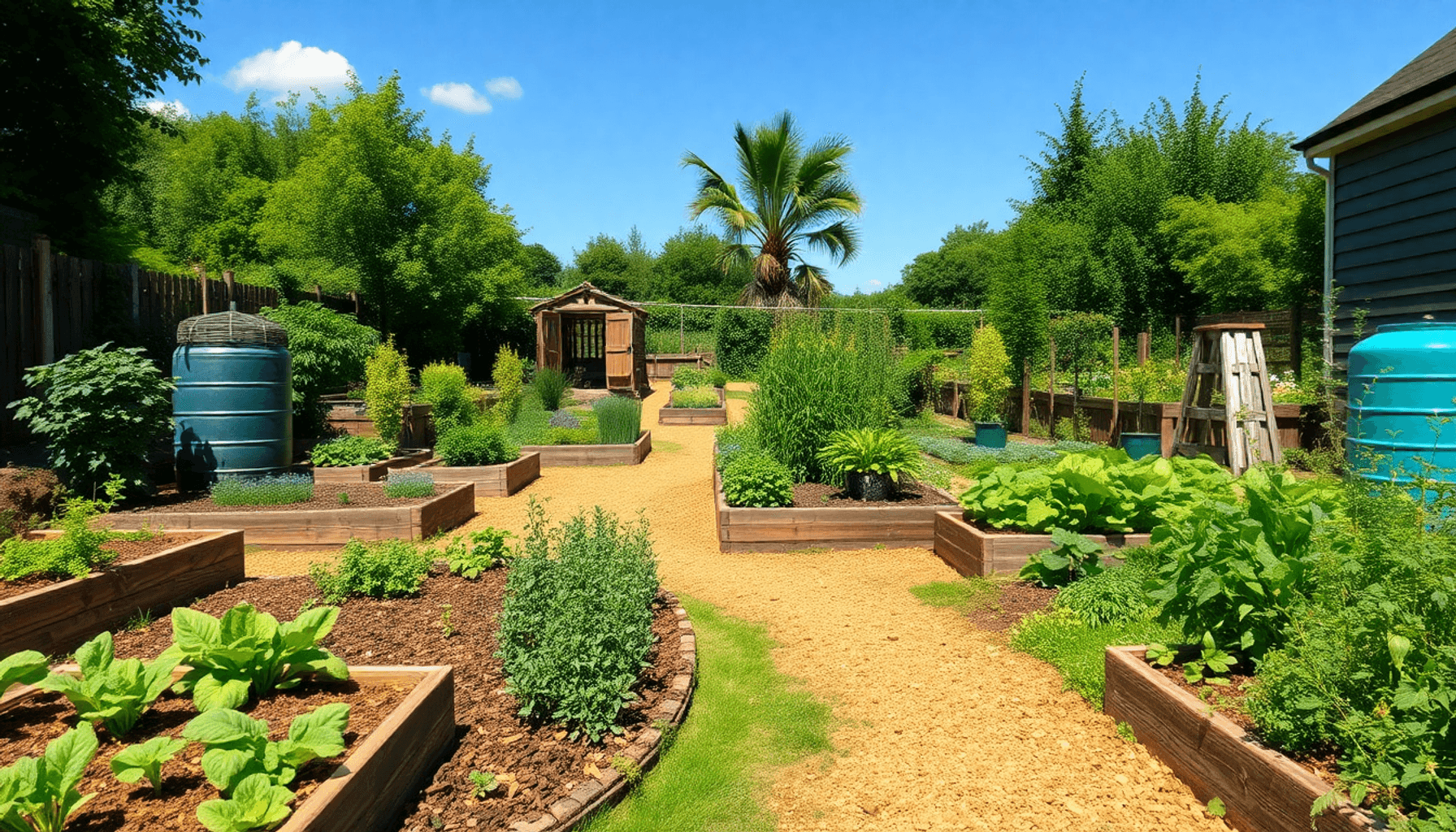

Allotment gardening is very popular in the UK. Many people have small areas of land where they grow their own vegetables, fruits, and herbs. This hobby not only allows gardeners to connect with nature but also encourages sustainable living and supports local food production. Over the years, allotment ideas in the UK have evolved, combining practical methods with creative designs to make the most of limited space.
Growing your own vegetables and herbs has many advantages:
- Freshness and flavor that you often don't find in store-bought produce
- Savings on groceries by eating what you grow
- Exercise and mental health benefits from being outside
- Control over how you grow, allowing for organic practices without chemicals
This article aims to inspire you with ideas for your own garden. We will explore different ways to set up and manage allotments that are suited to the UK climate. Whether you're starting fresh or looking to enhance an existing plot, our focus here will be on practical tips and design concepts that can help optimize your gardening space. Our objective is to instill confidence in planning, preparing, and maintaining your allotment so that you can enjoy a fruitful growing journey.
Preparing Your Allotment Plot
Clearing your allotment plot is the first critical step before planting anything. An effective allotment cleanup removes rubbish, old roots, and persistent weeds that compete with your crops for nutrients and water. Leftover debris not only hinders planting but can harbor pests and diseases which affect plant health.
Importance of Weed Removal
Weeds are a common challenge on many UK allotments. Tackling them early prevents them from establishing deep root systems or spreading seeds that will complicate future growing seasons. Techniques for weed removal include:
- Manual pulling: Useful for smaller plots or isolated weeds.
- Hoeing: Effective for surface weeds, done regularly.
- Smothering: Covering weed patches with cardboard or black plastic to block light, a method detailed in this article about using black plastic to kill weeds.
Persistent weeds like bindweed or couch grass may require repeated removal efforts over several weeks to reduce their presence.
Initial Soil Preparation Steps
Preparing your soil properly sets the foundation for healthy crops. The following steps help improve soil structure and fertility:
- Clear all surface rubbish and plant material. This includes stones, plastic, and old stakes.
- Assess soil condition: Check moisture levels by feeling the soil; it should be crumbly but moist.
- Light cultivation: For traditional digging plots, turn over the top 15-20cm of soil to aerate and loosen it.
- Add organic matter: Incorporate well-rotted compost or manure to enrich nutrient content.
- Level the ground: Remove lumps and create a smooth surface for sowing or planting.
For those adopting no-dig methods, avoid turning the soil but focus on adding layers of organic material on top.
Assessing Plot Conditions
Understanding your allotment’s specific conditions guides how you design layouts and choose crops:
- Slope: Sloped plots benefit from terracing or raised beds to prevent water runoff and soil erosion.
- Soil type: Sandy soils drain quickly but may need more organic matter; clay soils retain moisture but require good drainage management.
- Sunlight exposure: Most vegetables thrive in full sun; identify shaded areas for herbs or leafy greens that tolerate less light.
- Water availability: Access to water taps or potential rainwater collection points influences irrigation planning.
A thorough assessment at this stage helps tailor your planting plan to suit your plot’s strengths and limitations, maximizing productivity in subsequent steps.
Designing Effective Allotment Layouts
Raised Beds and Pathways
Raised beds are a popular choice in UK allotments due to their numerous benefits for soil quality and plant health. By elevating the growing area, you can:
- Improve drainage, preventing waterlogging in wetter seasons.
- Warm up the soil faster in spring, allowing earlier planting.
- Control the soil composition more precisely, especially if your plot has poor or heavy clay soil.
- Reduce soil compaction since you avoid walking directly on planting areas.
When planning your raised beds, consider materials that are durable and safe for growing edibles:
- Untreated timber such as cedar or oak is widely used for its natural resistance to decay.
- Recycled materials, including old railway sleepers or reclaimed bricks, contribute to sustainability but check for chemical treatments.
- Metal edging offers longevity but can heat up quickly in summer, potentially stressing plants.
Raised beds typically measure around 1.2 metres wide, allowing easy access from both sides without stepping onto the soil. Length depends on your plot size but keeping beds manageable makes maintenance simpler.
Permanent paths between beds help structure your allotment layout effectively. You can enhance these paths by mulching them with materials like:
- Wood chips or bark mulch, which suppress weeds and improve foot traffic comfort.
- Cardboard layered beneath mulch, providing an additional weed barrier that eventually breaks down to enrich the soil.
Mulched pathways create a neat appearance while reducing time spent weeding and improving accessibility during wet weather. This setup encourages regular tending of crops without disturbing adjacent beds.
The combination of raised beds and mulched permanent paths forms the backbone of many successful allotment layouts in the UK. These design principles maximize productive space, promote healthier plants, and ease ongoing care — essential considerations when establishing your own grow-your-own haven.
Allotment Ideas UK: Layouts and Grow-Your-Own Inspiration often highlight these techniques as foundational steps toward a thriving plot tailored to your gardening goals.
Terracing on Sloped Plots
Sloped allotment plots present unique challenges, but terracing transforms uneven ground into productive planting areas. This technique involves creating a series of flat, level steps or beds along the slope. Each terrace acts as a mini-plot, helping you maximize usable space while controlling soil erosion.
Methods for Creating Terraces
- Marking Contours: Use a water level or string line to mark contour lines across your slope. These lines guide the terrace edges, ensuring they run horizontally rather than downhill.
- Building Retaining Walls: Construct low retaining walls using materials like reclaimed timber, bricks, stone, or sleepers to hold back soil on each terrace level.
- Soil Redistribution: Excavate soil from the upper part of each terrace and deposit it toward the lower edge, creating flat planting surfaces.
- Incorporating Raised Beds UK Style: Combine terracing with raised beds to enhance drainage and soil quality. Raised beds on terraces allow better root development and improve productivity by warming soil faster in spring.
Advantages of Terracing in Allotment Layout Ideas
- Water Retention: Terraces slow water runoff, allowing rainwater to soak into the soil gradually. This reduces erosion and helps keep moisture in roots longer.
- Soil Stability: Retaining walls prevent soil from washing away during heavy rains. This maintains nutrient-rich topsoil essential for healthy crops.
- Improved Access: Flat terraces make planting, weeding, and harvesting easier compared to working on steep slopes.
- Enhanced Microclimates: Different levels can create varied sun exposure and wind protection zones suited for diverse crops.
Integrating Permanent Paths and Mulched Pathways
Terraced plots benefit from permanent paths between levels to maintain structure and accessibility. Paths mulched with wood chips or cardboard offer a weed-free surface that reduces maintenance efforts while complementing raised beds benefits by preventing soil compaction around planting areas.
Terracing allotments UK style combines practical slope gardening techniques with thoughtful allotment layout ideas. You gain stable growing spaces that boost crop health without extensive land modification — an effective strategy where flat land is limited or unavailable.
Sustainable Growing Methods for Your Allotment
The no-dig gardening UK has gained popularity as a sustainable approach that prioritizes organic soil improvement while reducing labor and disturbance to the soil ecosystem. This method involves building up layers of organic matter on top of the existing soil rather than turning or digging it over.
Principles of No-Dig Gardening
- Avoids mechanical soil disturbance, preserving soil structure and beneficial organisms like earthworms and microbes.
- Relies on natural decomposition processes to break down added organic materials.
- Encourages a healthy, living soil environment with improved aeration and moisture retention.
Layering Compost or Manure Without Turning Soil
Instead of traditional digging or double-digging:
- Clear surface weeds and debris.
- Spread a thick layer (2-4 inches) of well-rotted compost, manure, or leaf mold evenly over the plot.
- Optionally add mulch on top to conserve moisture and suppress weed growth.
- Allow natural microbial activity to integrate these materials into the soil gradually.
This layering technique mimics forest floor nutrient cycling where organic matter accumulates and nourishes plants without disruption.
Long-Term Benefits for Soil Health and Weed Reduction
- Improved Soil Fertility: Continuous addition of organic matter enhances nutrient availability.
- Better Moisture Retention: Mulch and compost layers reduce evaporation, keeping roots hydrated.
- Reduced Weed Pressure: Mulching blocks light from reaching weed seeds, minimizing germination.
- Enhanced Soil Life: Fosters diverse populations of beneficial fungi, bacteria, and invertebrates critical for nutrient cycling.
- Lower Labor Input: Eliminates the physical strain and time commitment associated with digging or tilling.
Many allotmenteers report richer harvests and healthier crops after adopting no-dig gardening methods combined with regular organic feeding. This approach aligns well with organic principles by nurturing the soil naturally, helping you create a resilient growing environment that sustains productivity year after year.
Crop Management Strategies
Effective crop management is key to maximizing allotment yield and maintaining healthy soil. One of the most important techniques is crop rotation UK gardeners have long practiced to prevent pests and diseases that build up when the same crops grow repeatedly in the same spot.
Importance of Crop Rotation
Crop rotation breaks the life cycles of common pests and soil-borne diseases by varying plant families in each section of your allotment year after year. This practice also helps maintain soil fertility because different crops extract and replenish nutrients differently.
The Four-Course Rotation System
A widely used system in the UK is the four-course rotation system, dividing crops into four main groups:
- Potatoes and tomatoes – heavy feeders that use a lot of nutrients.
- Root vegetables and onions – moderate feeders with different nutrient requirements.
- Peas and broad beans (legumes) – nitrogen fixers that enrich the soil naturally.
- Brassicas (e.g., cabbage, broccoli) – plants susceptible to specific pests, so best grown separately.
By rotating these groups annually across your allotment beds, you reduce pest buildup, improve soil structure, and balance nutrient use.
Succession Sowing for Year-Round Harvests
Succession sowing is a smart strategy many UK allotmenteers use to keep fresh produce coming from spring through late autumn. This involves planting seeds or seedlings at intervals rather than all at once.
- Plan staggered sowing dates for fast-growing crops like salad leaves, radishes, carrots, and beans.
- Sow early varieties first, followed by mid-season and late-season cultivars to extend your harvest period.
- Use succession sowing in combination with crop rotation to make full use of your space while maintaining soil health.
Succession sowing not only boosts productivity but also helps you avoid glut periods where too much produce matures simultaneously.
By incorporating both crop rotation and succession sowing into your growing plan, you set the foundation for a thriving allotment that delivers fresh vegetables throughout multiple seasons. These strategies align perfectly with sustainable gardening principles while optimizing output on limited plots—a core aspect of successful Allotment Ideas UK: Layouts and Grow-Your-Own Inspiration.
Protecting Your Crops
Crop protection in the UK allotments is essential to maintain healthy plants and maximize your harvest. Harsh weather conditions like frost, heavy rain, and strong winds can damage young seedlings or delicate crops. Pests such as slugs, aphids, and birds also threaten your plants’ survival.
Using Protective Covers
Protective covers act as a physical barrier between your plants and environmental stressors or pests. They help create a microclimate that improves temperature regulation and humidity control around the crops.
Types of protective covers commonly used in UK allotments:
- Fleece covers: Lightweight, breathable fabric that shields plants from frost and wind without blocking sunlight. It allows rain and air to penetrate while keeping pests at bay.
- Cloches: Small transparent domes or tunnels made from plastic or glass, designed to trap heat around individual plants. Ideal for early sowings or tender seedlings.
- Netting: Used mainly to protect fruiting crops from birds or larger insects without reducing light levels.
When and How to Use Fleece Covers
Fleece covers are versatile and easy to use for beginners and experienced gardeners alike. They are particularly useful during the colder months or unpredictable early spring weather.
- Timing: Deploy fleece when night temperatures drop near freezing or when frost is forecasted. Remove it once the risk passes to avoid overheating during sunny days.
- Application: Lay the fleece directly over your rows of seedlings or mature plants. Anchor edges securely with soil, bricks, or stakes to prevent it blowing away in windy conditions.
- Duration: Can remain in place for several weeks but check regularly for any signs of condensation buildup or moisture accumulation underneath which might cause fungal issues.
Effectiveness of Cloches
Cloches offer targeted protection for high-value or vulnerable plants such as young brassicas or tomato seedlings.
- Position cloches over individual plants early in the season before transplanting outdoors.
- Ensure adequate ventilation on warmer days by slightly lifting edges if condensation forms inside.
- Remove cloches gradually as outdoor temperatures stabilize to harden off plants slowly.
Using these crop protection methods supports stronger plant growth by minimizing stress factors. Employing fleece covers and cloches strategically enhances your ability to extend growing seasons and safeguard your investment against the unpredictable British weather and common garden pests.
Water Conservation Techniques
Water conservation is critical on allotments in the UK where space is limited and water resources may be restricted during dry spells. Efficient use of water ensures your crops receive enough moisture without waste, supporting healthy plant growth while reducing your environmental impact.
Key reasons to focus on water conservation allotments UK:
- Small plots mean every drop counts; overwatering can lead to waterlogging or wasted resources.
- Climate variability and occasional droughts require careful management of available water.
- Sustainable growing practices align with conserving natural resources for long-term productivity.
Rainwater Harvesting Systems
Collecting rainwater is a practical method to supplement water supply on your allotment. Setting up a rainwater harvesting system involves capturing runoff from shed roofs or polytunnels and storing it for later use. This reduces dependence on mains water and lowers costs.
Basic components for rainwater harvesting:
- Catchment Area: Usually the roof of an allotment shed or greenhouse, where rainwater falls.
- Gutters and Downpipes: Direct water from the catchment surface into storage containers.
- Storage Tank or Water Butt: Containers that hold collected rainwater, often with a tap for easy access.
- Filters/Screens: Prevent leaves and debris from entering the storage tank.
By using stored rainwater, you can irrigate raised beds, container plants, and young seedlings efficiently. The slightly warmer temperature of collected rainwater compared to tap water benefits sensitive plants by avoiding temperature shock.
Practical Tips for Water-Saving on Your Plot
Here are some effective strategies to conserve water on your allotment:
- Use watering cans or drip irrigation rather than hoses to control flow precisely.
- Water early in the morning or late evening to reduce evaporation loss.
- Mulch around plants to retain soil moisture longer.
- Group plants with similar watering needs together to optimize irrigation schedules.
Adopting these methods promotes responsible stewardship of water resources while maintaining productive, vibrant allotments. Rainwater harvesting combined with smart watering habits forms a robust strategy in your toolkit of Allotment Ideas UK: Layouts and Grow-Your-Own Inspiration.
Enhancing Productivity with Structures and Features
Using polytunnels UK and greenhouses allotments can significantly boost your growing potential. These structures create a controlled environment that protects plants from the unpredictable British weather, allowing you to start seedlings earlier and extend harvests well into the colder months.
Benefits of Polytunnels and Greenhouses
- Extended Growing Season: Polytunnels trap heat and shield crops from frost, enabling earlier sowing in spring and growth into late autumn or winter.
- Improved Crop Variety: Warm-sensitive plants like tomatoes, peppers, cucumbers, and salad greens thrive inside these shelters.
- Protection from Elements: Heavy rain, wind, and pests are less likely to damage your crops when grown under cover.
- Higher Yields: Consistent temperature and humidity control lead to healthier plants and better productivity.
Choosing Between Polytunnels and Greenhouses
| Feature | Polytunnel | Greenhouse |
| Structure | Semi-circular frame with plastic | Rigid frame with glass or plastic panels |
| Cost | Generally lower | Higher initial investment |
| Ventilation | Roll-up sides for airflow | Vents/windows |
| Space | Larger growing area possible | Usually smaller but more permanent |
| Setup | Easier to install and relocate | More complex installation |
Practical Tips for Using Polytunnels or Greenhouses on Allotments
- Position structures facing south or southeast to maximize sunlight exposure.
- Use shade cloth during hot spells to prevent overheating.
- Install sturdy shelving or tiered benches to maximize vertical growing space.
- Incorporate automatic vent openers to regulate temperature without constant monitoring.
- Consider companion planting inside shelters to make efficient use of space.
Complementary Features
Adding cold frames or cloches alongside polytunnels can provide extra protection for young seedlings or seasonal crops. Combining these features supports staggered planting schedules and succession harvesting throughout the year.
These structures serve as valuable investments for any allotment gardener seeking more reliable yields, plant diversity, and an extended productive season on their plot.
Community Engagement and Inspiration
Connecting with your allotment community support UK network can transform your growing experience. Experienced allotmenteers possess a wealth of knowledge gained through seasons of trial, error, and success. Learning directly from them helps you avoid common pitfalls while discovering practical tips tailored to local conditions.
Active participation in local allotment groups opens up opportunities for:
- Sharing knowledge allotments: Exchanging seeds, plants, and homemade remedies that have proven effective.
- Gaining advice on tackling pests or managing soil fertility specific to your region.
- Social interaction that builds friendships and fosters a supportive environment.
- Group activities such as communal composting or tool sharing that reduce costs and labor.
These groups often organise workshops or informal gatherings where seasoned gardeners demonstrate techniques like crop rotation, no-dig gardening, and creative layout ideas. Observing their plots provides inspiration and confidence to experiment with your own design.
Engagement beyond your individual plot encourages a spirit of collaboration. It nurtures continuous learning and enhances the enjoyment of growing your own food. This collective wisdom is a cornerstone of successful allotment gardening in the UK. Furthermore, the benefits of allotment gardening extend beyond just the physical rewards; it also plays a significant role in boosting mental health, providing a sense of purpose and connection to nature that nourishes both body and soul.
Aesthetic Ideas for Your Allotment Space
Personalizing your allotment can transform it from a simple growing area into a space that reflects your style and creativity. Adding decorative elements not only enhances visual appeal but also makes spending time there more enjoyable.
Decorative Sheds UK
- Painting your shed with vibrant or calming colours brings character and helps it stand out among other plots.
- Consider weather-resistant paints to maintain the finish throughout the seasons.
- Use the shed walls as a canvas for murals, plant hangers, or even chalkboards for notes and plans.
Ornamental Features Allotments
- Incorporate garden ornaments like wind chimes, bird feeders, or small statues to add charm and attract wildlife.
- Handmade signs labeling different beds or crops provide both function and decoration.
- Recycled materials can be crafted into unique features such as bottle borders, pebble mosaics, or rustic planters.
Creating a welcoming atmosphere encourages you to spend more time in your allotment, making it not just a place for growing food but also for relaxation and inspiration. These touches complement practical layout ideas and grow-your-own strategies by adding personality to your plot.
Allotment Ideas UK: Layouts and Grow-Your-Own Inspiration thrive on combining efficient design with individual flair—your decorative sheds and ornamental features will make your gardening journey uniquely yours.
Conclusion
Allotment Ideas UK: Layouts and Grow-Your-Own Inspiration shows how careful planning can turn a small piece of land into a flourishing garden. Every step, from clearing the area to selecting eco-friendly growing techniques, is crucial for your allotment's success.
Here are the main points to remember:
- Preparation is key: Clearing away debris and weeds, along with understanding your soil and land slope, ensures your plants have the best start possible.
- Design is important: Using raised beds can enhance drainage and soil quality, while mulched pathways make maintenance easier. If you have sloped land, terracing can help with water retention and soil stability, making those tricky areas productive.
- Sustainability promotes long-term health: Adopting a no-dig approach to gardening helps maintain natural soil ecosystems and reduces physical labor. Implementing crop rotation prevents pests from accumulating, keeping your soil fertile and crops healthy.
- Timing is crucial for maximizing yields: Practicing succession sowing allows for a continuous harvest, preventing empty garden beds and optimizing limited space.
- Protection and conservation are vital: Using fleece or cloches can shield your plants from unpredictable weather conditions and pests. Collecting rainwater demonstrates responsible water usage on smaller plots.
- Structures open up new possibilities: Installing polytunnels or greenhouses enables earlier planting and extended growing seasons, which is especially beneficial in the cooler UK climate.
- Community enhances the experience: Seeking advice from experienced allotment gardeners or local groups provides practical tips, motivation, and social connections.
- Personal touches make it more enjoyable: Adding unique elements like painted sheds, decorative garden features, or handmade supports personalizes your space while combining functionality with artistry.
These lessons offer a well-rounded guide for anyone looking to create their own productive and enjoyable allotment. By blending practical design ideas with sustainable growing methods, you can efficiently grow fresh food while nurturing your relationship with nature and fostering community connections.
FAQs (Frequently Asked Questions)
What are some effective allotment layout ideas for UK gardeners?
Effective allotment layout ideas in the UK include using raised beds to improve soil quality and plant health, creating permanent weed-free paths with materials like wood chips or cardboard mulch, and terracing sloped plots to enhance water retention and soil stability.
How can I prepare my allotment plot for planting in the UK?
Preparing your allotment plot involves clearing rubbish and weeds, assessing soil type and slope conditions, and performing initial soil preparation steps such as soil improvement and weed removal to ensure a healthy growing environment.
What sustainable growing methods are recommended for UK allotments?
No-dig gardening is a sustainable method popular in the UK, which involves layering compost or manure without turning the soil. This approach improves organic soil health over time and helps reduce weed growth effectively.
How does crop rotation benefit my allotment, and what system should I follow?
Crop rotation prevents pests and diseases by varying plant families grown in each plot. The four-course rotation system used in the UK includes potatoes/tomatoes, root vegetables/onions, peas/broad beans, and brassicas, ensuring balanced soil nutrients and maximized yield.
What are practical ways to protect crops on a UK allotment?
Using protective covers such as fleece or cloches shields plants from harsh weather conditions and pests. Knowing when and how to apply these covers can significantly enhance crop survival and productivity on your allotment.
How can I conserve water effectively on my allotment in the UK?
Water conservation techniques include setting up rainwater harvesting systems to collect and store water. Conserving water is crucial on small plots, helping maintain healthy plants while reducing reliance on mains water supplies.