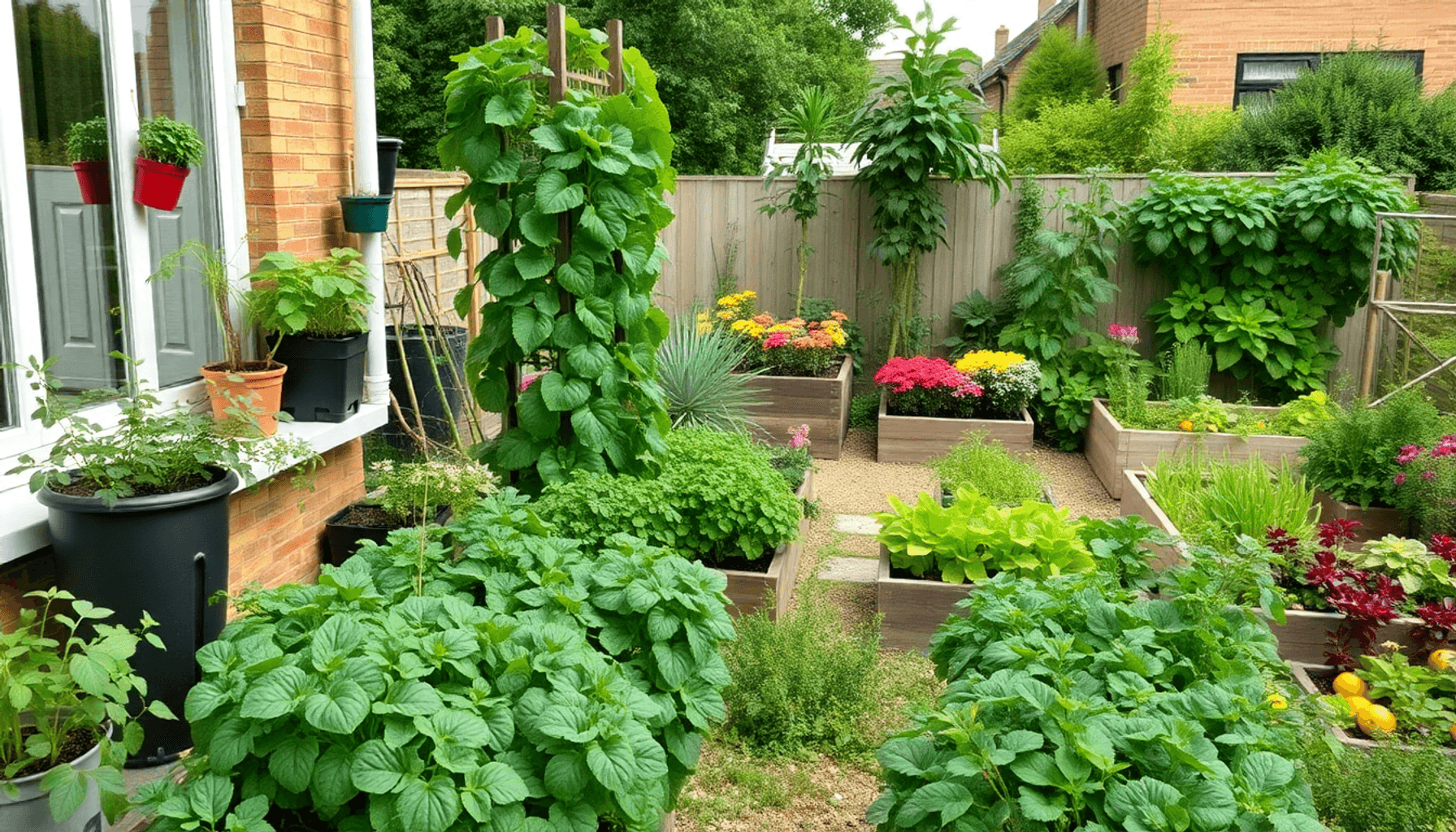

Gardening in the UK comes with unique challenges and opportunities. The climate tends to be temperate but variable, with frequent rainfall and relatively mild winters. Soils vary widely—from heavy clay to sandy loams—each affecting how you plan your vegetable garden layout. Understanding these factors is essential for successful cultivation.
Adapting your vegetable garden ideas UK to fit the size of your space makes a significant difference. Whether you have a tiny urban patio or a sprawling suburban plot, the right layout can maximize productivity and ease of maintenance.
Space optimization is key. Thoughtful design turns limited areas into bountiful growing zones. Using vertical gardening techniques, raised beds, or no-dig methods can transform how much you harvest from your garden.
This article covers:
- How to assess your garden’s size, soil, and sunlight conditions.
- Layout strategies tailored for small, medium, and large gardens.
- Soil preparation and maintenance tips suitable across all garden sizes.
- Practical advice on combining different techniques to suit your goals.
Discover practical vegetable garden ideas UK that work for gardening for all sizes. Start planning a productive and enjoyable vegetable patch today.
Understanding Your Garden Space
Designing an effective vegetable garden starts with a thorough garden size assessment. Whether you have a small urban plot or a large suburban garden, knowing the exact dimensions and layout of your space is crucial. Measure the total area and note which parts receive full sun, partial shade, or are mostly shaded throughout the day. Sunlight exposure directly influences what you can grow and where. Most vegetables thrive in at least six hours of direct sunlight daily, so mapping sun patterns helps you allocate beds accordingly.
Different garden sizes demand different approaches:
- Small gardens often require creative use of vertical space and containers due to limited ground area.
- Medium-sized gardens can incorporate raised beds and block planting for efficiency.
- Large gardens provide flexibility for crop rotation and succession planting but still benefit from careful sunlight zoning.
Understanding soil types UK is another essential step. The UK's varied geology results in several common soil categories that affect water retention, nutrient availability, and root development:
- Clay soils: Heavy and slow-draining but rich in nutrients. They benefit from organic matter to improve texture and drainage.
- Sandy soils: Light and well-draining but low in nutrients. Regular organic feeding is necessary to maintain fertility.
- Loam soils: A balanced mix of sand, silt, and clay; ideal for most vegetables due to good structure and nutrient content.
- Peaty soils: Acidic and moisture-retentive, often requiring lime to adjust pH for optimal vegetable growth.
Testing your soil pH and texture gives insight into which amendments or fertilizers are needed to create a productive environment for your crops.
Local climate considerations UK influence planting schedules, crop selection, and protection strategies. The temperate maritime climate means mild winters and cool summers with frequent rain—conditions that suit many hardy vegetables but can challenge heat-loving plants like tomatoes or peppers without proper care.
Key climate factors include:
- Frost dates: Knowing last spring frost and first autumn frost guides sowing times to avoid damage.
- Rainfall patterns: Consistent moisture supports leafy greens but excessive wetness may promote disease; good drainage becomes critical especially in heavier soils.
- Sun intensity: While generally moderate, south-facing gardens receive more light, benefiting sun-demanding crops.
By combining garden size assessment with knowledge of soil types UK and local climate considerations UK, you lay the foundation for a vegetable garden tailored to your specific conditions. This understanding allows you to select appropriate layouts and cultivation methods that optimize growth potential no matter your space constraints.
Small Gardens and Urban Spaces: Layout Strategies That Work
Small vegetable gardens in the UK require clever design choices to make the most of every inch of growing space. Urban areas often have limited ground space but offer great potential when you think vertically and creatively.
Vertical Gardening Techniques
- A-frames made of bamboo or metal with wire mesh provide climbing supports for peas, beans, cucumbers, and tomatoes.
- Trellises attached to walls or fences turn unused vertical surfaces into productive growing areas.
- Hanging planters and stacked pots increase planting capacity without requiring more ground space.
- Vertical towers or pallet gardens offer multiple layers of growth in small areas.
These structures create more space for low-growing crops or pathways below, making vertical gardening a game-changer for small spaces.
Container Gardening Ideas
- Patio containers allow you to grow herbs, salad greens, radishes, or dwarf tomatoes near your door or on balconies.
- Window boxes maximize sunny sills for quick-growing crops like lettuce and spring onions.
- Self-watering pots reduce maintenance and improve water efficiency — ideal for busy urban gardeners.
- Group containers by watering needs and sunlight exposure to create micro-zones that simplify care routines.
Containers provide flexibility in locations where traditional garden beds are not possible, transforming decks and patios into flourishing vegetable patches.
Selecting Compact Plant Varieties
Choosing plants specifically bred for small spaces enhances productivity without overcrowding. Look for:
- Dwarf tomato cultivars such as ‘Tiny Tim’ or ‘Red Robin’ that yield abundantly in pots.
- Bush beans instead of pole types where vertical supports are limited.
- Salad greens like baby leaf lettuces designed for quick harvests in tight spaces.
- Compact root vegetables including baby carrots and radishes that mature quickly.
Compact varieties adapt well to container life and make the most of vertical gardening setups.
Organizing Garden Zones Near Living Spaces
Efficiency improves when garden areas are planned close to home entrances or kitchen access points. Consider:
- Placing an herb garden next to outdoor cooking areas for easy access to fresh seasoning.
- Grouping salad greens within reach of patio seating encourages frequent harvesting.
- Situating compost bins nearby to directly recycle kitchen scraps into soil amendment.
- Allocating a small seed-starting station close to light sources indoors during early spring.
Logical zoning saves time, keeps daily tasks manageable, and seamlessly integrates gardening into your lifestyle.
In small vegetable gardens, UK gardeners can gain powerful tools by combining vertical growth systems, container versatility, compact plant selection, and thoughtful zoning. These strategies unlock surprising yields even when outdoor space is limited.
Efficient Layouts for Medium-Sized Gardens: Maximizing Potential
Medium-sized gardens in the UK offer a great balance between space and manageability, making them ideal for implementing raised beds UK and other efficient planting methods. Thoughtful design can transform these spaces into highly productive vegetable patches.
Raised Beds: Structure and Benefits
Raised beds measuring around 4x8 feet are a popular choice. They provide:
- Improved soil drainage and temperature control, essential in UK's often damp climate.
- Easier access for planting, weeding, and harvesting without compacting the soil.
- Higher planting density by defining clear growing areas.
Constructing raised beds from untreated wood or recycled materials aligns well with sustainable garden practices.
Square Foot Gardening: Precision Plant Spacing
Square foot gardening breaks down growing areas into 1-foot squares, enabling you to:
- Plan exact plant spacing based on vegetable size, reducing wasted space.
- Grow a variety of crops in one bed without overcrowding.
- Increase yields by intensively planting in smaller footprints.
By combining this method with raised beds, you maintain soil health while maximizing productivity.
Block Planting Method vs. Traditional Rows
Growing vegetables in blocks rather than long rows optimizes the use of soil nutrients and sunlight. Block planting helps you:
- Utilize every inch of growing space effectively.
- Facilitate easier maintenance and harvesting since plants are grouped closely.
- Improve microclimate conditions within the planting blocks, benefiting growth.
Many gardeners find this approach more space-efficient compared to conventional row layouts.
Pathway Optimization: Increasing Growing Area
Pathways are necessary but can consume valuable space if not planned carefully. Implement dead-end pathway designs to:
- Minimize wasted ground area dedicated solely to walking.
- Allow wider growing beds that accommodate more plants.
Using mulch or permeable materials on paths suppresses weeds and reduces maintenance effort.
Adopting these strategies in your medium-sized garden ensures that every square foot contributes to a bountiful harvest. The combination of raised beds, square foot gardening, block planting, and smart pathways is at the core of productive Vegetable Garden Ideas UK: Layouts for Every Size.
Large Garden Layout Ideas: Cultivating Maximum Productivity
Large gardens in the UK offer a unique opportunity to implement advanced vegetable growing techniques that boost productivity while maintaining soil health and biodiversity. Here are key strategies tailored for expansive plots:
No-Dig Gardening UK: A Soil-Friendly Approach
No-dig gardening has gained popularity among UK gardeners managing larger areas. This method avoids disturbing the soil structure by layering organic matter on top rather than tilling or digging. Benefits include:
- Enhanced soil life activity, fostering beneficial microorganisms and earthworms.
- Improved moisture retention, reducing watering needs.
- Significant reduction in weed growth since dormant weed seeds remain buried.
- Preservation of soil structure, preventing compaction common in large-scale digging.
You can start no-dig beds by covering the ground with cardboard or newspapers to suppress weeds, then adding compost and mulch layers above. The practice suits different soil types found across the UK, from heavier clays to lighter loams.
Succession Planting: Continuous Harvests Throughout the Season
Succession planting ensures you make full use of your large garden space by sowing crops at intervals so new plants mature as others finish. This technique keeps your harvest steady and vibrant. Implement it by:
- Planning staggered sowing dates for fast-growing vegetables like lettuce, radishes, and spinach.
- Following early crops with heat-loving plants such as tomatoes and peppers.
- Utilizing quick-turnaround crops in gaps between slower-growing vegetables.
Tracking your planting schedule on a calendar helps you visualize harvest windows and avoid empty beds.
Companion Planting: Natural Pest Control and Health Boosters
Companion planting leverages plant relationships to improve growth and reduce pests without chemicals. In large gardens where pest pressure can be higher, this strategy is invaluable. Common companion pairs include:
- Marigolds planted alongside tomatoes deter nematodes and aphids.
- Beans enrich soil nitrogen for neighboring leafy greens.
- Carrots grown near onions confuse carrot flies with their strong scent.
Design your large garden beds so compatible species grow side by side or intermixed to maximize benefits.
Crop Rotation UK: Sustaining Soil Fertility Over Time
Crop rotation remains a cornerstone of sustainable vegetable gardening on large plots. Rotating plant families each season prevents nutrient depletion and breaks pest and disease cycles endemic to certain crops. Key principles:
- Divide your garden into sections dedicated to different crop groups: brassicas (cabbage family), legumes (peas, beans), root vegetables (carrots, parsnips), and fruiting crops (tomatoes, peppers).
- Move each group to a new section each year in a planned sequence.
- Incorporate green manures or cover crops during off-seasons to add organic matter and fix nitrogen.
A well-executed rotation plan tailored to your garden size supports long-term productivity and healthy soil ecosystems.
Employing these methods in large UK vegetable gardens transforms them into productive, resilient growing spaces that nurture both plants and soil. The combination of no-dig gardening, succession planting, companion planting, and crop rotation forms a comprehensive framework ideal for maximizing yields sustainably on extensive plots.
Soil Preparation, Maintenance, and Other Considerations Across Garden Sizes
Proper soil preparation UK gardeners rely on sets the foundation for any successful vegetable garden, regardless of size. The UK’s varied soil types—from heavy clay to light sandy soils—require tailored approaches to enhance fertility and structure. Using organic matter composting improves soil texture and nutrient content effectively across garden scales.
1. Applying organic compost layers
Spread a generous layer of well-rotted organic compost over your beds or planting areas. This enriches the soil with vital nutrients and boosts microbial activity. For smaller gardens, a 2–3 inch layer works well; larger plots benefit from regular top-ups each season to maintain fertility.
2. Mulching techniques for weed control UK gardeners trust
Pathways and open soil areas can be mulched with cardboard or thick layers of organic materials like straw, wood chips, or shredded leaves. This suppresses weed growth by blocking sunlight and helps retain moisture in the soil—crucial during drier spells common in some parts of the UK.
3. Feeding soil with natural amendments while preserving structure
In no-dig systems, avoid disturbing the soil by adding organic matter on the surface rather than digging it in. Materials such as leaf mould, seaweed meal, or well-aged manure provide slow-release nutrients that feed plants and soil life without damaging soil aggregates or beneficial fungi networks.
Maintaining healthy soil involves balancing nourishment with protection. Avoid compacting beds by minimizing foot traffic and using designated paths to preserve aeration and drainage. Testing your soil pH periodically informs whether lime or sulfur adjustments are necessary to optimize nutrient uptake for vegetables commonly grown in the UK climate.
By integrating these soil preparation, mulching, and feeding practices across different garden sizes, you ensure a fertile environment that supports vigorous plant growth and reduces reliance on chemical inputs. Such sustainable methods foster resilience against pests and diseases while enhancing long-term productivity in your vegetable garden.
Final Tips for Designing Your Vegetable Garden Layout in the UK
Designing a productive vegetable garden means combining garden planning tips UK that suit your unique space and goals. Tailoring your layout with multiple strategies helps maximize yield vegetable garden efforts no matter the size of your plot. Consider these essential pointers:
Blend Layout Approaches to Fit Your Space and Goals
- Use vertical gardening alongside raised beds or containers to exploit every inch of available space.
- Combine block planting with square foot gardening principles for efficient use of soil and easier maintenance.
- Incorporate succession planting schedules within your design to keep harvests coming without overcrowding.
- Organize garden zones to match your lifestyle—placing kitchen-friendly crops close for easy access, and larger production areas farther out.
This integrated approach means you’re not limited by one style but can adapt techniques as needed for the best results.
Prioritize Flexibility to Accommodate Seasonal Changes and Crop Diversity
Vegetable gardens thrive when designs allow you to change things up through the seasons:
- Plan beds and containers so you can swap crops out quickly, adjusting for weather shifts common in the UK climate.
- Leave some spaces open or use movable planters, giving you freedom to experiment with new varieties or extend growing seasons.
- Rotate crops based on nutrient needs and pest management without rigid layouts that box you in.
A flexible garden layout supports maximizing yield vegetable garden practices by encouraging diversity and continuous productivity.
Embrace Sustainable Gardening UK Practices
Respecting the local environment improves both the health of your garden and surrounding ecosystem:
- Use organic compost and natural amendments to nurture soil biology instead of relying on synthetic fertilizers.
- Mulch pathways with cardboard or leaf litter to reduce weed growth and conserve moisture, cutting down water usage.
- Integrate companion planting schemes that deter pests naturally, reducing the need for chemical interventions.
- Preserve nearby biodiversity by planting native flowers or creating habitats for beneficial insects alongside your vegetables.
Sustainable gardening aligns well with Vegetable Garden Ideas UK: Layouts for Every Size, ensuring your plots remain productive year after year while supporting nature.
Thoughtful design is about more than neat rows—it’s about creating a resilient ecosystem tailored to your conditions, space constraints, and personal preferences. Combining these final tips will help you build a vegetable garden layout that works hard for you in every season.
Conclusion
Designing a productive vegetable garden in the UK requires creativity and adaptability. The success of your garden depends on how well you tailor layouts to suit your specific space, soil, and climate conditions. Embracing adaptable garden layouts lets you make the most of every inch, whether you have a tiny urban balcony or a sprawling suburban plot.
Key takeaways for your vegetable garden planning summary UK include:
- Utilize vertical structures and compact plant varieties to maximize small spaces.
- Implement raised beds and square foot gardening for efficient medium-sized gardens.
- Apply no-dig methods, succession planting, and companion planting to boost productivity in larger areas.
- Optimize pathways and zone your garden carefully to increase growing space without sacrificing accessibility.
- Prioritize soil health through organic amendments and mulching to sustain long-term fertility.
The strategies explored here provide a solid foundation for confident planning. You can mix and match these ideas to fit your individual goals and garden characteristics. This approach empowers you to create a thriving vegetable garden that delivers fresh produce throughout the seasons while respecting local environmental factors.
Start planning your own productive garden today with these proven techniques from Vegetable Garden Ideas UK: Layouts for Every Size. Let your imagination guide you as you transform any space into a lush, sustainable source of homegrown vegetables.
FAQs (Frequently Asked Questions)
How do UK climate and soil types influence vegetable garden layouts?
UK's unique climate and diverse soil types play a crucial role in shaping vegetable garden designs. Gardeners must consider local weather patterns, seasonal variations, and common soil characteristics to select suitable plants and optimize layouts for healthy growth and productivity.
What are effective vegetable garden layout strategies for small urban gardens in the UK?
For small urban gardens in the UK, maximizing space through vertical gardening techniques like A-frames and trellises, container gardening on patios or balconies, and choosing compact or dwarf vegetable varieties are highly effective. Organizing zones close to living areas also enhances convenience and yields.
How can medium-sized UK gardens be optimized for higher vegetable yields?
Medium-sized gardens benefit from raised beds (such as 4x8 feet) to increase planting density and ease maintenance. Employing square foot gardening principles ensures precise plant spacing, while block planting methods optimize soil use. Minimizing pathways through dead-end designs further maximizes growing areas.
What large garden layout techniques boost productivity in UK vegetable gardens?
Large UK gardens can enhance productivity by implementing no-dig gardening to improve soil health, planning succession planting schedules for continuous harvests, utilizing companion planting to promote plant health and deter pests naturally, and applying crop rotation tailored to larger plots.
What soil preparation and maintenance practices are recommended across different garden sizes in the UK?
Across all garden sizes, preparing soil with organic compost layers suited to UK soil types is essential. Mulching pathways with cardboard or organic materials helps suppress weeds and retain moisture. Feeding soil with natural amendments while preserving structure is particularly important in no-dig systems.
What final tips help design productive and sustainable vegetable garden layouts in the UK?
Integrating multiple layout strategies based on available space and gardener goals is key. Designs should be flexible to allow seasonal adjustments and crop diversity. Emphasizing sustainable gardening practices that respect the local environment and biodiversity ensures long-term productivity and ecological balance.