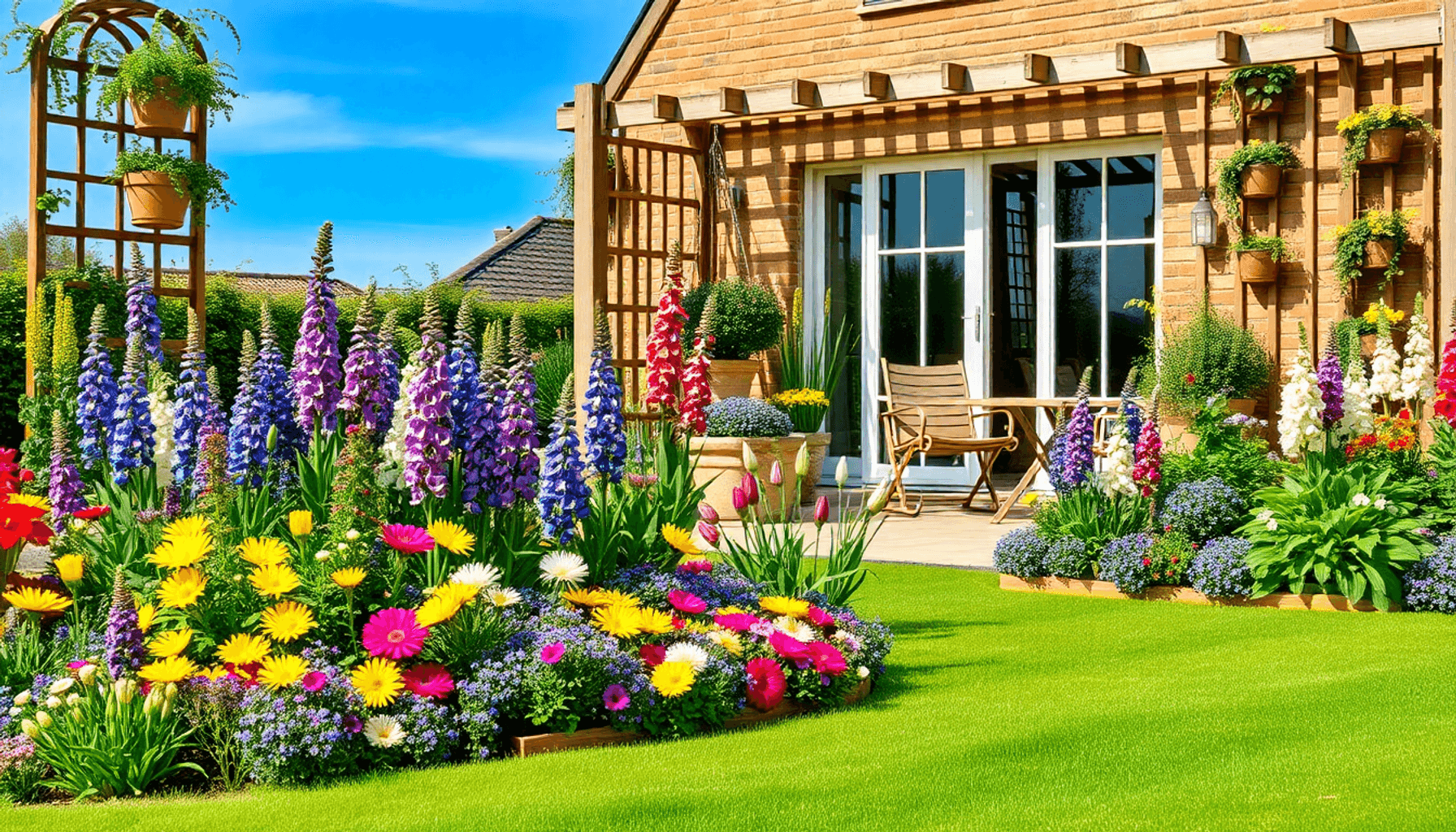

Spring is an important time for UK gardeners who want to bring their outdoor spaces back to life after the long winter months. Spring Garden Ideas UK: Colour, Plants and Projects focuses on three key things you need to do in order to create a vibrant and functional garden:
- Colour: Adding bright colors with carefully selected plants will make your garden look lively and cheerful.
- Plants: Choosing plant species that thrive in the UK climate will ensure they grow well and stay attractive for a long time.
- Projects: Making practical improvements like updating patios or building new seating areas will make your garden more enjoyable to use.
Successful spring gardening depends on careful planning and timely execution. By getting ready early, you can take a good look at your garden's specific conditions, set realistic goals, and gather all the materials you'll need before the busy planting season starts. These tips for spring gardening will help you avoid rushing at the last minute, making sure that everything—from the plants you choose to the landscaping features you add—works together smoothly.
Whether you're completely redesigning your garden in the UK or just adding some seasonal touches, combining thoughtful design with practical projects will turn your outdoor space into a colorful and inviting retreat that's perfect for enjoying the warmer days ahead.
1. Planning Your Dream Spring Garden
Starting your garden planning in winter offers distinct advantages that set the foundation for a vibrant spring garden. The UK climate demands foresight; by preparing during the colder months, you can secure plants, materials, and design elements before the planting season rush begins. Early planning reduces last-minute stress and allows thoughtful decisions around garden layout and plant selection.
Key steps in winter garden preparation include:
- Assessing your garden’s current state: Take a thorough look at your outdoor space. Identify areas where sunlight is abundant versus shaded spots. Note soil quality, drainage issues, and any existing plants that either thrive or struggle. This assessment helps you understand what works well and what needs improvement.
- Setting realistic budgets: Gardening costs can quickly add up if not managed properly. Establish a spending limit that covers plants, soil amendments, tools, and any structural projects like patios or raised beds. Prioritise high-impact changes within your budget to maximise value.
- Gathering inspiration: Visualising your dream garden is easier with examples. Platforms like Pinterest offer thousands of images tailored to UK gardening styles and conditions. Garden shows provide hands-on experience with plant varieties and design trends. Collect ideas on colour schemes, plant combinations, and layout concepts that appeal to you.
- Planning for functionality: Consider how you use your garden—entertaining guests, growing vegetables, creating a play area for children, or simply relaxing outdoors. Functionality influences plant choice and project priorities.
- Ordering bulbs and plants early: Many popular spring-flowering bulbs and shrubs sell out fast as the season approaches. Placing orders in winter guarantees availability and timely delivery.
Winter preparation supports incorporating year-round structure through evergreens and perennials while allowing seasonal bursts of colour come spring. Thoughtful garden planning UK style blends aesthetic appeal with practical considerations tailored to local weather patterns and soil conditions.
By using this methodical approach during the off-season, you position yourself for a seamless transition into planting and project execution once spring arrives—transforming your outdoor space into the colourful retreat you envision under optimal conditions.
2. Choosing Vibrant Plants for a Colourful Spring Display
Creating a garden that bursts with colour during late spring in the UK requires selecting plants that are not only visually striking but also well-suited to the climate and soil conditions. Focusing on late spring plants UK helps ensure your display lasts longer and thrives. Some of the most popular and dependable colourful spring plants include:
- Lavender: Offers fragrant purple spikes that attract pollinators and provide structure.
- Salvias: Come in shades of blue, purple, and red, adding vertical interest.
- Geraniums (Cranesbills): Hardy perennials with a variety of colours from soft pinks to deep reds.
- Alliums: Globe-shaped flower heads in purple, white, or yellow that add architectural form.
- Foxgloves: Tall spires with tubular flowers in pastel tones, supporting local bees.
These plants perform well in UK gardens during late spring when frost risk diminishes and soil warmth encourages healthy growth.
Layered Planting Techniques
To achieve a dynamic and eye-catching garden, layering is essential. This means arranging plants at varying heights and textures to create depth and interest:
- Place taller plants like foxgloves or alliums towards the back or centre of beds.
- Use mid-height salvias or lavender as the middle layer.
- Fill gaps with low-growing geraniums or groundcover species.
This approach not only enhances visual appeal but also supports biodiversity by providing habitats for insects of different sizes.
Incorporating Native Species for Ecological Balance
Native plants are adapted to local conditions and support native wildlife such as bees, butterflies, and birds. Integrating them into your planting scheme strengthens your garden’s ecological health:
- Choose species like native wild geraniums or foxgloves that naturally thrive in the UK environment.
- Combine native plants with ornamental varieties to balance aesthetics and sustainability.
- Use native hedges or shrubs as natural borders or habitat corridors.
By blending these elements, your garden becomes a colourful haven that's both beautiful and beneficial for wildlife.
Practical Tips for Plant Selection
- Consider soil type: Lavender prefers well-drained soils while foxgloves tolerate moisture better.
- Group plants with similar water needs together to simplify maintenance.
- Plan for staggered blooming periods by mixing early bloomers with late-flowering varieties to maintain colour continuity throughout spring into summer.
Choosing the right combination of vibrant plants along with thoughtful layering and native species creates a lively, sustainable garden environment. This sets the stage for practical projects that enhance your outdoor space further.
3. Practical Projects to Transform Your Outdoor Space
Successful spring garden projects in the UK focus on improving both usability and visual appeal at the same time. With longer days and warmer temperatures, outdoor areas become ideal places for relaxing and entertaining. Practical updates can enhance these spaces, making them more inviting and functional.
Refreshing Patios and Decking Areas
Start with a thorough clean to remove winter grime, moss, and algae. Use a pressure washer carefully or eco-friendly cleaning solutions suitable for your patio or decking material.
- Surface Cleaning and Repairs
- Resealing or Staining
- Adding Texture and Pattern
- Incorporating Greenery
Creating Well-Defined Seating Zones
Defining seating spaces transforms gardens into comfortable living extensions.
- Fireplaces and Fire Pits
- Outdoor Lighting Solutions
- Seating Arrangements
- Shelter Options
Container Gardening for Smaller Spaces
Containers offer flexibility for adding vibrant colour and texture without requiring large planting beds.
- Choosing Containers
- Plant Selection
- Creative Groupings
- Mobility Benefits
Practical improvements tailored to your garden’s size and style build a cohesive outdoor environment. Refreshing hardscape elements alongside thoughtful seating zones complements the colourful plantings discussed previously. Container gardening adds adaptability for those working with limited square footage but seeking maximum impact in Spring Garden Ideas UK: Colour, Plants and Projects.
4. Caring for Your Lawn in Spring: Tips for a Healthy Summer Garden
A lush, green lawn sets the foundation for an inviting garden space. Late spring is a crucial time for lawn care UK spring because the grass begins to grow actively as temperatures rise and soil warms up. Taking the right steps now ensures your lawn remains healthy and resilient through summer.
Essential Lawn Care Practices
1. Mowing lawn tips
Start mowing when the grass reaches about 5 to 6 cm tall. Cut only the top third of the blades to avoid stressing the grass. Keep mower blades sharp for clean cuts that reduce disease risk. Gradually lower the cutting height as spring progresses, aiming for around 3 to 4 cm by early summer.
2. Feeding and feeding schedules
Apply a balanced fertiliser formulated for spring growth. Look for products with higher nitrogen content to fuel leaf development. Avoid overfeeding, which can lead to weak growth and attract pests.
3. Watering requirements
Water deeply but infrequently to encourage deep root growth. Early morning watering reduces evaporation and fungal issues. Adjust frequency based on rainfall—UK springs can be wet or dry, so monitor soil moisture closely.
4. Aeration and dethatching
Compacted soil restricts airflow and water penetration, hindering root development. Aerate your lawn using a garden fork or mechanical aerator to relieve compaction. Remove excess thatch—a layer of dead grass and roots—by raking or using a dethatching tool to improve nutrient uptake.
5. Weed control
Weeds compete with grass for nutrients and water. Spot-treat stubborn weeds with selective herbicides suitable for use in spring or hand-pull them while they are small.
Preparing Your Lawn for Summer
Late spring preparation helps your lawn withstand heat, drought, and heavy foot traffic during summer months:
- Raise mowing height slightly during dry spells to shade soil and retain moisture.
- Continue regular feeding with summer-specific fertilisers promoting root strengthening.
- Check drainage areas to prevent waterlogging after heavy rains common in UK climates.
- Keep an eye out for early signs of pests such as leatherjackets or chafer grubs; treat promptly if detected.
Maintaining these practices consistently throughout late spring creates a vibrant, robust lawn ready to complement your colourful planting schemes and outdoor projects.
5. Maximizing Space in Smaller Gardens with Smart Design Solutions
Working with limited outdoor areas calls for creative strategies that enhance both function and style. Small garden ideas UK often revolve around clever use of vertical space and multi-purpose elements to avoid clutter while amplifying visual appeal.
Vertical Planting UK: A Game Changer
Vertical planting transforms bare walls or fences into lush, living canvases. Wall-mounted planters and trellis panels support climbing plants like clematis, honeysuckle, or ivy — all well-suited to the UK climate. This approach:
- Saves valuable ground space
- Adds layers of greenery without encroaching on walking or seating areas
- Creates natural privacy screens that soften hard landscaping
Use modular planter systems that can be rearranged seasonally or to suit different plant heights. Incorporate a mix of flowering plants and evergreens for year-round interest.
Mirrors and Lighting: Expanding Perception
Strategically placed mirrors reflect light and greenery, giving the illusion of a larger garden. Position them opposite key features such as flower beds or water elements to double their visual impact. Consider:
- Weather-resistant framed mirrors designed for outdoor use
- Reflective surfaces angled to capture morning or evening sun
Lighting plays a vital role after dusk. Layered garden lighting—spotlights on focal plants, string lights over seating areas, or solar-powered lanterns—extends usability of small gardens into the evening while creating depth and warmth.
Multi-functional Furniture: Style Meets Practicality
Furniture tailored for small gardens must do more than just look good—it should offer storage or adaptability. Examples include:
- Benches with built-in storage compartments for cushions, tools, or pots
- Foldaway tables and chairs that can be easily stowed when not in use
- Stackable stools that provide extra seating without permanent footprint
Selecting weatherproof materials such as treated wood, metal, or synthetic rattan ensures durability in the UK's often damp climate.
These design solutions allow you to fully optimise even the smallest outdoor spaces without sacrificing style or comfort. By integrating vertical planting UK techniques, optical enhancements like mirrors and lighting, alongside smart furniture choices, your spring garden can feel spacious, inviting, and effortlessly functional.
6. Avoiding Common Pitfalls in Spring Gardening: Mistakes to Watch Out For
Spring Garden Ideas UK: Colour, Plants and Projects often focus on creating vibrant and healthy outdoor spaces. However, certain common gardening mistakes that gardeners frequently encounter can hinder success. Being aware of these challenges helps you avoid setbacks and ensures your garden thrives.
Overcrowding Plants
One of the most frequent errors is planting too densely. Overcrowding:
- Limits airflow between plants, increasing susceptibility to fungal diseases.
- Causes competition for nutrients and water, resulting in weaker growth.
- Reduces individual plant visibility, diminishing the overall aesthetic effect.
You can prevent overcrowding by:
- Consulting plant spacing recommendations on labels or from trusted gardening sources.
- Considering mature plant size before planting.
- Using layered planting techniques with sufficient gaps to maintain structure and health.
Skipping Mulch Application
Mulching plays a crucial role in spring garden maintenance but is sometimes overlooked. Benefits of mulch include:
- Suppressing weed growth, reducing time spent on weeding.
- Retaining soil moisture, which is vital during drying spring spells.
- Regulating soil temperature, protecting roots from sudden cold snaps.
- Adding organic matter as it decomposes, improving soil quality.
Choosing the right mulch matters. Organic options like bark chips, leaf mold, or composted garden waste work well for UK gardens. Apply a 5–7cm layer around plants while avoiding direct contact with stems to prevent rot.
Overwatering Issues UK Gardens Commonly Face
Springtime often brings unpredictable weather, causing gardeners to misjudge watering needs. Overwatering:
- Causes root suffocation due to lack of oxygen in saturated soil.
- Increases risk of root rot and fungal infections.
- Wastes water resources and may lead to nutrient leaching from soil.
Signs you might be overwatering include yellowing leaves, wilting despite moist soil, and muddy patches around plants. To avoid this:
- Check soil moisture at root level before watering.
- Water deeply but infrequently to encourage strong root development.
- Use mulch to maintain consistent moisture levels naturally.
Adapting watering routines based on rainfall and temperature fluctuations typical of the UK spring season will help maintain healthy plants without stressing them through excess moisture.
Recognizing these pitfalls prepares you for a more rewarding gardening experience. Paying attention to planting density, embracing mulch benefits, and managing watering carefully contributes significantly toward achieving your spring garden goals with colour, vitality, and resilience. If you're new to gardening or looking for more advice on how to navigate these common issues successfully, consider exploring some nifty tips for new gardeners that can provide valuable insights into making your gardening journey easier and more fruitful.
Conclusion
Sustainable spring gardening practices in the UK are essential for creating vibrant, healthy gardens that benefit both you and the environment. By choosing eco-friendly materials such as recycled decking, permeable paving, or sustainably sourced timber, you can reduce your garden’s carbon footprint while enhancing durability and aesthetic appeal.
Thoughtful plant choices support local wildlife and biodiversity. Incorporate native species like foxgloves, lavender, and salvias to attract pollinators such as bees and butterflies. These plants not only add colour and texture but also foster a balanced ecosystem in your outdoor space.
Consider these key sustainable tips for your spring garden makeover:
- Use organic compost and mulch to improve soil health naturally.
- Collect rainwater for irrigation to conserve mains water.
- Avoid chemical pesticides; opt for natural pest control methods.
- Provide habitats like log piles or bird feeders to encourage wildlife presence.
Sustainable spring gardening in the UK is about blending beauty with responsibility. Your efforts in planning, planting, and projects will create a garden that thrives season after season while contributing positively to the environment.
Spring Garden Ideas can transform any outdoor space into a lively sanctuary through mindful decisions. Embrace sustainability as part of your gardening journey—your garden and the planet will thank you for it.
FAQs (Frequently Asked Questions)
Why is planning my spring garden during winter important in the UK?
Starting your spring garden planning process during winter allows you to assess your garden's strengths and weaknesses, set realistic budgets, and gather inspiration from sources like Pinterest and garden shows. This careful planning ensures your garden is ready to bloom beautifully as soon as spring arrives.
Which colourful plants are best suited for a vibrant late spring display in UK gardens?
Popular colourful plants thriving in UK late spring include lavender, salvias, geraniums, alliums, and foxgloves. Using layered planting techniques and incorporating native species can create a visually stunning and ecologically balanced garden.
What practical projects can I undertake to transform my outdoor space this spring in the UK?
Consider refreshing patios or decking areas, creating well-defined seating zones with features such as fireplaces or lighting, and exploring container gardening options for smaller spaces. These projects enhance both the functionality and aesthetics of your outdoor area.
How can I care for my lawn during late spring to ensure a healthy summer garden in the UK?
Essential lawn care practices include regular mowing with proper techniques, avoiding overwatering, and preparing the soil to promote robust growth. Timely lawn maintenance helps your garden thrive throughout the summer months.
What are some smart design solutions for maximizing space in smaller UK gardens?
Innovative ideas include vertical planting using wall-mounted planters or trellis panels, utilizing mirrors and lighting to create an illusion of depth, and selecting multi-functional furniture pieces that can be easily stored when not in use. These strategies make small gardens appear larger and more functional.
What common mistakes should I avoid during spring gardening in the UK?
Avoid overcrowding plants which can hinder growth, skipping mulch application that helps retain moisture and suppress weeds, and overwatering which may cause root problems. Being mindful of these pitfalls ensures a successful and sustainable spring garden makeover.