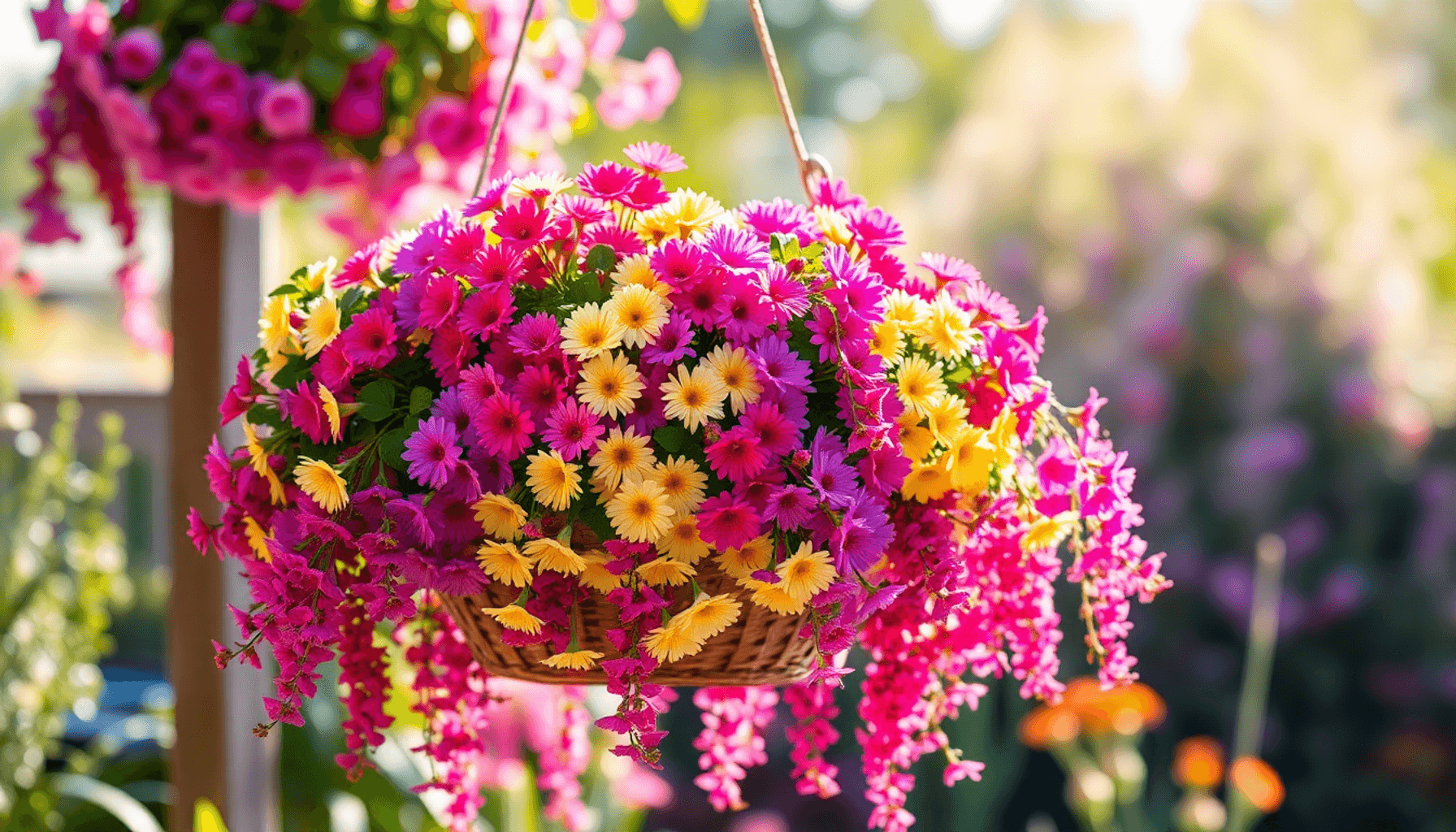

Hanging baskets are a popular choice for adding vibrant color and life to patios, balconies, and small outdoor spaces. They are versatile and an excellent option for gardeners who want to maximize limited space while still creating eye-catching outdoor decor.
Benefits of planting hanging baskets include:
- Enhancing visual appeal with cascading flowers and foliage
- Utilizing vertical space effectively in urban or compact gardens
- Offering flexibility to grow a variety of plants — from bedding plants to herbs and even vegetables
- Creating focal points that brighten up any outdoor area instantly
If you’ve ever wondered how to plant up hanging baskets properly, this article provides a detailed, step-by-step guide. You’ll learn everything necessary for planting hanging baskets effectively — from choosing the right basket and compost, selecting suitable plants, to caring for your display throughout the season.
Mastering these techniques will help you create stunning, long-lasting arrangements that transform your outdoor living spaces into colorful retreats.
Choosing the Right Hanging Basket
Selecting the proper basket plays a crucial role in achieving vibrant, long-lasting hanging displays. Your choice impacts not only the visual appeal but also the health and growth of the plants.
Types of Baskets Suitable for Planting
Wire baskets are the traditional option favored by many gardeners. They provide excellent air circulation around plant roots, reducing the risk of root rot. To hold compost securely within wire baskets, you will need a liner. The two main options are moss liners and pre-formed liners made from materials like coir or plastic.
- Moss liners offer natural moisture retention but may require more frequent watering than plastic alternatives.
- Pre-formed liners come ready-made to fit standard basket sizes, making planting quicker and tidier.
Importance of Basket Size
Choose baskets that are at least 14 inches in diameter. Larger baskets hold more compost, giving plants greater access to nutrients and water, keeping flowers fresh and vibrant for longer, and reducing the risk of rapid drying out during hot weather. Smaller baskets tend to dry out quickly and limit root development, resulting in weaker plants.
Liner Options and Drainage
Whichever liner you choose, it must allow excess water to drain freely to prevent waterlogging and root damage. Make sure any liner fits snugly inside the basket to avoid gaps where compost could escape.
- Plastic liners often come with pre-drilled drainage holes or can be modified with a drill if needed.
- Coir liners, made from coconut fibers, provide natural breathability while retaining moisture. Their small gaps allow drainage without significant soil loss.
Choosing the right combination of basket type, size, and liner ensures your hanging basket provides an ideal environment for healthy plant growth. This foundation prepares you well for selecting compost and fertilizers that will nourish your plants effectively.
Preparing the Compost and Fertilizers
Choosing the right compost for hanging baskets is essential to provide your plants with the nutrients and moisture they need. Use a high-quality multipurpose compost as the base growing medium. This type of compost offers good drainage while retaining enough moisture to support healthy root development. Avoid garden soil or heavy composts that may cause waterlogging or compact too much inside the basket.
Incorporate slow-release fertilizer granules into the compost before planting. These granules release nutrients gradually over several weeks, ensuring a consistent supply of food to your plants without frequent feeding. Mixing slow-release fertilizer directly into the compost:
- Provides steady nourishment for vigorous growth
- Reduces the risk of nutrient burn compared to liquid feeds
- Simplifies maintenance by minimizing feeding frequency
Add the fertilizer according to package instructions, usually around one teaspoon per litre of compost. For best results, mix it evenly throughout the compost rather than sprinkling it on top.
Some gardeners also include water-retaining crystals or gels in their compost mix. These help hold moisture longer, which is particularly useful since hanging baskets dry out faster due to exposure. However, ensure that these additives are compatible with your chosen slow-release fertilizer.
Fill your prepared basket about halfway with this enriched compost before planting. This provides a solid foundation for roots to establish and access nutrients immediately after potting up. The right balance of moisture retention, aeration, and nutrition in your compost sets up your hanging basket for success through the growing season.
Selecting Plants for Your Hanging Baskets
Choosing the right plants is essential to create a vibrant and balanced hanging basket. You want a mix of trailing plants that spill over the edges and upright plants that provide height and structure in the center. This combination adds depth, texture, and visual interest.
Variety of Plants Suitable for Hanging Baskets
Hanging baskets can accommodate an array of plant types beyond just flowers:
- Bedding plants: Ideal for bright, seasonal color.
- Herbs: Perfect for kitchen baskets with practical use, such as thyme or oregano.
- Shrubs: Dwarf varieties add foliage interest and weight.
- Vegetables: Compact varieties like cherry tomatoes or bush beans can thrive in well-maintained baskets.
Selecting plants adapted to container life helps ensure longevity and reduces maintenance demands.
Recommended Trailing Plants for Edges
Trailing plants soften the basket’s edge by cascading gracefully downwards. They create a lush, flowing effect that draws attention.
Some top choices include:
- Bacopa: Small white or blue flowers, continuous bloomers.
- Brachycome: Daisy-like blooms in blue, purple, or white.
- Trailing fuchsia: Elegant bells in rich pinks and reds.
- Trailing geraniums (Pelargoniums): Robust growers with vibrant colors.
- Million bells (Calibrachoa): Mini petunias with prolific flowering.
- Trailing petunias: Bold shades that cover the edges densely.
The number of trailing plants depends on basket size:
- 12-inch basket: 3 trailing plants
- 14-inch basket: 4 trailing plants
- 16+ inch basket: 6 trailing plants
This ensures full coverage along the rim without overcrowding.
Upright Plants Ideal for Center Placement
Upright plants form the focal point in the middle of your hanging basket. They provide vertical contrast to trailing varieties and help fill space attractively.
Excellent upright choices include:
- Geraniums (Pelargoniums): Sturdy stems and bright flower heads.
- Osteospermum (African daisies): Large daisy-like flowers with vivid colors.
- Fuchsias: Pendulous flowers in striking hues that attract hummingbirds.
Arrange these taller plants evenly throughout the center zone to balance the overall composition. Make sure they have enough room to grow without crowding the trailing edges.
Balancing trailing and upright plants creates a dynamic look while maximizing space inside your basket. You can experiment with textures, leaf shapes, and flower colors to suit your style.
Planting Techniques and Arrangements in Hanging Baskets
Planting hanging baskets requires care and precision to ensure plants establish well and thrive throughout the season. Handling plants gently, especially their root systems, is crucial for success.
Removing Plants from Pots
Follow these steps to safely remove plants from their pots:
- Start by watering the plants in their pots a few hours before planting. Moist soil reduces root disturbance.
- To remove a plant, hold it gently at the base near the soil line.
- Tip the pot upside down while supporting the rootball with your other hand.
- If roots stick to the pot, tap or squeeze the pot sides lightly to loosen the soil.
- Avoid pulling by stems as this can damage or break them.
Protecting Rootballs During Planting
When planting through the sides of a basket, roots risk damage from friction against wire or liner edges. Wrapping rootballs in newspaper offers protection:
Cut sheets of newspaper large enough to wrap around each rootball.
Moisten the newspaper slightly; damp paper is more flexible and less likely to tear.
Wrap each rootball loosely but securely before insertion into side holes.
The paper cushions roots during placement, preventing tearing or bruising.
Over time, newspaper breaks down naturally in moist compost without harming plants.
Positioning Plants Within the Basket
Arranging plants thoughtfully balances aesthetics and healthy growth:
Use the "pizza method" by dividing your basket into sections:
- Place trailing plants evenly around outer edges to create a cascading effect.
- Position upright plants in gaps between trailing ones for height and fullness.*
Ensure roots have enough space; avoid overcrowding which limits air circulation and nutrient uptake.
Fill remaining gaps with additional compost after planting to stabilize roots.
Firming and Watering In
Gentle firming settles soil around roots without compacting:
Press compost lightly with fingers around each plant base.
Avoid crushing delicate stems or leaves during this step.
Water thoroughly right after planting hanging baskets:
Saturate compost so water drains freely from basket base.
This eliminates air pockets and encourages immediate root contact with compost moisture.
Attention to these planting techniques improves establishment, helping your hanging baskets flourish with vibrant colors and lush growth.
Caring for Your Hanging Baskets Throughout the Season
Hanging baskets require special care, particularly when it comes to watering. Unlike plants that are in the ground or larger containers, hanging baskets tend to dry out more quickly. This is primarily due to their elevated position which makes them more susceptible to wind and sun exposure, leading to increased evaporation.
Watering Tips for Hanging Baskets
To ensure your hanging plants thrive, here are some key watering tips:
- Check basket weight: Lift your hanging basket to get a sense of its weight when fully watered. Use this as a reference point. When it feels noticeably lighter, it's time to water again. This simple method helps avoid overwatering or underwatering.
- Water deeply: When watering, saturate the compost until water runs out of the drainage holes. This ensures moisture penetrates throughout the root zone, rather than just wetting the surface.
- Water early or late: Aim to water in the cooler parts of the day—early morning or evening—to reduce evaporation loss and allow plants to absorb moisture effectively. For more detailed insights on watering indoor plants, you might find it useful.
Feeding Your Hanging Plants
In addition to proper watering techniques, feeding your hanging plants is crucial for promoting healthy growth and vibrant blooms. Nutrients in hanging baskets can deplete quickly due to frequent watering, so it's important to replenish them regularly.
Here are some recommendations for an effective feeding schedule:
- Use a diluted liquid plant food every two weeks after watering so nutrients absorb readily without burning roots.
- Choose a balanced fertilizer formulated for flowering plants that provides nitrogen, phosphorus, and potassium plus trace elements.
- Avoid overfeeding by following label instructions carefully; excess fertilizer can harm sensitive basket plants.
Routine Care for Hanging Baskets
Alongside watering and feeding routines, routine care practices such as deadheading and removing yellow leaves play a vital role in maintaining the appearance of your hanging baskets throughout the season.
By observing your plants closely, you can also make adjustments to your watering frequency on particularly hot or rainy days. Flexibility is key when managing moisture levels in these exposed containers.
Seasonal Considerations for Thriving Hanging Baskets Year-Round
Planting hanging baskets successfully requires attention to seasonal timing and protection measures to ensure plants thrive throughout the year. Seasonal planting tips help you optimize growth, flowering, and plant health in changing weather conditions.
Starting Summer Hanging Baskets
- Best time to plant: April marks the ideal period to start summer hanging baskets. Temperatures begin to rise, reducing the risk of frost damage.
- Hardening off young plants: Before moving plants outdoors, gradually acclimate them to outdoor conditions over 7-10 days. Place them outside during daylight hours initially, then extend exposure as they toughen up.
- Hardening off prevents shock from sudden temperature fluctuations or strong sunlight.
- Use sheltered spots initially to protect plants from wind and direct sun.
Frost Protection for Baskets
- Early spring often brings unpredictable frosts that can damage tender new growth in hanging baskets.
- Move newly planted baskets indoors during cold nights or cover with fleece or horticultural fabric when frost is forecasted.
- Elevate baskets away from cold ground surfaces if possible, as frost tends to settle lower near soil level.
- Inspect plants regularly for signs of frost damage such as blackened leaves and remove affected parts promptly.
Adapting Seasonal Care
- Adjust watering frequency depending on temperature and sunlight intensity; cooler weather means slower drying so avoid overwatering.
- Reduce feeding during early spring until plants establish stronger roots.
- Consider planting hardier species or evergreens if you want year-round color with less risk in colder months.
These seasonal planting tips and frost protection strategies form a solid foundation for maintaining vibrant, healthy hanging baskets as the seasons change. Proper timing and care allow your displays to flourish long after planting and withstand the challenges of outdoor exposure.
Expert Tips for Stunning and Resilient Hanging Basket Displays
Hanging baskets are exposed to wind and sun more than ground-level plants, causing them to dry out faster. Managing moisture retention is critical to keeping your display vibrant and healthy. Use these moisture retention tips to maintain consistent hydration:
- Incorporate water-retaining crystals into the compost when planting to help the soil hold moisture longer.
- Water deeply but less frequently, allowing the compost to absorb water fully rather than shallow watering that evaporates quickly.
- Check basket weight regularly as an indicator of when watering is needed, rather than relying solely on surface dryness.
- Applying a layer of mulch or decorative moss on top of the compost reduces evaporation and insulates roots from temperature fluctuations.
Selecting the right plant combinations creates visual interest and ensures your hanging basket stands out. Focus on contrast in both color and texture:
- Combine flowers with different flower shapes and sizes, such as large petunias paired with delicate bacopa.
- Mix foliage textures, like using soft, feathery leaves alongside bold, glossy geranium foliage.
- Use a palette of contrasting colors—bright reds against soft blues or yellows—to create dynamic, eye-catching displays.
Consider plants that complement each other’s growth habits. Trailing plants soften the edges while upright plants add height and structure. This balance avoids overcrowding and promotes good air circulation, which helps reduce disease risk.
Pay attention to seasonal color combinations for added impact:
- In summer, pair vibrant petunias with cool-toned lobelia for a lively mix.
- For autumn baskets, integrate deep oranges and purples with ornamental grasses or textured foliage plants.
Fine-tuning watering routines based on weather conditions will increase plant resilience. On hot, windy days, you might need to water daily, whereas cooler periods require less frequent watering. Using moisture retention techniques combined with thoughtful plant combinations ensures your hanging baskets remain stunning throughout their season.
Conclusion
Creating beautiful, thriving hanging baskets is a rewarding gardening project that brings vibrant color and life to any outdoor space. This plant up hanging baskets summary reinforces the importance of thoughtful selection, careful planting, and consistent care.
Consider these final points as you apply what you’ve learned about how to plant up hanging baskets:
- Experiment with plant varieties: Mix and match trailing plants, upright flowers, herbs, or even vegetables to find combinations that suit your style and climate.
- Try seasonal arrangements: Refresh your baskets with different plants throughout the year to maintain interest and ensure continuous blooms.
- Use contrasting colors and textures: Bold flower hues paired with varied foliage create stunning visual effects that capture attention.
- Maintain regular watering and feeding: Healthy roots and consistent nutrients lead to longer-lasting displays.
- Protect from harsh weather: Shield young plants from frost and adjust watering in hot weather to keep your baskets resilient.
Hanging baskets offer versatility for anyone wanting to enhance patios, balconies, or small gardens. With patience and creativity, you can craft long-lasting, eye-catching displays that transform your outdoor living space into a colorful retreat.
Embrace the process of planting up hanging baskets as both an art and a science — each basket a unique expression of your gardening passion.
FAQs (Frequently Asked Questions)
What types of hanging baskets are best for planting vibrant outdoor displays?
Wire baskets lined with moss or pre-formed liners are ideal for planting. It's important to choose larger baskets, at least 14 inches in diameter, to provide ample compost capacity and ensure flower longevity. Basket liners such as plastic or coir with drainage holes help prevent waterlogging.
How should I prepare compost and fertilizers for my hanging baskets?
Use multipurpose compost as the base growing medium for your hanging baskets. Mix slow-release fertilizer granules into the compost to provide a consistent supply of nutrients throughout the growing season, promoting healthy plant growth.
Which plants work best in hanging baskets for a colorful and dynamic display?
Select a variety of plants including bedding plants, herbs, shrubs, and vegetables suitable for hanging baskets. Trailing plants like bacopa, brachycome, trailing fuchsia, trailing geraniums, million bells, and trailing petunias are excellent for edging. Upright plants such as geraniums, osteospermum, and fuchsias make great centerpieces.
What are the best practices for planting and arranging plants in hanging baskets?
Carefully remove plants from their pots without damaging the roots. When planting through the sides of wire baskets, wrap rootballs in newspaper to protect roots during insertion. Arrange trailing plants around the edges and place upright plants centrally to create balanced and eye-catching displays.
How do I care for my hanging baskets throughout the season to keep them thriving?
Water thoroughly and regularly since hanging baskets dry out faster than ground soil due to exposure. Use basket weight as an indicator to determine when watering is needed. Feed your plants fortnightly with diluted liquid plant food after watering to maintain strong growth.
What seasonal considerations should I keep in mind for year-round success with hanging baskets?
Start summer hanging baskets from April onwards, hardening off young plants before placing them outdoors. Protect newly planted baskets from frost during early spring growth periods to ensure they thrive throughout the season. Experiment with different plant varieties and seasonal arrangements to create stunning long-lasting displays that enhance your outdoor living spaces.