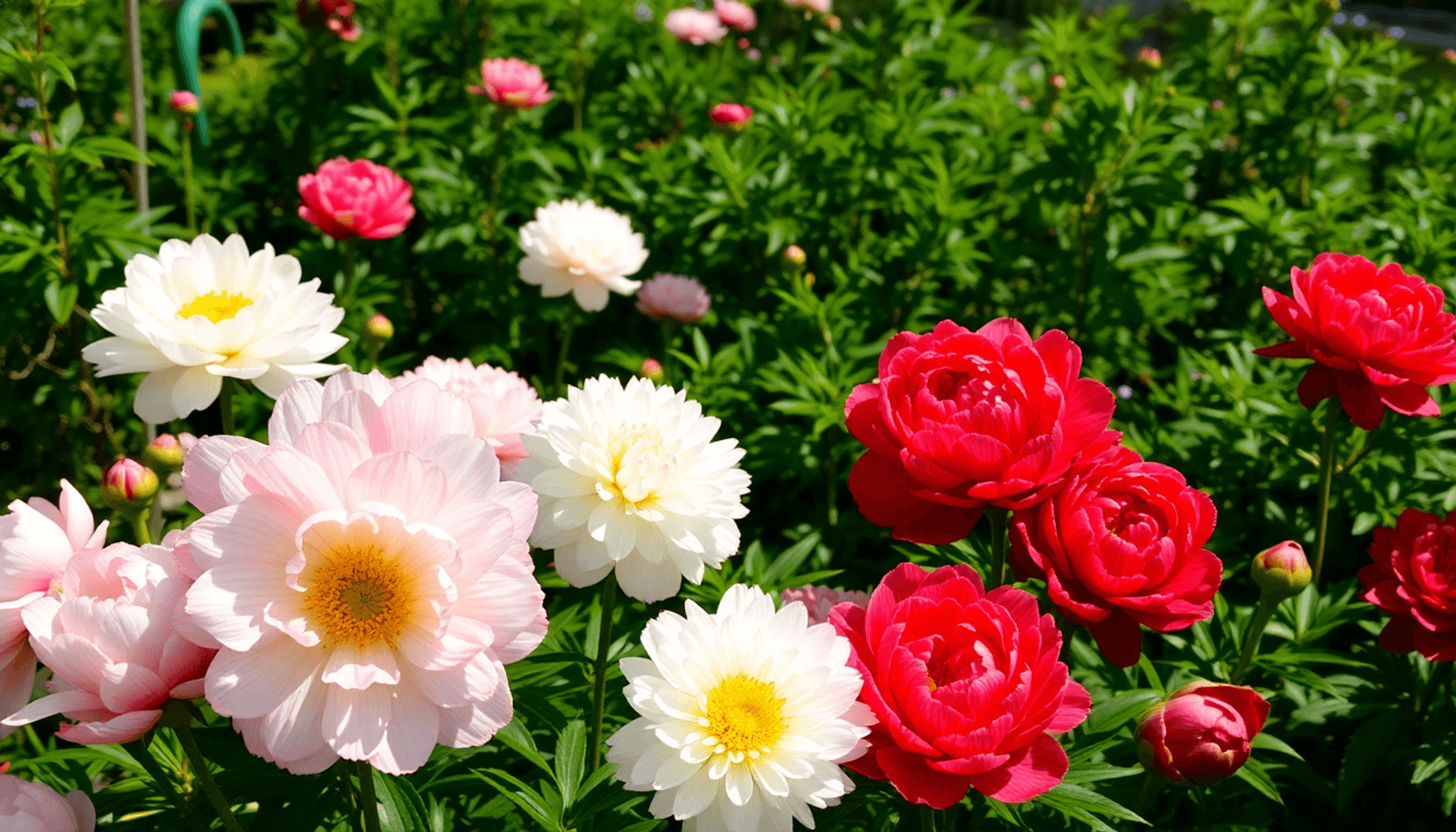

Peonies are popular garden plants known for their stunning beauty and long lifespan. With their lush, fragrant blooms, they add elegance and color to gardens year after year, often thriving for decades or even longer with proper care.
If you want to learn how to grow peonies successfully, this guide will provide you with the essential information you need. By understanding the basics of peony care—such as planting conditions, watering, feeding, and maintenance—you can create an environment that promotes healthy plants and rewards you with breathtaking flowers.
Key takeaway: With the right knowledge and consistent care, you can cultivate vibrant and robust peonies that become a lasting highlight in your garden landscape. This guide breaks down the fundamental steps to help you master peony care basics and enjoy their timeless charm.
Understanding Peonies: Types and Characteristics
Peonies come in three main types, each with unique traits that affect how they grow and bloom in your garden. Knowing the differences between these types of peonies helps you choose the right variety for your space and care preferences.
Herbaceous Peonies
Herbaceous peonies are the classic garden peony familiar to many gardeners. Their seasonal dieback requires cutting back in autumn but allows for tidy renewal each year.
Characteristics of Herbaceous Peonies
- Growth habit: These peonies die back to the ground every winter, re-emerging each spring.
- Height: Typically reach about 90 cm (3 feet) tall.
- Stems: Soft, green, and flexible.
- Bloom season: Late spring to early summer.
- Flower forms: Wide range including single, semi-double, double, and bomb varieties.
- Examples: Paeonia lactiflora cultivars like 'Sarah Bernhardt' or 'Festiva Maxima'.
Tree Peonies
Tree peonies offer an architectural presence with their woody structure and impressive flower size. They do not require cutting back annually but benefit from occasional pruning.
Characteristics of Tree Peonies
- Growth habit: Woody stems that remain above ground year-round.
- Height: Can grow between 1.5 to 2 meters (5 to 6.5 feet).
- Stems: Thick, woody branches resembling small shrubs or trees.
- Bloom season: Often bloom slightly earlier than herbaceous types.
- Flower forms: Large, often flat blossoms with a wide color palette including soft pastels and vivid hues.
- Examples: Paeonia suffruticosa varieties such as 'Kinkaku' or 'Renkaku'.
Intersectional Hybrids (Itoh Peonies)
Intersectional hybrids are prized for their robust stems that reduce flopping, enhanced flower colors, and longer blooming periods compared to classic herbaceous peonies.
Characteristics of Intersectional Hybrids
- Growth habit: Hybrid vigor combining traits of both herbaceous and tree peonies.
- Height: Generally taller than herbaceous types but shorter than tree peonies; around 1 meter (3 feet).
- Stems: Stronger than herbaceous but herbaceous in nature — die back in winter.
- Bloom season: Bloom after tree peonies but often before herbaceous ones.
- Flower forms: Bold colors with large, semi-double to fully double flowers; often more vibrant than typical herbaceous varieties.
- Examples: ‘Bartzella’ and ‘Garden Treasure’.
Each type’s characteristics influence how you care for them—from pruning practices to staking needs—and determine their role within your garden’s design. For instance, peony care after flowering varies significantly between these types. Understanding these differences prepares you to select the best peony type suited to your climate, soil conditions, and aesthetic goals.
Choosing the Right Location for Planting
Selecting the best location for peonies is crucial to ensure their vibrant growth and prolific blooming. Peonies thrive when their environmental needs are met, especially regarding light, soil, and air circulation.
Sun Requirements for Peonies
- Peonies prefer full sun, ideally receiving at least 6 hours of direct sunlight daily.
- They tolerate partial shade, but flowering may be less abundant and stems can become leggy.
- Avoid deep shade as it weakens plants and reduces overall vigor.
Soil Conditions for Peonies
- Well-drained soil is essential to prevent root rot and other moisture-related problems.
- Rich, loamy soil enriched with organic matter supports healthy root development.
- Peonies favor a soil pH that is neutral to slightly alkaline (around 6.5 to 7.5).
- Heavy clay or acidic soils require amending with compost, lime, or sand to improve texture and pH balance.
Shelter and Air Circulation
- Choose a site sheltered from strong winds which can damage tall stems and large blooms.
- Good air circulation reduces humidity around foliage, helping prevent fungal diseases such as botrytis blight or peony wilt.
- Avoid planting too close to buildings or dense shrubs that block airflow or create overly shaded conditions.
Planting peonies in a spot that meets these criteria sets the foundation for robust growth. The right balance of sunlight, soil quality, and protection from harsh elements helps your plants develop strong roots and support stunning floral displays year after year.
Preparing Soil and Planting Peonies
Successful planting peonies begins with choosing the right time and preparing the soil properly. These steps set the foundation for strong roots and abundant blooms.
When to Plant Peonies
- Autumn planting is generally preferred because it allows peonies to establish roots before winter dormancy. Aim for 4–6 weeks before the first hard frost.
- Spring planting is possible but less ideal. If you choose spring, plant as early as the soil can be worked to give plants a full growing season.
Soil Preparation for Peonies
Peonies thrive in soil enriched with organic matter. Before planting:
- Loosen the soil to a depth of about 30 cm (12 inches) to encourage root penetration.
- Incorporate generous amounts of well-rotted compost or aged manure to improve fertility and drainage.
- Avoid heavy clay soils unless amended heavily, as poor drainage can lead to root rot.
- Test soil pH aiming for neutral to slightly alkaline (6.5–7.5). If your soil is acidic, add garden lime accordingly.
Proper Planting Depth
Planting depth is critical for healthy growth and flowering:
- Position the crown (where roots meet stems) just 2–5 cm (1–2 inches) below the soil surface.
- Planting too deep is a common mistake that delays or prevents blooming because peonies struggle to push their shoots through excessive soil layers.
- Ensure roots are spread out naturally in the hole without crowding.
- Backfill gently but firmly, avoiding air pockets around roots.
A shallow planting depth combined with well-prepared, nutrient-rich soil encourages vigorous root development and supports those spectacular blooms peonies are known for.
Careful attention during this phase sets you up for success when learning how to grow peonies effectively in your garden.
Watering and Feeding Requirements
Proper watering and feeding are crucial for establishing healthy peonies and supporting vigorous growth in subsequent years.
Watering Peonies
- First year focus: Newly planted peonies need consistent moisture, especially during dry spells. Water deeply once or twice a week to encourage strong root development.
- Avoid overwatering: Peonies dislike soggy soil, which can lead to root rot. Ensure the soil drains well to prevent standing water.
- Established plants: After the first year, peonies become more drought-tolerant but still appreciate supplemental watering during prolonged dry periods or heatwaves.
Fertilizing Peonies
- Slow-release fertilizer for peonies is ideal because it delivers a steady supply of nutrients over time without overwhelming the roots.
- Apply fertilizer in early spring when shoots begin to emerge. A balanced formula with equal parts nitrogen, phosphorus, and potassium supports leaf growth and flower production.
- Avoid heavy feeding late in the season to reduce the risk of encouraging tender new growth that can be damaged by frost.
Mulching Benefits
- Mulching around the base conserves soil moisture, reducing the frequency of watering needed during hot weather.
- Organic mulches such as shredded bark, compost, or well-rotted manure also suppress weeds that compete for nutrients and water.
- Mulch acts as insulation, protecting roots from temperature extremes while gradually enriching the soil as it breaks down.
By maintaining consistent moisture levels, providing annual feeding with slow-release fertilizer, and applying mulch around your peonies, you lay a solid foundation for robust health and abundant flowering. These simple but effective care steps help your plants thrive season after season.
Supporting and Maintaining Healthy Growth
Peony plants, especially the taller varieties, benefit greatly from supporting tall peony stems to prevent breakage. Their large, heavy blooms can weigh down the stems, making them prone to bending or snapping under their own weight. You can use several methods for support:
1. Stakes
Insert sturdy stakes into the ground near the base of the plant. Tie the stems loosely with garden twine or soft ties, allowing room for growth without constriction.
2. Peony rings or cages
Circular wire supports placed around the plant provide even support for multiple stems and keep them upright throughout the growing season.
3. Obelisk or teepee-style supports
These structures work well for grouping several plants together and add an attractive vertical element to your garden.
Regular inspection of supports is important. Adjust ties as plants grow taller to avoid damaging stems. Removing supports too late in the season can lead to stem damage during winter, so plan removal after foliage has died back naturally.
Pruning peonies plays a crucial role in maintaining healthy growth and tidiness:
- Deadheading spent blooms encourages a neat appearance and prevents the plant from expending energy on seed production. Use clean, sharp scissors or pruners to snip off faded flowers just above a set of healthy leaves.
- After flowering ends, you can leave some foliage intact for photosynthesis until it yellows. Once foliage dies back in autumn, cutting it down to ground level helps reduce disease risk and prepares the plant for winter dormancy.
Avoid heavy pruning during the growing season as peonies develop their flower buds on old wood (for tree peonies) or at ground level (for herbaceous types). Cutting too much foliage early can reduce bloom potential in the following year.
By providing adequate support and practicing proper pruning techniques, you ensure your peonies remain vigorous and visually appealing throughout their growing cycle. This care not only extends stem life but also promotes healthier plants that reward you with spectacular blooms year after year.
Propagation Techniques for Peonies
Propagating herbaceous peonies is most effectively done through the division method. This technique allows you to multiply your plants and maintain their vigor, especially with mature clumps. Here's how to go about dividing peony plants and ensuring successful propagation:
When to Divide Peonies
The ideal time to divide herbaceous peonies is in early autumn, after the foliage has died back but before the ground freezes. Spring division is possible but less common, as it can stress the plant during its active growth phase.
Steps for Dividing Peony Plants
Step 1: Dig Up the Clump
Carefully dig around the base of the peony clump, loosening soil at least 30 cm away from stems to avoid damaging roots. Lift the entire root ball gently out of the ground.
Step 2: Clean and Inspect the Roots
Shake off excess soil and rinse roots with water for better visibility. Examine for any signs of rot or disease and discard any damaged sections.
Step 3: Divide the Root Mass
Use a clean, sharp knife or garden spade to cut the root clump into sections. Each division should have at least 3 to 5 healthy eyes (buds) visible on thickened roots and a good portion of healthy root mass attached.
Step 4: Prepare Divisions for Planting
Trim any broken or damaged roots. If planting will be delayed, soak divisions briefly in water to keep them from drying out.
Planting Divisions Correctly
- Plant divisions with eyes facing upwards, about 5 cm below the soil surface.
- Avoid deep planting; keeping eyes close to the surface encourages blooming.
- Space new plants about 90 cm apart to allow room for growth and airflow.
Tips for Success
- Choose vigorous parent plants that are at least 4 years old for division.
- Keep newly divided plants well-watered but not waterlogged during establishment.
- Mulch around new plants to conserve moisture and suppress weeds.
- Avoid fertilizing immediately after planting; wait until new growth appears in spring.
Division as a propagation method preserves the characteristics of your original peony variety, ensuring that flower color, form, and fragrance remain consistent. It is less commonly used with tree peonies due to their woody stems but remains the primary approach for herbaceous types.
Understanding these techniques enhances your ability to expand your garden's peony collection while maintaining plant health and flowering quality.
Managing Common Problems and Pests with Peony Care Tips
Peonies, while generally hardy, can encounter some common issues that affect their health and flowering potential. Recognizing these problems early helps you protect your plants and maintain their beauty.
Common Peony Diseases
Fungal issues in peonies are among the most frequent challenges. The primary fungal disease to watch for is peony wilt (also called botrytis blight). It typically appears as blackened, soft spots on stems and leaves, often starting at the base of the plant. As the disease progresses, buds may fail to open or collapse shortly after blooming.
Symptoms to look for:
- Blackened or browning stems near soil level
- Gray mold or fuzzy growth on affected areas
- Wilting or drooping shoots despite adequate watering
Prevention Strategies for Fungal Issues
Fungal infections thrive in damp, crowded conditions. You can reduce risk significantly by:
- Ensuring proper spacing: Plant peonies with enough room (at least 3 feet apart) to allow good air circulation around each plant.
- Removing weak or diseased stems promptly: Cut back affected parts at ground level as soon as symptoms appear to prevent spread.
- Cleaning up garden debris: Dispose of fallen leaves and spent flowers in autumn since fungal spores survive in old plant material.
- Avoiding overhead watering: Water at the base of plants to keep foliage dry and less susceptible to fungi.
Other Pest Considerations
While ants commonly swarm peony buds attracted by nectar, they do not harm the plants. Watch instead for pests such as Japanese beetles that can chew on foliage and flowers. Handpicking these beetles off plants or using targeted insecticides if infestation is severe helps maintain plant vigor.
Maintaining healthy growing conditions combined with vigilant monitoring allows you to catch problems early. Your peonies will reward you with robust growth and spectacular blooms free of disease stress.
Embracing the Beauty: Exploring Bloom Varieties and Seasonality in Peony Gardening
Peonies offer a stunning range of peony flower colors and bloom types, making them a versatile choice for any garden. Understanding the different types of peony blooms helps you select varieties that fit your aesthetic preferences and garden conditions.
Peony Flower Colors
Peonies come in a broad palette of colors, including:
- Soft pastels: Light pinks, blush, and creamy whites provide a delicate, romantic feel.
- Bold hues: Deep reds, vibrant magentas, and rich purples make striking focal points.
- Unique shades: Coral, apricot, and even yellow varieties add warmth and diversity.
- Bi-color and variegated blooms: Some hybrids feature petals with contrasting edges or color gradients for extra visual interest.
Types of Peony Blooms
Flower forms vary widely among peonies. The main types include:
- Single blooms: Characterized by a simple ring of petals surrounding a cluster of yellow stamens. They have an open, airy appearance that attracts pollinators.
- Semi-double blooms: These have more petals than singles but still show some stamens. They offer a fuller look without being too dense.
- Double blooms: Dense layers of petals completely cover the center of the flower. These are the classic "fluffy" peony blooms many gardeners love.
- Bomb types: A hybrid form where large outer petals surround a tight cluster of smaller petaloid structures inside. Bombs can resemble pom-poms or intricate rosettes.
Patience Required for Full Flowering
Peonies are not quick to show their full glory immediately after planting. It often takes 2 to 3 years before they reach peak blooming potential. During this time:
- Focus on strong root establishment rather than expecting abundant flowers right away.
- Resist the urge to dig up or move plants if they appear slow to bloom; this is normal behavior.
- With proper care involving correct planting depth, watering, and feeding, your peonies will reward you with spectacular displays.
This waiting period allows the plant to build energy reserves underground so future flowering seasons produce larger, more vibrant blossoms year after year.
The Long-Term Rewards: Peony Longevity and Low-Maintenance Care Tips
Peonies are one of the long-living plants in your garden. They can thrive for decades, and with the right care, they may even live over a century. This impressive lifespan makes them a valuable investment for gardeners looking for low-maintenance garden plants that provide consistent beauty year after year.
Longevity of Established Peonies
Once established, peonies can bloom reliably for 40 to 50 years or more. Some historic gardens feature peonies that have flourished for over 100 years.
Their deep, robust roots help them survive harsh winters and drought conditions better than many other perennials.
Healthy peonies typically resist common garden pests and fungal issues if planted in suitable conditions.
Low-Maintenance Characteristics
After the first growing season, peonies require little supplemental watering except during prolonged dry periods.
Applying a balanced slow-release fertilizer annually in early spring supports healthy growth without demanding frequent feeding schedules.
A layer of organic mulch helps retain soil moisture and suppress weeds, reducing the need for frequent weeding.
How to Grow Peonies to Maximize Longevity
Avoid disturbing their roots unnecessarily; peonies dislike being transplanted once mature.
Maintain proper planting depth—the crown should remain just below the soil surface to encourage blooming and long life.
Support tall varieties with stakes or rings early on to prevent stem damage that could affect long-term health.
Remove dead foliage after autumn to reduce disease risk and prepare the plant for winter dormancy.
The combination of long-living plants characteristics and low-maintenance garden plants traits makes peonies an excellent choice for gardeners who want reliable, spectacular blooms without constant upkeep. Understanding how to grow peonies properly ensures you enjoy their beauty season after season with minimal effort.
Conclusion
Growing beautiful peonies requires patience and attention, but the rewards are worth it. These plants may take a few years to reach their full blooming potential, yet their vibrant flowers and enchanting fragrance make every moment worthwhile.
Remember these successful peony gardening tips to ensure your efforts pay off:
- Choose the right type for your garden’s conditions—herbaceous, tree, or intersectional hybrids.
- Plant them correctly, with crowns just below the soil surface and in well-drained, nutrient-rich soil.
- Provide adequate sunlight, water during dry spells, and support taller stems as needed.
- Maintain healthy growth by feeding annually, mulching, and deadheading spent blooms.
- Watch for common problems like fungal diseases and pests, addressing them promptly.
Adding peonies to your garden brings timeless beauty that can last for decades or even longer. Once established, they require little maintenance, allowing you to enjoy stunning blooms year after year without excessive effort.
Approach the process of growing peonies with care and dedication. The breathtaking display of colors and shapes will transform your garden into a peaceful sanctuary filled with natural grace. Your patience will be generously rewarded with some of the most exquisite flowers in any landscape.
FAQs (Frequently Asked Questions)
What are the main types of peonies and their characteristics?
The three main types of peonies are herbaceous peonies, tree peonies, and intersectional hybrids. Herbaceous peonies die back to the ground each year, tree peonies have woody stems that persist year-round, and intersectional hybrids combine traits from both. They differ in stem type, height, growth habits, bloom season, and flower forms.
How do I choose the best location for planting peonies?
Peonies thrive best in locations with full sun to partial shade. It's important to plant them in well-drained, rich soil with a neutral to slightly alkaline pH. Selecting a sheltered spot with good air circulation helps prevent fungal diseases and promotes healthy growth.
When and how should I plant peonies for optimal growth?
Plant peonies in autumn or spring for best results. Prepare the soil by enriching it with organic matter. Ensure proper planting depth by placing the crown just a few centimeters below the soil surface to encourage blooming while avoiding deep planting pitfalls.
What are the watering and feeding requirements for healthy peony plants?
Peonies need regular watering during dry spells, especially in their first year. Use slow-release fertilizer annually to support healthy growth. Applying mulch over the roots helps retain moisture and suppress weeds, contributing to overall plant health.
How can I support tall peony stems and maintain their appearance?
Use stakes or supports for taller peony varieties to prevent stem breakage caused by heavy blooms or wind. Deadhead spent blooms regularly to maintain tidiness and encourage a neat appearance in your garden.
What are common problems with peony care and how can I manage them?
Common issues include fungal diseases like peony wilt. Prevent these by ensuring proper spacing between plants for good air circulation and removing weak or diseased stems promptly. Maintaining healthy growing conditions reduces the risk of pests and diseases.