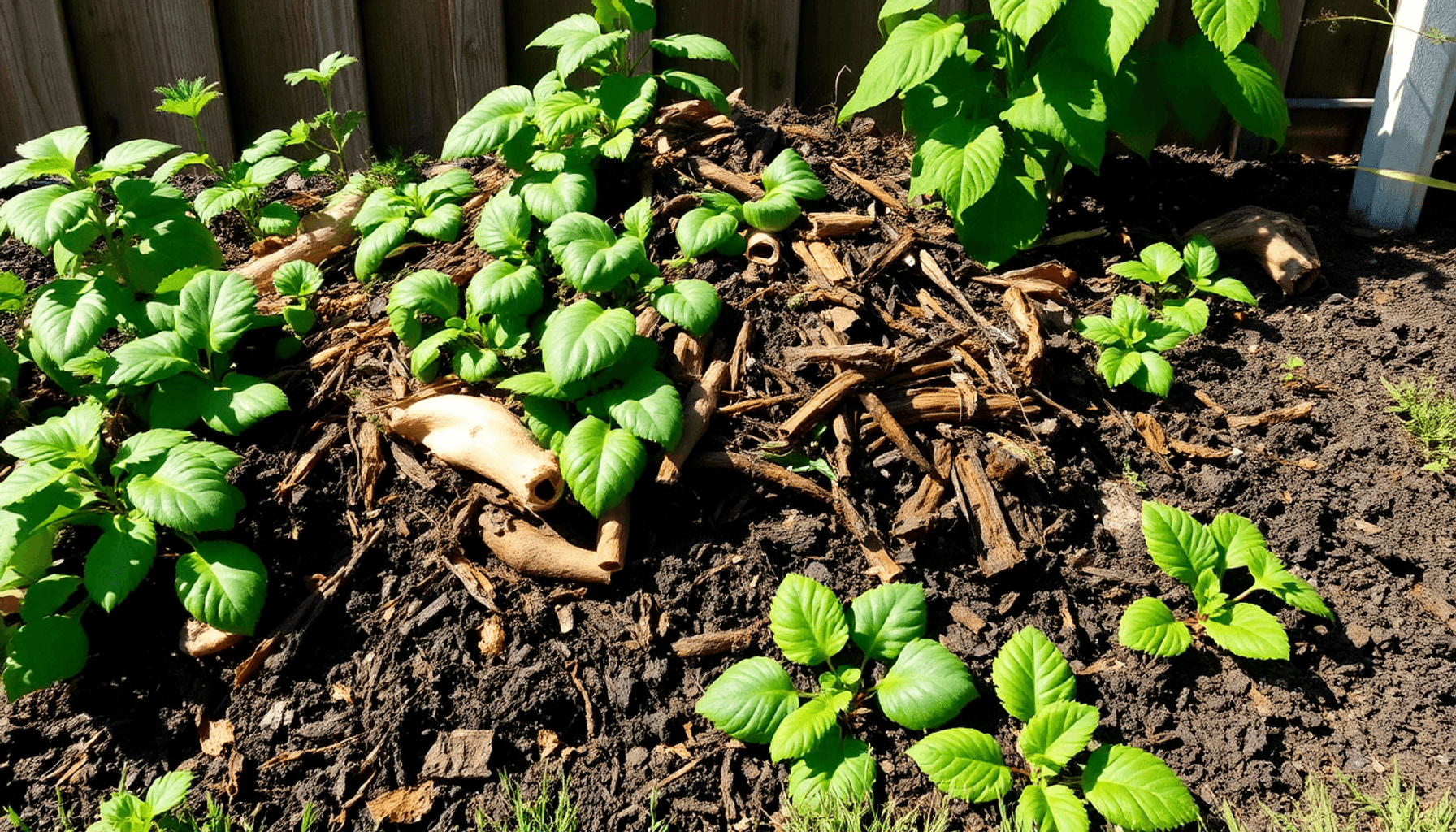

Composting is the process of turning organic waste into nutrient-rich soil, which helps reduce landfill use and improve garden health. It's an environmentally friendly way to recycle kitchen scraps and garden waste, creating valuable compost that enhances soil structure, moisture retention, and fertility.
Knowing how long compost takes to mature is important for planning your gardening activities and setting realistic expectations. The duration of composting can vary greatly depending on the materials used, the environment, and how the compost is managed. By understanding the typical time it takes for compost to mature, you can optimize the process and achieve usable compost more quickly.
In this article, you will learn:
- The biological process behind composting and its key stages
- Factors that affect how quickly compost breaks down
- Typical timeframes for different types of compost setups
- Practical tips to speed up decomposition for quicker results
With this knowledge, you can improve your composting strategy and enjoy the benefits of rich, healthy soil sooner.
Understanding the Composting Process
Composting is a natural process where organic materials break down into nutrient-rich humus with the help of microorganisms. These tiny organisms—bacteria, fungi, and actinomycetes—are essential for decomposition. They consume the carbon and nitrogen found in garden and kitchen waste, transforming it into simpler compounds that nourish the soil.
The Role of Microorganisms
- Bacteria kick off decomposition by quickly breaking down soft, green materials rich in nitrogen.
- Fungi focus on tougher, woody brown materials high in carbon, aiding in the breakdown of lignin and cellulose.
- Actinomycetes come into play during the later stages, breaking down complex compounds that other microbes can't digest.
As these microorganisms work their magic, they produce heat as a byproduct. This heat can raise the temperature inside the compost pile to between 131°F and 160°F (55°C–70°C), which helps eliminate pathogens and weed seeds.
Decomposition Stages from Fresh Waste to Mature Compost
- Mesophilic Stage (Initial Phase)
Fresh organic waste enters the pile. Mesophilic bacteria begin working at moderate temperatures (50°F–104°F or 10°C–40°C), breaking down sugars and starches quickly. - Thermophilic Stage (Active Phase)
As microbial activity increases, temperatures rise sharply. Thermophilic bacteria take over during this phase, decomposing proteins, fats, and tough fibers. This stage lasts days to weeks depending on conditions. - Cooling Down Stage
Once easily degradable materials are consumed, the temperature drops. Mesophilic organisms return to further break down remaining substances and start humification—the transformation into stable organic matter. - Maturation Stage (Curing Phase)
The compost stabilizes over several months. Microbial diversity increases with fungi and actinomycetes finalizing decomposition. The result is dark, crumbly compost with an earthy smell indicating readiness for use.
Understanding these biological stages enables you to manage your compost pile effectively by adjusting factors like moisture, aeration, and material balance to support microbial health throughout the process.
Factors Affecting Composting Time
1. Types of Materials Used in Composting
The types of materials you add to your compost pile play a critical role in determining how long it takes for the compost to mature. Understanding the difference between green and brown materials is essential in managing the decomposition process effectively.
Green Materials (Nitrogen-Rich)
Green materials are rich in nitrogen, which fuels the growth and activity of microorganisms responsible for breaking down organic matter. These materials tend to be moist and soft, providing essential nutrients for microbes.
Examples of green materials include:
- Grass clippings
- Vegetable peelings
- Fruit scraps
- Coffee grounds
- Fresh garden waste such as leafy plants or green weeds
Nitrogen from green materials promotes rapid microbial reproduction, accelerating decomposition when combined properly with carbon sources.
Brown Materials (Carbon-Rich)
Brown materials supply carbon, which provides energy for microorganisms and helps regulate moisture and odor in the compost pile. These tend to be dry, coarse, and fibrous.
Common brown materials are:
- Dry leaves
- Straw or hay
- Wood chips and sawdust
- Cardboard and shredded paper
- Twigs and small branches
Carbon-rich brown materials create air pockets within the pile, improving aeration—an important factor for efficient composting.
Balancing Greens and Browns
A well-balanced mix of green and brown materials encourages faster, more efficient decomposition. If the pile has too much nitrogen (greens), it can become slimy, smelly, or anaerobic due to excess moisture. Excess carbon (browns) slows down microbial activity because nitrogen becomes limited.
Aim for a ratio close to 30 parts carbon to 1 part nitrogen by weight—or roughly 3 parts browns to 1 part greens by volume—to optimize microbial function. This balance supports a healthy environment where bacteria and fungi thrive, breaking down organic matter steadily without unpleasant odors or extended breakdown times.
Managing this balance directly impacts how long does compost take to mature. Correct proportions help maintain consistent heat generation inside the pile—a sign of active decomposition—and reduce the overall duration needed for finished compost.
2. Environmental Conditions Impacting Compost Speed
The speed at which your compost breaks down depends heavily on environmental conditions that support or hinder microbial activity. These factors affecting compost time are crucial to understand if you want to optimize the process.
Moisture Levels in Compost
Microorganisms need moisture to survive and multiply, but too much water can suffocate them by limiting oxygen access. The ideal moisture content for a compost pile is often described as similar to a wrung-out sponge:
- Too dry: Microbial activity slows down dramatically because the organisms cannot function without sufficient moisture.
- Too wet: Excess water fills air spaces and reduces oxygen levels, causing anaerobic conditions that slow decomposition and produce unpleasant odors.
Maintaining consistent moisture is key. You can check this by squeezing a handful of compost—if a few drops of water come out, moisture is good. If it feels dry or powdery, add water; if soggy, turn the pile to release excess water and incorporate dry brown materials.
Aeration in Compost Pile
Oxygen is essential for aerobic microbes that efficiently break down green materials and brown materials into rich humus. Lack of aeration leads to slower decomposition and the creation of methane-producing anaerobic bacteria.
Turning or mixing your compost pile regularly:
- Introduces oxygen deep into the material.
- Redistributes moisture evenly.
- Prevents compaction that blocks airflow.
How often you turn depends on the size of your pile and materials used. For active, high-nitrogen (green) content piles, turning every 1–2 weeks speeds up composting substantially. Less frequent turning extends the timeline but still produces good results.
Proper aeration combined with balanced moisture creates an optimal environment for microbes to thrive, directly influencing how long does compost take to mature. Without these conditions, even perfectly balanced green and brown materials will decompose more slowly.
Understanding these environmental variables helps you take control over your composting process and reduce waiting time while producing high-quality finished compost.
3. Management Practices Influencing Compost Duration
Managing your compost pile effectively plays a crucial role in determining how long compost takes to fully mature. Several key variables directly impact the speed of decomposition and the quality of the finished product.
Turning Compost Regularly
- Turning or mixing the compost pile introduces vital oxygen, which accelerates microbial activity. Microorganisms responsible for breaking down green materials and brown materials require oxygen to thrive.
- Without adequate aeration, the pile can become compacted and anaerobic, leading to slow decomposition and unpleasant odors.
- A recommended practice is turning the pile every few weeks, depending on its size and composition. Frequent turning helps redistribute moisture and heat evenly throughout the pile.
- Regular mixing also breaks down larger chunks of material, increasing surface area for microbes to act upon.
Maintaining Optimal Moisture Through Watering
- Moisture content affects microbial metabolism; too dry slows activity, while too wet creates waterlogged conditions that suffocate organisms.
- The ideal moisture level resembles a wrung-out sponge—damp but not dripping.
- Watering your compost during dry spells or after turning ensures microorganisms have the right environment to work efficiently.
- Monitoring moisture regularly helps you avoid extremes that lengthen compost time.
Both turning and watering are manageable steps that enable you to control key factors affecting compost time. These practices support effective decomposition of green materials rich in nitrogen and brown materials supplying carbon. By maintaining proper aeration and moisture balance, you can significantly reduce how long compost takes without compromising quality.
Typical Timeframes for Compost Maturity
Understanding how long composting takes, as outlined in this comprehensive guide on composting basics, helps set realistic expectations for your composting efforts. The timeline varies widely depending on several factors, but typical ranges can guide your planning.
Average timespan for garden-scale compost
Most home compost piles take between 6 months to 2 years to fully mature. This longer timeline often reflects less intensive management, smaller pile sizes, or seasonal interruptions such as cold weather slowing down microbial activity.
Faster results (2 to 4 months)
When conditions are optimized — including balanced green and brown materials, regular turning to maintain aeration, and consistent moisture levels — decomposition speeds up dramatically. Larger piles that retain heat well also accelerate the process. Under these ideal circumstances, you can expect finished compost in as little as two to four months.
Factors influencing this range include:
- Pile size: Larger heaps generate more internal heat, facilitating faster breakdown.
- Material preparation: Shredded or chopped waste decomposes quicker than whole branches or large scraps.
- Climate: Warm temperatures promote microbial growth; cold seasons extend the timeline.
- Management frequency: Regular mixing and monitoring moisture prevent delays caused by anaerobic conditions or dryness.
Knowing how long does compost take? helps you plan when to add finished material back into your garden beds. It also encourages active management practices that shrink the typical timeframe toward the shorter end of the spectrum without sacrificing quality.
Identifying When Compost is Ready to Use
Knowing when your compost is ready to use is essential for getting the most out of it in your garden. Here are some clear signs that indicate your compost has fully matured and is safe to apply:
1. Color and Texture
Mature compost typically appears as a rich, dark brown substance, resembling healthy forest soil. The texture is crumbly and loose, not clumpy or wet. If you can easily break it apart with your fingers and it feels light rather than dense, the decomposition process is complete.
2. Smell
Properly finished compost emits an earthy aroma similar to damp woodland or fresh soil. This scent indicates that the organic material has broken down without producing harmful substances. Avoid using compost that smells sour, ammonia-like, or rotten, as these odors suggest incomplete decomposition or anaerobic conditions.
3. Absence of Original Materials
You should no longer see recognizable bits of food scraps, leaves, or other waste. If large pieces remain intact, the compost needs more time or better management such as turning or shredding.
4. Temperature
Mature compost will have cooled down to ambient temperature after going through an initial warm phase during decomposition. A pile that still feels hot in the center may require additional curing before use.
Checking these factors ensures you apply nutrient-rich material that enhances your soil without risking plant damage from unfinished waste. Properly matured compost improves soil structure and fertility effectively because it contains stable organic matter ready for plant uptake.
Practical Tips to Optimize Composting Speed
Speeding up compost process requires attention to timing, material volume, and environmental placement. These practical steps help you achieve faster results without compromising quality.
Start with high-volume garden waste during springtime
Spring generates abundant green waste like fresh grass clippings, leafy prunings, and vegetable scraps. This surge of nitrogen-rich materials energizes microbial activity. Larger quantities of organic matter create heat and maintain moisture better than small amounts, accelerating decomposition. Collecting and adding these materials in bulk jumpstarts the compost pile’s internal temperature, encouraging rapid breakdown.
Position the compost bin in shaded and sheltered areas
Microorganisms thrive under stable conditions. Direct sunlight can dry out the pile too quickly, while exposed windy spots cause temperature fluctuations that slow microbial processes. A shaded location helps retain moisture and prevent overheating. Sheltered spots shield the pile from heavy rain or strong winds that might disrupt the balance of air and water content crucial for active decomposition.
Maintaining these factors supports a steady environment where beneficial bacteria and fungi can work efficiently. Combined with proper turning and moisture management, these tips significantly reduce the time needed to produce rich, mature compost ready for use in your garden.
Uses and Benefits of Mature Compost
Mature compost offers a range of benefits that significantly improve garden health and productivity. Understanding these benefits helps you appreciate why investing time in the composting process is worthwhile, especially when asking, How Long Does Compost Take?
Enhancing Soil Structure and Fertility
- Improved soil texture: Mature compost adds organic matter to the soil, which enhances its structure. This means clay soils become less compacted, allowing better root penetration and water drainage. Sandy soils gain improved water retention and nutrient-holding capacity.
- Nutrient-rich amendment: Finished compost contains essential nutrients such as nitrogen, phosphorus, potassium, and trace minerals. These nutrients are slowly released, providing plants with a steady supply over time.
- Microbial boost: The beneficial microorganisms present in mature compost continue to thrive in the soil. These microbes help break down organic matter further and suppress harmful pathogens.
- pH buffering: Compost can help stabilize soil pH, making nutrient uptake easier for plants by creating a balanced growing environment.
Using Mature Compost as Mulch
- Weed suppression: Applying a layer of mature compost on garden beds reduces weed growth by blocking sunlight from reaching weed seeds.
- Soil moisture retention: Compost mulch helps retain moisture in the soil by reducing evaporation. This means less frequent watering is necessary, saving time and resources.
- Temperature regulation: A mulch layer protects soil from extreme temperature fluctuations, reducing stress on plant roots during hot summers or cold winters.
- Erosion control: By covering bare soil, compost mulch minimizes erosion caused by wind and rain runoff.
These practical uses highlight why understanding How Long Does Compost Take? is important — the benefits come only after compost reaches maturity. Once ready, applying this natural resource turns your garden into a healthier, more resilient ecosystem that supports vigorous plant growth and sustainable gardening practices.
Conclusion
Knowing how long composting takes helps you have realistic expectations and improves your chances of success. The time it takes for compost to fully develop depends mostly on:
- The materials you use
- Environmental factors like moisture and airflow
- How actively you manage the compost pile
You can speed up the process by balancing green and brown materials, keeping the pile moist but not too wet, and turning it regularly to provide oxygen. With good management, you can expect compost to be ready in 2 to 4 months, while neglected piles may take a year or more.
Starting your own well-managed compost bin has many benefits: less waste, nutrient-rich soil amendment, and healthier plants. Embrace this process as a rewarding gardening habit that improves your garden's ecosystem. For those who are new to this, Composting could be an excellent starting point to understand the basics.
“Composting is not just about waiting — it’s about nurturing.”
Take action today. Gather your garden waste, set up your compost bin in a shady area, and observe nature's recyclers at work. Your garden will reward you with healthier soil and vigorous growth.
FAQs (Frequently Asked Questions)
How long does compost take to mature?
Compost typically takes between 6 months to 2 years to mature under garden-scale conditions. However, with optimal management and environmental conditions, compost can be ready in as little as 2 to 4 months.
What factors affect the duration of composting?
The duration of composting is influenced by several factors including the types of materials used (green nitrogen-rich and brown carbon-rich), environmental conditions such as moisture levels and aeration, and management practices like turning and watering the compost pile regularly.
What are green and brown materials in composting, and why is their balance important?
Green materials are nitrogen-rich organic waste like kitchen scraps and fresh grass clippings, while brown materials are carbon-rich items such as dry leaves and straw. Balancing greens and browns is crucial for efficient decomposition because it provides the right nutrient ratio for microorganisms to break down the waste effectively.
How can I speed up the composting process?
To accelerate composting, start with a high volume of garden waste during springtime, maintain ideal moisture levels by watering when needed, ensure proper aeration by regularly turning or mixing the pile, and position your compost bin in shaded, sheltered areas to create stable microbial activity conditions.
How do I know when my compost is ready to use?
Mature compost is characterized by a dark brown color with a crumbly texture. It emits an earthy or damp woodland scent, indicating that the organic matter has fully decomposed and is ready to enhance soil fertility.
What are the benefits of using mature compost in gardening?
Mature compost improves soil structure and fertility by adding essential nutrients. It can also be used as mulch to suppress weeds and protect soil from erosion, thereby promoting healthier plant growth and sustainable gardening practices.