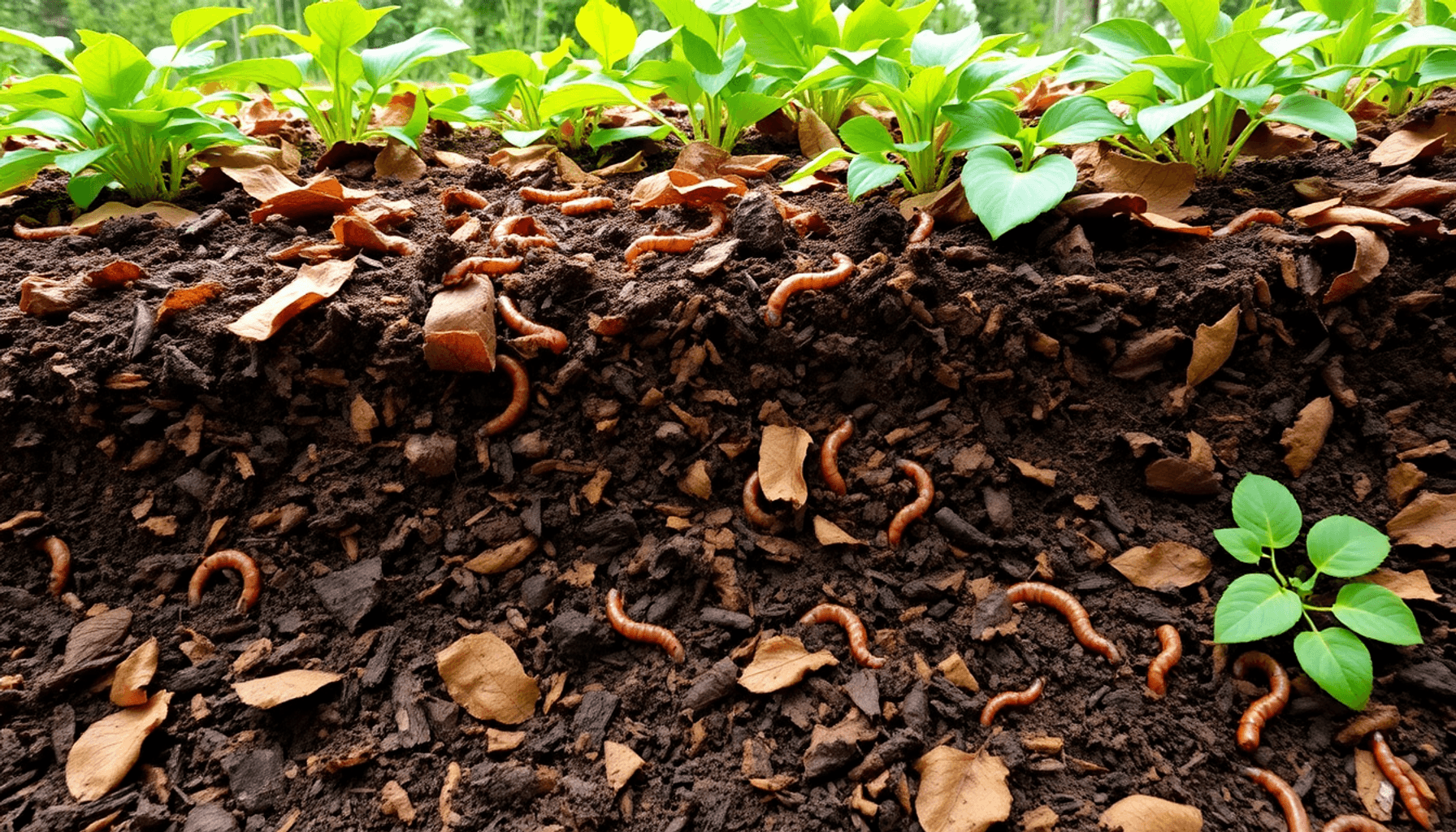

What is No-Dig Gardening? The Charles Dowding Method Explained introduces a gardening approach that is gaining popularity in sustainable horticulture. No-dig gardening challenges traditional soil cultivation by avoiding digging or turning the earth. Instead, it focuses on nurturing soil life and working with natural processes.
Charles Dowding stands out as a pioneer of this method. His practical experiments and teachings have shaped no-dig gardening into a reliable and productive system. Dowding’s work emphasizes simplicity, sustainability, and enhancing soil health without heavy labor.
This article guides you through:
- The core principles behind the Charles Dowding no-dig approach
- Practical techniques to start your own no-dig garden
- Soil health benefits and ecosystem advantages
- Ways to create beds over grass or weeds effortlessly
- Planting strategies tailored for no-dig systems
- Reasons why adopting this method can transform your gardening experience
- Tips for adapting the method to different environments
- Expert advice from Charles Dowding himself
Understanding these elements equips you to implement no-dig gardening confidently, improving your garden's productivity while reducing effort.
Understanding the Principles Behind the Charles Dowding No-Dig Method
The Charles Dowding No-Dig Method is based on two main principles that go against traditional gardening beliefs:
1. Leaving the soil undisturbed
Digging, tilling, or forking disrupts the natural soil structure and harms the complex network of organisms living within it. Dowding emphasizes minimal disturbance to maintain the integrity of soil layers and protect beneficial life forms such as earthworms, microbes, and fungi. This approach preserves soil porosity and prevents compaction, allowing roots to grow freely and water to penetrate efficiently.
2. Feeding soil life with surface organic matter
Instead of mixing compost into the soil, Dowding’s technique involves applying a generous layer of well-rotted organic matter directly on top. This mimics how nature deposits leaf litter and woody debris on forest floors. As this material breaks down slowly, it nourishes microorganisms and earthworms at the surface, encouraging a vibrant ecosystem that cycles nutrients back into the soil naturally.
These principles replicate natural processes observed in undisturbed environments:
In woodlands, fallen leaves and dead plant material accumulate without any digging. Over time, they decompose, creating rich humus that sustains diverse soil life. The Dowding method recreates this cycle by keeping soil intact while feeding it from above.
By maintaining the soil undisturbed and layering organic matter on the surface, you support:
- A thriving community of beneficial organisms that aerate and fertilize the soil
- Enhanced nutrient availability through gradual decomposition
- Improved moisture retention due to protective mulch layers
- Natural suppression of weeds by blocking light at the soil surface
This harmony between soil undisturbed and organic matter application fosters a resilient garden ecosystem. You work with nature’s rhythms instead of fighting them, establishing a healthy foundation for plants to flourish.
Practical Implementation Techniques for Successful No-Dig Gardening
Implementing the Dowding No-Dig Method centers around a few straightforward but powerful techniques designed to nurture soil life and simplify gardening tasks. You focus on building up from the surface rather than disturbing the soil below.
Compost Layering: The Foundation of Healthy Soil
Create compost layers on top of your existing soil without any digging or forking. Simply spread a generous layer of about 2–3 inches of well-rotted compost or homemade organic matter over your garden beds. This layer acts as both a nutrient source and a habitat for beneficial microorganisms. As it breaks down, it enriches the soil beneath and encourages earthworms and microbes to thrive. Repeat this layering process annually or bi-annually to replenish nutrients naturally without turning the soil structure upside down.
Surface Mulch: Moisture Retention and Weed Suppression
Apply a thick mulch layer — such as straw, wood chips, or leaf mold — over the compost. Surface mulch complements compost layering by maintaining an environment favorable to soil organisms and plants alike. It provides several key benefits:
- Moisture retention: Keeps moisture locked in, reducing watering frequency.
- Weed suppression: Blocks light from reaching weed seeds, preventing germination.
- Soil protection: Shields the soil surface from erosion and temperature fluctuations.
Managing Bed Sizes and Starting Small
- Begin with manageable bed sizes, generally around 3 to 4 feet wide, so you can easily reach across without stepping on the soil. This prevents compaction and keeps your beds healthy.
- Starting small helps you learn how the no-dig system works without feeling overwhelmed. You can expand gradually as you gain confidence.
- Raised beds or defined borders help contain compost and mulch layers neatly, making maintenance easier.
Planting Techniques for No-Dig Gardens
- Plant directly into the compost layer by gently moving aside some mulch and inserting seedlings or seeds straight into this nutrient-rich medium.
- Avoid disturbing too much of the underlying soil; roots will grow downward naturally as the compost breaks down over time.
- Use succession planting — staggering planting times — to ensure continuous harvests and maximize space efficiently.
These practical techniques emphasize working with nature's processes instead of against them. By focusing on compost layering, surface mulch, thoughtful weed suppression, and effective planting techniques, you create a thriving no-dig garden that requires less effort while producing healthier plants.
Soil Health and Ecosystem Benefits of Embracing No-Dig Gardening
No-dig gardening, as championed by Charles Dowding, goes beyond just a planting technique—it profoundly impacts soil health and the garden ecosystem. Understanding these benefits helps explain why many gardeners are switching from traditional digging to this sustainable method.
Preservation of Soil Structure
One of the most significant advantages is soil structure preservation. Conventional digging disrupts the natural arrangement of soil particles, breaking up beneficial aggregates and compacting layers beneath the surface. This disturbance can lead to poor aeration, reduced water infiltration, and increased erosion.
No-dig gardening leaves the soil intact, maintaining its natural architecture. By not turning or forking the earth:
- Pore spaces remain open, allowing roots to grow freely.
- Air circulation within the soil improves, supporting aerobic microbes.
- Soil layers maintain their stability, reducing compaction risks especially in heavy clay soils.
This undisturbed environment mimics natural ecosystems where organic matter accumulates on the surface without disruption.
Promotion of Beneficial Organisms
Healthy soil teems with life. No-dig gardening fosters an environment where beneficial organisms, especially earthworms, thrive. These creatures play critical roles in:
- Breaking down organic material into nutrients plants can absorb.
- Improving soil aeration and drainage through their burrowing activities.
- Stimulating microbial diversity, which supports nutrient cycling and disease suppression.
Earthworms are often called nature’s tillers because their movement naturally aerates and mixes soil without damaging its structure. Their increased presence signals a rich, balanced ecosystem—a stark contrast to soils frequently turned by spades or rototillers that can injure or displace them.
Enhanced Moisture Retention and Drainage
The use of surface mulch in no-dig gardens contributes significantly to moisture management:
- Mulch reduces evaporation by shielding soil from direct sunlight.
- Organic layers slowly release moisture over time, creating a consistent supply for plant roots.
- Mulch prevents surface crusting that inhibits water penetration.
Improved drainage results from both healthy soil structure and organic matter content. When pores remain open and earthworm channels exist, excess water drains efficiently without causing waterlogging. This balance is crucial for plant health—roots receive enough moisture but are not drowned.
“In my experience, the compost layer acts like a sponge,” says Charles Dowding, “holding water during dry spells yet draining well after rain.”
What Is No-Dig Gardening? The Charles Dowding Method Explained
Understanding these ecological benefits explains why no-dig gardening produces healthier plants with less effort. It’s not just about avoiding labor-intensive digging; it’s about working with natural processes to support a thriving underground community that sustains above-ground growth.
The method encourages you to think of your garden as an ecosystem where every element—from microbes to worms—contributes to soil vitality. This harmonious setup leads to stronger crops, fewer pests, and a resilient garden system able to adapt to changing conditions naturally.
Creating No-Dig Beds Over Existing Grass or Weeds with Minimal Effort
Starting a no-dig garden on an area covered with grass or weeds might seem daunting. The traditional approach often involves hours of labor-intensive digging or tilling to clear the ground. Charles Dowding’s method offers a simpler, more effective technique that relies on layering mulch to smother unwanted vegetation and prepare fertile beds without turning the soil.
The Cardboard and Mulch Technique
This approach begins with laying down sheets of cardboard directly over the existing grass or weeds. Cardboard acts as a biodegradable barrier that blocks sunlight, which is essential for weed growth. It also creates a physical layer that prevents weeds from pushing through while allowing moisture and air to pass, maintaining healthy conditions underneath. However, it's important to be aware of the cardboard controversy, which discusses some potential downsides of using cardboard in gardening.
After covering the area completely with cardboard, apply a thick layer of organic mulch on top. This can be composed of:
- Well-rotted compost
- Straw
- Leaf mold
- Wood chips
The mulch layer supports decomposition and feeds the soil life below. Over time, both cardboard and mulch break down, enriching the soil without disturbing its natural structure.
Benefits of This Layering Approach
- Smothering Weeds: Cardboard combined with mulch effectively suppresses grass and persistent weeds, reducing the need for chemical herbicides or manual removal.
- Simple Garden Bed Preparation: You avoid backbreaking digging while creating an ideal environment for planting.
- Improved Soil Moisture: Mulch retains moisture by reducing evaporation, which benefits seed germination and young plant growth.
- Soil Building in Place: Organic matter applied on top feeds microbes and earthworms beneath, building soil fertility gradually from within.
Practical Tips for Best Results
- Overlap cardboard sheets well to prevent light gaps where weeds could emerge.
- Remove any tape or non-biodegradable materials from cardboard before use.
- Aim for at least 5–10 cm (2–4 inches) thickness of mulch to ensure effective coverage.
- Water the layered bed after preparation to kick-start decomposition processes.
- Allow several weeks or months for the layers to settle before planting deeply rooted crops.
This no-dig bed creation method works particularly well for gardeners seeking an easy way to convert lawn or neglected areas into productive growing spaces without heavy machinery or chemicals. It aligns perfectly with Dowding’s philosophy of working with nature’s cycles rather than fighting them.
Planting Strategies That Work Wonders in No-Dig Gardens
Adopting the Charles Dowding no-dig approach means rethinking how you plant to maximize soil health and productivity. The following strategies focus on making the most of the compost layer and timing to create a thriving garden ecosystem.
Direct Planting into the Compost Layer
- Plant seeds or seedlings directly into the surface compost or mulch layer without disturbing the soil beneath.
- As this compost breaks down, it encourages roots to grow downward through the decomposing organic matter, gradually penetrating into the native soil below.
- This natural progression supports strong root development, improving nutrient uptake and plant stability.
- Avoid digging holes or trenches for planting; simply make a small depression in the mulch to place your seeds or seedlings.
“The beauty of direct planting in no-dig beds is that you work with living soil layers rather than disrupting them.” — Charles Dowding
Facilitating Succession Planting
- Use the layered compost bed to your advantage by practicing succession planting—harvesting one crop and immediately sowing another in its place.
- The rich organic surface supports quick germination and growth, allowing for multiple harvests within a single season.
- Plan your garden layout to include fast-growing crops followed by slower maturing varieties, extending productive use of the space.
Extending Growing Seasons Through Timing
- The insulating properties of thick compost and mulch layers help moderate soil temperatures.
- This allows you to start planting earlier in spring and continue later into autumn compared to bare soil beds.
- Choose cold-tolerant plants for early or late-season planting directly into no-dig beds to take full advantage of this benefit.
Additional Tips for Success
- Maintain a consistent layer of organic matter on top throughout the growing season to sustain nutrient supply and moisture retention.
- Rotate crop families within your no-dig beds to prevent disease build-up and maintain balanced soil nutrients.
- When transplanting larger seedlings, gently ease roots into the compost without disturbing underlying soil layers.
These planting techniques align perfectly with Dowding's philosophy of minimal disturbance paired with maximum biological activity. By embracing direct planting and thoughtful crop sequencing, you foster an environment where plants thrive naturally, leading to healthier growth and bountiful harvests.
Advantages Beyond Aesthetics: Why You Should Consider Adopting The Dowding No-Dig Method Today!
The sustainability benefits of Dowding no-dig method stretch far beyond just creating a visually appealing garden. This approach transforms how you interact with your soil, plants, and overall gardening routine by delivering tangible advantages that affect productivity, effort, and environmental impact.
1. Increased Yields
Evidence from Charles Dowding’s long-term trials shows gardens using no-dig techniques consistently produce higher yields compared to conventional digging. The undisturbed soil structure supports robust root systems, enabling plants to access nutrients and water more efficiently. This creates healthier crops that grow faster and yield more over the growing season.
2. Reduced Labor Requirements
One of the standout benefits is how much less physical effort the no-dig method demands. You eliminate the back-breaking work of turning or forking soil, which typically consumes time and energy. Instead, applying organic matter on the surface and letting natural processes do the rest lightens your workload significantly. This makes gardening accessible even if you have limited mobility or less free time to dedicate.
3. Simplicity in Execution
The no-dig method simplifies many complex gardening tasks. You don’t need specialized tools or advanced skills to start creating productive beds. By layering compost or mulch on top of existing soil or vegetation, you follow a straightforward process that anyone can replicate with success. This ease of adoption encourages more people to try sustainable gardening without feeling overwhelmed.
4. Sustainability Aspects
At its core, this method aligns perfectly with sustainable horticulture practices:
- Soil Conservation: Avoiding disturbance preserves soil structure and prevents erosion.
- Biodiversity Support: Feeding soil organisms through surface organic matter encourages a thriving ecosystem underground, including beneficial microbes and earthworms essential for nutrient cycling.
- Water Efficiency: Mulch layers reduce evaporation rates, improving moisture retention and cutting down on irrigation needs.
- Waste Reduction: Using kitchen scraps and garden waste as compost feedstock recycles nutrients back into the garden rather than sending them to landfill.
5. Environmental Impact Reduction
By minimizing mechanical interventions like digging and tilling, this approach lowers carbon emissions related to fuel-powered tools and reduces physical strain on gardeners. It also decreases dependency on synthetic fertilizers since nutrient-rich organic matter nourishes the soil naturally.
Adopting this approach means embracing a gardening philosophy that works harmoniously with nature’s rhythms instead of against them. The cumulative effects lead not only to more productive gardens but also contribute positively to environmental stewardship—making it an appealing choice for those who want practical results aligned with ecological responsibility.
You’ll find these advantages compelling reasons why many gardeners are switching to no-dig methods after understanding What is No-Dig Gardening? The Charles Dowding Method Explained in detail. This approach offers not just an alternative technique but a complete rethinking of how gardens can be cultivated sustainably while maximizing output with minimal fuss.
Adapting The Dowding No Dig Method To Suit Your Unique Garden Environment
One of the key strengths of the Dowding no dig method is its ability to adapt to different climates and soil types. This makes it a great option for gardeners in various regions.
Soil Types: Clay, Sandy, and Beyond
- Clay soils benefit significantly because the no-dig method preserves the natural structure without compacting or breaking aggregates. This prevents the common issues of poor drainage and hard crusts. For more on improving clay soil, check out this resource.
- Sandy soils, which typically struggle to retain moisture and nutrients, gain improved water retention due to the organic mulch layers applied on top. These mulches slowly break down, adding essential nutrients and improving soil texture over time.
- The method also suits loamy and silty soils, enhancing their fertility by promoting rich microbial life without disturbing delicate soil profiles.
Climate Conditions: Hot, Cold, and Variable
- In hot climates, surface mulches reduce evaporation rates dramatically. Mulching shields the soil from intense sun exposure while maintaining cooler root zones.
- For colder regions, the mulch acts as insulation, protecting roots from frost damage during winter months.
- Gardens in areas with variable weather patterns experience enhanced resilience thanks to the stable soil ecosystem created by this method. Moisture retention during dry spells and improved drainage during heavy rains offer plants steady growing conditions.
Garden Sizes: From Small Urban Plots to Larger Allotments
- No-dig gardening fits comfortably in small spaces such as balconies or urban patios where traditional digging is impractical.
- It scales easily to medium-sized beds or large allotments, maintaining consistent benefits without requiring extensive labor.
Minimal Tool Requirements for Maximum Accessibility
- You don’t need specialized or heavy-duty tools to practice the Dowding no-dig method. Basic gardening supplies like a spade for occasional planting holes and a fork for light bed maintenance suffice.
- This makes the technique ideal if you have limited space or resources but still want to maintain productive, healthy garden beds.
The adaptable nature of this method allows you to work with your specific garden environment rather than against it. Tailoring mulch types—such as replacing traditional mulch with river rock—compost applications, and planting schedules according to local conditions ensures success regardless of where you live or what kind of soil you have.
Getting Started With No Dig Gardening – Expert Tips From Charles Dowding Himself!
Charles Dowding’s experience with no-dig gardening offers invaluable guidance for anyone ready to embrace this method. His practical tips can help you start confidently while avoiding common pitfalls.
Manage Bed Size to Stay in Control
- Keep beds narrow, around 1.2 meters (4 feet) wide
This width allows you to reach the center comfortably from either side without stepping on the soil, preserving its structure. - Start small and expand gradually
Begin with just one or two beds to build your confidence and observe how the soil and plants respond. This prevents overwhelm and encourages steady progress.
Apply Thick Compost Layers Strategically
- Use a minimum of 5 cm (2 inches) of well-rotted compost at the start
A generous compost layer feeds soil organisms and builds fertility quickly. - Spread compost evenly across the surface without digging it in
Let natural processes incorporate it over time, encouraging earthworms and microbes to work their magic beneath.
Focus on Quality Organic Matter
- Choose well-decomposed compost or leaf mold
Fresh materials can tie up nitrogen temporarily and may encourage weed growth. Mature compost supports nutrient availability and soil life immediately. - Avoid adding raw manure directly on top
Manure should be well-aged or mixed into compost to avoid burning plants or disrupting microbial balance.
Mulch for Moisture Retention and Weed Control
- Apply a layer of organic mulch after composting
Materials like straw, grass clippings, or shredded leaves suppress weeds effectively while conserving moisture during dry spells. - Renew mulch annually for consistent protection
Maintain a steady supply of mulch to keep soil conditions optimal throughout growing seasons.
Plant Directly Into Compost Layers
- Make planting holes by gently parting the compost
Roots penetrate easily as the layer breaks down, establishing quickly without disturbing underlying soil layers. - Succession planting is simplified
You can sow seeds or transplant seedlings sequentially within the same bed, extending harvest periods naturally.
Tools and Equipment Recommendations
- Minimal tools required: a sharp spade for initial bed edging and a garden fork if necessary
Most work involves layering rather than digging, reducing physical strain significantly. - A hand trowel and watering can complete your toolkit
These are sufficient for planting and maintaining crops in no-dig beds.
“No-dig gardening isn’t about eliminating effort but redirecting it more efficiently,” says Dowding. Starting with manageable bed sizes and thick compost layers allows you to build fertile ground with less backbreaking work than traditional methods.
Applying these expert tips from Charles Dowding on getting started with no dig gardening puts you on the path towards a thriving garden ecosystem that grows stronger every season.
Conclusion
Embracing the Charles Dowding no-dig method offers you more than just a gardening technique—it reshapes how you interact with your soil and plants. This approach nurtures healthy soils by fostering a vibrant ecosystem beneath the surface, which traditional digging often disrupts. You can expect:
- Less physical labor: No heavy digging or turning means gardening becomes more enjoyable and accessible.
- Improved soil structure: Preserving natural layers encourages beneficial organisms like earthworms to thrive.
- Increased productivity: Healthier soil translates to higher yields and stronger plants.
- Sustainability: By mimicking natural processes, this method reduces reliance on chemical inputs and conserves moisture.
The long-term benefits of Dowding's no-dig method extend beyond immediate harvests. You are building a resilient growing environment that improves year after year, saving time and effort while boosting garden vitality.
If you've wondered What is No-Dig Gardening? The Charles Dowding Method Explained provides a clear, practical path to transform your garden into a thriving, sustainable space. Starting small and following these principles can lead you to a more productive and rewarding gardening experience with less stress involved.
Take the step toward healthier soils and effortless productivity—your garden will thank you for it.
FAQs (Frequently Asked Questions)
What is the Charles Dowding No-Dig Gardening Method?
The Charles Dowding No-Dig Gardening Method is a sustainable horticulture approach that emphasizes leaving the soil undisturbed and feeding soil life with surface organic matter. This method mimics natural processes like leaf litter decay to promote a healthy garden ecosystem without traditional digging.
How do I start a no-dig garden using Charles Dowding's techniques?
To start a no-dig garden, begin by layering compost directly on top of the existing soil or grass without digging. Use surface mulch to retain moisture and suppress weeds, manage bed sizes to avoid overwhelm, and plant directly into the compost layer to encourage healthy root growth as it breaks down over time.
What are the benefits of no-dig gardening for soil health and ecosystem functioning?
No-dig gardening preserves soil structure and promotes beneficial organisms like earthworms by avoiding soil disturbance. The use of mulch layers improves moisture retention and drainage, creating a thriving ecosystem that supports sustainable plant growth compared to conventional digging practices.
Can I create no-dig beds over existing grass or weeds easily?
Yes, you can prepare no-dig beds over grass or weeds by layering cardboard first to smother existing vegetation, then covering it with organic mulch. This technique suppresses unwanted plants while allowing new garden beds to flourish with minimal labor involved.
Is the Dowding No-Dig Method adaptable to different climates and soil types?
Absolutely. The Dowding No-Dig Method is versatile and suitable for various soil types such as clay or sandy soils, as well as different climate conditions including hot or cold environments. Its minimal tool requirements make it accessible for gardeners with limited space or resources.
What advantages does adopting the Charles Dowding No-Dig Method offer beyond aesthetics?
Beyond creating visually appealing gardens, this method offers increased yields, reduced labor, simplicity in execution, and sustainability benefits. It promotes healthier soils and more productive gardens with less effort, making it an excellent choice for environmentally conscious gardeners.