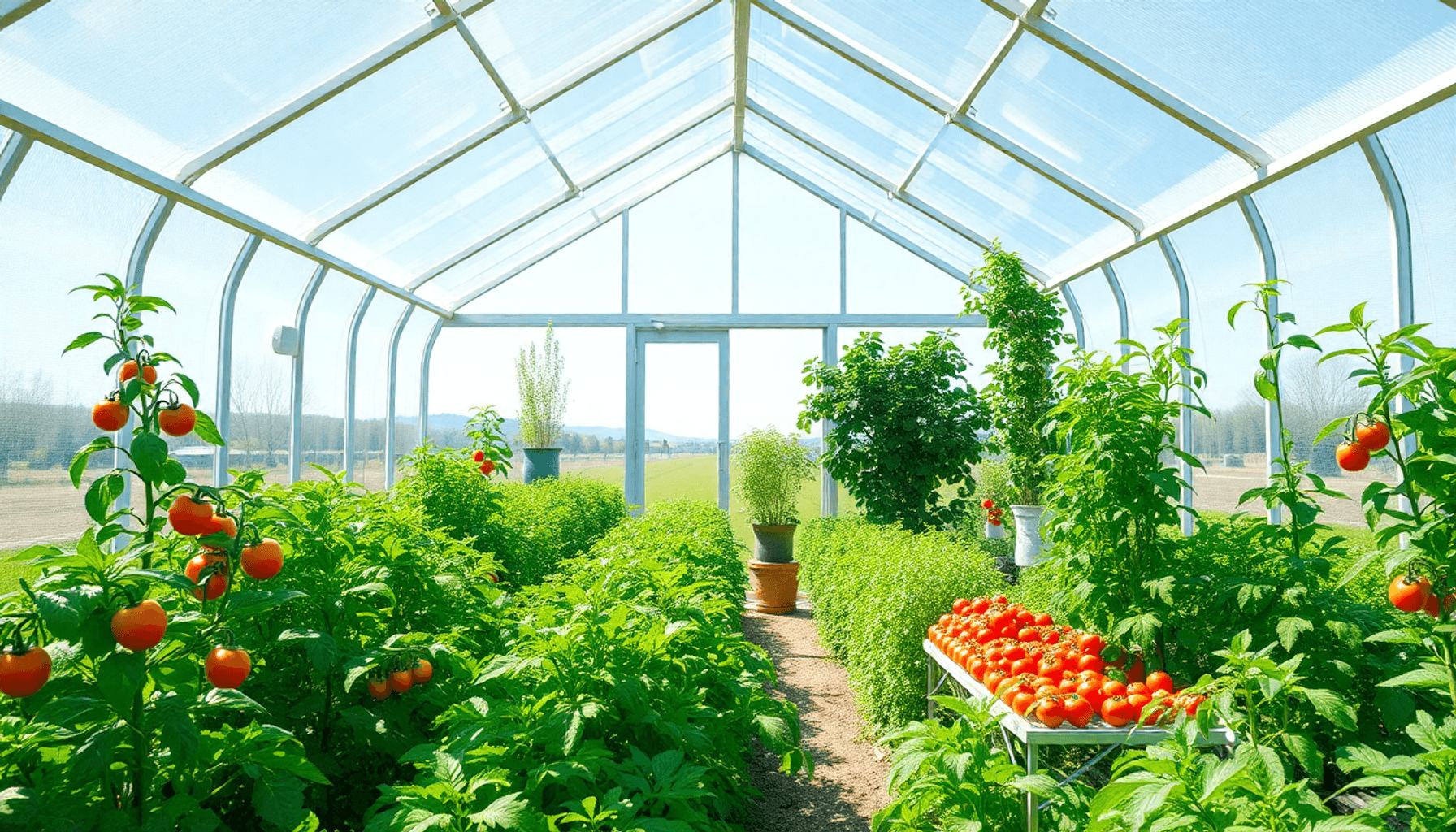

Greenhouse growing in the UK offers a practical solution to the challenges posed by the local climate. By creating a controlled environment, you can extend your growing season, protect plants from harsh weather, and cultivate a diverse range of crops that might otherwise struggle outdoors. This method boosts yield reliability and quality, making it increasingly popular among both amateur gardeners and experienced horticulturists.
Benefits of greenhouse growing UK include:
- Extending the growing season by several weeks at both ends
- Shielding plants from frost, wind, and heavy rain
- Providing stable conditions that promote healthy growth
- Allowing cultivation of tender or exotic crops not suited to the UK outdoors
This guide—The Complete Guide to Greenhouse Growing UK—will equip you with essential knowledge for success. You’ll learn how to choose the right location and design for your greenhouse, select crops that thrive under UK conditions, manage temperatures effectively, and handle pests with confidence. Whether you want to start a small hobby setup or a larger controlled environment gardening project, this comprehensive UK gardening guide covers everything you need.
Understanding Greenhouse Growing in the UK
Growing plants in a greenhouse within the UK greenhouse climate means working with both natural limitations and opportunities. The UK's variable weather, including cool temperatures and unpredictable frosts, shapes how greenhouses can be used effectively.
Unheated Greenhouses: Benefits and Limitations
Unheated greenhouses rely mainly on solar energy and insulation to protect plants. They extend the growing season by approximately 4 to 6 weeks at both ends—early spring and late autumn—by shielding crops from frost and harsh winds. Inside these structures, temperatures can be maintained down to around -2°C, which protects many hardy plants that would otherwise suffer outdoors.
Key advantages of unheated greenhouses:
- Low running costs since no artificial heating is required.
- Suitable for a wide range of vegetables, fruits, and herbs during the milder seasons.
- Provides shelter from rain, wind, and pests.
Limitations include:
- Temperature fluctuations that can stress sensitive plants.
- Inability to reliably grow tender or tropical crops through winter months.
- Reduced growth rates during cold spells due to lack of supplemental heat.
Heated Greenhouses for Year-Round Production
Heated greenhouses introduce controlled warmth through electric or gas heaters, allowing cultivation throughout the year regardless of outdoor conditions. This setup supports tender crops like tomatoes, peppers, and melons even during the coldest UK months.
Costs linked with heated greenhouses involve:
- Energy consumption for maintaining optimal temperatures (often set between 18°C and 25°C).
- Installation expenses for heating systems and temperature regulation equipment.
- Increased need for ventilation management to prevent overheating in summer.
Despite higher operational costs, heated environments dramatically improve crop yields and variety options by eliminating seasonal gaps.
Optimizing Plant Growth with Controlled Conditions
The essence of greenhouse growing in the UK is optimizing conditions beyond what nature allows. Control over temperature, humidity, ventilation, and light exposure creates an environment tailored to plant needs.
Benefits of controlled conditions include:
- Enhanced photosynthesis rates due to stable warmth and light.
- Protection from pests common outdoors by creating a physical barrier.
- Ability to fine-tune moisture levels through irrigation systems suited to each crop.
- Encouragement of faster germination and growth cycles compared to outdoor cultivation.
In this way, greenhouses transform the often unpredictable UK climate into a reliable growing space where you decide when and what to grow rather than being limited by seasonal weather patterns.
Choosing the Right Greenhouse Location and Design
Selecting the correct greenhouse positioning UK plays a crucial role in successful growing. The goal is to maximize sunlight exposure since natural light is the primary energy source for plant growth.
Greenhouse Orientation and Sunlight Exposure
- South-facing orientation is ideal. Position your greenhouse so the ridge runs east to west. This alignment allows sunlight to flood in during the day, particularly important during shorter winter days when light is limited.
- Avoid placing the greenhouse in shaded areas caused by tall trees, buildings, or fences. Even partial shading can reduce photosynthesis efficiency and slow crop development.
- Distance from other structures is important. Placing your greenhouse too close to buildings can limit sunlight access and restrict airflow, which may increase humidity and disease risk.
Wind Protection for Greenhouse Performance
Wind protection significantly affects greenhouse performance:
- Strong winds can cause heat loss and structural stress. Choose a site sheltered by natural windbreaks like hedges or walls.
- If natural protection isn’t available, consider installing artificial windbreaks such as fences or planting dense shrubs strategically around your greenhouse.
- Avoid exposed hilltops or open fields prone to gusty conditions. For those situations where you have no choice but to place your greenhouse in a wind-prone area, you might want to consider learning how to storm-proof your plastic greenhouse.
Structural Design Considerations
Structural design must reflect local weather patterns:
- In regions with high winds or heavy snow, opt for robust frame materials like galvanized steel or aluminum rather than timber.
- Roof pitch matters; a steeper pitch helps shed rainwater and snow effectively, reducing weight load and moisture buildup.
- Ventilation openings should be designed considering prevailing winds to optimize airflow without causing drafts that chill plants.
- Consider incorporating automatic vent openers that react to temperature changes to maintain consistent internal conditions without manual adjustment.
Site Drainage for Plant Health
Site drainage affects plant health:
- Ensure the ground beneath your greenhouse drains well to prevent waterlogging around foundations.
- Raised bases or concrete slabs with slight slopes help channel rainwater away efficiently.
Choosing the right location and design tailored to UK climate specifics sets the foundation for a thriving greenhouse environment. This preparation maximizes light capture, protects against damaging winds, and ensures structural resilience—key factors before turning attention to temperature management strategies inside your greenhouse.
Temperature Management for Optimal Growth
Maintaining the right temperature inside your greenhouse is crucial for healthy plant development. Most crops grown in UK greenhouses thrive best within a temperature range of 18°C to 25°C. Temperatures consistently outside this range can stunt growth or increase vulnerability to diseases.
Ventilation Methods to Prevent Overheating
During the warmer months, greenhouse temperatures can rise quickly, sometimes exceeding 27°C, which stresses plants and reduces productivity. Effective ventilation is essential to keep temperatures within the optimal range:
- Roof Vents: Manually operated or automatic roof vents are vital for letting hot air escape. Hot air naturally rises, so vents placed at the top of the greenhouse provide an efficient outlet.
- Side Vents: Side vents allow cooler air to enter near ground level, creating airflow that draws out warm air through roof vents.
- Automatic Vent Openers: These devices respond to temperature changes without manual intervention. They help maintain consistent ventilation by opening and closing vents based on preset temperature thresholds.
- Cross Ventilation: Positioning vents on opposite sides encourages airflow throughout the entire greenhouse, preventing hot spots.
Regular monitoring of internal temperatures helps you adjust these ventilation methods effectively during sudden heatwaves or sustained warm periods.
Heating Methods for Winter Protection
Winter in the UK often brings cold temperatures that can harm tender crops if not managed properly. Unheated greenhouses typically protect plants down to about -2°C but may require additional heating to sustain growth through colder months.
- Electric Fan Heaters: Widely used due to ease of installation and control, electric fan heaters maintain a minimum temperature around 5°C. This temperature prevents frost damage while keeping energy costs reasonable.
- Thermostatic Controls: Pairing heaters with thermostats ensures heating activates only when necessary, avoiding overheating and saving energy.
- Alternative Heating Options: Paraffin or gas heaters are less common but can be useful in larger greenhouses where electric supply is limited.
Insulation Techniques
Reducing heat loss during chilly nights is as important as providing heat itself. Insulation improves energy efficiency and creates a more stable environment for your plants.
- Bubble Wrap: A practical and affordable option, bubble wrap applied to greenhouse glazing reduces heat loss by trapping air pockets. It also diffuses light gently, benefiting shade-sensitive crops.
- Thermal Screens: These reflective screens hang inside the greenhouse during night hours, reflecting radiant heat back towards plants.
- Double Glazing or Polycarbonate Panels: More permanent solutions that offer better insulation than single-pane glass but usually involve higher upfront costs.
Summary of Greenhouse Temperature Control UK Essentials
| Aspect | Recommendations |
| Ideal Growing Temp | 18°C – 25°C |
| Max Summer Temp | Below 27°C via effective ventilation |
| Ventilation Tools | Roof & side vents, automatic vent openers |
| Winter Heating | Electric fan heaters at ~5°C with thermostats |
| Insulation Materials | Bubble wrap, thermal screens, double glazing |
Implementing these temperature management strategies ensures your greenhouse provides a stable environment that maximizes crop growth potential throughout the year in UK conditions. Proper balance between heating, ventilation, and insulation forms the backbone of successful greenhouse cultivation described in The Complete Guide to Greenhouse Growing UK.
Selecting Suitable Crops for Your Greenhouse
Choosing the right greenhouse crops UK depends on your experience level and the type of greenhouse you have. Understanding the difference between hardy vs tender crops is crucial for planning a productive growing season.
Beginner Plants Greenhouse
Start with crops that are forgiving and well-suited to typical UK greenhouse conditions. These plants thrive without demanding complex care or specialised heating:
- Lettuce: Quick-growing and straightforward, lettuce thrives in cooler conditions and benefits from protection against slugs and excessive heat.
- Tomatoes: A greenhouse classic, tomatoes flourish with good light and temperature control. Choose determinate varieties for easier management.
- Herbs: Basil, mint, parsley, and thyme grow well indoors, providing fresh flavour year-round.
- Cucumbers: Require support but offer high yields; smaller varieties like Mini Munch fit well in compact spaces.
- Chillies: Need warmth but are generally low-maintenance once established.
- Radishes: Fast-growing root vegetables that mature quickly, ideal for filling gaps between slower crops.
- Melons: More challenging but rewarding; need good warmth and humidity control.
Hardy Plants for Early Sowing Indoors
Certain vegetables tolerate cooler temperatures and can be started early under glass to get a jump on the outdoor growing season:
- Brussels Sprouts
- Cabbage
- Leeks
- Onions
- Peas
These hardy plants can be sown indoors in late winter or early spring before transplanting outside as weather improves. Starting them in a greenhouse protects young seedlings from frost and fluctuating temperatures.
Tender Crops Requiring Heated Conditions Before Transplanting
Some crops demand warmer environments during their early growth stages to develop properly before moving into an unheated or minimally heated greenhouse:
- Tomatoes: While they can be grown in unheated greenhouses during summer, tomatoes need heated conditions initially to ensure strong growth.
- Peppers (Sweet and Hot): Require consistent warmth from germination through early development. Heating ensures healthy seedlings ready for transplanting once outdoor temperatures rise.
Growing these tender crops successfully often means using propagators or heated seed trays to maintain optimum temperatures (around 20°C to 25°C) before introducing them to your greenhouse space.
Selecting appropriate crops tailored to your greenhouse setup and climate control capabilities sets the foundation for a rewarding growing experience.
Best Practices for Growing Crops in a Greenhouse
Successful sowing seeds indoors UK depends heavily on the preparation and cleanliness of your materials. Always use clean pots or trays filled with fresh, peat-free seed compost to create an optimal environment for germination. This practice reduces the risk of soil-borne diseases and supports healthy root development.
Watering Routines
Watering routines are critical for maintaining plant health without causing damage. Aim to keep the compost consistently moist but avoid waterlogging, which can suffocate roots and encourage fungal diseases. During the warmer summer months, daily watering is often necessary due to increased evaporation inside the greenhouse. Using a watering can with a fine rose or a drip irrigation system helps deliver water evenly and gently to seedlings and established plants.
Maximizing Space
Maximizing space inside your greenhouse can significantly increase productivity. Installing staging shelves allows you to organize plants efficiently by height and growth stage. Shelves make it easier to access plants for watering and maintenance while improving air circulation around them. This setup is especially helpful when juggling multiple crops or starting seeds alongside mature plants.
Supporting Climbing Plants
Supporting climbing plants like tomatoes and beans is essential for healthy growth and fruit production. Use strong plant support systems such as strings attached securely to the greenhouse roof structure. Tie plants loosely with soft garden twine or specialist clips to avoid damaging stems as they grow. Properly supported plants reduce stress on their stems, improve light exposure, and facilitate better airflow, which helps reduce pest problems.
Adopting these best practices—clean sowing environments, careful watering routines, efficient use of space, and robust plant support systems—creates a balanced microclimate inside your greenhouse where crops can thrive throughout the seasons.
Managing Pests and Diseases Effectively in Your Greenhouse
Greenhouse pest control UK presents unique challenges due to the enclosed environment that can encourage pest populations to build quickly. Awareness and early identification of common pests help you tackle infestations before they cause extensive damage.
Common Pests in UK Greenhouses
- Whitefly: Tiny, white-winged insects found on the undersides of leaves. They cause yellowing and leaf drop by sucking sap.
- Aphids: Small, soft-bodied insects in green, black, or brown. They cluster on new growth and excrete sticky honeydew that attracts sooty mould.
- Red Spider Mite: Microscopic red or brown mites causing fine webbing and speckled leaves as they feed on plant cells.
Spotting these pests early requires regular inspection of plants—check under leaves, around stems, and new shoots.
Non-Chemical Pest Control Methods
Yellow sticky traps are a simple but effective tool for monitoring and reducing flying pest populations such as whitefly. Position traps near susceptible crops at plant height to catch adults before they lay eggs.
Beneficial insects provide natural biological control without harming your crops:
- Encarsia formosa wasps parasitize whitefly larvae specifically. Introducing these wasps early in the season can maintain whitefly numbers at manageable levels.
- Ladybirds (ladybugs) consume large quantities of aphids rapidly. You can release commercially available ladybirds inside your greenhouse to combat aphid outbreaks.
Organic Pest Management Greenhouse Solutions
Organic insecticidal soaps offer targeted treatment for pests like aphids and spider mites while being safe for humans, pets, and beneficial insects if used correctly. These soaps disrupt the cell membranes of soft-bodied insects but require thorough coverage of affected plants.
When applying insecticidal soaps:
- Spray during cooler parts of the day to prevent plant burn.
- Repeat applications every 7–10 days until pests are controlled.
- Avoid use when pollinating insects are active to protect their populations.
Maintaining good hygiene inside your greenhouse reduces disease risks that often accompany pest infestations. Remove dead leaves, sanitize tools regularly, and avoid overcrowding plants to improve airflow.
Implementing a combination of monitoring, biological control agents, and organic treatments fits well within The Complete Guide to Greenhouse Growing UK approach—balancing effective pest management with sustainability. Your vigilance in managing pests protects not just individual crops but the entire greenhouse ecosystem.
Conclusion
Starting your greenhouse growing journey in the UK brings exciting opportunities to cultivate a diverse range of crops throughout the year. With the insights shared in The Complete Guide to Greenhouse Growing UK, you have practical tools and knowledge to create an environment where plants thrive despite the challenges of the climate.
Keep these successful greenhouse growing tips UK in mind as you begin:
- Choose the right location and orientation to maximize sunlight.
- Manage temperature carefully with ventilation and heating solutions.
- Select crops suited to your greenhouse type, skill level, and seasonal timing.
- Maintain good hygiene and monitor for pests regularly using organic and biological controls.
- Use space efficiently with staging shelves and supports for climbing plants.
Each step you take toward mastering these elements strengthens your confidence and increases your chances of a bountiful harvest. Greenhouse growing requires patience, observation, and adaptation, but rewards you with fresh produce and gardening satisfaction year-round.
Plant the first seeds today knowing you have a solid foundation. Your greenhouse is more than just a structure — it’s a gateway to extended seasons, creative gardening, and personal growth as a cultivator. Embrace the process, experiment with new varieties, and enjoy watching your efforts flourish under controlled conditions tailored for success.
FAQs (Frequently Asked Questions)
What are the benefits of greenhouse growing in the UK?
Greenhouse growing in the UK allows gardeners to extend the growing season by 4-6 weeks with unheated greenhouses and enables year-round production with heated greenhouses. Controlled environment gardening optimizes plant growth despite the UK's variable climate, providing protection from harsh weather and pests.
How should I choose the right location and design for my UK greenhouse?
For optimal sunlight exposure, position your greenhouse facing south with the ridge running east to west. It's important to place it away from buildings and protect it from strong winds. Consider local weather patterns when selecting structural designs to ensure durability and efficiency.
What temperature management techniques are recommended for UK greenhouses?
Maintain an ideal temperature range of 18°C to 25°C for most crops. Use ventilation methods like roof vents and automatic vent openers to prevent overheating above 27°C during summer. In winter, electric fan heaters set around 5°C combined with insulation options such as bubble wrap help sustain suitable temperatures.
Which crops are best suited for greenhouse growing in the UK?
Beginner-friendly crops include lettuce, tomatoes, herbs (basil, mint, parsley, thyme), cucumbers, chillies, radishes, and melons. Hardy plants like Brussels sprouts, cabbage, leeks, onions, and peas can be sown early indoors. Tender crops such as tomatoes and peppers require heated conditions before transplanting.
What are best practices for sowing seeds and caring for plants in a UK greenhouse?
Use clean pots or trays filled with fresh peat-free seed compost for sowing seeds indoors. Maintain consistent watering routines to keep soil moist without waterlogging—daily watering is ideal during summer months. Utilize staging shelves to maximize space and support climbing plants like tomatoes and beans using strings attached to the roof structure.
How can I effectively manage pests and diseases in my UK greenhouse organically?
Common pests include whitefly, aphids, and red spider mites. Identification is key. Employ yellow sticky traps and introduce beneficial insects such as Encarsia formosa wasps and ladybirds for natural pest control. Organic insecticidal soaps can also be used safely against aphids and spider mites to maintain a healthy greenhouse environment.