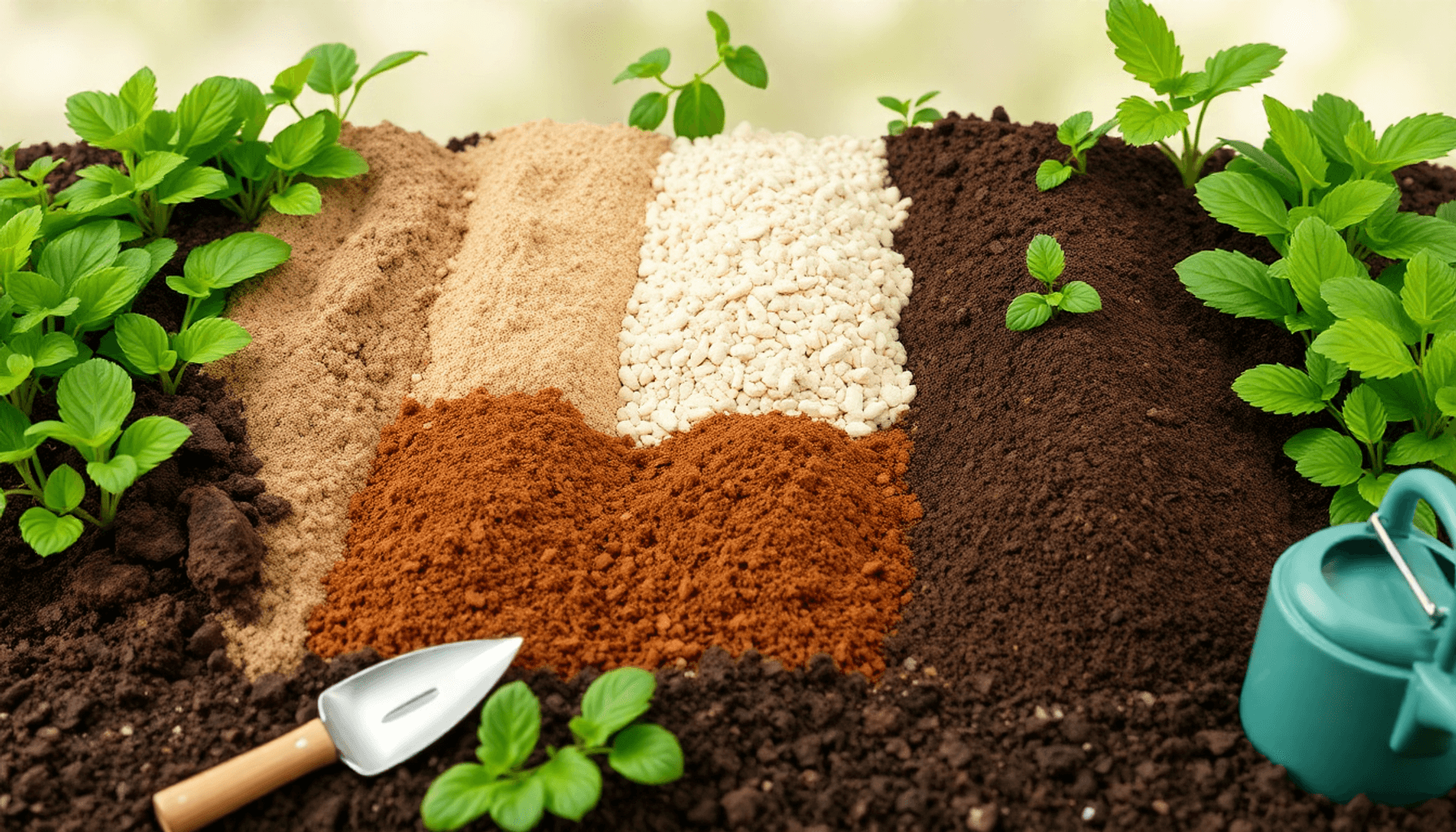

Understanding the soil beneath your feet is one of the most important steps for successful gardening in the UK. Soil types vary widely across regions and even within individual gardens. Knowing which type you have influences what plants will thrive, how you prepare your beds, and the care techniques you apply throughout the growing season.
This article serves as UK Soil Types: A Complete Guide for Gardeners, focusing on the six main garden soil types commonly found across the country:
- Clay
- Sandy
- Silty
- Chalky
- Peat
- Loam
Each soil type has unique properties affecting texture, drainage, nutrient availability, and pH levels. With this guide, you will be able to:
- Identify your garden’s soil type using simple, practical methods.
- Understand the strengths and challenges of each soil.
- Apply targeted care and amendments to improve soil health and plant growth.
Whether you are a beginner or an experienced gardener aiming to optimize your garden’s potential, mastering these basics about UK soil types will equip you with confidence and clarity for every planting decision.
Understanding Soil Composition and Characteristics
Gardening success depends heavily on understanding four key soil properties: soil texture, soil drainage, nutrient content, and soil pH levels. Each of these factors plays a vital role in plant health, influencing root development, water availability, and nutrient uptake.
Soil Texture
Soil texture refers to the relative proportions of sand, silt, and clay particles in the soil. It affects how soil feels and behaves:
- Sandy soils feel gritty and have large particles, allowing quick drainage but poor nutrient retention.
- Clay soils are made up of very fine particles that stick together, creating a heavy, dense texture that holds nutrients well but drains slowly.
- Silty soils have finer particles than sand but feel smooth or soapy; they retain moisture and nutrients better than sandy soils but can compact easily.
Texture influences how easy it is to cultivate the soil and how well roots can penetrate it. For example, heavy clay soils may require more effort to work with but support nutrient-hungry plants well once improved.
Soil Drainage
Drainage determines how quickly water moves through the soil. Waterlogged soil can suffocate roots by limiting oxygen access, while overly free-draining soils may not hold enough moisture for plants during dry spells.
- Soils high in clay tend to have poor drainage, causing water to pool.
- Sandy soils often exhibit excellent drainage, which helps prevent root rot but demands frequent watering.
- Silty and loamy soils generally offer a balance between retention and drainage.
Good drainage supports healthy root systems by maintaining appropriate moisture levels without excess waterlogging.
Nutrient Content
Nutrient availability hinges on both the soil’s inherent fertility and its ability to hold nutrients against leaching. Clay-rich soils usually contain more nutrients due to their mineral content and surface area. Sandy soils are prone to losing nutrients quickly because water passes through them rapidly.
Plants need essential macronutrients like nitrogen (N), phosphorus (P), potassium (K), along with micronutrients such as iron and magnesium. Soils lacking these elements will produce weak or stunted growth unless amended with fertilizers or organic matter.
Soil pH Levels
Soil pH measures acidity or alkalinity on a scale from 0 to 14:
- Acidic soils (pH below 7) are common in peat-rich areas.
- Alkaline soils (pH above 7) often contain chalk or limestone.
- Neutral soils (around pH 7) provide optimal conditions for most plants.
pH affects nutrient availability; certain nutrients become locked up if the pH is too high or too low. For instance, iron becomes less accessible in alkaline soils leading to chlorosis in sensitive plants.
Understanding your garden’s pH helps you select suitable plants or decide if amendments like lime (to raise pH) or sulfur (to lower pH) are necessary.
These core properties—texture, drainage, nutrient content, and pH—shape gardening choices from plant selection to watering frequency and fertiliser application. Recognising their interplay allows you to manage your soil effectively for healthier, more productive plants.
The Six Main UK Garden Soil Types
1. Clay Soil
Clay soil is one of the heaviest soil types you’ll encounter in the UK. It contains a high proportion of fine clay particles, resulting in a dense, compact texture. This heavy soil UK is known for its nutrient richness, as clay particles hold onto essential minerals better than many other soils. You benefit from fertile garden soils UK when working with clay, but this comes with significant challenges.
Characteristics of Clay Soil
- Heavy and Dense: Clay soil has a high percentage of tiny clay particles that are tightly packed together, making it heavy and dense.
- Nutrient-Rich: Clay soil is rich in nutrients because the clay particles have the ability to retain minerals and organic matter.
- Poor Drainage: The compact nature of clay soil leads to poor drainage, causing water to pool on the surface and making it difficult for plants to access moisture.
- Sticky When Wet: When clay soil is wet, it becomes sticky and plastic-like, making it challenging to work with and prone to compaction.
- Hard and Cracked When Dry: When dry, clay soil hardens into a tough crust that cracks and resists digging.
Challenges of Gardening with Clay Soil
- Waterlogging: During periods of heavy rain or when the ground is saturated, clay soil can become waterlogged, leading to root rot and other water-related issues for plants.
- Slow Drying: After rain or watering, clay soil takes longer to dry out compared to other soil types, which can delay planting or make it difficult for certain plants to thrive.
- Cold Conditions in Spring: The density and moisture content of clay soil can cause it to warm up slowly in spring, potentially delaying seed germination and root development.
Improving Clay Soil for Gardening
To overcome the challenges posed by clay soil, here are some strategies you can implement:
- Add Organic Matter: Incorporate organic matter such as compost or well-rotted manure into the soil. This helps improve drainage, aeration, and nutrient content while also promoting beneficial earthworm activity.
- Use Raised Beds or Mounds: Create raised beds or mounds in your garden to improve surface drainage. This allows excess water to flow away from plant roots and creates a more favorable growing environment.
- Mulch Regularly: Apply organic mulch around plants to conserve moisture without waterlogging the soil. Mulch also helps suppress weeds and improve overall soil health as it breaks down over time.
- Plant Deep-Rooting Crops: Grow deep-rooting crops like comfrey or daikon radish as green manures. These plants have long taproots that can penetrate compacted clay layers, creating channels for air and water movement.
- Consider No-Till Gardening: Implementing no-till gardening methods can significantly improve your clay soil's condition by minimizing disruption to the soil structure while enhancing its fertility over time.
- Convert Pasture Land: If your garden is on a previously used horse pasture with heavy clay soil, consider these strategies for converting it into productive vegetable land.
By understanding the characteristics of
2. Sandy Soil
Sandy soil is defined by its gritty texture and high sand particle content. Unlike the heavy soil UK gardeners often contend with, sandy soil feels coarse and loose between your fingers. This free-draining soil UK type allows water to pass through quickly, which influences how you manage moisture retention in sandy soils.
Advantages of Sandy Soil
- Quick warming in spring helps plants get an early start compared to clay soil characteristics, which tend to warm slowly.
- Ease of cultivation makes it ideal for gardeners who prefer working light soils that don’t require heavy digging or extensive preparation.
- Sandy soil properties create good aeration, allowing roots to access oxygen freely, which is crucial for healthy plant growth.
Despite these benefits, sandy soils come with challenges:
- They dry out rapidly because water drains quickly through the large sand particles.
- Low nutrient levels make this type of soil one of the less fertile garden soils UK gardeners encounter.
- Plants growing on sandy soils may show signs of stress during dry spells or drought conditions unless moisture retention is improved.
Managing Moisture Retention in Sandy Soils
Mulching becomes essential when working with sandy soils. Applying a thick layer of organic mulch such as bark chips, compost, or straw can help retain moisture by reducing evaporation from the surface. Mulching also suppresses weed growth and adds organic matter as it breaks down, gradually improving soil fertility.
In addition to mulching, regular applications of well-rotted compost can boost nutrient content and improve moisture-holding capacity. Organic matter rich soils UK gardeners strive for can be achieved over time even on sandy ground through consistent feeding.
Sandy soils contrast strongly with silty soil texture that retains moisture better but suffers from compaction issues if not managed properly. While clay soil characteristics include poor drainage and heavy texture, sandy soil offers the opposite—excellent drainage but poor water retention.
Adapting plant choices to suit sandy soil conditions is important. Drought-tolerant species or those suited to low fertility thrive best here. For vegetable gardening on sandy plots, frequent watering combined with mulching proves vital to avoid nutrient leaching.
Understanding these sandy soil properties lets you tailor your gardening approach effectively within the spectrum of UK Soil Types: A Complete Guide for Gardeners. Managing free-draining soil UK gardens ensures healthier plants and more productive growing seasons despite natural limitations associated with this type.
3. Silty Soil
Silty soil is one of the fertile garden soils UK gardeners often encounter. It consists of fine particles that give it a smooth texture, often compared to the feel of wet flour. This unique characteristic distinguishes silty soil from others like clay soil characteristics, which are heavier and stickier, or sandy soil properties, known for their gritty feel.
Key features of silty soil include:
- Fine particle size: The small particles allow silty soil to retain moisture efficiently, making it excellent for plants that need consistent water supply.
- Fertility: Silty soils are usually rich in nutrients due to their ability to hold onto minerals better than sandy soils or even some organic matter rich soils UK.
- Smooth texture: When moist, silty soil feels silky and smooth in your hands, unlike the heavy and dense texture found in heavy soil UK areas dominated by clay.
The moisture retention ability of silty soil helps prevent rapid drying out, a common challenge faced with free-draining soil UK types such as sandy soils. This makes it particularly useful for maintaining stable conditions for root growth and nutrient uptake.
Despite these advantages, silty soils come with challenges related to compaction and erosion:
- Compaction risk: The fine particles can pack tightly together when walked on or worked excessively, reducing air spaces necessary for healthy root development. This is a concern also seen in other dense soils like those with high clay content.
- Erosion vulnerability: Silty soils are prone to being washed away by heavy rain if left bare or unprotected, leading to loss of valuable topsoil and nutrients.
Managing these issues requires practical gardening techniques:
- Creating permanent paths between beds helps control foot traffic and prevents widespread compaction across planting areas.
- Mulching with organic materials protects the surface from erosion while adding nutrients back into the soil.
- Avoiding working the soil when it’s wet reduces the risk of compressing those delicate particles.
Silty soil shares some similarities with other types mentioned in this guide — its fertility rivals that of loam but without the perfect balance of sand and clay. Unlike chalky soil alkalinity, which can limit plant choices due to high pH levels, silty soils generally support a wide range of plants without needing major pH adjustments.
Understanding how silty soil behaves allows you to optimize its strengths while addressing common pitfalls related to compaction and erosion. This knowledge complements insights on managing other UK garden soil types such as improving drainage in heavy clays or moisture retention challenges typical of sandy varieties.
4. Chalky Soil
Chalky soil is one of the six main types of garden soil in the UK. What makes it unique is its alkaline nature, which means it has a higher pH level due to the presence of calcium carbonate. This alkalinity can have a direct impact on how plants grow and what soil management techniques you need to use.
Characteristics of Chalky Soil
Here are some key features that define chalky soil:
- Alkaline pH: Chalky soils typically have a pH above 7, making them less acidic than peat soils or even some silty and clay soils. This alkalinity can limit the availability of certain nutrients, such as iron and manganese, leading to nutrient deficiencies in sensitive plants.
- Light and Shallow Texture: Often described as light or shallow soils, chalky soils usually have a coarse texture with visible chalk fragments. This composition contributes to rapid drainage but also low moisture retention — which is different from heavy clay soils that hold water tightly.
- Low Fertility: Chalky soil is generally low in fertility, which can be challenging for gardeners who want to grow nutrient-demanding crops. The high pH can further reduce nutrient uptake, requiring thoughtful amendments to improve productivity.
Managing Chalky Soil Alkalinity
Here are some strategies you can use when gardening on chalky soil:
- Organic Matter Addition: Regularly adding organic matter like compost or manure can help improve the structure and nutrient content of chalky soil. This, in turn, can buffer alkalinity and enhance moisture retention.
- Raised Beds for Acid-Loving Plants: If you want to grow acid-loving plants such as rhododendrons, azaleas, or blueberries on chalky soils, consider using raised beds filled with ericaceous compost. This creates an ideal acidic environment separate from the surrounding alkaline ground.
- Lime Avoidance: Unlike peat soils where lime is sometimes necessary to raise pH levels, chalky soils do not require liming and may actually worsen without proper care.
Choosing Plants for Chalky Soils
Selecting plants that tolerate or thrive in alkaline conditions can increase your chances of success:
- Hardy perennials like lavender, clematis, and honeysuckle often flourish in chalky soils.
- Herbs such as rosemary and thyme prefer free-draining soil but can also adapt to the characteristics of sandy chalk regions.
- Certain vegetables including cabbages and spinach tend to tolerate higher pH levels better than others.
Chalky soil presents unique challenges compared to other types of fertile garden soils that UK growers often work with. Understanding its alkalinity and low fertility will help you apply targeted amendments effectively. This knowledge will enable you to cultivate this distinct UK soil type using appropriate methods suited for its natural features.
Peat soil acidity is another contrasting garden environment requiring tailored care techniques for optimum plant health.
5. Peat Soil
Peat soil is unique among the various types of soil found in the UK due to its acidic nature and high organic matter content. This type of soil is usually dark in colour, with a soft and spongy texture that retains moisture effectively, accompanied by a distinct earthy smell. The abundance of organic material makes peat soils some of the most nutrient-rich soils in the UK. However, their acidity presents both challenges and opportunities for gardeners.
Key characteristics of peat soil include:
- Acidity: Peat soils typically have a pH level below 5.5, making them more acidic compared to other garden soils like loam or sandy soils.
- Organic Matter: The high amount of decayed plant material contributes to excellent moisture retention and nutrient availability.
- Texture: Peat soil has a soft and spongy texture that remains moist without becoming waterlogged quickly.
The acidity of peat soil affects what you can grow. Acid-loving plants thrive here, making it ideal for species like:
- Blueberries
- Heathers
- Rhododendrons
- Azaleas
These plants benefit from the low pH and rich organic environment that peat provides.
Growing vegetables in peat soil requires careful management due to its acidity. Many common vegetables prefer a neutral to slightly alkaline pH range (6.0 to 7.0). To accommodate this, gardeners often apply lime to raise the pH and make the soil more suitable for crops like carrots, potatoes, and brassicas. Lime application should be done cautiously; too much can harm the beneficial microbes in organic matter-rich soils.
Advantages of peat soil for gardening:
- Excellent moisture retention reduces watering frequency compared to free-draining sandy soils.
- High nutrient content supports vigorous plant growth when pH is managed correctly.
- Its softness makes cultivation easier than heavy clay soil characteristics or compact silty soil texture.
Challenges with peat soil:
- Acidic pH limits plant variety unless amended properly.
- Can become compacted if walked on excessively when wet.
- Drainage needs monitoring; although it retains moisture well, waterlogging can occur if not managed.
Improving peat soil for broader gardening use involves:
- Regular additions of organic matter to maintain fertility and structure.
- Lime treatments to neutralize excessive acidity for vegetable patches.
- Mulching with bark or leaf mould to enhance moisture retention without increasing compaction risk.
Gardeners familiar with clay soil characteristics or chalky soil alkalinity may find managing peat soil’s acidity a new challenge but one that offers rewarding results when growing the right plants.
Understanding how peat differs from other fertile garden soils UK gardeners commonly encounter—such as loam soil benefits UK or managing silty soils compaction—helps tailor care strategies specific to each garden situation. This awareness ensures optimal growth conditions whether you’re working with acid-loving plants on chalky soils or improving clay soil drainage elsewhere in your garden.
6. Loam Soil – The Ideal Balanced Soil
Loam soil is one of the most sought-after soil types for gardeners in the UK. It is a balanced mixture of roughly equal parts clay, sand, and silt. This unique composition combines the beneficial traits of each soil component, creating an environment where many plants thrive comfortably.
Key characteristics of loam soil include:
- Texture: Loam has a crumbly texture that is neither too heavy like clay nor too gritty like sandy soil. This balance allows it to retain moisture effectively without becoming waterlogged.
- Drainage: Thanks to its sand content, loam provides good drainage similar to free-draining soil but still holds enough moisture to support healthy plant growth.
- Nutrient content: Loam is rich in organic matter and nutrients, making it one of the most fertile garden soils UK gardeners encounter. The presence of clay particles helps hold nutrients, while silt enhances moisture retention.
- Workability: Unlike heavy soils such as clay that can be difficult to cultivate, loam is relatively easy to dig and work with throughout the year.
Benefits for gardening:
- Most vegetables flourish in loam soil due to its balanced moisture levels and nutrient availability. Root crops, leafy greens, and fruiting plants all benefit from the steady supply of water and minerals.
- The well-drained nature prevents problems commonly seen in clay soils, such as poor aeration and slow warming in spring.
- Moisture retention in sandy soils often requires mulching, but loam’s natural ability reduces extra maintenance efforts.
Maintaining loam soil quality:
Regular additions of organic matter are essential to sustain the fertility and structure of loam soils over time. Incorporating homemade compost or well-rotted manure replenishes nutrients and supports beneficial microbial activity. Without this care, even organic matter rich soils can lose their vitality.
Many gardeners see loam as an ideal starting point compared to other UK Soil Types: A Complete Guide for Gardeners highlights how challenging it can be to manage extremes like chalky soil alkalinity or peat soil acidity. While those soils need specific amendments or special plants such as acid-loving plants on chalky soils or particular species for peat soils, loam offers versatility across a wide range of garden applications.
In summary, understanding loam soil benefits UK gardeners by providing them a reliable foundation for planting diverse crops with fewer adjustments needed than heavier clay or lighter sandy soils. Its balanced composition makes it an excellent choice for anyone aiming for productive and manageable garden beds.
How to Identify Your Garden Soil Type
Knowing your soil type is the foundation for successful gardening. Identifying garden soil type UK gardeners face involves simple, practical tests you can do in your own backyard with minimal equipment. These methods help determine texture, drainage, and composition—key factors for making informed planting and soil care decisions.
The Squeeze Test: Feel Your Soil
The squeeze test is the quickest way to get a sense of your soil's texture and moisture retention qualities. Take a handful of moist soil—damp enough to hold together but not soaking wet—squeeze it firmly, then release and observe the result.
What the result tells you
- Clay Soil: Holds together tightly, feels sticky and dense. When rolled between fingers, it forms a firm ribbon or ball that doesn't crumble easily.
- Sandy Soil: Falls apart quickly when released, with a gritty texture and little cohesion.
- Silty Soil: Holds together but feels smooth or soapy rather than sticky, leaving a slight residue on your fingers.
- Loam Soil: Crumbles easily but holds shape briefly under pressure; a balanced feel between sandy grit and clay stickiness.
- Peat Soil: Feels spongy and soft, often dark in colour with an earthy smell.
- Chalky Soil: Can be crumbly and may contain visible small stones or chalk fragments; feels coarse or powdery.
The Jar Test: Visual Layering
For a more detailed look at soil composition, the jar test separates soil particles by weight and size. Fill a clear jar about one-third full with soil, add water until the jar is nearly full, shake vigorously, and leave to settle for 24 hours.
As the particles settle, three distinct layers form. Sand, being the heaviest, sinks to the bottom first. Silt forms a middle layer above it. Clay, the lightest, remains suspended longest and settles slowly at the top. Measure each layer's thickness to estimate the percentages of sand, silt, and clay, which helps classify your soil type more precisely.
Observing Drainage and Surface Characteristics
Drainage patterns and surface appearance provide useful clues about soil type without any equipment.
Drainage behaviour
- Water pooling on the surface after rain suggests poor drainage typical of clay soils.
- Rapid water infiltration points to sandy soils.
- Persistent dampness without waterlogging may indicate silty or peat soils.
Surface texture
- A rough, grainy surface often means sandy or chalky soils.
- A smooth surface that develops cracks during dry periods suggests clay.
pH Testing as an Additional Indicator
Though not definitive on its own, pH testing complements physical tests. Chalky soils tend to be alkaline (pH above 7), while peat soils are typically acidic (pH below 6). Simple pH test kits are widely available and easy to use in the garden.
Practical knowledge gained from these identification techniques enables you to match plant choices and soil care strategies effectively. Understanding the feel, drainage behaviour, particle composition, and pH of your soil will guide you toward healthier plants and better yields. This insight prepares you well for managing pH levels tailored to your specific UK garden soil type.
Managing Soil pH for Optimal Plant Growth
Understanding garden soil pH UK is essential for healthy plant growth. Soil pH measures how acidic or alkaline your soil is, influencing nutrient availability and microbial activity. Most garden plants thrive within specific pH ranges, making it crucial to manage this factor correctly.
What Is Soil pH?
The pH scale runs from 0 (very acidic) to 14 (very alkaline), with 7 being neutral. Values below 7 indicate acidic soil; values above 7 indicate alkaline soil. pH directly affects nutrient solubility, meaning some nutrients become unavailable if the soil is too acidic or too alkaline.
Typical pH Ranges for UK Garden Soils
Many UK soils are slightly acidic to neutral, though this varies by region and soil type. Chalky soils tend to be alkaline due to their calcium carbonate content, while peat soils are usually acidic as a result of high organic matter breakdown.
Why Soil pH Matters in Your Garden
Nutrient uptake depends on appropriate pH levels. Iron becomes less available in alkaline soils, causing yellowing leaves in sensitive plants. Phosphorus can become locked up in very acidic or highly alkaline conditions. Microbial life that breaks down organic matter also thrives best near neutral pH.
Common Plant Preferences
| Plant Type | Preferred Soil pH Range |
| Most vegetables | 6.0 - 7.0 |
| Brassicas (cabbage) | 6.5 - 7.5 |
| Blueberries, Rhododendrons, Heathers | 4.5 - 5.5 |
Testing Your Soil's pH
- Home testing kits provide quick results using chemical indicators.
- Professional labs offer more precise analysis, including full nutrient profiles.
- Regular testing every few years helps track changes and guide adjustments.
Raising pH (Making Soil More Alkaline)
- Apply agricultural lime (ground limestone) to neutralize acidity gradually over time.
- Use wood ash sparingly for a quicker but less sustained effect.
- Incorporate crushed eggshells as a mild liming agent.
Lowering pH (Making Soil More Acidic)
- Add elemental sulfur or iron sulfate, which microbes convert into acids.
- Use organic materials such as peat moss or pine needles to acidify soil gradually.
- Grow acid-loving plants in containers or raised beds filled with ericaceous compost for more precise control.
Managing Soil pH by UK Soil Type
Clay and Silty Soils
These soils are often slightly acidic. Lime application may be necessary to bring pH into the optimal range for vegetable growing.
Sandy Soils
Sandy soils are usually acidic and prone to nutrient leaching. They benefit from regular lime additions and organic matter to buffer against pH swings.
Chalky Soils
Naturally alkaline, chalky soils are difficult to acidify on a large scale. Acid-loving plants are best grown in dedicated raised beds filled with appropriate compost mixes.
Practical Tips for Maintaining Ideal pH
- Avoid over-liming, as this can cause nutrient imbalances and harm plants suited to lower pH.
- Mulch regularly with organic matter to stabilize soil chemistry and improve buffering capacity.
- Rotate crops with different pH preferences where possible to support balanced nutrient cycling.
Properly managing your garden soil's pH ensures nutrients remain accessible while creating an environment where roots and beneficial microbes thrive. This foundational step supports strong plant growth, higher yields, and healthier gardens across all UK soil types.
Enhancing Poor Soils with Raised Beds and Grow Bags
Poor soil conditions can severely limit what you grow and how well your plants perform. Raised beds gardening UK has become a popular solution for gardeners facing heavy clay, shallow chalky soil, or nutrient-poor sandy patches. These structures provide control over soil quality and drainage while reducing compaction from foot traffic.
Advantages of Raised Beds
Raised beds offer several key advantages:
- Improved drainage: Elevating the soil helps excess water drain away faster, crucial for clay or waterlogged soils.
- Custom soil mix: You can fill beds with a tailored blend of compost, garden loam, and other amendments suited to your plants.
- Reduced weed pressure: Fresh soil in raised beds often contains fewer weed seeds than native ground.
- Ease of access: Working at a comfortable height reduces strain when planting, weeding, or harvesting.
- Extended growing season: Soil in raised beds warms faster in spring, allowing earlier sowing.
When constructing raised beds, consider materials like untreated timber, stone, or recycled plastic sleepers. The size should balance ease of reach (ideally no more than 1.2m wide) with your available space. Depth matters too—aim for at least 20-30cm to accommodate root development.
Benefits of Grow Bags
Grow bags complement raised beds by offering portable, space-saving options perfect for patios, balconies, or small gardens. They are especially useful if your garden soil is heavily contaminated or extremely poor.
Benefits of grow bags include:
- Lightweight and easy to move
- Better root aeration compared to pots
- Versatile for vegetables, herbs, and flowers
- Drainage holes prevent waterlogging
Choosing the right growing medium inside raised beds or grow bags is vital. A mixture rich in organic matter supports microbial life and nutrient availability. Combining homemade compost with garden loam creates fertile conditions that many native soils lack.
Maintenance Tips for Raised Beds
Maintenance tips to keep raised beds productive:
- Add fresh compost annually to replenish nutrients
- Mulch the surface to conserve moisture and regulate temperature
- Rotate crops yearly to prevent disease build-up
- Monitor moisture levels closely—raised soils dry out faster
You can boost results by integrating companion planting or using cloches and row covers within raised bed setups to protect tender crops from harsh weather.
Raised beds gardening UK transforms challenging sites into productive plots by giving you control over essential factors like texture, fertility, and drainage. Grow bags extend this flexibility where ground space is limited or conditions are extremely inhospitable. Both methods empower you to tailor the growing environment precisely—turning poor soils into thriving gardens.
Improving All UK Soil Types with Organic Matter Addition
Adding compost to garden soils UK-wide is one of the most effective ways to enhance soil health and fertility across all soil types. Organic matter improves soil structure, nutrient availability, moisture retention, and supports beneficial microbial activity essential for plant growth.
Benefits of Adding Compost to Different UK Soil Types
- Clay Soil: Compost lightens heavy clay by breaking up dense particles, improving drainage and aeration. This makes cultivation easier and reduces waterlogging problems. The organic matter encourages earthworm activity, which naturally loosens the soil.
- Sandy Soil: Sandy soils benefit from compost’s moisture-holding capacity. It helps sandy textures retain water longer and reduces rapid nutrient leaching. Nutrients from compost slowly release over time, compensating for the naturally low fertility of sandy soils.
- Silty Soil: While silty soil holds moisture well, it can compact easily. Compost adds bulk and texture that counteracts compaction. It also supplies nutrients and organic carbon that boost soil life, encouraging healthier root systems.
- Chalky Soil: Chalky soils tend to be alkaline and low in organic content. Incorporating compost introduces organic acids that slightly buffer pH levels and improve nutrient uptake. Compost also enhances soil crumb structure, helping fragile chalky soils hold moisture better.
- Peat Soil: Peat soils are already rich in organic material but can benefit from fresh compost additions to add microbial diversity and balanced nutrients. This supports a wider variety of plants beyond acid-loving species by improving nutrient availability.
- Loam Soil: Loam is naturally fertile but still requires regular replenishment of organic matter to maintain balance between sand, silt, and clay particles. Adding compost sustains its ideal structure, ensuring good drainage while retaining necessary moisture.
Practical Tips for Adding Organic Matter
- Incorporate well-rotted compost annually into beds during early spring or autumn before planting.
- Use a generous layer (2–3 inches) spread on the surface as mulch to protect soil from erosion and suppress weeds while gradually enriching the soil beneath.
- Combine compost with other organic materials like leaf mould or garden manure for varied nutrient profiles.
- Avoid adding fresh or partially decomposed material directly into planting holes as this can cause nitrogen depletion around roots.
“Regular addition of compost transforms poor soils into productive growing environments, enabling gardeners across the UK to cultivate thriving plants regardless of native soil limitations.”
Consistent attention to enriching your garden soil through adding compost supports long-term fertility and resilience against drought or heavy rainfall extremes seen in UK climates. This practice complements other management approaches tailored to specific UK soil types covered earlier in this guide.
Next steps include understanding how monitoring soil temperature contributes to optimising these benefits for seed germination and root development in your garden setting.
Monitoring Soil Temperature for Better Gardening Outcomes
Understanding and monitoring garden soil temperature UK is a crucial step for gardeners aiming to optimize plant growth and maximize yields. Soil temperature influences seed germination, root development, nutrient uptake, and microbial activity in the soil. Knowing your soil's temperature patterns allows you to time planting accurately, protect plants from cold stress, and manage crop rotations effectively.
Why Monitor Soil Temperature?
Most vegetable seeds have an ideal soil temperature range for germination. Lettuce seeds prefer around 7–24°C, while tomatoes need warmer soil, typically between 18–29°C. Planting too early in cold soil can lead to poor or uneven germination.
- Seed Germination: Soil temperature directly determines whether seeds sprout reliably and evenly.
- Root Development: Roots grow best when the surrounding soil maintains optimal temperatures. Cold soils slow root expansion and nutrient absorption.
- Microbial Activity: Beneficial microorganisms become more active as soil warms, promoting organic matter breakdown and nutrient availability.
How to Measure Soil Temperature
- Use a soil thermometer, which can be purchased inexpensively online or at garden centres.
- Insert the thermometer probe about 5cm deep — the depth where most seeds germinate.
- Take readings at consistent times daily (early morning or mid-afternoon) for accurate tracking.
- Record temperatures over several days to identify trends rather than relying on a single reading.
Ideal Soil Temperatures for Common UK Garden Activities
| Activity | Ideal Soil Temperature (°C) |
| Sowing hardy vegetables (peas, spinach) | 7–10 |
| Sowing warm-season crops (tomatoes, peppers) | 15–20 |
| Transplanting seedlings | Above 10 |
Practical Tips for Managing Soil Temperature
- Use Mulches: Organic mulches like straw or bark maintain more stable soil temperatures by insulating against cold nights and reducing daytime heat spikes in summer.
- Cold Frames and Cloches: These create mini-greenhouses that raise soil temperatures earlier in spring by trapping heat.
- Raised Beds: Soils in raised beds warm faster than ground-level beds due to better drainage and exposure.
- Black Plastic Sheeting: Laying black plastic over bare soil absorbs sunlight and warms the ground beneath — useful for early vegetable planting.
"Monitoring your garden soil temperature UK gives you an edge in scheduling planting times precisely, avoiding frost damage, and supporting healthy root systems right from the start."
Seasonal Considerations
Soil temperatures fluctuate with the seasons and should shape your gardening decisions throughout the year.
Winter
Soil is typically too cold for most crops. Monitoring helps you decide when to begin indoor sowing or when outdoor protection measures are needed.
Spring
Warming soils signal it is time to sow early vegetables. Clay soils warm more slowly and may benefit from raised beds or mulching to speed up the process.
Summer
High temperatures can dry out sandy soils quickly. Regular monitoring helps guide irrigation schedules and prevent moisture stress.
By integrating regular soil temperature checks into your gardening routine, you align your practices with natural conditions rather than guesswork. This attention to detail improves plant resilience and productivity across all UK garden soil types.
Conclusion
Understanding your garden’s soil type is the foundation of successful gardening. The diversity among UK soils—from heavy clay to light sandy, fertile loam to acidic peat—means that tailored care is essential. Applying generic gardening advice without considering soil specifics often leads to disappointing results.
Key takeaways from this guide on UK Soil Types: A Complete Guide for Gardeners include:
- Identify your soil using simple tests like the squeeze or jar test. Knowing whether you have clay, sandy, silty, chalky, peat, or loam soil directs your amendments and plant choices.
- Adjust pH levels thoughtfully to match your plants’ needs. For example, blueberries thrive in acidic peat soils while brassicas prefer slightly alkaline chalky soils.
- Amend poor soils regularly with organic matter. Compost improves structure, nutrient content, moisture retention, and supports beneficial microbes across all soil types.
- Use raised beds and grow bags when native soil conditions are challenging or inconsistent.
- Monitor soil temperature to optimize planting times and protect delicate seedlings.
Gardening success tips UK soils rely heavily on adaptation rather than one-size-fits-all solutions. Each soil type presents unique challenges but also opportunities when managed correctly. This knowledge empowers you to select suitable plants and adopt care techniques that maximize growth potential.
Applying these principles transforms your garden into a thriving ecosystem tailored to its natural foundation. The right approach fosters healthier plants, richer harvests, and greater satisfaction from your gardening efforts year after year.
FAQs (Frequently Asked Questions)
Why is understanding soil types crucial for successful gardening in the UK?
Understanding soil types is essential for successful gardening in the UK because different soils have unique characteristics that affect plant growth, such as texture, drainage, nutrient content, and pH levels. Knowing your soil type helps you choose appropriate plants and apply suitable care techniques to optimize garden health.
What are the six main garden soil types found in the UK?
The six main garden soil types in the UK are clay, sandy, silty, chalky, peat, and loam soils. Each has distinct properties influencing gardening practices and plant suitability.
What are the key characteristics and challenges of clay soil in UK gardens?
Clay soil has a high clay content with a heavy texture. It is nutrient-rich but suffers from poor drainage and limited air circulation. Seasonally, it becomes sticky when wet and hard when dry, warming slowly in spring. Cultivation can be difficult; recommended amendments include adding organic matter and grit or sharp sand to improve drainage and structure.
How can gardeners manage sandy soil to improve plant growth?
Sandy soil has a gritty texture with high sand particle content, making it quick to warm and easy to cultivate. However, it dries out rapidly and tends to have low nutrient levels. To manage sandy soil effectively, gardeners should use mulching techniques to retain moisture and regularly add organic matter to enhance fertility.
What makes silty soil fertile yet susceptible to compaction, and how can this be managed?
Silty soil consists of fine particles with a smooth feel similar to wet flour. It retains moisture well and is generally fertile but is prone to compaction and erosion. To manage this, gardeners should establish permanent paths to minimize foot traffic on planting areas and maintain good soil structure.
How does chalky soil affect plant growth in UK gardens and what plants thrive in it?
Chalky soil is alkaline with low fertility levels common in parts of the UK. Its alkalinity can limit nutrient availability for some plants but favors acid-loving species adapted to these conditions. Gardeners can improve chalky soils by incorporating organic matter and selecting plants that tolerate or prefer alkaline soils for better growth outcomes.