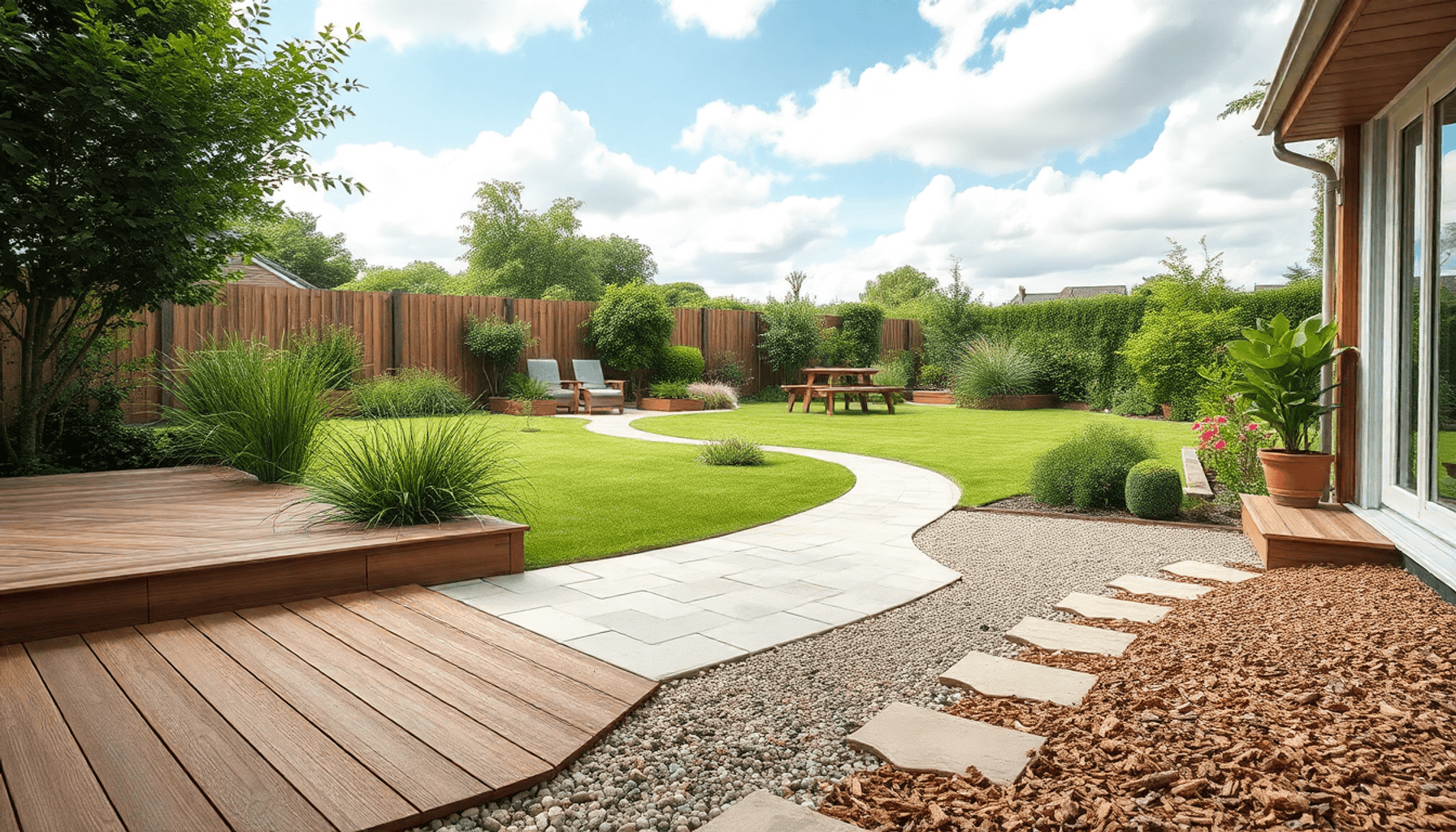

Decking has become a staple feature in many UK gardens, offering a versatile and attractive outdoor flooring solution. Its natural wood appearance complements various garden styles, providing a warm and inviting space for relaxation and entertaining. Despite its popularity, traditional timber decking presents challenges that prompt homeowners to consider other options.
The UK's unique climate—with frequent rain, dampness, and seasonal temperature fluctuations—can accelerate wear and tear on timber decking. Maintenance demands, susceptibility to rot, and concerns about longevity lead many to seek alternatives to decking UK that better withstand these conditions while meeting aesthetic preferences.
You will find a range of decking alternatives designed to suit different budgets, maintenance requirements, and garden styles. From innovative composite materials to eco-friendly ground coverings, the variety of garden flooring options UK allows you to tailor your outdoor space with durability and style in mind.
This article explores the best alternatives to traditional timber decking suitable for UK gardens. Each option balances performance with visual appeal, helping you make an informed choice for your outdoor living area.
Understanding the Limitations of Traditional Decking
The drawbacks of traditional timber decking have become more obvious to UK homeowners, especially because of the country's often damp and unpredictable weather. Maintaining timber decking in the UK requires a lot of effort and continuous care to keep it looking good and structurally sound.
Key Challenges with Timber Decking
1. High Maintenance Requirements
Timber decks need regular cleaning, sanding, sealing, and staining. Without this maintenance, the wood quickly deteriorates, leading to splintering and rough surfaces that reduce safety and comfort.
2. Susceptibility to Rot and Pests
Wood exposed to moisture is prone to rot—a common issue in UK gardens where it rains frequently. Additionally, timber can attract wood-boring insects such as termites or beetles, speeding up decay if not treated.
3. Weather Damage
UV rays cause fading and cracking of timber surfaces over time. Freeze-thaw cycles during colder months can warp boards or loosen fixings. These weather effects shorten the lifespan of traditional decks compared to other materials.
Cost Considerations Over Time
While initial installation costs for timber decking may seem reasonable, ongoing maintenance expenses add up:
- Annual treatments with sealants or preservatives are necessary.
- Repairs or board replacements due to rot or damage increase long-term costs.
- Labour costs for maintenance can be significant if you hire professionals.
These repeated expenses make timber decking less cost-effective over its lifespan compared to newer, low-maintenance alternatives designed specifically for the UK climate.
Homeowners are increasingly looking beyond traditional timber decking problems when choosing garden surfaces. They are interested in composite materials, PVC options, and other innovative solutions that offer reduced upkeep without sacrificing style or function.
1. Composite Decking: A Durable and Low-Maintenance Option
Composite decking has become a popular choice in the UK, offering a great alternative to traditional timber decks. It is made by combining wood fibers with plastic polymers, creating a material that looks like natural wood but performs even better. This study highlights the advantages of composite materials in decking.
Key Benefits of Composite Decking
1. Durability Against Rot and Pests
Unlike timber, composite decking resists moisture absorption, which prevents rot and decay. Its synthetic components make it unattractive to pests such as termites, a common problem in wooden decking.
2. UV Resistance and Weather Toughness
Composite decking boards are engineered to withstand prolonged exposure to sunlight without fading or warping. This UV resistance makes them particularly suitable for the variable UK climate, where rain, sun, and frost can cause damage to traditional wood surfaces.
3. Natural Wood Appearance Without Upkeep
The surface of composite decking often features realistic wood grain textures and colours that closely resemble hardwood varieties. You get the aesthetic appeal of timber without the need for sanding, staining, or sealing every season.
4. Cost vs Long-Term Value
Initial installation costs for composite decking are higher compared to standard timber options. However, its low maintenance requirements reduce ongoing expenses like replacement boards and treatments. Over time, this balance often results in better value for homeowners prioritizing longevity.
5. Low Maintenance Decking
Cleaning composite decks typically involves just soap and water or a gentle power wash once or twice a year. No special chemicals or protective coatings are necessary, freeing you from frequent upkeep chores common with wooden decks.
Composite decking suits many garden styles across the UK. Whether you want a contemporary look or something more traditional, manufacturers offer a variety of finishes and colours to match your design preferences. Its robustness makes it ideal for busy outdoor spaces that experience regular foot traffic or harsh weather conditions.
This combination of durability, minimal maintenance, and natural beauty explains why composite decking remains one of the best low maintenance decking solutions available to UK homeowners today. Many homeowners who have made the switch to composite decking have shared their positive experiences on forums like Reddit, further solidifying its reputation as a reliable choice.
2. PVC Decking: Cost-Effective but With Caveats
PVC decking UK has gained attention as one of the more affordable decking options available to homeowners. Made entirely from polyvinyl chloride, this material offers a synthetic alternative to timber and composite boards.
Key Features of PVC Decking:
- Strength and durability: PVC decking is resistant to moisture, insects, and rot, making it suitable for damp UK conditions.
- Low initial cost: Compared to timber or high-end composites, PVC boards tend to have a lower upfront price.
- Lightweight nature: Easier to handle during installation than heavier wood or composite planks.
- Variety of colours and finishes: Offers options beyond natural wood tones, including grey or white hues.
Despite these advantages, there are important caveats you should consider when evaluating PVC decking for your garden project:
- Slipperiness when wet: Unlike textured timber or composite surfaces, smooth PVC can become dangerously slippery during rain or morning dew. This is a critical safety factor in the often wet UK climate.
- Hidden maintenance costs: While marketed as low-maintenance, PVC decking may require special cleaning products to avoid surface staining or fading. Scratches can be difficult to repair without replacement boards.
- Limited heat resistance: PVC can soften under intense sunlight, which may lead to warping over time in exposed areas.
- Environmental concerns: Being fully plastic, PVC has a higher environmental footprint both in production and disposal compared to more natural alternatives.
Suitability depends on your specific needs:
- Ideal for shaded patios or balcony spaces where water accumulation is minimal.
- Less recommended for family gardens with children due to slip risk.
- Budget-conscious buyers who accept trade-offs in texture and appearance might find it appealing.
You will find that while PVC decking offers an entry point into affordable decking solutions, its practical limitations mean it is not always the best fit for every UK garden environment. The balance between cost savings and long-term usability requires careful thought before committing to this material.
3. Bamboo Hardwood Decking: Sustainable and Stylish
Bamboo hardwood decking is gaining popularity in the UK as an eco-friendly and visually appealing alternative to traditional timber. Known for its rapid renewability, bamboo offers a sustainable decking material that aligns well with environmentally conscious landscaping choices. In fact, studies have shown that bamboo's growth and harvesting practices can significantly reduce environmental impact compared to conventional wood sources source.
Key Features of Bamboo Decking UK:
- Sustainability Credentials: Bamboo grows much faster than conventional hardwoods, often reaching maturity within 3 to 5 years. This rapid growth cycle makes bamboo decking a more sustainable option compared to slow-growing hardwoods commonly used in UK gardens.
- Temperature Resistance: Bamboo exhibits excellent tolerance to varying temperatures, making it suitable for the UK's often unpredictable weather patterns. It handles both cold winters and warm summers without significant warping or cracking.
- Lightweight and Easy Handling: Compared to dense hardwoods, bamboo is lighter, which simplifies transportation and installation processes. This feature can reduce labour costs and speed up project timelines.
- Aesthetic Appeal: Bamboo decking displays a natural, warm tone with fine grain patterns that bring a contemporary yet organic look to outdoor spaces. It blends well with modern garden designs or traditional settings aiming for a natural finish.
Maintenance Considerations:
Bamboo requires regular upkeep to prevent mould, mildew, and rot—common challenges in the damp UK climate. Routine cleaning combined with protective treatments like sealants or oils is essential to maintain its appearance and durability.
"Proper maintenance extends the life of bamboo decking significantly, ensuring it remains a beautiful feature of your garden."
Warranty Benefits:
Many suppliers of bamboo decking UK offer warranties extending up to 20 years against manufacturing defects and structural failure. This warranty coverage provides reassurance about the long-term performance of bamboo as a decking material.
Choosing bamboo means investing in a product that balances environmental responsibility with style and function. Its combination of durability, sustainability, and distinctive aesthetics makes it an attractive option for homeowners looking beyond conventional timber decking. Moreover, recent research indicates that bamboo's unique properties could make it a key player in future sustainable building practices source.
4. Aluminum Decking: Longevity Meets Fire Safety
Aluminum decking has become a preferred choice for homeowners prioritizing durability and safety. Unlike timber or composite alternatives, aluminum decking offers unmatched longevity, with manufacturers often guaranteeing lifespans up to 100 years. This makes it one of the most robust materials available for outdoor flooring.
Key advantages of aluminum decking include:
- Extreme Durability: Resistant to rot, mold, pests, and weather damage, aluminum decking maintains its structural integrity without warping or cracking. It withstands heavy foot traffic and harsh UK weather conditions including rain, frost, and intense sunlight.
- Fire-Rated Decking Options: Aluminum decking frequently carries a fire rating of A2-S1, indicating very limited combustibility and smoke production. This rating is crucial for properties where fire safety regulations are strict—such as apartment balconies or refurbishment projects near flammable structures.
- Low Maintenance Requirements: Unlike wood-based options that need regular sealing or staining, aluminum decking requires minimal upkeep beyond occasional cleaning to remove dirt or debris.
- Lightweight Yet Strong: The lightweight nature of aluminum allows for easier installation compared to concrete or stone alternatives. Despite its lightness, it supports substantial weight loads without bending or breaking.
Considerations when choosing aluminum decking:
- Higher Initial Cost: Upfront investment is significantly greater than timber or composite decking due to material and manufacturing costs. However, this cost balances out over time given its longevity and reduced maintenance expenses.
- Industrial Aesthetic: The sleek metallic finish provides a modern look that suits contemporary architectural styles but may clash with traditional garden designs. Some manufacturers offer powder-coated finishes in various colors to soften the industrial appearance.
Ideal applications for aluminum decking include areas where fire safety is paramount or where long-term durability outweighs initial budget concerns:
- Balconies in multi-unit buildings requiring fire-resistant materials
- Renovation projects needing compliance with updated building codes
- Commercial outdoor spaces demanding low-maintenance surfaces
Aluminum decking represents a premium alternative delivering exceptional lifespan and safety benefits, making it a practical choice for certain garden and property types where performance cannot be compromised.
5. Decking Tiles: Flexible and Easy-to-Install Solutions
Decking tiles are a practical alternative to traditional decking, offering a quick and versatile outdoor flooring solution for UK homeowners. These interlocking deck tiles come in a range of materials, each with its own set of advantages tailored to different preferences and garden styles.
Material Options
There are several material options available for decking tiles, each with its own unique features:
- Composite Decking Tiles: Combine recycled wood fibers with plastic, providing durability and resistance to rot and fading. Composite tiles mimic the appearance of natural wood without the upkeep, making them popular for low-maintenance gardens.
- Wooden Decking Tiles: Typically made from hardwoods like teak or acacia, these tiles bring authentic natural warmth and texture. They require periodic sealing or oiling to maintain their look but provide classic appeal.
- Plastic Decking Tiles: Usually crafted from recycled plastics, these tiles resist moisture, insects, and UV damage but may lack the natural aesthetic of wood or composite options.
Installation Benefits
One of the main advantages of decking tiles is their easy installation process. The interlocking systems allow you to snap tiles together without nails or screws, simplifying installation drastically compared to traditional decking. This design suits DIY enthusiasts and renters who want to enhance a balcony or patio without long-term commitments.
Some additional benefits of installing decking tiles include:
- No specialist tools required
- Can be installed directly over existing surfaces such as concrete or paving
- Easily removable for cleaning or seasonal storage
Environmental Considerations
Many decking tiles utilize recycled materials, particularly composite and plastic types, reducing environmental impact compared to freshly cut timber. Choosing sustainably sourced hardwood further supports eco-friendly landscaping.
Limitations to Consider
While decking tiles offer many advantages, there are some limitations to keep in mind:
- Surface Stability: On uneven ground, decking tiles may shift or create gaps unless secured properly. This issue is more pronounced on loose soil or gravel bases.
- Durability Variations: Some cheaper plastic options may degrade over time under intense sunlight or heavy foot traffic.
Decking tiles provide an accessible entry point into outdoor flooring upgrades—balancing ease of use with aesthetic versatility in discussions about alternatives to decking in the UK. Their modular aspect allows customization of patterns and coverage areas that adapt as your outdoor space evolves.
6. Paving Slabs: Classic Hardscaping Alternatives
Paving slabs offer a timeless and practical alternative to decking, especially popular for gardens across the UK. They provide a solid, durable surface that can transform outdoor spaces into elegant patios or walkways. Choosing paving slabs UK means considering a variety of materials, each with distinct characteristics suited to different budgets and styles.
Types of Paving Slabs
1. Concrete Paving Slabs
Concrete slabs represent the most budget-friendly option. They come in numerous sizes and finishes, allowing flexibility in design without breaking the bank. Their durability makes them suitable for high-traffic areas, although they may require sealing to prevent staining and weather damage over time.
2. Natural Stone Patios
Natural stone paving such as granite and slate delivers a sophisticated look with enduring appeal. These materials are highly resistant to wear and weather, making them ideal for UK gardens exposed to rain and frost. Granite offers exceptional hardness and low porosity, resisting moss and algae growth. Slate is praised for its rich texture and colour variation but needs careful installation due to its natural cleft surface which can be slippery when wet.
3. Porcelain Paving Slabs
Porcelain slabs are gaining popularity as a luxury alternative combining beauty with performance. They provide excellent moisture resistance and are less prone to fading than other materials. Porcelain's smooth surface enhances modern garden aesthetics and requires minimal maintenance. Although typically more expensive than concrete or natural stone, porcelain’s longevity justifies the investment.
Installation Considerations
Proper installation influences both appearance and lifespan of paving slabs. Preparing a stable sub-base is crucial to prevent shifting or cracking. The choice between mortar setting versus dry laying depends on slab type and desired finish; natural stone often benefits from mortar fixing for stability, while concrete slabs can be dry laid with sand joints.
Cutting precision plays a role in achieving seamless layouts, especially for intricate designs using mixed materials like natural stone combined with porcelain accents.
Durability and Maintenance
- Concrete slabs may show signs of wear faster but respond well to regular cleaning and resealing.
- Natural stone requires occasional sealing but withstands harsh UK weather with minimal deterioration.
- Porcelain offers the highest resistance to stains, frost, and scratches yet demands gentle cleaning agents to preserve its surface.
Selecting paving slabs UK involves balancing cost against aesthetic preferences and maintenance tolerance. The classic appeal of natural stone patios makes them a standout choice for homeowners seeking elegance matched with resilience in their garden spaces.
7. Gravel Surfaces: Quick and Natural Ground Covering
Gravel surfaces are a cost-effective and visually appealing alternative to traditional decking. They bring a natural, rustic charm that complements many UK garden styles, from cottage gardens to modern minimalist landscapes.
Key Advantages of Gravel
- Cost-effectiveness: Gravel is considerably cheaper than many decking materials and paving options. It requires less initial investment while still providing a functional outdoor surface.
- Ease of installation: Laying gravel is straightforward and can often be a DIY project without the need for heavy machinery or specialist skills. This simplicity translates to lower labour costs.
- Natural aesthetic: With a variety of colours, sizes, and textures available, gravel adds texture and interest to garden paths or patios. It blends well with plants and natural surroundings, enhancing the outdoor atmosphere.
Challenges to Consider
- Weed growth: One common issue with gravel garden paths UK homeowners face is weed intrusion. Without proper groundwork—such as installing a weed membrane beneath—the gravel can quickly become overrun with unwanted plants.
- Shifting and displacement: Loose gravel tends to move underfoot or due to weather conditions like heavy rain or wind. This can create uneven surfaces that require regular raking or topping up.
Self-Binding Gravel Benefits
Self-binding gravel offers a solution to some of these challenges. It consists of fine particles mixed with stone chips that bind together when compacted, creating a firmer, more stable surface.
- Reduced shifting: Once set, self-binding gravel forms a solid surface less prone to displacement.
- Durability: It withstands foot traffic better than loose gravel and requires less frequent maintenance.
- Permeability: Allows water drainage, reducing puddling and runoff issues common with impermeable surfaces.
Using self-binding gravel for garden paths or driveways is particularly effective in UK climates where wet weather might otherwise destabilise loose surfaces. For those considering this option, a comprehensive guide on self-binder products could provide valuable insights.
Gravel surfaces provide a practical, natural-looking ground covering option that suits those prioritising budget and quick installation without sacrificing style. Careful selection between loose or self-binding types can tailor the choice to your garden’s specific needs.
8. Bark Chippings & Wood Chip Mulch: Eco-Friendly Ground Covers
Bark chippings and wood chip mulch offer inexpensive, environmentally friendly ground cover options that align well with sustainable gardening practices in the UK. These materials are commonly used as natural alternatives to decking, providing a rustic look while serving practical purposes in garden design.
Key Benefits of Bark Chippings and Wood Mulch
- Pest Repellent Properties: Bark chippings naturally repel certain pests, reducing the need for chemical treatments. This makes them attractive for organic gardens or those looking to minimize chemical exposure, especially when considering eco-safe alternatives to chemical pest control.
- Soil Health Improvement: As they decompose over time, wood mulches contribute organic matter to the soil, improving moisture retention and nutrient content. This supports healthier plants and reduces watering frequency.
- Cost-Effectiveness: Compared to traditional decking or paving, bark chippings are budget-friendly both in material costs and installation efforts.
- Aesthetic Appeal: Their earthy tones complement a wide range of garden styles, from wild naturalistic settings to more structured landscapes.
Practical Considerations
- Less Permanent Surface: Unlike decking or paved surfaces, bark chippings require periodic replenishment as they break down with weather exposure and foot traffic.
- Wind Displacement Issues: In exposed areas typical of many UK gardens, lightweight bark chippings can be blown away by strong winds. Installing edging or using heavier mulch varieties may help retain coverage.
- Maintenance Needs: While low-maintenance compared to timber decking, occasional raking is necessary to keep surfaces even and prevent compaction that could hinder water infiltration.
Suitable Applications for Bark Chippings in UK Gardens
- Paths or informal walkways where a soft underfoot feel is desirable.
- Mulching around shrubs and flower beds to suppress weeds and conserve moisture.
- Play areas that benefit from softer ground cover without the hardness of concrete or stone.
Choosing bark chippings or wood chip mulch as part of your garden surface strategy highlights sustainability and practicality. They stand out among the Alternatives to Decking UK: What to Use Instead for gardeners prioritising eco-friendly materials combined with natural aesthetics.
9. Pallet Decking: Upcycled Rustic Charm
Pallet decking offers a unique, budget-friendly alternative to traditional timber decking. If you are looking for recycled wood garden flooring that adds character and sustainability to your outdoor space, pallet decking DIY UK projects can be highly rewarding.
Key Features of Pallet Decking
- Cost-effective: Often sourced for free or at very low cost from warehouses or retailers, pallets reduce material expenses dramatically.
- Eco-friendly: By reusing wood destined for disposal, you contribute to waste reduction and promote upcycling.
- Rustic aesthetic: The weathered look of pallets creates a charming, rustic vibe that suits cottage gardens, bohemian patios, or informal outdoor areas.
- Customizable: Pallet sizes and shapes allow flexibility in design — arrange them as decking boards, platforms, or raised beds.
Practical Considerations for Pallet Decking DIY UK Projects
Working with pallets requires care and preparation to ensure safety and longevity.
Inspection and Selection
- Choose pallets stamped with "HT" (heat-treated) rather than those treated with chemicals, to avoid harmful residues.
- Avoid pallets exposed to chemicals or paint as these pose health risks.
Preparation
- Sand thoroughly to remove splinters and rough edges.
- Cut and fit pallets precisely according to your deck dimensions.
- Apply protective coatings such as sealants or outdoor wood oils to improve weather resistance.
Durability and Maintenance
- Pallets are generally less durable than commercial decking materials; expect some warping or cracking over time.
- Regular maintenance is necessary — cleaning, resealing, and checking for loose boards will prolong lifespan.
- Ground contact can accelerate rot; consider installing on sleepers or a gravel base for drainage.
Installation Tips
- Secure pallets firmly using screws rather than nails for better stability.
- Level the ground surface before installation to prevent shifting.
- Combine with other materials like gravel or paving slabs for hybrid designs that enhance both durability and aesthetics.
Suitability in UK Gardens
Pallet decking fits well within the context of Alternatives to Decking UK: What to Use Instead because it appeals to homeowners who prioritize sustainability and DIY involvement. It works best in sheltered areas protected from extreme moisture, and offers a quick way to create functional outdoor flooring without high upfront costs.
You should weigh the rustic charm and eco benefits against the increased upkeep demands when considering pallet decking as an option. For those willing to invest time into maintenance, it is a creative way to personalize garden flooring while supporting environmental responsibility.
FAQs (Frequently Asked Questions)
What are the main drawbacks of traditional timber decking in UK gardens?
Traditional timber decking in the UK faces challenges such as high maintenance requirements, susceptibility to rot and pests, weather damage, and ongoing costs that can add up over time. These factors have driven many homeowners to seek alternative garden flooring options.
How does composite decking compare as an alternative to traditional timber decking in the UK?
Composite decking offers a durable and low-maintenance alternative suitable for UK weather conditions. It resists rot and UV damage while providing a natural wood appearance without the upkeep associated with timber, offering good long-term value despite a higher initial cost.
What are the benefits and limitations of using PVC decking in UK gardens?
PVC decking is a cost-effective option known for its strength and affordability. However, it can be slippery when wet and may involve hidden maintenance costs. Its suitability depends on specific garden conditions and homeowner preferences.
Why might bamboo hardwood decking be considered a sustainable choice for UK garden floors?
Bamboo hardwood decking is sustainable, lightweight, and temperature resistant, making it environmentally friendly. It requires maintenance to prevent mould or rot but comes with warranty benefits and offers stylish aesthetics suited to UK gardens.
In what scenarios is aluminum decking recommended as an alternative in the UK?
Aluminum decking is ideal for projects requiring extreme durability—lasting up to 100 years—and fire safety (with an A2-S1 rating). It's particularly suited for balconies or refurbishments with fire safety needs, though it has a higher cost and an industrial look that may not suit all tastes.
What are some flexible and easy-to-install alternatives to traditional decking available in the UK?
Interlocking decking tiles made from composite, wood, or plastic provide flexible and easy installation options. They offer environmental benefits but may shift on uneven surfaces, so proper ground preparation is necessary for stability.