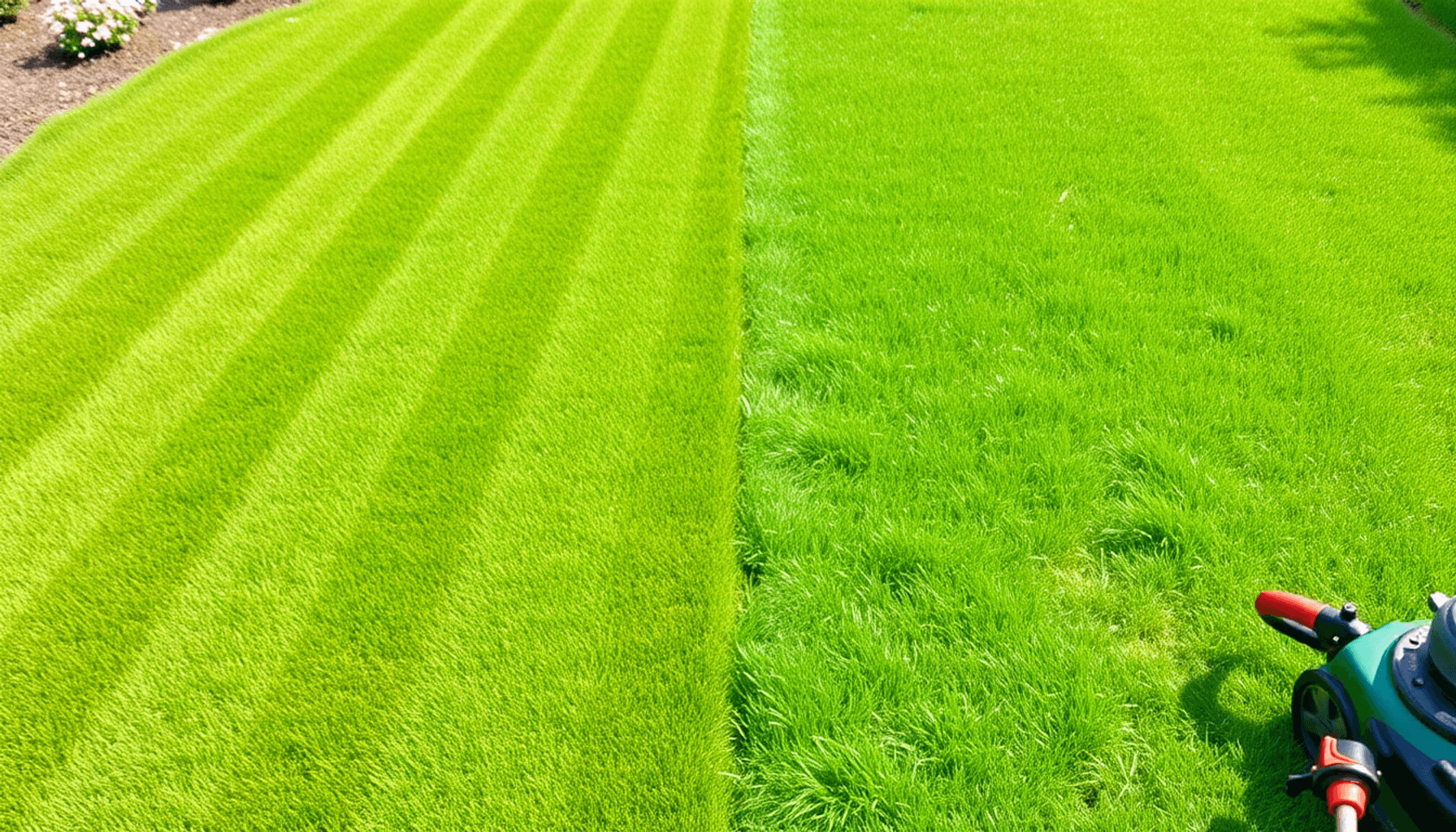

Choosing the right lawn mower is essential for maintaining a healthy, attractive lawn. The tool you select directly affects the quality of your grass cut, the health of your lawn, and your overall mowing experience. Understanding the differences between available options helps you make an informed decision.
There are two main types of domestic lawn mowers:
- Cylinder (Reel) Mowers: These use a set of spinning cylindrical blades that slice grass with a scissor-like action.
- Rotary Mowers: These feature high-speed rotating blades that chop grass more roughly.
This article will help you decide between a Cylinder and Rotary Lawn Mower by providing a detailed comparison. It covers how each mower works, their strengths and limitations, and factors to consider when choosing one. Whether you have a small, manicured garden or a large, uneven plot, this guide will help you determine which type suits your specific needs best.
By understanding these points of comparison between lawn mower types, you'll be better equipped to choose the right mower for your lawn's health and appearance.
Understanding Cylinder Lawn Mowers
Cylinder mowers, often called reel mowers, operate with a distinctive cutting mechanism that sets them apart from rotary mowers. The cylinder mower mechanism consists of several cylindrical blades arranged in a spiral, rotating against a fixed bottom blade. This interaction creates a scissor-like cutting action, which slices through grass blades cleanly and precisely.
Key Benefits of Cylinder Mowers
1. Clean and precise cuts
The scissor action minimizes damage to individual grass blades, unlike the tearing action common with rotary mowers. This results in a neater finish and reduces browning or fraying edges on your lawn.
2. Healthier grass
By producing smooth cuts, cylinder mowers promote healthier turf growth. The reduced tearing lowers stress on grass plants, decreasing vulnerability to diseases and encouraging dense, lush lawns.
3. Ideal for fine lawns
Cylinder mowers are especially suited for finely trimmed lawns such as those on sports pitches, golf courses, or well-maintained home gardens. They excel at creating sharp stripes and uniform surfaces thanks to their rear rollers that comb grass upright before cutting.
Environmental Advantages
Cylinder mowers come in manual push versions or electric models, both known for being quiet and eco-friendly. Without petrol engines, they reduce noise pollution and eliminate harmful emissions. Manual reel mowers require no fuel or electricity, making them the greenest choice for environmentally conscious gardeners.
Versatility Through Additional Features
Some cylinder mowers include interchangeable cartridges, enhancing their functionality beyond mowing:
- Scarifying cartridges help remove moss and thatch buildup.
- Dethatching attachments clear dead grass and debris from the lawn surface.
These features add value by enabling seasonal lawn care tasks without needing separate tools.
Limitations to Consider
- Higher initial cost: Compared to rotary mowers, cylinder models often come with a steeper price tag due to their complex blade assembly.
- Lawn condition requirements: Cylinder mowers perform best on well-maintained lawns with short grass. Uneven terrain or tall, thick grass can cause scalping—where patches of turf are cut too low—which damages the lawn’s appearance and health.
- Terrain suitability: Flat ground is essential for effective cutting since bumpy or sloped areas make proper blade contact difficult.
Choosing a cylinder mower means committing to regular upkeep of your lawn’s surface to maximize the mower’s benefits while avoiding damage from unsuitable conditions.
Understanding Rotary Lawn Mowers
Rotary mowers use a high-speed rotating blade mechanism that cuts grass by chopping it roughly rather than slicing. The blade spins horizontally at fast speeds, often powered by petrol engines or electric motors, delivering a robust cut that handles a wide range of lawn conditions.
Key Features of the Rotary Mower Mechanism
- The blade rotates at high revolutions per minute (RPM), striking the grass with force.
- Unlike cylinder mowers’ scissor-like action, rotary blades tear through grass blades.
- This results in less precision but greater power, making them versatile.
Strengths of Rotary Mowers
- Versatile lawn mower suitable for thick, coarse, or overgrown grass that cylinder mowers struggle to manage.
- Excels in rough terrain mowing, effectively handling uneven ground, slopes, and mixed surfaces.
- Can tolerate small stones, twigs, and debris without significant damage to the blade or mechanism.
- Less frequent mowing needed due to ability to cut longer grass without clogging.
Cost-Effectiveness
- Simpler design reduces manufacturing complexity and cost.
- Lower purchase price compared to cylinder mowers makes rotary models more accessible.
- Maintenance tends to be easier and cheaper—fewer precision parts like cylinders requiring regular adjustment or sharpening.
Drawbacks of Rotary Mowers
- Rougher cuts cause the edges of grass blades to brown and dry out more quickly.
- Increased risk of lawn diseases as torn grass blades are more vulnerable to infections.
- Clippings tend to scatter across the lawn rather than being evenly mulched or collected neatly.
- Petrol-driven rotary mowers consume more fuel and produce higher emissions compared to manual or electric cylinder options.
- Typically heavier and bulkier, which can make maneuvering difficult on smaller or intricate lawns.
Rotary mowers remain a solid choice if you need powerful cutting on challenging terrain or less manicured lawns. Their robustness compensates for the less refined finish they leave behind.
Key Factors to Consider When Choosing Between Cylinder and Rotary Mowers
Selecting the right mower involves weighing several important factors that affect performance, lawn health, and user satisfaction. These choosing lawn mower factors help you decide whether a cylinder or rotary mower suits your specific needs.
Lawn Size Mower Choice
- Small, well-kept lawns benefit from the precision of cylinder mowers. Their scissor-like cutting action keeps grass neat and encourages healthy growth.
- Larger or less manicured properties often require the robust capacity of rotary mowers. They handle thicker grass and larger areas more efficiently, reducing mowing time.
Terrain Type Mower Selection
- Flat terrain aligns well with cylinder mowers. Their design demands even ground to avoid scalping or uneven cuts.
- Uneven or rough terrain suits rotary mowers due to their ability to cope with bumps, slopes, and debris without damaging the blades.
Grass Condition Assessment
- Fine turf grasses, common in formal lawns or sports pitches, respond best to cylinder mowers that deliver clean cuts without tearing.
- Thick or coarse grass types, often found in wild or neglected areas, require rotary mowers that can chop through dense growth effectively.
Desired Lawn Appearance
- For those aiming at a precise cut with striped aesthetics, cylinder mowers provide unmatched results thanks to their rear rollers and gentle cutting style.
- If general maintenance and functional appearance are priorities, rotary mowers offer a practical solution without the need for perfect stripes or uniformity.
Maintenance Willingness
- Cylinder mowers demand frequent mowing intervals to prevent long grass from jamming the blades and require regular sharpening for optimal performance.
- Rotary mowers tolerate less frequent mowing but still need periodic blade sharpening and engine or motor servicing depending on the model.
Budget Mower Comparison
- Initial purchase cost tends to be higher for cylinder mowers because of their complex blade assembly and precision engineering.
- Rotary mowers generally have lower upfront costs and simpler maintenance expenses due to fewer moving parts and widespread availability.
Environmental Concerns
- Cylinder mowers, especially manual or electric versions, operate quietly with zero emissions, making them suitable for noise-sensitive neighborhoods and eco-conscious users.
- Petrol-driven rotary mowers consume more fuel and produce noise pollution but offer powerful cutting performance where electric options fall short.
These factors shape your decision when facing the classic question: Cylinder vs Rotary Lawn Mower: Which Should You Choose? Understanding how lawn size, terrain type, grass condition, aesthetic preferences, maintenance habits, budget constraints, and environmental impact interplay guides you toward the mower best aligned with your lawn care goals.
Practical Usage Scenarios for Each Mower Type
Understanding the specific use cases for each type of mower can help you make an informed decision based on your lawn's requirements. Here's a breakdown of when to use cylinder mowers and rotary mowers:
Cylinder Mower Use Cases
Cylinder mowers are ideal for situations where precision cutting and lawn health are top priorities. Here are some scenarios where cylinder mowers excel:
- Golf courses: Cylinder mowers deliver the clean, exact cuts needed to maintain the smooth, striped greens essential for play quality and visual appeal.
- Sports pitches: Fine turf areas benefit from the scissor-like cutting action that reduces grass stress and prevents disease, ensuring a resilient playing surface.
- Finely trimmed home lawns: Homeowners dedicated to a pristine lawn with sharp stripes and a uniform appearance find cylinder mowers ideal for maintaining that manicured look.
- Lawns with short, flat grass: These mowers excel where grass is kept at consistent low heights on even terrain, avoiding scalping or uneven cuts.
For more information on how to maintain your lawn effectively with cylinder mowers, check out this comprehensive lawn problem solver.
Rotary Mower Use Cases
Rotary mowers are better suited for more rugged conditions and varied lawn demands. Consider using rotary mowers in the following situations:
- Large gardens or estates: Rotary mowers handle expansive areas efficiently, especially where perfect precision is less critical than coverage speed.
- Uneven or rough terrain: The robust blade design copes well with bumps, slopes, and minor debris without damage or performance loss.
- Overgrown or coarse grass patches: Rotary mowers can cut through dense, tall growth that would challenge cylinder models or require multiple passes.
- Mixed-use lawns: Properties combining formal garden sections with wildflower areas or naturalized zones benefit from rotary mowers’ versatility.
If you're interested in understanding more about rotary mowers and their functionality, this guide for professional turf management provides valuable insights.
Combining Both Types for Optimal Results
In practice, using both types of mowers strategically can yield excellent results. Here are some examples of how you can combine their strengths:
- Start the season with a rotary mower to reduce long, thick grass quickly.
- Switch to a cylinder mower for ongoing maintenance to achieve clean cuts and healthy turf development.
By understanding these practical usage scenarios, you can match your mower choice precisely to your lawn’s unique needs.
Maintenance Tips for Cylinder and Rotary Lawn Mowers
Proper lawn mower maintenance is essential to keep your equipment running smoothly and to ensure a clean, healthy cut for your lawn. Both cylinder and rotary mowers require specific care routines tailored to their design.
Blade Sharpening
Cylinder mowers depend heavily on sharp blades for their precision cutting action. Dull blades tear grass rather than slice it cleanly, undermining the mower's main advantage. Sharpen the cylindrical blades every 20–25 hours of use. Due to the complexity of aligning the rotating blades with the fixed bottom blade, this often requires professional servicing.
Rotary mowers also require regular blade sharpening, but the process is generally simpler. You can sharpen rotary blades yourself using a file or take them to a service shop. Check for nicks or bends before each season and sharpen as needed to maintain clean cuts and reduce stress on your grass.
Cleaning and Debris Removal
Grass clippings, dirt, and debris accumulate around mower blades and undercarriages over time, impacting performance. After every use, follow these cleaning steps:
- Remove clippings from cylinder reels and rotary decks using a brush or compressed air.
- Clear the spaces between cylinder blades where buildup can interfere with smooth rotation.
- Clean the underside deck of rotary mowers to prevent rust and maintain efficient airflow for cutting.
- If your mower has interchangeable cartridges such as a scarifier or dethatcher, clean those components thoroughly after use to avoid clogging.
Safety Checks and Servicing
Regular inspections help prevent accidents and costly repairs. Before and during each mowing season, carry out the following checks:
- Examine blades for damage or excessive wear and replace them if necessary.
- Check that blade bolts are tight and secure before each mowing session.
- Inspect power cords or battery condition on electric models and charge batteries fully before storage.
Petrol Engine and Electric Motor Servicing
- Change engine oil according to the manufacturer's instructions.
- Replace spark plugs yearly or as recommended.
- Clean or replace air filters regularly, especially in dusty environments.
- Inspect fuel lines for cracks or leaks.
- Lubricate moving parts such as wheel bearings.
Maintaining safety features like blade guards and kill switches ensures reliable operation. Never attempt blade sharpening or cleaning without first disconnecting power sources or removing spark plugs to prevent accidental starts.
Consistent attention to these maintenance tasks extends the life of your lawn mower while delivering sharper cuts that keep your lawn looking its best season after season.
Conclusion
Choosing the best lawn mower depends largely on your specific lawn care needs and conditions. The comparison between Cylinder vs Rotary Lawn Mower: Which Should You Choose? boils down to several key factors that influence performance and satisfaction.
-
For those with small, flat, and well-maintained lawns, a cylinder mower is the superior choice. Its scissor-like cutting action promotes healthier grass by reducing tearing, and it excels at producing the neat, striped appearance often desired in fine lawns or sports pitches. If you value precision and aesthetics, this mower type aligns perfectly with your goals.
-
If your lawn is large, uneven, or has thick, coarse grass, a rotary mower offers greater versatility and durability. It handles tougher conditions better, tolerates debris, and requires less frequent mowing. Its cost-effectiveness in purchase and maintenance also makes it attractive for users prioritizing budget and convenience over ultra-fine cutting quality.
-
Environmental considerations may sway your decision as well. Cylinder mowers often come in manual or electric models that run quietly and eco-friendly, while many rotary mowers rely on petrol engines that consume more fuel and emit noise.
-
Maintenance willingness is essential too. Cylinder mowers demand sharper blades and more attentive upkeep to maintain their precision cutting edge. Rotary mowers are generally easier to maintain but still benefit from regular blade sharpening and engine servicing for optimal operation.
Your choice should reflect how you balance these elements: lawn size, terrain type, desired lawn health and appearance, budget limits, environmental impact, and how much time you want to invest in maintenance.
Selecting the right mower means matching its strengths to your lawn’s unique needs. Whether you pick a cylinder or rotary model, understanding their differences ensures you invest wisely—and enjoy a healthy, attractive lawn all season long.
FAQs (Frequently Asked Questions)
What are the main differences between cylinder and rotary lawn mowers?
Cylinder lawn mowers use cylindrical blades rotating against a fixed bottom blade to provide a clean, scissor-like cut ideal for fine lawns. Rotary lawn mowers feature high-speed rotating blades that chop grass more roughly, making them suitable for thick or overgrown grass and uneven terrain.
Which type of lawn mower is best for maintaining a fine, healthy lawn?
Cylinder (reel) mowers are best suited for fine lawns as they deliver precise cuts that promote healthier grass by reducing tearing. They are ideal for well-maintained lawns requiring sharp stripes and a neat appearance.
Can rotary mowers handle rough or uneven terrain effectively?
Yes, rotary mowers are designed to handle thick, coarse grass and uneven or rough terrain. Their robust cutting power allows them to tolerate small stones and debris, making them versatile for various garden conditions.
What factors should I consider when choosing between a cylinder and rotary lawn mower?
Key factors include lawn size (smaller, well-kept lawns favor cylinder mowers; larger or less manicured areas suit rotary), terrain type (flat versus uneven), grass condition (fine turf versus coarse grass), desired lawn appearance, maintenance willingness, budget constraints, and environmental concerns like noise and emissions.
Are there environmental benefits to using cylinder lawn mowers?
Yes, many cylinder mowers come in manual or electric versions that are quiet and eco-friendly, producing lower emissions compared to petrol-driven rotary mowers. This makes them an environmentally conscious choice for maintaining your lawn.
How should I maintain my lawn mower to ensure optimal performance?
Regular blade sharpening is essential for both mower types but especially critical for cylinder mowers to maintain precision cutting. Cleaning after use prevents buildup of grass clippings and debris. Additionally, safety checks including blade condition inspection and engine or motor servicing (for rotary models) help prolong your mower's lifespan.